




Today we’d like to introduce you to Hira Chaudhry Yilmaz.
Hi Hira, so excited to have you with us today. What can you tell us about your story?
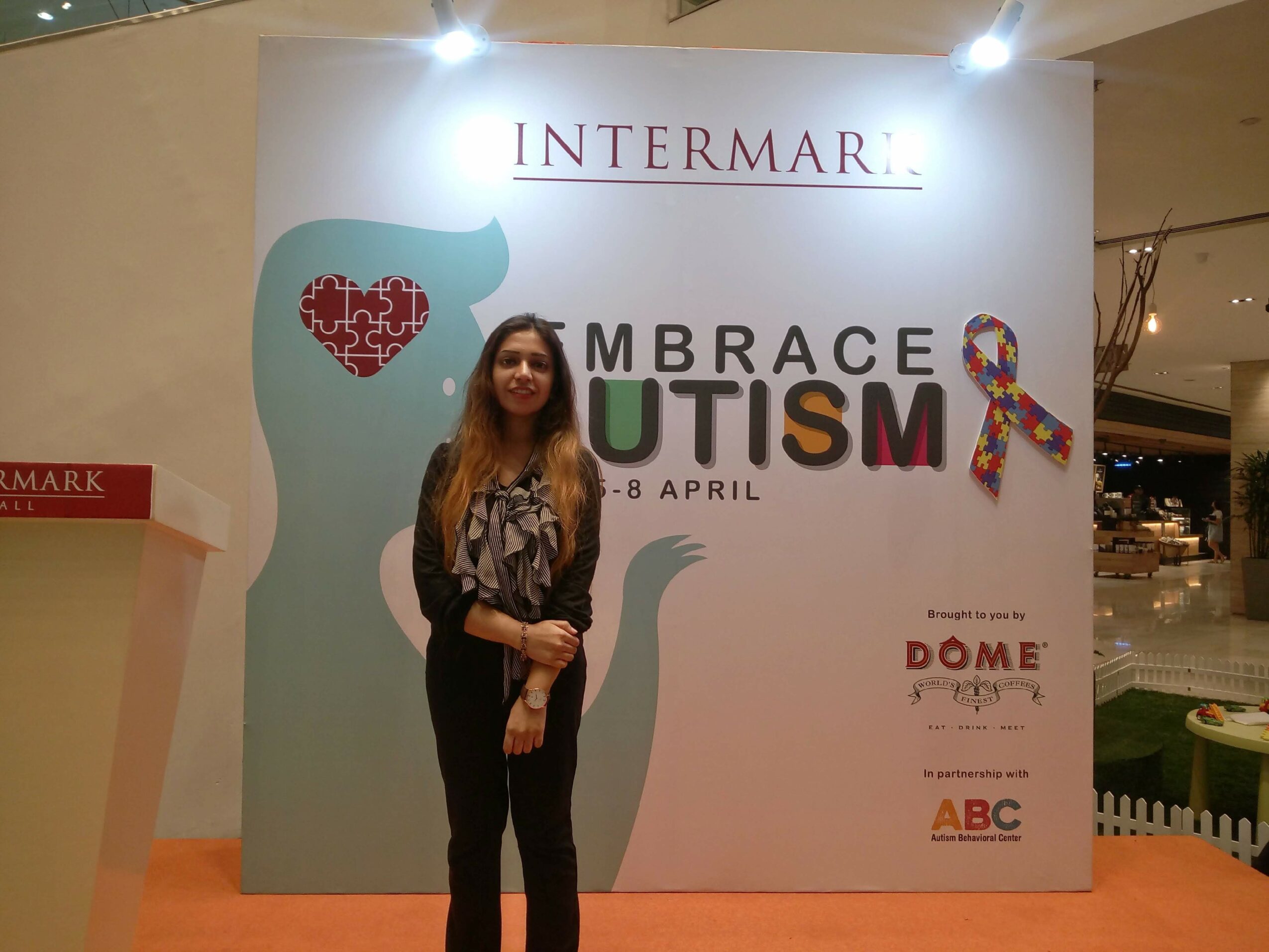
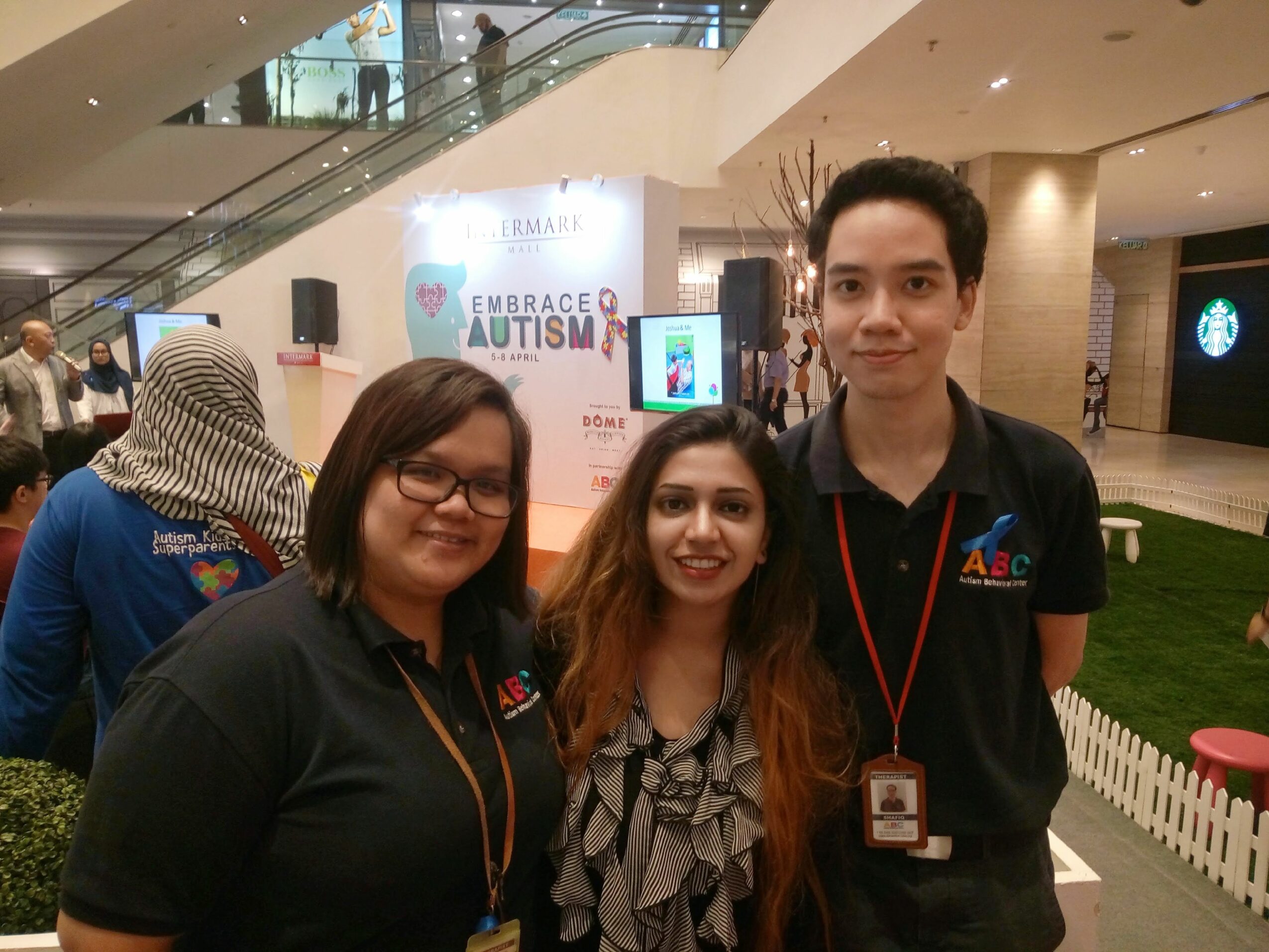
My journey began during the COVID-19 pandemic when I founded Psychewell to support families managing autism at home. Many parents were struggling without professional guidance, so I started sharing practical, home-based strategies. The positive response made me realize there was a major gap in accessible, self-help tools that empower people to manage their mental health more independently. That became a core focus of my work — promoting self-reliance through evidence-based, accessible education.
Over time, my work expanded to include broader mental health topics, including suicide prevention and crisis support. I’ve been actively involved with global organizations dedicated to suicide prevention, providing crisis intervention, helpline support, and awareness training.
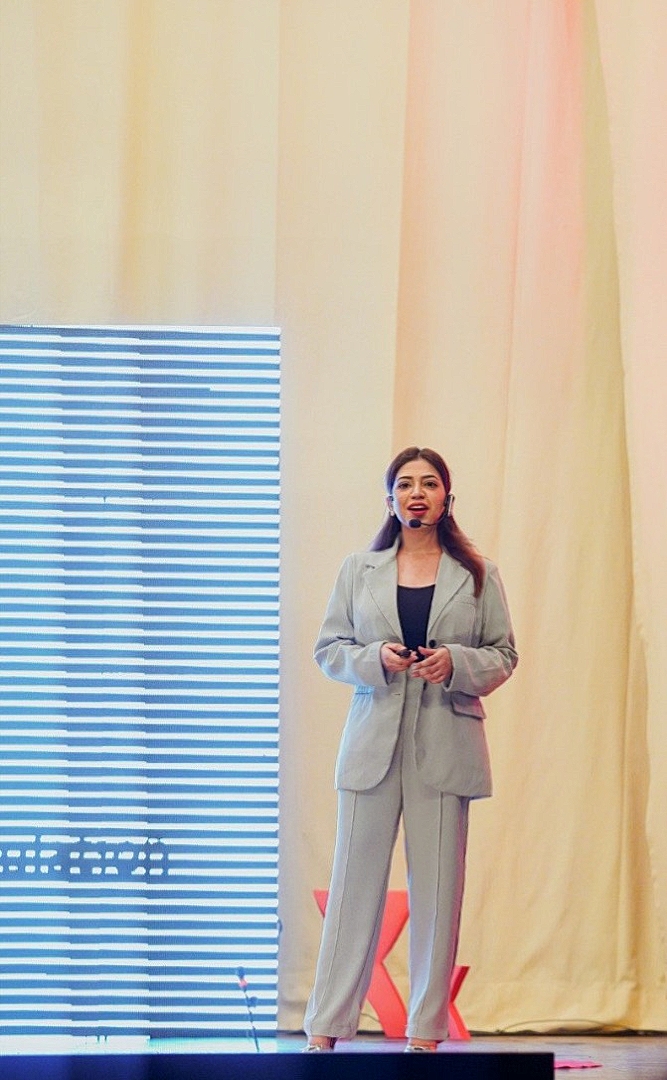
Since launching Psychewell, I’ve spoken at international conferences and webinars, and I’ve published research articles based on quantitative, reliable data focusing on inclusion and psychological health. My goal has always been to bridge the gap between academic knowledge and real-world application — making mental health support more practical, compassionate, and empowering.
Alright, so let’s dig a little deeper into the story – has it been an easy path overall and if not, what were the challenges you’ve had to overcome?
It definitely hasn’t been a smooth road — and I think that’s true for anyone trying to build something meaningful in the mental health space. One of the biggest challenges was starting out during the pandemic, when everything was uncertain and resources were limited. I had to learn how to reach people online in ways that were both clinically responsible and emotionally supportive.
Another struggle has been managing the emotional weight of working in crisis intervention, especially in suicide prevention. Holding space for others during their most vulnerable moments requires not just skill, but constant emotional resilience and supervision.
Navigating cultural differences and mental health stigma has also been a significant challenge — especially in communities where mental health is still misunderstood or taboo. Creating content and offering support that is culturally sensitive, yet evidence-based, requires careful thought and a deep understanding of local values and beliefs.
Despite these challenges, the impact I’ve been able to make — even in small ways — has made the journey incredibly rewarding.
Can you tell our readers more about what you do and what you think sets you apart from others?
I come from a medical background — I completed my MBBS, but along the way, I developed a deep passion for mental health and emotional wellbeing. That passion led me to pursue a Master’s in Psychological Medicine, where I combined my clinical knowledge with a more holistic, therapeutic approach to care.
I’m a board-certified International Behavior Therapist, and I also hold practitioner certifications in Cognitive Behavior Therapy (CBT) and Dialectical Behavior Therapy (DBT). I specialize in behavior therapy and suicide prevention, and I work with individuals across different age groups to help them build emotional regulation, coping strategies, and psychological resilience.
What sets me apart is my focus on making clients self-reliant. I don’t want people to feel dependent on therapy forever — I teach them tools, explain how and why they work, and empower them to manage their mental health independently.
I’m especially proud of taking the leap from medicine to psychology, even when many around me advised against it and encouraged a more conventional hospital-based career. But I knew I wanted to create change — meaningful, stigma-free, inclusive mental health support — and I couldn’t do that by staying on the traditional path.
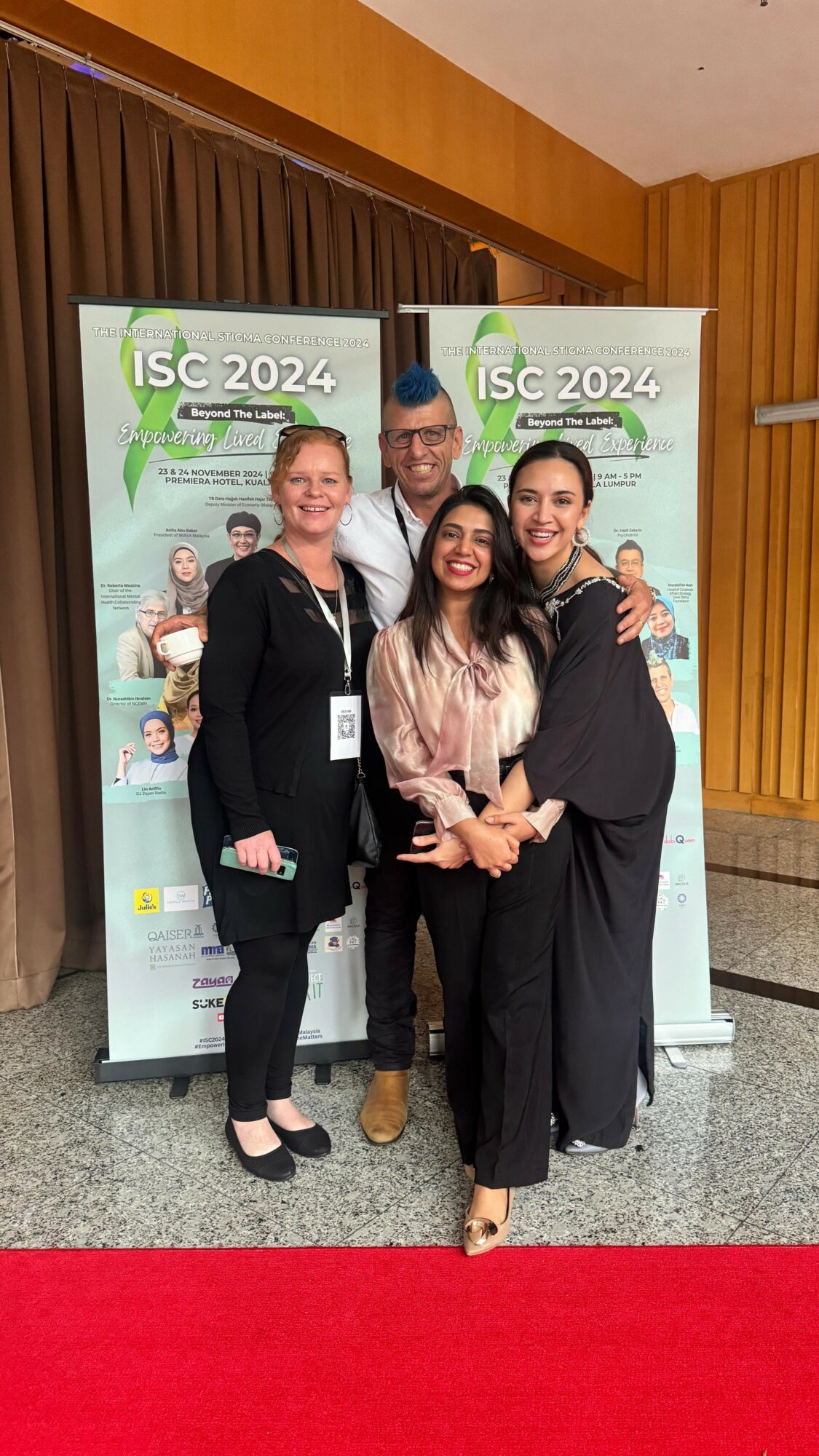
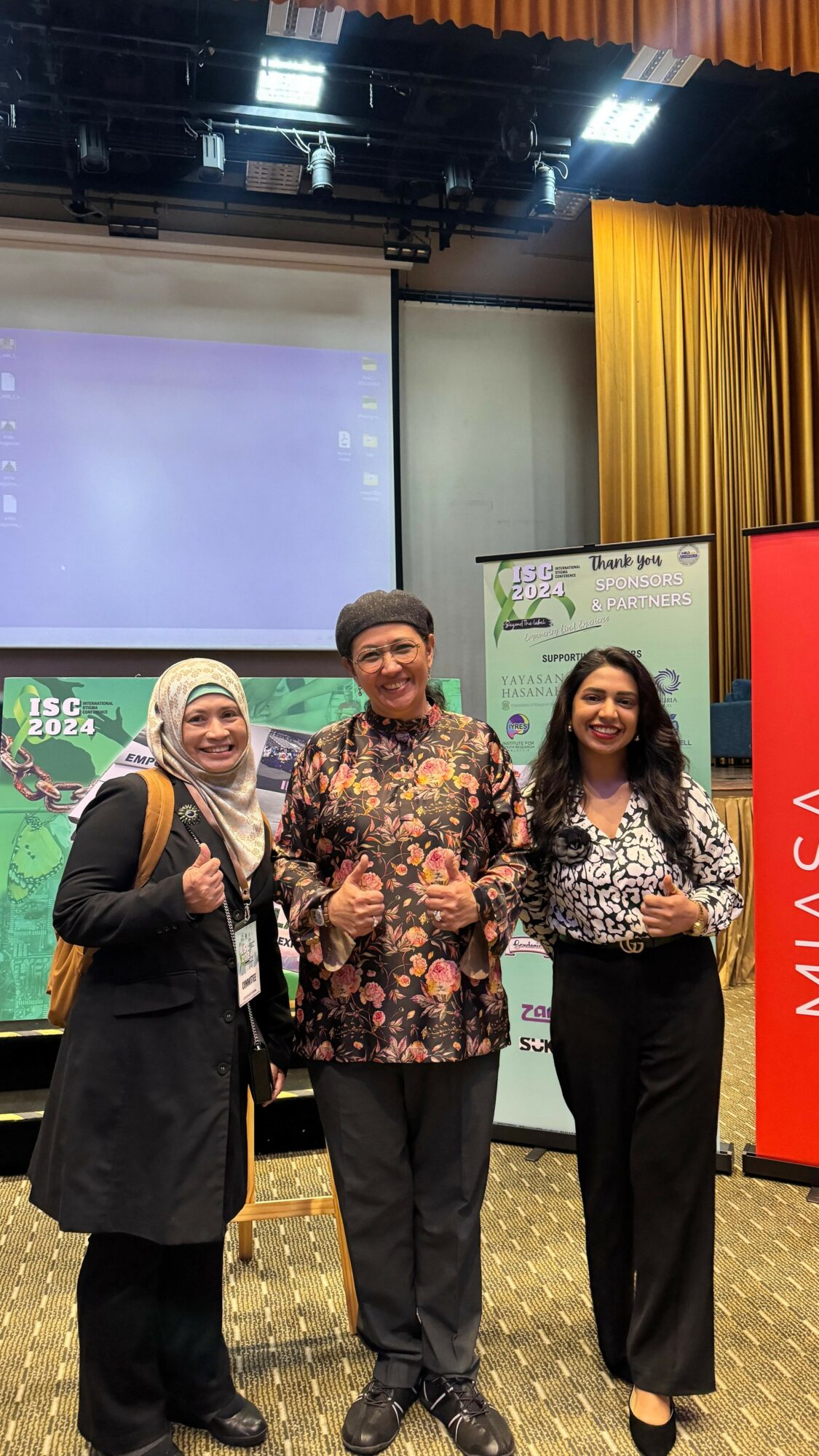
Today, I’m actively involved in global efforts to reduce stigma and promote inclusion, especially for people with lived experience. That’s the work that drives me — and it’s what continues to inspire everything I do.
What are your plans for the future?
Looking ahead, I’m passionate about expanding my work in a few key areas. One of my major goals is to focus more on mental health support for men — a group that often goes underserved due to stigma and societal expectations. I also want to continue advocating for inclusion and the rights of individuals with lived experience, especially when it comes to being protected and respected in workplaces and institutions.
Another area I’m excited about is the integration of AI in education and mental health support, particularly for individuals with neurodevelopmental disorders or learning difficulties. AI is already making a huge impact, and I see a lot of potential in using it to create accessible, personalized, and scalable tools for learning and emotional support.
Overall, my future plans are centered around reducing stigma, promoting self-reliance, and using innovation to make mental health care and education more inclusive, compassionate, and effective for everyone.
Contact Info:
- Website: https://psychewellmy.wordpress.com/
- Instagram: https://www.instagram.com/dr.hirayilmaz/
- LinkedIn: https://www.linkedin.com/in/dr-hira-chaudhry-5b223b119/