




Today we’d like to introduce you to Joe Cantwell.
Hi Joe, thanks for joining us today. We’d love for you to start by introducing yourself.
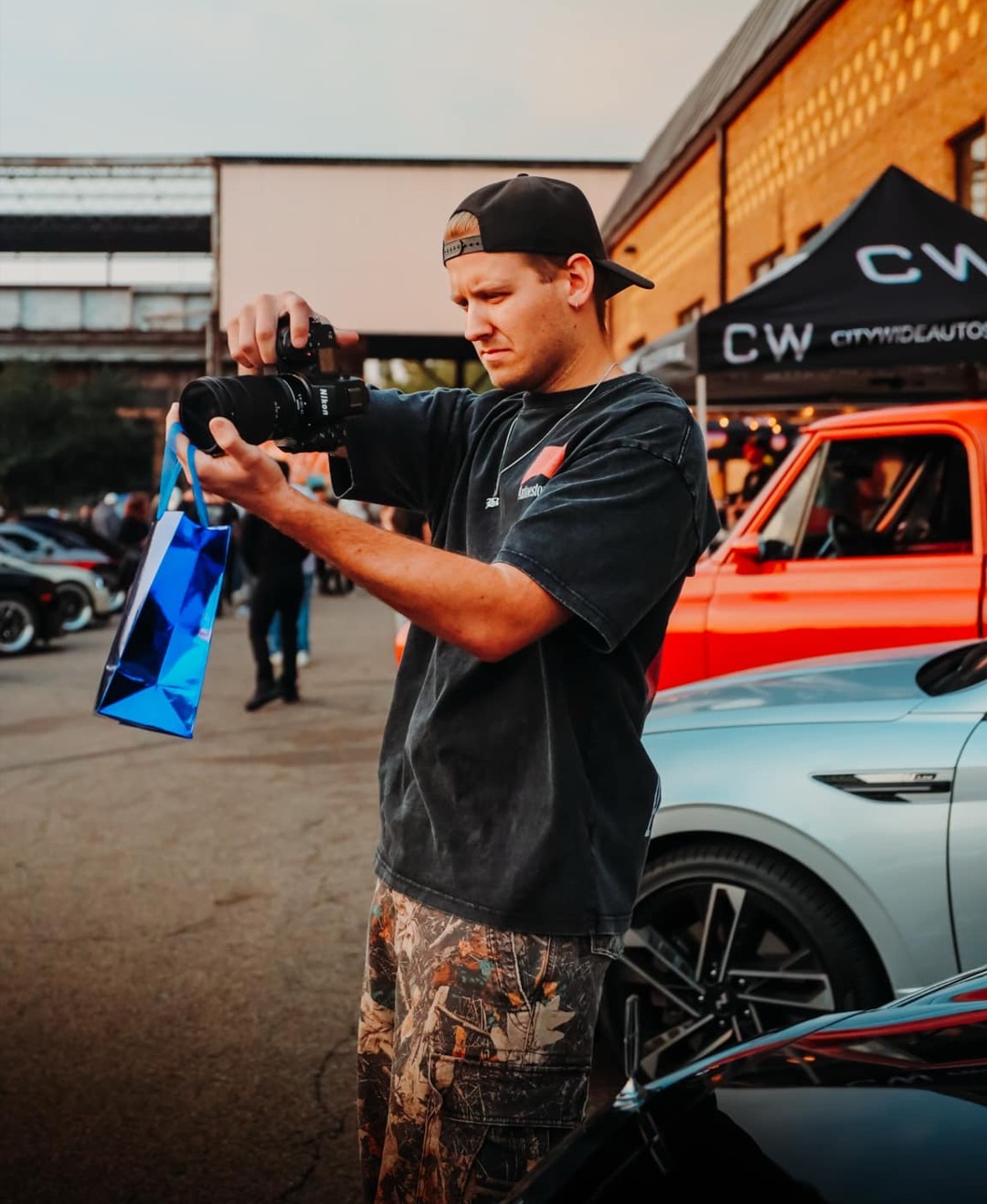
Auto Estoria wasn’t something I set out to build as a business. It started as a personal project—just me, a camera, and a love for cars that ran deeper than performance or design. I wanted to capture the emotion that surrounds the machines—the memories, the long nights in the garage, the silence of an empty road before sunrise. Whether it was on film or through still photography, I was chasing the feeling behind the steel, rubber, and gas. That’s what Auto Estoria became: a way for me to document car culture in a way that feels human.
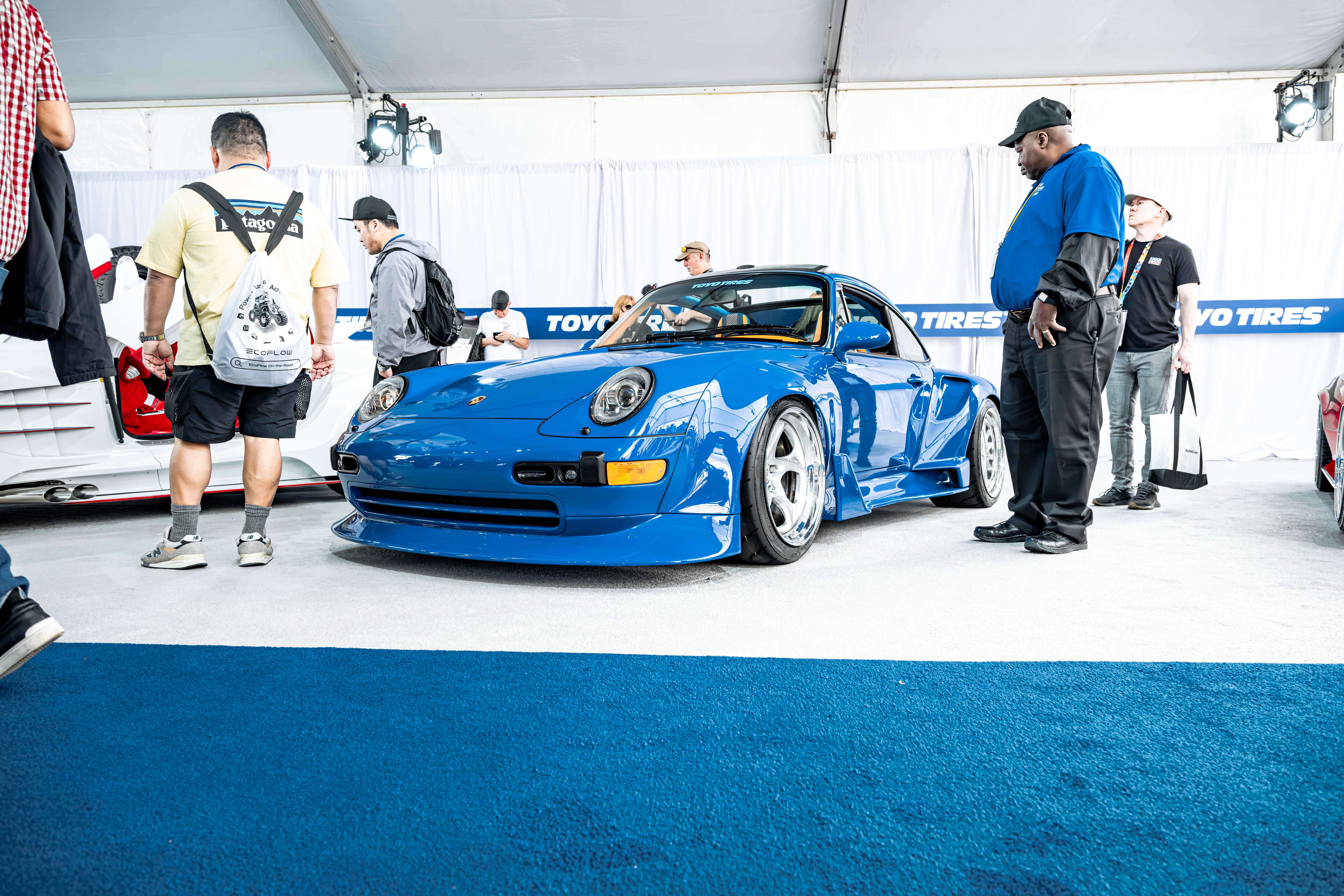
I never wanted to just take pretty pictures or shoot fast-paced edits. I wanted every frame to tell a story, whether it was a driver walking away from a car with history in their eyes, or a build finally turning over for the first time. Over time, that approach led me to bigger and bigger opportunities. When I shot at SEMA, I wasn’t focused on the loudest or flashiest builds—I was behind the scenes with the people who stayed up three nights straight just to get their car buttoned up in time. I was filming the nerves, the pride, the relief, and the quiet moments when the chaos calmed down and the accomplishment hit. That’s the stuff I want to preserve.
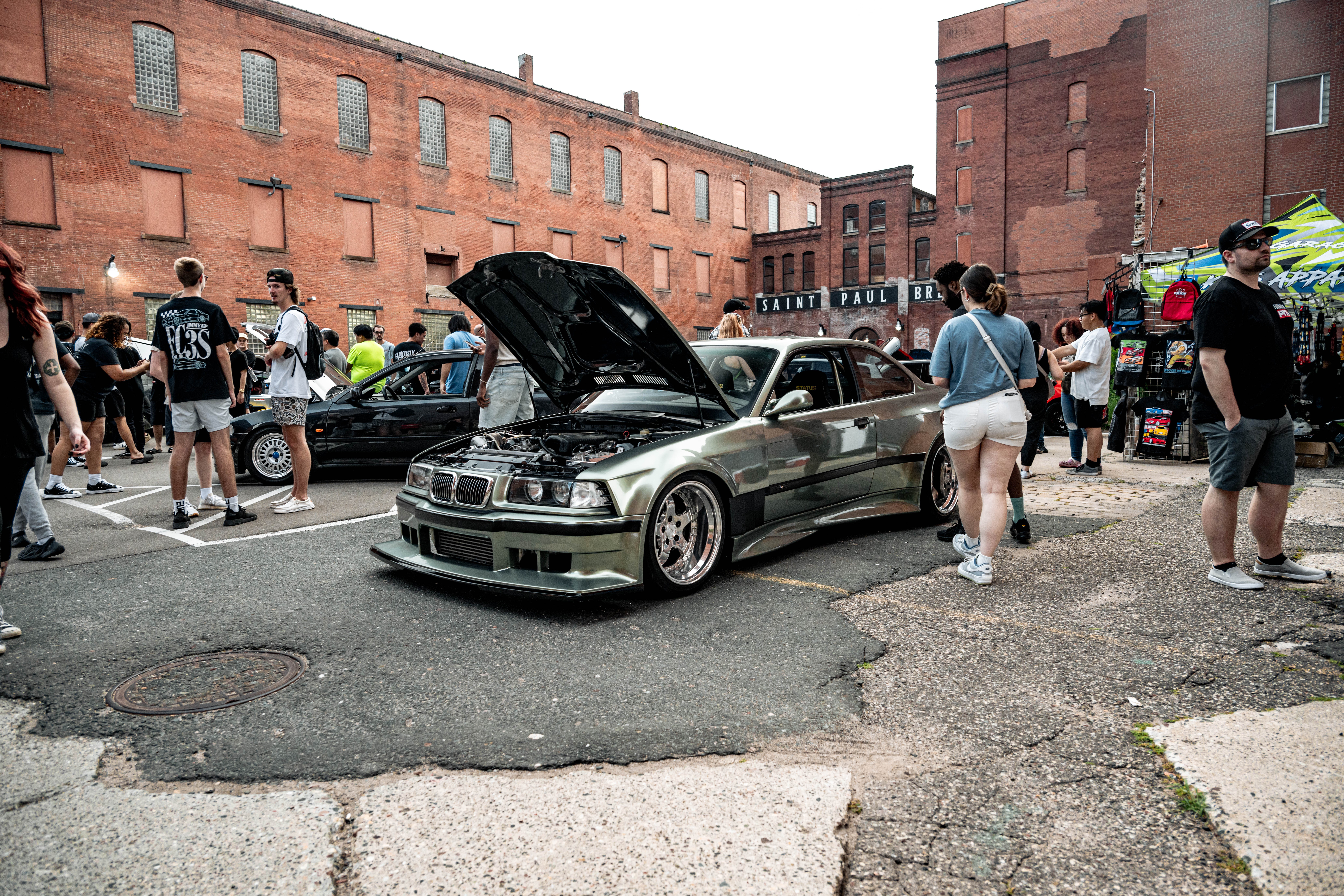
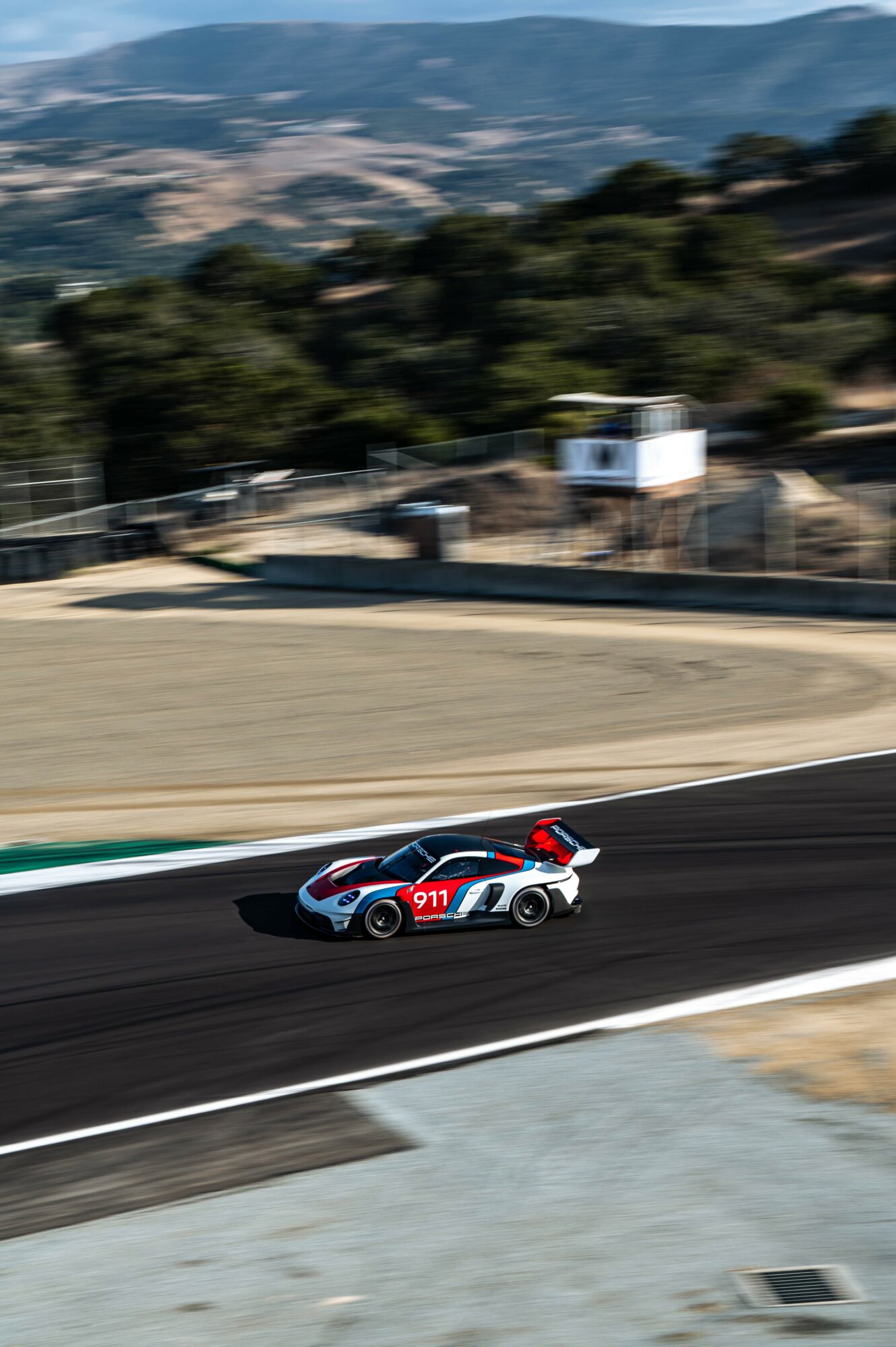
Some of my favorite work has come from events that celebrate not just cars, but the culture that surrounds them. At Air | Water, I photographed and filmed moments that felt more like a living museum than a car show. The diversity of builds, the conversations, the subtle nods to history—it all meant something. At Rennsport Reunion, standing on the edge of Laguna Seca as vintage Porsche race cars tore through the corkscrew, I felt like I was watching ghosts come alive. But it wasn’t just about the cars on the track—it was the older guys with faded team jackets, the younger generation seeing these cars in motion for the first time, the in-between moments that show this world isn’t just about horsepower—it’s about heritage.
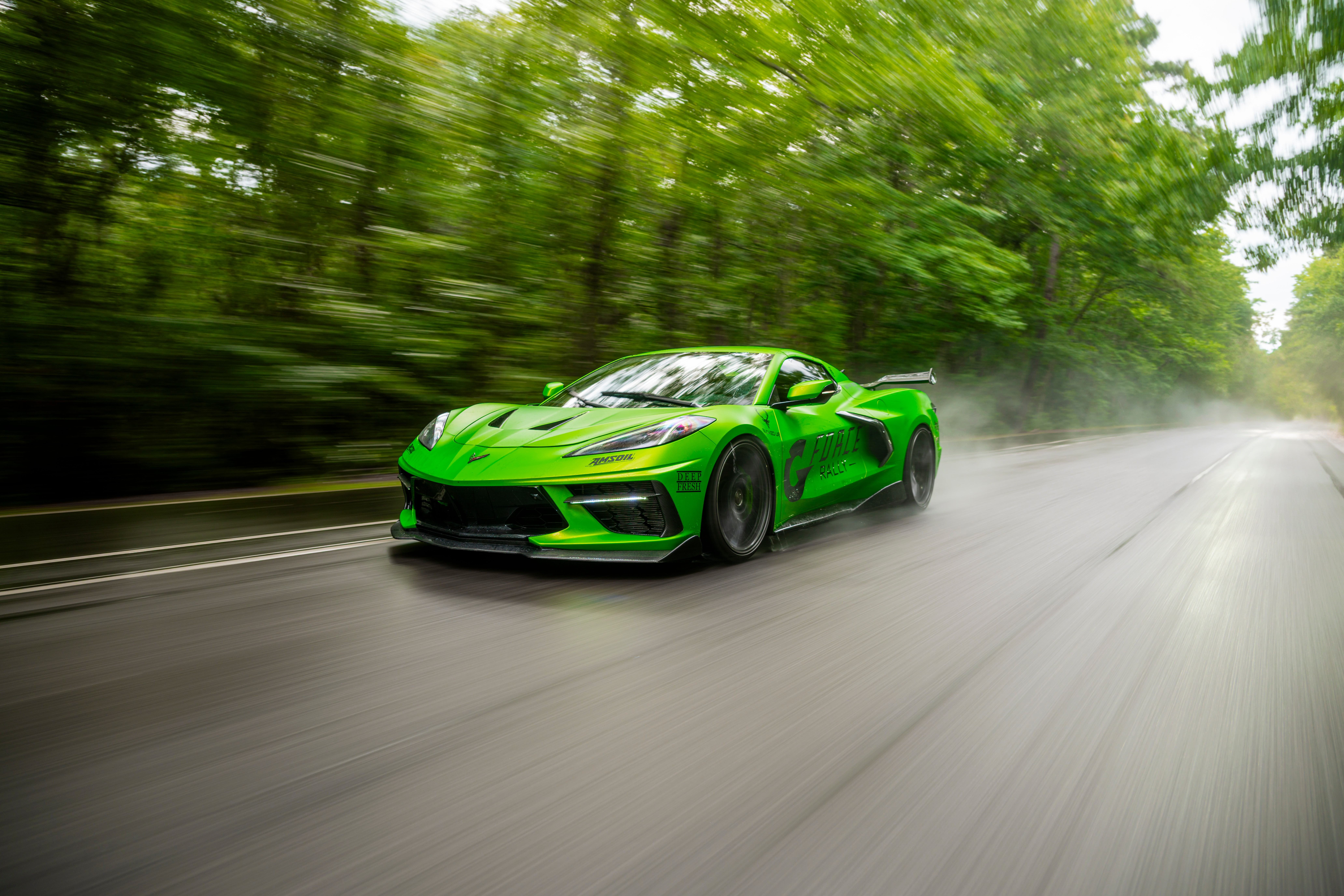
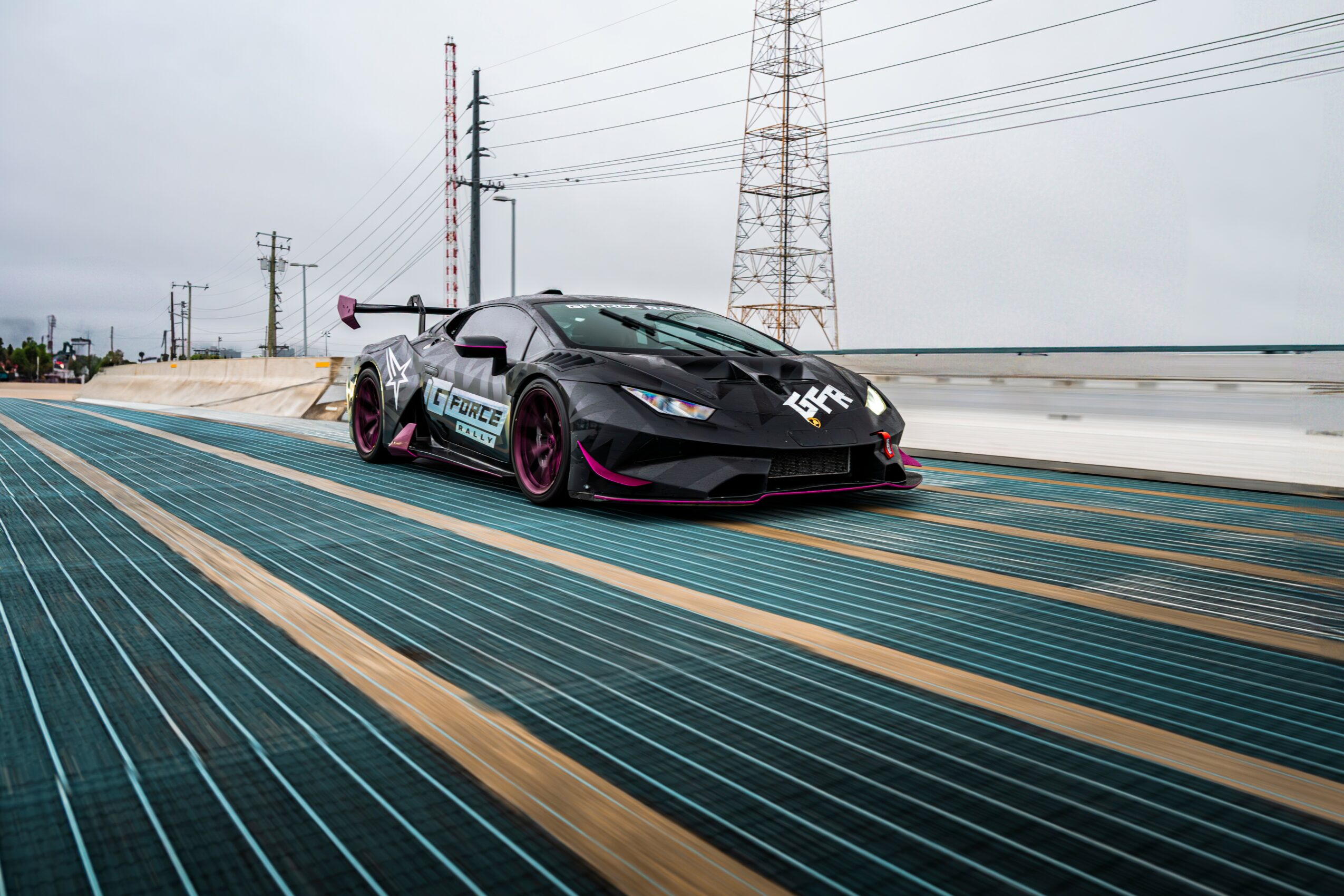
The G-FORCE Sea to Shining Sea Rally was an entirely different experience—raw, chaotic, and unforgettable. I crossed the country with a camera in one hand and a timeline in the other, documenting the adventure from coast to coast. From breakdowns on backroads to triumphs at 160 miles an hour, every mile told a different story. I captured drivers making repairs with whatever they had in the trunk, cars screaming through canyons at dusk, and real connections formed over gas station coffee and shared tools. It was exactly the kind of project that reminded me why I started doing this in the first place.
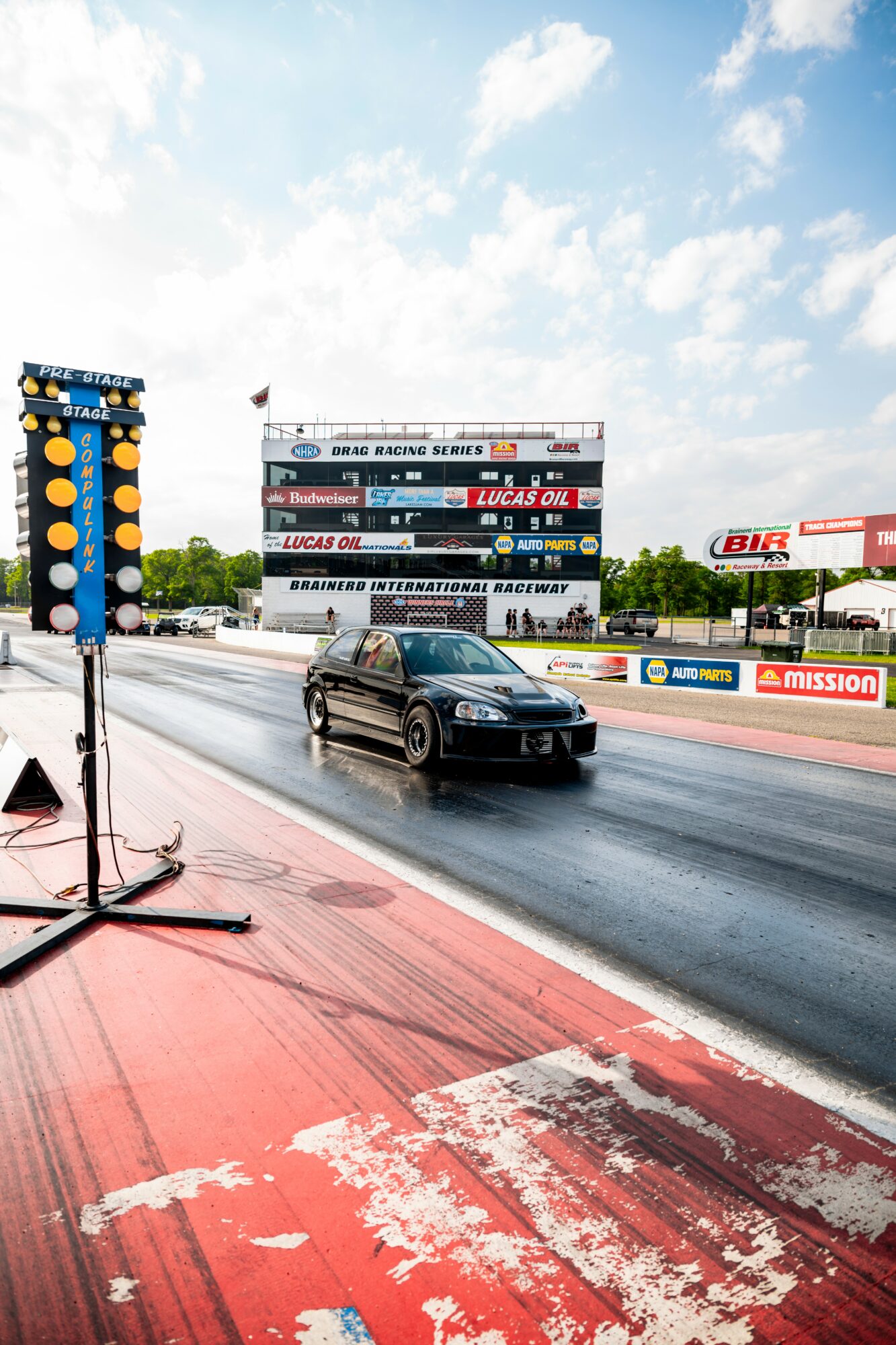
Even with all the big events and cross-country shoots, I’m just as proud of the work I do closer to home. At Brainerd International Raceway, I’ve had the chance to photograph and film everything from local test-and-tunes to full-on race weekends. There’s something special about a track where the people know each other, where the cars aren’t always perfect, but the passion runs deep. It’s where I’ve gotten some of my favorite shots—cars pushing hard through corners, the calm of pit lane, the texture of the track after a long day. Brainerd feels honest. It’s a place that doesn’t need to pretend to be anything it’s not, and that makes it perfect for the kind of storytelling I want to do.
Auto Estoria is still just me, and I’m okay with that. I shoot photos. I make films. I tell stories about cars and the people around them. Sometimes it’s for a brand, sometimes it’s for a builder, and sometimes it’s just because I see something worth remembering. I’m still out there chasing light, still getting low for the shot, still listening for the sound of an engine that means something to someone. That’s what drives me, and that’s what keeps Auto Estoria going.
We all face challenges, but looking back would you describe it as a relatively smooth road?
There have definitely been challenges along the way. Shooting both photo and video solo means wearing a lot of hats—planning, driving, filming, editing, coordinating with event organizers or builders, and still trying to stay creative through all of it. There are times when I’m on very little sleep, trying to catch the right moment in changing light or dealing with gear failures miles from home. It’s not always glamorous—there’s been plenty of last-minute scrambles, rainouts, missed shots, or footage lost to corrupted cards. But every one of those moments has pushed me to adapt, to get sharper, and to stay focused on why I started: to tell stories that matter. The struggle is part of it, and in some ways, it makes the work more meaningful.
As you know, we’re big fans of Auto Estoria. For our readers who might not be as familiar what can you tell them about the brand?
Auto Estoria is a one-person photo and film project I started to capture the real, emotional side of car culture. I focus on telling authentic stories through visual media—whether it’s a full video piece, a series of photos, or a single powerful image. I work at events, on the road, and with builders and drivers to document not just the cars, but the people and moments around them. I’ve covered everything from SEMA and Rennsport Reunion to the G-FORCE Sea to Shining Sea Rally, and I regularly shoot at Brainerd International Raceway. What sets my work apart is the storytelling—I’m less about flashy edits or staged content and more about honest, cinematic documentation that feels personal. I want every photo and frame to have emotion and purpose. What I’m most proud of is the fact that people tell me my work *feels* like something—that it captures what they remember most about a moment or build. At the end of the day, Auto Estoria is about preserving stories that might otherwise disappear—the late nights, the road trips, the wins and setbacks that make up this culture. That’s what I offer, and that’s what I want people to remember.
What would you say have been one of the most important lessons you’ve learned?
The most important lesson I’ve learned is that consistency and authenticity matter more than perfection. When I first started, I felt pressure to match what others were doing—polished content, big productions—but I realized the most meaningful work came when I leaned into my own voice and trusted my instincts. Whether I’m shooting a high-profile event or a quiet moment in a garage, staying true to the story and showing up every time—rain or shine, tired or not—has made all the difference. You don’t need the fanciest gear or the biggest crew to make something powerful. You just need to care enough to keep going, even when it’s hard.
Contact Info:
- Website: https://autoestoria.com
- Instagram: https://instagram.com/auto.estoria
- Youtube: https://www.youtube.com/@Autoestoria