



Suree Sompamitwong shared their story and experiences with us recently and you can find our conversation below.
Suree, it’s always a pleasure to learn from you and your journey. Let’s start with a bit of a warmup: What makes you lose track of time—and find yourself again?
I lose track of time whenever I’m creating. Whether it’s writing, sculpting, or dancing, I tap into a different kind of energy depending on my mood and what I’m inspired by in the moment. When I’m feeling high-energy and happy, I love to dance because movement helps me channel that excitement through my body. When I’m feeling low or depressed, I turn to poetry. Some of my best poems have come from those heavier moments because writing helps me express and transform what I’m feeling. Sculpting is something I return to when a clear idea comes to me. Some pieces take years to finish because I need uninterrupted time in my shop, and the process can be messy and intense. But once I’m in it, I completely disappear into the work. It is deeply therapeutic for me. I am a very sensory-driven person, so I love the feeling of the plaster in my hands and the way the texture shifts as I shape each piece. Sculpting brings me fully into my body in a way that feels grounding and healing.
Can you briefly introduce yourself and share what makes you or your brand unique?
My name is Suree Sompamitwong, and I am an interdisciplinary performance artist, sculptor, writer, dancer, and the founder of Creative Healing Space, a nonprofit dedicated to helping people heal through creativity. I immigrated from Thailand as a child, and art has been the thread that carried me through some of the most challenging chapters of my life, including a psychosis I experienced while working in corporate fashion. That experience is what inspired me to dedicate my life to creative healing.
At Creative Healing Space, we offer free and low-cost programs like art therapy, youth wellness initiatives, community art workshops, and monthly virtual gatherings open to people anywhere in the world. I believe creativity is a universal language that connects people, brings us back into our bodies, and helps us make meaning out of our experiences.
In addition to running the nonprofit, I am working on my first memoir, Broken Heart Into Art, which combines my personal story with poetry and my sculptures. I am also developing creative wellness services for companies so employees can have the emotional tools and support I wish I had earlier in my career. My work is unique because it blends art, healing, storytelling, and community building into one mission: helping people reconnect with themselves and feel less alone through creativity.
Great, so let’s dive into your journey a bit more. Who saw you clearly before you could see yourself?
The person who saw me clearly before I could fully see myself was my mentor and now co-president of Creative Healing Space, Leah Gossom. When I enrolled in her art class at Minnesota West, I had just moved back from working in the fashion industry in Los Angeles. I had recently been diagnosed with bipolar 1 and was in the middle of a painful identity crisis, trying to reconcile who I thought I was with the reality of living with a mental illness. I didn’t feel grounded, and I definitely didn’t see myself as an artist yet.
Leah did. She saw the creative spirit in me long before I recognized it in myself. One of our assignments was to make a single mask, but I became so immersed in the process that I created twenty. Instead of holding me back or telling me to stick to the assignment, she encouraged my exploration. She supported my creative spark, guided me when I got stuck, and gave me permission to follow the inner voice that was trying to express itself.
That project evolved into a large shadow box filled with more than twenty faces, framed in wood and covered in plaster with poems and song lyrics about mental health and suffering. I added a mirror in the center so viewers would see their own reflection when looking at the piece. It became a turning point in my healing journey, a moment where I began to understand the power of art to help me process my experiences. Leah saw that before I did. Her belief in me helped shape not only my identity as an artist but also the foundation of Creative Healing Space.
When did you stop hiding your pain and start using it as power?
The creative healing experiences I had in Leah’s art room were so profound and life-changing for me. Art became the place where I could finally purge and release the emotions that had been trapped in my body for years. I could channel everything I was feeling into a canvas or a sculpture, and it gave me a sense of freedom and clarity that I had never experienced before.
Many of my pieces became extensions of my healing journey. Some were about reconciling my bipolar diagnosis. Others were rooted in advocacy against child sex trafficking or domestic violence. Many explored themes of feminism, mother nature, mental health, and resilience. There were even pieces, like The Sad Performer, that I didn’t fully understand when I first created them. But years later, I can look back and see the layers of meaning that were speaking through me before I even had words for them.
Those early experiences taught me how powerful art can be in helping us understand ourselves, process trauma, and reclaim our stories. They gave me so much peace and clarity. That is why I felt so strongly called to use my own healing journey to create something bigger than myself. It led me to found Creative Healing Space, a nonprofit that promotes mental health and healing through the arts. I know firsthand that art is healing, and I wanted to share that gift with my community so others could feel seen, supported, and empowered the way I once was in that room back in 2018.
So a lot of these questions go deep, but if you are open to it, we’ve got a few more questions that we’d love to get your take on. What are the biggest lies your industry tells itself?
One of the biggest lies I see in both the art world and the nonprofit world is the idea that being an artist means you have to create “perfect” art. I don’t believe that at all. Art is not about perfection, it is about authenticity and expression. I wouldn’t call myself a highly trained or technical painter. My paintings are abstract and often mixed media, because for me the purpose of art is to express what’s inside of me, not to meet someone else’s standard.
I want more artists to release the pressure of fine-tuning everything to the point where they lose their voice. I want them to trust their truest, highest form of expression and to honor whatever comes out. We put our heart and soul into our work, so when people criticize it, it can make us shut down or want to hide. I’ve felt that. But I also believe that artists are brave. Every time we create, we are saying: “This is who I am. This is what I feel. And I am not going to shrink because someone doesn’t like it.”
At the end of the day, what matters most is that you love your work and that it feels true to you. That kind of honesty is what moves people. That is what makes art powerful. And that is what I want to encourage in every artist—permission to be real, to be imperfect, and to show up anyway.
Before we go, we’d love to hear your thoughts on some longer-run, legacy type questions. What is the story you hope people tell about you when you’re gone?
I hope that when I’m gone, people will remember that everything I created—whether it was my blog, my diaries, my artwork, my community programs, or even my clothing line—was rooted in one purpose: creative healing. I want people to say that my life’s work helped others reconnect with their truest, highest selves and reminded them that creativity is a powerful tool for surviving, growing, and making meaning out of this life.
I also hope my artwork helps people feel less alone. I have struggled. I have felt lost. And I have learned to manage and heal through creativity. If someone looks at my work and feels understood, or feels like, “she’s been there too,” then that means everything to me.
I didn’t invent creative healing. I just recognized its value because it saved me, and I felt called to share it with the world. My hope is that long after I’m gone, the mission continues. I want people to feel inspired to follow their dreams, honor their soul’s calling, and trust that their story matters. Life is too short to dim ourselves. If people remember me as someone who helped others feel seen, empowered, and brave enough to express who they truly are, that would be the legacy I’d want to leave behind.
Contact Info:
- Website: https://www.sincerelysuree.com
- Instagram: sincerelysuree
- Linkedin: https://www.linkedin.com/in/suree-sompamitwong-776275122/
- Facebook: Suree Sompamitwong
- Youtube: https://www.youtube.com/watch?v=EvLL2NzIFpk&t=229s
- Other: https://www.creativehealingspace.org
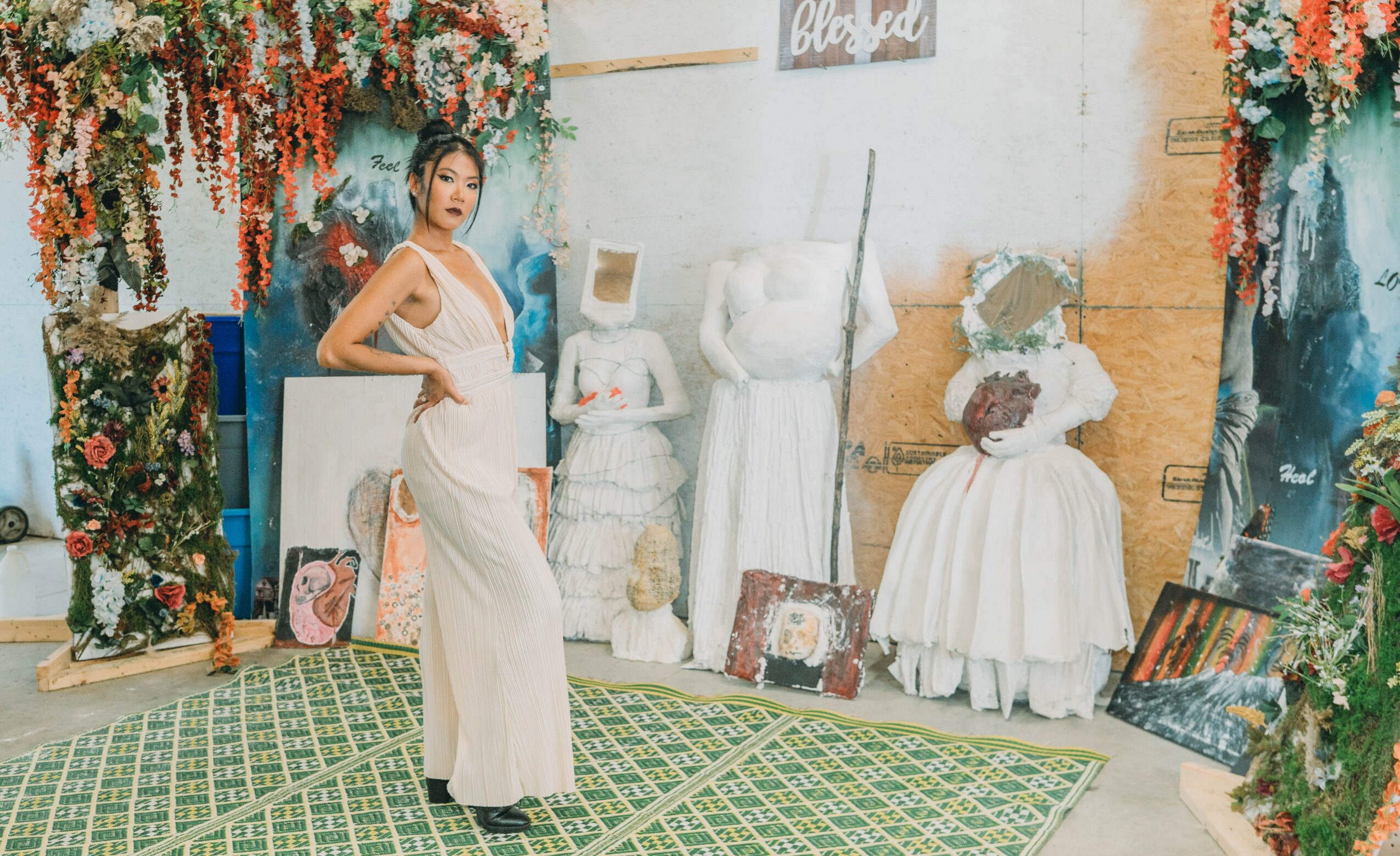
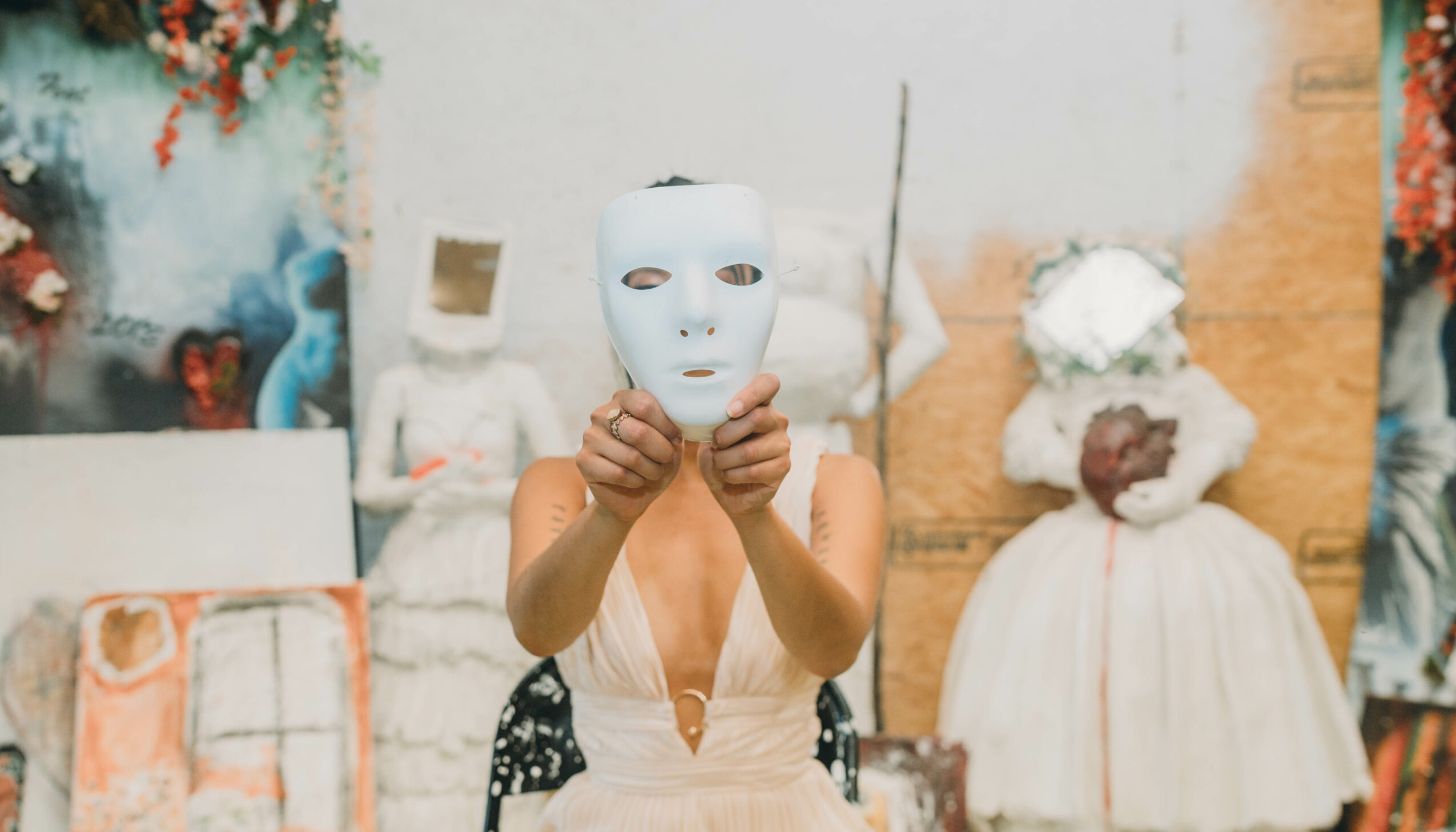
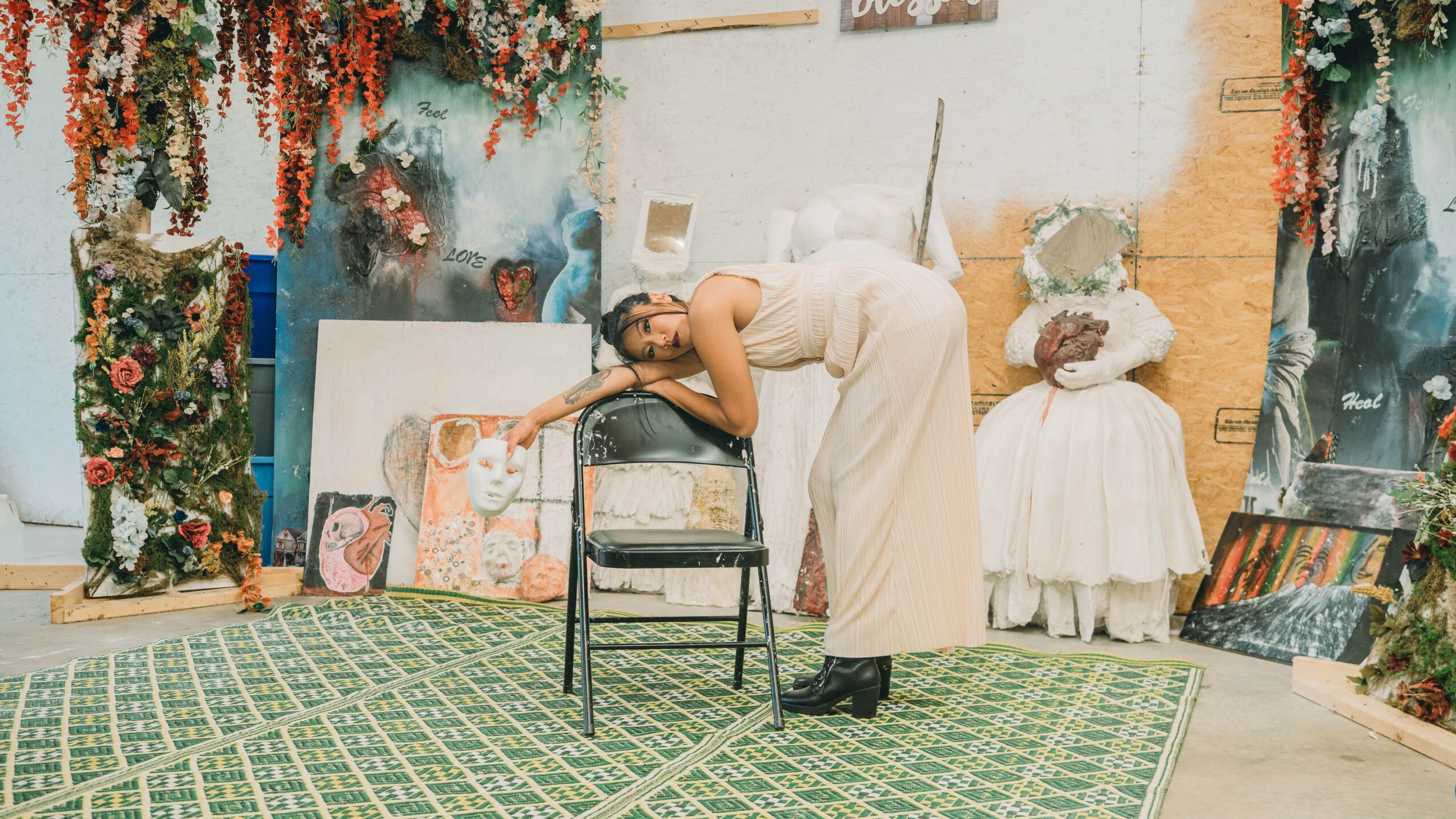
Image Credits
Photos by VIRJIL MEDIA
Nadia from Midwest Moments Photography