




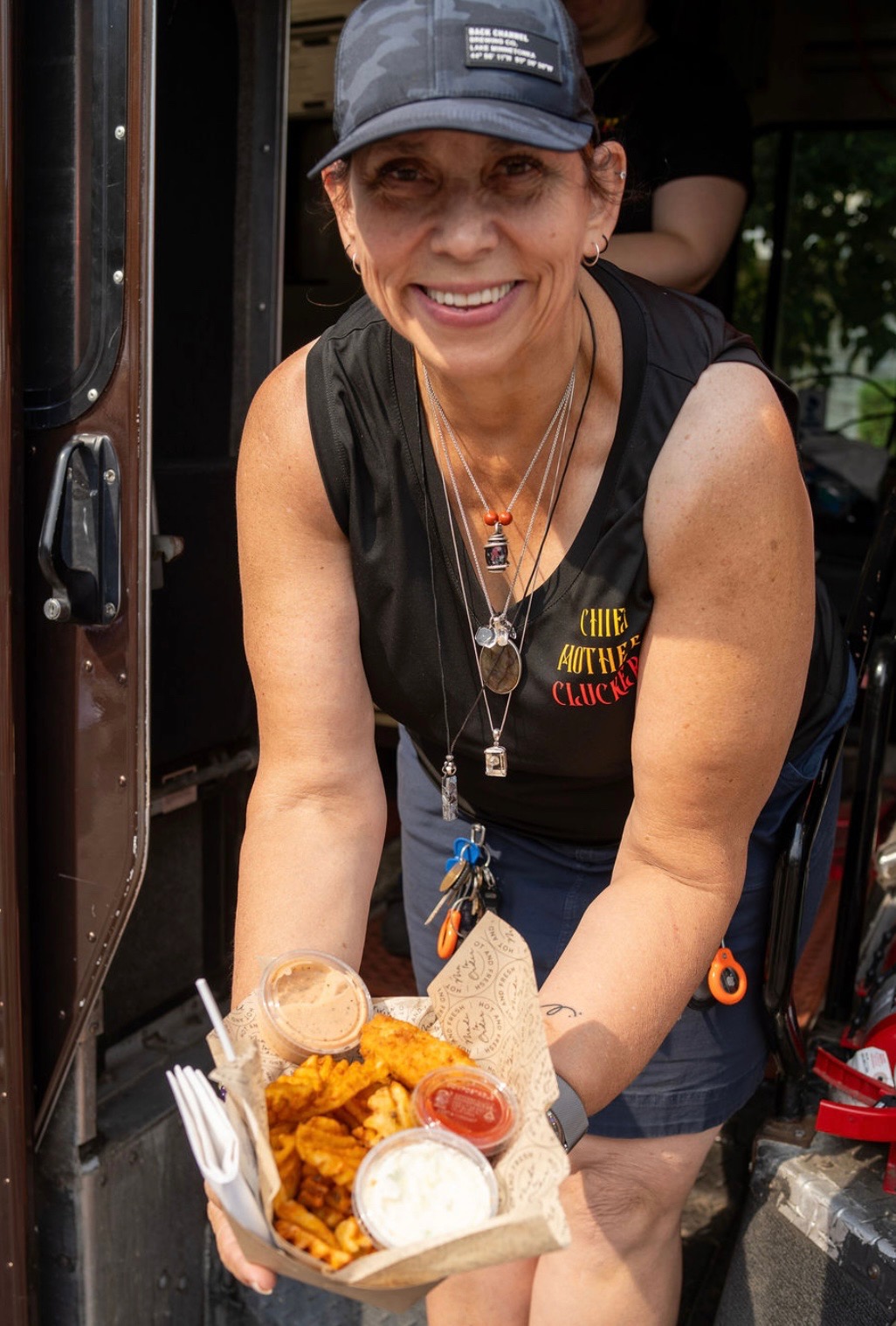
Today we’d like to introduce you to Soulaire Allerai.
Hi Soulaire, we’re thrilled to have a chance to learn your story today. So, before we get into specifics, maybe you can briefly walk us through how you got to where you are today?
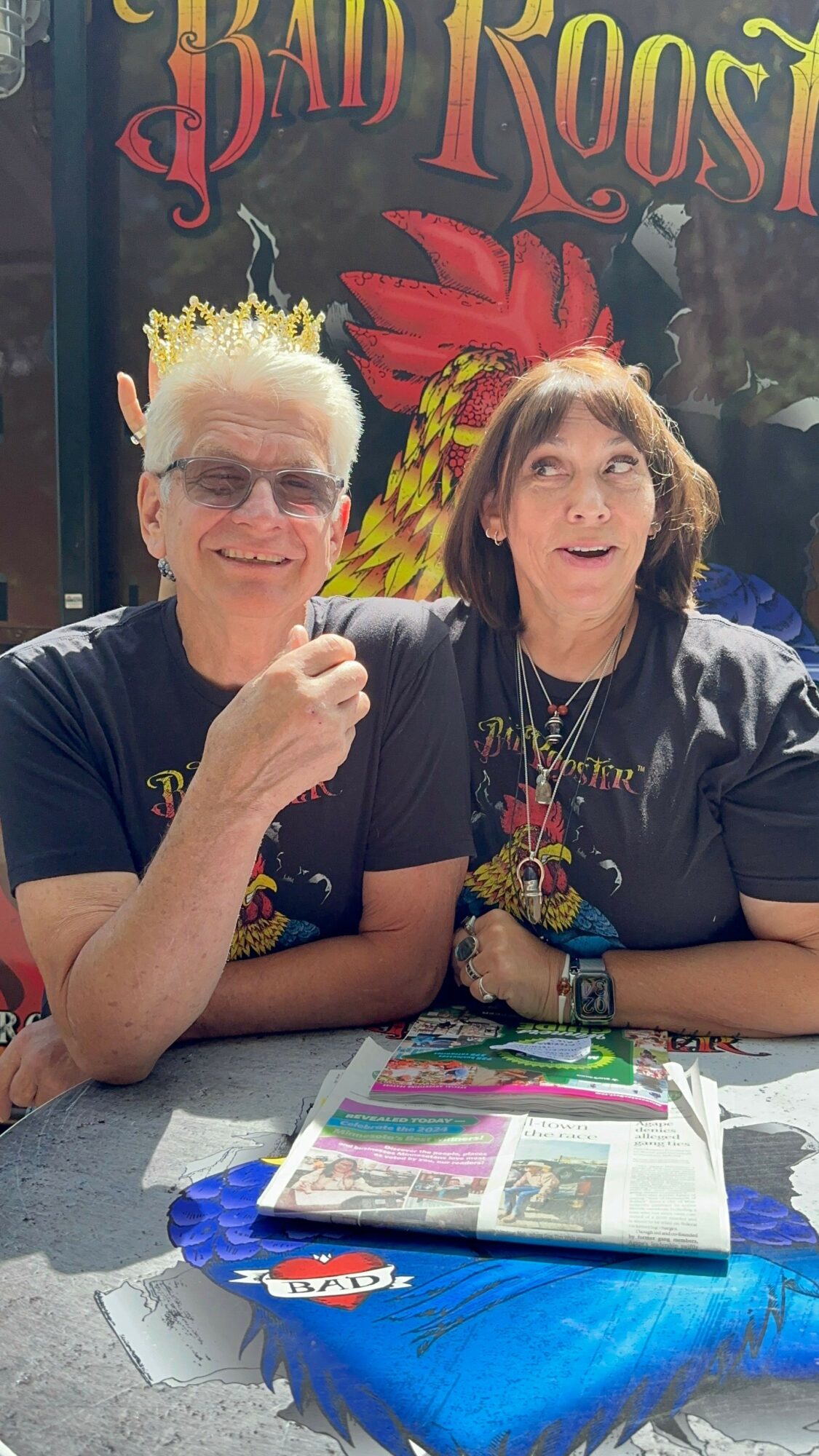
Bad Rooster was a concept that was created by three friends who came together with a vision for a food truck. I had initially resisted being part of this endeavor as I had been in and out of the restaurant industry over the years with my father and wasn’t fully convinced I wanted to get back into it again. But as I watched my two friends trying to buy a used truck they had never seen, from someone they didn’t know, in St Louis, Missouri many hundreds of miles away, I knew I was witnessing some risky dynamics and potential failures. After hearing Terry McCabe, the friend who had gone into the partnership as the financial backer, had put money down on this unseen out of state truck, I asked him how he knew it was going to work out. When he said he didn’t know, I immediately realized that I was watching them hurtling towards disaster because I knew if they were going to purchase a food truck, they really needed to see it to know if it was the proper size, had the proper type of engine and what maintenance had been done on it. I recommended they look locally in Minnesota where they could see the truck and speak to someone about it. We finally found the truck locally at Ironman Motors.
It was a huge hassle for them getting Terry’s money back from the person in Missouri. I was then approached by Terry, who asked me to join the partnership. He knew that I had over 30 years in the industry, and that I did not want to get back into it. But the more I watched how they were navigating it all, I realized they needed somebody who had more experience and entrepreneurial understanding than they did. Terry begged me and I finally said, “Yes.” I brought to the business the reality of a start-up: having the ability to pay for the truck, the equipment, supplies, insurance, overhead, etc. It was learning to navigate shoring up, generators, storing dry goods, finding a commissary kitchen. You have this big idea you are going to do it all on the food truck, but a food truck has a limited amount of space and what can’t be done on the food truck has to be done in the commissary kitchen. We had to figure out our branding, website design and the dynamics of the social media world, the day-to-day operational processes, POS system, connecting with customers and the creation and consistency of food.
I brought in my recipes that I had used over the years and that were actually written down. I learned from my father that you never run a restaurant without the ability to duplicate what you’ve created. It shocked me that the other chef partner was more off the cuff, doing his “creative process.” Being creative is good, but when he created something that tasted good, he didn’t know what he had done and couldn’t repeat it. As a planner and someone who knew the need to duplicate, that didn’t sit well with me. I got really concerned and realized I needed to step in and document. I needed to make sure they were using my recipes correctly and consistently handling things as we moved forward. I quickly learned that the other chef “flying by the seat of his pants” was creating a lot of conflict with our employees because they didn’t know what to do and he was becoming overwhelmed in not knowing how to guide them.
This started to cause a rift because chefs know what chefs know, and nobody can do it better than them. It’s really why I left the restaurant industry years ago. Good chefs have to be flexible and willing to know that they are not the know-it-alls of the kitchen. There are people, or other chefs, that you can benefit from and learn from. As much as I loved and cared about the other chef, it’s a really different reality when you come from a $3 million budget at a college and try to translate that to a small family business that is limited financially. There was a lot of trying to get all three of us on the same page when we all had different experiences. We all knew we wanted farm-to-table. We had to start navigating in a way that we were getting rid of the middleman and get chicken sourced directly from a farm. We worked through those obstacles and when we finally launched our business in the spring of 2020, we became successful really fast. 2020 became a launch point for food trucks as a whole. I heard people say, “You’re able to make something feel normal during a time when nothing feels normal.” People were social distancing but because we were outside, people were able to come together and see their families and have good food while enjoying each other from a distance. It was something we were really proud of.
We were connecting with the community at large and giving them something that felt fun and was very healing. It really became the foothold of Bad Rooster: Our ability to create connections with farm-to-table, connections to the community at large, and even connections with food trucks, breweries and other businesses out there. We are extremely proud of that. It really became a powerful way to not be in a restaurant, because I refuse to go back to a restaurant (even though I have a restaurant on wheels.) I provide really good food, restaurant level food, from my food truck. And that’s what it’s all about.
Can you talk to us a bit about the challenges and lessons you’ve learned along the way. Looking back would you say it’s been easy or smooth in retrospect?
I think “smooth” is a very difficult word for restaurants/food trucks. When you bring three business owners together, each with their own distinctive personality, likes and dislikes, you can have issues and conflicts.
For us as a team, we didn’t always see eye to eye on things and that can be hard. When I came on board, I had removed myself as a chef and farmer as those roles were already filled. I was there as a business owner with entrepreneurial and restaurant experience. But when I saw what was happening in the kitchen, I realized it was because of communication issues. When you have business partners who are not communicating, it can cause a very strong rift. I am a person who has a degree in communication, and I am a talker. I always try to bring to the table what is going on. But one of our business partners stopped conveying what he needed or desired.
We also had some negative stuff come at us on social media. We did hire a lawyer and it eventually went away, but because we already had communication issues, it only came at us bigger and harder until eventually the pressure of running a food truck and having enough money to cover the employees, the chef’s salary, and other expenses, became so big, our business started going downhill. We started to question whether we could continue on the path we were on. And without solid communication between the three owners, it became a big thorn in our side. One day, our third business partner didn’t show up at the Bad Rooster for prep, and our employees were confused and they called me. I couldn’t get a hold of him and it was apparent he was done.
It was heartbreaking. You can’t run away in the night when you are a business owner. I don’t care how bad things are. Talk to your business partners. I’ve seen this happen with other food trucks whose partners have bailed. One had to sell their business because their partner wanted out. Now he’s attempting to reestablish it. My heart goes out to him because he’s an amazing chef, and now he’s just starting from the bottom again and working his way back up.
We were lucky. Even though the business partner that left had been paid all along and Terry and I took nothing, Terry and I refused to sell our portions of the business. The three of us eventually came to an agreement of money, the estranged partner got paid for his portion of the business, and he officially left the Bad Rooster.
The pain stays for a long time because we were friends. And you never know what made someone make that final decision to leave. I am grateful that Terry McCabe is still deeply committed to the business, as much as I am now, and we are running it together. That is why we are still successfully operating and moving forward. He and I still have the same vision.
We’ve been impressed with Bad Rooster Food Truck, but for folks who might not be as familiar, what can you share with them about what you do and what sets you apart from others?
Our branding and our logo started out by accident.
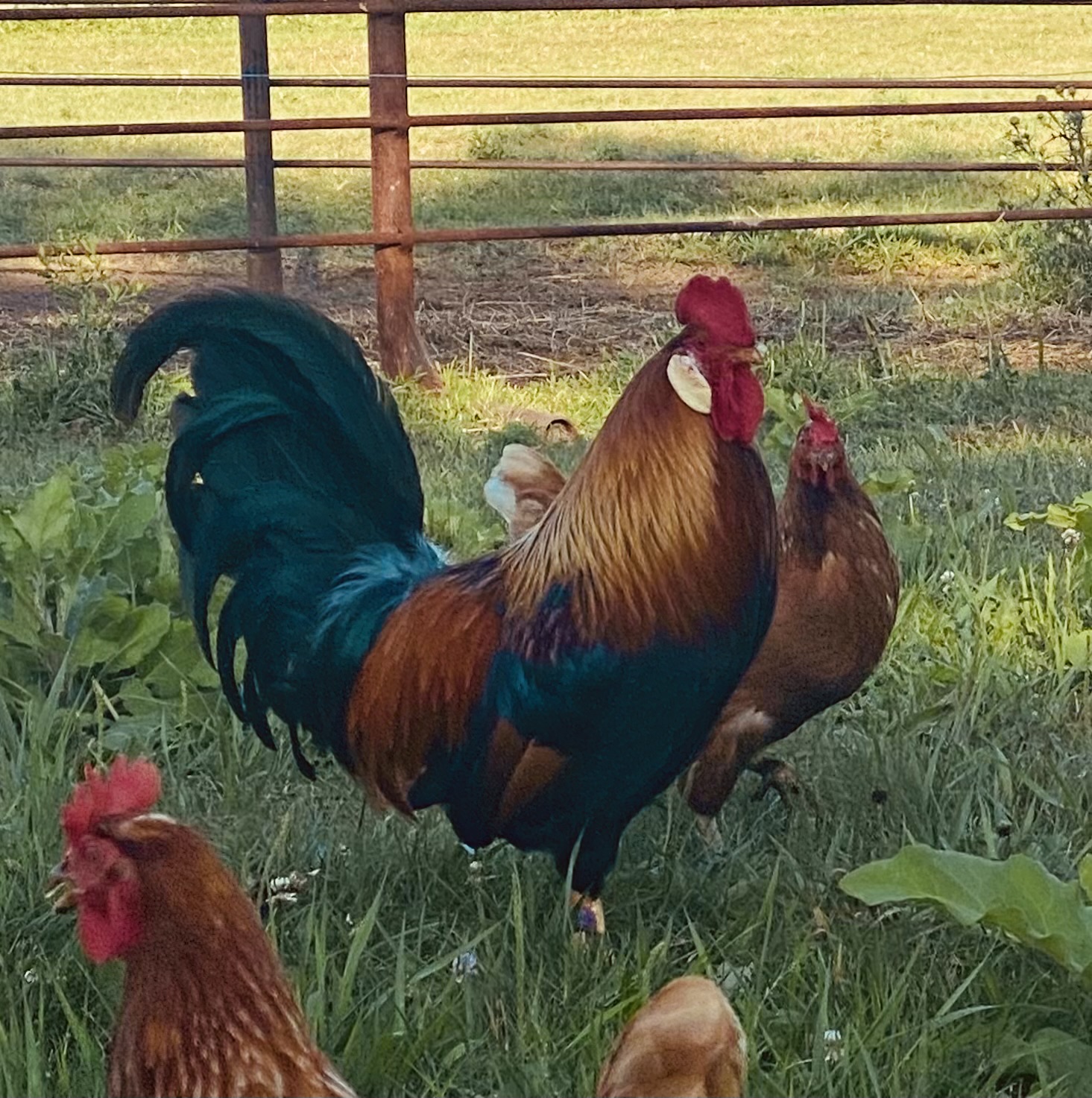
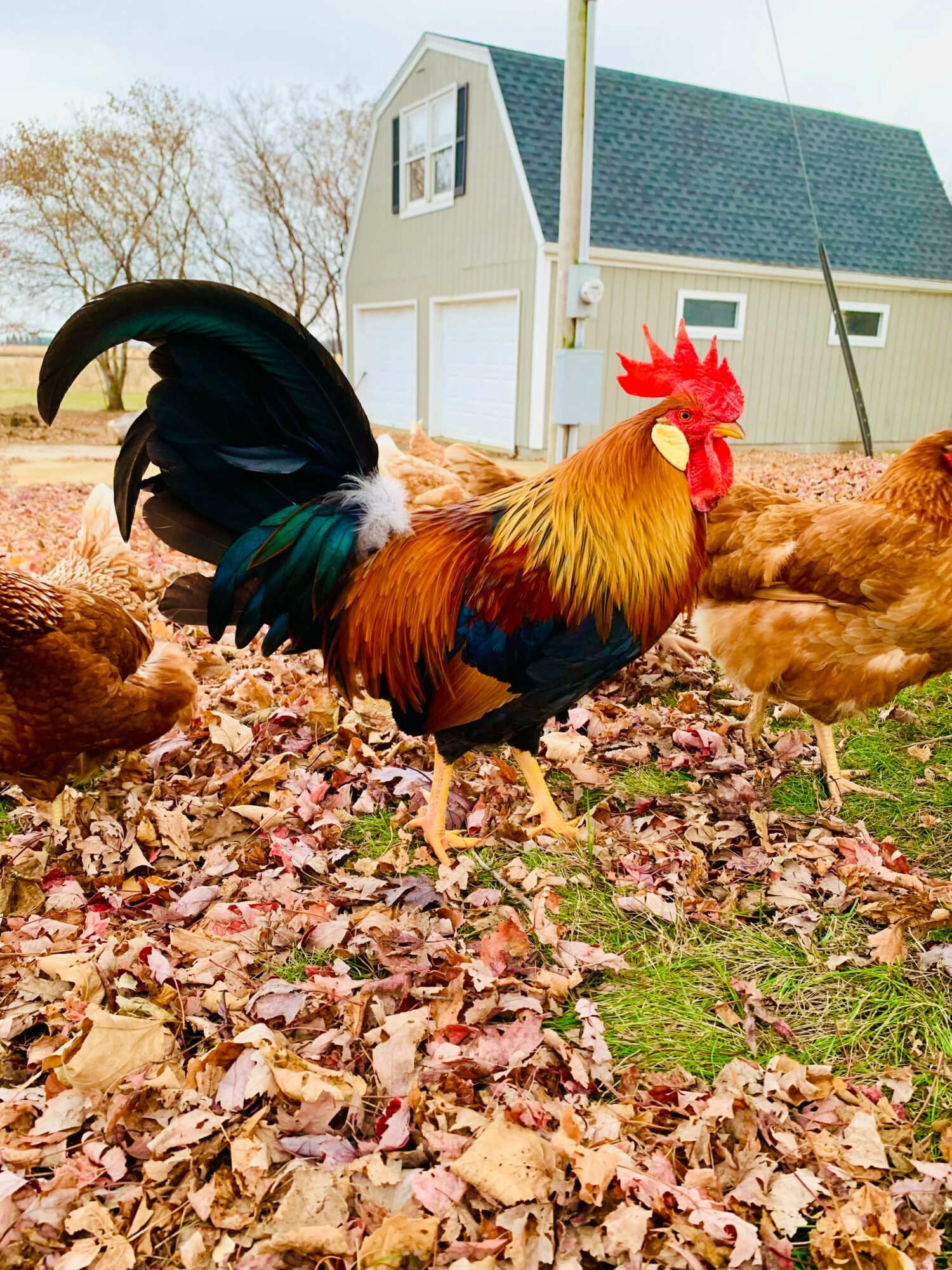
Terry McCabe has a farm in Minnesota and he has hen layers. He does not have meat chickens. Terry is a cattle man. If you ever meet him at the truck and ask him about cows, you’ll hear 40 minutes about cattle and the history of breeding them. He is incredibly intelligent and a wealth of information. That’s why we work well together. One day while out at his farm, we saw he had a beautiful Bantam rooster, and we named him Don (after the guy who sold us our truck). When I approached the rooster, he ran into the bushes. I was a little surprised because I’ve been told that roosters can be very cocky and very mean. When I saw that, I looked at the rooster and said, “Aren’t you supposed to be a BAD rooster?” We all stood there and went “Oh my god! That’s the name of the truck!”
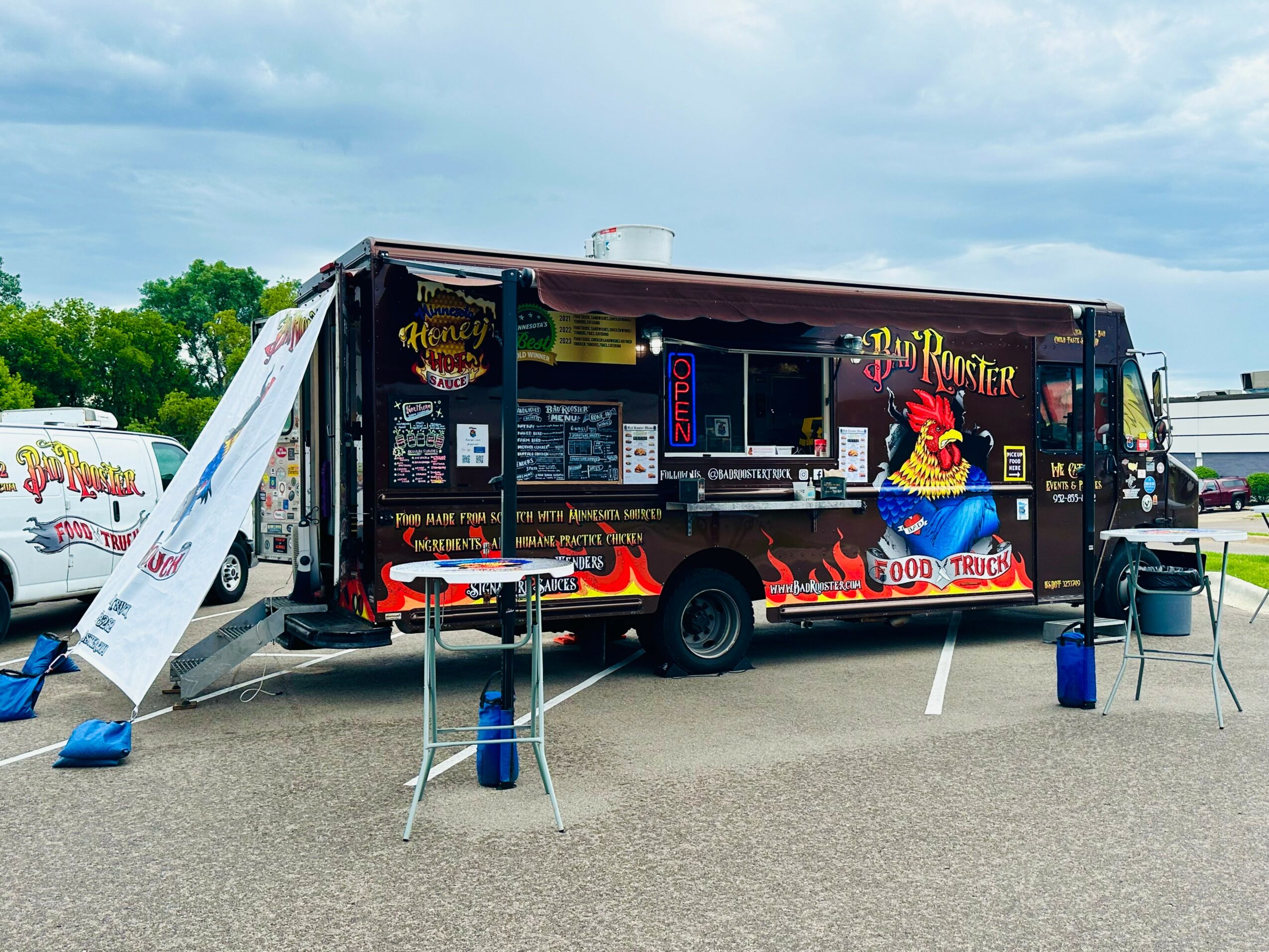
It was official. We had found the name of the truck, and now the adventures started with designing the logo after that rooster. I have learned that branding and marketing are so critical to the success of our business. Because we do not have a stationary restaurant front, we have to figure out ways to get our customers to find us. I have learned that consistency and persistence are important to marketing. Because I have someone who is a great social media person, she is able to design posts and schedule them so our customers can find us at whatever brewery or location we are at. To us, the flow of our business starts with open conversation with all employees, business partners, and customers. I truly believe that you must bring the exact same flavor every time. Never change what sells. But you can add new ideas to the business.
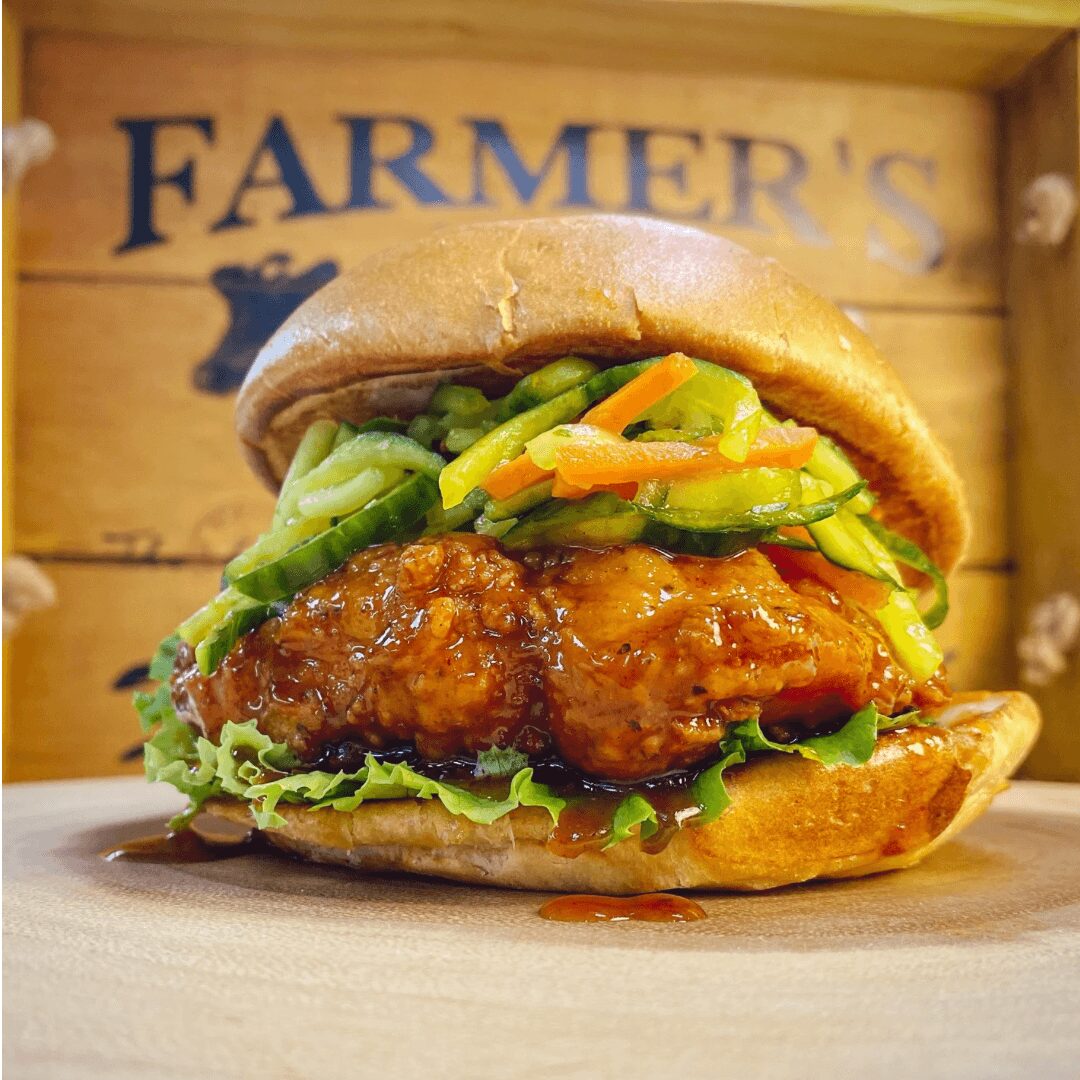
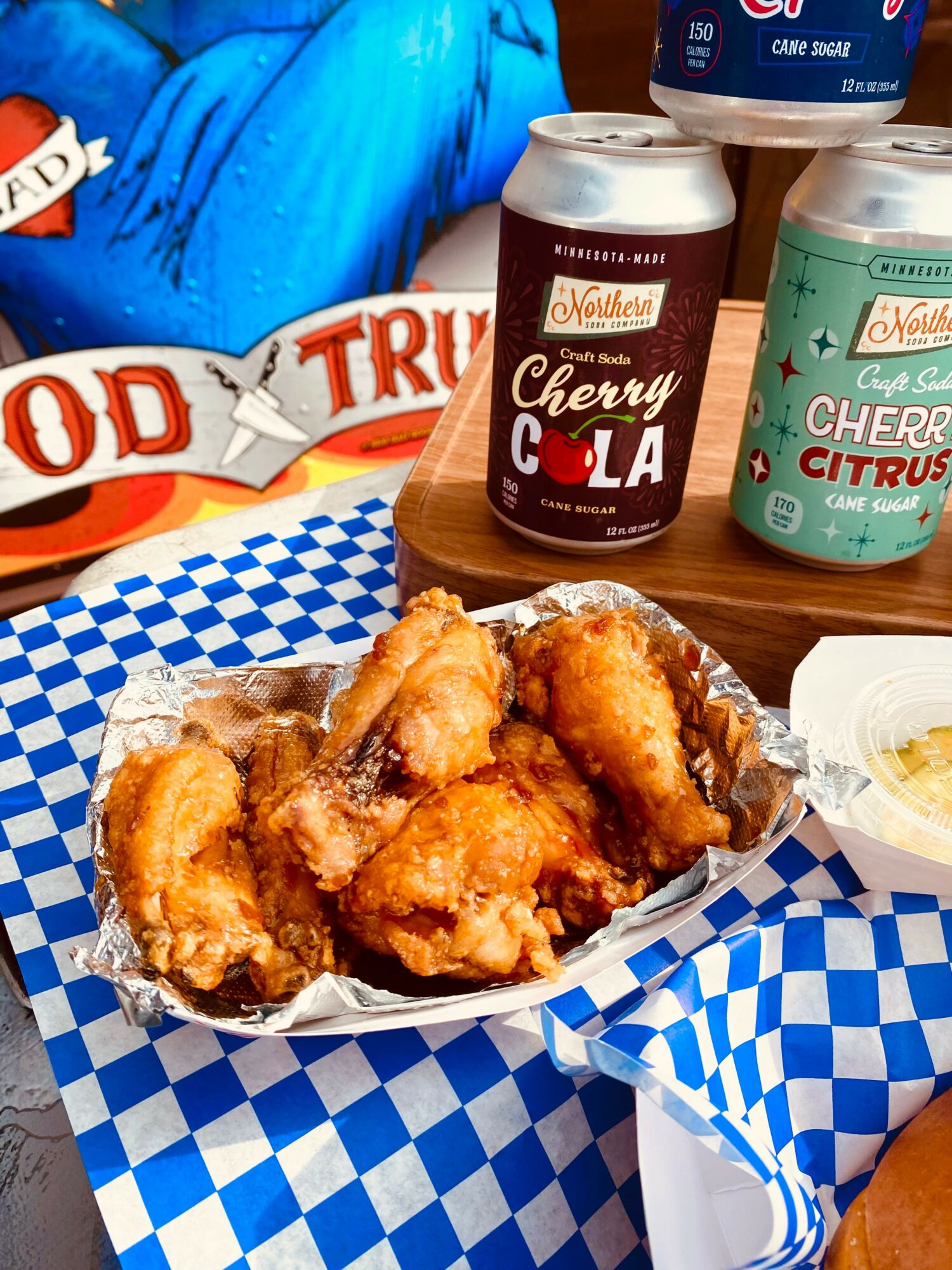
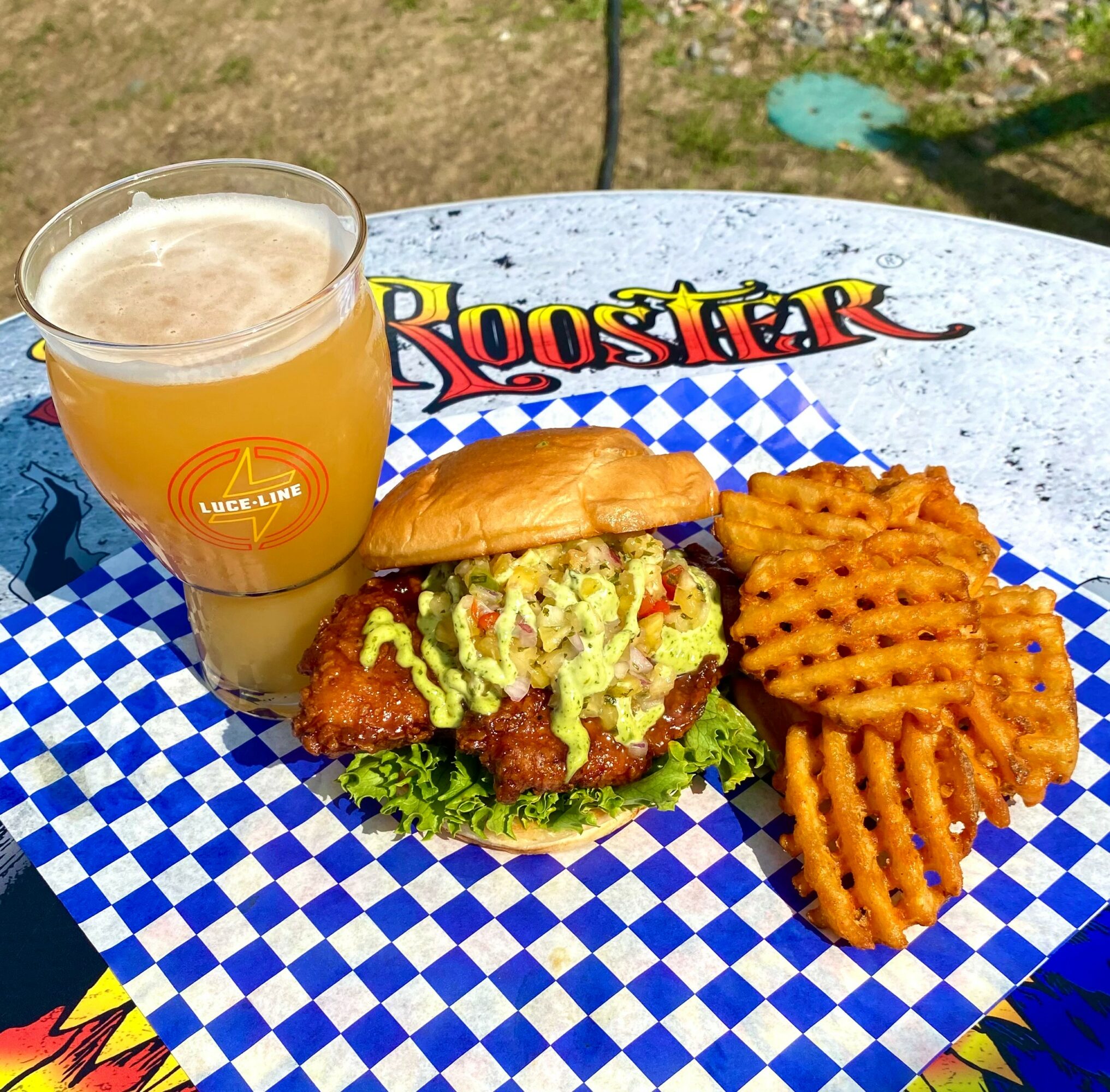
And then there’s the food. Bad Rooster chicken is from a Minnesota family-owned farm that hatches the eggs, humanely raises the chicks to adulthood, humanely processes that chicken under USDA inspections and delivers it directly to us twice a week. Add to that our hand-breading, made from scratch signature sauces and that our food is freshly made to order, it’s no wonder the most common thing we hear is, “That is the BEST chicken sandwich I have ever eaten!” Bad Rooster just won another 6 awards which has now given us 46 awards for our food since we rolled into town in 2020. That’s impressive. And it’s only because our customers and fan base nominate and vote for us every year for these different awards and I am very honored. I couldn’t do it without the team I have and my business partner, and so with that, that is the best recipe we could ever have created. I am so grateful that we’ve been given an opportunity to share it with our local Minnesota people.
Is there a quality that you most attribute to your success?
That vision that Terry and I have has really shown us that being authentic, being real, and communicating with each other has been such a vital role in our success with Bad Rooster. We have also learned that transparency is important so that both business partners can see how our operations are going. We sit down quarterly for a business review. Sometimes we know that it’s going to be a roller coaster ride, but Terry and I realized we are not afraid of the roller coaster and we ride it if we have to. There are highs and lows for any business, but if you can ride the highs and lows, you really do discover that you can pretty much handle anything. We look at this as a long-term investment, a legacy that we can leave behind for his children. That’s really the important part of why Bad Rooster is where it is today.
The thing with Terry and I is we don’t cross each other’s wheelhouse. He’s got one wheel, I’ve got the other, and we navigate everything and anything. I know that I am a little bit more out there and the one that interacts with our customers and vendors, and Terry is a little bit more behind the scenes. It really is fun helping him continue the farm-to-table vision and seeing my recipes being enjoyed by so many people. He has faith in me, and I have faith in him, to make it work. It is so much more relaxing and calmer when both business partners have the same desires and hopes for the business. We trust each other, believe in each other, and we continually move forward, seeing more of the beauty of the relationships with the people around us.
Trust has to be the final ingredient in making the partnership and the business work. I hear it even from our customers. We had a situation where a customer had a piece of chicken that wasn’t up to our standards at Bad Rooster. He came back and said, “This isn’t quite right and this isn’t like you.” I told him we would make it right and he said, “Don’t’ worry. I get this sandwich from you all the time; I just wanted you to know.” When I replaced the sandwich, he said, “I trust you.”
That’s what I want to instill in the customers. Instead of going out on social media and blasting restaurants, go to the owner or chef involved to let them know if you receive something that’s not up to standard. You eat their food for a reason. We want to make right whatever went wrong. Give us the chance. At least at the Bad Rooster we will do everything in our power to right whatever is wrong. That is how you create trust.
Contact Info:
- Website: https://badrooster.com
- Instagram: https://www.instagram.com/badroostertruck/
- Facebook: https://www.facebook.com/BadRoosterTruck/