




Today we’d like to introduce you to Bernice Wimmer.
Hi Bernice, it’s an honor to have you on the platform. Thanks for taking the time to share your story with us – to start maybe you can share some of your backstory with our readers?
I grew up on a farm in Olivia, Minnesota, as one of eighteen kids. In a family that large, everyone had a role, and my mom had a special gift for recognizing each of our skill sets and assigning chores that matched. I was good with numbers, and I started cooking in elementary school. I also learned to play bridge at a young age, which helped me become a problem solver early on.
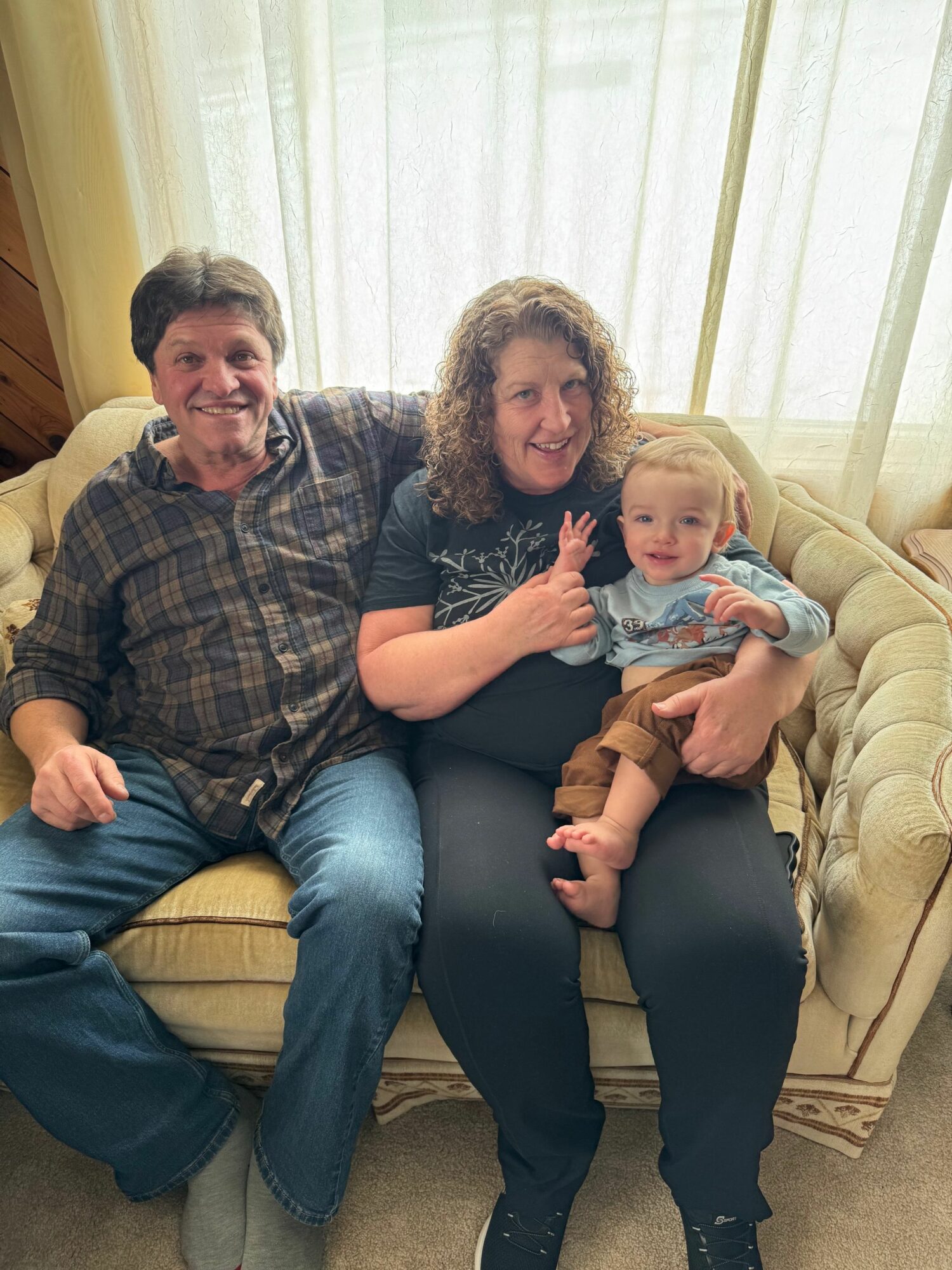
Growing up in a large family came with a lot of fun and a lot of teachable moments. My mom grew up in Saint Paul and my dad grew up in Bird Island, so we had the chance to experience both rural Minnesota and urban Minnesota. Living with so many siblings also meant learning to work with many different personalities, which turned out to be a great education for working with people and volunteers later in life.
Looking back, I feel like my childhood, my education, and my work experiences all helped lead me to feeding the hungry. I always believed that God had a plan for me, even though I didn’t know what that plan was at the time.
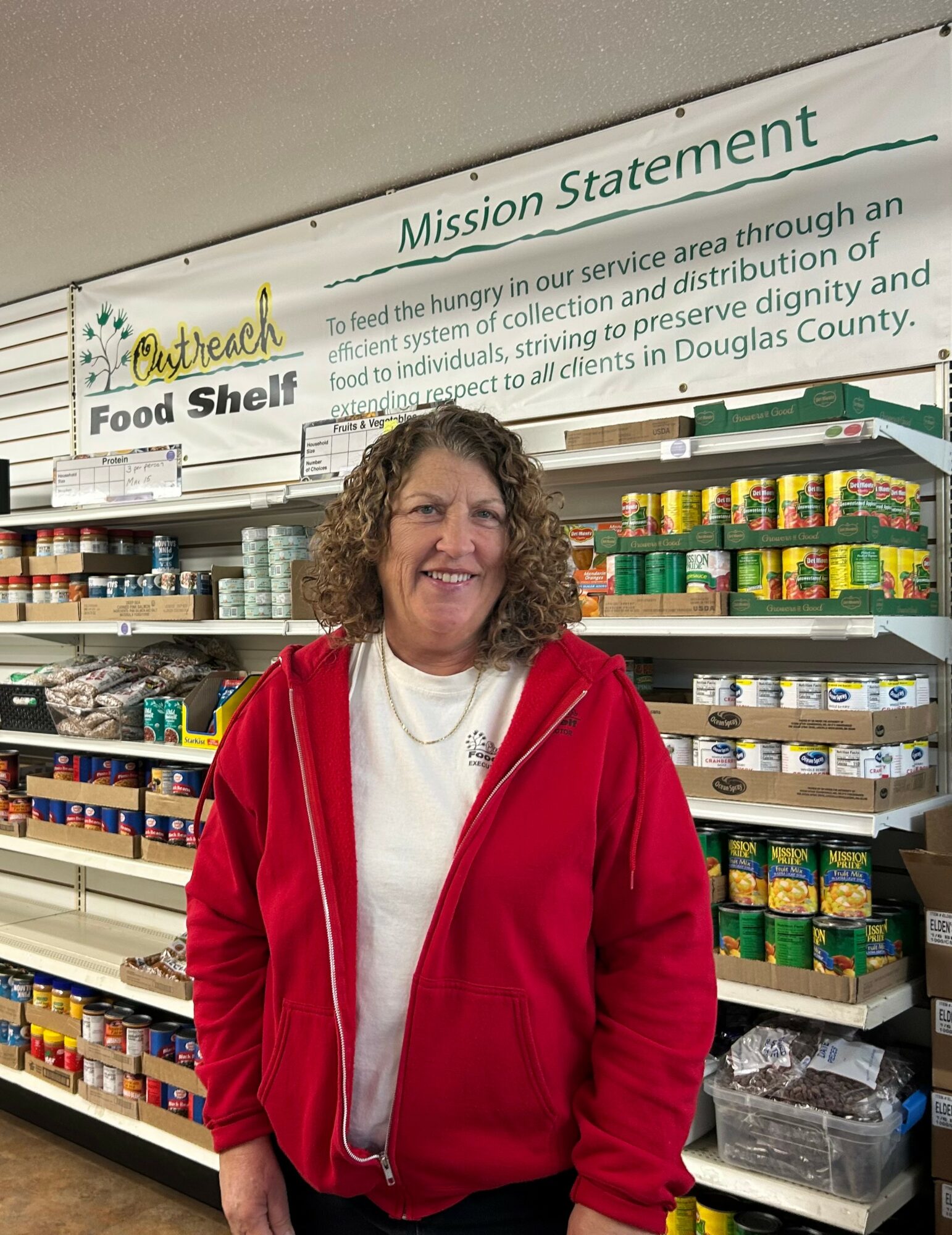
That plan became clear during COVID, when both my husband and I were laid off and I was looking for a job. A friend of mine told the board at the Outreach Food Shelf that I might be a good fit. The irony is that the job turned out to be a perfect fit for me too. It brought together my love of people, my problem-solving skills, and my desire to serve the community.
Helping feed people and working with volunteers feels like everything in my life helped prepare me for this role, even though I didn’t realize it at the time. I truly believe this is where God meant for me to be.
I’m sure it wasn’t obstacle-free, but would you say the journey has been fairly smooth so far?
I started at the food shelf in August of 2021. Since then, we have had many changes — a lot of them. I took over from a volunteer who had been in the role for 17 years, she was an icon that did a great job feeding people. A tough act to follow, I wanted to draw on her legacy of feeding the hungry and meeting the needs as time changes. With my background, I really wanted to focus not only on feeding the hungry, but expanding our hunger network to make sure no one falls through the cracks.
One of the first things I noticed was that many seniors do not like to come to the food shelf. I was hearing from local health workers that when seniors came in to see their health care provider, some of them had not eaten for two, three, or even six days. Because of that, we partnered with the senior food drop programs and worked with many organizations in town to increase those numbers and make food more accessible.
Another issue was that Douglas County only had one food shelf for food. We knew there were areas where people struggled not only with food insecurity but also with transportation insecurity. So we created a program called Four Corner Outreach, with the goal of getting food to the four corners of Douglas County where there were known food deserts.
We did this in two phases, starting with the most urgent needs. We partnered with Horizon Public Health, Alomere Hospital and Clinic, and Douglas County to create a food delivery program. The hospital, clinic, and home care staff screen their patients to see if they are food insecure or transportation insecure. They then use an online platform called Unite Us to refer them to us. From there, we reach out and get them set up either with home delivery or as a client of the food shelf. One thing we have learned is that if a doctor tells someone they need to go to the food shelf, they are much more likely to come, even if they were hesitant before.
The second phase of that program was fundraising and building a mobile pantry. That mobile pantry has been in operation since the summer of 2024, and it has allowed us to serve many new people, especially in the outlying areas of Douglas County. We are also seeing many more seniors come to the mobile pantry than come to the food shelf itself.
What started as four corner locations grew into serving pockets of poverty within the city of Alexandria. People were walking or riding bikes to pick up food and now they can go to their parking lot and get food. We are a monthly supplement program, and we provide about 50 pounds of food per person, so this makes a big difference for families.
By expanding into the community, we were able to ease some of the pressure on the food shelf itself. Thankfully, we got these programs in place before our infrastructure became at risk. It freed up space in our building and helped us handle the SNAP pause, immigration-related issues, and the increasing number of people needing help. These have been very bumpy roads. We need more food, more donations, and we are serving more people every year — and unfortunately, the need continues to grow.
Right now, we serve about 4,000 pounds of food a day in a relatively small city, and we still are not reaching even a third of the people who need help. That is why partnering with the community makes such a difference. We work with about 22 different nonprofit organizations. They have resources we don’t have, and we have resources they don’t, and together we are able to reach far more people.
Space continues to be one of our biggest challenges. Since I started, we have added a 20-by-16 walk-in cooler with serving doors and a 20-by-24 walk-in freezer. We have almost doubled the number of clients we serve, and the amount of food going through our doors has grown from about 2,500 pounds a day to 4,000 pounds a day, and it is expected to keep growing.
The Outreach Food Shelf has been in existence since 1982, and it actually started in the church next door. Since then, every five to seven years, more space has had to be added. With the freezer we installed last fall, we know that within the next four years we will need to do something drastic again because we are completely out of space. We have used every nook and cranny we have.
Those are the challenges we face, but they also show how much the need has grown — and how important it is for all of us to keep working together to feed our community.
Appreciate you sharing that. What else should we know about what you do?
I started college at NDSU when I was 17 years old. After two years, I took a gap year and worked as a nanny on the East Coast. During that time, my dad became sick, so I came home to help take care of my 14-year-old twin sisters. After that, I went back to school at the University of Minnesota Morris, where I graduated with an independent major that I designed myself.
I began my career teaching community education classes in Princeton, Minnesota, and also worked for a nonprofit that educated people about water quality. In Spring 1991, we moved to Alexandria, and that fall I started working as a Community Education Coordinator. I stayed in that role for almost 20 years. After that, I took some time off to help my in-laws transition into assisted living.
Later, I began working for Youth For Understanding, an international student exchange program. That experience gave me a whole new perspective on people and cultures. At one point I was responsible for about 40 teenagers from all over the world, helping place them with host families and making sure they were healthy, safe, and doing well in a foreign country. You learn quickly that language barriers aren’t really barriers — people can communicate on many different levels. It was an amazing opportunity, and it has helped me tremendously in the work I do today at the food shelf.
After that, I worked as the director of the senior center until I was laid off during COVID. During those years, my husband and I were raising four children. With my farm background, it was hard for me to see them sitting at home once they were old enough to work, so we started a small sweet corn business called Wimmer College Corn. The goal was to help our kids earn money for college, just like my parents had done for me, but also to teach them work ethic, responsibility, and what it means to work together as a family. That little business helped all four of our kids go to college,
In 2021, I started working at the Outreach Food Shelf. Looking back, all of my previous experiences prepared me for this role. Community education taught me how to build sustainable programs from the ground up. My work in foreign exchange taught me how to work with people from many different backgrounds. Growing up in a large family taught me how to solve problems and work with all kinds of personalities.
Because of that background, programs like Four Corner Outreach made sense to me. The goal was to bring food directly to the communities that need it most. When you think about it, the mobile pantry is like putting a food shelf in those communities once a month. Building a brick-and-mortar location in every area would not be financially possible, but the mobile pantry allows us to serve those locations in a way that is sustainable for the future.
I truly believe those programs will continue to help people in Douglas County for many years to come, and I feel very fortunate that my life experiences have led me to work that makes such a difference in our community.
Who else deserves credit in your story?
I have to say that my parents had a huge influence on who I am today. Growing up, they taught me a strong work ethic and a sense of pride in what you do. In a family as large as ours, you learned early that everyone had to do their part, and that lesson has stayed with me my whole life.
My siblings have also shaped who I am. I have a sister who is incredibly kind, the kind of person who always makes me want to be better. I also have a couple of brothers who are engineers, and they have always inspired me to think things through, to problem solve, and to look for better ways to do things.
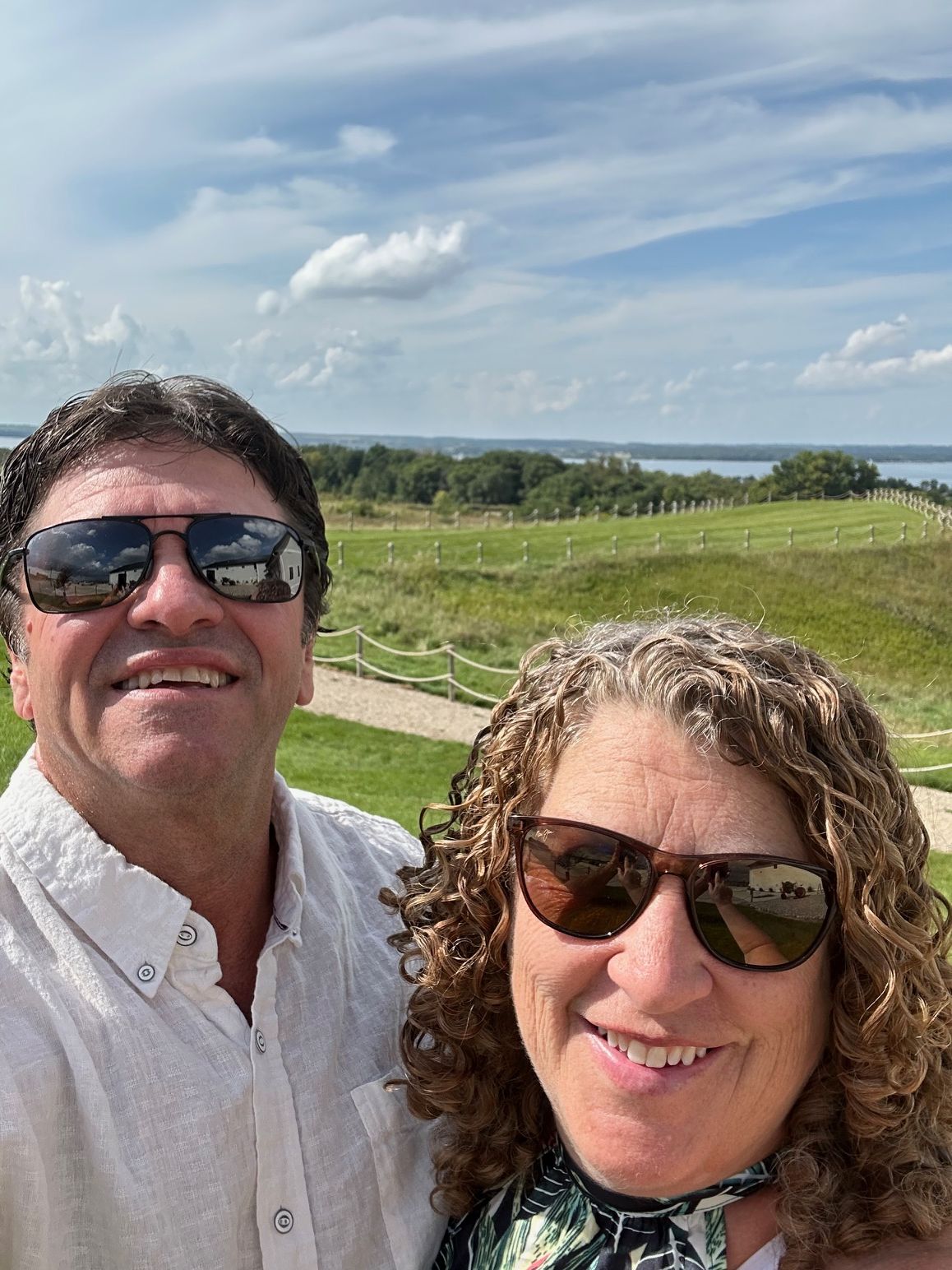
But first and foremost, the person who has influenced me the most is my husband. He has always had faith in me and has been my biggest cheerleader. We are true partners. We work together, we play together, and over the years we have been able to do many things that a lot of people never get the opportunity to do. Having that kind of support makes it possible for me to take on the challenges that come with the work I do.
As far as my work today, I feel incredibly fortunate to be at the Outreach Food Shelf. I have a board that is very focused on the mission of feeding the hungry. There really are no obstacles to what we can accomplish, because they believe in the work and they support it completely. That kind of support makes all the difference.
The president of our board has been a mentor to me. He comes from a manufacturing background and has been a great leader and encourager. He recognizes people’s strengths, he is appreciative, and he makes a point to say thank you. He supports the challenges we face instead of being afraid of them, and that gives me the confidence to keep pushing forward.
What is especially inspiring to me is that most of our board members are closer to 80 than 70, and they are still giving their time and energy to help others. You have to admire people like that — people who continue to give back to their community throughout their entire lives. It reminds me every day why this work matters.
Contact Info:
- Website: https://outreachfoodshelf.com/
- Facebook: https://www.facebook.com/outreachfoodshelf
- Other: https://www.givemn.org/organization/Outreach-Food-Shelf