





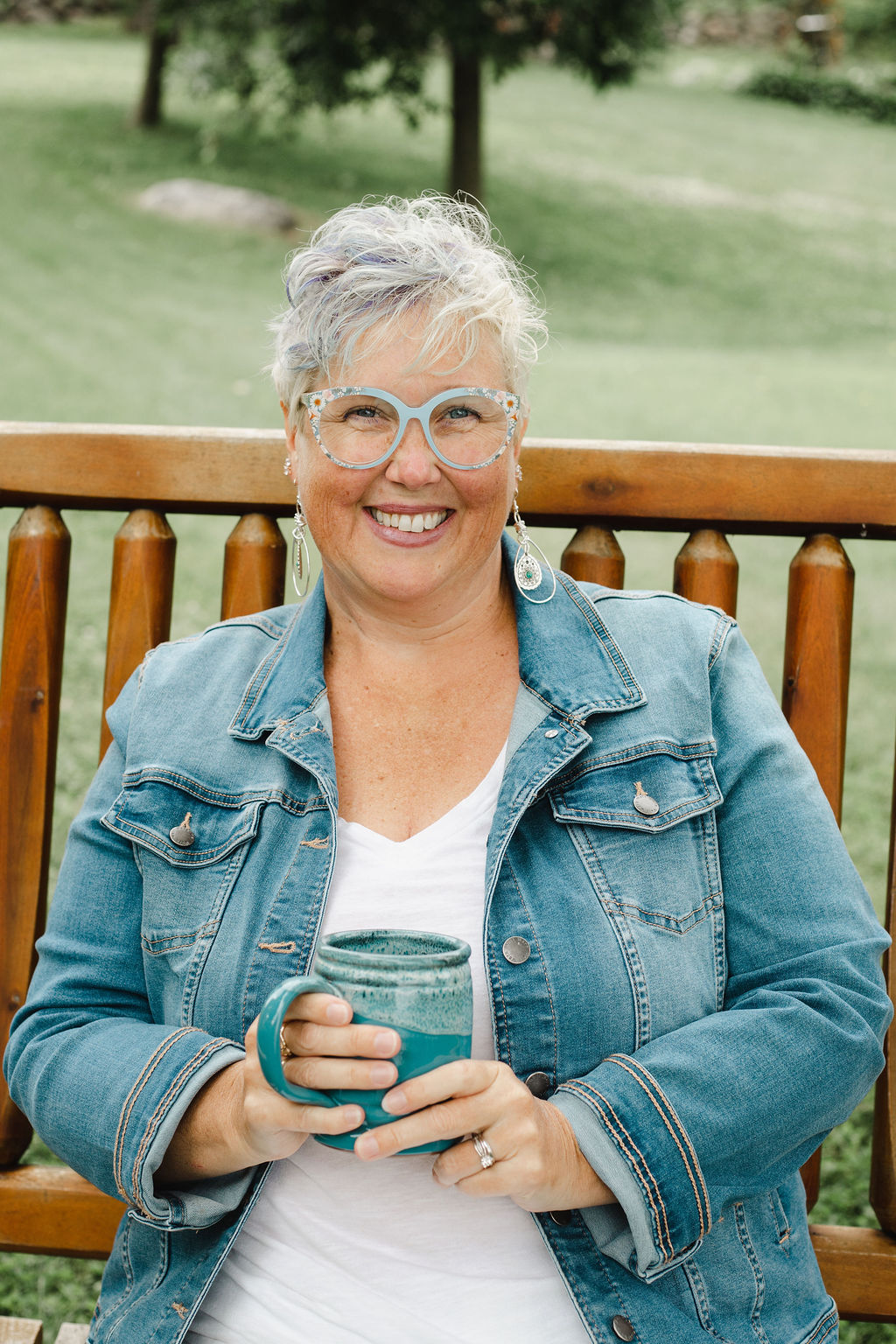
Today we’d like to introduce you to Sara Smith.
Sara, we appreciate you taking the time to share your story with us today. Where does your story begin?
I have always been interested in being a therapist, I just took a bit of a winding path to get there. I had jobs as a parent-educator, teacher and stay-at-home mom, before finally going back to school to get my Master’s in Marriage & Family Therapy at age 38. I realized through a group of friends I had at the time that not only was I good at being present with people when they needed support, but I also made connections between situations and experiences that most other people didn’t see. I spent the first part of my career working for three different agencies doing home-based work with adolescents and their families and in-office therapy with individuals and couples. Once COVID sent us out of the office to conduct telehealth from our homes, I decided to capitalize on the opportunity to start my private practice without having to rent an office space. I enjoyed the pace of life working from home and was ready to shed the constraints that the insurance industry puts on mental health practitioners. I have been working exclusively as a therapist in private practice since 2024 and I love it!
I’m sure it wasn’t obstacle-free, but would you say the journey has been fairly smooth so far?
I’m a big fan of Minnesota’s State Parks (I’ve actually been to all 76 of them!) and on their hiking trails they designate the terrain difficulty as easy, moderate or challenging. I’d say my road to becoming a therapist and building my practice has been moderate.
From a personal standpoint, I started graduate school when I had three young kids: two in school and one in pre-school. Half-way through grad school, I also went through a divorce (I know, the irony!). The physical and emotional toll of single-parenting and navigating a divorce while finishing grad school and starting a career for the first time in 10 years certainly made those years some of my most difficult.
Professionally, moving away from the security of insurance-based agency work has been the biggest challenge. There, you have a steady stream of clients and referrals. While most therapists recognize the constraints of time and diagnosis-centered work imposed by the insurance industry, most clients (rightfully so) would rather use their insurance than pay out of pocket. Trying to find and convince clients of the value of your work can have its challenges, but doing work that feels good and that I can be proud of makes the effort worthwhile.
My favorite quote is by Frederick Buechner and it says, “Here is the world. Beautiful and terrible things will happen. Don’t be afraid.” I don’t expect that my road will stay all beautiful or all terrible, but gratefully I’d say I’ve had many more beautiful days than terrible ones!
We’ve been impressed with All Things New, but for folks who might not be as familiar, what can you share with them about what you do and what sets you apart from others?
The therapy practice that I started is called All Things New. I work with two primary populations: women and couples. I focus on women who have become disconnected from themselves, who may be experiencing a major life transition or a mid-life identity shift, and women who just feel stuck and know that something needs to change but don’t know what or how. I also work with couples who have become disconnected from each other, who are stuck in the same familiar patterns of poor communication and who find themselves in constant cycles of conflict or feeling like roommates. I really get so much joy out of working with these kinds of clients.
I recently changed the WAY that I work with the clients I just described. I realized that the standard 50-minute therapy session just wasn’t fitting the way that I wanted to work with the women and couples I was seeing. Too often, what I experienced in sessions was that by the time we got through the “crisis of the week” or the surface-level details to the real hurt and pain underneath that needed healing, only about 15 minutes of the session remained. That’s not much time to do real healing or make lasting changes. My entire practice is now centered around Therapy Intensives and Retreats. Clients complete assessment and goal-setting sessions with me at the beginning of our work together. These are all 90-minute sessions and feel much more spacious than a traditional 50-minute session. Then, the actual therapeutic work is done through the intensive sessions. My online Therapy Intensives include 3-hour sessions conducted three days in a row with a follow-up session a few weeks later to discuss next steps. My in-person Therapy Retreats offer those same three, 3-hour sessions but in a two-day retreat format where clients get space to rest, reflect and let the work settle in. This way of doing therapy allows my clients to get to the deeper, sustaining healing work in a much shorter time span than traditional therapy. The analogy that has helped me explain it is the difference between glasses and LASIK surgery. They both help you see better, but one is only a tool that you must always use for it to be helpful. The other creates an actual change in your eye and vision – true transformation and lasting change. That’s what a therapy intensive can provide.
I have actually developed my entire “brand”, so to speak around this analogy. Doing primarily telehealth, my glasses have become one of the few ways I can present any style or panache on screen. So, having a bunch of different colored frames has kind of become my schtick. I incorporated this into my logo as a way of talking to current and future clients about the transformational change available through intensives.
Who else deserves credit in your story?
I actually think it takes a village to be a human not just raise a child!
On the personal side, it took my whole village to get me through grad school. My parents, my friends and my ex-husband all watched my kids, read my papers, listened to my stories, and dried my tears. I even had a friend come and hang up my clothes for me one day because I didn’t even have the wherewithal to figure out what to do next. Since starting my private practice, my husband has been a huge support by listening to all my new ideas and providing our family financial stability during the times I’ve needed to build up my practice when I changed gears.
Professionally, I feel very grateful for my early agency work. My supervisors and colleagues at Family Innovations, Life Development Resources and MN Couple Therapy Center gave me the specific and practical skills around assessments, note-taking, and good therapeutic skills that grad school didn’t cover. They introduced me to the models of EMDR, EFT and IFS that use in my practice today. Several of those colleagues continue to be important sources of mutual referrals, consultation and friendship.
Contact Info:
- Website: https://www.sarasmith.org/
- Other: Individual Intensives Brochure: https://canva.link/bvhmzx9lj6n1gcn
Couples Intensive Brochure: https://canva.link/opdo0j7w6muj8mw
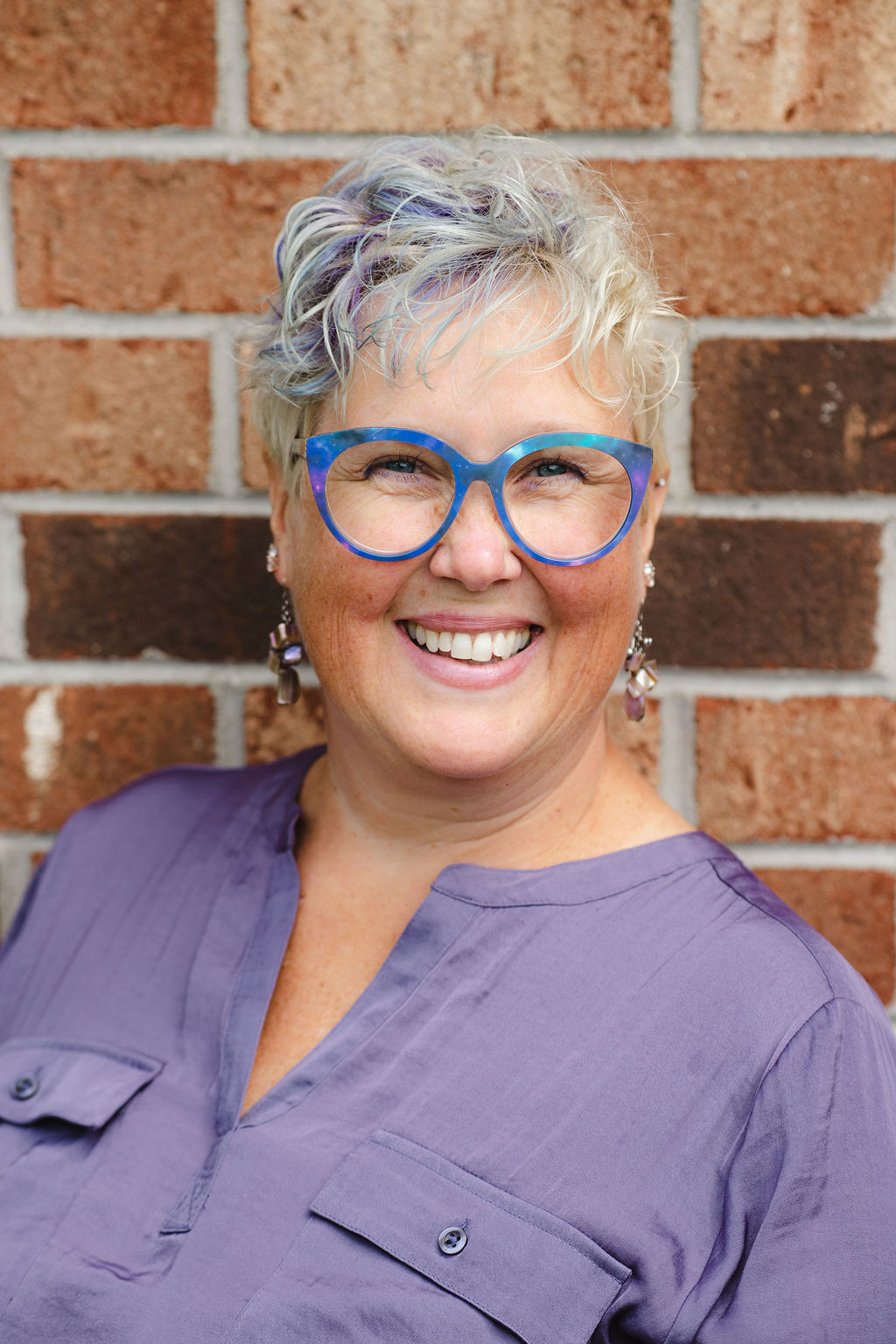
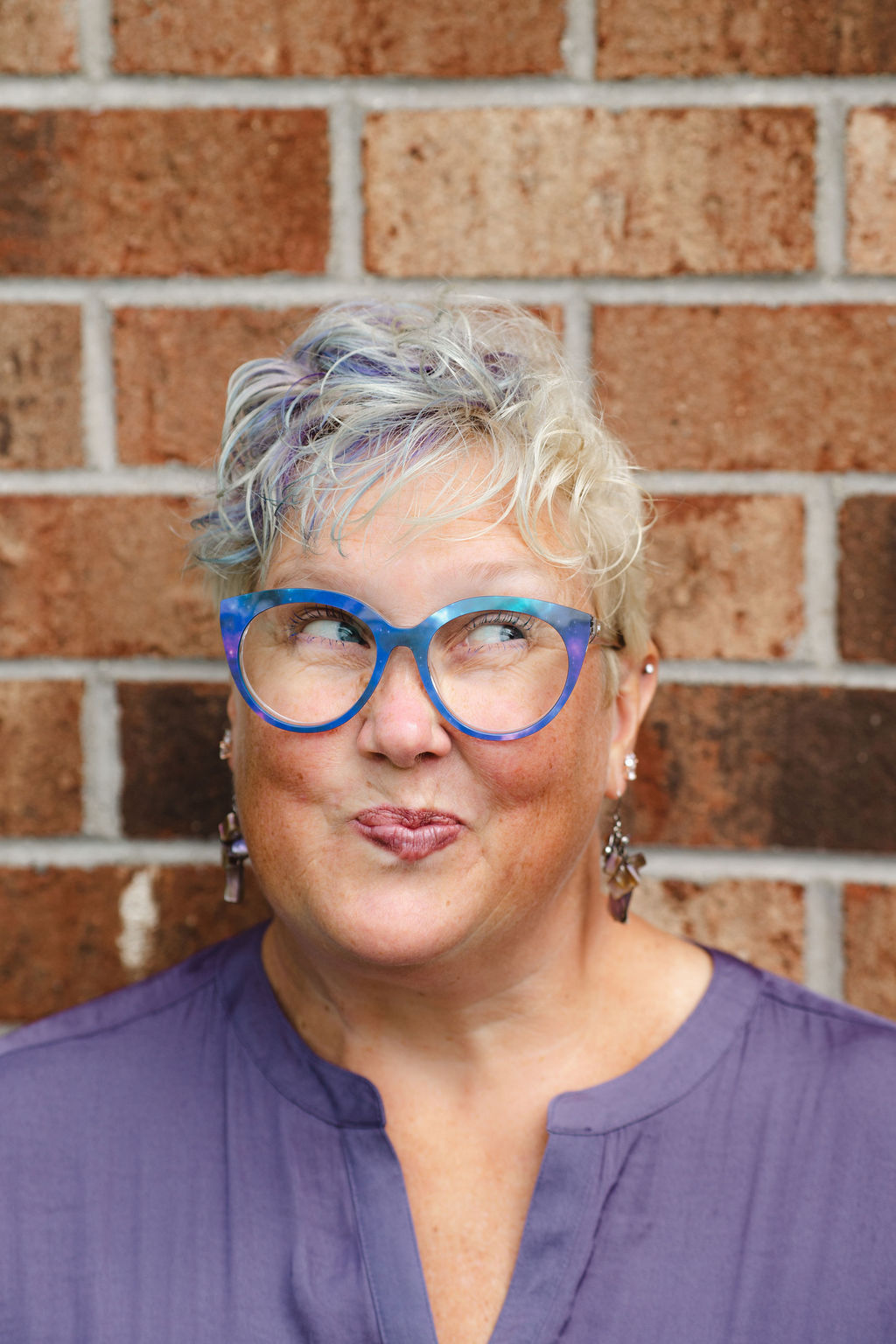

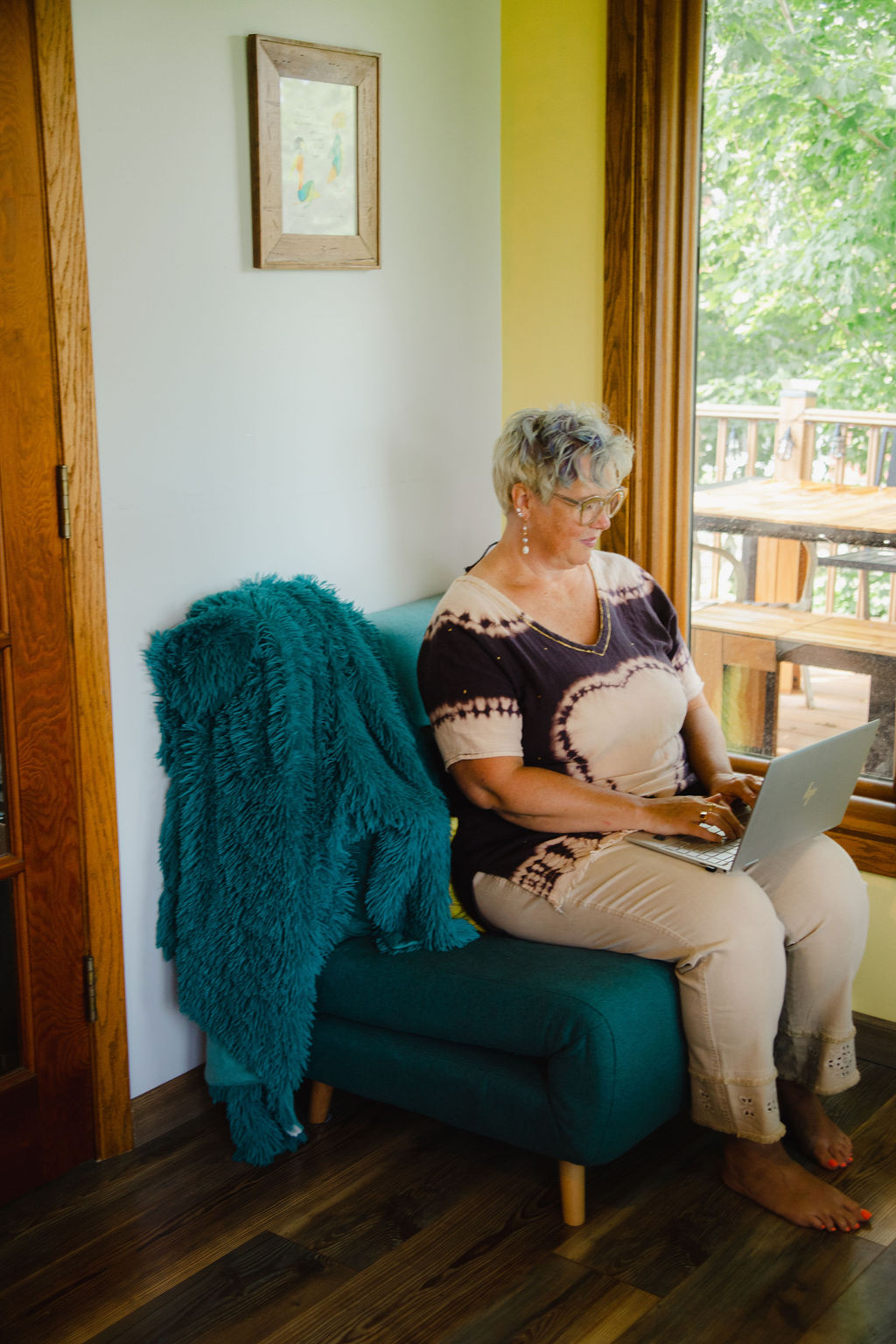



Image Credits
Samantha Iverson