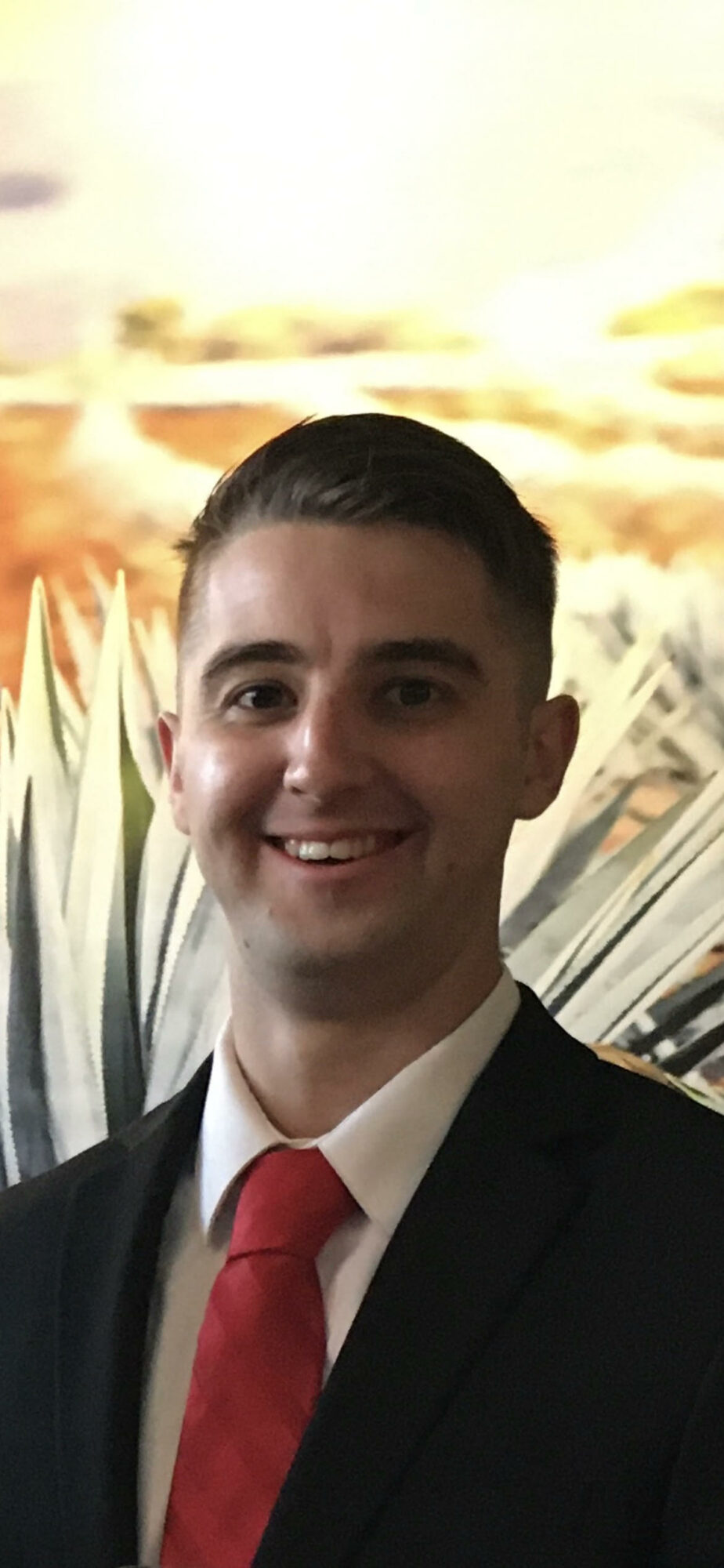





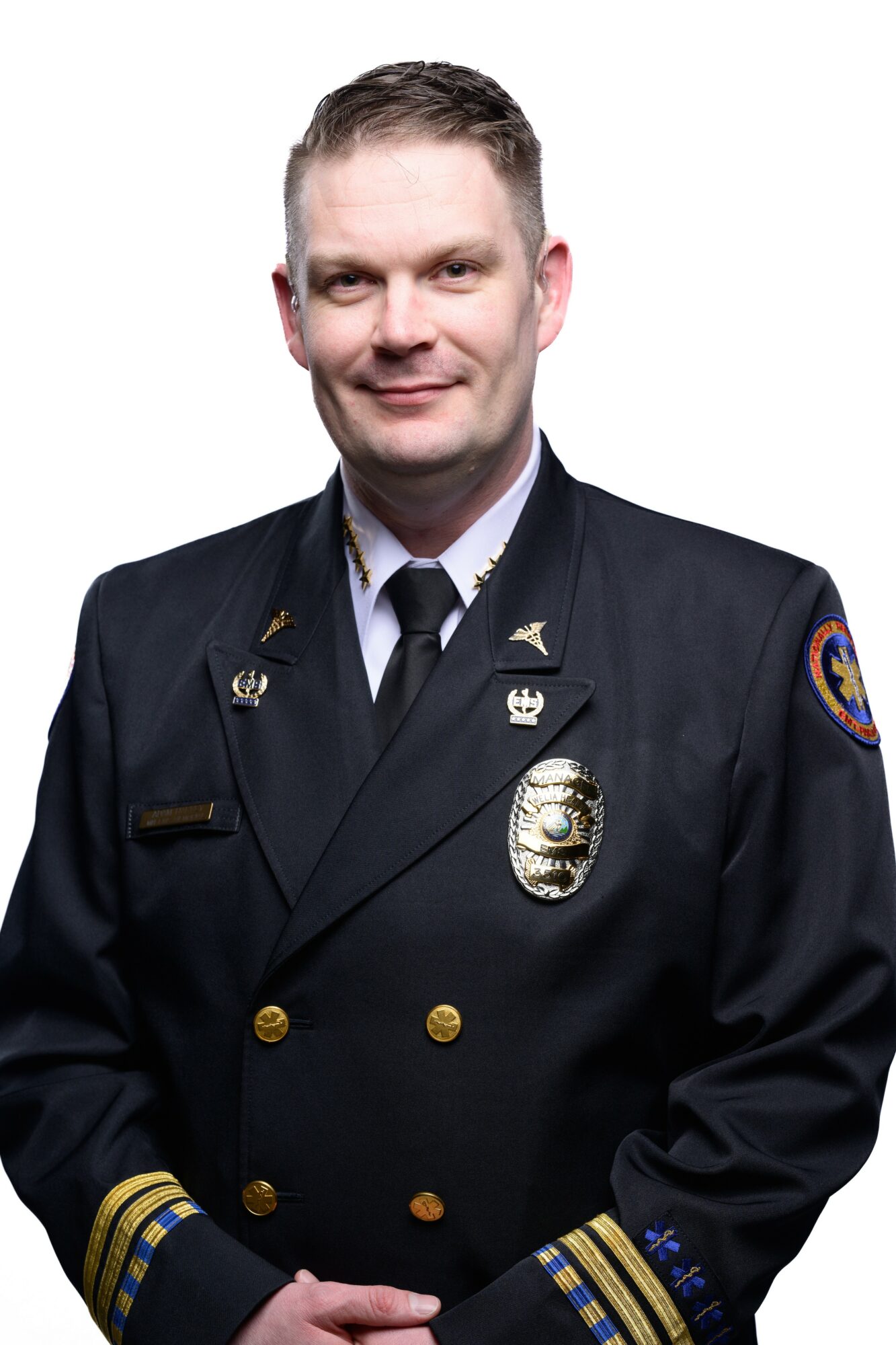
Today we’d like to introduce you to Adam Harvey.
Hi Adam, thanks for joining us today. We’d love for you to start by introducing yourself.
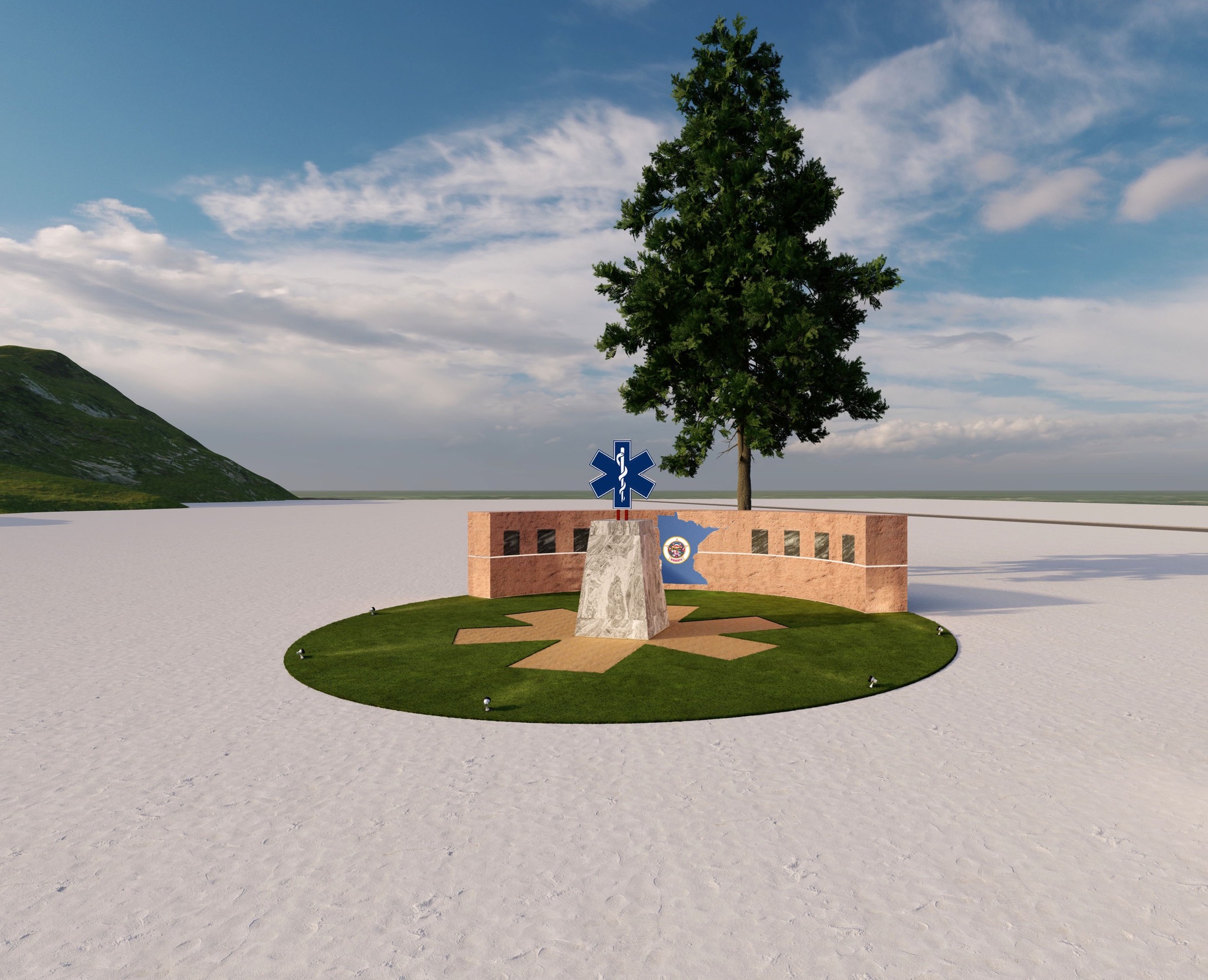
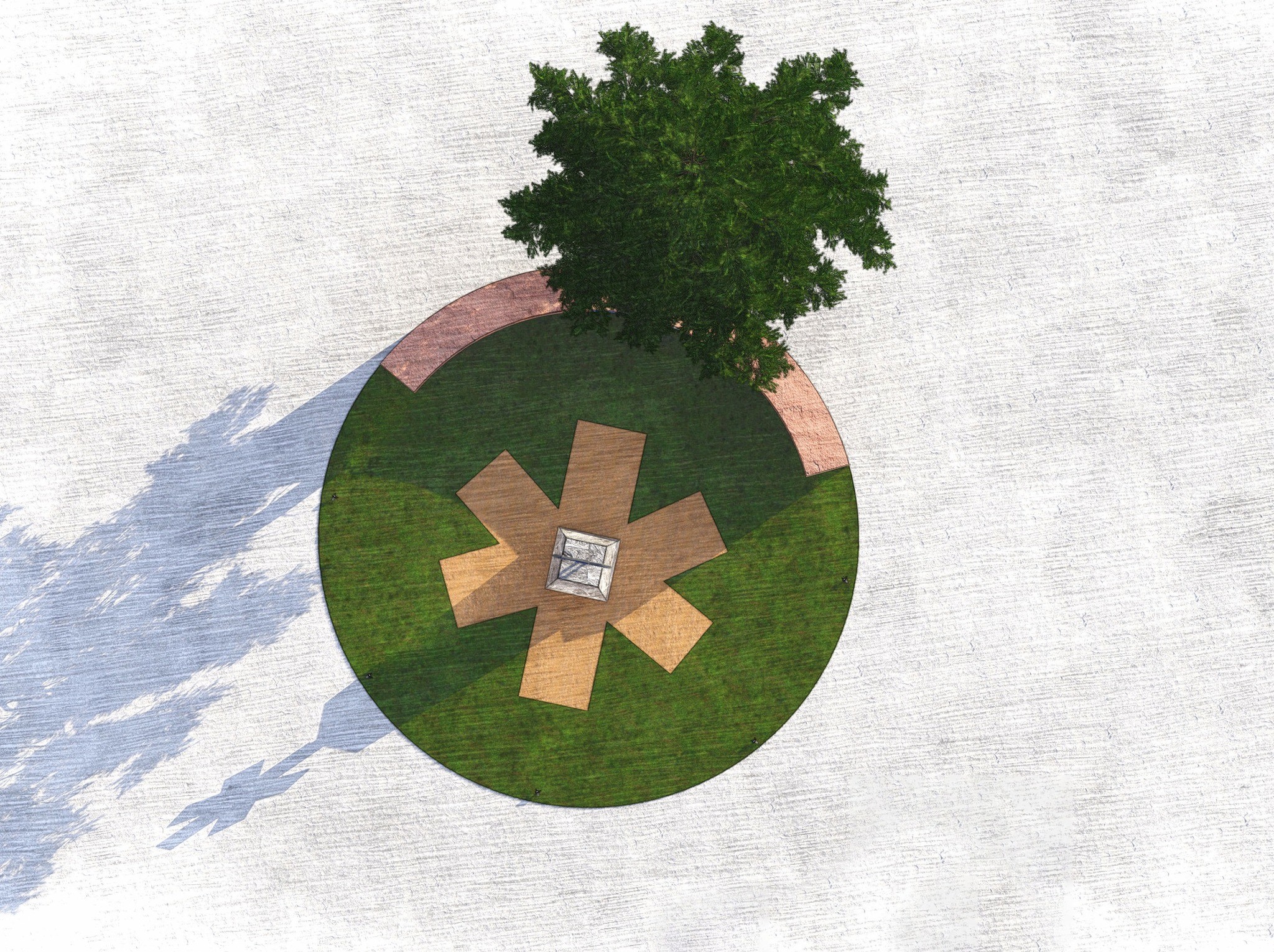
The MN State EMS LODD Memorial Foundation, also known as MN EMS Memorial, didn’t start with a business plan. It started with time in EMS and a conversation that never really went anywhere.
I still volunteer with the Minnesota EMS Honor Guard, a 501(c)(3) all-volunteer group, and have been part of it for over 12 years. During that time, the idea of a statewide EMS memorial would come up now and then. People believed in it, but the answer was usually the same. Either no, or that there just wasn’t enough interest to make it happen. Within the Honor Guard, it was often referred to as “our Vietnam Wall,” something our founder and commander at the time, Craig Anderson, would talk about. It stuck with me.
After hearing that enough times, I decided to stop waiting for someone else to take it on.
For a few years, it was just me working at it on the side. Writing letters, sending emails, trying to figure out who to even talk to about getting something like this built at the State Capitol. It wasn’t fast, and there wasn’t a lot of traction early on. But eventually, I was able to sit down with Senator Judy Seeberger. That conversation was straightforward. If this was going to happen, we were going to have to raise the money ourselves.
That was the point where I finally had a path to maybe make some headway in the matter.
In the fall of 2023, I pulled together a small board of volunteers and we started building the foundation from the ground up. We initially operated under a fiscal sponsorship through the Hennepin County Association of Paramedics and EMTs (HCAPE) to get things moving. That support gave us a way to begin fundraising and establish credibility early on. Over time, more people stepped in, more doors opened, and the project gained momentum. Last year, we were officially granted our own 501(c)(3) status.
I serve as the CEO and Founder, but this has never been a one-person effort. It’s EMS providers, unions, and community members who believe this needs to exist and are willing to stand behind it.
The goal is simple. EMS has always been part of the 911 system alongside law enforcement and fire. The people we’ve lost in the line of duty deserve a permanent place of recognition at the State Capitol. This project is about making sure they’re not overlooked, and that their service is remembered the way it should be.
I’m sure it wasn’t obstacle-free, but would you say the journey has been fairly smooth so far?
It hasn’t been a smooth road. Not even close.
Early on, one of the biggest challenges was getting people to believe this was actually possible. The idea of an EMS memorial at the State Capitol had been talked about for years, but it never moved forward. So when I started pushing it, there was a lot of skepticism. Not negative, just a sense of “we’ve heard this before.”
As things progressed, the biggest ongoing challenge has been networking and access. I can send out hundreds of emails and letters and maybe get a response to one of them. That makes it hard to build the kind of relationships you need, especially when you’re trying to raise funds for something at this scale. We’re still looking for that first major corporate partner to step in and help move this to the next level.
Funding ties directly into that. From the beginning, it was made clear this project has to be privately funded. You’re asking people to support something that doesn’t physically exist yet, and without strong connections or established networks, that becomes an uphill climb.
There’s also no clear roadmap for how to get something like this done. You’re working through state processes, approvals, and requirements that most people in EMS never deal with. A lot of it has been learning as we go and figuring things out in real time.
On top of that, this is still a volunteer-driven effort. Everyone involved has a full-time job. Progress depends on people finding time where they can, which can slow things down but also shows how much this means to those involved.
At the end of the day, this is a legacy project. It’s not something that comes together overnight. The challenge has been, and continues to be, building the right connections and keeping momentum going long enough to see it through.
As you know, we’re big fans of you and your work. For our readers who might not be as familiar what can you tell them about what you do?
My background is in EMS, and that’s still where everything starts for me.
I’ve been in EMS since 2004 and spent over 18 years with Allina Health EMS. That’s where I grew up in this profession. Working the truck, learning the job the hard way, and eventually stepping into roles like Field Training Officer and critical care paramedic. It’s also where I became active in organized labor with IAEP Local 167, serving as a regional vice president and working on issues that impact providers across the system.
Today, I serve as an EMS Manager at Welia Health, where I oversee the day-to-day operations of the ambulance service. That includes staffing, training, protocols, and making sure the system runs the way it’s supposed to. I still stay involved clinically when needed, but a lot of my focus now is on the bigger picture. Fixing operational gaps, improving workflows, and making sure crews have what they need to do the job right.
Outside of that, I’ve stayed involved at the state and national level. I serve as a paramedic with a Disaster Medical Assistance Team (DMAT), which puts you in completely different environments and forces you to adapt quickly. It’s a different kind of medicine and a different kind of teamwork.
Recently, I was honored to receive the EMS Advancement Champion Award through the National EMS Management Association. That recognition meant a lot, not just personally, but because it reflects the work being done around the memorial project and the broader EMS community.
What I tend to gravitate toward are the things that don’t have a clear starting point. Projects that have been talked about for years but never actually move forward. Whether that’s operational changes, training improvements, or something bigger like the memorial foundation, I’m usually drawn to the work that needs someone to take ownership of it and just keep pushing.
What I’m most proud of is the impact behind the work. Seeing a service improve. Watching new providers succeed after training. And now, seeing the memorial project gain traction after years of going nowhere.
I don’t think there’s anything unique about how I approach it. I just stick with things. Longer than most people are willing to. Especially when it matters.
Any advice for finding a mentor or networking in general?
I wish I had a great answer for this, but the reality is networking hasn’t come easy.
A lot of what I’ve done has been trial and error. I’ve sent hundreds of emails and letters over the years and maybe get a response to one of them. That’s just the reality of it sometimes, especially when you’re trying to build something from scratch without an established network behind you. It can be frustrating, but it’s part of the process.
What has worked, more than anything, is consistency. Keep reaching out. Keep showing up. Even when you don’t hear back. The few connections that do respond tend to matter a lot more, and those are the ones you build from.
In EMS, some of the best mentorship doesn’t come from formal programs. It comes from the people you work with every day. Senior medics, supervisors, people who have been doing the job longer than you. Watching how they operate, how they make decisions, how they carry themselves. That’s where a lot of real learning happens.
If I had to give advice, it would be to focus less on finding “a mentor” and more on building relationships over time. Stay involved. Be someone people can rely on. Do good work. Those connections tend to come naturally out of that.
And don’t be afraid to reach out, even if you think it’s a long shot. Most of mine have been. You only need a few people to respond for it to make a difference.
Contact Info:
- Website: https://www.mnemsmemorial.com
- Facebook: https://www.facebook.com/profile.php?id=61551466592551
- LinkedIn: https://www.linkedin.com/in/mn-state-ems-lodd-memorial-foundation-b08a81351/
- Other: https://mn.gov/caapb/commemorative/cw-projects/ems-addition/