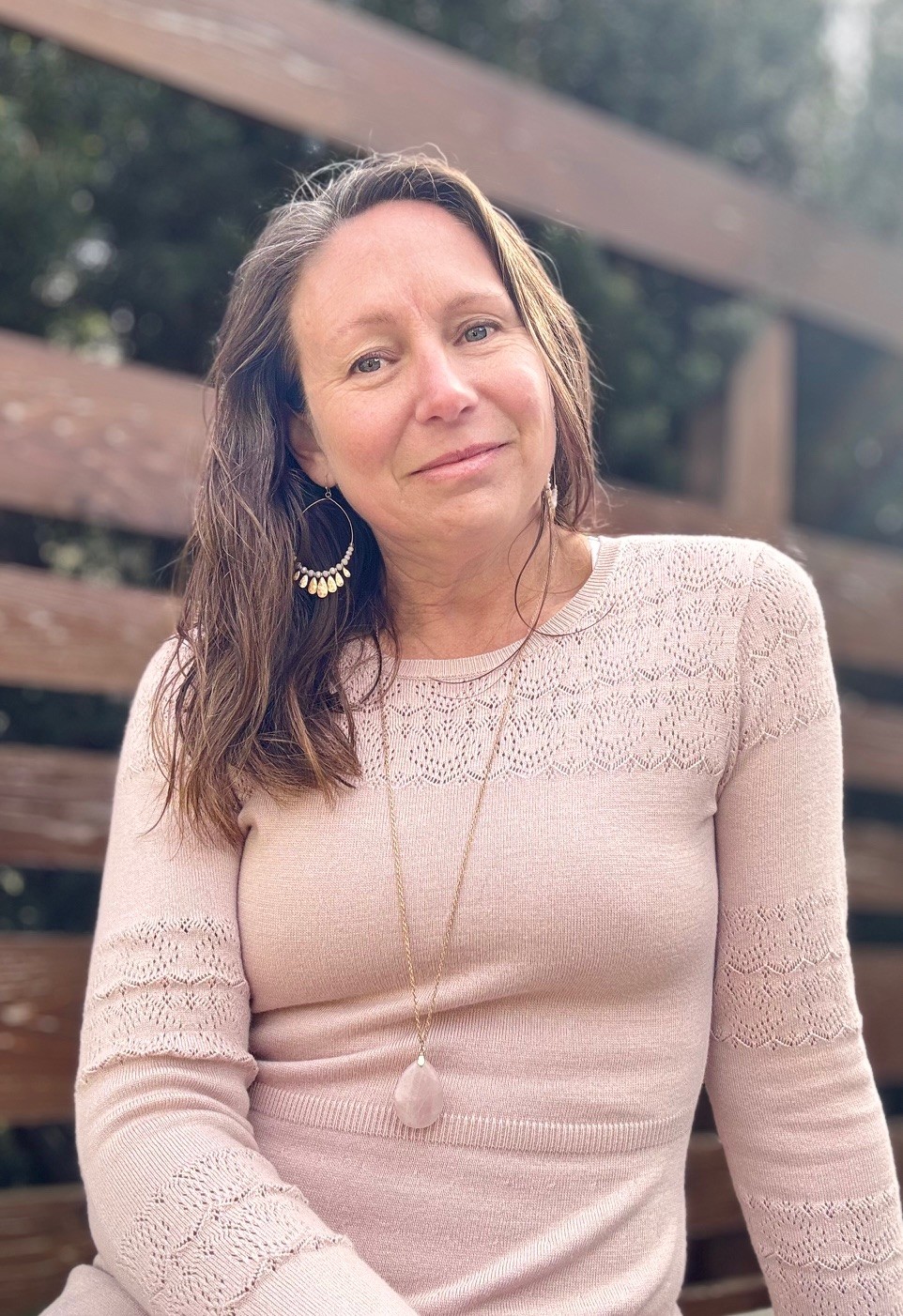





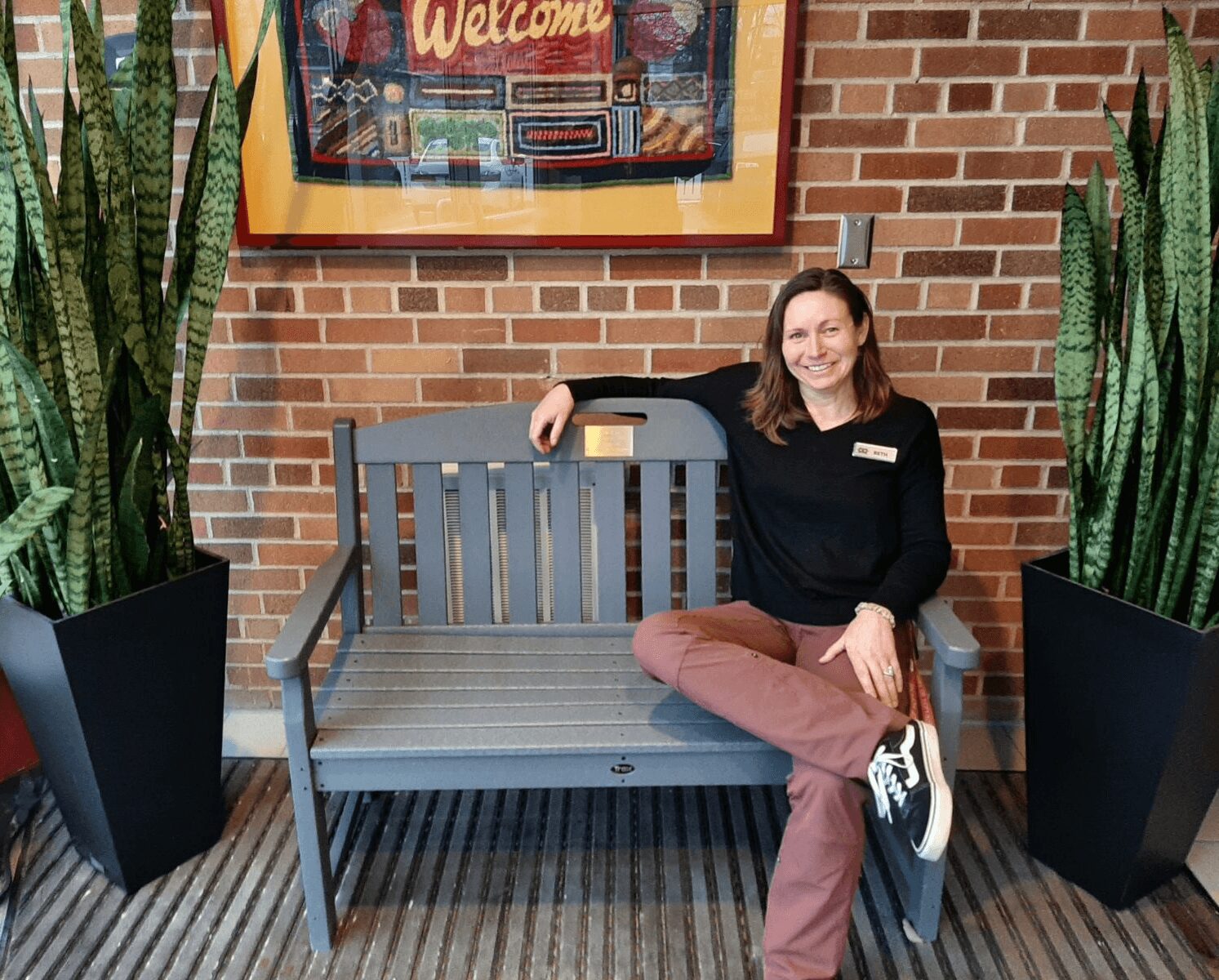
Today we’d like to introduce you to Beth Kivett.
Hi Beth, please kick things off for us with an introduction to yourself and your story.
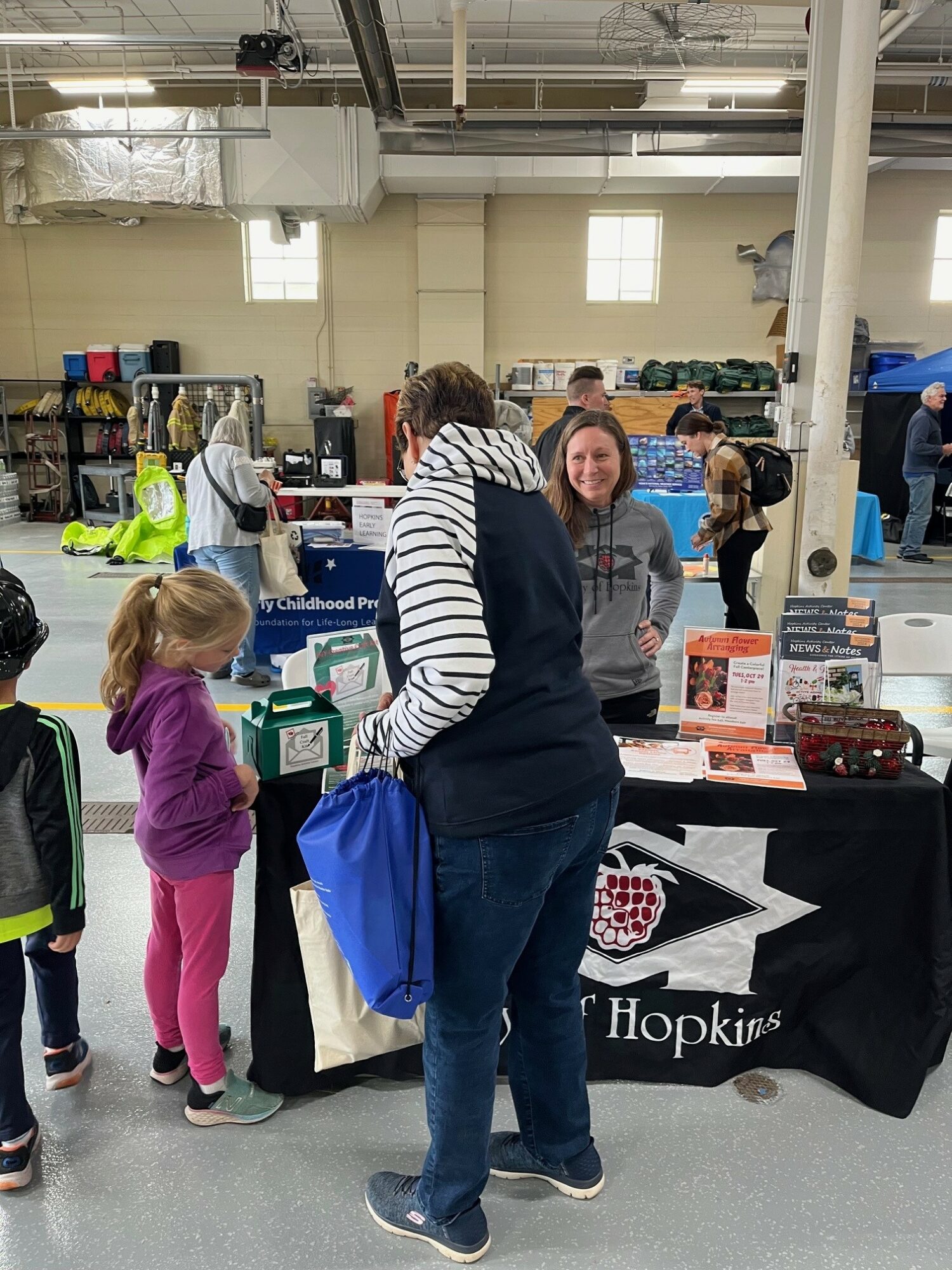
My career path has been anything but linear, but a consistent thread throughout my journey has been a deep commitment to helping others. I’ve always been drawn to connecting with people and creating meaningful, positive change within my community. That passion ultimately led me to my work in senior recreation, where I’ve found tremendous purpose. There is something incredibly rewarding about watching older adults laugh, build friendships, and truly thrive—socially, emotionally, and physically—through the programs we create.
Working closely with seniors has also been one of the most enriching learning experiences of my life. They’ve shown me that a sense of humor and personality don’t fade with age—they often grow stronger. They’ve reinforced the importance of friendships at every stage of life, and they continually demonstrate that staying active, curious, and open to new experiences is key to maintaining vitality. Perhaps most importantly, they’ve taught me that lifelong learning and creativity are essential to both happiness and overall well-being.
At the same time, I began to notice a growing challenge: many seniors—and others in the community—were struggling to keep up with rapidly evolving technology. For some, it wasn’t just about learning new tools; it was about overcoming fear and building trust in an increasingly digital world. That realization became the catalyst for something bigger.
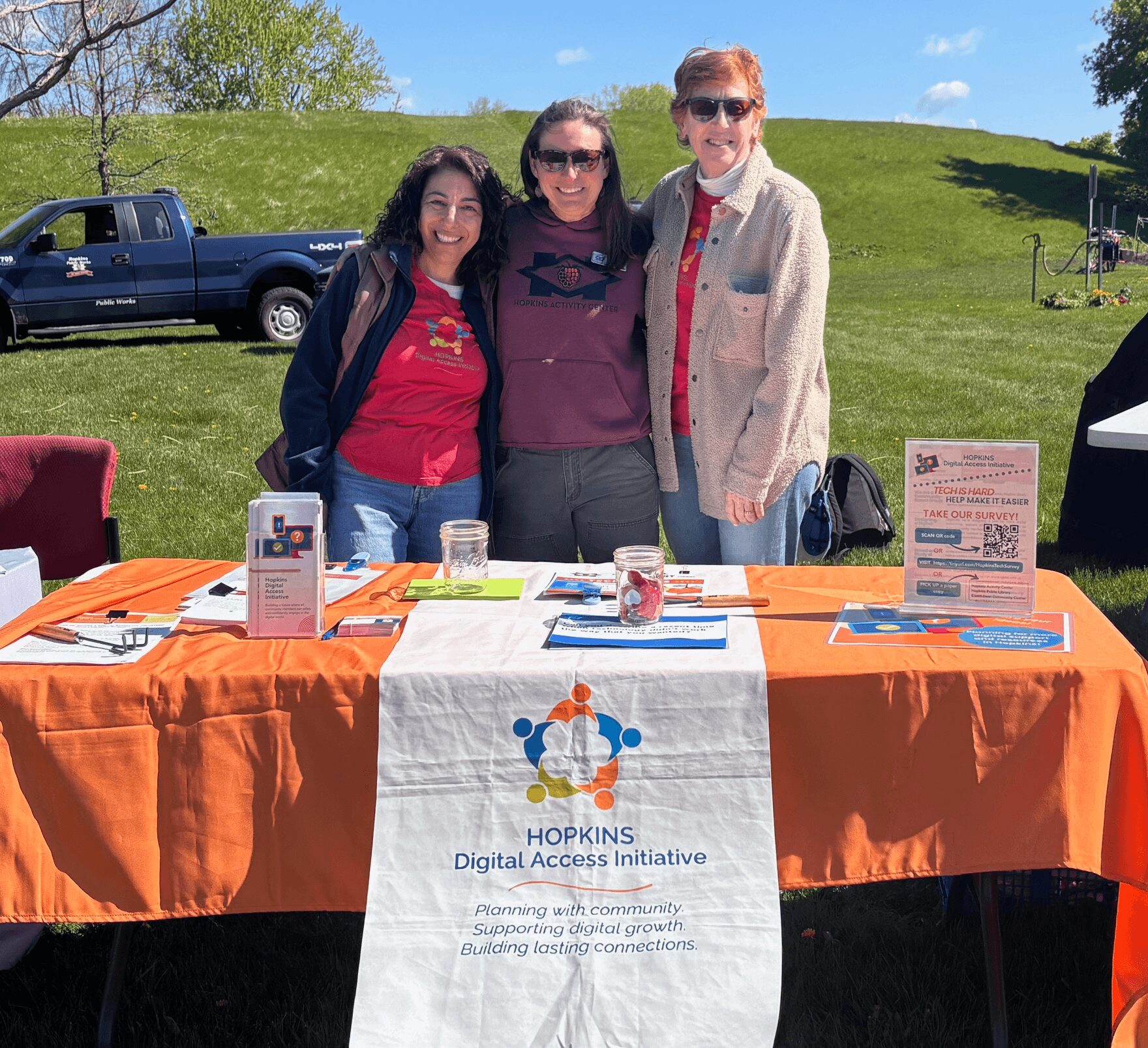
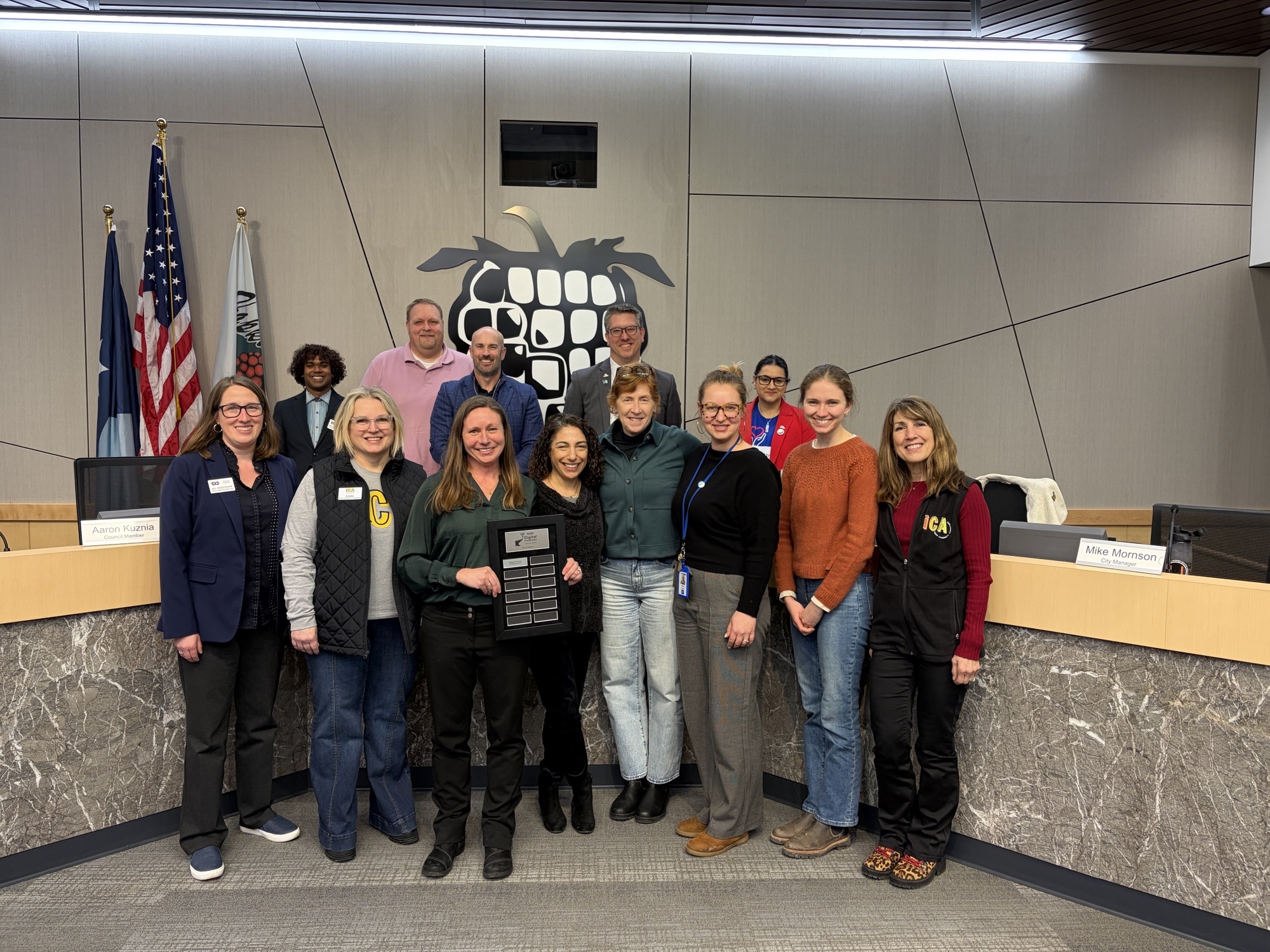
In 2024, I helped launch the Hopkins Digital Access Initiative (HDAI), a collaborative effort bringing together the City of Hopkins, Hopkins Public Library, Hopkins Community Education, ICA Food Shelf, and Connecting to Thrive—a mission-driven organization focused on bridging gaps between communities and technology. Our shared vision is simple but powerful: to ensure that every resident has the confidence, skills, and support needed to safely engage in today’s digital landscape.
What’s especially interesting is that technology support has quietly become part of nearly everyone’s role—whether it’s a front desk employee assisting customers, a restaurant server helping navigate QR code menus, or family members stepping in as informal tech support. The demand for digital literacy has grown significantly, and our initiative aims to meet that need with compassion, accessibility, and community-centered solutions.
Alright, so let’s dig a little deeper into the story – has it been an easy path overall and if not, what were the challenges you’ve had to overcome?
This journey has certainly not been without its challenges. Technology evolves at an extraordinary pace, and even those who use it daily can find it difficult to keep up. For individuals who don’t rely on technology in their professional lives—or who may feel intimidated by it—the gap can feel overwhelming.
What I’ve observed is not just a divide, but in many cases a widening chasm between those who feel comfortable navigating digital tools and those who feel left behind or hesitant to even begin. Overcoming that barrier requires more than just technical instruction—it requires patience, trust-building, and a human-centered approach that meets people where they are.
Alright, so let’s switch gears a bit and talk business. What should we know about your work?
In my work, I’m driven by a strong sense of curiosity and a willingness to act on ideas. When I encounter a meaningful opportunity or solution, I don’t like to let it pass—I enjoy the challenge of figuring out how to bring ideas to life in practical, impactful ways.
Creativity plays a central role in how I approach my work. I strive to make programs engaging and enjoyable, because when people feel comfortable and energized, the outcomes are naturally more successful. Whether I’m working with seniors or collaborating with community partners, I aim to create environments where people feel empowered and inspired.
What I’m most proud of is the spirit of collaboration within the Hopkins community. Local businesses, organizations, and residents consistently demonstrate a willingness to think creatively and work together to solve problems. That openness to innovation and partnership is what makes initiatives like HDAI possible, and it’s a defining strength of this community.
What do you like best about our city? What do you like least?
I’m a proud Minnesota native, and growing up in the Twin Cities instilled in me a strong sense of community, connection, and shared responsibility. Today, I both live and work within the four square miles of Hopkins—a place that has truly captured my heart.
After spending a decade exploring different parts of the U.S. and beyond, my husband and I made the intentional decision to return to Minnesota to raise our family. We wanted our children to grow up with the same values we were raised with—values rooted in community, kindness, and looking out for one another.
This past year, in particular, has deepened my appreciation for this place. Hopkins exemplifies what it means to be a tight-knit community. Even when people hold different perspectives, there is a genuine commitment to showing up for one another. It’s the kind of place where neighbors support each other in both big and small ways—whether that’s lending a hand during difficult times or simply sharing a hotdish when it’s needed most.
That sense of care, resilience, and connection is what makes this community so special—and why I’m proud to call it home.
Contact Info:
- Website: https://www.hopkinsmn.com/1239/Hopkins-Digital-Access-Initiative
- Other: https://www.hopkinsdigitalaccess.org/