




Today we’d like to introduce you to Camille Gerdts.
Hi Camille, can you start by introducing yourself? We’d love to learn more about how you got to where you are today?
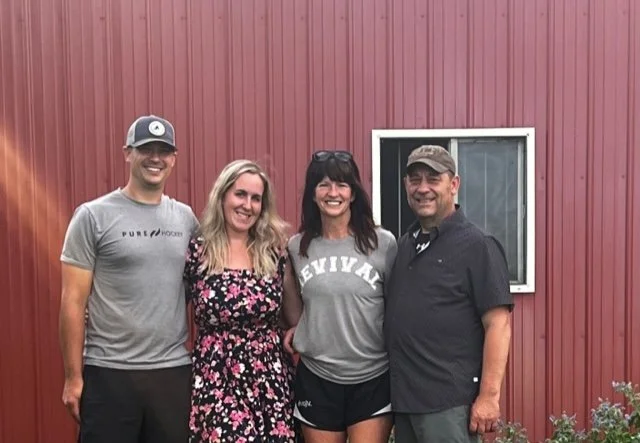
Jake, Julie, Steve, and I all decided we want to get into farm business together. We started our farm in late December 2024 with the goal of building an all-natural, family-run dairy farm focused on high-quality food and responsible animal care. We actually moved into our home the day after Christmas, so everything began very quickly. From the start, our mission has been simple: raise our animals in the most natural and comfortable way possible while providing our customers with some of the highest-quality products we can produce.
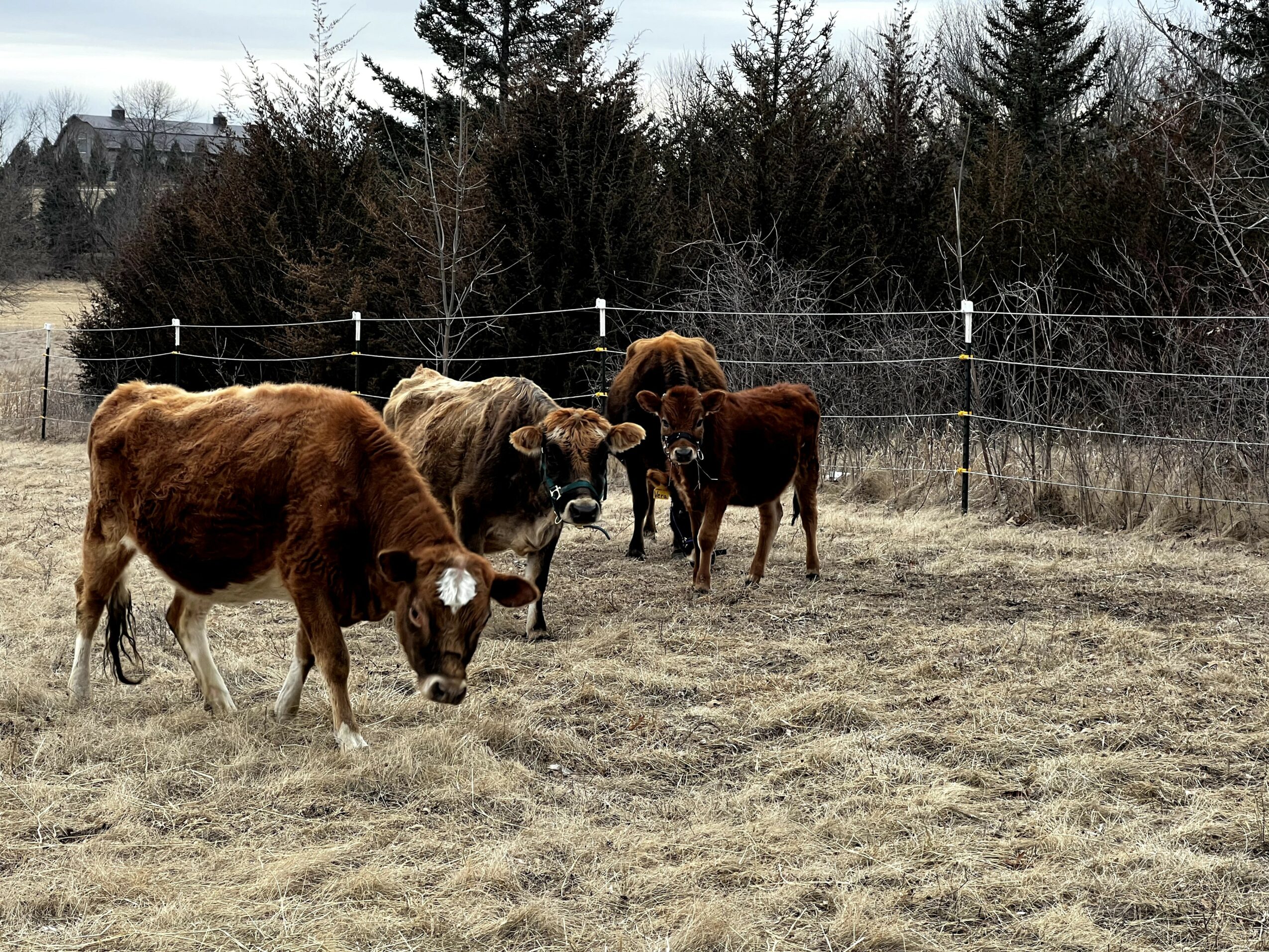
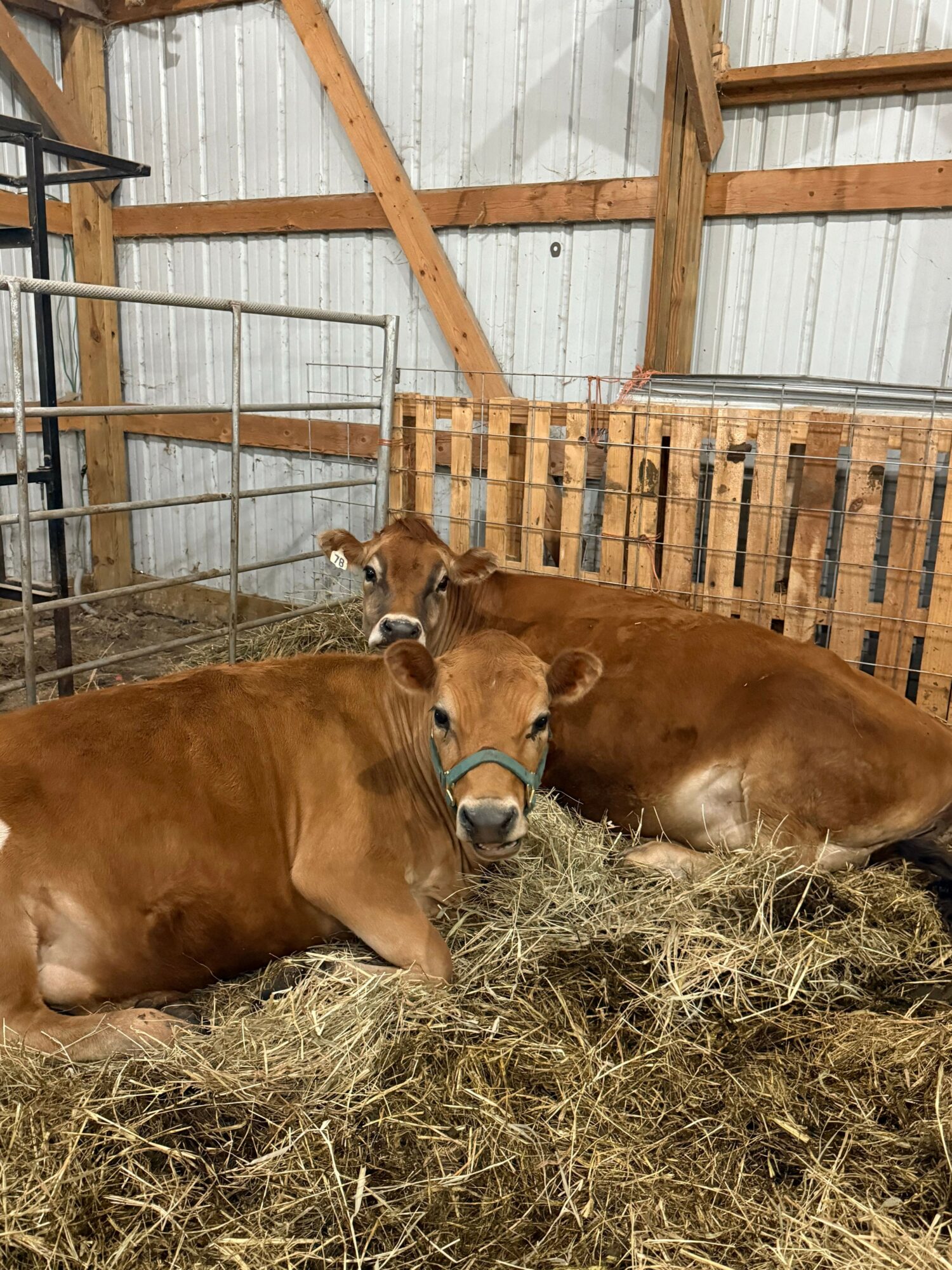
On our second day at the farm, we brought home our first two Jersey cows, Sunny and Buttercup. Sunny was about a year and a half old, and Buttercup was around six months old. We suspected Sunny may have already been bred, but we weren’t certain yet. By day three, we had already received 400 bales of hay — probably more than most people would buy for two small Jersey cows, but we wanted to be prepared for the winter.
About a month later, we added two more cows, Ginger and Vera, both confirmed pregnant. We were incredibly excited about growing the herd and welcoming calves to the farm. Unfortunately, not everything went as planned, and Ginger miscarried. That was a difficult experience for us and a reminder that farming comes with both highs and lows.
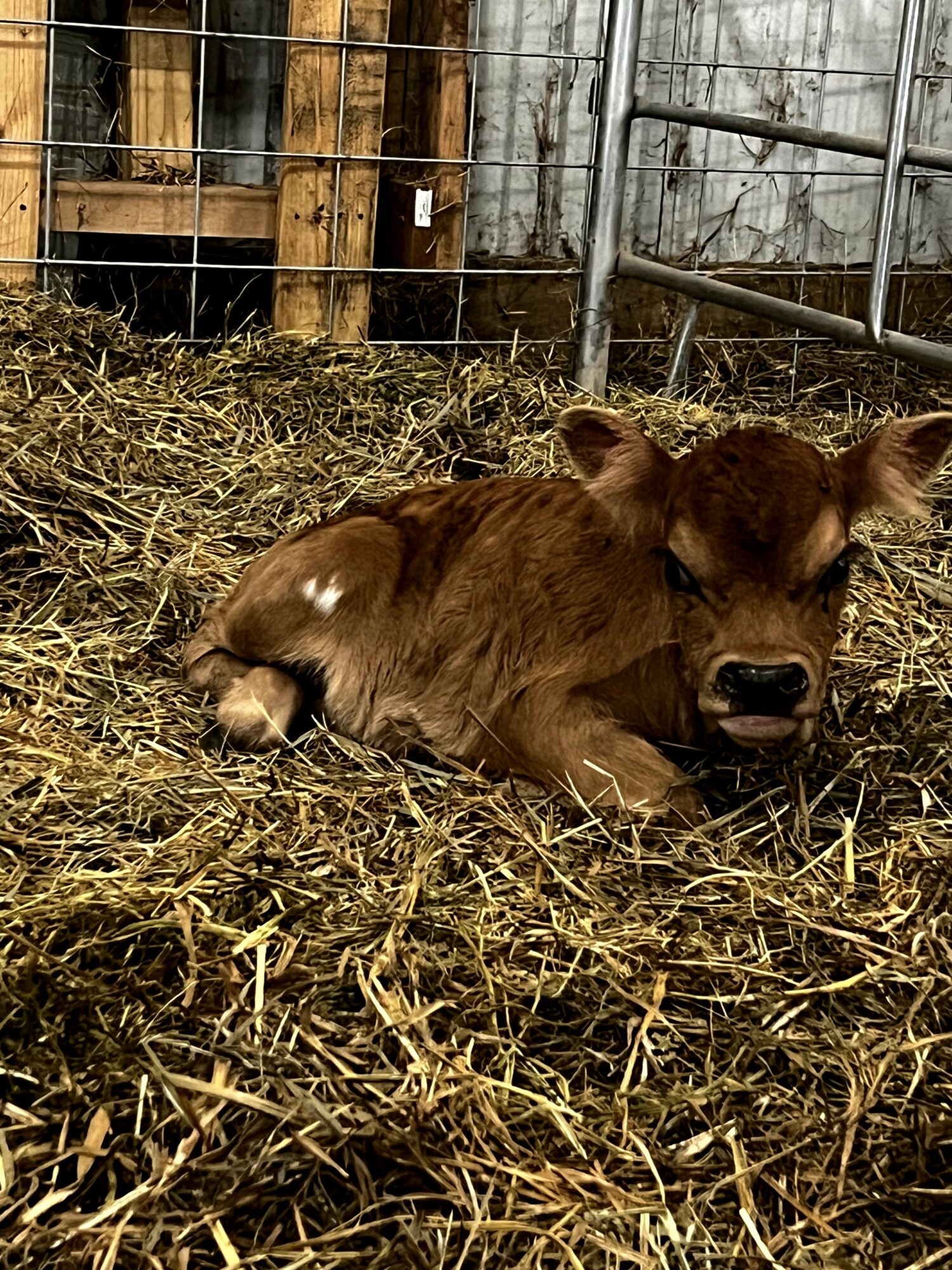
Thankfully, Vera continued to do well and, in July, gave birth to a healthy calf we named Cupcake. That also marked the beginning of a much busier lifestyle. Vera needed to be milked morning and evening every day, while Cupcake required regular bottle feedings and close care. Around June 2025, we also added another young Jersey cow named Milkshake to the herd. After a short quarantine period, she integrated perfectly with the other cows.
Milking Vera has been an incredibly rewarding experience. The milk is rich, creamy, and unlike anything we had experienced before. Today, we are still milking daily, and we currently have Milkshake, Buttercup, and Ginger all due later in 2026, which will keep us very busy in the months ahead.
At the same time we were learning dairy farming, we also began raising our own egg-laying chickens. We started with about 30 eggs in an incubator, and after they hatched, we quickly realized we had underestimated how much space and care chicks require during a Minnesota winter. For a while, they stayed inside the house until they were old enough for outdoor temperatures. Before long, our home smelled more like a chicken barn than a house, but honestly, we didn’t mind.
Not long after that, we expanded again and hatched roughly 60 more chicks. Once they moved outside, it became obvious the existing coop and run on the property would not be large enough, so in August we started designing and building a new coop and run from the ground up.
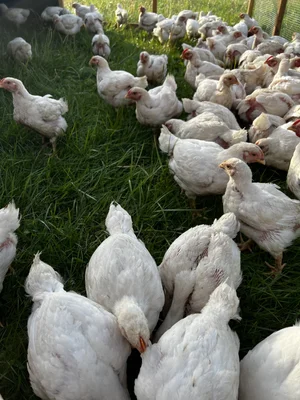
As if that wasn’t enough, we also decided to begin raising broiler chickens for meat. We built our first chicken tractor, and to our surprise, the flock did extremely well. Encouraged by the results, we continued expanding — first another 100 birds, then eventually 200, along with a second chicken tractor. This spring, we scaled up again, building a redesigned tractor system and increasing production to around 400 birds.
Every step of this journey has involved learning, adapting, and improving. We’re still growing every day, but we’re proud of what we’ve built in a relatively short amount of time.
Can you talk to us a bit about the challenges and lessons you’ve learned along the way. Looking back would you say it’s been easy or smooth in retrospect?
I wouldn’t necessarily describe it as a struggle so much as a constant learning experience. Farming is full of trial and error, especially when you’re starting from scratch and learning as you go. Every challenge teaches you something.
Over the past year, we’ve learned a tremendous amount about efficiency, animal care, time management, and problem solving. Tasks that once took all four of us two hours can now often be completed by two people in less than an hour. We’re constantly improving our systems and finding better ways to care for the animals while managing the workload.
Of course, there have been difficult moments as well. Losing a calf was heartbreaking, and farming has a way of humbling you quickly. But those experiences also reinforce the importance of resilience, patience, and continuing to move forward.
Thanks for sharing that. So, maybe next you can tell us a bit more about your business?
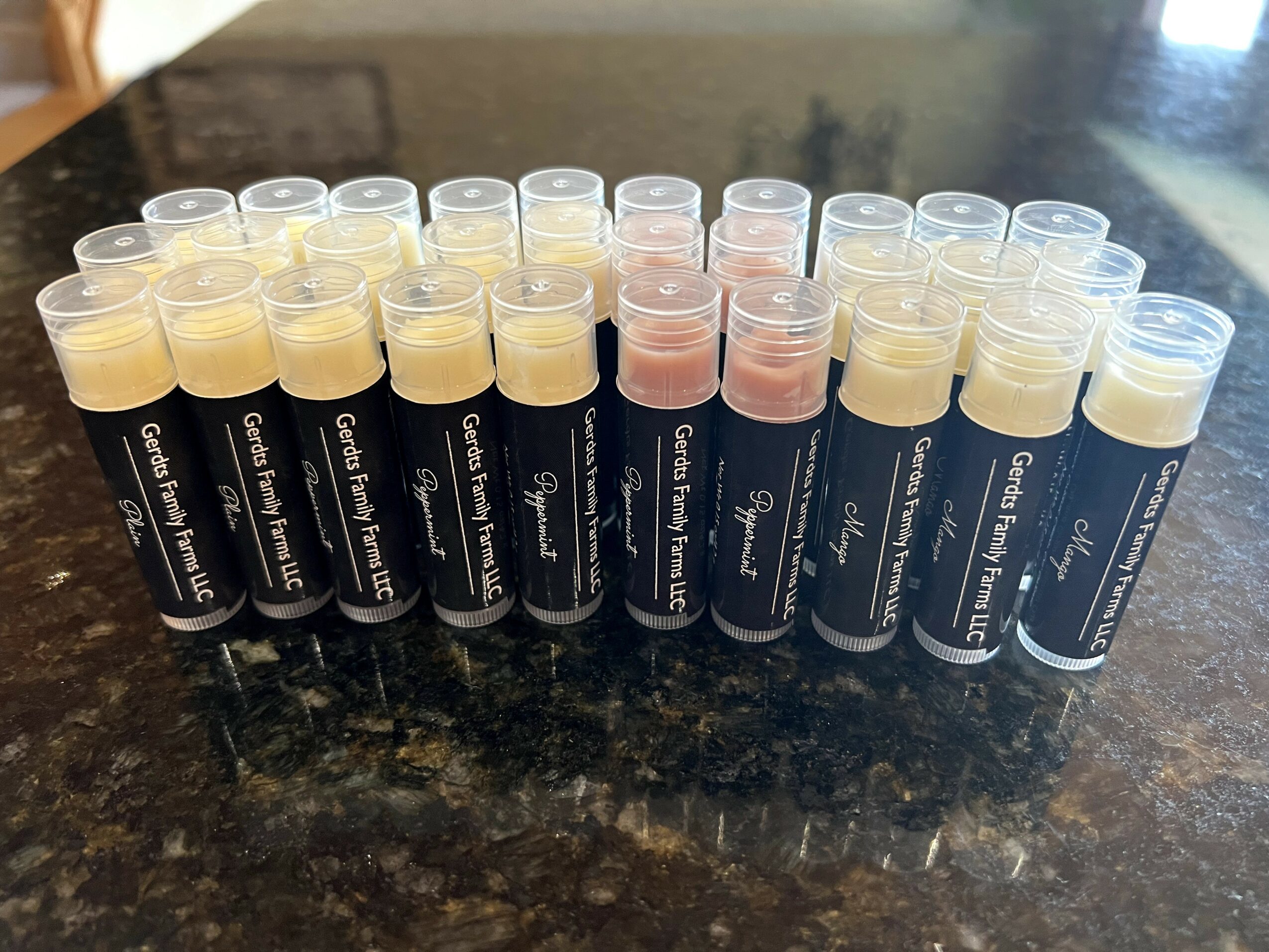
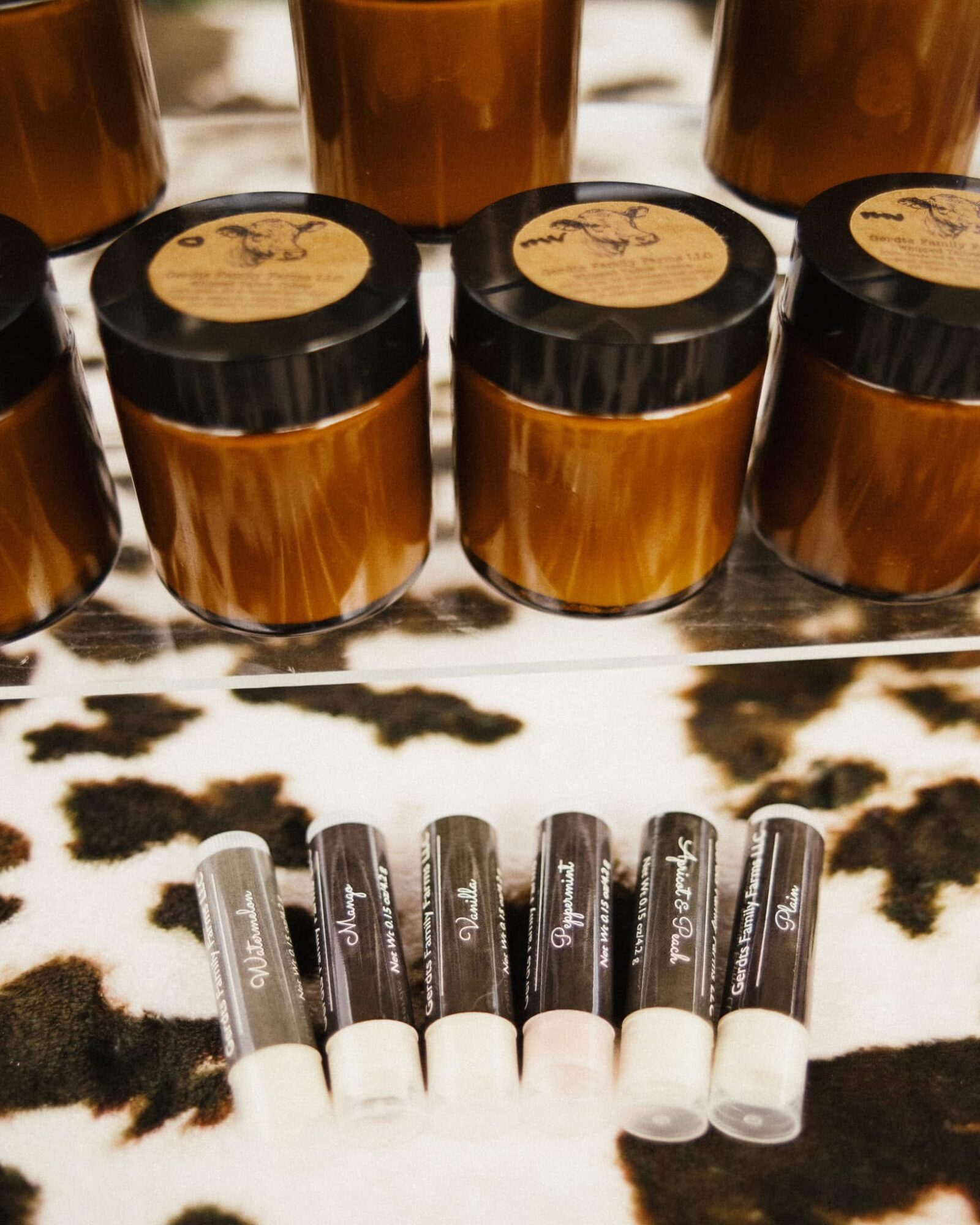
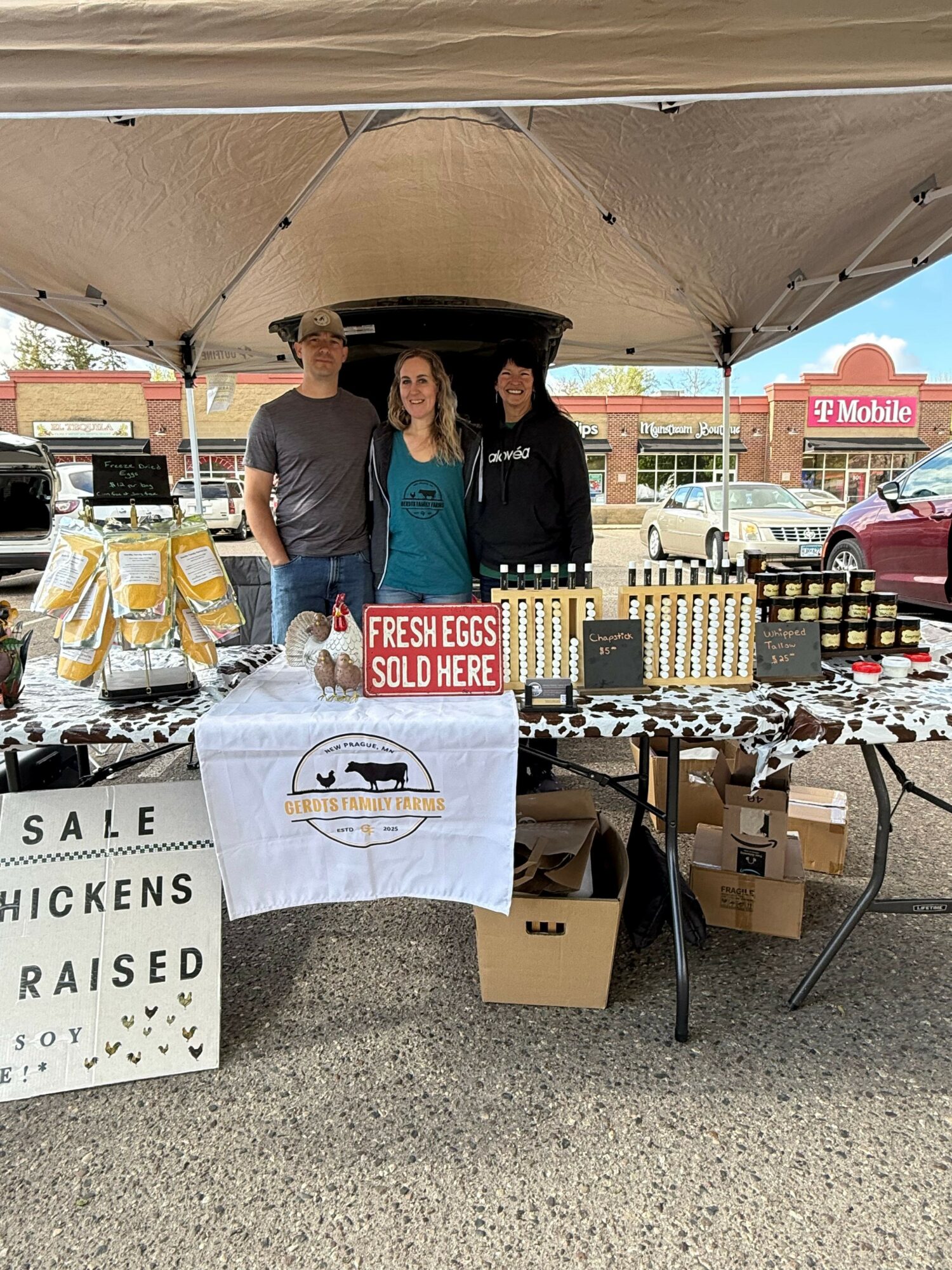
Right now, our farm focuses on producing all-natural raw A2A2 dairy milk and cream, farm-fresh eggs, and pasture-raised poultry. One thing that sets us apart is our focus on feed quality and sourcing. All of our animals are raised on soy-free feed, and our chickens are both soy-free and corn-free. We also work to source feed locally through organic farmers whenever possible. We make Grass Fed-Grass Finished Tallow Whipped Cremes and Chapsticks.
Beyond dairy and poultry, we’re continuing to expand the farm in ways that align with our long-term vision. We’ve planted more than 50 apple and fruit trees that we hope will eventually provide pesticide-free fruit for the community once they mature. We also maintain a large garden and plan to offer fresh produce in the future as well.
What we’re most proud of is that this is truly a family-run operation built from the ground up. We’re involved in every part of the process every single day, and we care deeply about producing food in a way that is natural, transparent, and high quality.
Risk taking is a topic that people have widely differing views on – we’d love to hear your thoughts.
Farming involves risk no matter your experience level. Weather, livestock, equipment, feed costs, and countless other factors can change unexpectedly. One of the hardest experiences we faced early on was losing a calf, which reminded us very quickly that farming can be emotionally challenging as well.
At the same time, growth usually requires taking some level of risk. Starting a farm from scratch was a major leap for our family, especially while continuously expanding and learning new aspects of agriculture along the way. We try to approach risk thoughtfully by staying adaptable, learning from mistakes, and focusing on long-term goals rather than short-term setbacks.
More than anything, we believe challenges are part of the process. Every obstacle teaches you something and helps prepare you for the next stage of growth.
Pricing:
- A2A2 Milk $12 a gallon
- Pasture Raised Eggs (corn free and soy free) $7 a dozen
- A2A2 Cream $17 a pint
- Whole Chickens $6.99 per pound
- Freeze Dried Pasture Raised Eggs (corn free and soy free) $12 a bag (dozen in the bag)
Contact Info:
- Website: https://www.gerdtsfamilyfarmsllc.com/
- Facebook: https://www.facebook.com/profile.php?id=61572255700265
- Other: https://app.barn2door.com/gerdtsfamilyfarmsllc/all