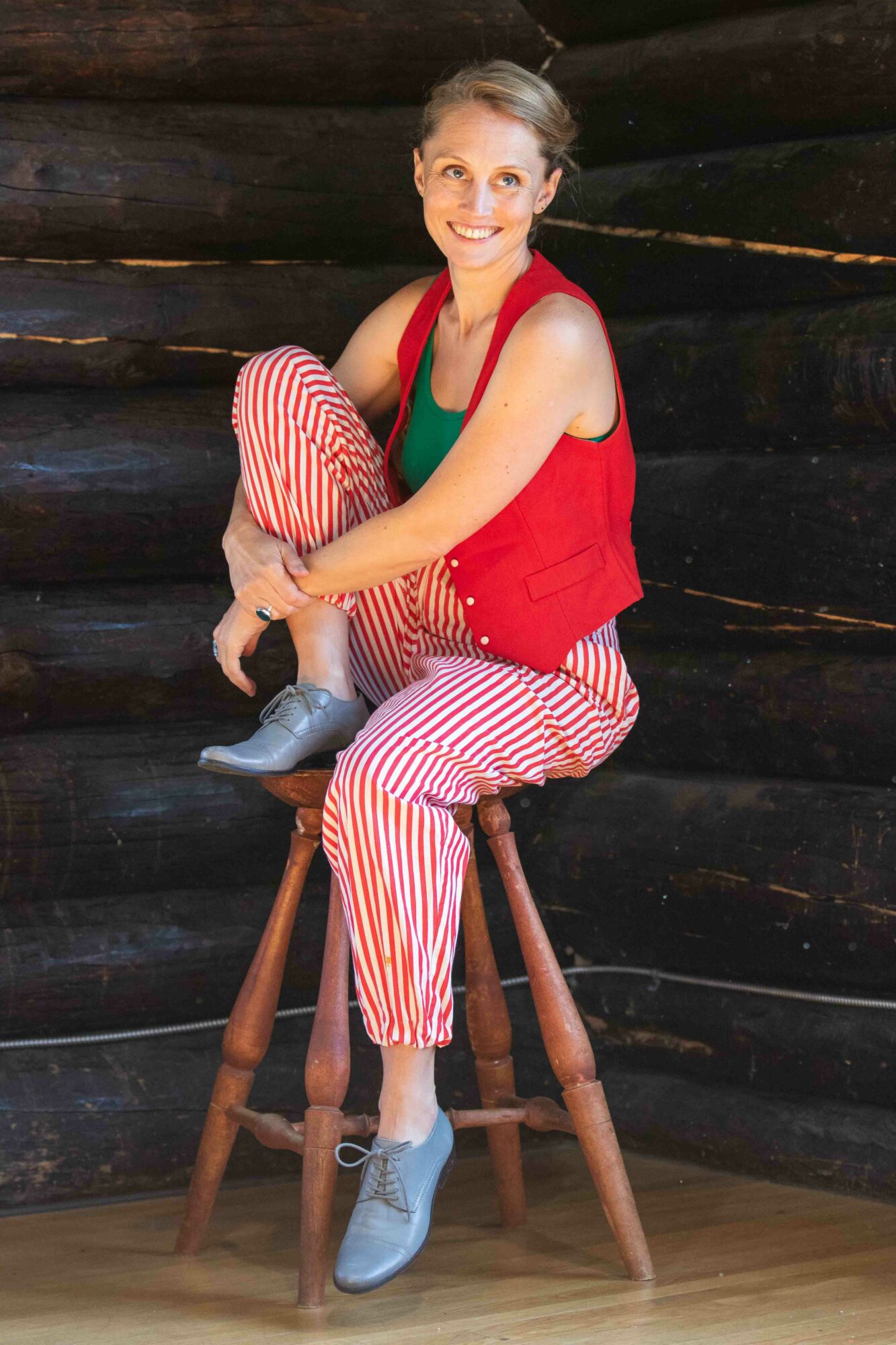





Today we’d like to introduce you to Rose Arrowsmith.
Hi Rose, it’s an honor to have you on the platform. Thanks for taking the time to share your story with us – to start maybe you can share some of your backstory with our readers?
I grew up steeped in stories, mostly books. We actually had to have a “no books at the table” rule, otherwise my sisters and I were likely to spend the entire meal in our own worlds. My mom read bedtime stories for many, many years; I especially remember “The Borrowers,” and the whimsical and sometimes slightly eerie “Moomintroll” stories. When I read to myself, it was often Brit Lit from an earlier era: Enid Blyton, Dr. Dolittle, and all of Roald Dahl’s books. Astrid Lindgren was also a big influence. On Saturday nights, we’d make Swedish pancakes and listen to Garrison Keillor tell stories of Lake Wobegon on Prairie Home Companion.
I wrote my first poem by accident, when I was in first grade: likely the result of daydreaming and not quite hearing the instructions. I was pretty bummed to learn I hadn’t done the assignment right, but when I brought it home and showed my mom, she said, “It’s a poem!” Then she wrote it down with a calligraphy pen on a piece of scratch paper, and taped it to the wall, where I think it remained for the next decade and a half.
I found theatre pretty early on, and even wrote some songs for a “Pie Opera” for the pie festival in my hometown. I dreamed of moving from the big old farmhouse that had once belonged to my great-grandparents to the ivy covered brick building across the street from the Children’s Theatre in Minneapolis. I spent my last two years of high school studying theatre at the Perpich Center for Arts Education, tried some “serious” theatre in college and didn’t care for it, and purely by chance took a storytelling class. It was so much freer and more satisfying for me– I got to play every part, even build the scenery with my words.
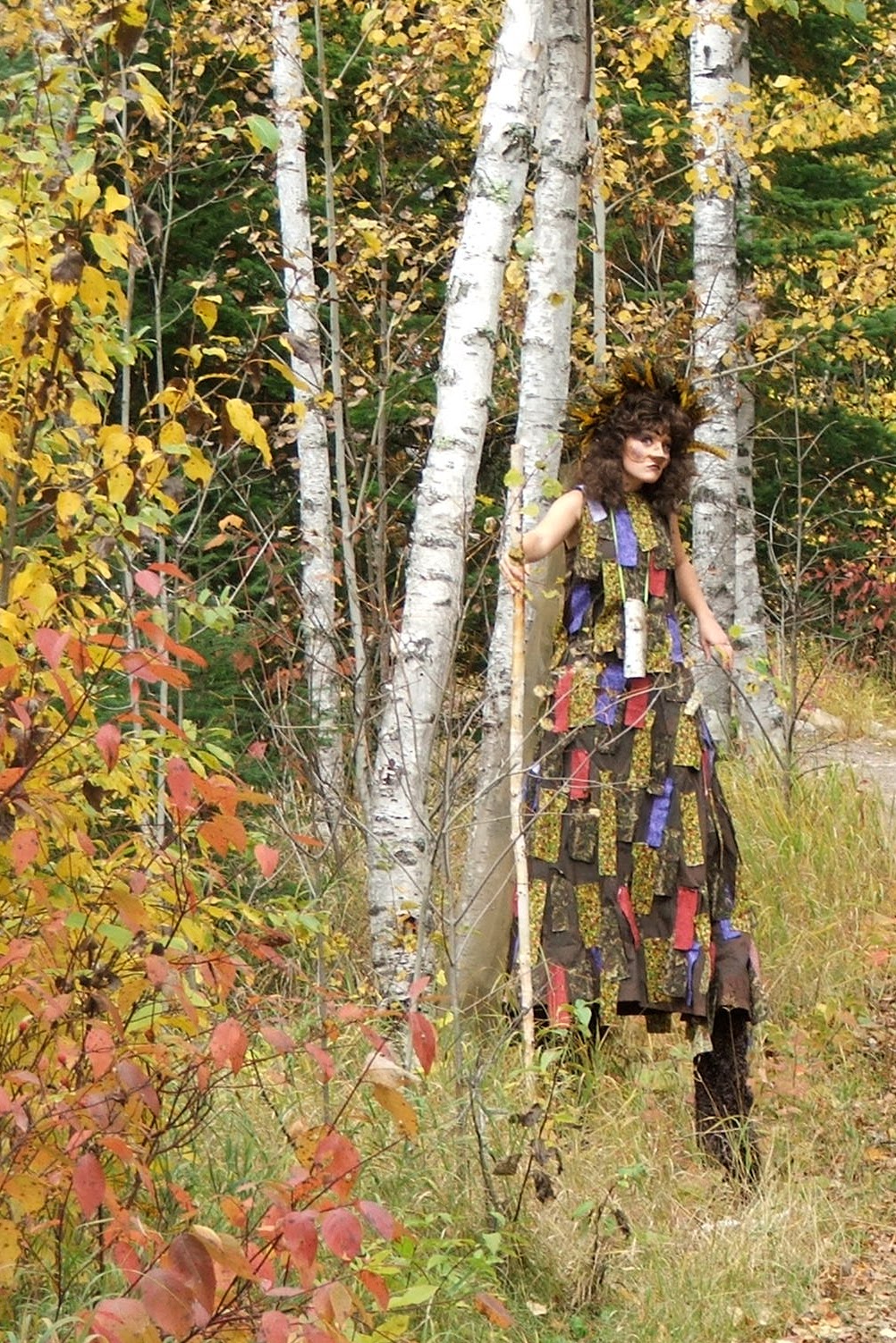
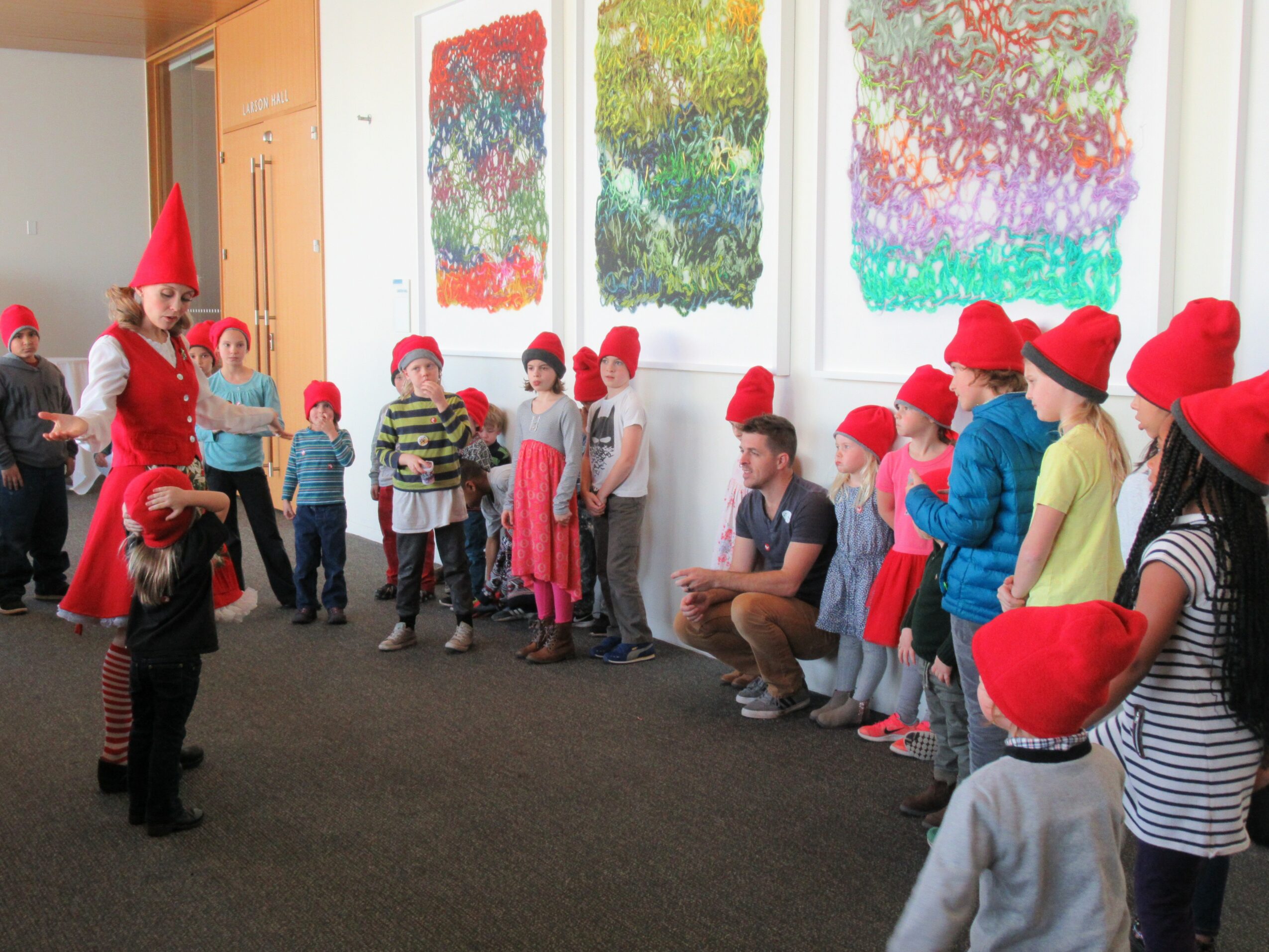
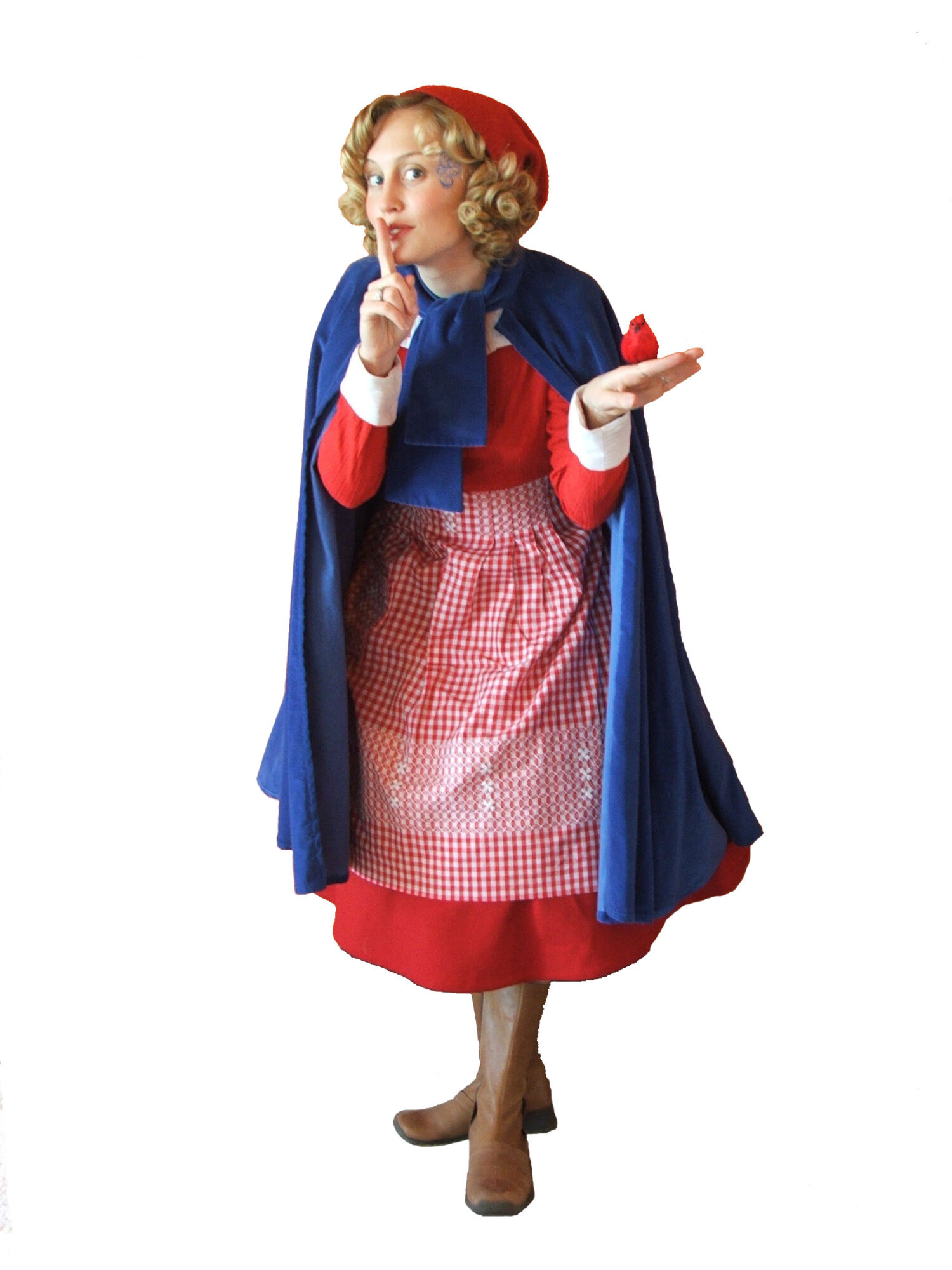
I started out working for Wonder Weavers Storytellers in 2001, after my freshman year. Besides performing for young children at preschools and daycare centers, I also worked at company picnics as a clown; I learned how to face paint and make balloon animals for costumed character birthday parties, and later how to walk on stilts. I found I didn’t care much about the balloons, but I loved anything with a festival feel. I began to branch out from the gigs the Wonder Weavers got me, and dove into the Scandinavian community, which had been a huge part of my upbringing. I created tomte (elf) and troll characters who roamed festivals, and developed living history characters and programs for the American Swedish Institute in Minneapolis, and collaborated with the Kalmar County Museum in Sweden.
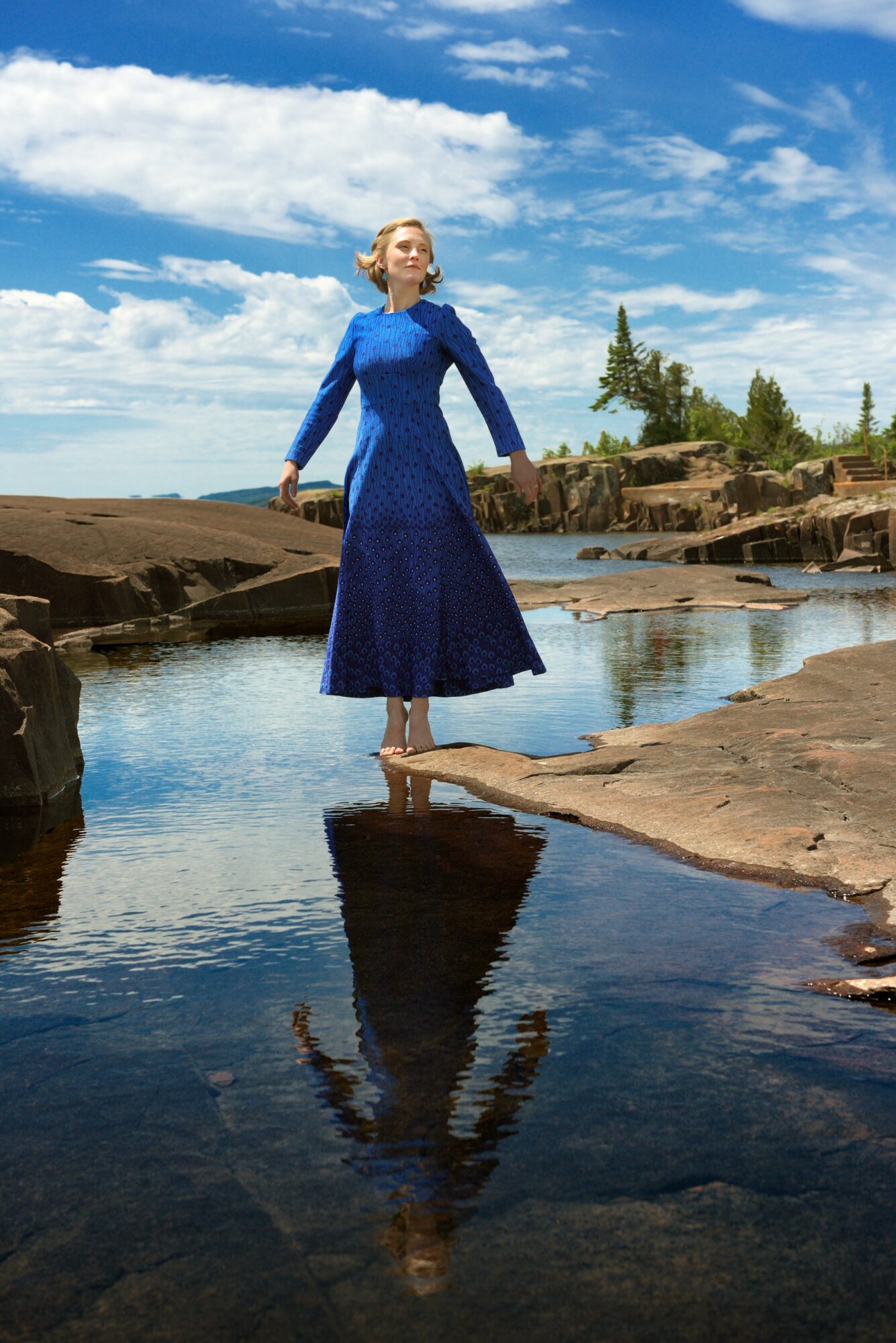
I moved north to Grand Marais in 2008. Grand Marais is a small tourism-driven town on Lake Superior, and, like Ely, is one of the main entry points to the Boundary Waters Canoe Area Wilderness (BWCAW). My then-husband and I had the chance to live year-round at a canoe camp at the end of the Gunflint Trail, on a lake that lies predominantly in the BWCAW. It meant fewer gigs, but this landscape with its huge slabs of basalt, the boreal forests of birch and balsam, lakes upon lakes, and the Big Lake itself was something I couldn’t turn down– and haven’t been able to tear myself away from. My connection to this wild place has embedded itself in my art, and deeply informs me as an artist.
Alright, so let’s dig a little deeper into the story – has it been an easy path overall and if not, what were the challenges you’ve had to overcome?
It definitely hasn’t! The last twenty years have been rife with exploration and starting over. But as storyteller Loren Niemi says, “it’s all grist for the mill.” When my son, now a teenager, was 18 months old, his dad and I decided to leave the remote canoe camp and move to an international school in the foothills of the Indian Himalayas! It was a rewarding but very challenging year (let’s see you try to stop a toddler from putting a fistful of monkey poop in his mouth), and we returned to Grand Marais. We bounced around: managing a hotel, taking care of a CSA farm, living in an off-grid yurt. In 2013 we miraculously managed to buy a house and restore it to a bed and breakfast, and we ran that for seven years. That stability, and my son’s growing independence, brought a return to my creative work. I wrote and self-published “The Marvelous Imagination of Katie Addams,” a middle grade novel largely based on my childhood (farm country, daydreams, divorce, kittens!), and the picture book “The Sock Goblin,” illustrated by local artist, Kari Vick. I started performing more, did a couple hefty library tours, and even got invited to be a “new voice” at the National Storytelling Festival in Jonesborough, TN!
But that was in 2020: “grist” aplenty! In addition to canceling gigs and closing the bed and breakfast, I got a pandemic divorce, moved to a cabin in the woods, got a couple day jobs (including hanging sheetrock for a year– a surprise to me as much as anyone else), and trained in Biodynamic Craniosacral healing work. Eventually, creativity in the form of art rather than logistical maneuvers began to resurface: I’ve curated the family stage at a large Scandinavian festival, directed plays for the community and school theatres, and collaborated with musicians to create Berätta, a blend of Swedish folk music, poetry, and story. There was a pretty long stretch of time when I wondered how many times a person is expected to rebuild herself, but I can say now that it’s been gratifying– and, as I suspect most artists will agree, the only way to feel really satisfied with life.
As you know, we’re big fans of you and your work. For our readers who might not be as familiar what can you tell them about what you do?
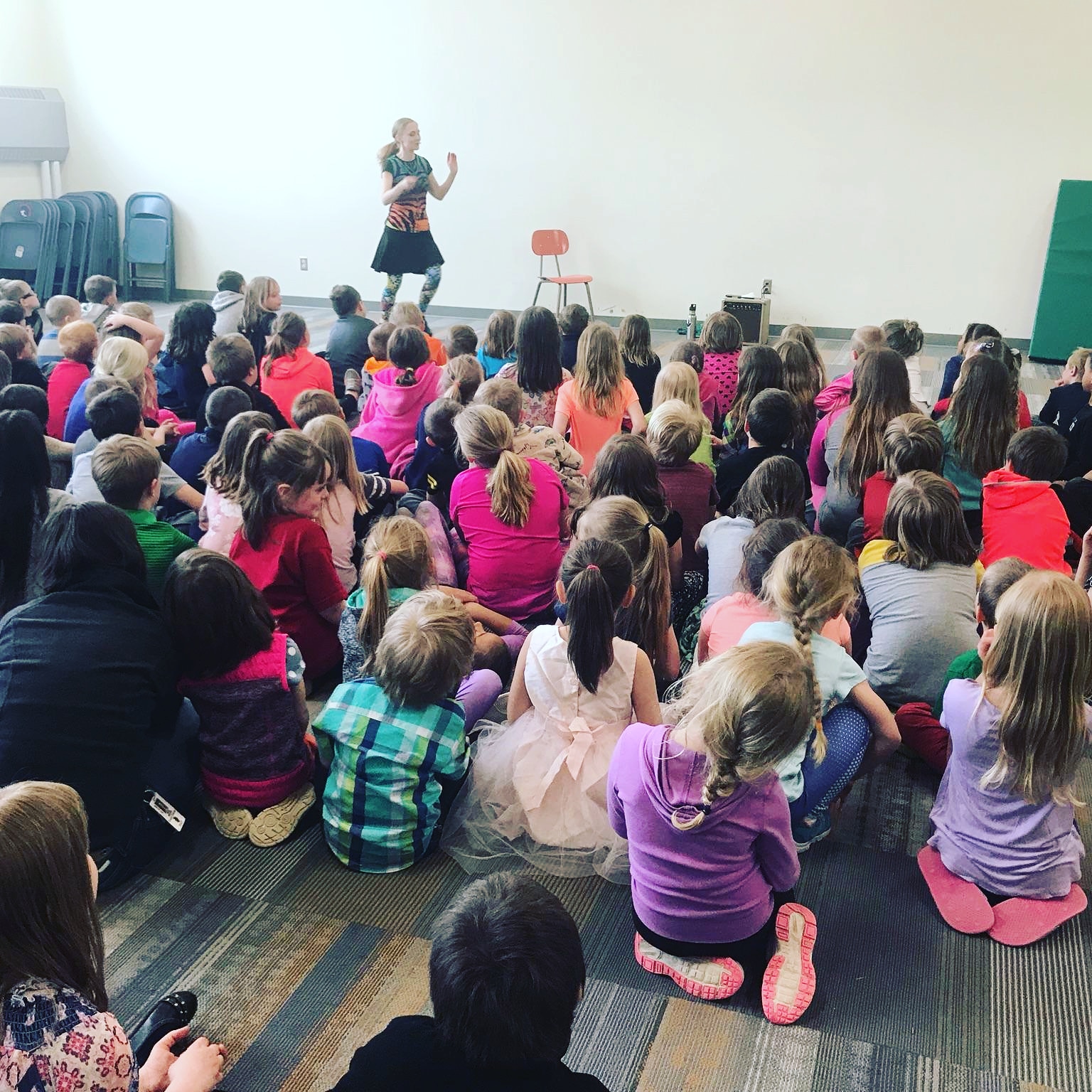
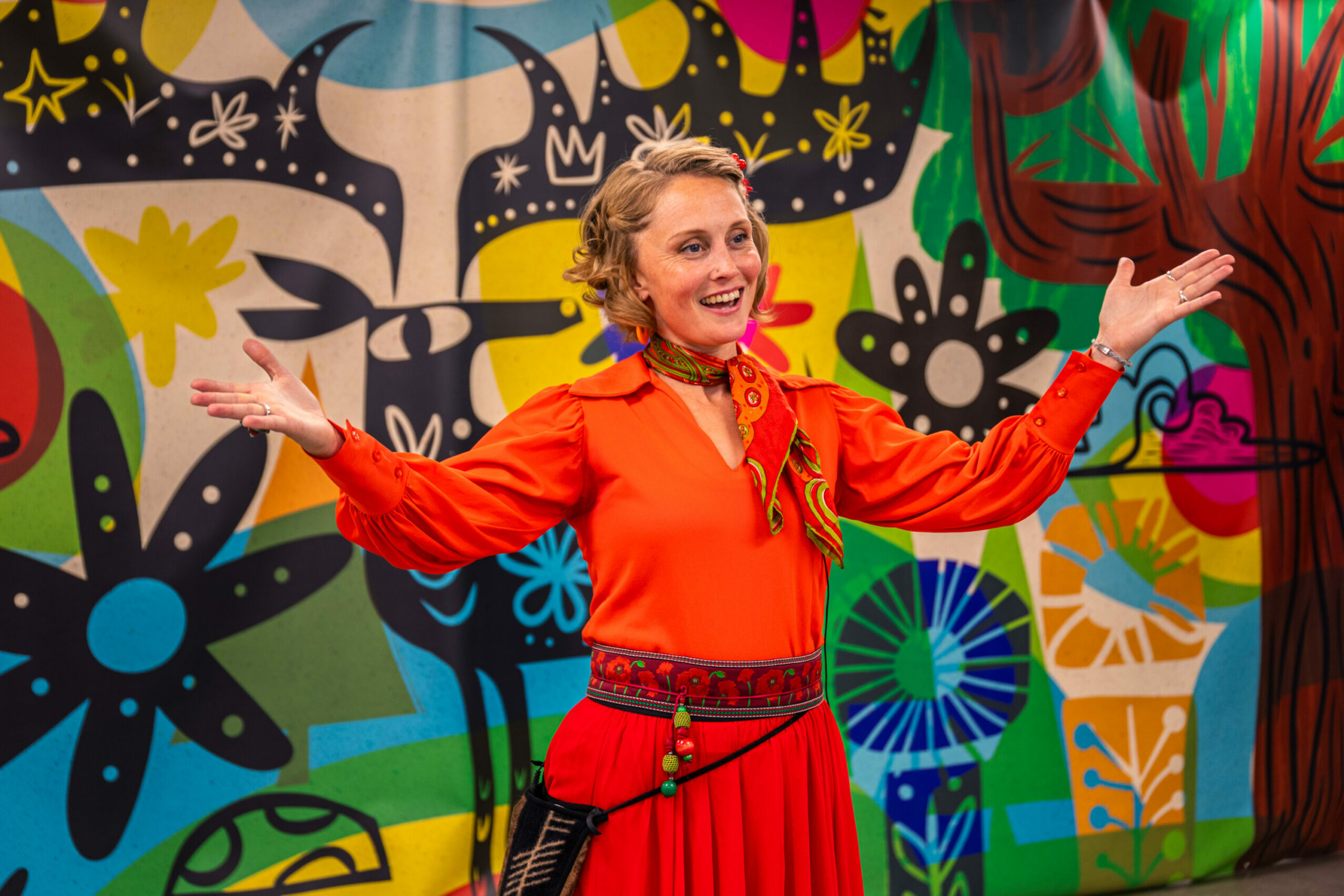
All of my work is focused on Story, whether on the stage, the page, or as an teaching artist. My primary creative and professional tagline is that I’m a traditional oral folk storyteller. This type of storytelling is distinct from theatre in that it’s typically not scripted and is more like a jazz performance: you know the main points, and you embellish and play as you go, always responding to the audience in the moment. I bring my theatrical perspective to it: my performances involve a lot of physicality and different voices. And my poetic side gets equal play with the language. Since I grew up attending and working at pretty nerdy summer camps, it’s very natural for me to include the audience as participants in a story, even when there are no kids around. It’s part daydream, part one-woman circus!
Over the last ten years I’ve explored Swedish folk singing, and now weave it in with stories, or I’ll perform a poetic translation of a song in a spoken word sort of way, particularly with my trio, Berätta. I grew up steeped in my Swedish heritage and specialize in holiday events like Christmas and Midsommar. I’ll be leading the dances around the maypole at the American Swedish Institute in June this summer, for example.
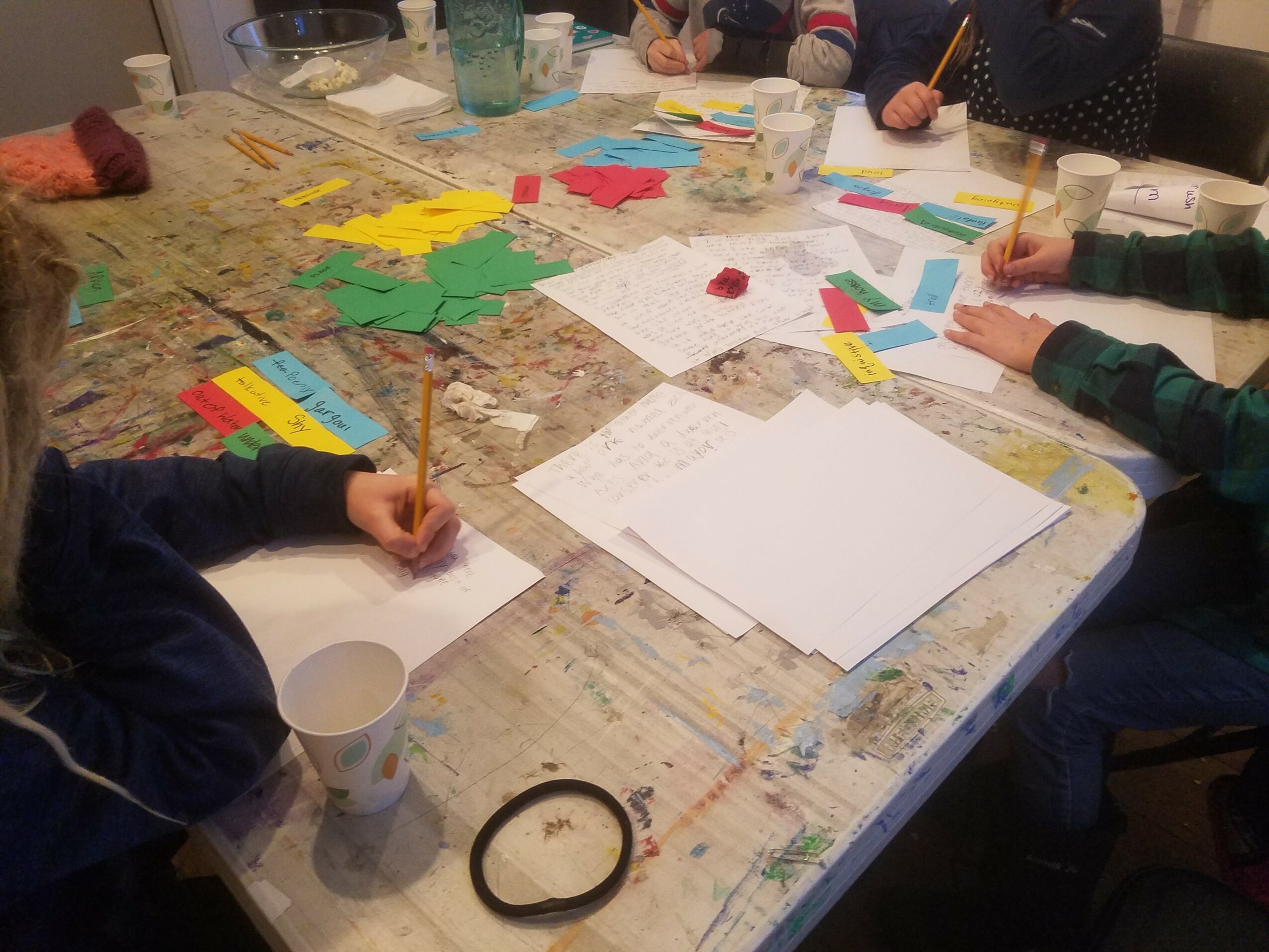
I also write essays and poetry, children’s stories, and original folktales; I write and direct plays, and offer workshops in folk storytelling, creative and reflective writing, poetry, and acting.
What sort of changes are you expecting over the next 5-10 years?
Traditional folk arts like storytelling and music are always evolving, though we may think of them as being frozen in some bygone era. With the popularity of The Moth and shows like This American Life, there’s been a big shift in interest in the performance of personal stories.
I really enjoy facilitating for others as they mine their lives for stories, but I have always most loved performing folk and fairytales myself; the timeless quality has a kind of magic of its own. I hope to see as many people interested in the emotional truth of folk tales as they are in the truth of real life stories.
I suspect that as AI becomes more prevalent, people will crave live performances that are responsive and attuned to the moment– anything that is especially human and personal will have strong niche followings.
As for my own personal shifts, I worked almost exclusively with young children 25 years ago, and now am very drawn to working with older adults; I’m excited to see where that goes, and to hear the stories of folks decades further along in life. It’s inspiring and grounding to hear from people who have 70+ years of experiences, and who are sifting through it all to find meaning, or are realizing that a long-dormant creative urge is worth pursuing.
Pricing:
- A 50 minute storytelling show is usually $400.
- A 1-hour Berätta show is usually $600
- Performances can be paired with workshops or residencies
- My favorite venues are festivals, libraries and schools
- Performances and Education programs can be for kids through senior citizens
Contact Info:
- Website: https://www.rosearrowsmith.com
- Instagram: https://www.instagram.com/rose.arrowsmith
- Facebook: https://www.facebook.com/arrowsmith.rose
- Youtube: https://www.youtube.com/channel/UC1STrWxKk_VHHy5gM3dxVcA
- Other: https://open.spotify.com/show/5pJt7ZyGiR6MGosp71FKUB?si=b0a96ed6875d4b6c