




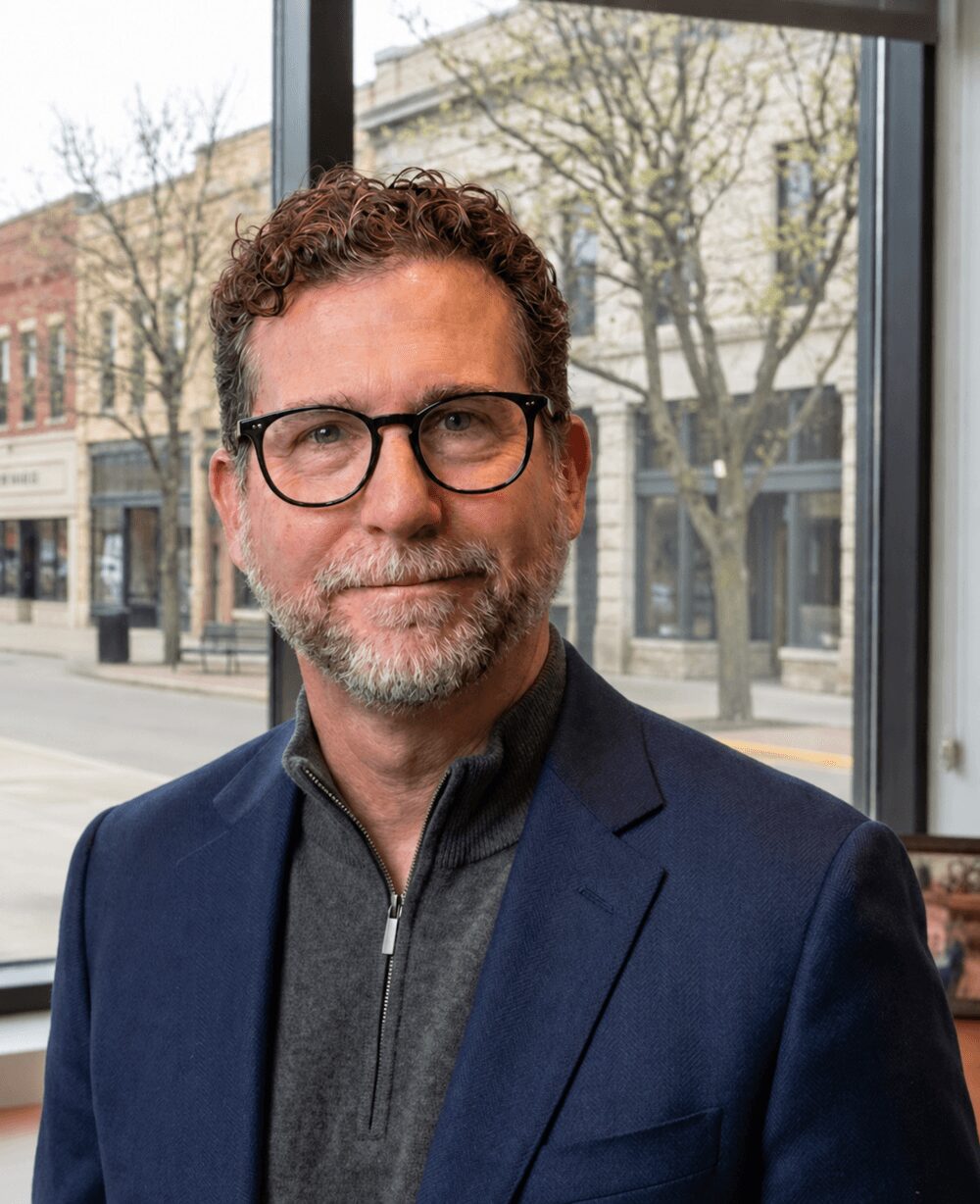
Today we’d like to introduce you to Paul Tatro.
Hi Paul, can you start by introducing yourself? We’d love to learn more about how you got to where you are today?
I got into nonprofit work the way a lot of people do: not through some grand master plan, but by following the work that felt meaningful and then slowly realizing it had become a vocation.
For more than 20 years, I’ve worked in nonprofit development, grant writing and strategic planning, mostly with organizations serving people who are too often pushed to the margins. My work has taken me through health care access, immigrant and refugee services, adult education, housing stability and community-based programs that don’t always get the attention they deserve but make a real difference in people’s lives.
Along the way, I learned that I’m most useful when I can help an organization tell the truth about its work clearly: what it does, why it matters, where it is strong and what it needs to grow. I’ve spent a lot of my career translating good mission-driven work into the language of funders, partners and community supporters without losing the human reality underneath it.
Coming to Ellison Center feels like a natural next step and also a big, humbling one. I’m stepping into this role with deep respect for what has already been built here, and with a lot of curiosity about what comes next. I care about practical leadership, honest relationships and making sure the organization has the stability and focus it needs to serve people well.
I’m still early in my time as Executive Director, so part of my story right now is listening: learning the history, understanding the people and paying close attention to what Ellison Center is ready to become.
I’m sure it wasn’t obstacle-free, but would you say the journey has been fairly smooth so far?
No, it has not always been a smooth road. I’m not sure anyone who has spent real time in nonprofit work would say that with a straight face.
One of the biggest challenges is that mission-based work is often treated as if it should somehow be easier, cheaper or less professional than business-sector work. In reality, the work is complex, emotionally demanding and often done under intense public scrutiny. Nonprofits are routinely asked to do more with less, while also solving problems that larger systems have failed to address.
The field has also been shaped by some major shocks. The 2008 economic collapse left real scars on nonprofit funding and staffing. COVID created another wave of disruption, exhaustion and instability. More recently, immigration enforcement pressures and political hostility have made the work even harder for organizations serving immigrant and refugee communities.
There are also structural challenges that are less visible from the outside: restrictive grant guidelines, donor limitations that do not always match community needs, rising costs, staff burnout, reporting requirements that can consume enormous time without adding much value and a philanthropic system where huge amounts of charitable money can sit in donor-advised funds without being easy to access or move toward urgent needs.
I’ve also learned that good intentions are not the same thing as reliable capacity. Volunteers, boards, vendors, consultants and community partners can all be incredibly valuable, but they have to be aligned, accountable and realistic about what the work requires. Otherwise, the burden usually lands back on already-stretched staff.
So yes, there have been challenges. But those challenges have also clarified what kind of leader I want to be: practical, honest about constraints, protective of people’s time and focused on building organizations that are not just inspiring from the outside but healthy and sustainable on the inside.
Alright, so let’s switch gears a bit and talk business. What should we know?
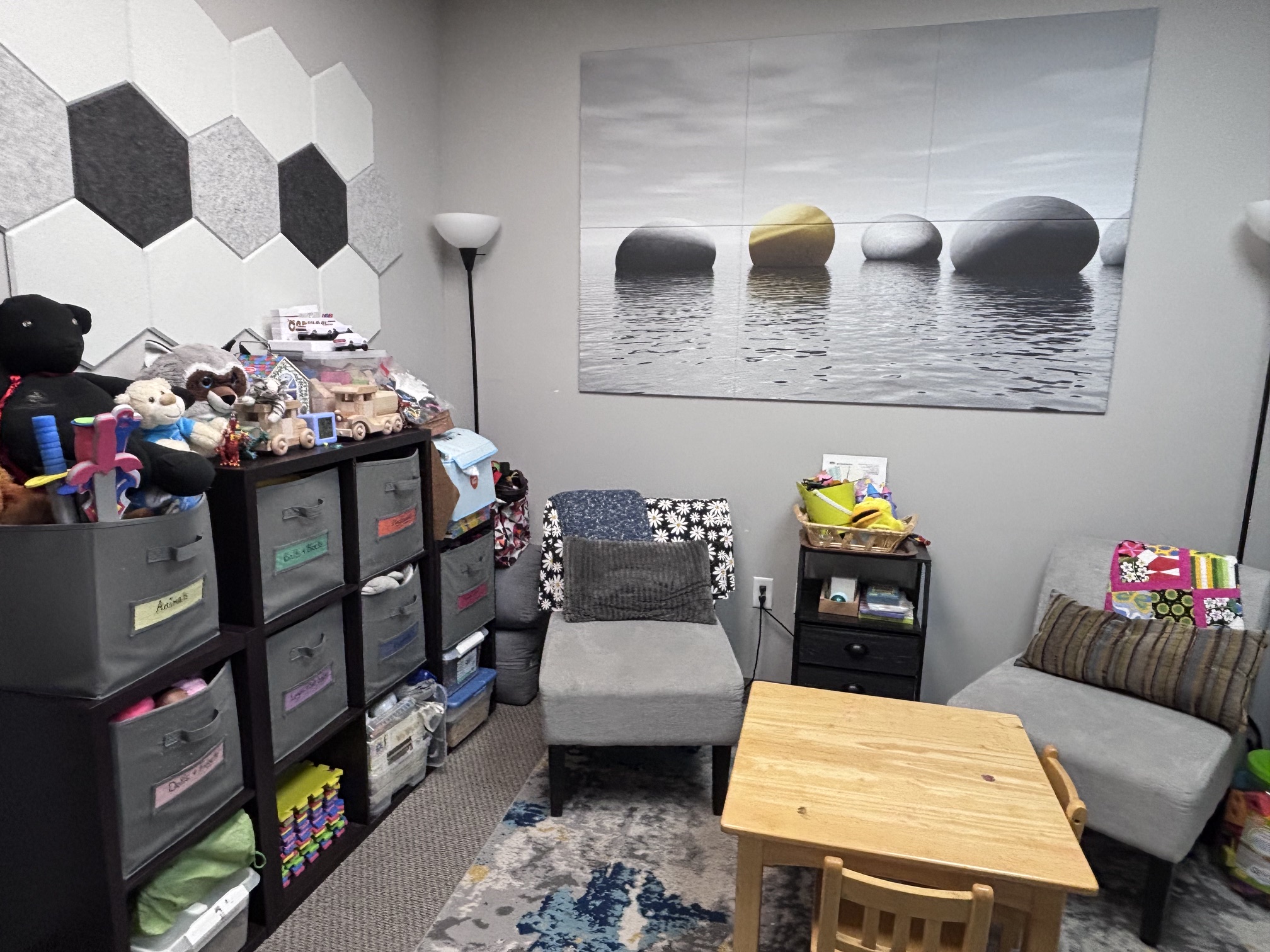
Ellison Center is Central Minnesota’s only nonprofit dedicated exclusively to the mental health of infants, toddlers, preschoolers and the caregivers who love them. That line still catches people off guard, which says something important about both the need and the gap. Very young children have mental health. Their earliest relationships, stresses and traumatic experiences shape how they grow, learn, trust and connect. Ellison Center exists because families in this region need specialized support early, not years later after the harm has had time to harden.
The organization was founded in 2020 (just weeks before COVID arrived) by a small group of clinicians who understood that Central Minnesota could not wait any longer for this kind of care. Since then, Ellison Center has grown from two therapists working out of borrowed space into a multidisciplinary team serving well over 300 families annually across St. Cloud and the surrounding region. We now also have a second location in Little Falls to reach more rural families who might not otherwise be able to access this level of specialized care.
Our work falls into three main areas: direct mental health therapy for young children and their caregivers, preventative parenting and caregiver support, and professional training and consultation for the broader early childhood workforce. In plain English, we help families heal, we help caregivers build stronger relationships with their children and we help other professionals better understand what early childhood mental health actually requires.
What sets Ellison Center apart, however, is the depth of commitment to doing this work well in a community where access is often limited, needs are complex and families can fall through cracks that were never designed with them in mind. Our clinical team uses Child-Parent Psychotherapy and other evidence-based approaches grounded in attachment science, trauma-informed care and cultural responsiveness. Our Caregiver Support Providers help make services more accessible to families in English, Spanish and Somali. That matters in Central Minnesota.
Ellison Center also serves as a training and consultation hub for professionals across disciplines, so the impact reaches beyond the families sitting in our therapy rooms. When child care providers, educators, social workers and other professionals better understand early childhood mental health, the whole community becomes better equipped to support children before crisis becomes the default setting.
What I’m most proud of, after only a month on the job, is discovering Ellison Center’s credibility has been earned in the hardest possible context: helping the youngest and most vulnerable members of a community heal from trauma, strengthen relationships and get a better start in life.
Can you talk to us about how you think about risk?
I think risk is part of any work that matters. I do not necessarily romanticize it, but I also do not think it can be avoided. The only real certainty is uncertainty, and over time I have become much more comfortable operating inside ambiguity.
Earlier in my career, I probably cared more about having the right answer, getting validation, finding closure or knowing whether a decision would pay off. At this point, those things matter less to me than whether the decision is honest, ethical and responsive to the reality in front of me. If something is the right thing to do, especially when people are facing urgent need, it still deserves to be done even when the path is imperfect.
I also think organizations can confuse caution with wisdom. A conservative strategy can feel safe and stable, but sometimes it becomes a polite form of stagnation. In nonprofit work, doing nothing is not neutral. If families are struggling, if inequities are growing or if a community need is visible and urgent, then inaction carries its own risk. Sometimes the risk of waiting is greater than the risk of moving.
That does not mean every bold idea is a good idea. I am not interested in performative risk or change for the sake of change. Good risk-taking should be grounded in clear values, reliable information, honest relationships and a realistic understanding of capacity. I think risk is reduced when people behave consistently, communicate clearly and act in good faith. Kind, reliable, prosocial behavior is not just nice. It is stabilizing. It gives people enough trust to move through uncertainty together.
I have also learned that worst-case scenarios rarely play out exactly as imagined. Mistakes happen, of course, but they are only truly wasted when people refuse to learn from them. A healthy organization should be able to take thoughtful risks, admit when something needs adjustment and keep moving without turning every misstep into a crisis.
In philanthropy and public funding, I think there also needs to be more honesty about who is carrying the risk. Foundations, donors and government agencies often ask nonprofits to innovate, respond quickly and solve complex problems, while also creating restrictions or reporting requirements that can make the work harder on the ground. Part of my role is to speak truthfully about those conditions and help funders understand how their choices can either reduce risk for communities or quietly increase it.
So I would say my view of risk is practical. I am willing to take risks when the values are clear, the need is real and the alternative is simply protecting comfort or preserving inertia. The goal is not to be fearless but to be honest, prepared and willing to act when action is required.
Contact Info:
- Website: https://ellisoncenter.org
- Instagram: https://www.instagram.com/ellisoncenter/
- Facebook: https://www.facebook.com/ellisoncentermn/
- LinkedIn: https://www.linkedin.com/company/ellison-centermn/