




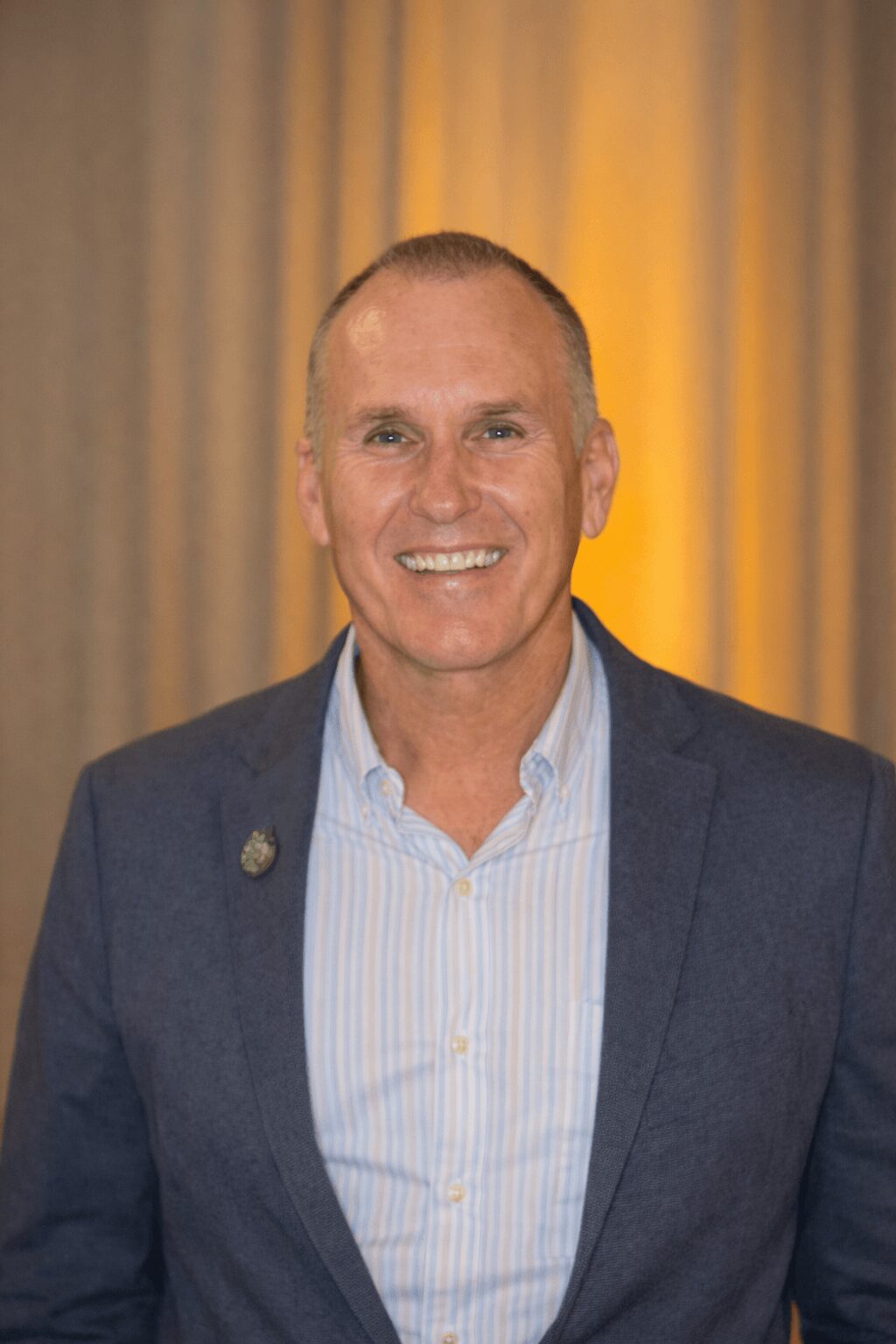
Today we’d like to introduce you to Christopher Boykin.
Hi Christopher, thanks for joining us today. We’d love for you to start by introducing yourself.
I grew up in Laurel, Mississippi, where I spent much of my childhood exploring the woods around my home and developing a fascination with wildlife. Some of my earliest memories involve catching three-toed box turtles, observing spiders, and simply being curious about the natural world.
At 18, I moved to the Florida Keys, where a chance encounter helped shape the course of my life. During a sunrise bike ride through Key West, I came across an injured juvenile northern gannet. I brought the bird to a local wildlife hospital, and that experience opened my eyes to the world of wildlife rehabilitation. Soon afterward, I began volunteering and assisting with the care of injured wildlife while studying marine biology at the College of the Florida Keys.
My early career included wildlife rehabilitation work, field research with Dry Tortugas National Park and Hawai‘i Volcanoes National Park, and later conservation work with the Florida Department of Environmental Protection’s Coral Reef Conservation Program. Along the way, I earned a degree in marine science from Eckerd College and developed a passion not only for wildlife and conservation, but also for helping mission-driven organizations grow and thrive.
Over the past two decades, I have served in nonprofit leadership roles focused on wildlife conservation, environmental protection, and fundraising. As Executive Director of Pelican Harbor Seabird Station in Miami, I helped transform the organization by expanding programs, growing revenue, securing a new campus, and leading the development of a new wildlife hospital. Most recently, I served as Chief Development Officer for Miami Waterkeeper before joining the National Wildlife Rehabilitators Association as Executive Director.
Looking back, there has never really been a straight line. My career has taken me through wildlife rehabilitation, field biology, environmental education, conservation, communications, fundraising, and nonprofit leadership. The common thread has always been a desire to protect wildlife, support the people who care for it, and help conservation organizations achieve greater impact.
Would you say it’s been a smooth road, and if not what are some of the biggest challenges you’ve faced along the way?
No, it certainly has not been a smooth road, and I think that is true for most people who choose careers in conservation and nonprofit work.
Wildlife rehabilitation and conservation organizations are often asked to solve increasingly complex challenges with limited resources. Throughout my career, I’ve seen firsthand how difficult it can be to secure sustainable funding, retain talented staff, expand facilities, and meet growing community needs while staying focused on mission. Many nonprofits operate with lean budgets and small teams, which means leaders often wear many hats and must constantly adapt to changing circumstances.
I’ve also experienced setbacks, failed fundraising asks, economic downturns, organizational growing pains, and periods where the need far exceeded the resources available. Building organizations requires patience, resilience, and a willingness to keep moving forward even when progress feels slow. Some of the most important lessons I’ve learned have come from challenges rather than successes.
At Pelican Harbor Seabird Station, for example, transforming the organization over a decade required navigating financial uncertainty, major capital projects, staff growth, and significant operational changes. None of those accomplishments happened overnight. They were the result of years of persistence, relationship building, and a shared commitment from staff, volunteers, donors, and community partners.
Looking back, I think resilience is one of the most important qualities in both conservation and nonprofit leadership. Wildlife rehabilitation teaches us that not every patient survives, not every outcome is perfect, and not every effort succeeds immediately. But we continue showing up, learning, adapting, and doing the work because the mission matters. That lesson has served me well throughout my career.
Alright, so let’s switch gears a bit and talk business. What should we know?
The National Wildlife Rehabilitators Association (NWRA) is a membership organization dedicated to advancing the profession of wildlife rehabilitation through education, collaboration, and science-based best practices. Founded in 1982, NWRA serves wildlife rehabilitators, veterinarians, biologists, students, educators, and wildlife care professionals across North America and around the world.
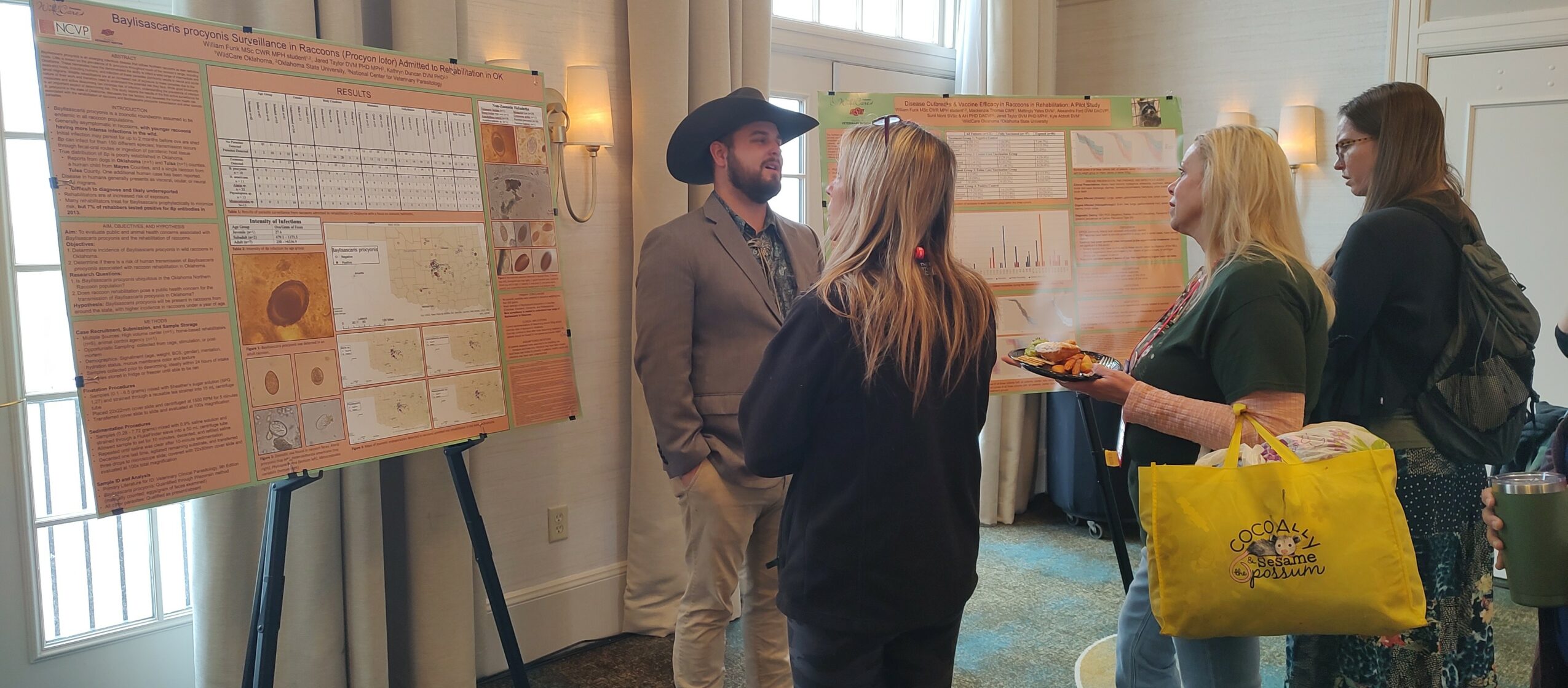
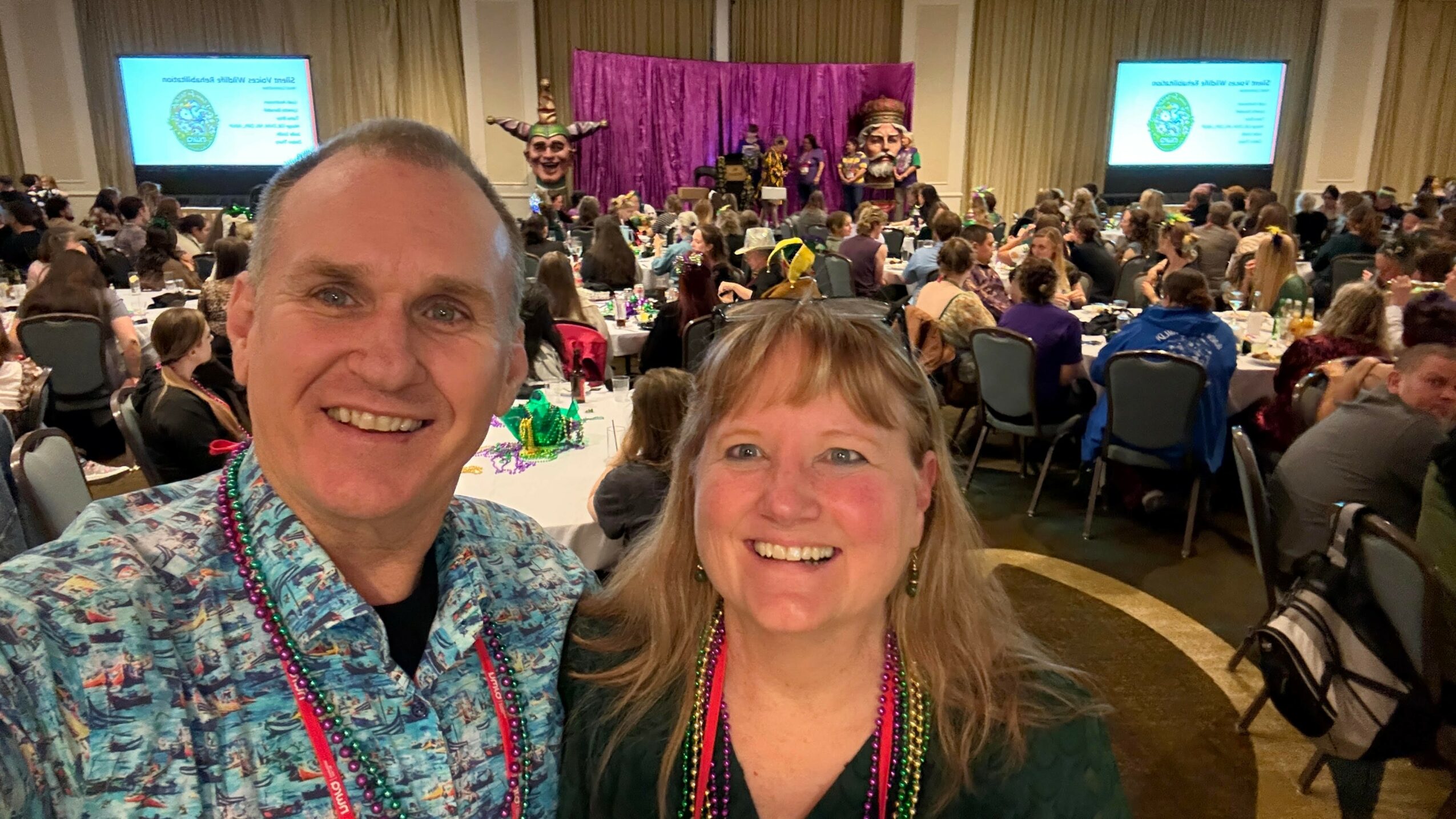
Our mission is to improve the care and welfare of sick, injured, and orphaned wildlife by supporting the people and organizations dedicated to that work. We accomplish this through professional training, publications, scholarships, networking opportunities, and our annual Symposium, which brings together hundreds of wildlife professionals for continuing education, hands-on workshops, and the exchange of knowledge and ideas.
What sets NWRA apart is our commitment to science-based wildlife rehabilitation and our ability to connect a diverse community of professionals who share a common goal: improving outcomes for wildlife. We serve everyone from individual rehabilitators caring for a handful of animals to large wildlife hospitals treating thousands of patients each year.
One of the things we are most proud of is the strength and generosity of our community. Wildlife rehabilitation can be challenging, emotionally demanding work, yet our members consistently demonstrate extraordinary compassion, expertise, and dedication. Through our publications, educational programs, scholarships, and annual Symposium, we help ensure that wildlife rehabilitators have access to the latest information, resources, and professional support.
As wildlife populations face increasing pressures from habitat loss, climate change, pollution, human-wildlife conflict, and emerging diseases, the role of wildlife rehabilitators has never been more important. NWRA exists to support those on the front lines of wildlife care and to help strengthen the profession for future generations.
Above all, we want readers to know that wildlife rehabilitation is about more than saving individual animals. It is about conservation, education, compassion, and the connection between people and the natural world. Every day, wildlife rehabilitators make a difference, and NWRA is proud to support their work.
Is there a quality that you most attribute to your success?
I would say optimism and resilience.
Throughout my career in wildlife rehabilitation, conservation, and nonprofit leadership, I’ve learned that challenges are inevitable. Whether it’s caring for injured wildlife, responding to environmental threats, navigating economic uncertainty, or building sustainable nonprofit organizations, there are always obstacles to overcome. The work can be demanding, and progress is often measured in years rather than days.
Optimism provides the belief that positive change is possible, while resilience provides the determination to keep moving forward when things don’t go according to plan. Together, those qualities help transform setbacks into opportunities for growth and learning.
I see those same qualities reflected throughout the wildlife rehabilitation community. Every day, rehabilitators invest tremendous time, energy, and compassion into helping wildlife, often under difficult circumstances. Not every outcome is successful, but they continue showing up, adapting, and doing the work because they believe it matters. That combination of optimism and resilience has shaped my career and continues to guide my leadership today.
Pricing:
- $25
- $50
- $70
- $100
- $1,500
Contact Info:
- Website: https://www.nwrawildlife.org/default.aspx
- Instagram: https://www.instagram.com/nwrawildlife?igsh=bDVqYzE1a24yejky
- Facebook: https://www.facebook.com/share/1CsSmUHjX4/?mibextid=wwXIfr
- LinkedIn: https://www.linkedin.com/company/national-wildlife-rehabilitators-association-nwra/
- Youtube: https://www.youtube.com/@nwraoffice1429/featured