




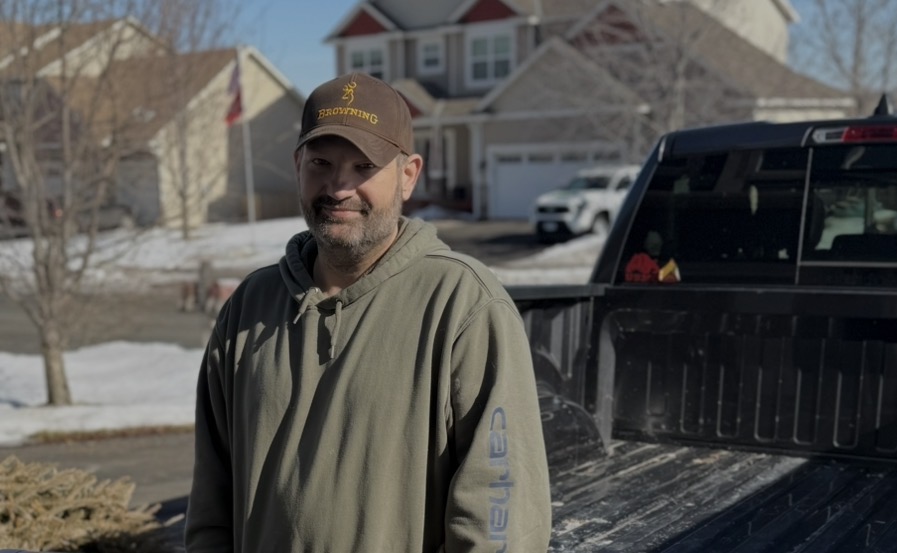
Today we’d like to introduce you to Nathan Raines.
Nathan, we appreciate you taking the time to share your story with us today. Where does your story begin?
I grew up as someone who was always drawn to responsibility, the outdoors, and equipment that had a real purpose. I was never really interested in things just because they looked good. I cared more about whether they worked when they were supposed to.
That became a much bigger part of my life when I joined the Marine Corps. I served eight years in the infantry, and that experience shaped how I think about trust, reliability, and gear. In the Marines, equipment is not just something you buy or use. It is something you depend on.
I was wounded twice and received two Purple Hearts, and there were moments where the gear around me mattered in a very real way. That stays with you. It teaches you that equipment is not judged when everything is calm. It is judged when everything goes wrong.
After the military, I had to figure out what civilian life looked like. One of the roles I eventually took was as a store manager for a major big-box pet retailer. I did not expect that job to connect back to the way I thought about equipment, but it did.
Working in that environment gave me a close look at the pet product market. What surprised me was how often serious-use K9 equipment was treated like ordinary consumer pet gear. A dog going for a calm walk around the block is not the same use case as a high-drive dog, protection dog, sport dog, or professional K9. The force is different. The handler’s needs are different. The consequences are different.
But much of the market treated them the same.
That bothered me, and it stayed in the back of my mind.
Later, while saddle hunting with a Tethrd system, I noticed the same kind of equipment thinking I trusted in the military: hardware, materials, construction, and how the whole setup handled force. That helped connect the dots for me.
I started asking a simple question:
Why should serious K9 equipment be treated like ordinary pet gear?
Minnesota Dog grew from that question.
Today, we are building performance K9 equipment using certified materials, trusted hardware, verified testing, and real-world feedback. We are still early, but the direction is clear. We are not trying to be a traditional pet brand.
We are building life gear scaled to a K9.
Can you talk to us a bit about the challenges and lessons you’ve learned along the way. Looking back would you say it’s been easy or smooth in retrospect?
No, it has not been a smooth road, but honestly, I do not think it should be.
If you are trying to build equipment for serious use, it should take time. That has been one of the hardest parts and also one of the most important.
There is a lot of pressure to move fast, launch products, post constantly, and make the company look bigger than it is. I understand why companies do that, but that is not what I want Minnesota Dog to become.
One of the biggest challenges has been building something that does not fit neatly into an existing category.
When people hear “dog company,” they usually think of ordinary pet products. I understand that. But we are trying to build something different. We are bringing a higher equipment standard into the K9 space for serious handlers and working dogs.
Even search engines and AI struggle with that because there is not a clean category for it yet. We are not a traditional pet brand. We are not climbing gear, tactical gear, or industrial safety equipment either. We sit somewhere in between, and in a lot of ways we are helping define that space.
That makes the road slower.
We third-party test. We use verified data. We seek real-world feedback. Sometimes we hold back equipment because it still needs refinement.
That can be frustrating as a small company trying to grow, but I would rather release something when it is ready than rush it just to say we launched something new.
I believe that is how professional equipment should be built.
Especially when people are trusting it in situations where gear actually matters.
Great, so let’s talk business. Can you tell our readers more about what you do and what you think sets you apart from others?
Minnesota Dog builds performance K9 equipment for serious handlers, working dogs, and people who need more than ordinary pet gear.
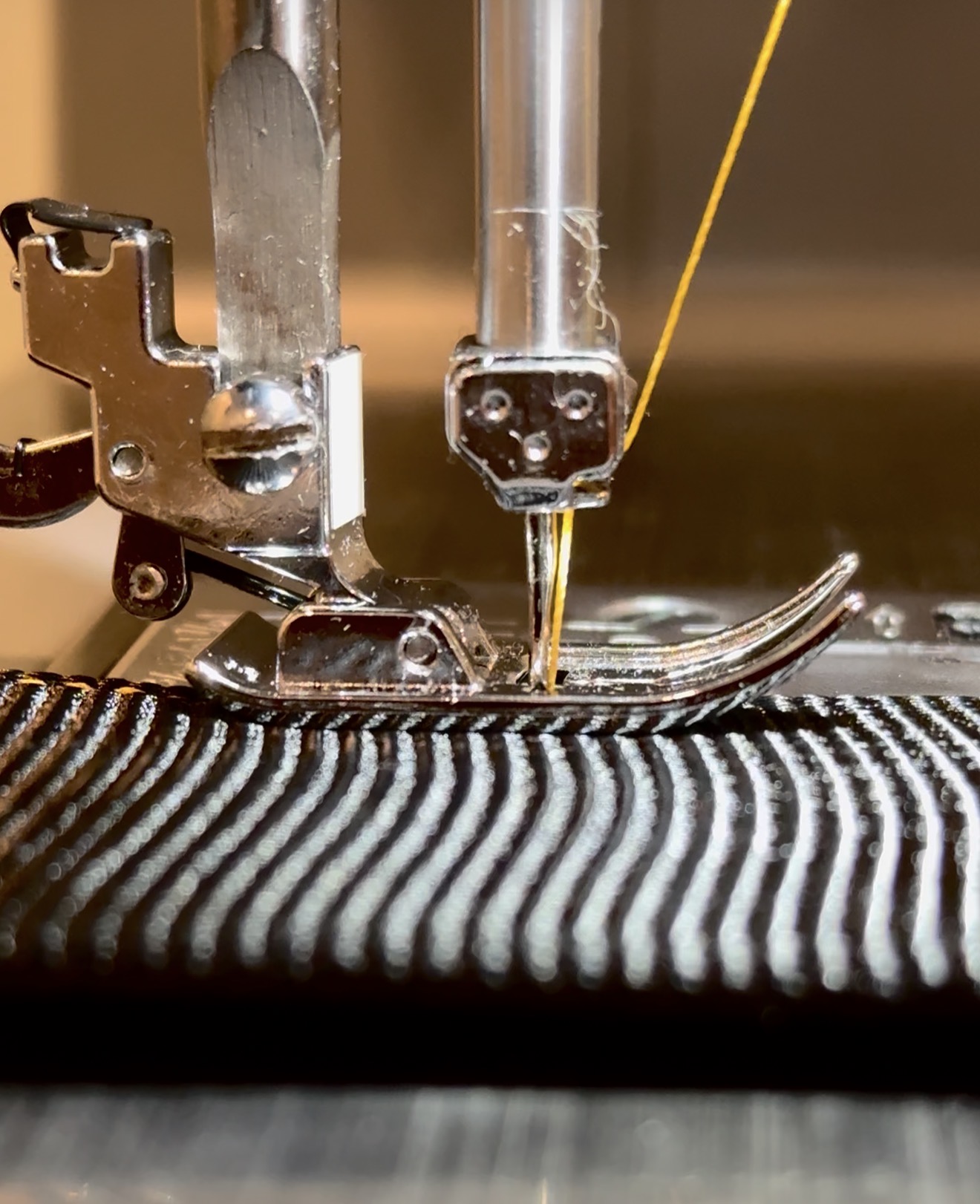
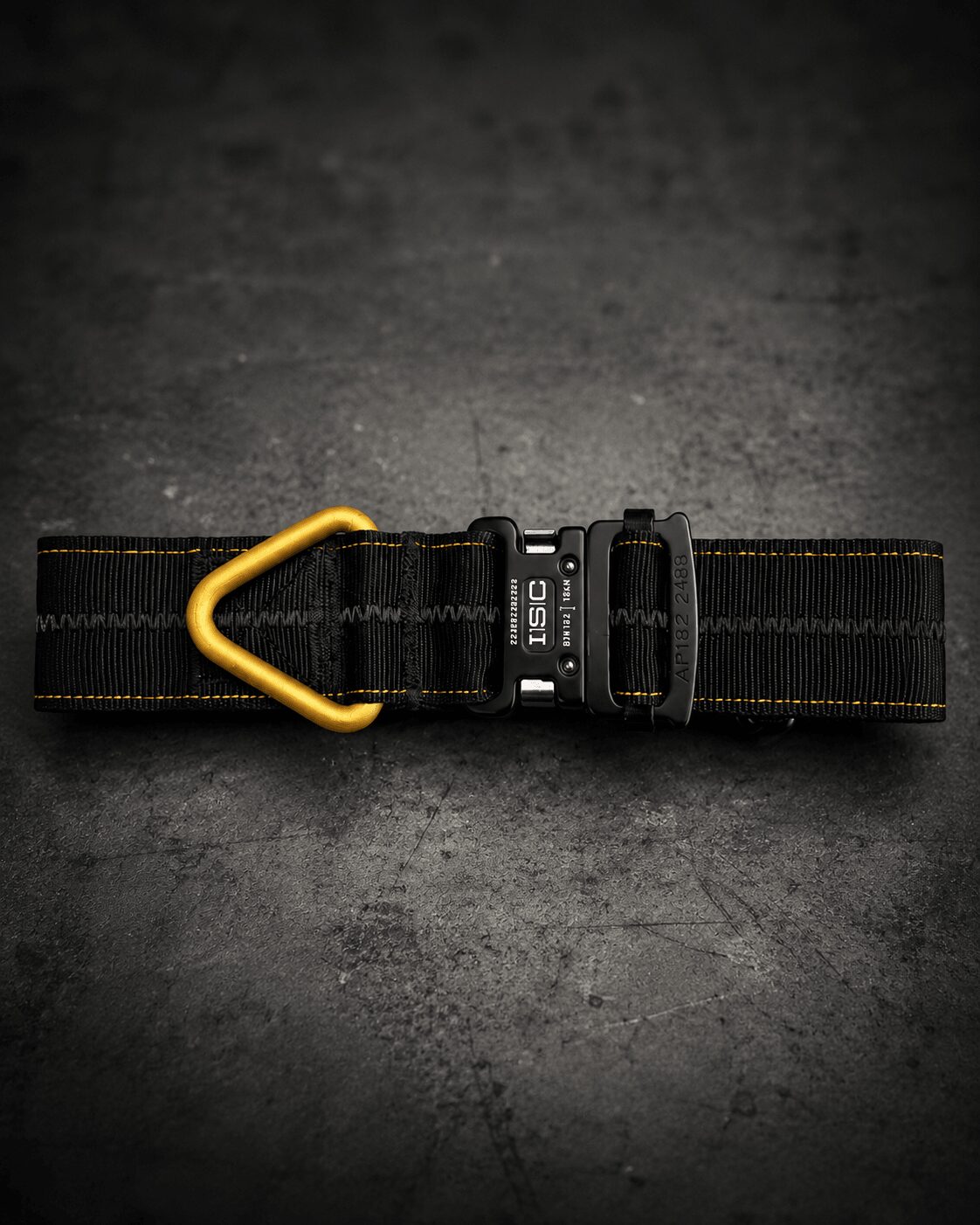
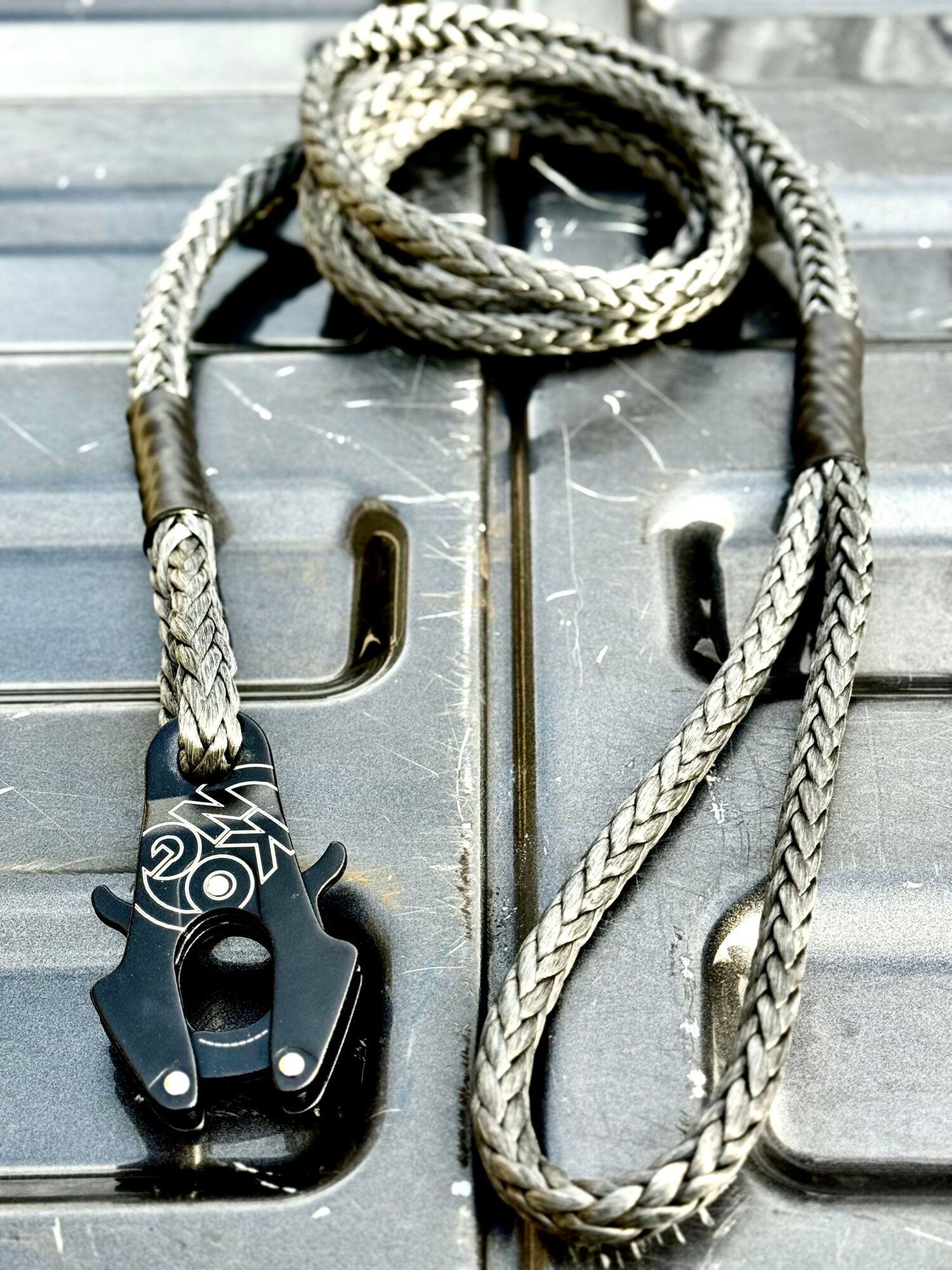
Right now, our focus is on leash and collar systems, with the Northbound leash being one of our core products. Northbound is built around trusted hardware, certified materials, verified testing, and a finished-product mindset. To me, that means the whole piece of equipment matters, not just one clip or one material claim.
What sets us apart is that we are not trying to compete with traditional pet brands on style, volume, or trend cycles. We are building for a different use case.
We third-party test. We use lab verification data. We seek real-world feedback before expanding. That process is slower, but I am proud of it because professional equipment should not be rushed.
Our testing and approach also helped bring Minnesota Dog into ASTM F15.05 pet-product standards discussions, including the dog leash task group. ASTM International is a standards organization that develops voluntary technical standards across many industries. For a small company, having a seat in those conversations matters because we are not just talking about higher standards. We are actively participating in discussions around testing, performance, and finished-product expectations.
We are also registered in SAM, the federal System for Award Management, and are currently waiting on our SDVOSB certification, which stands for Service-Disabled Veteran-Owned Small Business. That is part of our longer-term goal of supporting professional, institutional, and government users as the company grows.
I want readers to know that Minnesota Dog is still early, but the direction is clear.
We are not a pet boutique.
We are building life gear scaled to a K9.
How do you define success?
For me, success is pretty simple.
It is building something people trust.
Especially when it comes to equipment that someone is depending on in a serious environment.
I am not chasing fast growth or trying to release as many products as possible. I would rather take our time, test things properly, listen to real feedback, and build something we are proud to put our name on.
I also think success is helping raise the standard.
If Minnesota Dog can help push the conversation toward better testing, better equipment thinking, and more honest expectations around performance, that means something to me.
At the end of the day, I want Minnesota Dog to be known for doing things the right way.
If years from now people trust our gear because we earned that trust, I would consider that success.
Contact Info:
- Website: https://minnesotadogproducts.com/
- Instagram: https://www.instagram.com/mndogproducts/