





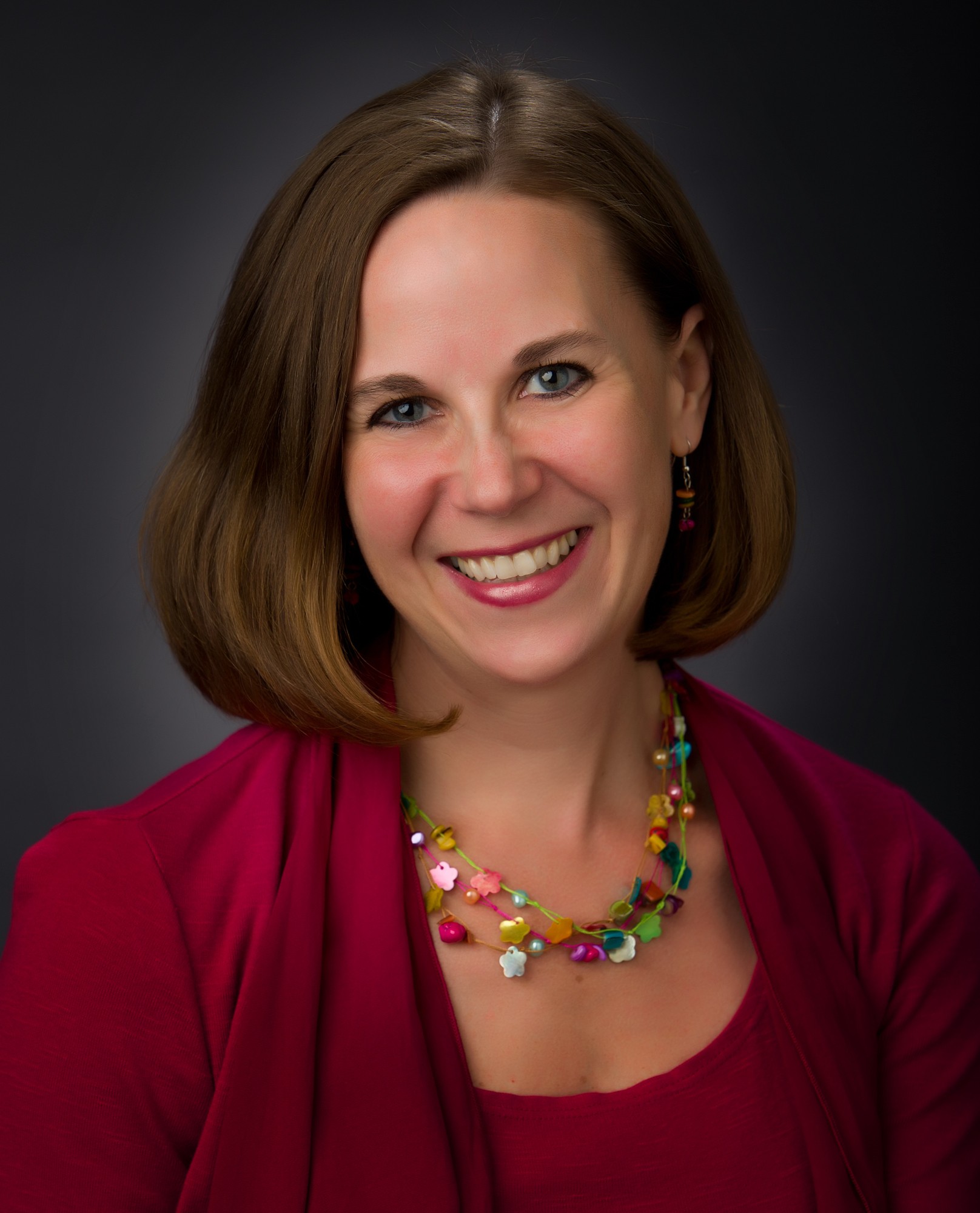
Today we’d like to introduce you to Sonja Benson.
Hi Sonja, please kick things off for us with an introduction to yourself and your story.
I earned my Ph.D. in Counseling Psychology with a supportive program in Family Social Sciences at the University of MN. I’m currently a psychologist in solo practice. This is my second solo practice I’ve built, the first one being in AZ and then I moved back to MN and started again. I’m a specialist in couples and family therapy with a sub-specialty in working with couples/families influenced by ADHD.
I am an ADHD-certified clinical services provider. I’m also a certified wellness coach and hold a certification in Discernment Counseling which is for couples that are trying to make a decision about whether to stay together or separate/divorce. I’ve been trained as a mental health provider/coach for collaborative divorce as well. I’m level 2 trained in Gottman method and I’m both a Bringing Baby Home educator and 7 Principles for Making Marriage Work educator.
I initially worked in a wide variety of settings post graduate but couldn’t make enough use of my marriage and family therapy training in hospitals or corporate settings (except for Progressive Insurance EAP) so I moved into private practice. I’ve essentially built from the ground up twice.
I have a natural curiosity so I’ve obtained training in a variety of services and modalities. In my earlier career I was certified in clinical hypnosis, co-authored two professional books in hypnosis and I used to teach hypnosis to other professionals through the American Society of Clinical Hypnosis (ASCH) and through the Erickson Foundation in Phoenix AZ. I’ve also been trained in EMDR including EMDR for attachment issues.
I started to see patterns in couples where at least one partner had ADHD and thus developed my sub-specialty. I am planning to start working on a book in this area later in the summer.
I am also PsyPACT “certified” meaning that I am able to provide telehealth to people in any of the over 40 states in the US that participate.
We all face challenges, but looking back would you describe it as a relatively smooth road?
Post graduate, it was all about obtaining licensing hours and just finding work to pay the bills. The upside is that I have exposure in a plethora of settings. I started as a program director for a judicial supervision program and my milieu was both clinical and in the court system. Then I worked with veterans first in mental health and then as a medical psychologist. I then moved to corporate settings and my favorite position was in the employee assistance program for Progressive Insurance. That was a little like building a private practice but with an easy built in client base. When they decided to outsource all EAPs, I started some private practice while also working at Wells Fargo for their employee assistance as a consultant. Finally I went full time into my private practice in AZ.
When I moved back to MN I had to start all over. It was actually pretty rough to start a brand new practice without having any of the networks I had from my grad school training or the networks I’d developed over years of work in the Phoenix metro area. I had to be very creative about how I found referral sources, colleagues to engage in peer consultation with and growing the practice. Over time I built a strong enough presence in my area that I started to get referrals from people I didn’t even know professionally but who had heard of me and the work I was doing. Starting from ground zero is a difficult endeavor and really requires a lot of perseverance and commitment to what you are trying to grow.
Can you tell our readers more about what you do and what you think sets you apart from others?
I’ve worked hard to really learn (via training) and develop an understanding of how couples therapy is different for couples where at least one partner has ADHD. There are additional challenges beyond the typical ones and if there was either a late diagnosis or the ADHD partner hasn’t yet been diagnosed, there are some entrenched challenges that require a deep understanding of how ADHD shows up behaviorally to work through.
I only know one other provider in my area that is professionally trained in couples therapy and is a specialist in ADHD so it seems like this sub-specialty is quite niche. I’m proud of being able to help many people realize that there was a partner with ADHD in the mix (many people have ended up getting diagnosed because of what I’ve noticed in them). I’m also proud of being able to provide the neurotypical partner a level of understanding they haven’t found elsewhere before. Often understanding what’s really going on is the hope that they were beginning to lose.
I really care about people having mutually satisfying and healthy, functioning relationships. Couples therapy as a primary focus is hard work. Many peers think I’m crazy for taking this on because it’s often intense, conflicted and a little chaotic all day, every day. For me, being able to make a substantive change is so gratifying it’s worth all the intensity. The ripple effect that happens for the entire family system is very satisfying for me because as a family systems trained professional, I know there can be an intergenerational effect.
I am also planning to work on a book and program specifically about/for couples influenced by ADHD because there’s a dearth of resources, particularly written by a licensed mental health professional, while there is a high need. What we know now is that people don’t really “outgrow” ADHD, it just looks different in adults. Most of the people working with ADHD focus on kids. The professionals that tend to work on adult ADHD are geared toward the individual when really ADHD is going to affect the whole household. I’m proud to be able to make a difference on that level.
Risk taking is a topic that people have widely differing views on – we’d love to hear your thoughts.
I’ve never really thought of myself as a risk taker but others who know me have pointed out where maybe that’s not true. I guess it was a little risky to return to the MN professional community and straight away go into solo practice which usually happens after networks are developed and maybe even a client base has been gained from other employment. Luckily I had other financial support so I could weather the time it takes to build.
I also took a risk in creating a medical practice for my then husband so he could move back into private practice. He had the patient base and expertise and I had the know how to build up the full infrastructure to create what is required for a clinic to be sustained and function. That was risky because his income was our family’s primary source of support. Opening date happened exactly 30 days after the US basically shut down for Covid so it really required a lot of strategy, creativity and effort to get it off the ground. It is now extremely successful so that was a risk that paid off.
The other place where I at least endeavored to take on risk happened when I worked to immigrate to Canada in 2024. It was a very long and arduous process that sadly, ultimately failed right at the point of when I was to move due to a change the Atlantic Immigration Program made to it’s process. Due to my age, that change meant that no matter how much Canada desperately needed my expertise, there was no pathway for me to become a permanent resident.
I don’t know if those things qualify as the type of risk taking most people consider. For me, I am willing to take calculated risks and I tend to jump at opportunities that spontaneously offer themselves. Each time I’ve leapt into the opportunity, it’s worked out well for me, so I guess that’s a high level of reinforcement.
Contact Info:
- Website: https://www.MNCouples.com
- LinkedIn: https://www.linkedin.com/in/drsonjabenson/