




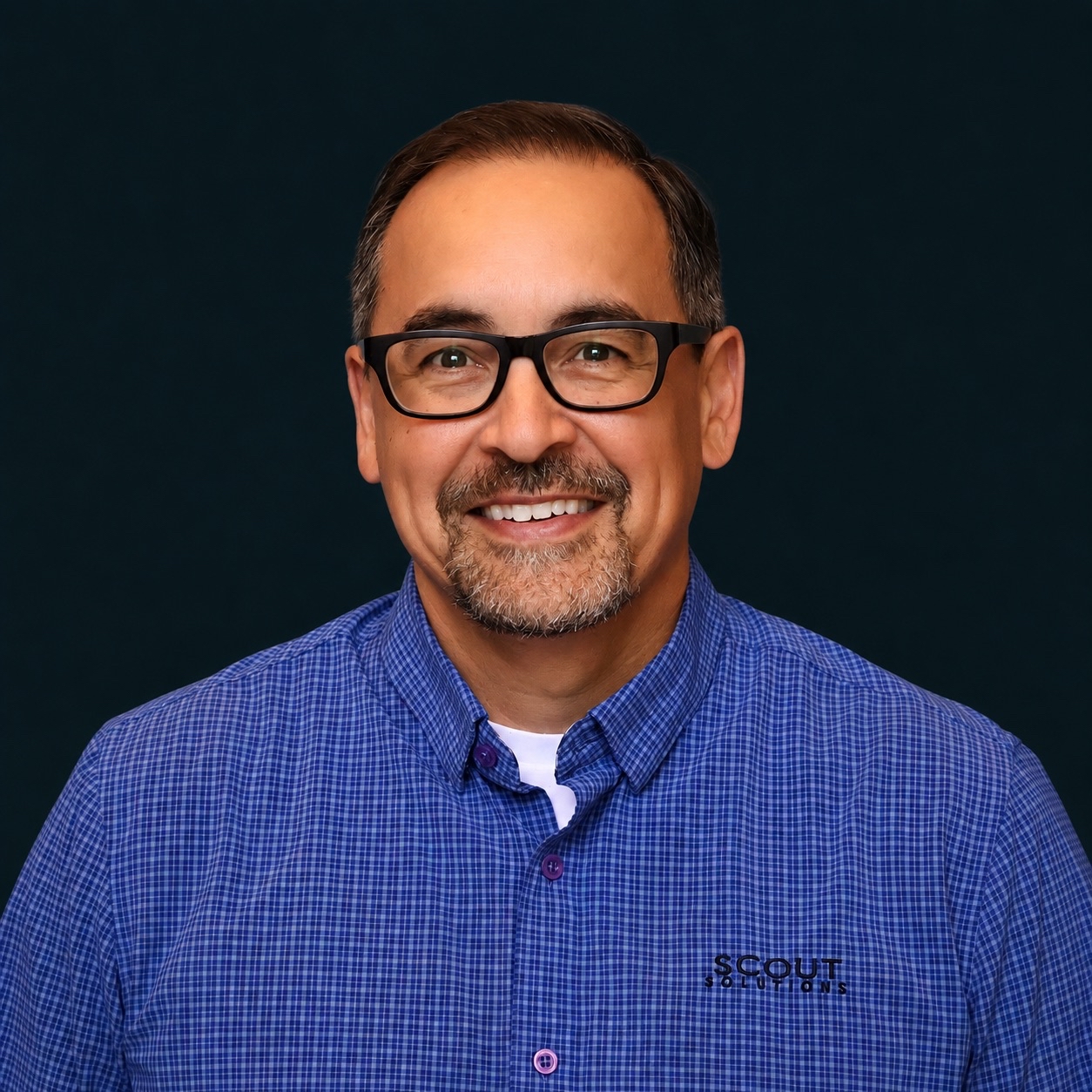
Today we’d like to introduce you to Kevin May.
Hi Kevin, thanks for joining us today. We’d love for you to start by introducing yourself.
I grew up partly in Hawaii and there’s a Hawaiian word, “pono”, that means doing things the right way, with balance and integrity. Pono was part of how I was raised and it’s also the operating system for everything I’ve built.
I come from a military family. My dad was a US Army Ranger who met my mom in Vietnam
during the war, and she came to the United States as an immigrant. He later transferred to the
Air Force and served as an OSI officer, so we moved constantly. I attended 17 schools and four
different high schools. At the time that felt like a lot of disruption, but looking back, it taught me
how to walk into a room where I didn’t know anyone and listen for what mattered to people,
I started my career in technology in the late 90s, working on some of the earliest applications of what we’d now call artificial intelligence. Expert systems for financial services, diagnostic decision-support tools for veterinary medicine. Technology that helped people make better decisions. That thread has run through my entire career.
From there I moved into leadership roles at growing companies. I spent a decade as CIO at a heavy-duty distribution company that grew from $30 million to $75 million. Then I took on a dual role running technology and operations at an industrial manufacturing company, and later helped build a wireless technology company called End 2 End Technologies from a startup to $18 million in revenue with 60 employees. That company was acquired by Ceragon Networks in 2025.
Through all of that, the thing that mattered most to me was never the technology itself. It was always the people affected by the decisions we were making. When I was running manufacturing operations, a significant portion of our workforce came from immigrant and refugee communities. I saw firsthand how technology decisions and operational choices either helped or hurt real people trying to build their lives. That shaped how I think about everything.
I founded Scout Solutions because I wanted to work differently. After years of building other people’s companies, I wanted to build something grounded in the values I actually believe in. The core idea is simple: people first, then process, then technology. Most organizations get that backwards. They buy the tool first and then wonder why nobody uses it. We start with the people.
Today, Scout is a technology advisory firm. We work as fractional CTOs for organizations that need experienced technology leadership but aren’t ready for a full-time hire. Nonprofits, conservation organizations, youth sports platforms, healthcare-adjacent organizations. We help them make smart technology decisions, build their teams, and get more from the investments they’ve already made.
The name “Scout” comes from the idea of being out ahead, looking for what’s coming and helping others navigate it. The Hawaiian word “Kahu” means guardian or protector, and that’s how I think about our role. We’re not selling technology. We’re helping organizations take care of their people by making better decisions about the tools they use.
The Hawaiian thread is personal. I grew up partly in Hawaii, and concepts like “pono,” doing things the right way with balance and integrity, are part of how I was raised. I write about that at livingpono.blog. Those values aren’t just branding. They’re the actual operating system.
I’m also building something new in Minnetrista. A coworking and event space, rooted in community and grounded in purpose. It’s an elevated environment featuring top-tier golf simulators and a thoughtfully designed coworking experience, creating a place where people can connect, work, and build relationships in a setting that doesn’t feel like a traditional office. It’s an extension of the same philosophy: build spaces and tools that serve people, not the other way around.
Outside of work, I spent six years as president of the Eagan Youth Hockey Association, I volunteer with United Heroes League providing sports experiences for military-connected kids, and I’m pursuing board service with the Immigrant Law Center of Minnesota. Community work is part of the job, not something separate from it.
Minnesota has been home for most of my adult life, and the business community here is genuinely collaborative. People show up for each other. That’s the environment Scout was built for.
We all face challenges, but looking back would you describe it as a relatively smooth road?
No, and I don’t think it’s supposed to be.
The hardest part of building Scout wasn’t the business itself. It was the timing. I spent over a decade building End 2 End Technologies into something real, and when Ceragon acquired the company in 2025, I had an opportunity to stay and grow into a global role. It was a good opportunity. But it would have meant significant travel, time away from my family, and putting Scout on hold indefinitely. I chose to step back. That decision cost me financially in the short term, but it was the right call for my family and for the kind of work I wanted to do.
The other challenge is one that most advisory firms face: you’re asking organizations to trust you with decisions that affect their people and their future. That trust isn’t given, it’s earned. Every engagement starts from scratch. You have to prove that you understand their world before they’ll let you help shape it. That takes patience, and it takes humility.
Earlier in my career, I watched three senior leaders leave a company I was running in a short period of time. A CFO, a supply chain director, and a director of people and culture. Each departure taught me something different about how organizations handle transitions, and how much institutional knowledge walks out the door when someone leaves. Those experiences directly influenced how I approach knowledge transfer and succession work at Scout today.
I’ve also learned that the immigrant experience my mom went through, starting over in a country where she didn’t speak the language and had to figure everything out from nothing, is a surprisingly useful lens for technology work. Most of the organizations I serve are trying to navigate something unfamiliar. They need someone who’s comfortable with not knowing everything on day one and who can help them find their footing. That comfort with uncertainty came from growing up watching my mom do exactly that.
Thanks – so what else should our readers know about Scout Solutions?
Scout Solutions is a technology advisory firm based in Minnesota. We serve as fractional CTOs, which means we provide experienced technology leadership to organizations on a part-time or project basis rather than as a permanent executive hire.
Our clients are mostly mid-sized organizations that have outgrown their current technology approach but aren’t at the point where a full-time CTO makes sense. That includes nonprofits, conservation organizations, legal aid societies, youth sports platforms, and healthcare-adjacent organizations. We help them make better decisions about the tools and systems they use, build their internal teams, and get more value from what they’ve already invested in.
What sets us apart is the starting point. We don’t lead with a product or a platform. We lead with the question: what do your people actually need? Technology should serve the people using it. When you start there, the solutions look different than when you start with a feature list or a vendor pitch.
We also bring real operating experience. I’ve run manufacturing plants, grown companies from startup to acquisition, and managed teams across continents. That means when we sit down with a client, we understand their business challenges, not just their technology challenges. A nonprofit director dealing with a failing CRM doesn’t need someone to configure software. They need someone who understands that their development team is drowning in manual work and can’t see their donors clearly. The CRM is the tool. The people are the point.
Our team is small and intentional. We have specialists in Microsoft Dynamics 365, Power Platform, web development, data analytics, marketing, and cybersecurity. We scale up and down based on what each client needs rather than carrying overhead that gets passed along in rates.
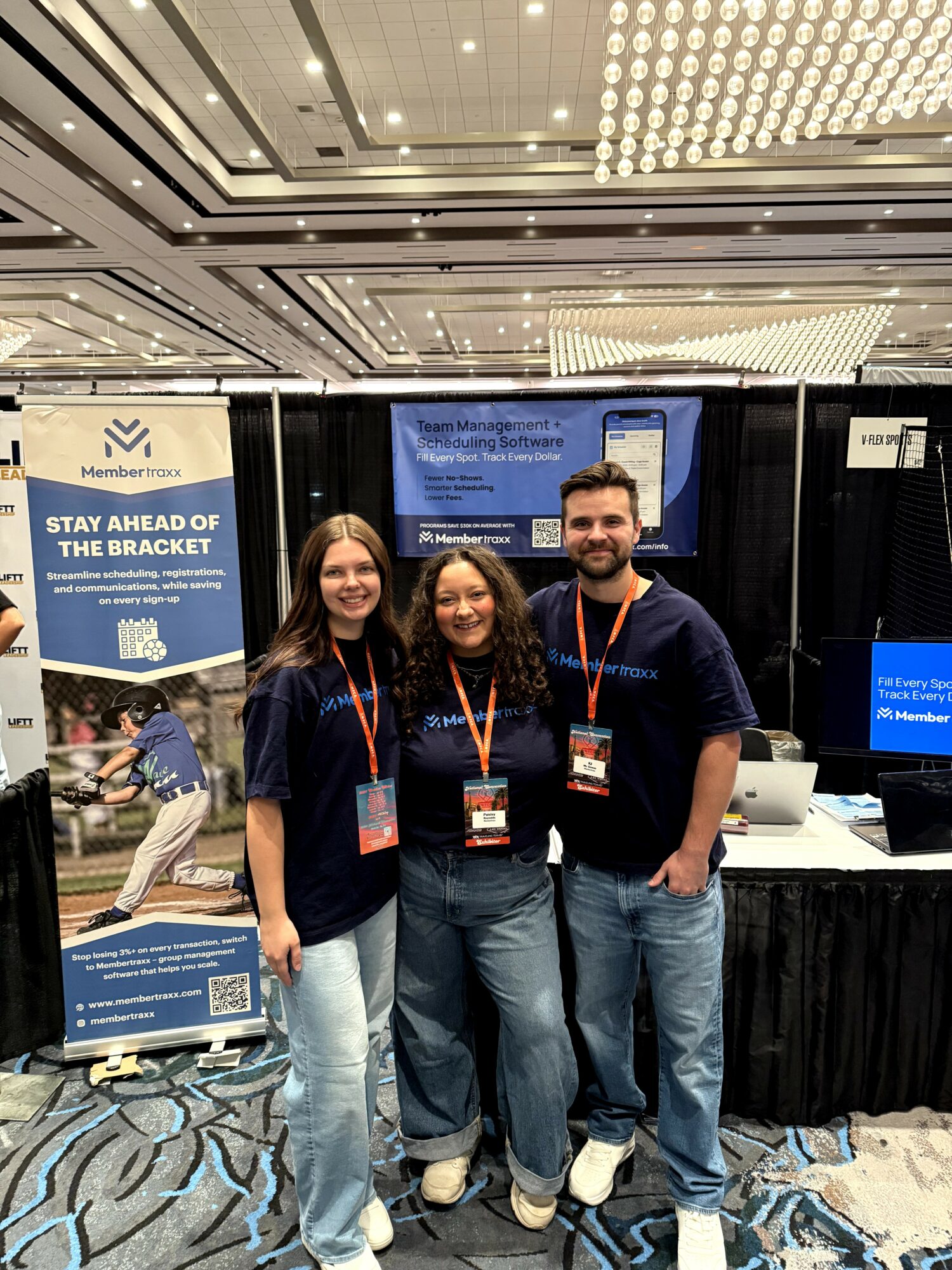
I’m proud of the relationships we’ve built. We work with Pheasants Forever on their CRM and technology strategy. We built a cybersecurity scanning tool called Kahu that helps small and mid-sized organizations understand their security posture. We manage the JClass platform that serves enterprise clients like Edward Jones, and we built MemberTraxx for youth sports organizations that need better tools for managing their programs.
The thing I hear most from clients is that we actually listen. That sounds basic, but in technology consulting it’s surprisingly rare. Most firms show up with a solution looking for a problem. We show up with questions looking for understanding. The solution comes after.
What does success mean to you?
Success is when the people you work with can do things they couldn’t do before you showed up, and they don’t need you to keep doing them.
That’s the honest answer. If a client becomes dependent on us, we haven’t done our job. The goal is to build their capacity, not our billable hours. When an organization’s internal team starts making confident technology decisions on their own, when they stop calling us for permission and start calling us to think through something new, that’s when I know we got it right.
On a personal level, success is being present for the people who matter. My family, my team, the communities I’m part of. I spent years in roles that demanded everything, and I’ve learned that the work is never done. There’s always another project, another client, another opportunity. The discipline is knowing when to stop and be where you are.
I also measure success by whether the people on my team are growing. I have team members who came in with one skill set and are now working across domains they’d never touched before. Watching someone realize they’re capable of more than they thought, that’s a better metric than revenue.
Revenue matters, obviously. You can’t serve anyone if the business doesn’t sustain itself. But revenue is an outcome of doing the other things well. It’s not the thing I optimize for.
Contact Info:
- Website: https://scoutsolutions.com
- LinkedIn: https://www.linkedin.com/company/scoutsolutions/
- Other: https://livingpono.blog