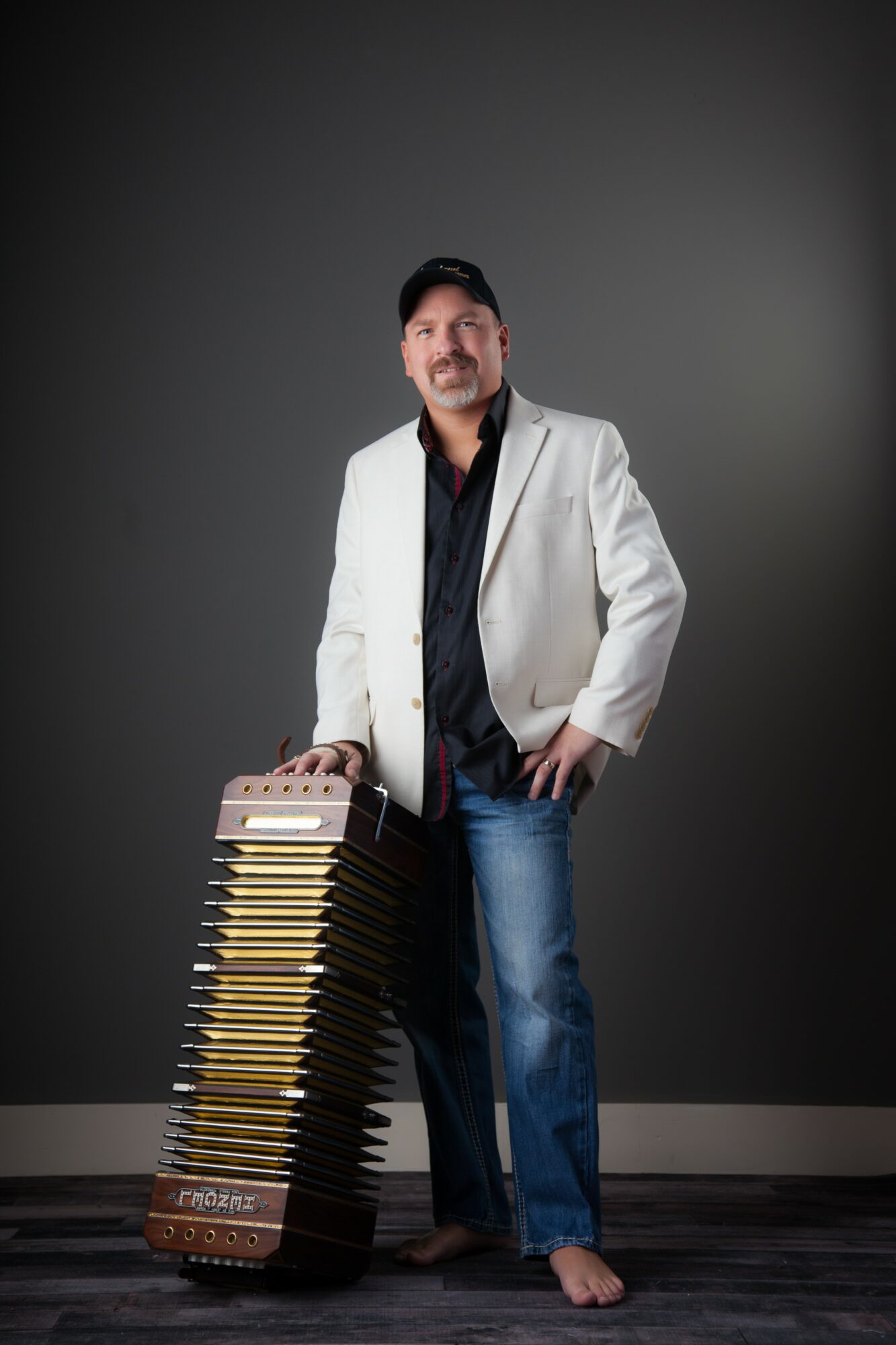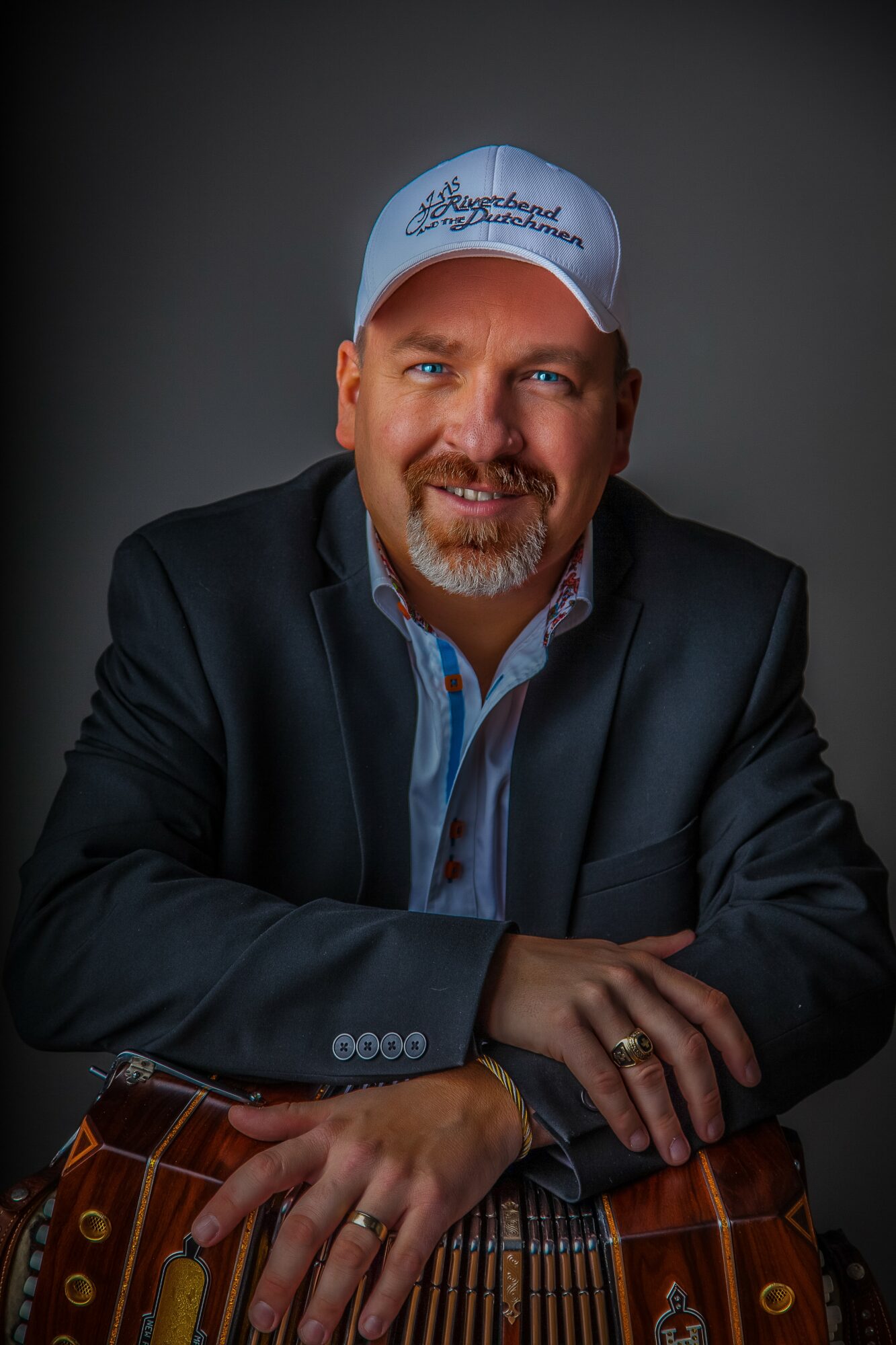





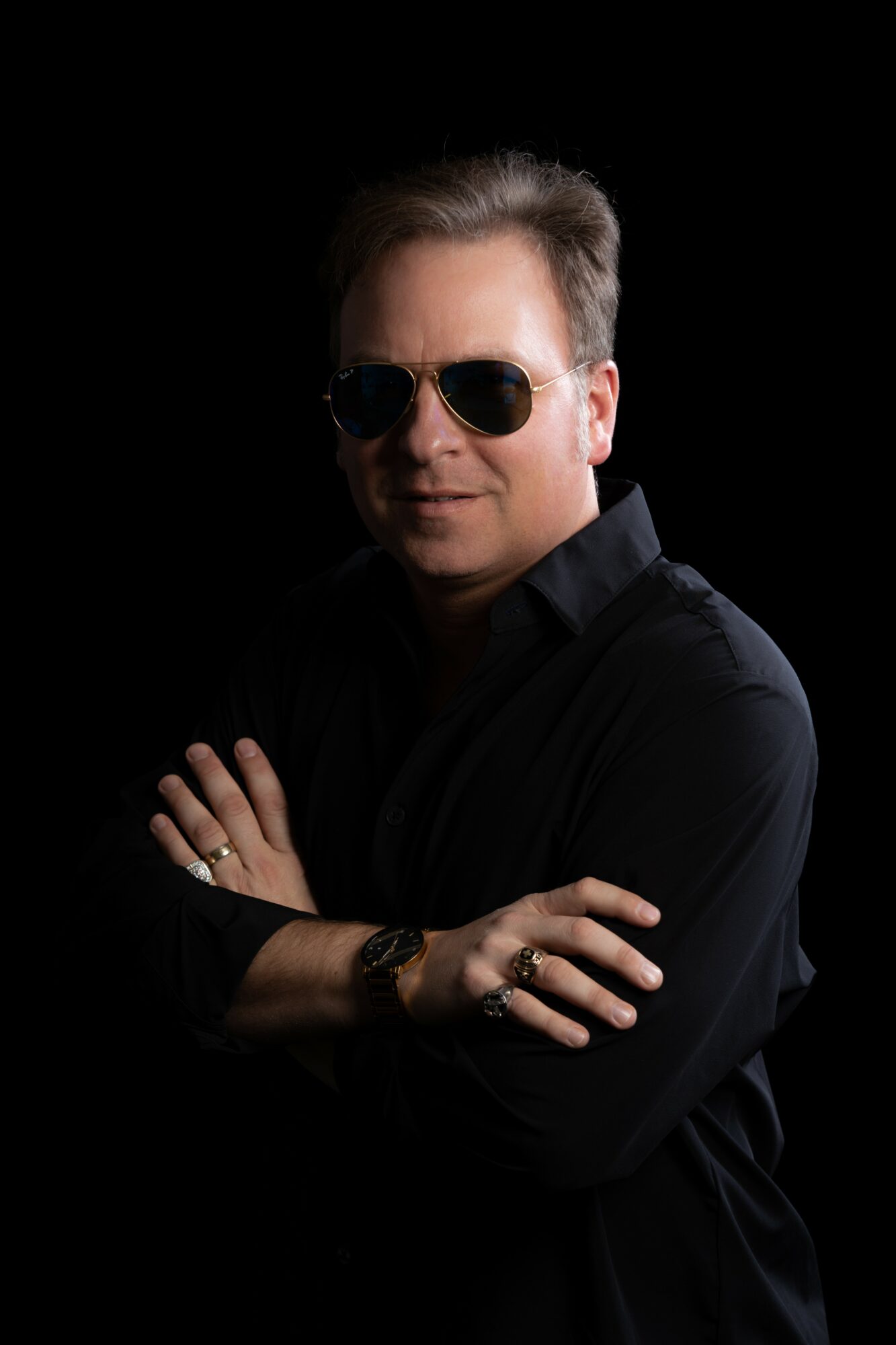
Today we’d like to introduce you to Kristofer Keltgen.
Alright, so thank you so much for sharing your story and insight with our readers. To kick things off, can you tell us a bit about how you got started?
I grew up in southern Minnesota surrounded by the sounds of old-time music, polkas, waltzes, and the great Dutchmen-style bands that were such an important part of this region’s culture. That music was never just background noise to me. It was tied to community, family, dance halls, radio programs, church festivals, and the kind of gatherings where generations came together on the same dance floor.
I started playing concertina when I was young, and over time I became fascinated not only with the music itself, but with the history behind it. The bands that influenced me most were groups like Whoopee John, the Six Fat Dutchmen, Babe Wagner, the Rainbow Valley Dutchmen, and so many other musicians who helped define the Upper Midwest sound. Their arrangements had a certain energy and craftsmanship that I always admired. I wanted to carry that tradition forward, but also make it feel alive for today’s audiences.
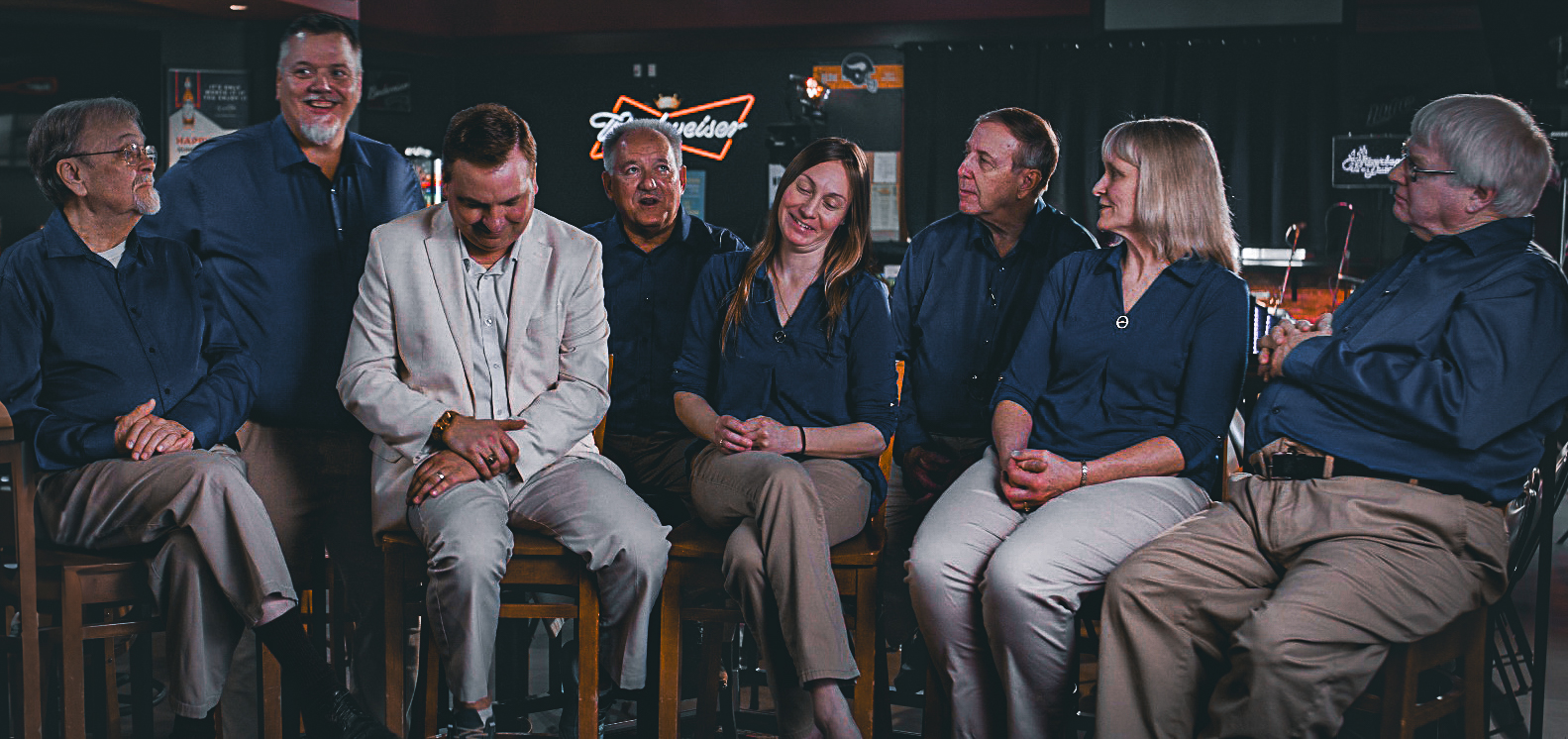
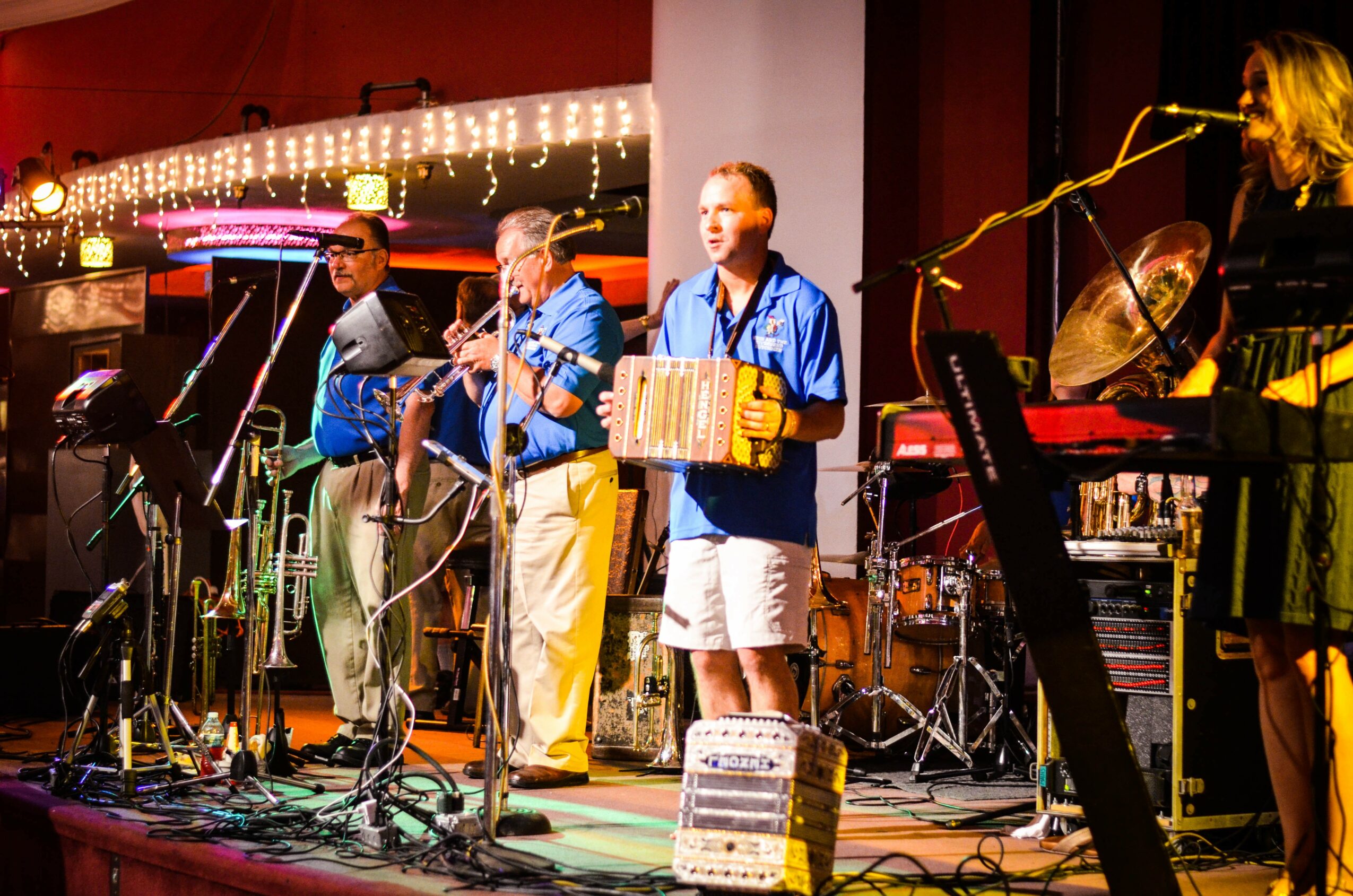
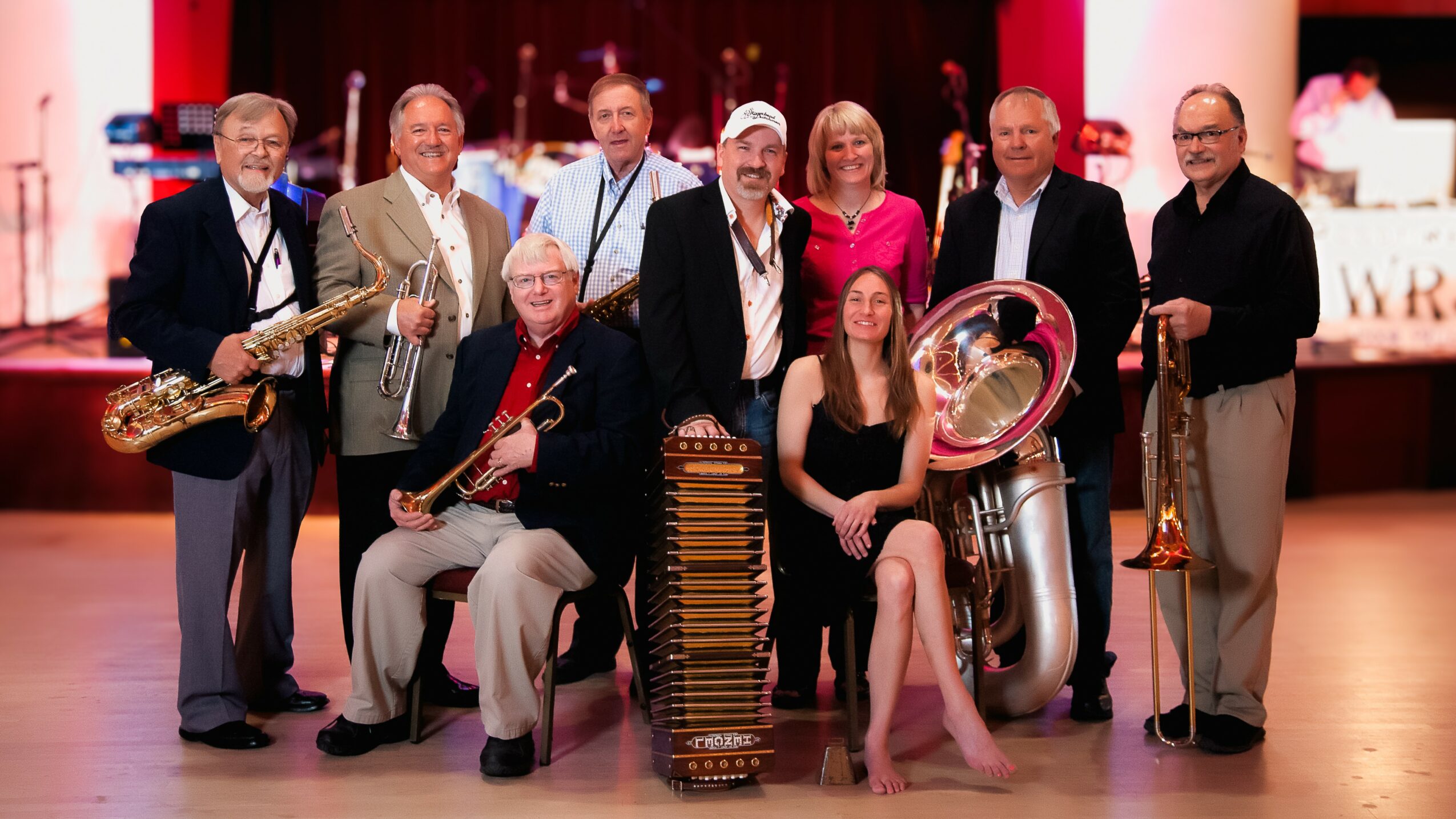
Kris and the Riverbend Dutchmen began in 2009 with that idea in mind. We wanted to build a band that respected the old arrangements and the great dance band traditions, while still having our own sound and personality. Over the years, the group has grown into a larger Dutchmen-style band, often performing with six to nine musicians. We feature concertina, horns, reeds, piano, bass, drums, and vocals, which gives us a full, classic sound that is very much rooted in Minnesota’s old-time music heritage.
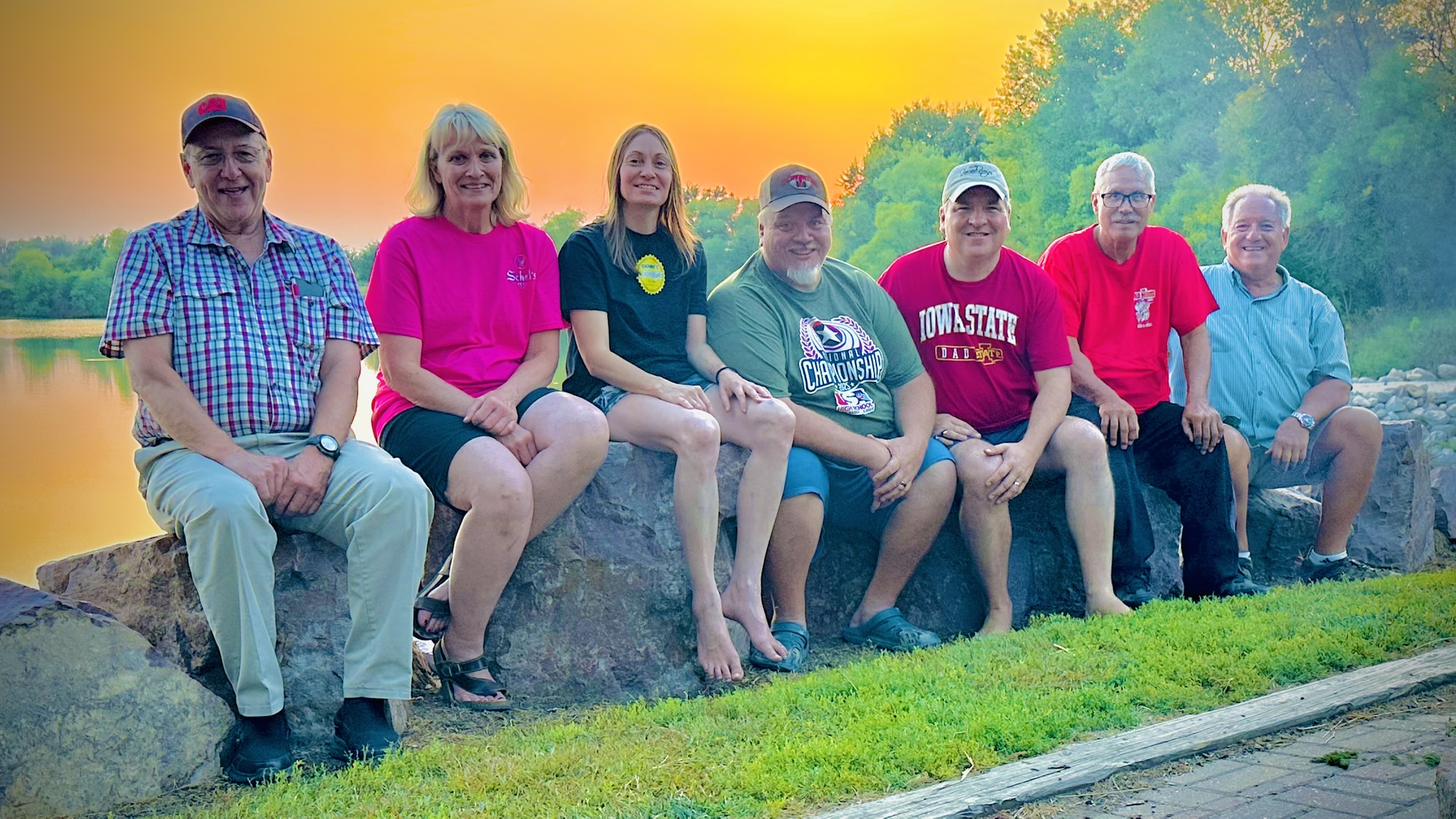
What has made the journey especially meaningful is the caliber of musicians I’ve been fortunate to work with. The band includes several Minnesota Music Hall of Fame members, including Jerry Kahle, Myron Muehlbauer, and Rick Keane, along with other incredibly talented players who bring decades of experience and heart to the music. Each person contributes something unique, and together we’ve created a sound that honors the past while still feeling fresh.
Along the way, the band has recorded multiple albums, appeared on radio programs throughout the region, performed on television, and played for dances, festivals, ballrooms, and community events across the Upper Midwest. More recently, our work with the feature documentary Song & Dance gave me an even deeper appreciation for how important this music is to people. That film explored the history and cultural importance of old-time music, ballrooms, radio, and the musicians who have kept this tradition alive. It also reminded me that this music is not just entertainment. It is part of who we are as a region.
Today, with the Riverbend Dutchmen, I feel like we are in one of the most exciting chapters of the band’s history. Our newest album, Dutchmen on Parade, really captures what I think of as the modern Dutchmen sound: energetic, traditional, polished, and built for the dance floor. Looking back, the path has been a mix of passion, persistence, respect for the musicians who came before us, and a deep belief that this music still matters. My goal has always been simple: keep the tradition alive, present it with pride, and make sure the next generation has a chance to hear it, dance to it, and understand why it means so much.
I’m sure it wasn’t obstacle-free, but would you say the journey has been fairly smooth so far?
It has definitely not always been a smooth road. Any time you are working to preserve a traditional style of music, especially one rooted in regional culture, there are challenges. Old-time music has a very loyal audience, but it is also a niche world, and you have to work hard to keep it visible, relevant, and accessible to new listeners.
One of the biggest challenges has been balancing respect for tradition with the need to keep moving forward. The music we play comes from a long line of great bands and musicians, and I have always felt a responsibility to honor that legacy. At the same time, we cannot simply be a museum piece. The music has to breathe. It has to connect with people today. Finding that balance between preservation and new energy has been one of the most important parts of leading the band.
There are also the practical challenges that come with keeping a larger band together. The Riverbend Dutchmen often perform with six to nine musicians, and coordinating schedules, travel, rehearsals, recordings, equipment, and performances takes a lot of work behind the scenes. Most people see the band on stage, but they do not always see the hours of planning, communication, arranging, promotion, and problem-solving that make those performances possible.
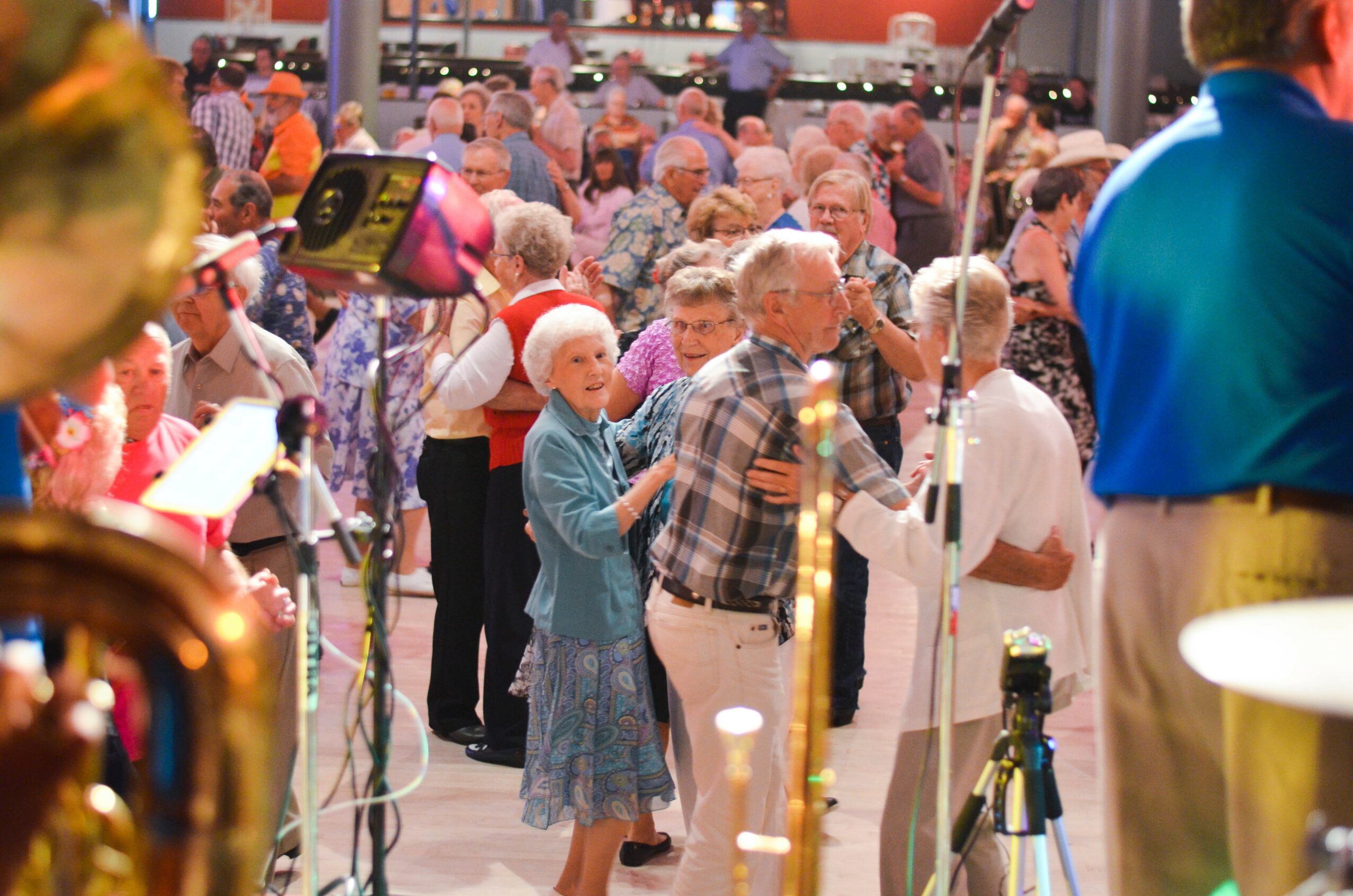
Another challenge has been helping people understand that this music still matters. Polkas, waltzes, and old-time dance music are sometimes viewed as something from the past, but I see them as living traditions. They still bring people together. They still fill dance floors. They still carry memories, community identity, and joy. Part of my work has been telling that story in a way that helps people see the value in it.
Like many musicians and arts organizations, we have also had to adapt to changes in audiences, venues, media, and how people discover music. Radio, recordings, live dances, social media, websites, video, and now film have all become part of the larger picture. It is no longer enough to simply play the music well. You also have to be willing to advocate for it, promote it, document it, and invite people into the story.
But the struggles have also made the journey more meaningful. Every full dance floor, every kind note from a listener, every radio spin, every young person who takes an interest, and every musician who helps carry the sound forward reminds me why it is worth the effort. The road has had plenty of bumps, but it has also been deeply rewarding.
Alright, so let’s switch gears a bit and talk business. What should we know about your work?
My work with Kris and the Riverbend Dutchmen is centered on preserving and carrying forward the old-time dance music traditions of the Upper Midwest. We specialize in polkas, waltzes, laendlers, schottisches, fox trots, and the classic Dutchmen-style arrangements that have been part of Minnesota’s musical culture for generations.
What we are probably best known for is our big, full dance band sound. The Riverbend Dutchmen is not a small combo. We are a larger ensemble, often six to nine musicians, with concertina, horns, reeds, piano, bass, drums, and vocals. That instrumentation gives us a sound that is both powerful and traditional, very much in the spirit of bands like Whoopee John, the Six Fat Dutchmen, Babe Wagner, and the Rainbow Valley Dutchmen, while still having our own modern personality.
I think what sets us apart is that we take the music seriously without taking the joy out of it. We care deeply about arrangements, tone, authenticity, and danceability. We want the music to be polished and respectful of the tradition, but we also want it to feel alive, energetic, and welcoming. At its best, this music is not just something people listen to. It is something they feel in their feet, their memories, and their sense of community.
I am especially proud of the musicians who make up the Riverbend Dutchmen. The band includes several Minnesota Music Hall of Fame members, along with incredibly talented players who bring decades of experience to the stage. Each musician adds something unique, and together we have created a sound that honors the past while continuing to grow.
I am also proud of the way our work has expanded beyond the stage. Through our recordings, radio play, television appearances, live dances, and the documentary Song & Dance, we have been able to help tell the larger story of old-time music in this region. That matters to me. This music has lived in ballrooms, small towns, radio studios, family gatherings, and community celebrations for generations, and I believe it deserves to be documented and celebrated.
Our newest album, Dutchmen on Parade, is something I am particularly proud of because it captures where the band is today. To me, it defines the modern Dutchmen sound: rooted in tradition, built for dancing, and performed with energy and pride.
What sets us apart is our commitment to both preservation and presentation. We are not trying to reinvent old-time music, but we are also not content to let it fade quietly into the background. We want to carry it forward with the respect, quality, and excitement it deserves.
Is there something surprising that you feel even people who know you might not know about?
Something that may surprise people is that outside of music, I have always had a real love for classic cars, especially Corvettes. There is something about them that connects with me: the design, the sound, the craftsmanship, and the feeling that every car has its own story. Much like old-time music, classic cars carry a sense of history and personality that you do not always find in the modern world.
My Corvette even made an appearance in the feature documentary Song & Dance, which was a fun way to bring a little piece of my personal life into the film. It was not necessarily planned as a major part of the story, but it fit the spirit of the project: music, movement, memory, and the things we carry forward because they still mean something to us.
I also enjoy boating and being on the water whenever I can. There is something about that time away that helps me reset. Between music, recording, events, and all the moving parts that come with leading a band, it is good to have those quieter escapes. For me, classic cars and boating are both ways to slow down a little, enjoy the moment, and appreciate the kind of experiences that do not need much explanation.
Contact Info:
- Website: https://www.RiverbendDutchmen.com
- Facebook: https://www.facebook.com/riverbenddutchmen/
- Youtube: https://www.youtube.com/@Hoolerie
- Other: https://www.SongandDancetheMovie.com