




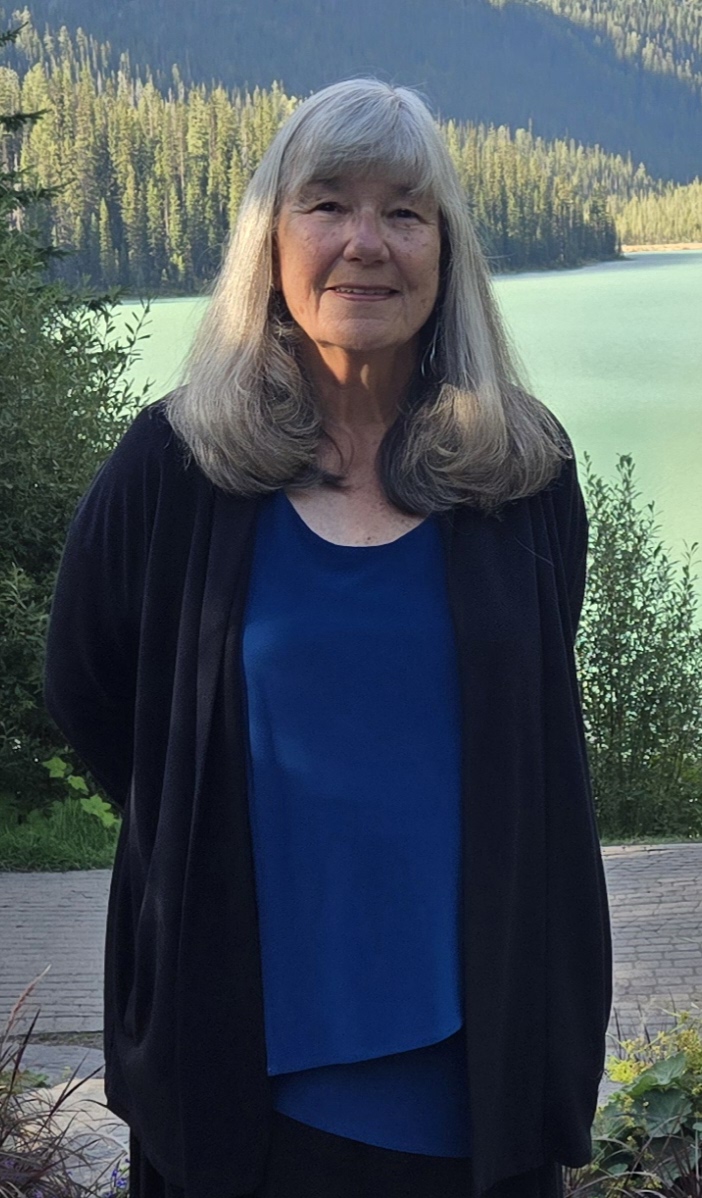
Today we’d like to introduce you to Meg Dornfeld.
Hi Meg, we’re thrilled to have a chance to learn your story today. So, before we get into specifics, maybe you can briefly walk us through how you got to where you are today?
In 2006 while I was working in the Neonatal Intensive Care Unit (NICU) at Children’s Minnesota, I noticed the increase of Latino infants in our unit. I worked nights and at that time there were very few translators that we could call upon for interpreting services. So I went back to school at the University of Minnesota to study Spanish for the purpose of explaining things to the parents of these newborn infants.
In 2007, I spent a month in Guatemala in a Spanish Immersion Program. Terri Teagarden, a fellow nurse in the NICU was already there working with various missions. After talking with a few Guatemalan pediatric physicians, we learned their auxiliary nurses have only a high school degree, one year of nursing education and very minimal “on the job” education.
In 2008, we brought a team of volunteer nurses to Guatemala. Our organization, Baby’s Breath Project, focused on teaching newborn resuscitation and stabilization of premature and full-term infants. Also, fundamental to improving their overall care was infection control. We reviewed techniques that would have an immediate impact on their care and newborn lives. I was a certified Neonatal Resuscitation Program instructor at Children’s Minnesota at the time, so we taught this program at Roosevelt Hospital, a public hospital in Guatemala City. Over the next five years, we taught over 400 nurses from various hospitals around Guatemala City. Every year we brought medical supplies for the hospital and purchased some equipment for their Milk Bank which opened the second year that we taught there.
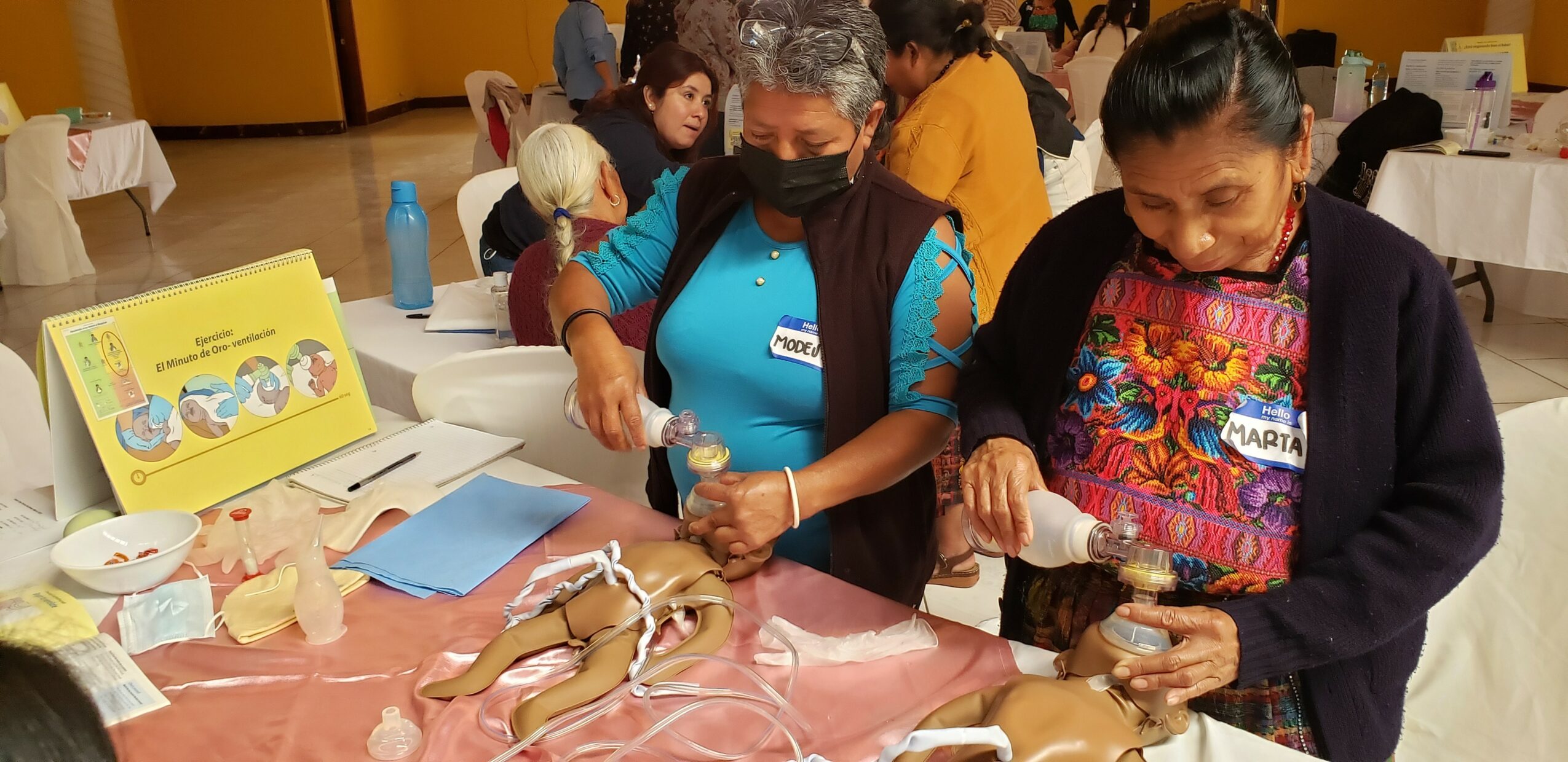
In 2010 I became a certified instructor of the “Helping Babies Breathe” program (now titled “Essential Newborn Care 1”) developed by the American Academy of Pediatrics in collaboration with the World Health Organization (WHO), USAID, and Laerdal Global Health. The focus is to establish practices in making sure an infant would be breathing within the first minute of life or “The Golden Minute”. Key areas include:
• Immediate drying and stimulation to breathe
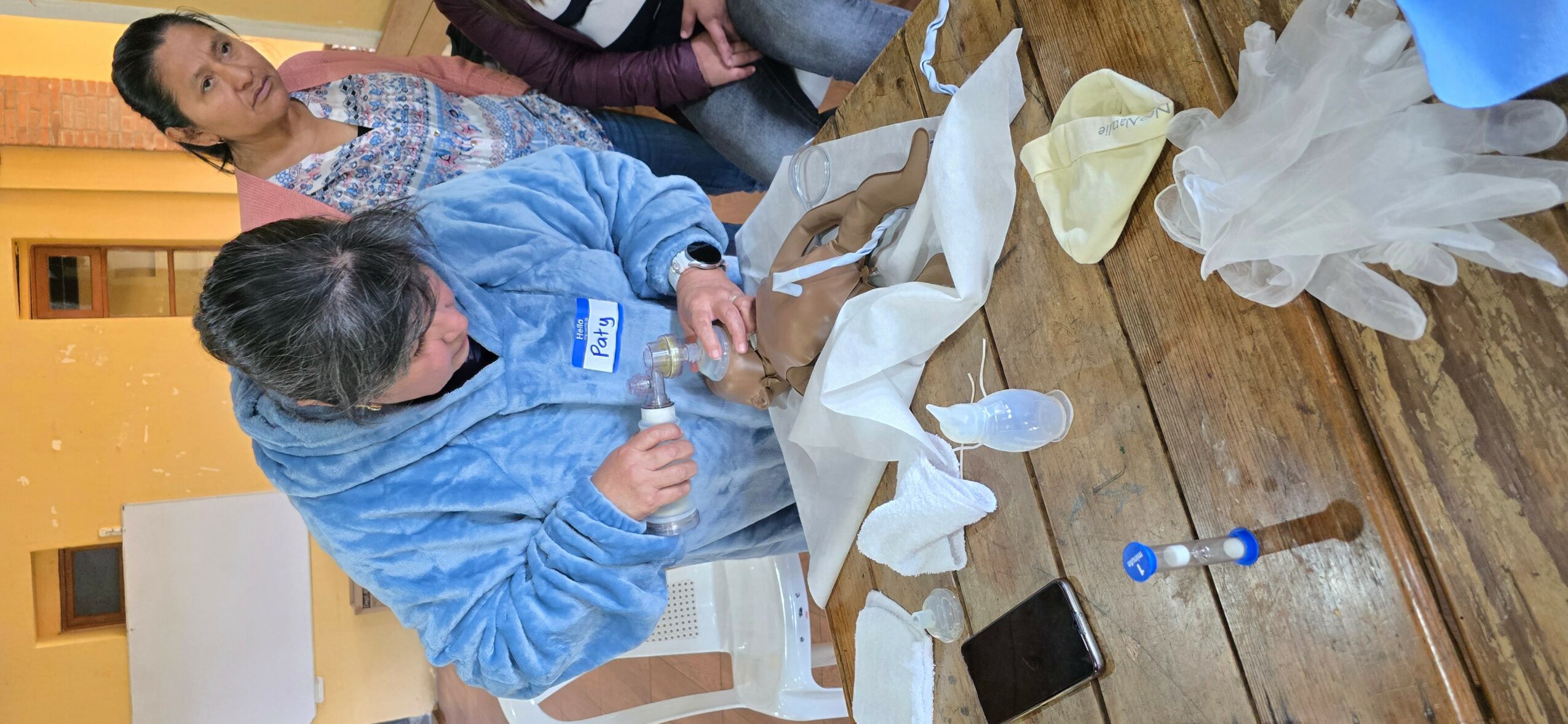
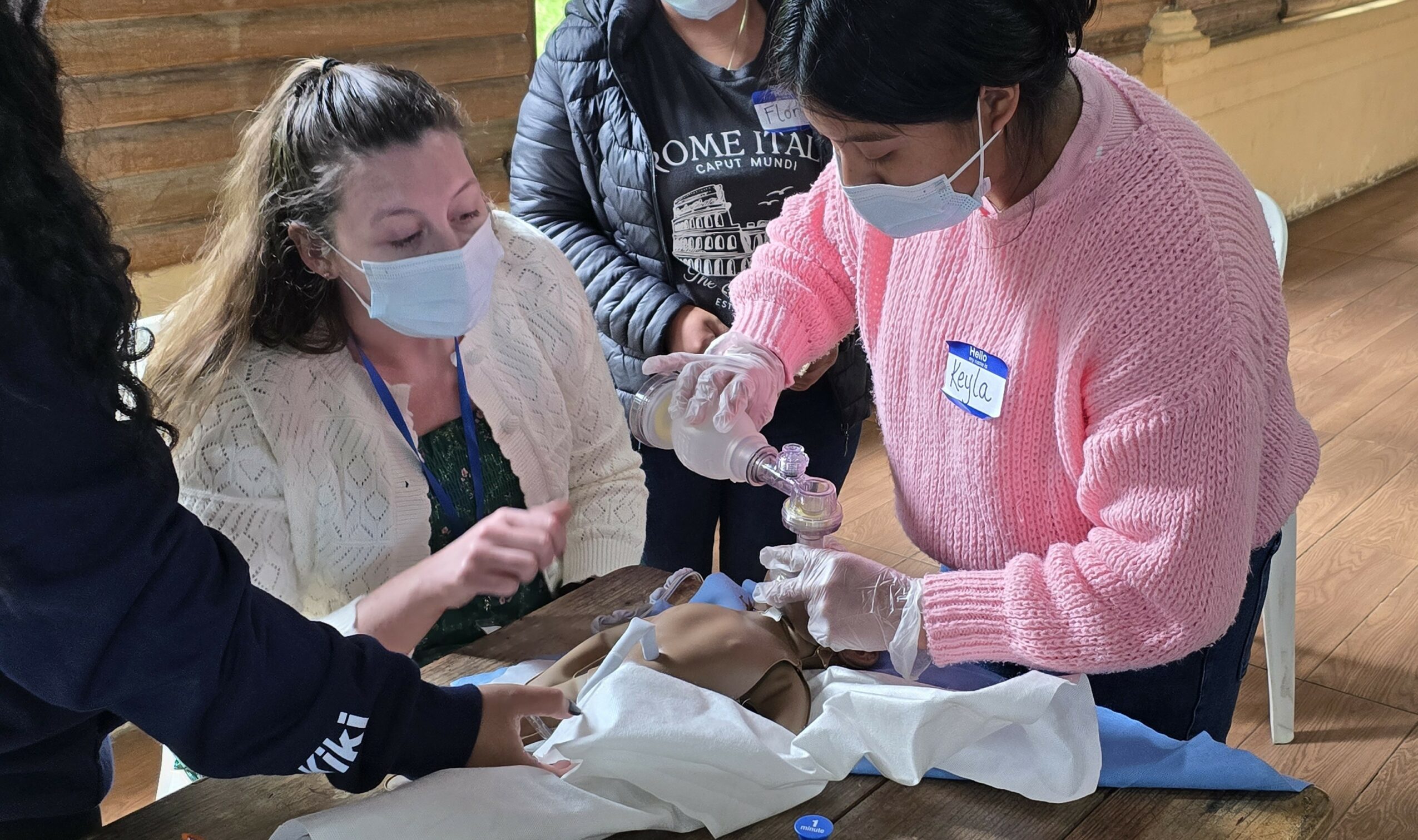
• Bag and Mask ventilation for babies who do not breathe on their own
• Keeping the baby warm and supporting early breastfeeding
The implementation of this program worldwide has shown to reduce early neonatal mortality by up to 47%.
In 2012, we changed our focus to the rural areas of Guatemala to teach the Essential Newborn Care 1 program to midwives. Midwives are the traditional birth attendants who attend 60% to 75% of all births nationwide in Guatemala. Sometimes this figure can soar to 90% in rural and indigenous highland communities. In the Mayan culture, midwifery is a sacred calling. “Comadronas” have a variety of ways they become midwives. Some feel “chosen,” others have a dream that tells them to become a midwife and some learned from their mothers or grandmothers. Younger ones attend school. They are very respected in their communities. They are the mother’s confidants and sometimes the only health care provider within miles. They also keep the Mayan traditions that are very important to these communities. The challenges are many as some of these midwives cannot read or write. Sometimes these midwives are belittled by the modern health care system due to their gender, ethnicity and lack of education. However, the Ministry of Health has now established education rules that the midwives must follow. They receive six hours of training once a month covering such topics of prenatal care, clean and safe delivery care, risk factors in pregnancy, newborn care and postpartum care.
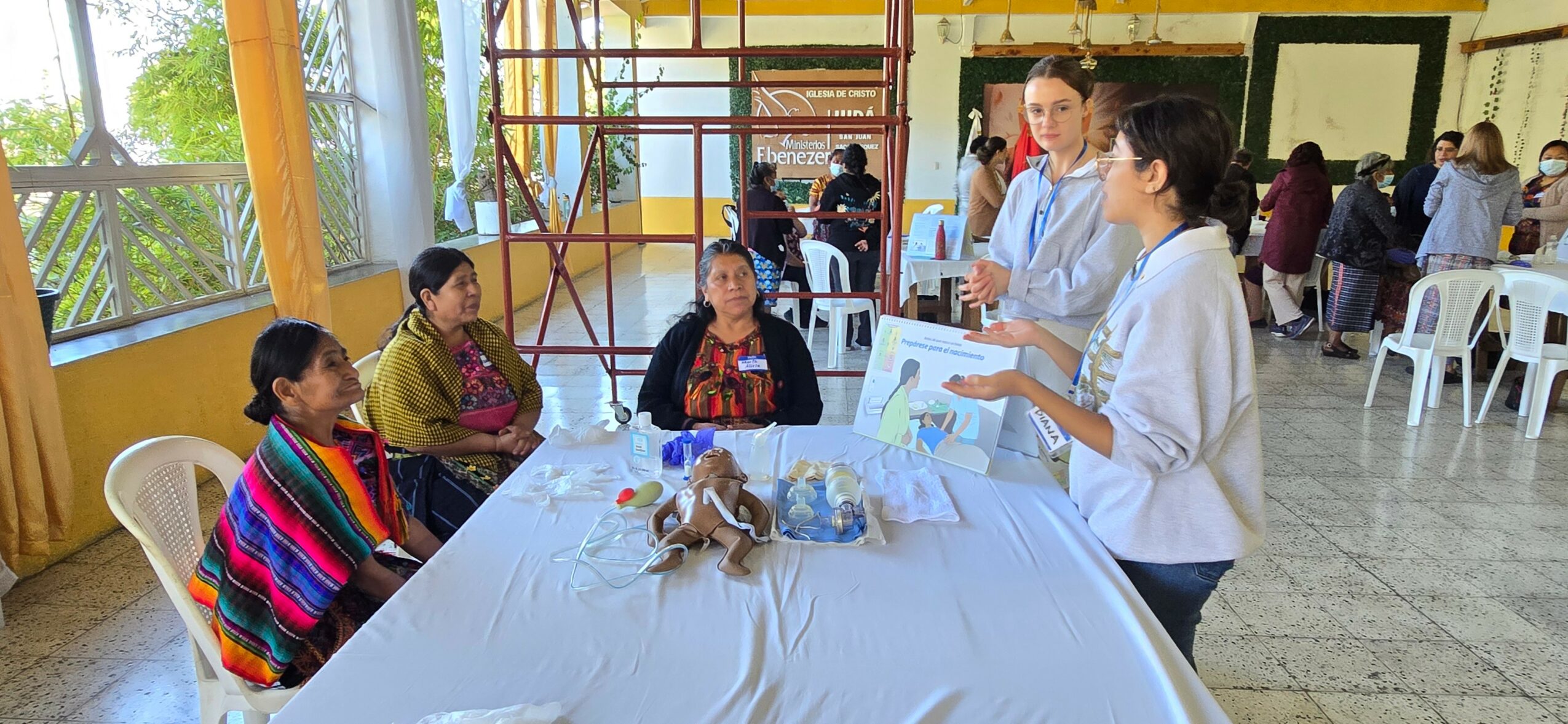
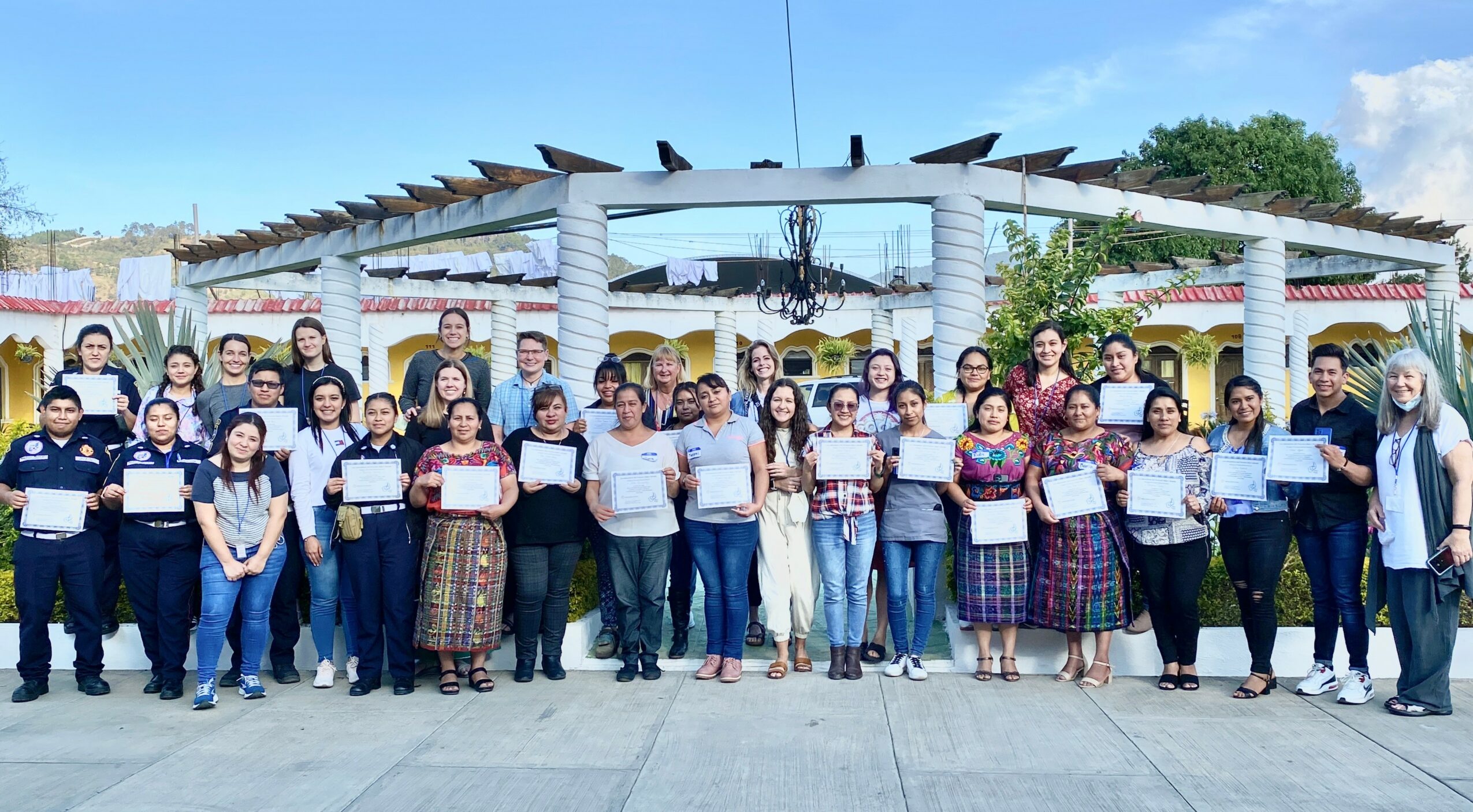
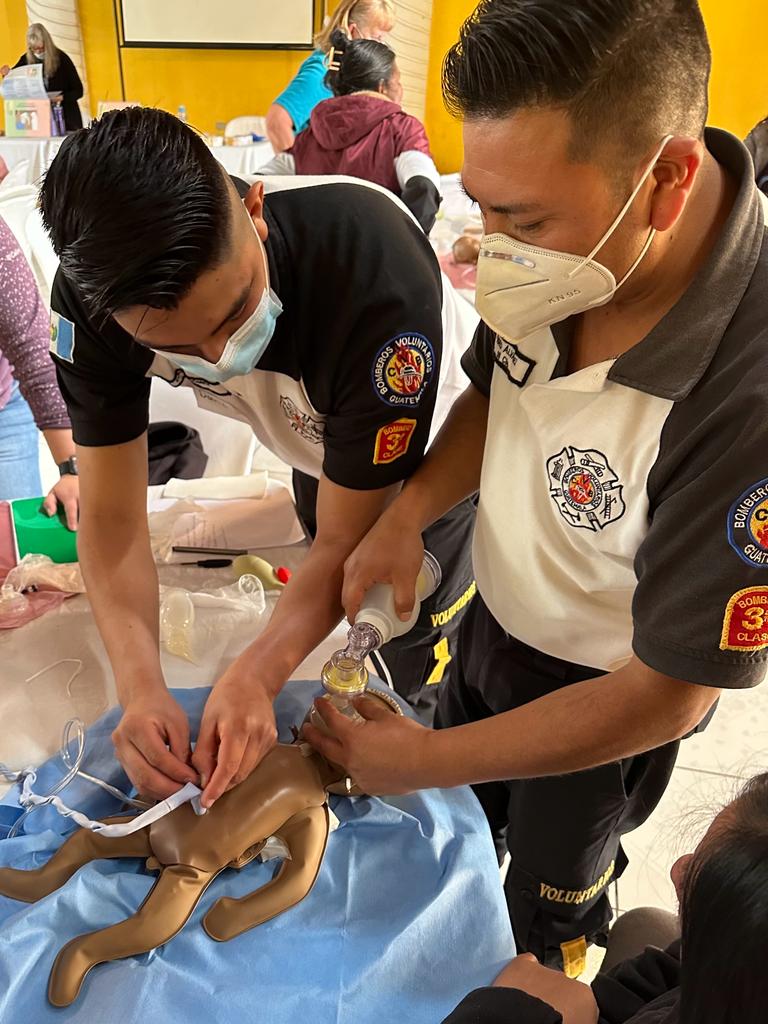
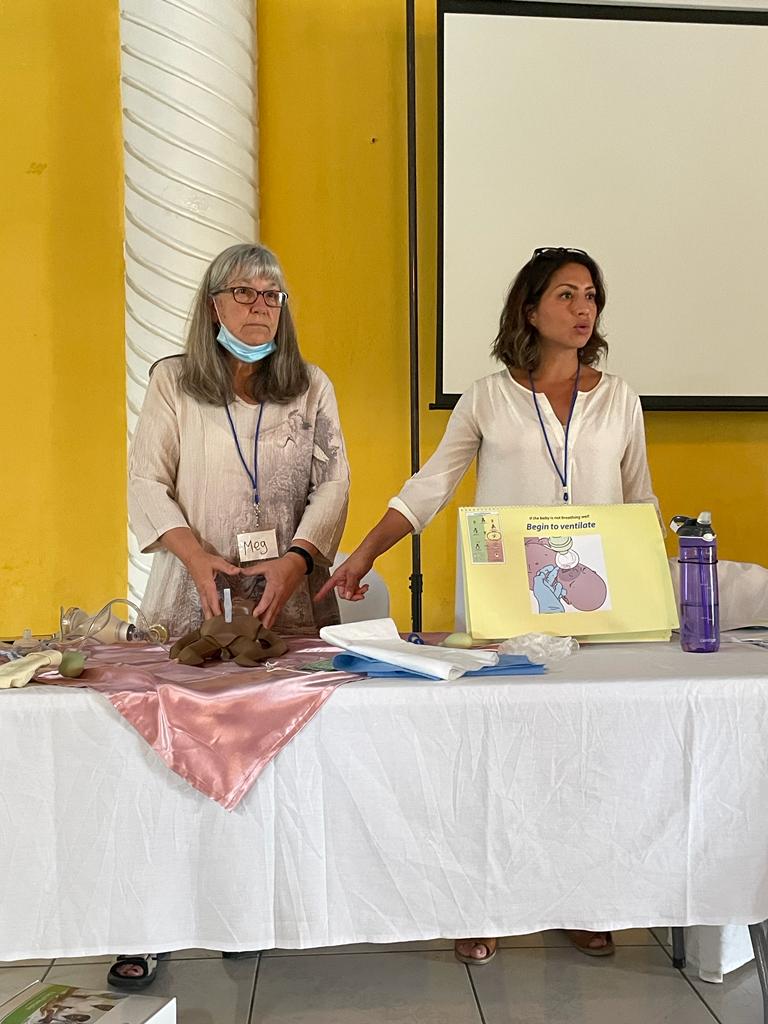
We try to provide a non-stressful sharing of stories and knowledge environment for our attendees. The Essential Newborn Care 1 program improves neonatal resuscitation skills through Hands-on learning and practice using the NeoNatalie newborn doll along with picture charts. We practice in small groups after an initial step is introduced in front of the class. Throughout the day, more steps are added on to the presentation. I am generally doing the teaching in front of the class while the volunteer nurses and doctors provide the hands-on guidance to the small groups. The training lasts a whole day and at the end they receive a certificate and a backpack filled with the medical equipment similar to what they had used during the training. In addition to the midwives who attend our training, firefighters, nurses and doctors also have been coming for the last six years.
We have English to Spanish translators at each table for the volunteers and if necessary, translators are available to translate from Spanish to the Mayan language.
We have taught over 1,000 midwives, firefighters, nurses and doctors since 2012!
Alright, so let’s dig a little deeper into the story – has it been an easy path overall and if not, what were the challenges you’ve had to overcome?
In the beginning fundraising was a challenge. Volunteers had to pay for their flights, meals and accommodations. We rented a van for their transportation and the money we did raise went for printing costs for the educational materials and medical equipment we gave to the hospital. Currently, our fundraising is going somewhat better and we provide transportation and all of the meals and accommodations for our volunteers and translators. The volunteers are responsible for their flights to Guatemala. We also fund the meals for the attendees and purchase the medical equipment that we give to each person at the end of the training.
Finding a mission house to stay at is sometimes a challenge for our large group of volunteers.
Getting our non-profit status took a few years as there were many forms to complete. Eventually we met an attorney who prepared our filings gratis.
Because of the population growth both in Guatemala City and the rural areas, there are more vehicles on the road. What normally might take 45 minutes to get somewhere can now take a couple of hours…. much patience is needed!
A measles outbreak this last year meant that one community could not attend the training. Our liaison in Guatemala quickly filled the space with volunteer fire personnel!
Can you tell our readers more about what you do and what you think sets you apart from others?
First, our organization survives because of all of the volunteers committed to join us in this outreach program. There are no paid positions in Baby’s Breath Project.
As Director, I order the medical equipment that we put in back packs to give to the attendees. I preside at the Board of Directors meetings. I recruit the volunteers. Schedule volunteer team meetings. Write and send the newsletters. I do the official training of the attendees in the classes. I reserve the accommodations in Guatemala. Provide the transportation schedule to our driver. Hire the translators. Make presentations to different organizations in the United States.
I love the work I do with the Guatemalan people! I have had much training and many different experiences over the years, which I love to share with these people. Learning is not always out of the book, but better when applied with a story. And I love to hear their stories and experiences. It is amazing what they can do without all of the medical equipment we are so used to in the United States Hospitals. The fact that they can walk away from our classes with a new feeling of accomplishment is something I cherish. These people are so appreciative for the opportunity to gain new skills. Many come from long distances and it is a huge source of pride for them to have this opportunity to learn more and take something back to their community. I am so thankful for all the volunteer medical personnel who join us each year. And I am thankful that we have the education in newborn care to be able to share with them, just as they have the experiences of how to attend to the mothers during a birth.
How can people work with you, collaborate with you or support you?
Financial support is important. We currently have a small donor base and we would like to expand that base to include more people who are interested in the work that we are doing in Guatemala. This would also give us the opportunity to take more than one team each year. Also, many of the nurses who volunteer are younger and we could make it more possible for them financially to volunteer if we could pay for all of their costs, including airfare to and from Guatemala.
We would love to have volunteer medical personnel join us on our teaching trips to the rural areas of Guatemala. We also would welcome anyone who speaks fluent Spanish and could help with interpreting services.
Because we are a small, volunteer run organization, we do not have the expertise needed to expand Baby’s Breath Project. Anyone who could help us with growing the organization would be a great asset.
Help with our social media and fundraising would be a great benefit.
Contact Info:
- Website: https://babysbreathproject.org
- Facebook: Baby’s Breath Project