





Today we’d like to introduce you to India Salter.
India, we appreciate you taking the time to share your story with us today. Where does your story begin?
My story in early childhood education began nearly a decade ago at Summit School in Duluth, Minnesota. I started as an aide, then became an assistant teacher, lead teacher, and eventually director. Having grown within the same program has shaped the way I see early childhood education, not just as a profession, but as a system that affects children, families, educators, and the broader community.
At the heart of my work is a simple belief: early childhood education is foundational. It is where children begin developing the relationships, emotional regulation, confidence, and curiosity that support them for the rest of their lives. I have seen firsthand how much young children depend on stable, caring, skilled educators. When a classroom has consistency, children feel safe. They settle into routines, build trust, take risks in their learning, and thrive socially and emotionally.
I have also seen what happens when that stability is disrupted. Classrooms experiencing high teacher turnover often struggle to maintain the rhythm and predictability that young children need. The impact shows up quickly in children’s behavior, engagement, emotional security, and ability to participate fully in learning. Those experiences helped me understand that workforce stability is not just an employment issue. It is a child development issue.
Since becoming director in 2021, I have seen another painful reality of the field: educators rarely leave because they do not love the work. Many of them are deeply passionate about children and early learning. More often, they leave because they cannot afford to stay. That is one of the hardest truths about early childhood education. We ask educators to support the most important years of human development, yet too often the field does not provide the compensation, recognition, or professional support needed to make it a sustainable career.
That reality has shaped me as both a leader and an advocate. Today, I lead a nonprofit early childhood education center serving 115 children across nine classrooms with a staff of approximately thirty educators. Every day, I see how directly early childhood education affects families, workplaces, and the health of a community. When child care is stable, families can work. When educators are supported, children benefit. When programs are strong, communities are stronger.
My advocacy has grown from those daily experiences. I have worked with the Minnesota advocacy coalition Kids Count On Us, spoken with local business leaders about the economic impact of child care, and presented to the Duluth Area Chamber of Commerce on the connection between early childhood education and workforce participation. I have also written publicly about the systemic pressures facing early childhood programs, including an OpEd in the Duluth News Tribune about how funding instability and policy decisions affect the consistency young children rely on.
Now, as I pursue doctoral study, I want to better understand how leadership, policy, and public perception shape the early childhood workforce. My goal is to help build systems that recognize early childhood education for what it truly is: the foundation of children’s development and a critical part of community wellbeing. My story is one of growing up within this field, seeing both its beauty and its challenges up close, and becoming increasingly committed to making it stronger for the educators, children, and families who depend on it.
Would you say it’s been a smooth road, and if not what are some of the biggest challenges you’ve faced along the way?
One of the biggest challenges I have faced is caring deeply about a field that is often not valued in the way it deserves to be valued. Early childhood education is essential to children, families, employers, and communities, yet programs are often expected to provide high-quality care and education with limited funding, low public investment, and compensation structures that do not reflect the skill and importance of the work.
As a director, I have had to navigate the difficult reality that many talented educators leave the field not because they lack passion, but because they cannot afford to stay. Supporting staff through that reality while also maintaining consistency for children and families has been one of the most complex parts of my leadership experience. It requires balancing compassion, advocacy, problem-solving, and the daily operational demands of running a program.
Another challenge has been working to shift the perception of early childhood education itself. Too often, the field is viewed as child care alone rather than as a critical period of education, development, and brain growth. I have had to learn how to communicate the value of this work to families, community members, business leaders, and policymakers in ways that connect early childhood education to broader issues such as workforce participation, economic stability, and long-term community wellbeing.
These challenges have shaped me as both a leader and an advocate. They have strengthened my commitment to creating systems that better support educators, stabilize programs, and honor the developmental importance of the early years. Rather than discouraging me, these obstacles have clarified the work I want to do and the impact I hope to have in the field.
Alright, so let’s switch gears a bit and talk business. What should we know about your work?
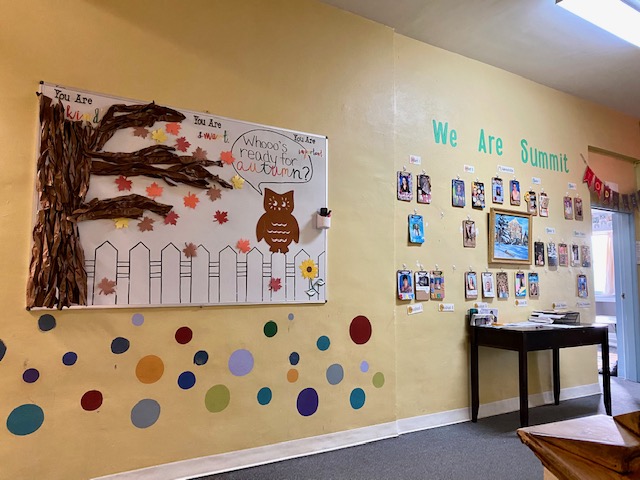
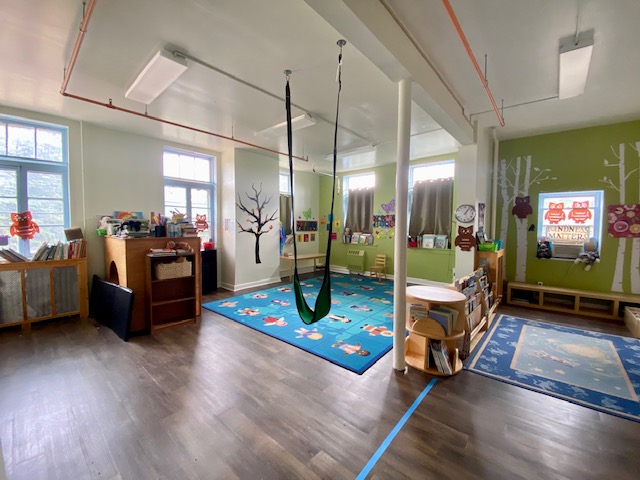
I am an early childhood education leader, advocate, and doctoral student whose work centers on strengthening the systems that support young children, families, and educators. As the Director of Education at Summit School in Duluth, Minnesota, I lead a nonprofit early childhood education program serving 115 children across nine classrooms with a team of approximately thirty educators.
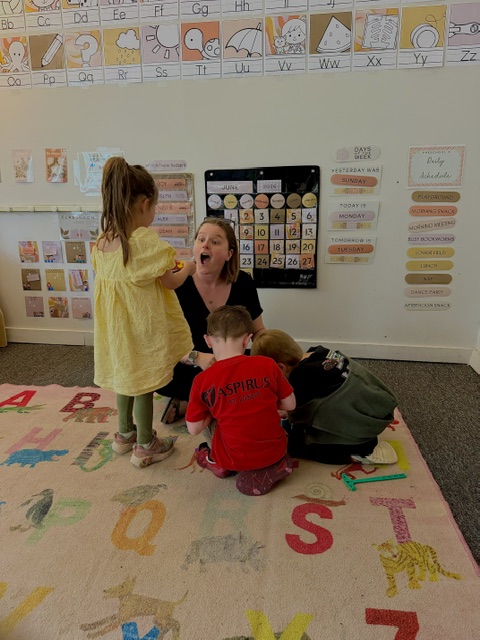
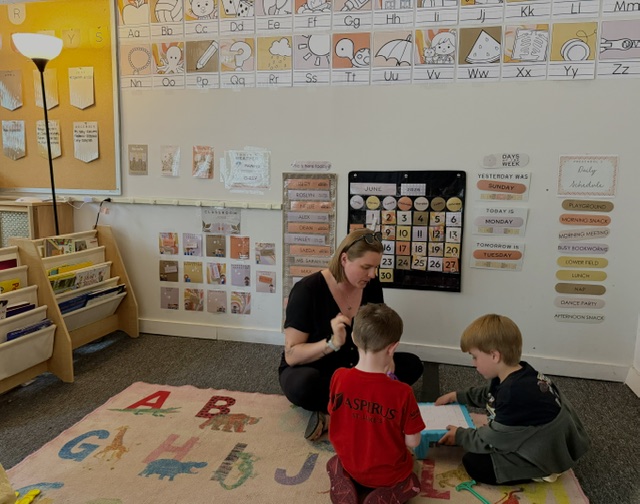
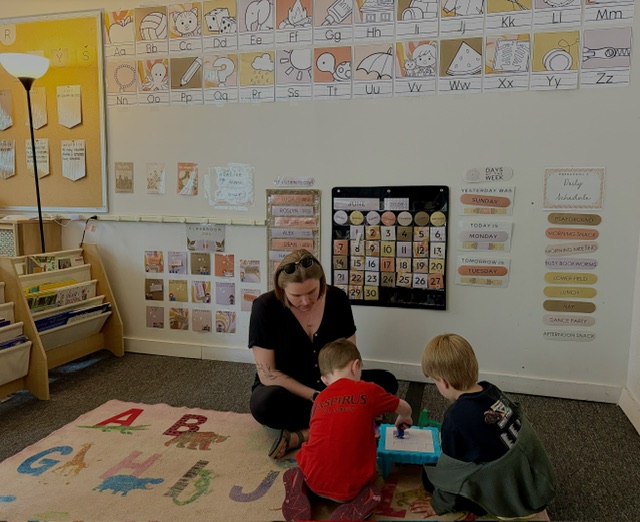
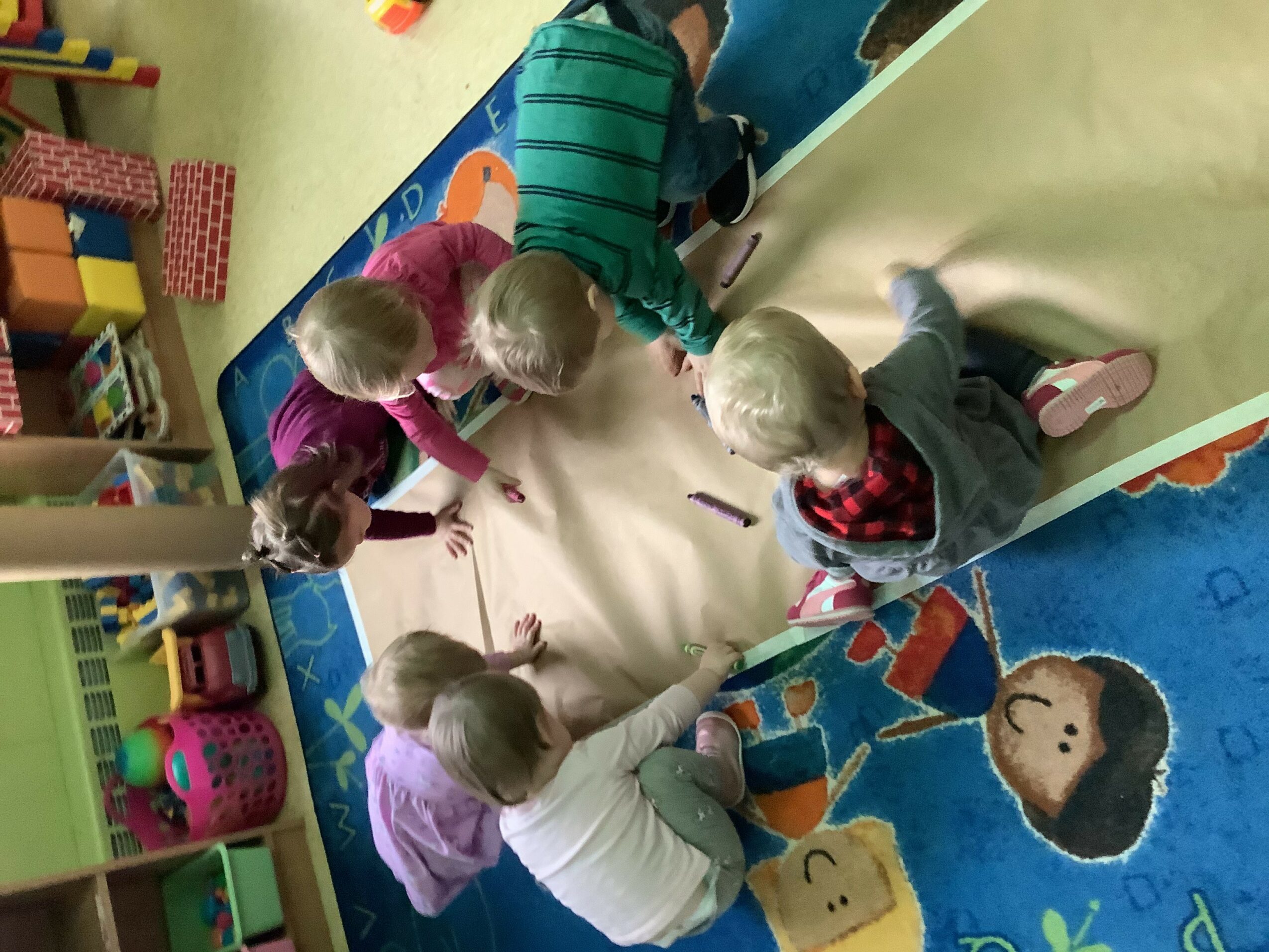
My work is focused on creating stable, high-quality early learning environments where children can feel safe, build relationships, regulate emotions, and develop the foundational skills they need for lifelong learning. I specialize in early childhood leadership, workforce stability, educator support, and helping others understand that early childhood education is not simply child care, it is the foundation of human development.
I am known for being deeply committed to the people behind the work: the children, families, and especially the educators who make high-quality early learning possible. Because I have worked my way through multiple roles at Summit, I understand the field from both the classroom and leadership perspectives. That experience allows me to lead with practicality, empathy, and a clear understanding of what educators need in order to stay and thrive.
One of the things I am most proud of is becoming a voice for the early childhood field beyond the walls of my own program. I have engaged in advocacy work, spoken with local business leaders, presented to the Duluth Area Chamber of Commerce, and written publicly about the systemic challenges facing early childhood education. I am proud that I can help connect what happens in early childhood classrooms to larger conversations about workforce participation, community wellbeing, economic stability, and public policy.
What sets me apart is that my perspective is both personal and systems-based. I have lived the day-to-day reality of early childhood education from inside the classroom, and I now lead at the program level while pursuing doctoral research focused on workforce sustainability. I care deeply about the children in front of me each day, but I am also committed to changing the conditions that shape the field as a whole. My goal is to help early childhood education be recognized, supported, and valued as the essential profession it truly is.
What makes you happy?
What makes me happiest is feeling connected to the people and places that matter most to me. I find a lot of joy in the everyday moments: spending time with my family, being with our dogs, enjoying time outside, and finding small pockets of calm in an otherwise busy life.
Professionally, I am happiest when I can see that my work is making a real difference. In early childhood education, the impact is often found in small but meaningful moments- a child feeling safe enough to try something new, a new family feeling supported, or an educator feeling seen and valued. Those moments remind me why the work matters.
I am also happy when I feel like I am moving toward something purposeful. Whether I am leading at Summit, advocating for the early childhood field, or preparing for doctoral study, I feel most fulfilled when my work connects to a larger goal: helping children, families, educators, and communities thrive.
Ultimately, what makes me happy is a combination of purpose, connection, and peace- doing meaningful work, being surrounded by people I love, and having time to enjoy the life I am building.
Contact Info:
- Website: https://www.summitschoolduluth.com
- Facebook: https://www.facebook.com/summitschooltoday
- LinkedIn: https://www.linkedin.com/in/india-salter/