




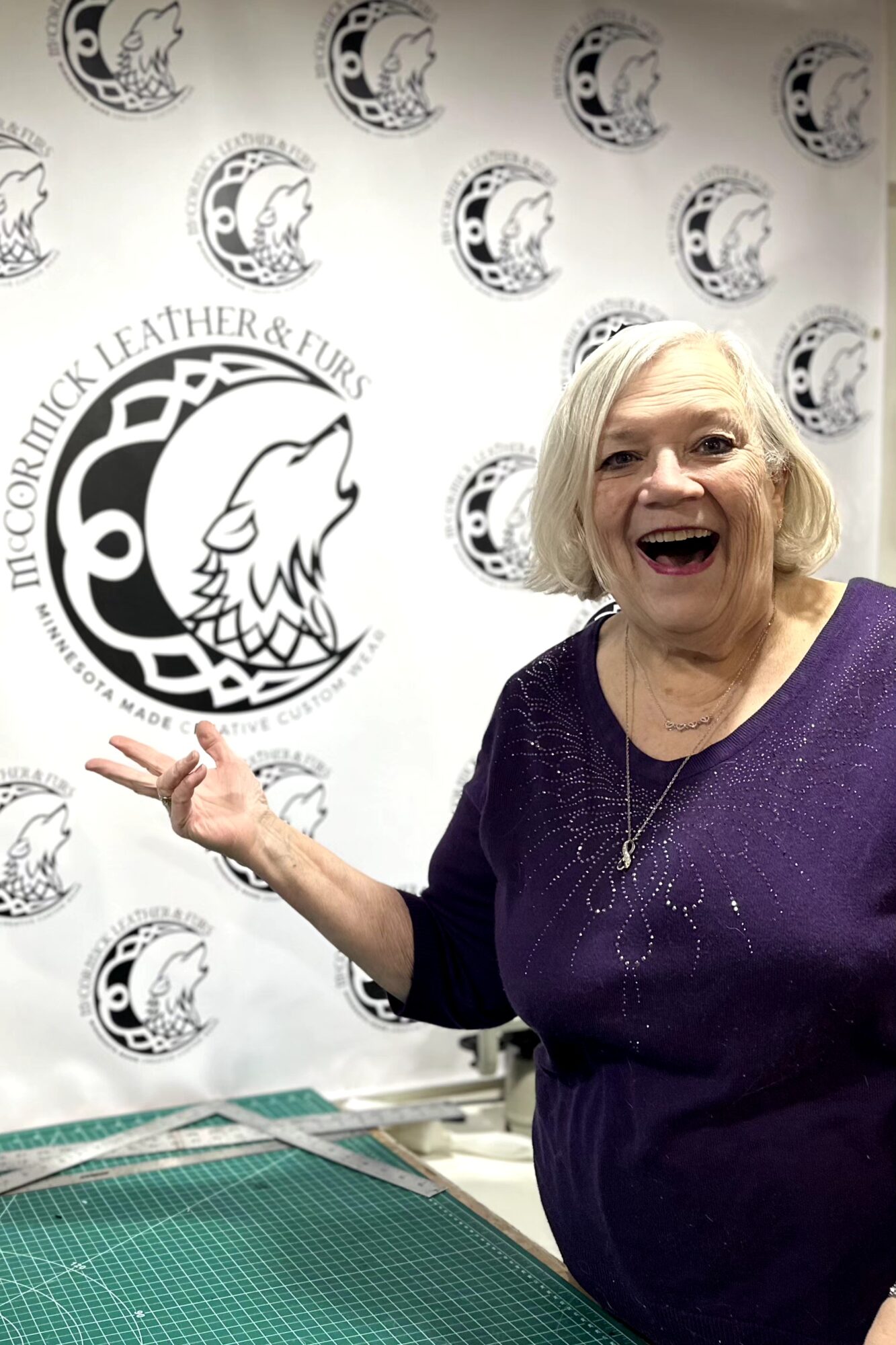
Today we’d like to introduce you to Deanna McCormick.
Alright, so thank you so much for sharing your story and insight with our readers. To kick things off, can you tell us a bit about how you got started?
My story is more like a tapestry of art and vison. I was introduced to fashion at the skirt of my mother we made Barbie Doll clothes together and from then on, I was hooked. I saved photos from magazines, used all her fabric scraps to have the fanciest dolls and from there it was making my own clothes. I attended the Minneapolis Vocational Tech School for Apparel Arts and found tailoring was my passion with all the fabrics it was a endless avenue to explore with making quality suits, from quality fabrics, not just the gingham dress. My talents evolved and I won the American Wool Contest for outwear and that followed with the Golden Shears award offered by my school, my advisor had an upscale retail furrier that was searching for talent and they selected ME. I apprenticed at the bench and worked for them for 13 years right out of high school. This full-service furrier that had top level clients that expected only the best. We catered to their needs and my manager a master furrier, took me under his wing and showed me everything. We serviced over 3500 coats each season for cleaning and repairs besides making new custom fur coats and accessories for clients, each with their own dream of being that perfect Barbie Doll. I just loved making those dreams come true. I continued my education by taking business classes and more design courses at Minneapolis College of Art and Design, while working full time and raising a family. I stayed working in the retail fur business for the next 45 years. Managed and ran a full-service fur retailer where we had fabulous clients. I really wanted to teach, but the classroom wasn’t happening in the area. The sewing industry in Minneapolis was on the downswing,it seemed like ready to wear fashion was less expensive made overseas. So, my opportunity to teach was again at the bench, training new employees on fur sewing techniques and in sales.
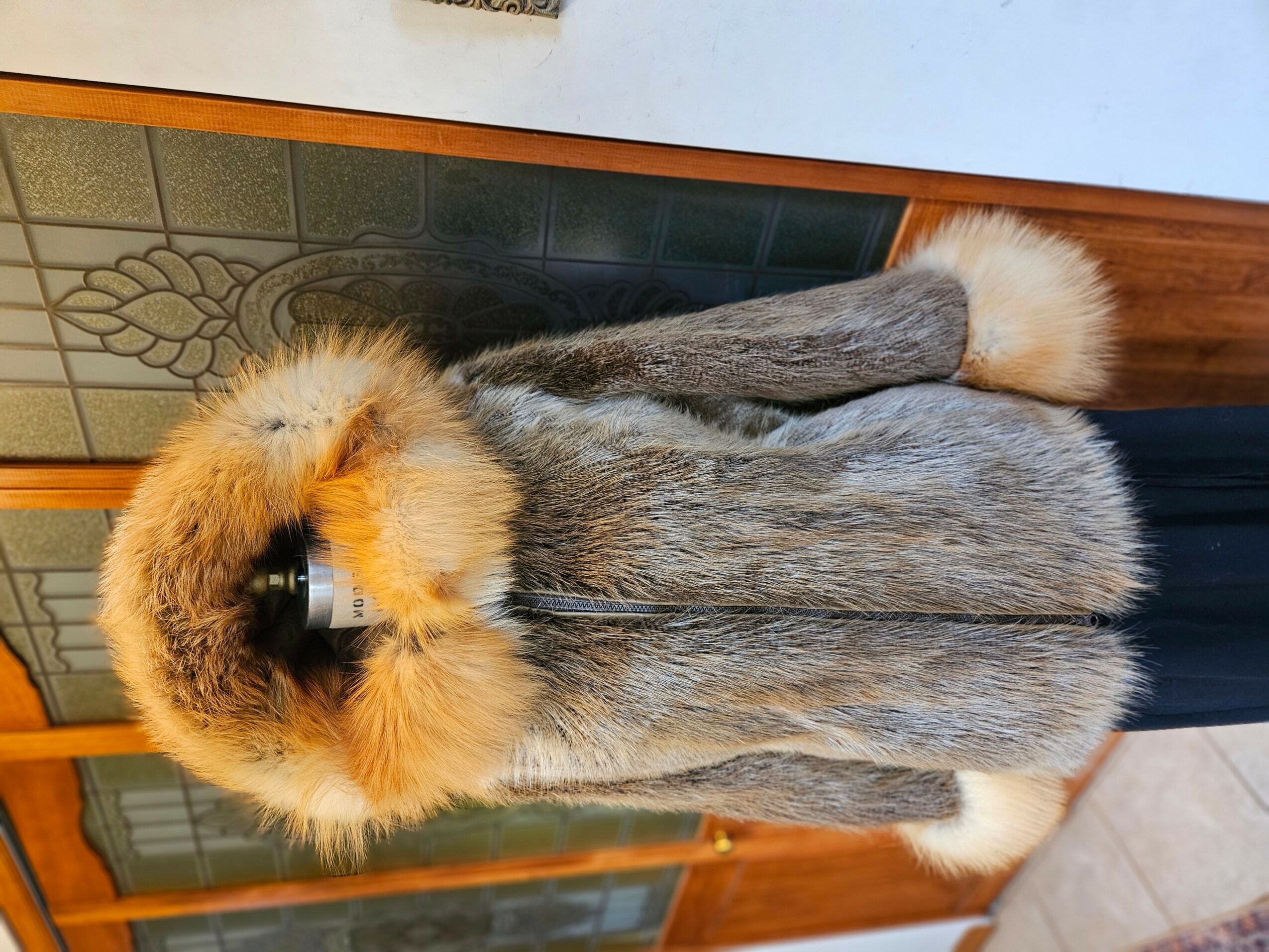
Fur is much more than luxury, it is warm, and it makes a statement, each fur type has its own characteristics of how it needs to be fashioned and designed to be made into a serviceable coat or jacket to bring the beauty of each pelt to the maximum use. Rare is the master furrier that can learn all they aspects of such a variety of furs. Fur is expensive because it is so labor extensive and yet it remains a sensible investment because it can be worn for years and altered to give clients continued use. A renewable resource that is a natural source to use. Not only is the fur itself, but the components that go into a coat the silk linings, the combination of leather, gives such a variety to the customer that its never boring.
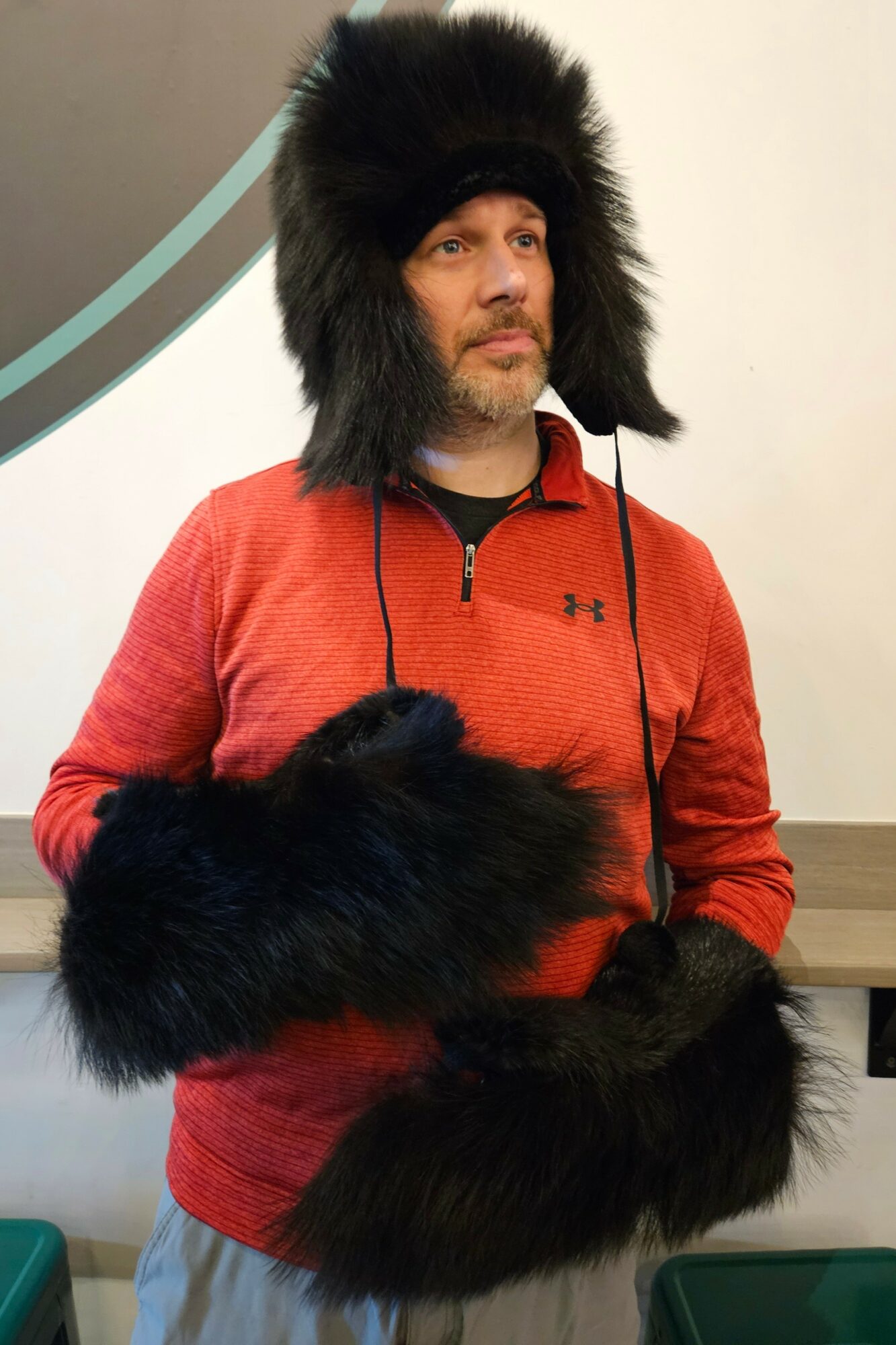
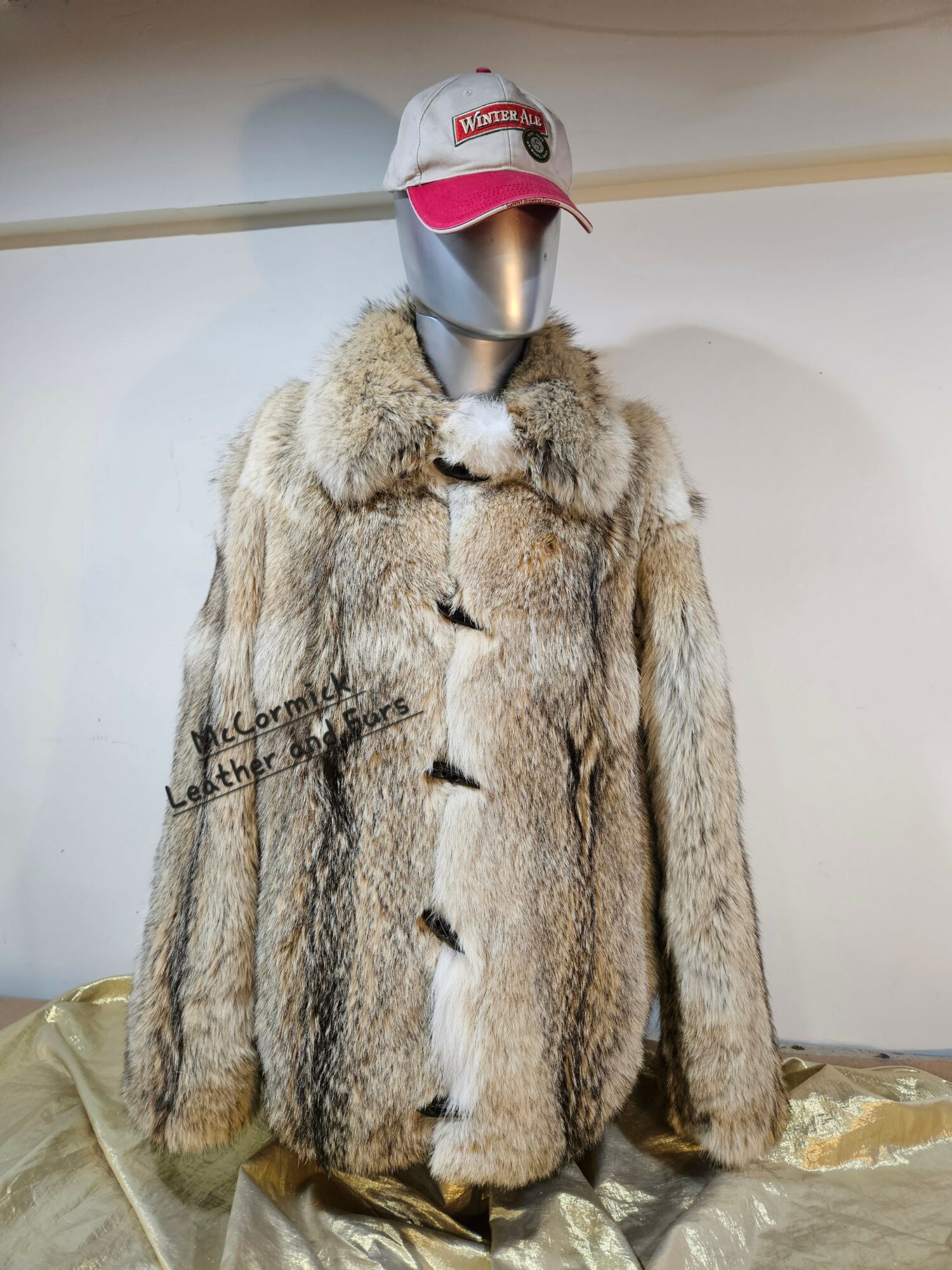
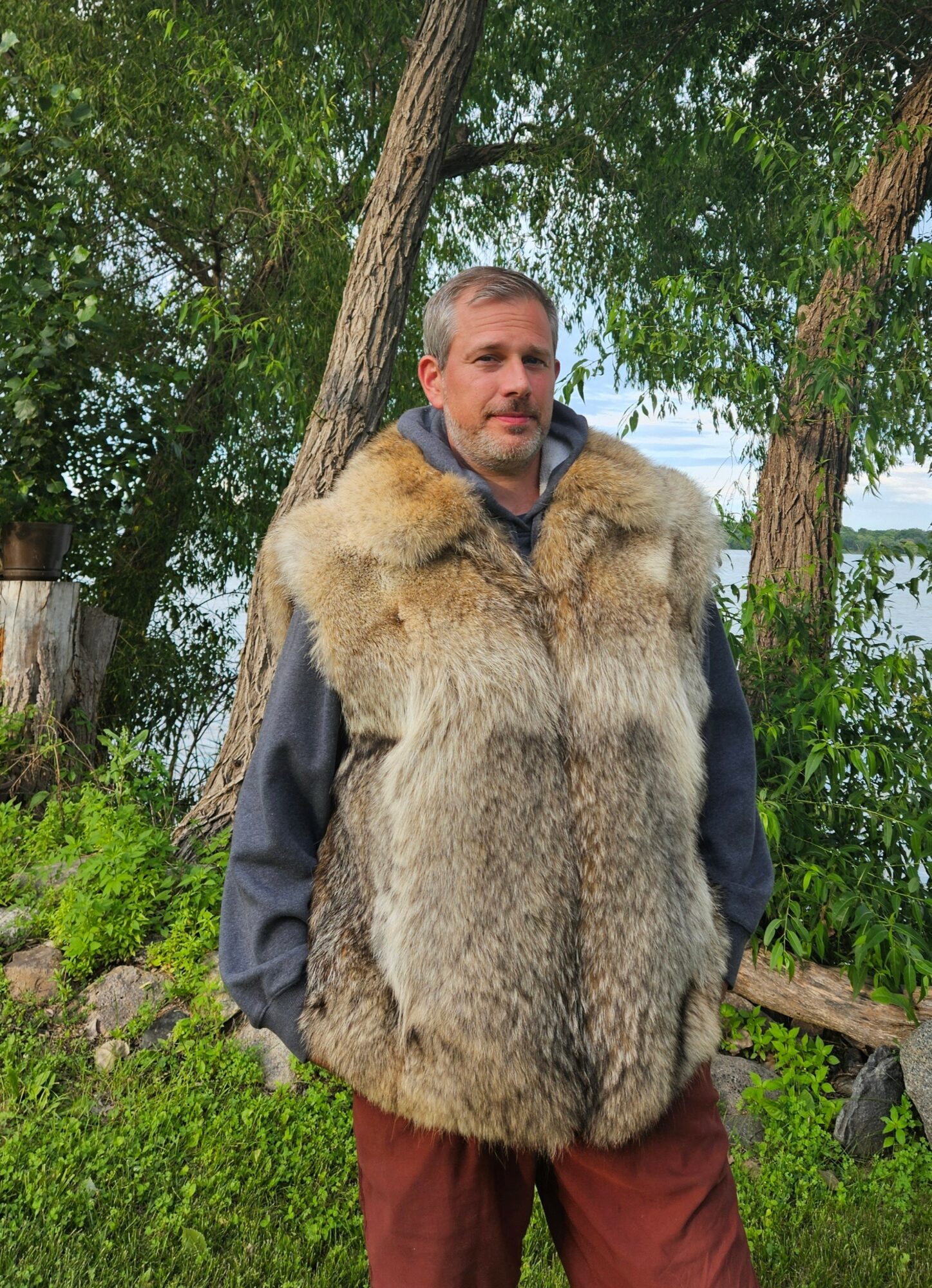
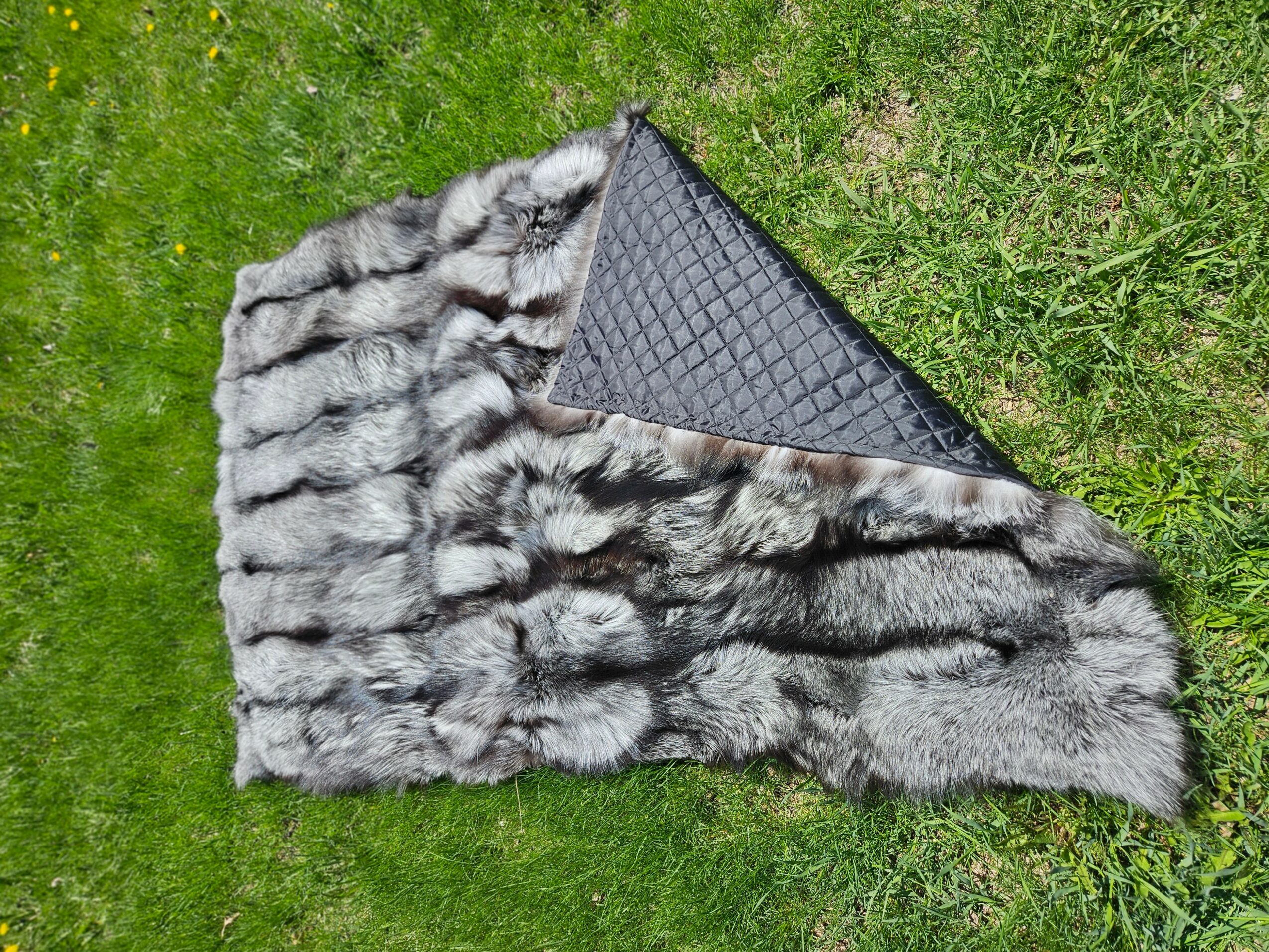
For the past 5 years after retiring, I’m am more focused on training and doing custom work for sportsmen that supply me with their own wild type furs to design coats, blankets, hats, and a variety of outerwear to use. They are proud to show off their warm useful beautifully custom designed items and know the true value of a renewable resource and how it’s obtained. My teaching now is giving new talent the guidance of taking a 2 or 3 day fur course lessons at my bench, and I’ve had students from all over the USA come to expand their skill level and travel to give classes also. Another way for me to share has been on YouTube, I have a viewers from many countries that learn different ways to make fur items from new fresh fur pelts to using vintage coats for a upcycle look. I also started a Facebook group with 3 other furriers, each of us with a slightly different focus to engage furriers on the techniques and uses of fur. The group is the “Furs, Skins, Sewing the Craft of Furriers” and currently we have 5500 members, that share techniques they craft fur items with. Join our group for fun ideas in fur.
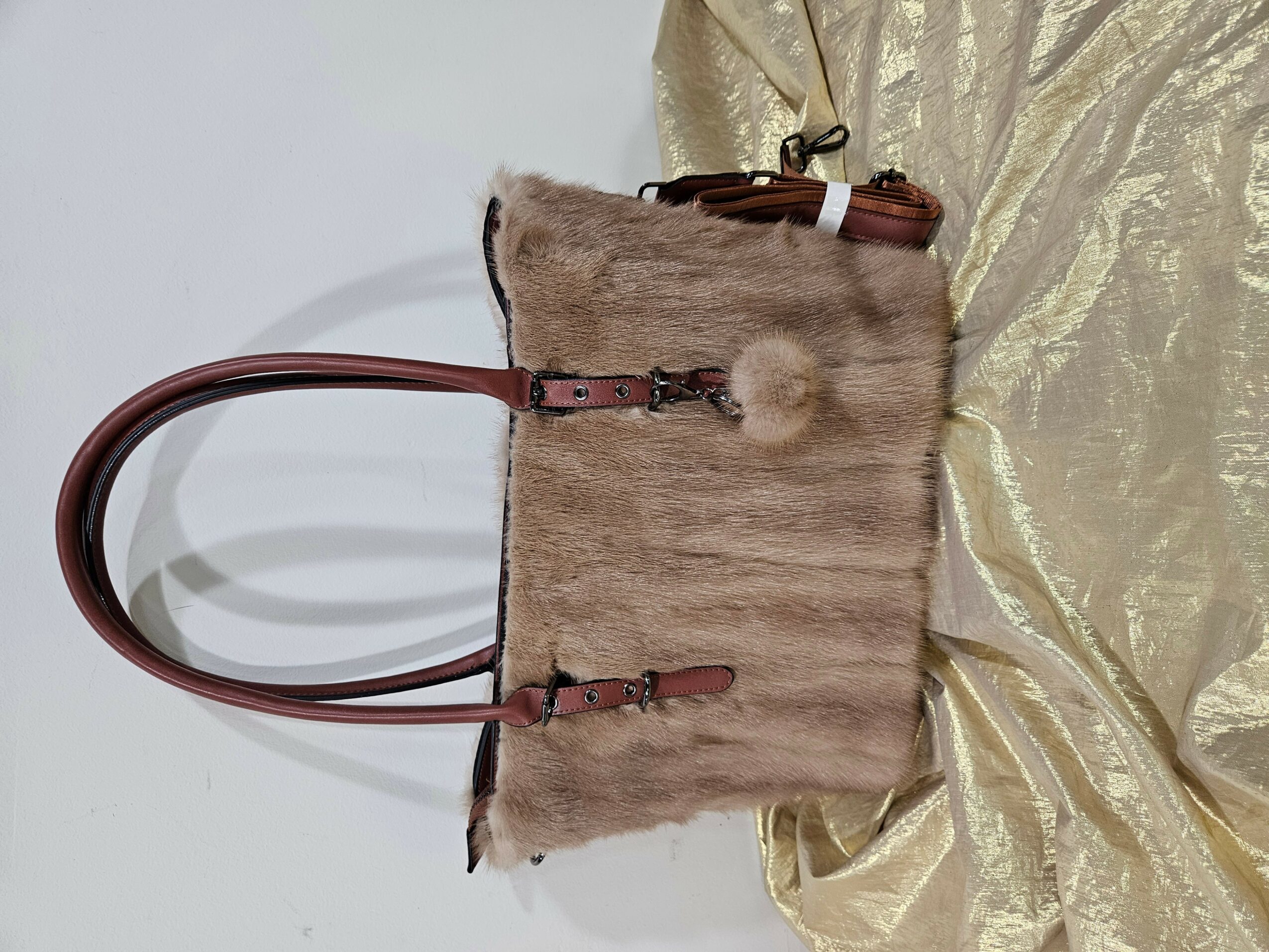
Is fur limited to Fashion ? NO, Home decor is a big market for fur, from furniture to soft goods, pillows,throws and blankets. And don’t forget the novelty items key chains, stuffed animal toys and footwear, fur slippers are a cozy choice, mukluks for outdoor exploring.
Does training ever stop? Not for me I’ll be attending a seminar in Finland at SAGA, Scandinavian Mink Workshop where I’m looking forward to learning more techniques to share.
So, at 70 I have over 50 years’ experience working with Fur Fashion and it’s still Fun.
We all face challenges, but looking back would you describe it as a relatively smooth road?
Bumps happen it all our careers, I’d say the only thing I could have done earlier maybe 20 years ago, would have been to start my own business in fur, instead of working solely for retailers. But the interaction of the work place knowing your contributing to keep a business thriving was a reward, and I loved it.
Appreciate you sharing that. What else should we know about what you do?
What sets my business apart from others is that I’m trained, I know Fur, and I can answer questions and give clients a educated answer to what they want. From making a custom jacket designed from taking measurements and selecting the style to simple repair of a tear in their coat. I can do it. Not many can do full service by themselves.
My garments on the clients I have sold items to are what makes my work shine and I appreciate all their referrals. It’s not till someone has had a bad experience that they wish they had worked with me first.
Before we let you go, we’ve got to ask if you have any advice for those who are just starting out?
New talent in furs as a furrier needs basic sewing skills, how to measure, sew fabric, use of a regular sewing machine is key. They need deep pockets to afford fur to work with and most start with vintage fur pieces to recreate items with. The starting craftsman may hand sew fur on small projects but will soon learn the need for a Fur Machine to properly sew join each fur together.
The other tools are numerous and I’d recommend a visit to a furrier or a workshop. Its a great way to figure if it’s more of a hobby or a right career for your type of venture. It’s a trade you learn from another furrier, the schools that were available in the 1960’s are not there anymore, and the seasoned furriers are retiring and once those people are gone so is this vast knowledge of techniques.
The aspect of jumping in to the fur business as a furrier is big investment of time and funds. Your shop area needs to be a sufficient space. My advice is to pick maybe 3 or 4 items to make and get proficient before you really think this is what will be more of a hobby or are you going to make it a career.
Contact Info:
- Website: https://mccormickleatherandfurs.com/
- Facebook: https://www.facebook.com/profile.php?id=100075482635945
- Youtube: https://www.youtube.com/@McCormickLeatherandFurs