




Today we’d like to introduce you to Sasha Howell.
Hi Sasha , we’d love for you to start by introducing yourself.
My background is in costume design, theater, education, and creative production, so I have spent a lot of my life helping people use clothing to tell stories, solve problems, and feel more like themselves.
Rebel Threads grew out of that work, but also out of a bigger question: what if sewing, repair, costume, and fashion could be more accessible to regular people? Not just people with formal training or expensive tools, but anyone with curiosity, a project, a pile of clothes they don’t know what to do with, or a creative idea they need help bringing to life.
Over time, I started seeing the same needs again and again. People wanted to learn basic sewing skills. Schools and theaters needed affordable costume support. Community members wanted to repair or alter what they already owned. And so many textiles were being wasted when they still had life left in them.
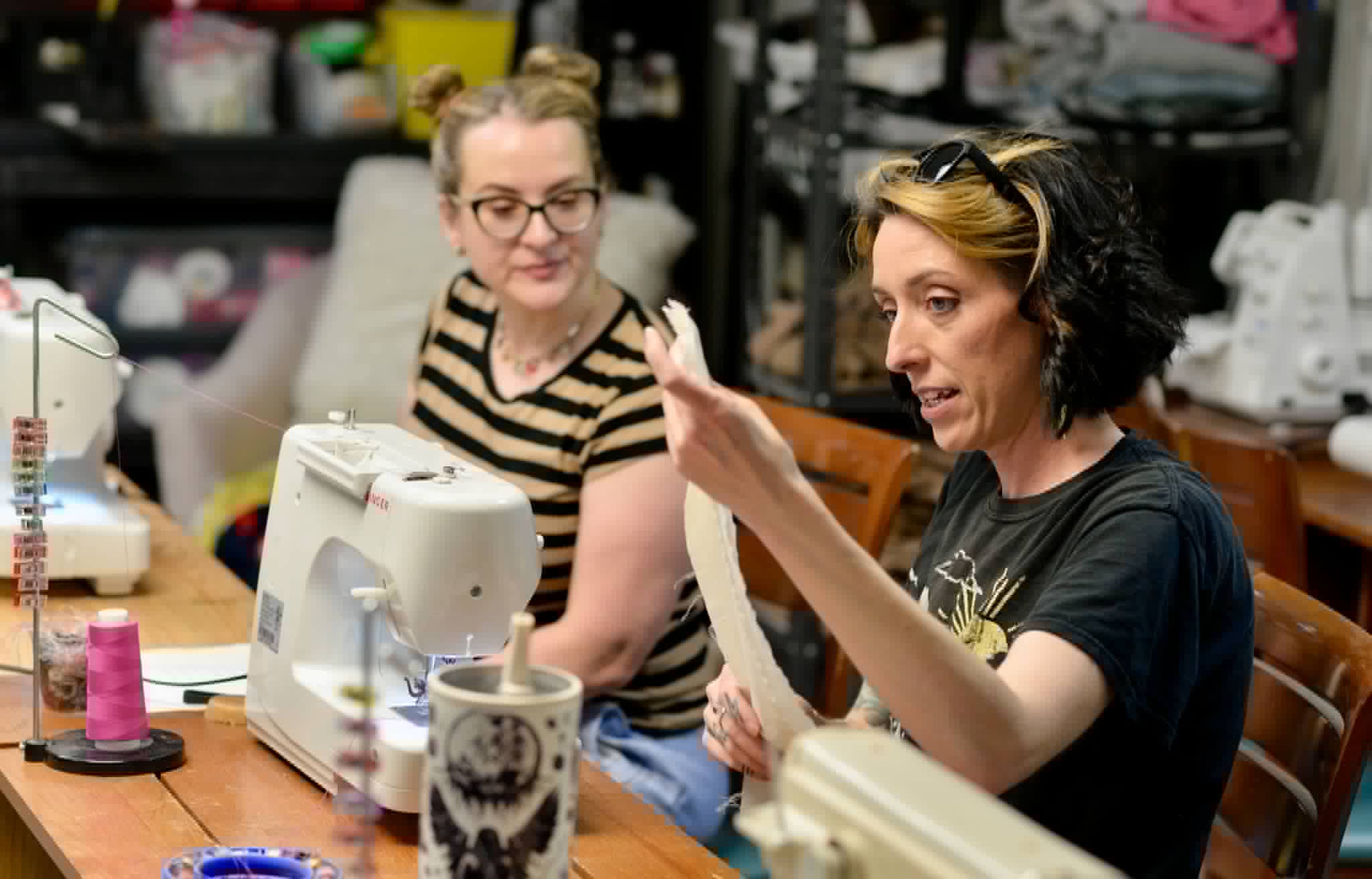
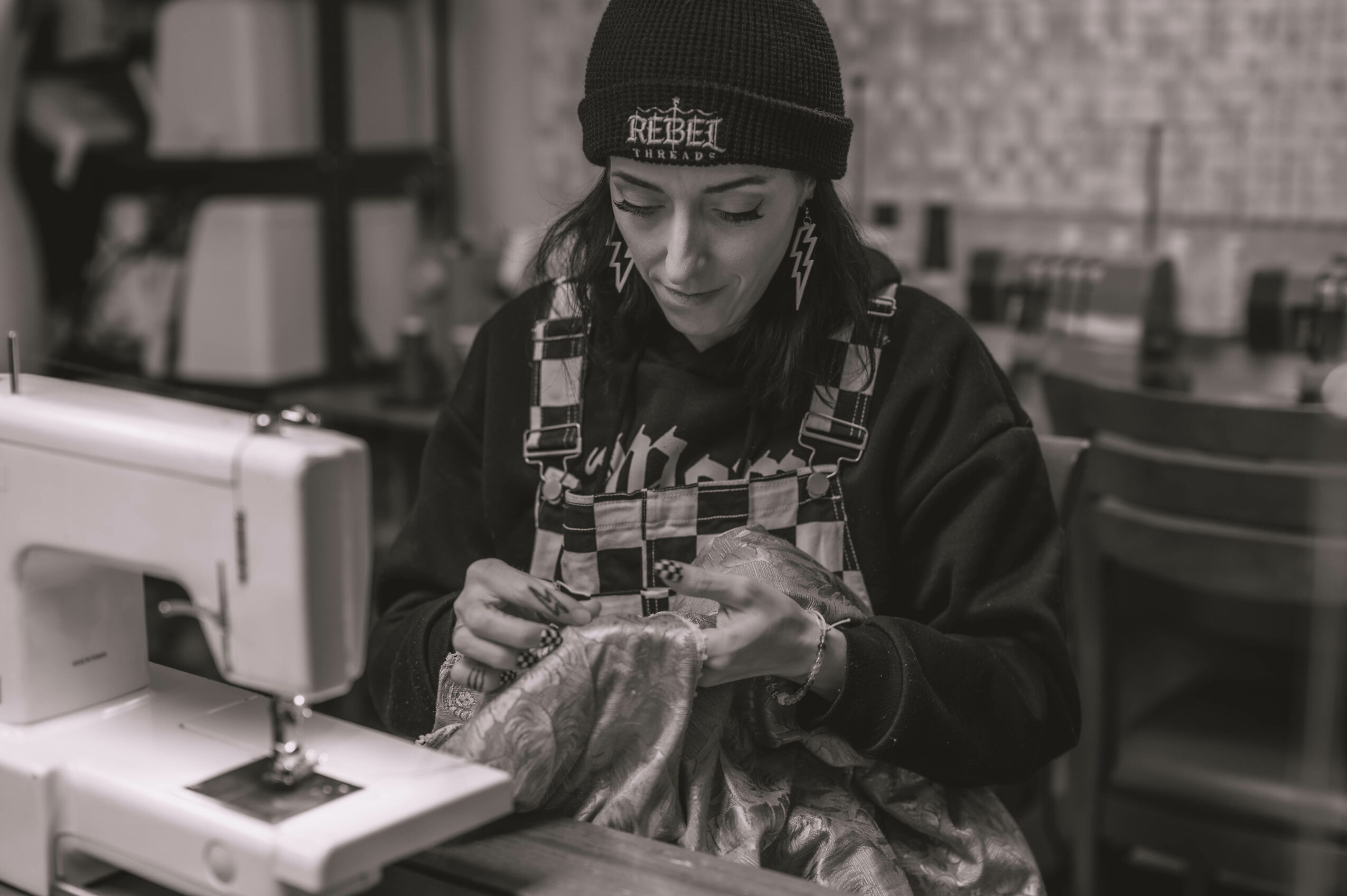
That is really where Rebel Threads came from. It is part costume shop, part sewing classroom, part alterations studio, part creative reuse space, and part community hub. I am building it as a place where people can learn, create, reclaim, and feel more confident in their bodies, their skills, and their ideas.
Getting here has been a mix of grit, community support, a lot of late nights, and a very real belief that fashion can be about more than trends. It can be about identity, sustainability, access, mental health, and connection. I am still very much building as I go, but every class, every repair, every costume rental, and every person who walks through the door reminds me that this work matters.
We all face challenges, but looking back would you describe it as a relatively smooth road?
No, it definitely has not been a smooth road, but I also do not think most meaningful things are.
One of the biggest struggles has been building something that does not fit neatly into one box. Rebel Threads is part costume shop, part sewing classroom, part alterations studio, part creative reuse space, and part community hub. That makes it exciting, but it also means I have had to do a lot of explaining, testing, and refining so people understand what it is and how they can use it.
Funding and cash flow have also been real challenges. Starting a physical space with equipment, rent, insurance, inventory, and supplies is a lot, especially as a solo founder and single parent. There have been plenty of moments where I have had to be creative not just with fabric, but with budgeting, timing, and finding community support.
I have also had to learn the business side while doing the work itself. I come from a creative and production background, so things like bookkeeping systems, pricing, funding applications, marketing, and long-term planning have been a learning curve. I have had to grow into the role of founder while still being the person hemming the pants, teaching the class, pulling costumes, answering emails, and hauling racks around.
But the challenges have also clarified the mission. Every obstacle has helped me understand what Rebel Threads needs to become: a place that makes sewing, repair, costume, and creative reuse more accessible, less intimidating, and more connected to community. The road has not been smooth, but it has been deeply affirming.
Appreciate you sharing that. What else should we know about what you do?
My work lives at the intersection of clothing, creativity, sustainability, and community.
Through Rebel Threads, I offer costume rentals, alterations, custom sewing, styling support, sewing education, and creative reuse programming. At its core, Rebel Threads is a place where people can come with a project, a problem, a pile of fabric, a costume need, or a clothing item that almost works… and we help them figure out what is possible.
I specialize in resourceful, story-driven clothing work. My background is in costume design, so I am used to solving problems creatively, working with limited budgets, making things fit real bodies, and helping clothing communicate something. Whether I am pulling costumes for a theater production, teaching someone how to use a sewing machine, altering a garment, or helping someone rethink what they already own, I am always thinking about how clothing can help people feel more confident, expressive, and connected.
I think Rebel Threads is becoming known for being approachable, creative, and a little bit scrappy in the best way. We are not a traditional boutique, a standard alterations shop, or just a costume rental house. We are building something more layered: a sewing classroom, a creative reuse space, a costume resource, and a community hub for people who want to learn, repair, reclaim, and create.
What I am most proud of is that this work makes skills and resources feel less intimidating. Sewing can feel inaccessible. Fashion can feel exclusionary. Sustainability can feel overwhelming. I want Rebel Threads to be a place where people feel welcome wherever they are starting from.
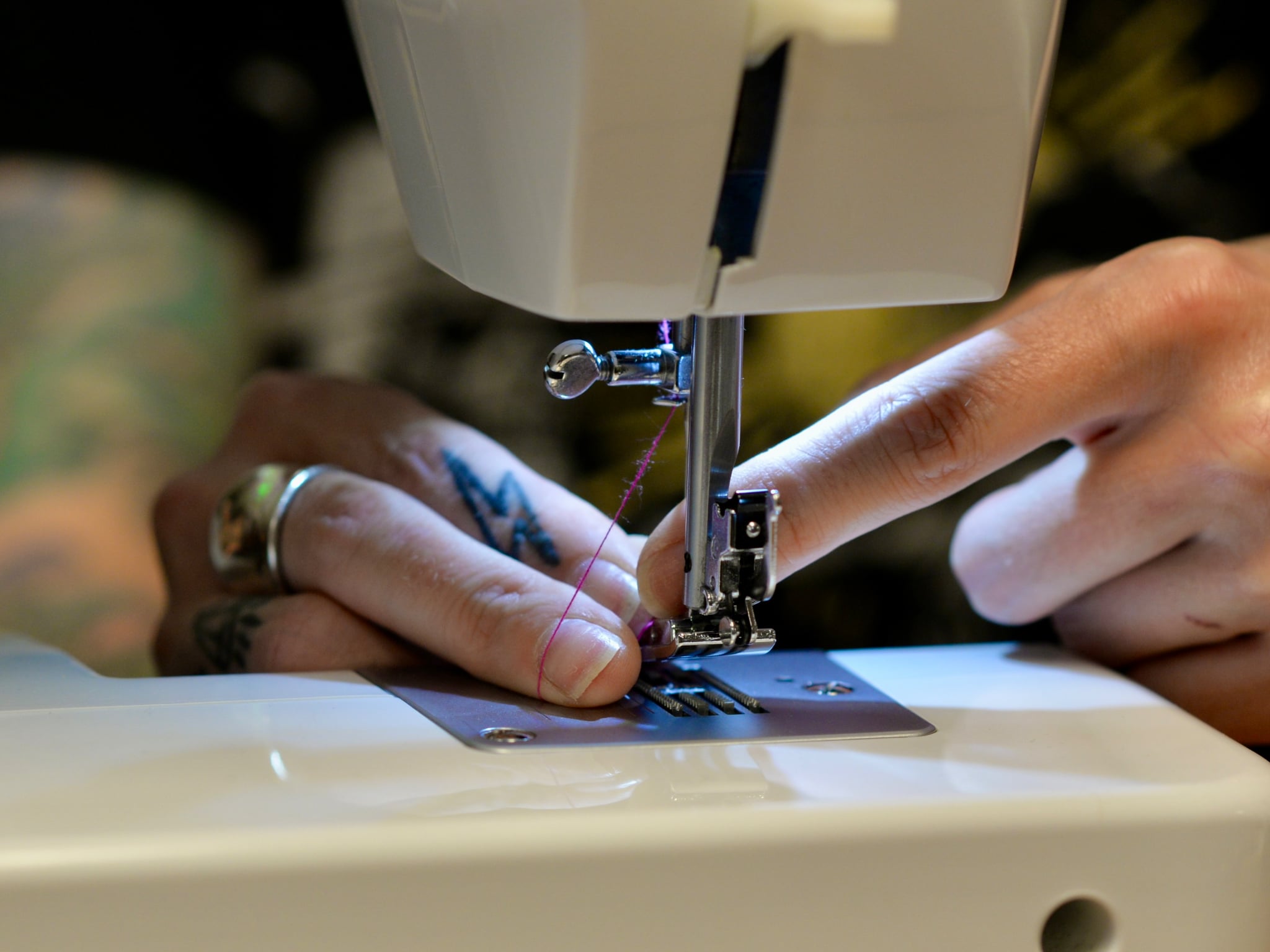
What sets us apart is that we are not just selling a product or a service. We are helping people build confidence, solve problems, reduce waste, and reconnect with their own creativity. I am proud that Rebel Threads can support a high school theater production one day, teach a beginner how to thread a machine the next, alter someone’s favorite pants, rescue textiles from the waste stream, and help someone feel more like themselves in what they wear.
What sort of changes are you expecting over the next 5-10 years?
I think the fashion, textile, and creative reuse industries are heading toward a major shift over the next 5 to 10 years. For a long time, fashion has been built around speed, volume, and disposability. I think we are reaching a point where that model is becoming harder to ignore, both environmentally and economically.
One of the biggest shifts I see is a return to repair, reuse, resale, rental, and education. People are starting to ask better questions: Can this be fixed? Can this be altered? Can this be passed on? Can this material become something else? Can I learn the skill instead of replacing the item? That is where I think small, local, skill-based businesses have a real opportunity.
There is also a growing awareness that textile waste is not just a personal closet problem. It is an industry-wide systems problem. Global estimates vary, but major reports estimate that tens of millions of tonnes of textile waste are produced every year, with some newer estimates putting discarded clothing and textiles even higher. At the same time, the secondhand market is growing, and policy conversations around textile recycling, producer responsibility, repair, and the destruction of unsold clothing are becoming much more serious.
I think we will see more demand for circular fashion models: rental, repair, upcycling, mending, alterations, material recovery, and local reuse networks. The EU is already moving toward rules that discourage the destruction of unsold clothing and footwear, and I think those kinds of policies will continue shaping the broader industry conversation.
But I also think the future is not just about sustainability as a buzzword. It is about access. A lot of people want to make better choices, but they need affordable options, practical skills, and welcoming spaces. That is where I see Rebel Threads fitting in. We are helping people reconnect with clothing as something that has value, story, function, and possibility.
In the next 5 to 10 years, I hope businesses like Rebel Threads become less unusual. I hope every community has access to places where people can learn sewing, repair clothing, rent costumes, reuse materials, and get creative support. I think the future of fashion has to be more local, more circular, more inclusive, and much less disposable.
Contact Info:
- Website: https://rebelthreadsmakerspace.com
- Instagram: @rebelthreadsmakerspace
- Facebook: https://www.facebook.com/p/Rebel-Threads-61573043343284/