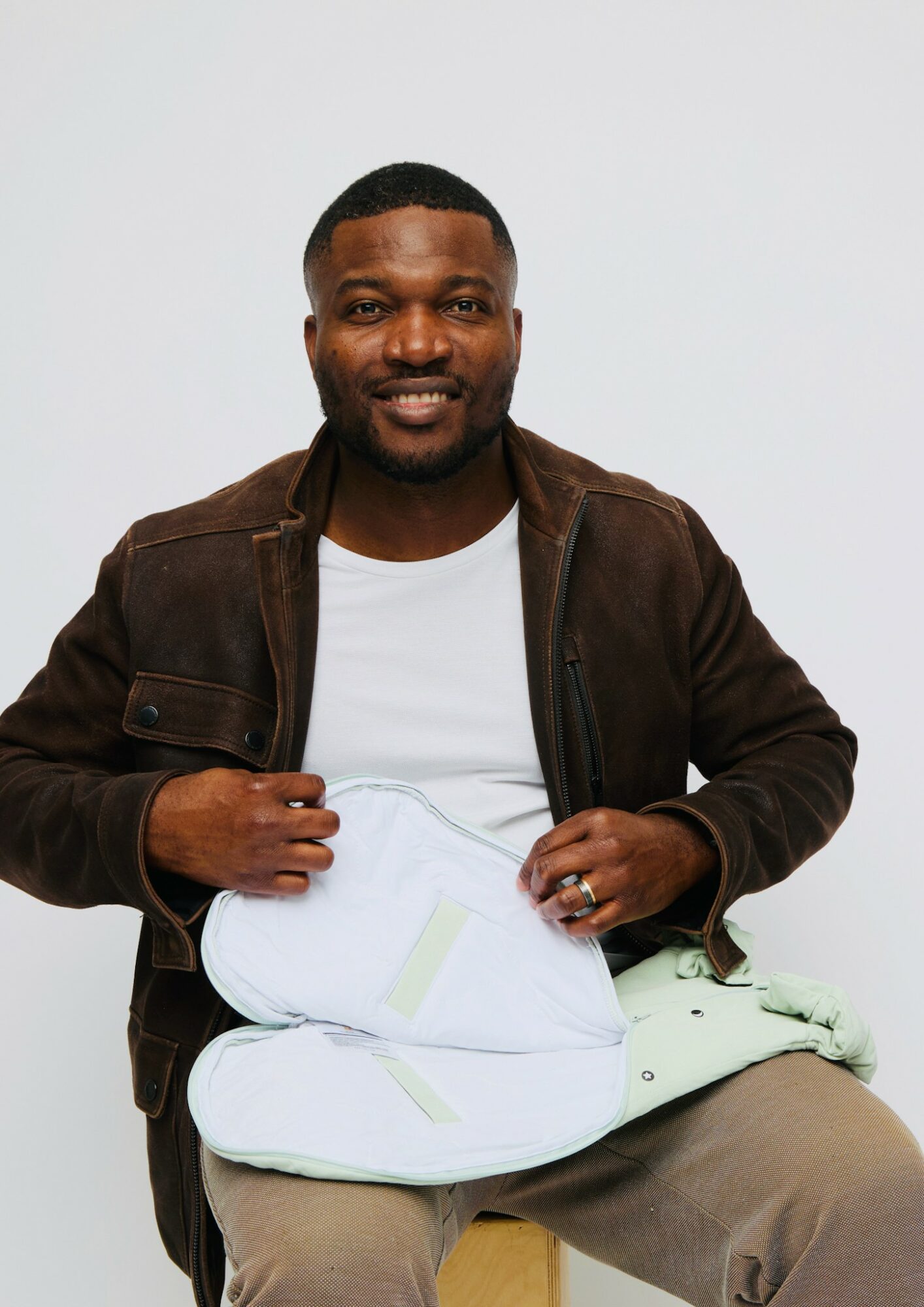




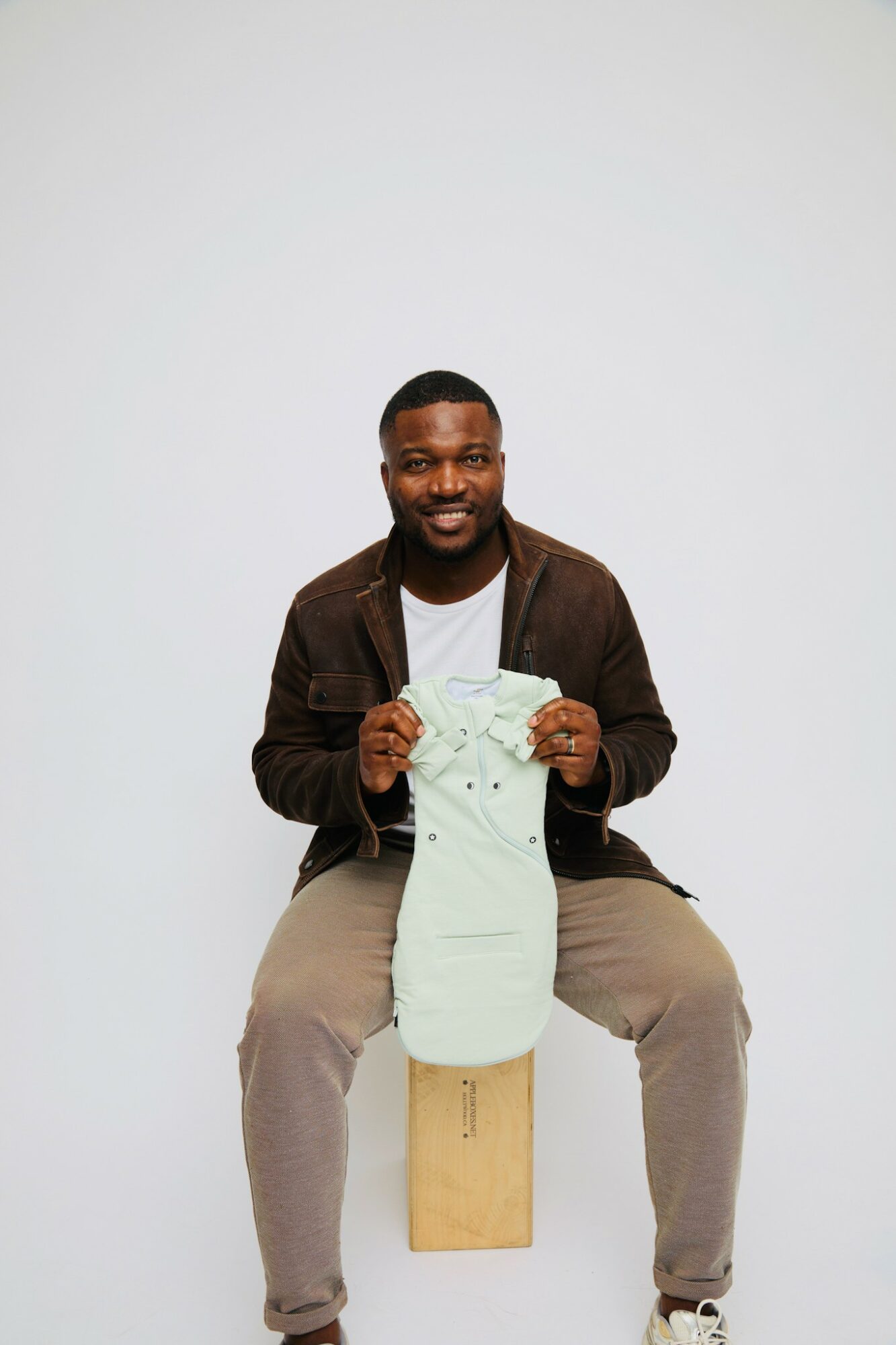
Today we’d like to introduce you to Ogechukwu Edward.
Ogechukwu, we appreciate you taking the time to share your story with us today. Where does your story begin?
My story actually starts with an act of kindness my father made about forty years before Nolele ever existed.
I grew up in Ajegunle, Lagos — one of the toughest neighborhoods in Nigeria. It is the kind of place where survival is not an idea; it is a daily reality. Life there teaches you something very early: you do not wait for someone else to fix your problems. You find a way. That mindset shaped everything about who I became, even before I realized it.
Nearly thirty people lived in our home at any given time — relatives, children from our village who had come to the city looking for a better life, and people who just needed somewhere to land while they figured things out. My parents never turned anyone away. My father, even after suffering a life-altering stroke, lay in his hospital bed asking whether money had been sent to help a relative back home. That was the kind of man he was. Generosity was not something he talked about. It was how he lived.
Years earlier, my father had spent two years helping a young boy whose family could no longer afford his medical care. He brought the boy to Lagos, drove him across the city to different hospitals, and stayed with him through the process. He could have walked away. He did not.
Thirty years later, when our own family was struggling financially and praying for a breakthrough, someone arrived from the United States with an immigration lottery form and gave it to that same boy — now a grown man and a pastor. Instead of filling it out for himself, he walked directly to our family home and gave it to my father. My older sister filled it out almost casually. We did not really believe anything would come from it. But, by God’s grace, she was selected. She came to America, and over time, the rest of us followed. I arrived in 2010.
That story has never left me. A single act of generosity came back thirty years later and opened the door to a completely different life. In many ways, that is the seed Nolele grew from, even if I did not know it yet.
In America, I built a career in accounting and analytics, starting at Deloitte in 2014, then Wells Fargo in 2018, and Ameriprise Financial in 2021, where I work today in advanced analytics building AI-powered systems. Along the way, in 2012, I met my wife at the University of St. Thomas during an event celebrating African culture. We have now been married seven years and have three children.
Becoming a father is what changed everything.
From the beginning, my wife and I became a team during the newborn nights. She would breastfeed the baby, then hand him to me so I could burp him, swaddle him, and transfer him back to the crib. In theory, it gave us both a role and made those long nights feel a little less lonely. In reality, I failed at least once a night, if not more. I would get the baby almost settled, then struggle with the swaddle or the transfer, and suddenly he was awake again. Then I would ask my wife to feed him back to sleep, she would understandably get frustrated, and the cycle would start all over. No one was getting real rest.
Our first child did not sleep through the night until he was well past one year old. We bought every swaddle, sleep sack, and wrap on the market, hoping something would finally make nights easier. But nothing seemed to work the way we needed it to. Some products helped with one problem but created another. Others worked only for a short stage or required too much effort in the middle of the night.
Not long after, our second child arrived. Same struggle. Same exhaustion. Same overflowing shelf of products that each solved one thing but not everything. Then came the moment I will never forget. Our daughter was about two months old, and we were back in that same no-sleep cycle, trying to get through another night. Around 2 a.m., my wife had just finished feeding her and handed her to me already asleep. I tried to swaddle her, but she woke up crying. Standing in that dark nursery, I asked myself a question I could not shake: is there genuinely no better way to do this?
That was the moment the desire to create something better was born. I had one clear goal: make a product a parent could use to swaddle their baby in seconds, with less frustration and fewer mistakes.
In 2022, I started building. I had no background in fashion, textiles, or manufacturing. I started by Googling how to make clothes. My first prototype was built with my barber. I went in for a haircut, we got talking about design and creation, and it turned out he was a designer. That was the level of resourcefulness the early stage required. I created more than twenty prototypes over the course of development — failing fast with each one, learning, and coming back with a better version. When my barber eventually moved, a family member stepped in to help finalize the concept before I moved to the next stage: finding a manufacturer.
Finding a manufacturer was the next major hurdle. I had already learned how to build and refine the concept, but manufacturing brought a different kind of challenge: trust, quality, safety, and learning how to produce the product at scale. There were difficult setbacks, including a manufacturing relationship that was not what it appeared to be and later product issues that forced me to pause, redesign, change suppliers, and delay launch. It was painful, but it also made the product stronger. Over time, I found the right partners, filed the patent application, worked through the CPSC compliance requirements for infant products, and kept refining the design until it was ready.
Those delays gave me a gift I did not expect. My third child was born in 2024, and I was able to test the new product on my own baby. It worked exactly the way I had imagined it three years earlier in that nursery. The nurses and doctors at the hospital tried it and were genuinely impressed. With my first two kids, my role was to swaddle, rock, and slowly put the baby down while hoping not to wake them. With my third, it took less than five seconds. My wife was proud — I could hear it in her voice.
In 2025, I brought Nolele to the ABC Show in Las Vegas — my first time in Vegas and my first time putting the product in front of the broader baby industry. After everything it had taken to get there, it felt surreal to stand at that booth and watch people interact with something that had started as a question in our nursery at 2 a.m. One of the biggest moments came when Taking Cara Babies, one of the most well-known baby sleep experts in the country, stopped by. She picked up the product, tested it herself, and immediately understood what I had been trying to solve. Her eyes lit up and she said, “This is a genius product.” I could not capture the moment on video for legal reasons, but I carried it home with me. It was the kind of encouragement I needed to keep going.
I built the brand around a phrase from home: Nolele, which means “No Worries” in Nigerian Pidgin English. That is the promise I wanted to make to every parent standing exhausted in a dark nursery at 2 a.m.
When Nolele launched in March 2026, most sizes sold out without ads, email campaigns, Amazon, or promotions. Just parents hearing about the product, recognizing the problem, and choosing something built to make those long nights a little easier. That is how Nolele got here — one exhausted parent, one better solution, and one less worry at 2 a.m.
I’m sure it wasn’t obstacle-free, but would you say the journey has been fairly smooth so far?
Not even close. And I think anyone who says their entrepreneurial journey was smooth is either leaving something out or has not gone far enough yet.
The truth is, I entered this with no background in product design, manufacturing, fashion, or the baby industry. My training was in accounting, analytics, and data science. So from day one, almost everything had to be learned from scratch — and most of it, I learned the hard way.
The first major setback came from a manufacturer I believed was based in California. I spent six months working with them and paid a significant amount upfront, which was real money for a self-funded startup with no investors. When something started to feel off, I decided to fly out and see the facility in person. I booked the flight, the hotel, the rental car, and drove to the address. All I found was a mailbox. The company was operating out of Pakistan using a P.O. box in California. I was standing there alone, realizing I had been completely taken advantage of. Six months of time and a significant amount of money were gone.
But instead of flying home defeated, I decided to make something out of the trip. I went to the California Market Center and started talking to people. I shared my idea and my situation with anyone who would listen. The response was encouraging. People understood the problem and loved the concept. That trip should have been a total loss, but it ended up giving me direction. I learned more about sourcing, trade fairs, and the ABC Show, and I went home with something to move toward.
Then came the first launch failure. Right before our planned December 2024 launch, I discovered after washing the garments that the magnet coating had failed and rust was bleeding through the fabric. There had been no sign of the issue during earlier testing. I tried everything to resolve it with the manufacturer, but I could not fix it and could not recover the money. I had to walk away, find a new magnet supplier, and completely redesign the magnetic system with a PVC layer to make it rust-proof. That pushed the launch back by months.
The second launch failure came in November 2025, just weeks before another planned December launch. During a photo shoot, my photographer noticed the magnets were not holding the way they should. When we investigated, we found that the manufacturer had reversed the magnet orientation, which meant the magnets were positioned incorrectly across the garment. Everything had to go back. Launch moved again, this time to March 2026.
So no, it has not been a smooth road. There was the California scam, two failed launch attempts, manufacturing problems I never saw coming, and a constant learning curve in an industry I had never worked in before. All of that was happening while I was working full time, raising three children under four, and trying to be present as a husband and father. There were nights I was at my desk at midnight reading compliance documents, running on the same exhaustion that started this whole journey.
What gave me the strength to keep going was God, my wife, my family, and the customers who kept reaching out asking when the product would be available before it even launched. I also drew a lot of strength from other entrepreneurs who were honest about their own struggles. I listened to How I Built This often during that period, and one idea that stayed with me came from NVIDIA’s CEO: learning to forget the pain quickly. Not to ignore what happened, but to take the lesson, let go of the weight, and move forward with more energy than before. I kept coming back to that. Every setback hurt, but each one also made the product, and me, stronger
Thanks for sharing that. So, maybe next you can tell us a bit more about your business?
By day, I am a Data Scientist at Ameriprise Financial in Minneapolis. I build AI solutions that help make sense of complex data, improve processes, and solve difficult problems. I have spent years learning how to look at a problem from the inside, ask why things work the way they do, and find better answers. Honestly, that is the same mindset that helped me build Nolele.
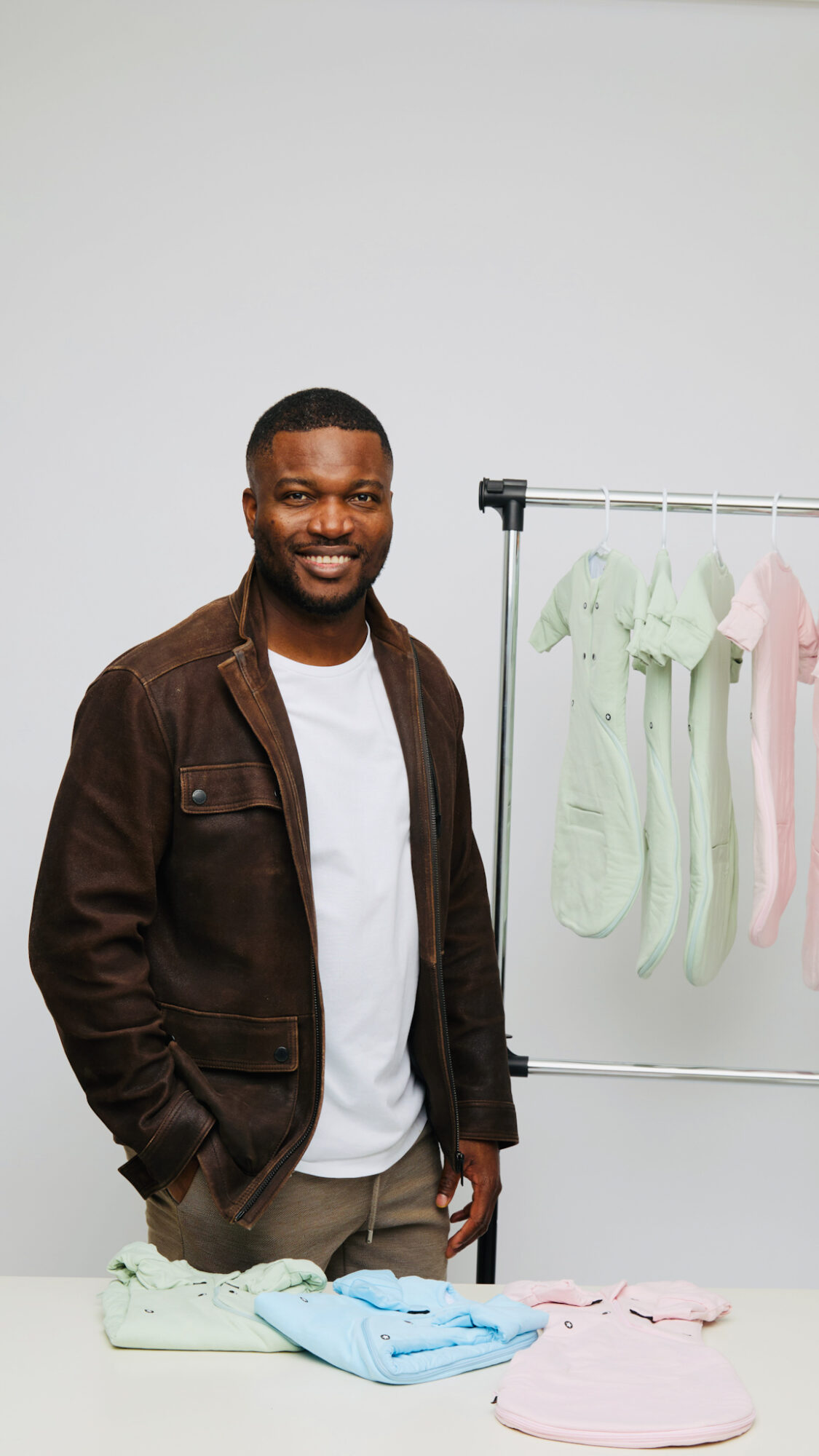
By night — sometimes literally — I am the founder and CEO of Nolele, Inc., a baby sleepwear brand focused on making nighttime care simpler, quieter, and more flexible for parents.
What I am most proud of starts with my own family. When my third child was born in 2024, I was finally able to use the product in the exact season of life it was designed for. And the difference was not just in how fast I could swaddle her — it was in how much calmer our nights felt. She slept better and longer. My wife felt more confident. There were fewer 2 a.m. arguments, fewer moments of frustration, and less of that no-sleep cycle that can quietly wear down a marriage in the newborn stage.
One of the clearest signs that it worked was my wife’s reaction. She can be my biggest critic, in the best way, and she knew exactly how hard those nights had been with our first two children. But once she experienced Swaddle Easy, she did everything she could to make sure we had a clean one ready every night. She had felt the difference it made. She saw how well it worked. That was the moment it stopped feeling like just my idea and started feeling like something our family truly needed.
I am also proud of the outside validation Nolele has received. At the ABC Show, I had the chance to meet Taking Cara Babies. I had watched her sleep training videos many times while trying to survive the newborn stage with my first two children, so having someone so respected in the baby sleep space stop by my booth, test the product, and call it “genius” was incredibly meaningful. Later, when my PR firm presented Nolele to national baby and lifestyle outlets — including TODAY, NBC News, Good Housekeeping, Country Living, Shop TODAY, and others — we kept hearing that same word: genius. That kind of response from people who see baby products every day was incredibly validating.
And I am proud of our March 2026 launch. We sold out of most sizes without spending a single dollar on marketing — no ads, no email campaigns, no Amazon, and no promotions of any kind. I wanted to test the market honestly. The response was overwhelming, and customers were asking for a restock date before we had even finished shipping the first orders. That told me this was not just an idea I believed in. It was a product parents were actively looking for.
What sets Nolele apart is that every feature was designed around a real parenting problem, not a marketing trend.
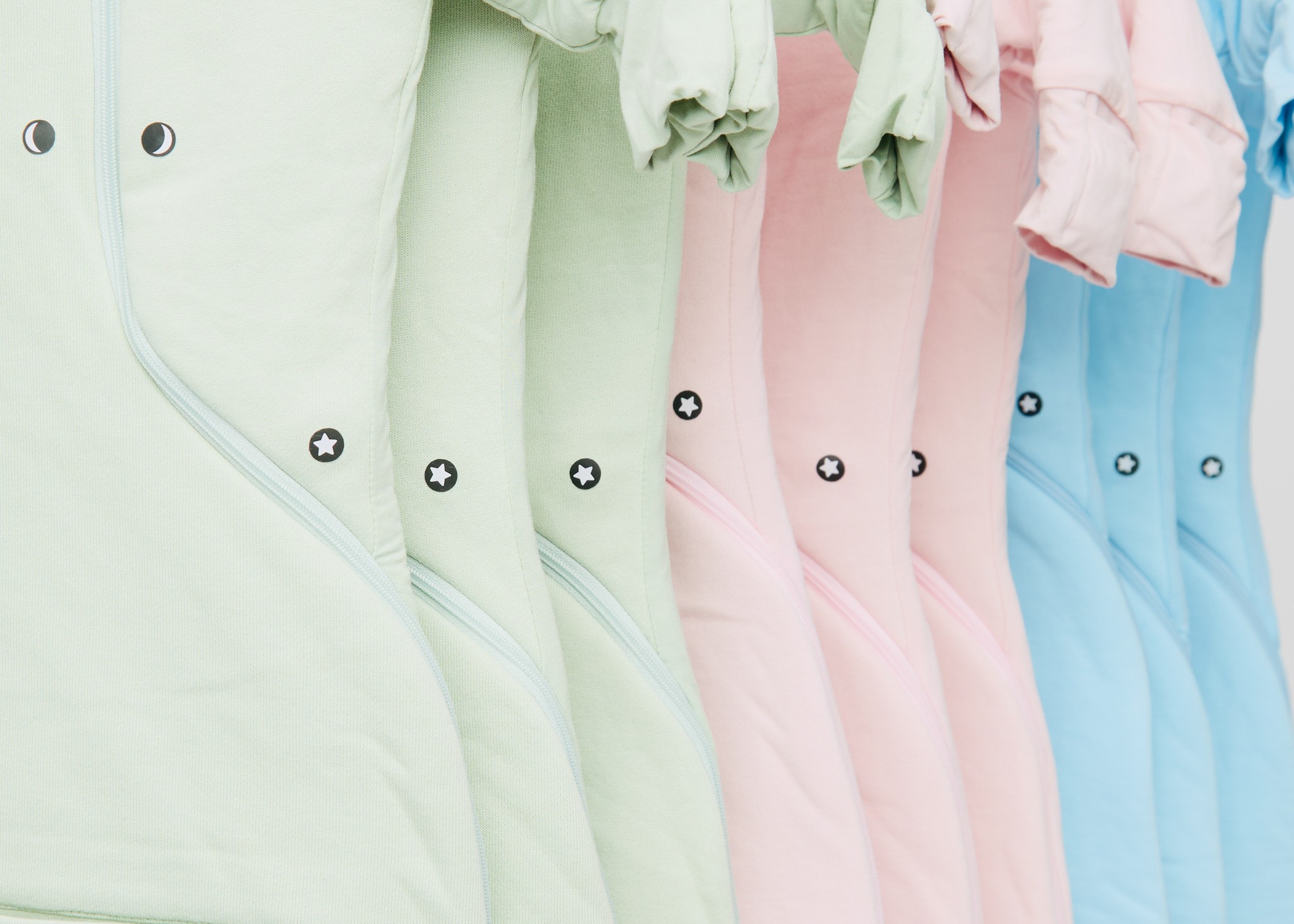
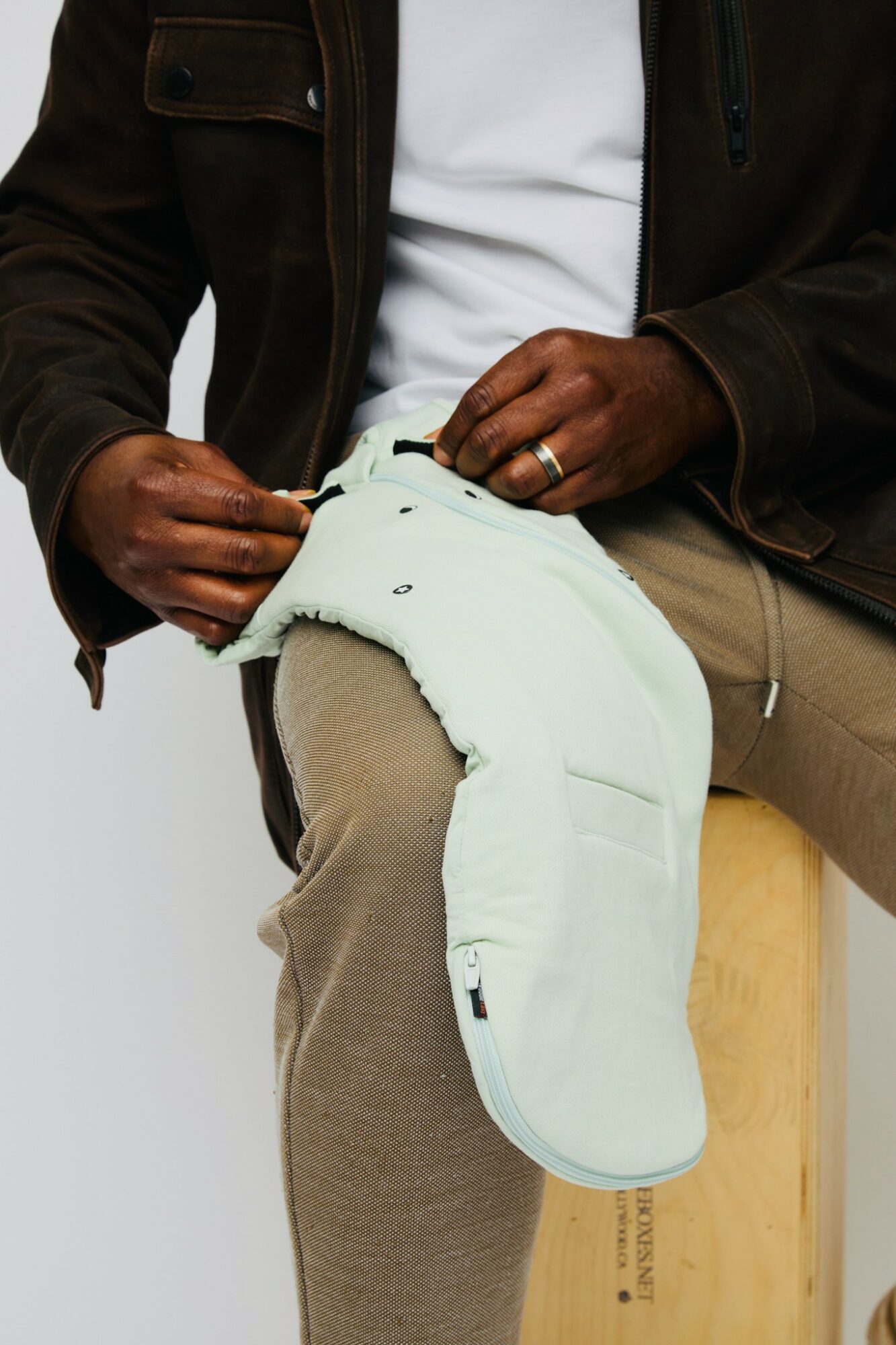
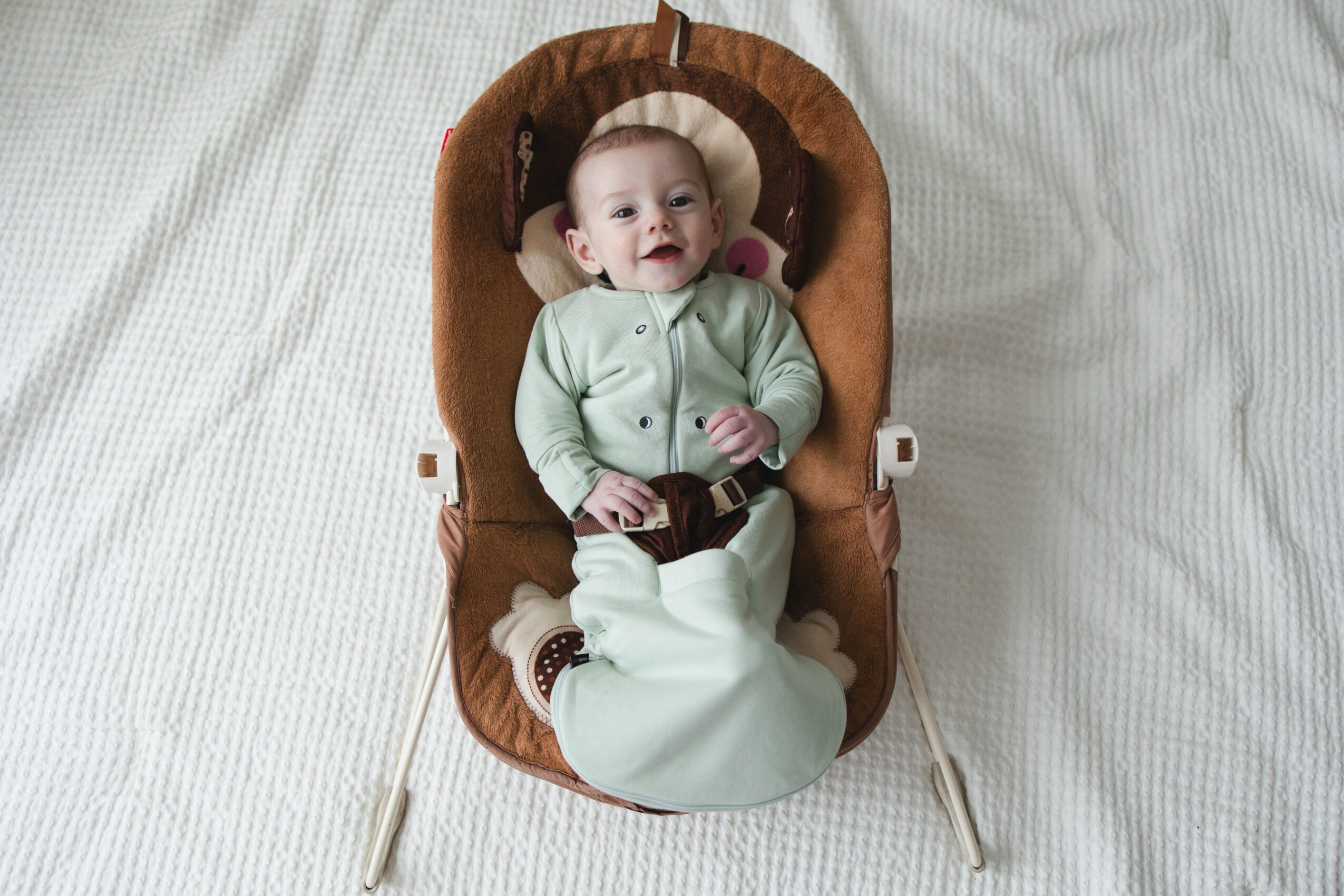
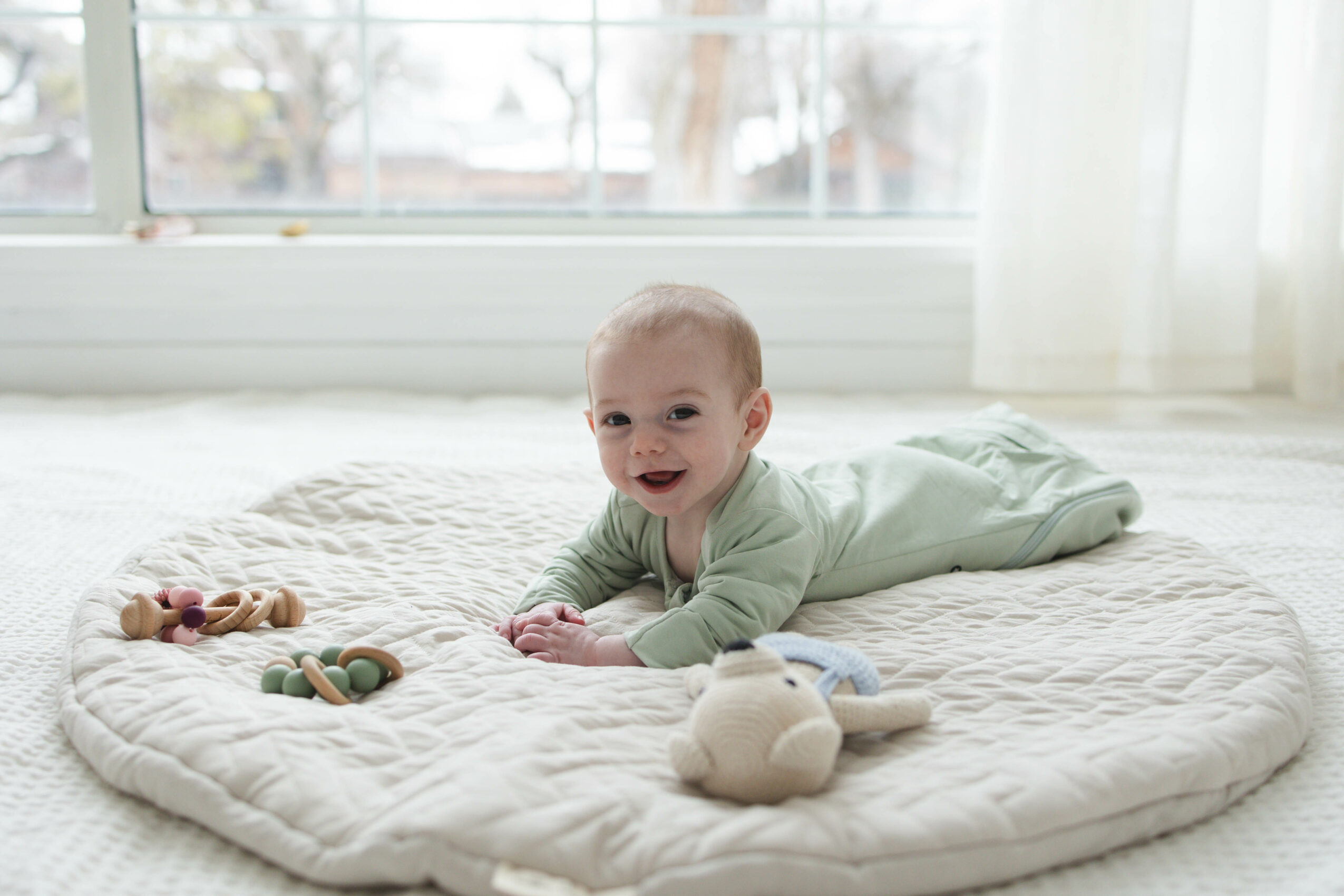
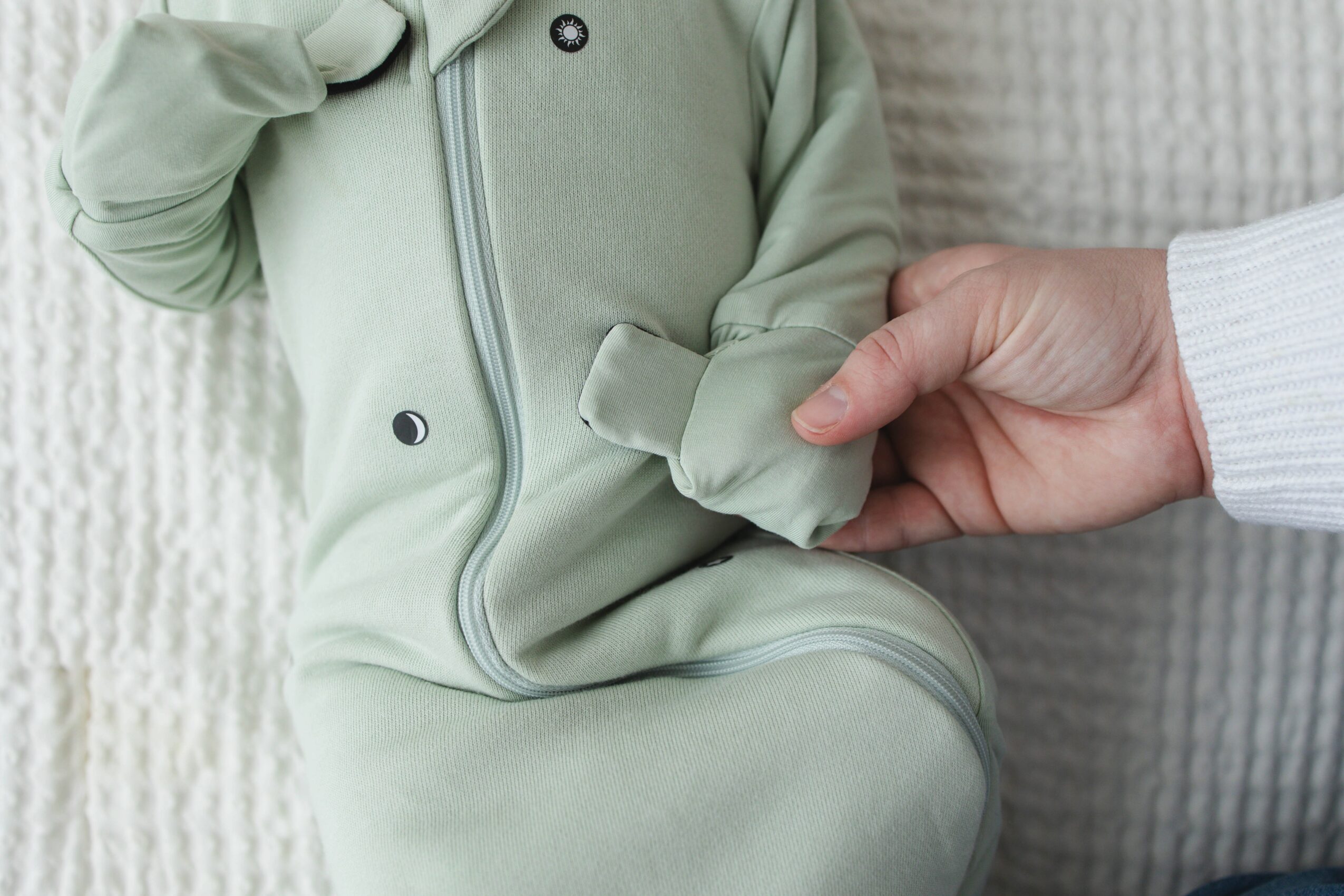
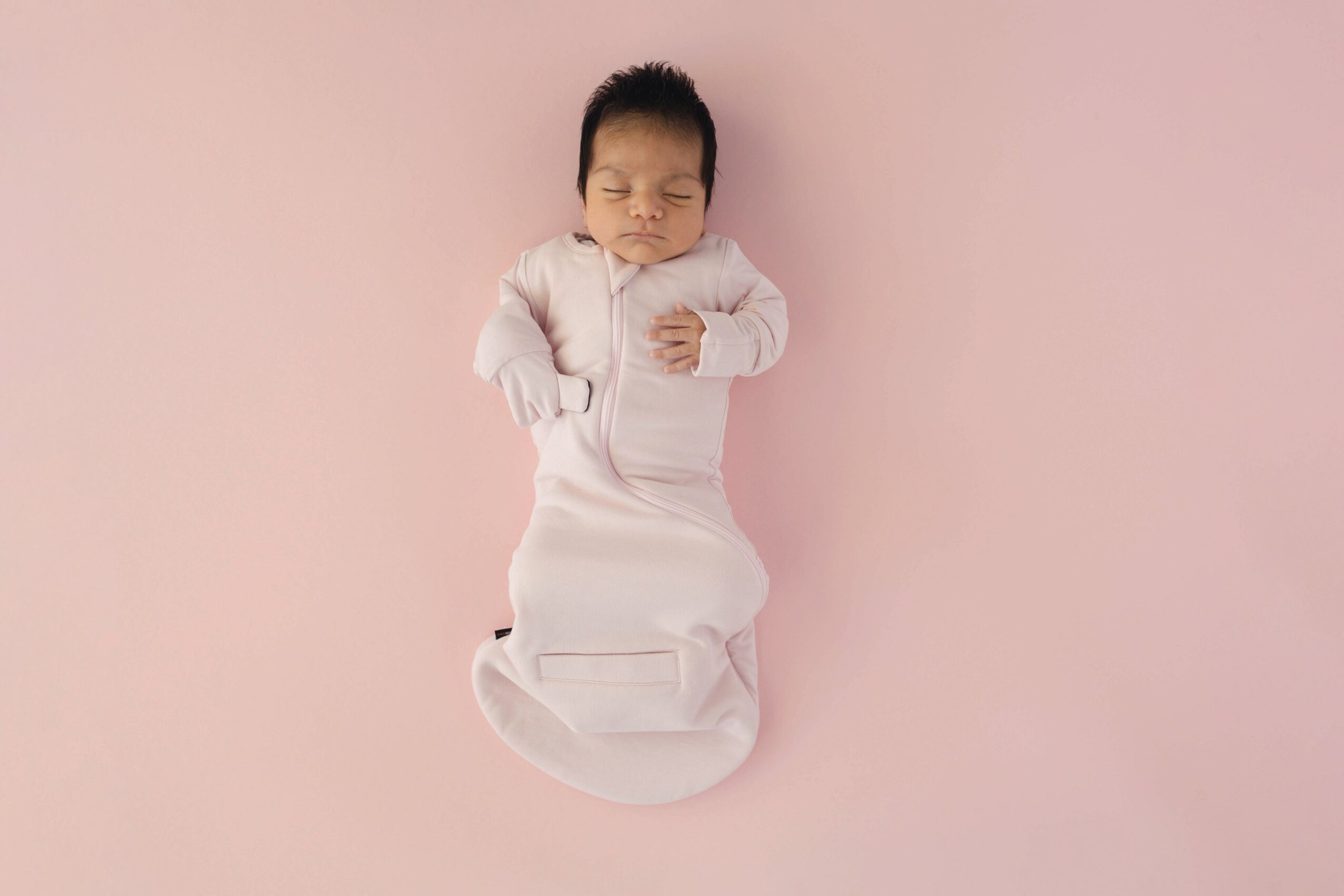
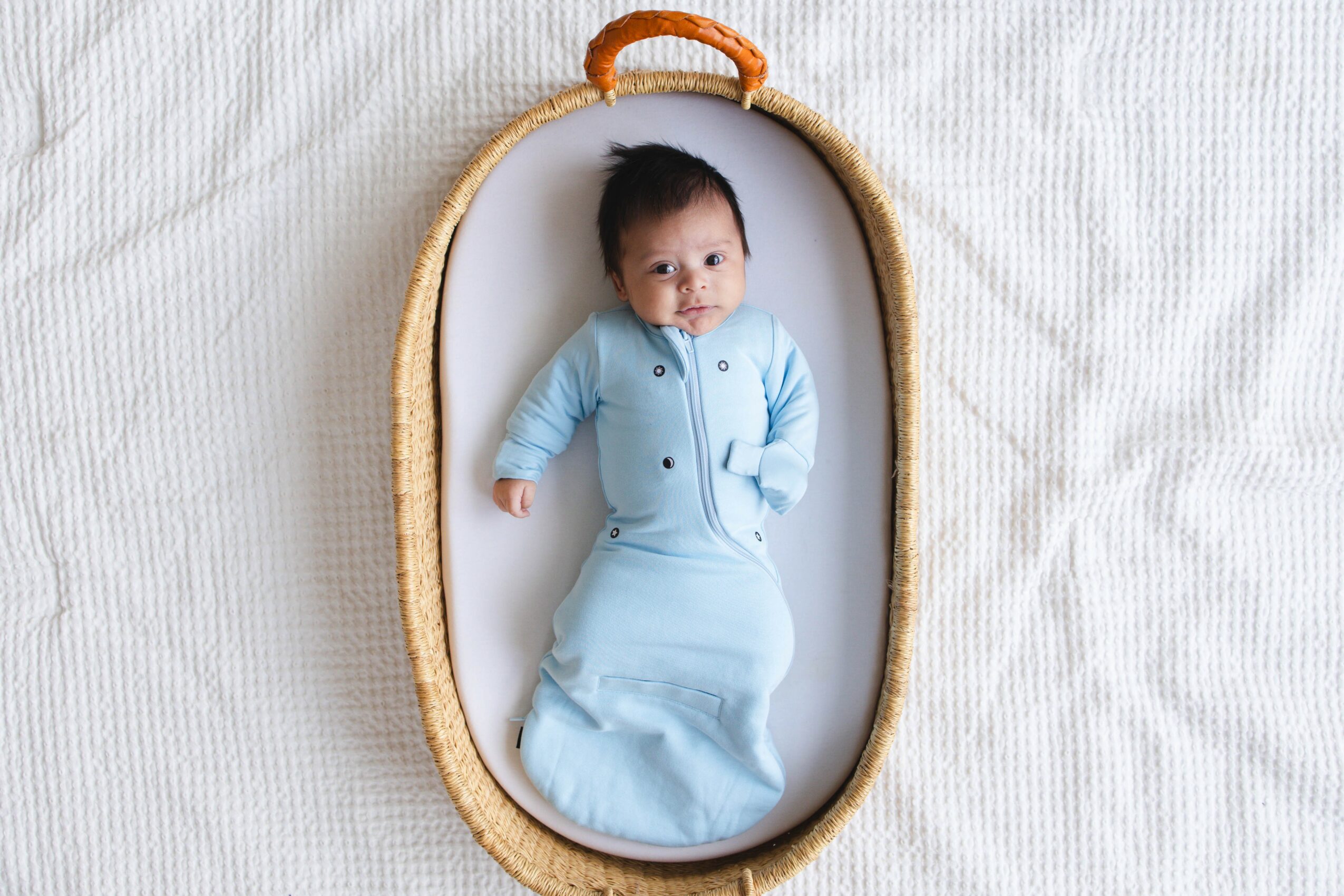
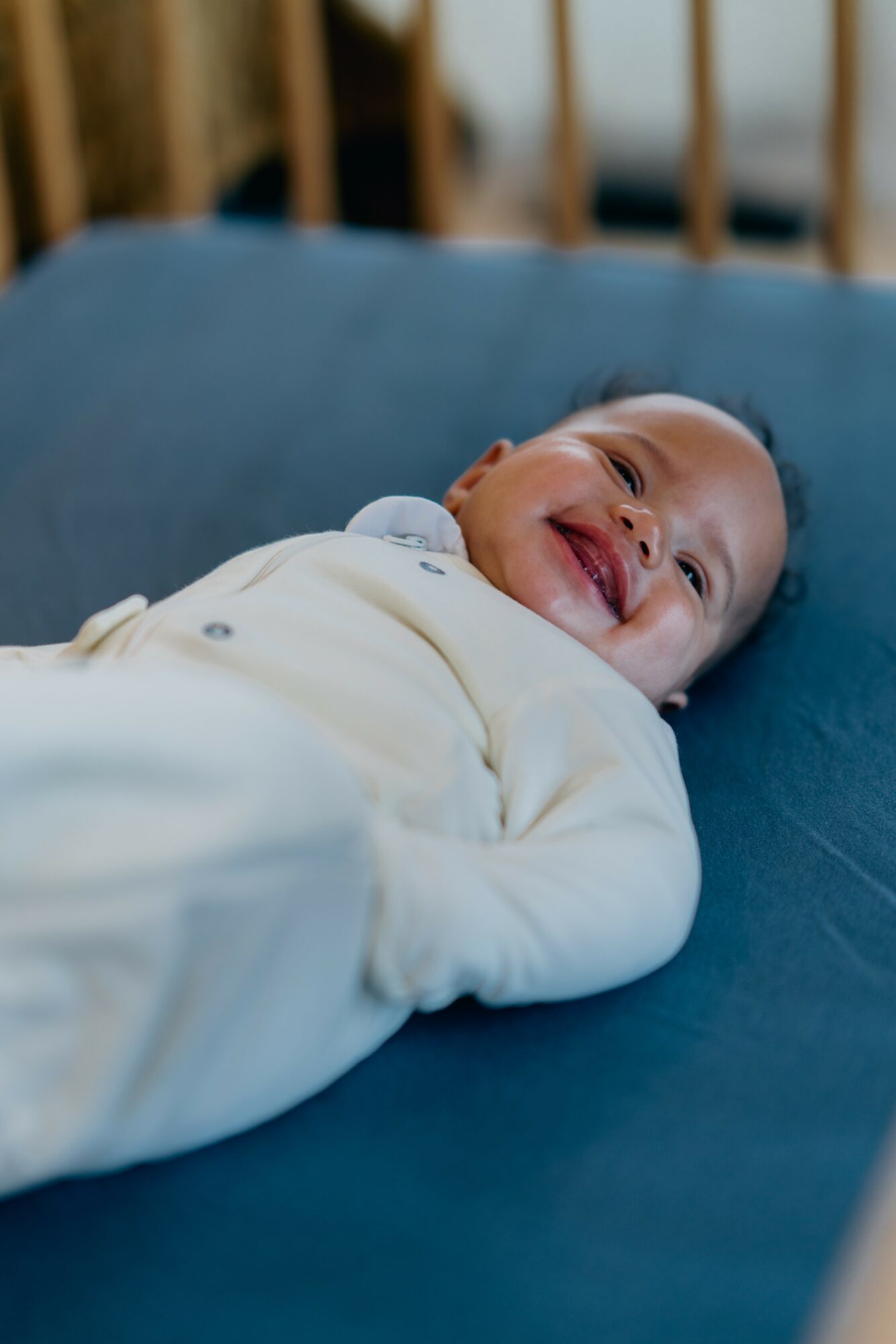
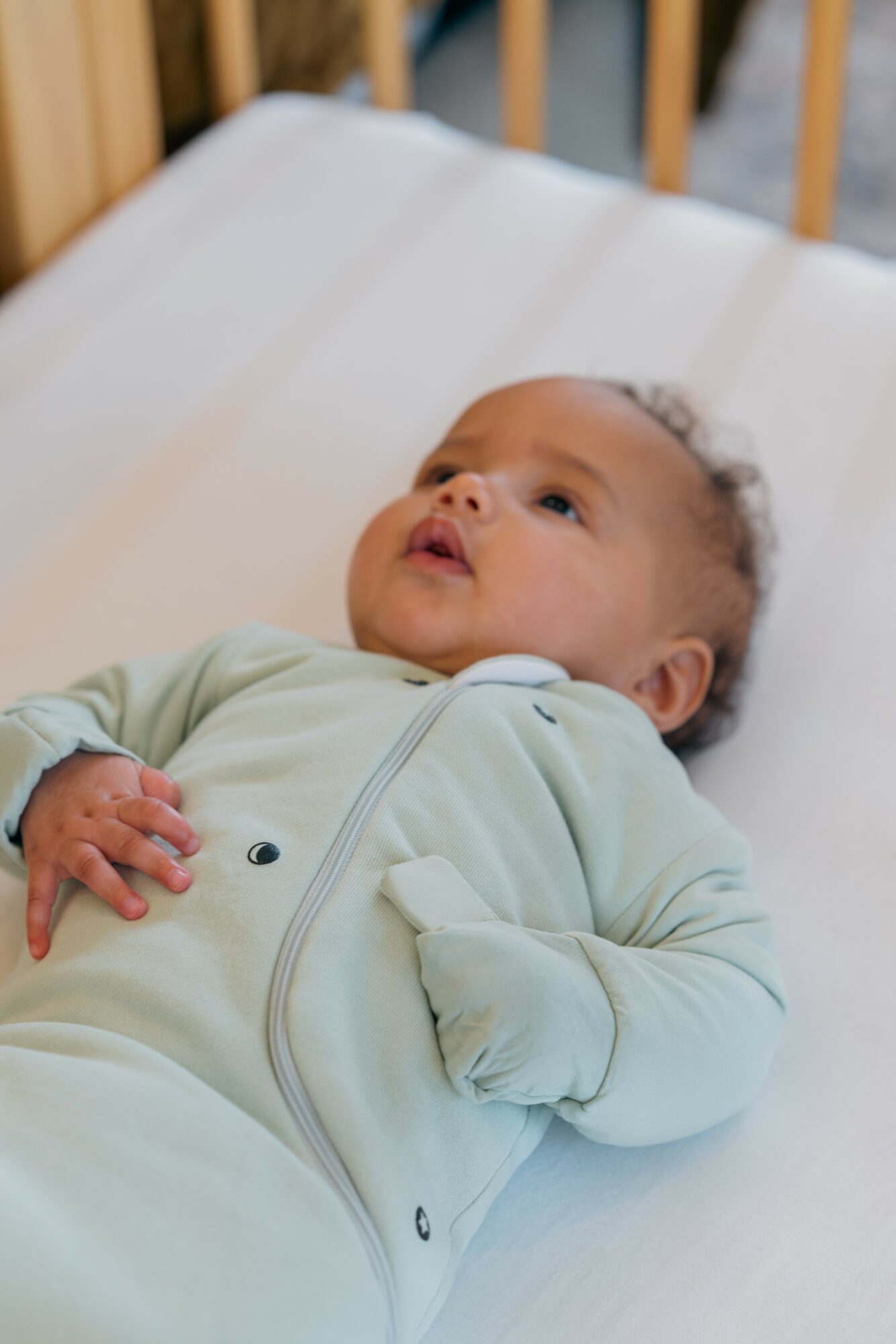
Nolele was built for the late nights, diaper changes, feeding sessions, and those fragile moments when a baby finally falls asleep and the last thing a parent wants is to wake them up again with one loud rip of Velcro. Parents can swaddle their baby in seconds with no complicated wrapping technique and no learning curve. The closure is completely silent, so there is no disruptive Velcro sound in the middle of the night after spending forty-five minutes getting a baby to sleep. Parents can also choose from multiple hand positions — hands by their face, on their belly, at their sides, or a combination — because every baby is different.
The two-way zipper makes diaper changes easier without fully removing the swaddle, helping the baby stay settled and return to sleep more easily. The product is also designed to give parents more flexibility. Many baby sleep products force families to choose between swaddling and not swaddling, but real parenting is not always that simple. Some babies like to be swaddled, some do not, and many parents change their approach as their baby grows or their sleep routine changes. Nolele gives parents both options in one product, so they do not have to buy something new the moment their routine changes.
It also works across real-life settings — the crib, stroller, bouncer, and feeding time — without parents having to constantly remove and readjust everything. For breastfeeding parents, the arms-free mode allows easier feeding access without fully undressing the baby first. My wife has told me many times that this is one of her favorite features, because in the middle of the night, the fewer steps you have to take, the better.
Another thing that sets Nolele apart is the perspective behind the brand. I am likely one of the only African men to build a swaddle product and bring it to the American market. I say that not to make a statement, but because it is meaningful. Swaddling is a thousands-year-old human practice, and in West Africa, wrapping and soothing newborns has been part of daily life for generations, long before it became a commercial product category. I did not come to this space as an outsider looking for a product idea. I came from a culture where caring for newborns this way was familiar, practical, and deeply human.
I also built Nolele as a dad. For a long time, the baby product category has been shaped mostly around mothers — the language, the imagery, and even the design assumptions. I am not saying that is wrong. I am saying there was another real parenting experience missing from the conversation. Dads are doing nighttime care too. Dads are changing diapers, rocking babies, trying to figure out swaddles at 2 a.m., and wanting to be more involved. But when products are complicated, loud, or hard to figure out in the middle of the night, they can make caregiving feel more stressful than it needs to be. I built Nolele from the perspective of a father who wanted to show up and needed products that made that easier.
Everything in the product came from a real moment I experienced or watched my wife experience. That is what I want readers to know about Nolele. We are not trying to create another complicated baby product. We are trying to make one of the hardest parts of early parenting feel a little simpler, quieter, and more manageable.
At the heart of Nolele is a simple belief: parents do not need more products. They need better options — products that give them confidence, flexibility, and a better chance at getting everyone back to sleep.
In terms of your work and the industry, what are some of the changes you are expecting to see over the next five to ten years?
The baby product industry is at a turning point, and I think the next ten years are going to look very different from the last twenty.
The biggest shift already happening is around safety. Parents are asking harder questions before buying anything that goes near a sleeping baby. The CPSC has introduced new testing standards specifically for infant sleep products, and that has changed the expectations for the entire category. The era of vague safety claims and minimal testing is coming to an end. For brands that have done the compliance work properly, that is a good thing. For brands that have not, it is going to be a very difficult decade.
The second major shift is that parents are looking to buy fewer products, but they expect the products they do buy to do more. For a long time, baby products were designed around one stage, one use case, or one parenting approach. But today’s parents are pushing back against needing a different product for every phase. Sleepwear is a good example of that. There is a real divide between swaddling and not swaddling, and most products force parents to choose one or the other. But real parenting is more flexible than that. Some babies do well swaddled, some do not, and many parents change their approach as their baby grows or as their sleep routine changes. Parents are looking for products that support both options — something that can be used when they want to swaddle, but can also transition when they decide not to, without requiring a completely separate product. The next generation of baby products will be built around flexibility, longevity, and giving parents confidence instead of forcing them into one path too early.
The third shift is one I feel personally: parents are ready for an alternative to Velcro. Velcro became the standard in baby sleepwear largely because it was easy to manufacture, not because it was the best answer for a parent at 2 a.m. Parents who experience a simple, quiet closure for the first time do not want to go back. I believe magnetic closures will become more common in premium infant sleepwear over the next decade, because parents are looking for products that make nighttime care easier, quieter, and less disruptive.
And then there is the role of dads and other caregivers. More fathers are actively involved in caregiving, especially during nighttime routines, and products need to be designed with all caregivers in mind. If something is confusing, loud, difficult to fasten, or hard to figure out in the middle of the night, it can make caregiving feel more intimidating than it needs to be. Simpler, more intuitive products can help remove that friction. When a product is easy to use, quiet, and designed for real-life nighttime moments, it increases the chances that every caregiver feels confident stepping in and staying involved.
To me, the future of the baby product industry is safer, simpler, more flexible, and more inclusive. Parents do not just want more things to buy. They want better solutions that support how families actually care for their babies. The brands that understand that shift will have a real advantage over the ones still designing as if every household looks the same and every parent follows the same routine.
Contact Info:
- Website: https://www.Nolele.com
- Instagram: https://www.instagram.com/noleleswaddle/