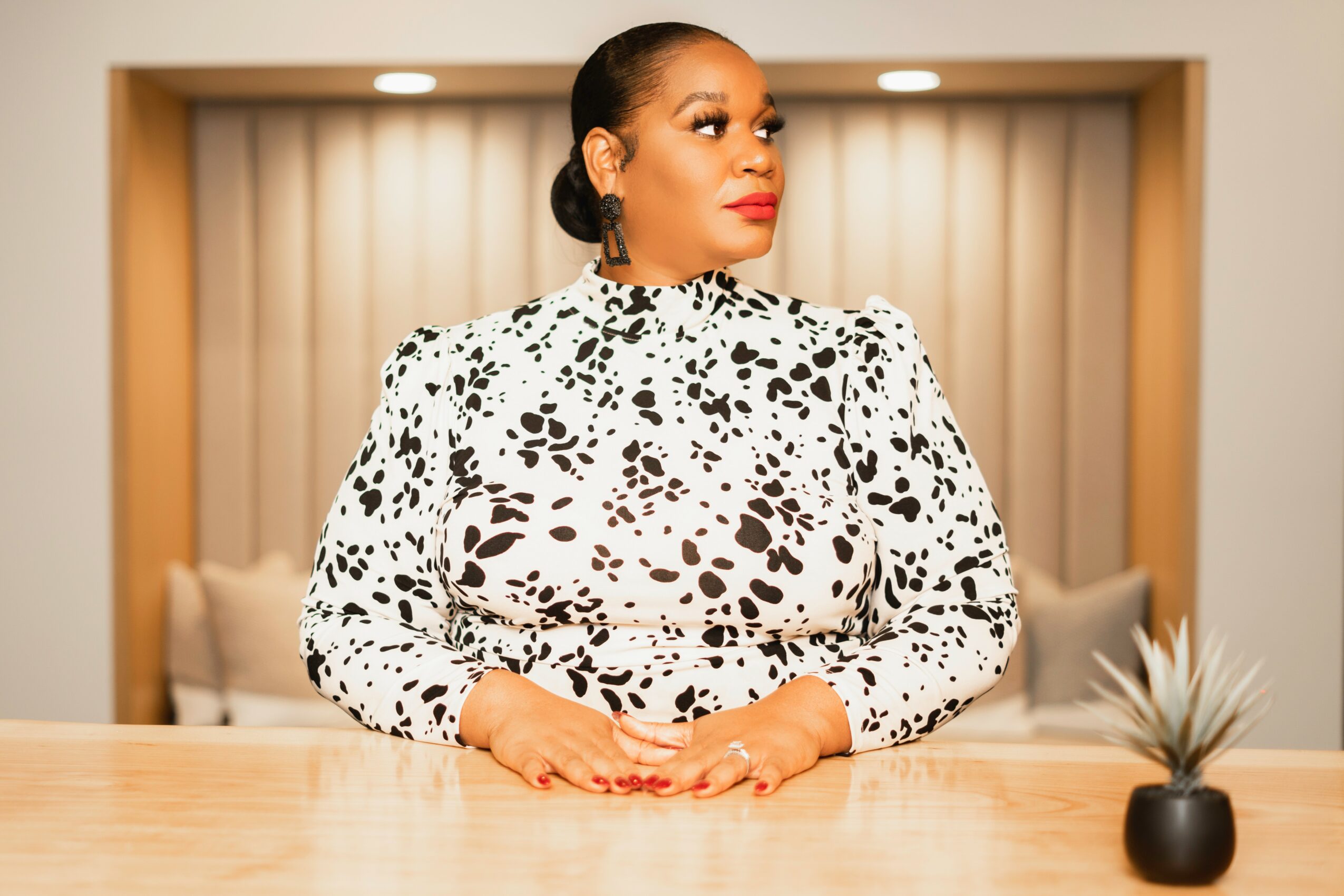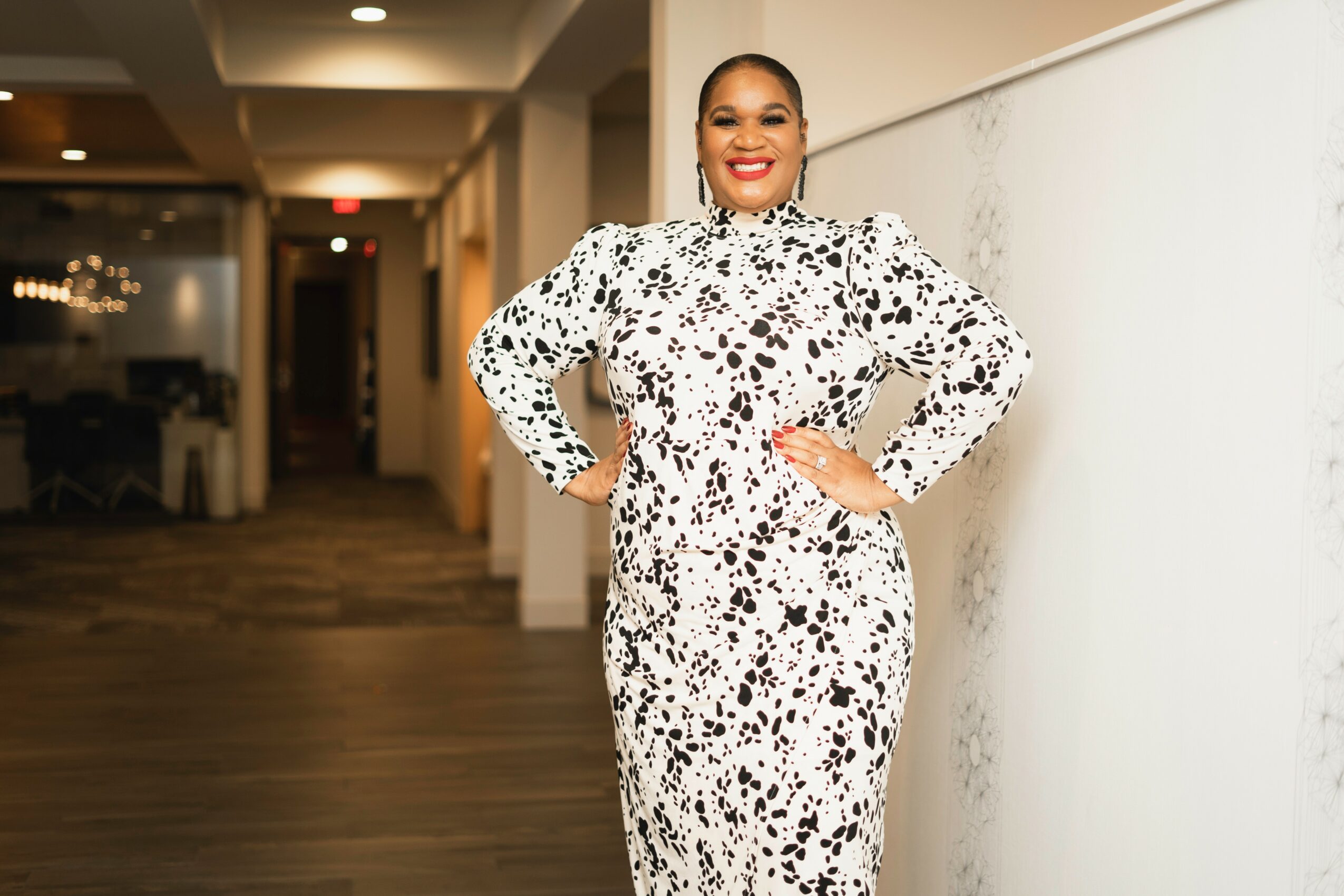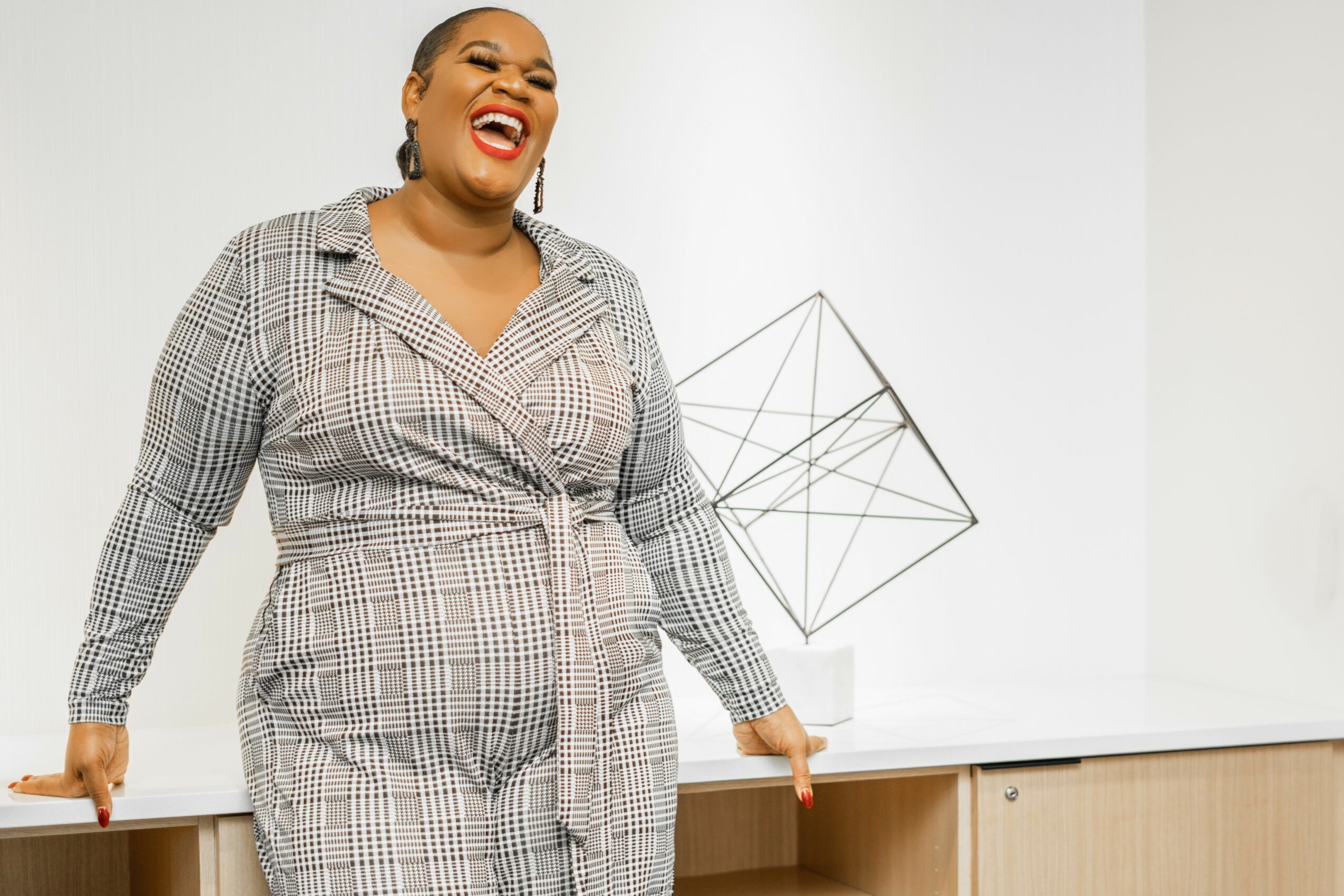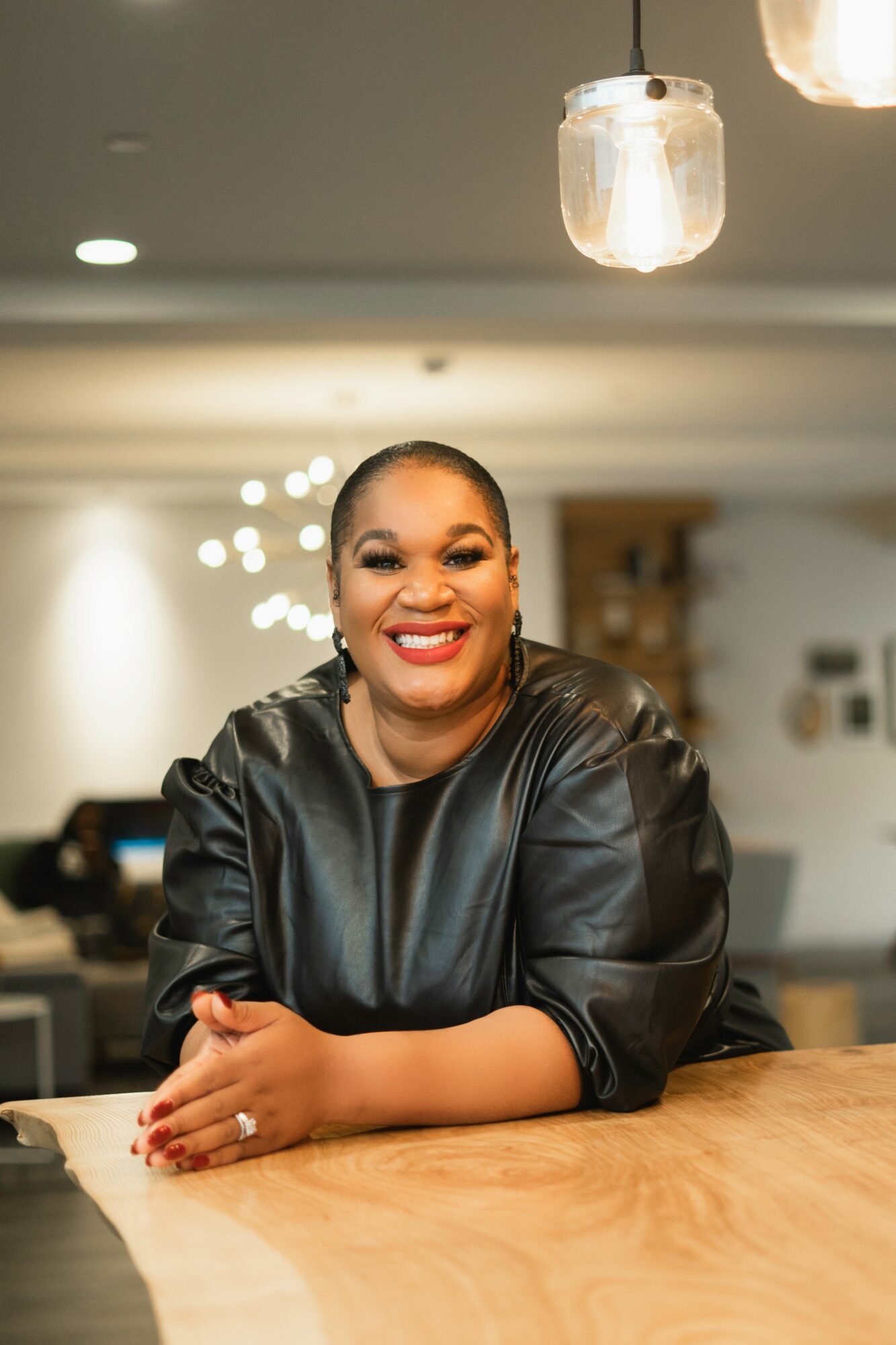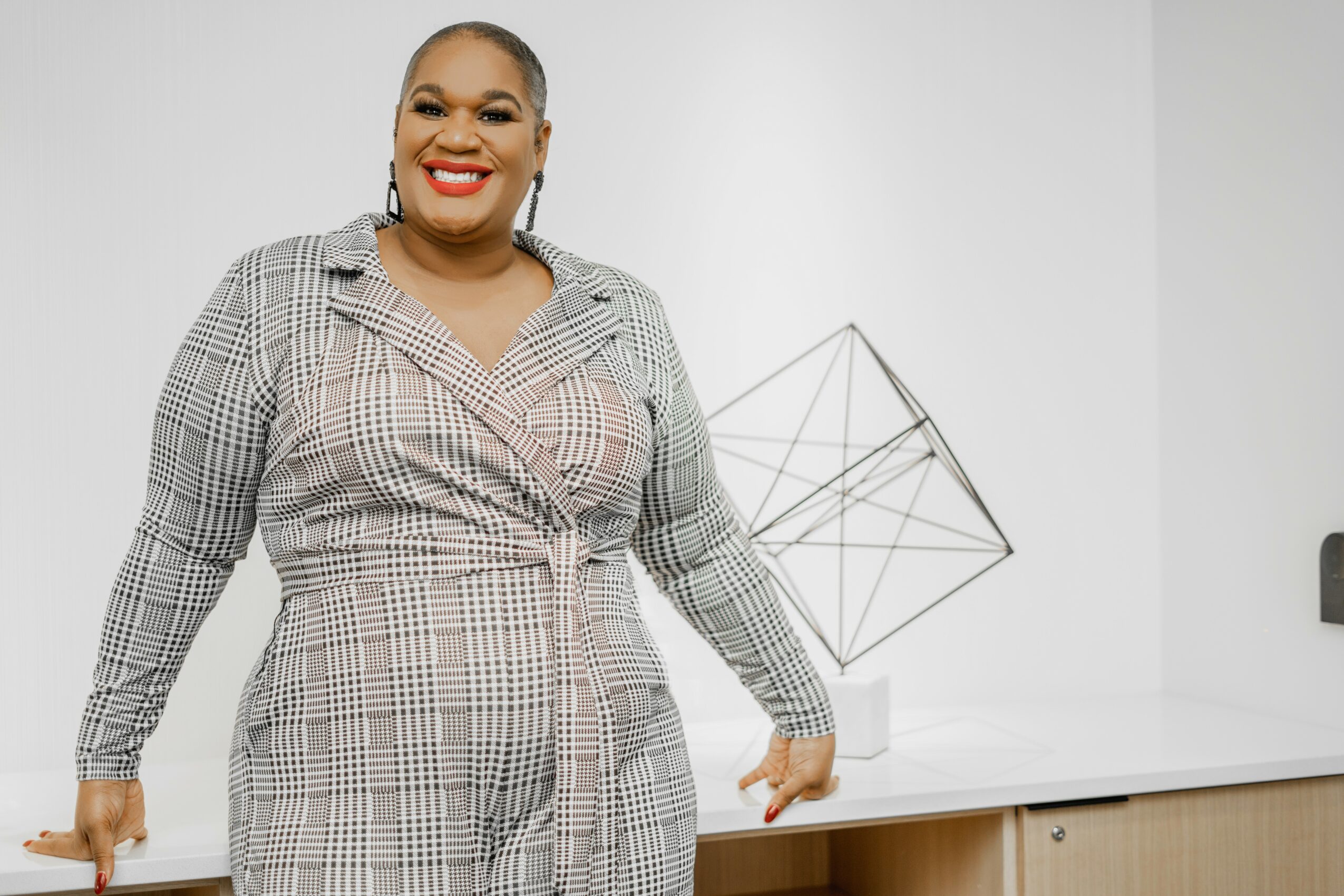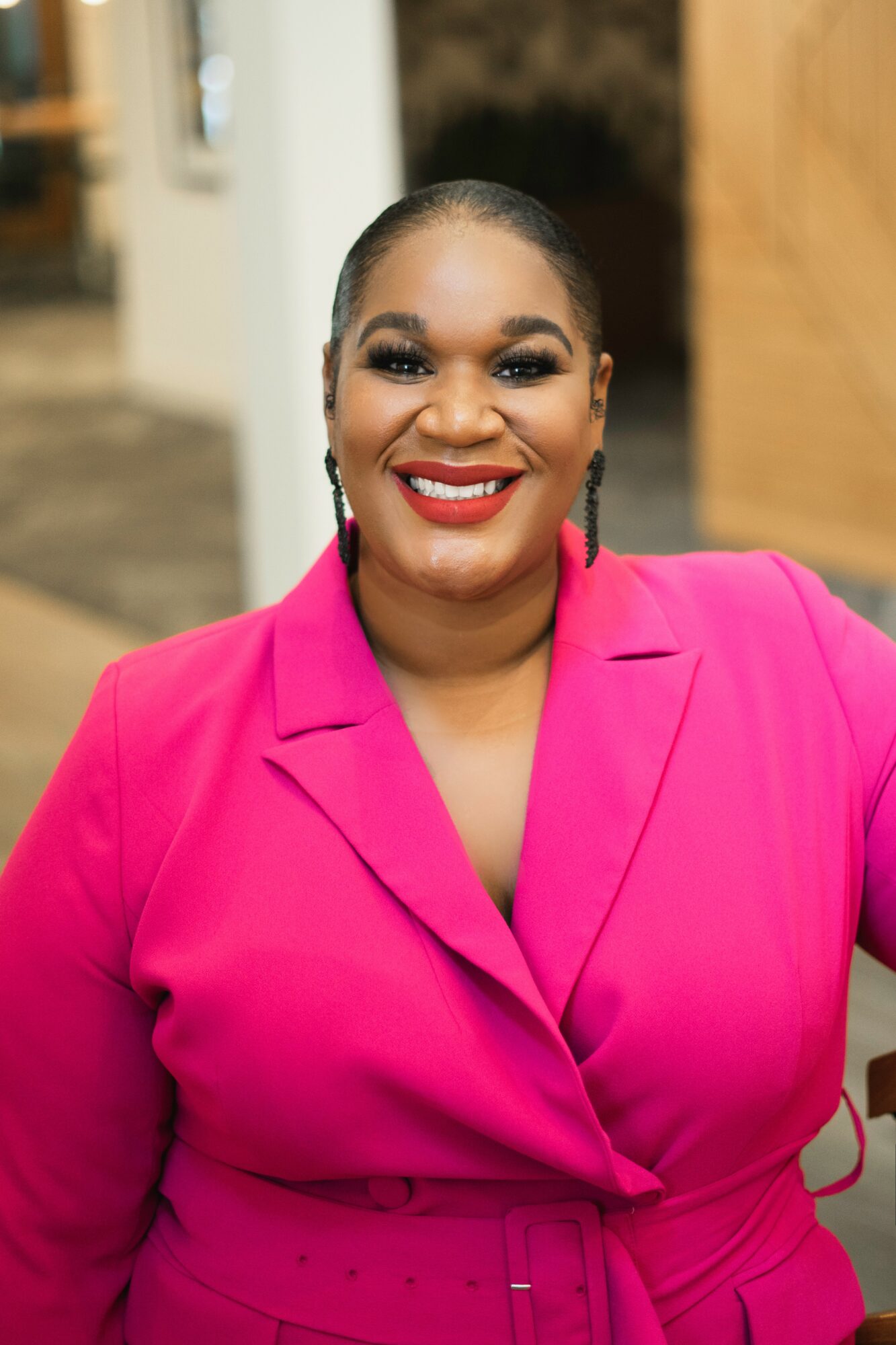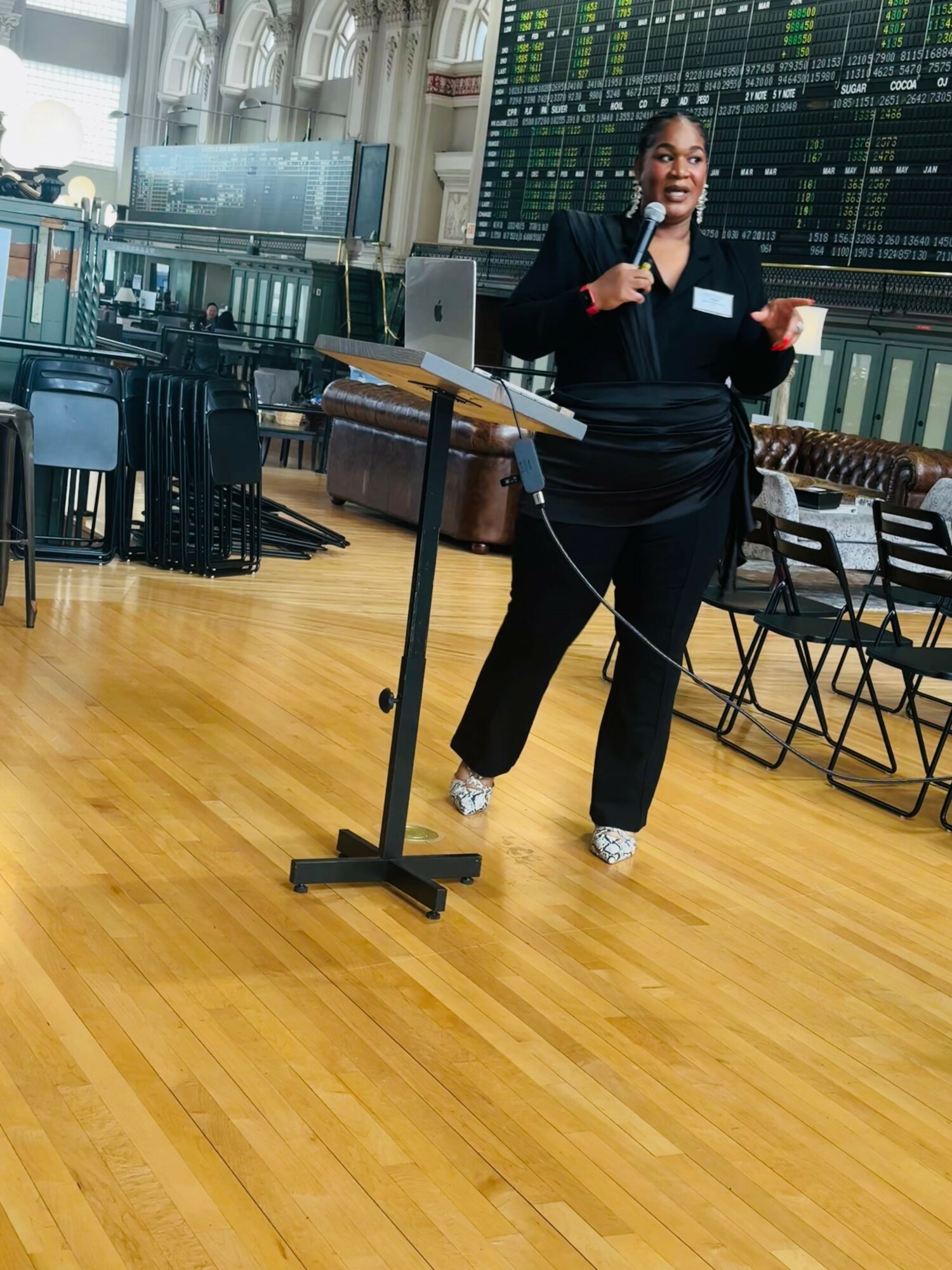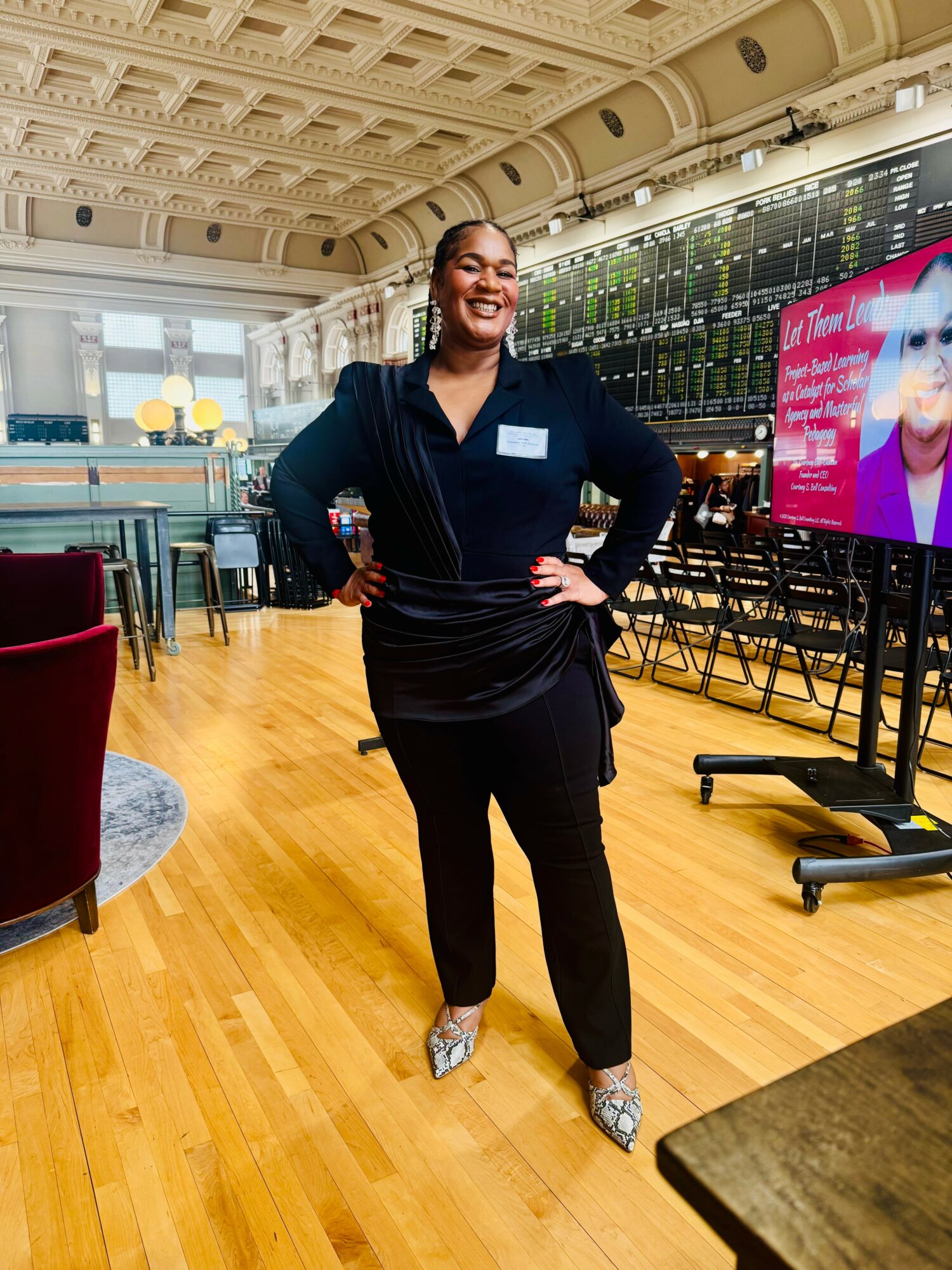





Today we’d like to introduce you to Courtney Bell-Duncan.
Alright, so thank you so much for sharing your story and insight with our readers. To kick things off, can you tell us a bit about how you got started?
I am Dr. Courtney Bell-Duncan, a child of God and follower of Jesus Christ, wife of Charles Duncan, and an emancipatory educator. Born in Kankakee, IL, raised in North Minneapolis by my mother alongside my sister and two brothers, I was developed as a systems-level change architect and educational thought leader at the University of Minnesota-Twin Cities.
My story starts at the high school I would later fight to save and return to as an educator. I was admitted to the U of M on academic probation, a label that shook my confidence but placed me in the path of TRIO mentors who saw what I could not yet see in myself. That support led me to the McNair Scholars program, which made graduate school possible for a first-generation, low-income kid from North Minneapolis.
In 2010 I joined my community’s fight to reverse a school closure decision at my former high school. In 2012 I returned as an associate educator. By 2014 I was a founding teacher of a freshly started school, having walked away from safer career advice to become the teacher my scholars actually needed. I later earned my Ph.D. in educational policy and leadership, writing my dissertation on that very fight, because I knew my impact could no longer live inside one classroom.
That research became my blueprint. As a Lower School Principal, I inherited a school with no systems and a literacy crisis, and rebuilt it from the ground up. As a Senior Director of Collective Impact, I led a twenty-seven partner coalition working to place four hundred fifty Black male educators in Minnesota classrooms by 2035. In sixteen months, we moved from thirty percent strategy completion to eighty percent and more than doubled our teacher pipeline.
My last day in that role will be July 15th, and I’m walking straight into what’s next. I’m launching a consulting practice that trains educational leaders on how to partner with and build real coalitions with the parents, students, and communities they serve. Alongside it, I’m launching a podcast, a resource for parents, students, families, and communities navigating the K-12 and higher education ecosystems in coalition with teachers, administrators, and schools. My husband and I are also preparing to launch a literacy education nonprofit in 2027, continuing the work of educational equity that has defined my entire life.
Alright, so let’s dig a little deeper into the story – has it been an easy path overall and if not, what were the challenges you’ve had to overcome?
Not at all, and I have come to understand that every difficulty along the way was preparing me for the work I was always meant to do.
I entered the University of Minnesota in 2007 on academic probation, a designation that felt like a scarlet letter after graduating high school with a 3.0 GPA and a strong sense of my own ability. Thirteen years later, in 2020, I walked away from that same university as a first-generation college graduate with a B.A. in Sociology, a Master of Education, a Ph.D. in Educational Policy and Leadership, a 5-12 Social Studies teaching licensure, and a K-12 Administrator’s license. Thirteen years, five credentials, and one relentless refusal to let a probationary label define my trajectory.
What carried me through all of it was North Minneapolis itself, the community that raised me, educated me, and eventually called me back to fight for it as a classroom teacher. Being first-generation in college, first-generation to graduate, and among the first in my family to stand in front of a classroom taught me early that the underserved and overlooked are not a population to be studied from a distance. They are my family, my neighbors, and my own reflection.
That understanding has shaped every single role I have held over the last fourteen years, as a classroom teacher, a school principal, a professor, a district instructional leader, a nonprofit executive, and an educational equity consultant. Each title changed, but the mission never did. I have never done this work to build a resume. I have done it because I know exactly what it feels like to be doubted, under-resourced, and overlooked by the very systems meant to serve you, and I have spent fourteen years refusing to let another child, family, or educator feel that same abandonment without someone fighting for them.
The road has never been smooth. But it has been mine, and it has been purposeful. I thank God for my journey.
Appreciate you sharing that. What else should we know about what you do?
I specialize in systems-level educational change: diagnosing what is broken in a school, district, or coalition, then building the infrastructure, policy, and culture to fix it permanently. I have done this work as a classroom teacher, a school principal, a professor, a district instructional leader, a nonprofit executive, and now as a consultant. The throughline is always the same: I look at a system, ask why it is failing the people inside it, and build what is missing.
As a Lower School Principal, I inherited a school with weak operational systems and a literacy crisis. I rebuilt the leadership structure, redesigned discipline from punitive to redemptive, overhauled curriculum and instruction, and built policies where none had existed. As a Senior Director of Collective Impact, I led a twenty-seven partner coalition working to place four hundred fifty Black male educators in Minnesota classrooms by 2035. In sixteen months, we moved from thirty percent strategy completion to eighty percent and more than doubled our teacher pipeline.
What I am most proud of is the literacy work I built from the ground up: a school wide Read-a-thon and Book Fair, a joyful, family-centered celebration of every child’s growth as a reader, and a grant-funded, three-part literacy training for parents of kindergarten through third grade students, delivered during conferences. I believe parents are a child’s first literacy teacher and deserve to be equipped, not just informed. These were not simply programs. They declared that literacy belongs to the whole community, and that families deserve to be active partners rather than passive bystanders.
What sets me apart is refusing to separate the technical work of systems building from the relational work of coalition building. Fourteen years have taught me that neither works without the other. You cannot build sustainable change without the parents, students, teachers, and communities most affected sitting at the table as genuine partners.
I am a first-generation college graduate, a former public school teacher, principal, and coalition leader who has done the on-the-ground work I now teach others to do. I do not consult from theory. I consult from having built it, broken it, rebuilt it, and lived inside the consequences of getting it right and getting it wrong.
What was your favorite childhood memory?
My favorite childhood memory takes me back to seventh grade, when I served as the Liaison to the Minneapolis Public Schools school board as a member of the City Wide Student Government Council. As liaison, I was charged with attending closed school board executive meetings, taking notes on major decisions that would impact myself and my peers as MPS students, and reporting back to the City Wide Student Government Executive Board and general membership.
That experience was my introduction to educational policy and leadership, long before I had language for what those words even meant. I remember sitting in rooms where adults were making decisions that would shape my education and the education of thousands of students across the district, and realizing, even at twelve years old, that policy was not some distant, abstract thing. It was made by people, in rooms, in real time, and those decisions landed directly on students like me. I got an up-close look at what it actually takes to create the policies and practices that govern a school district, and something in me clicked. I wanted to be in those rooms. I wanted to be one of the people making those decisions with students and communities in mind.
I did not know it then, but that seventh-grade experience planted the seed for everything I would go on to do, fighting to save my own high school, earning a doctorate in educational policy and leadership, and building systems and coalitions that put parents, students, and communities back at the center of decisions that are made about them. I have spent my entire career trying to make sure that the students in those rooms, the ones like me, always have a seat at the table.
Contact Info:
- Instagram: https://www.instagram.com/iamcourtneybellduncan
- LinkedIn: https://www.linkedin.com/in/courtney-bell-duncan-ph-d-21721a254
- Youtube: http://www.youtube.com/@Iamcourtneybellduncan1
- Apple Podcast: https://podcasts.apple.com/us/podcast/courtney-bell-duncan-podcast/id1646351001
- Other: https://linktr.ee/DrCourtneyBellDuncan