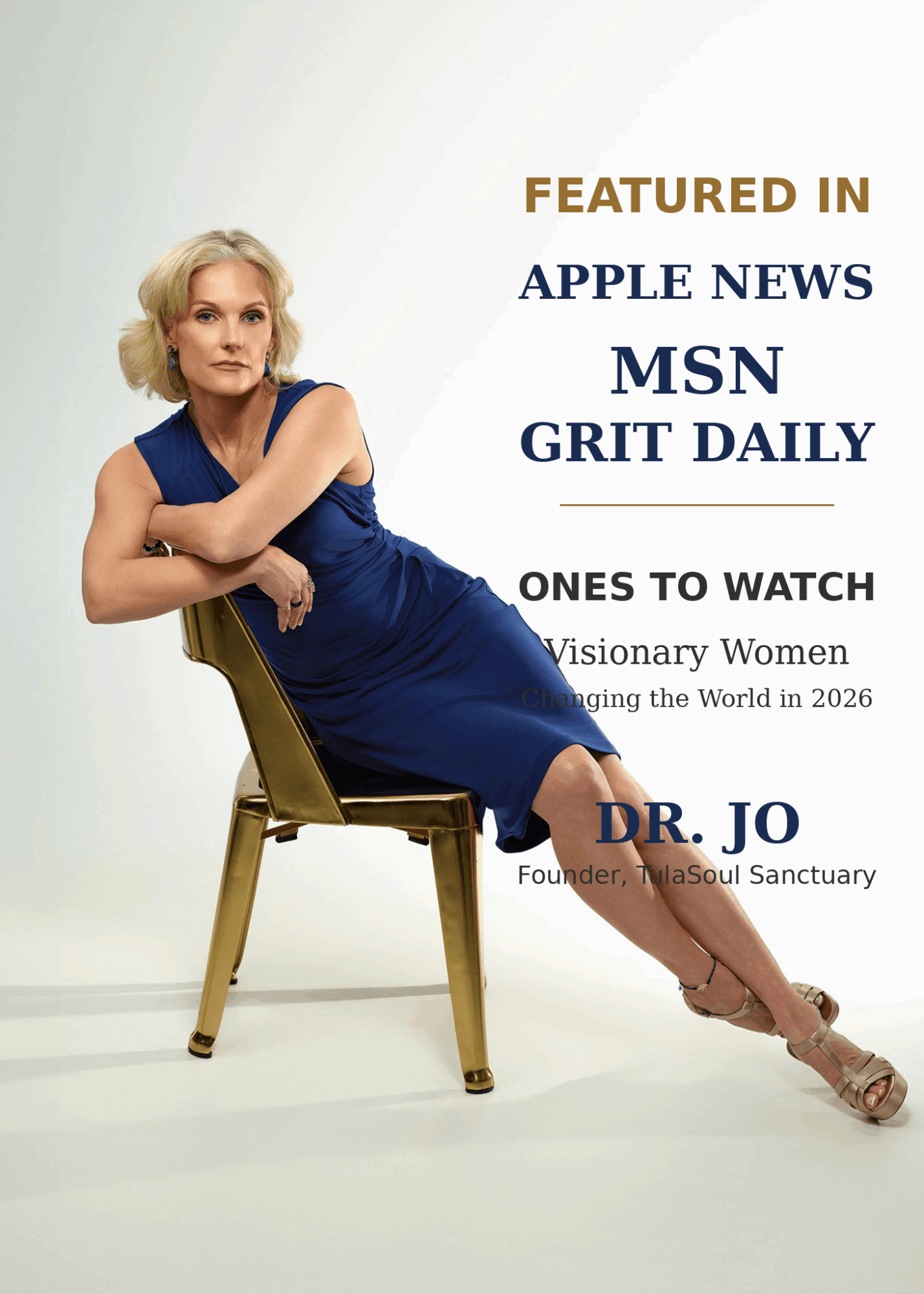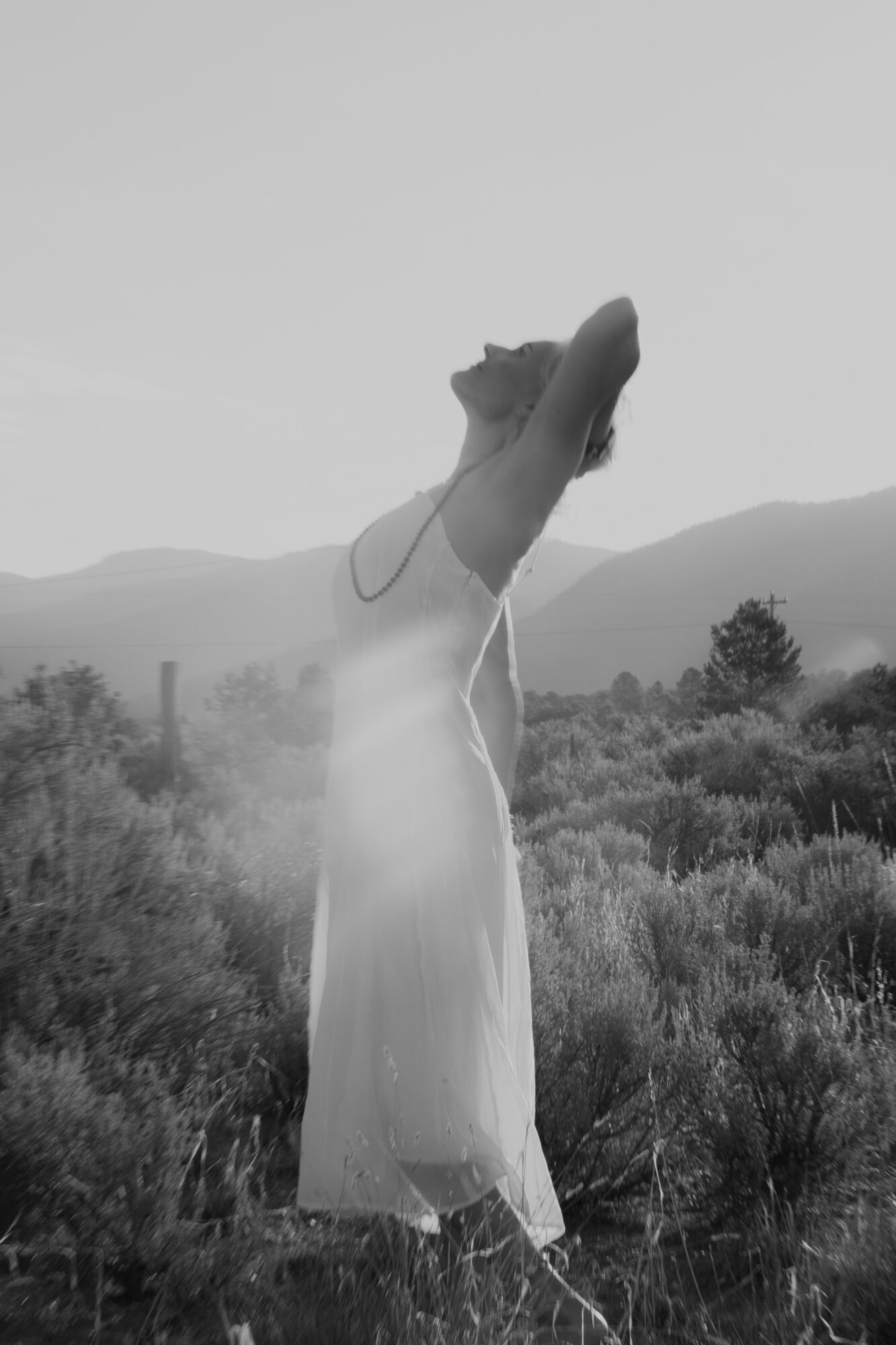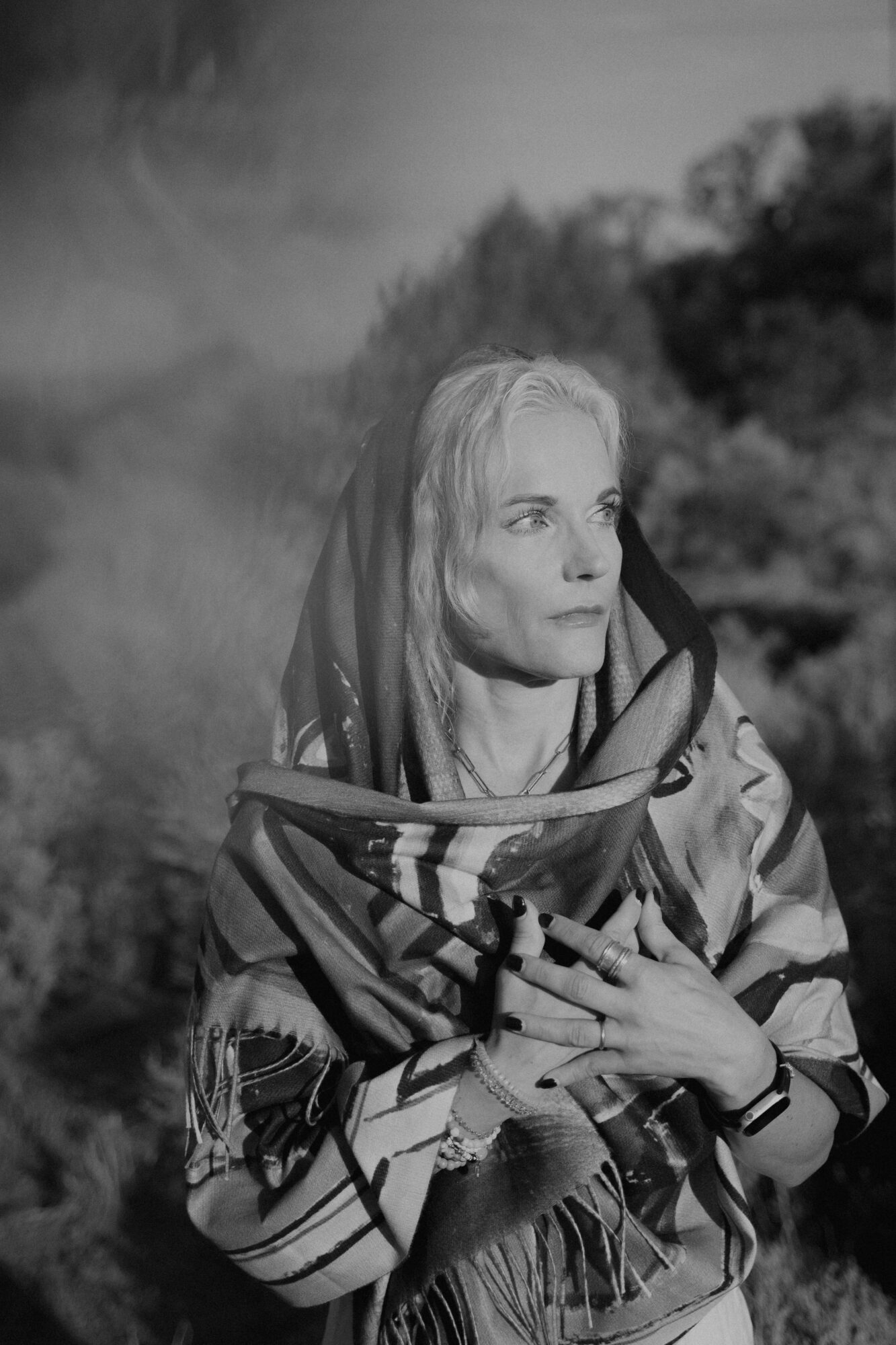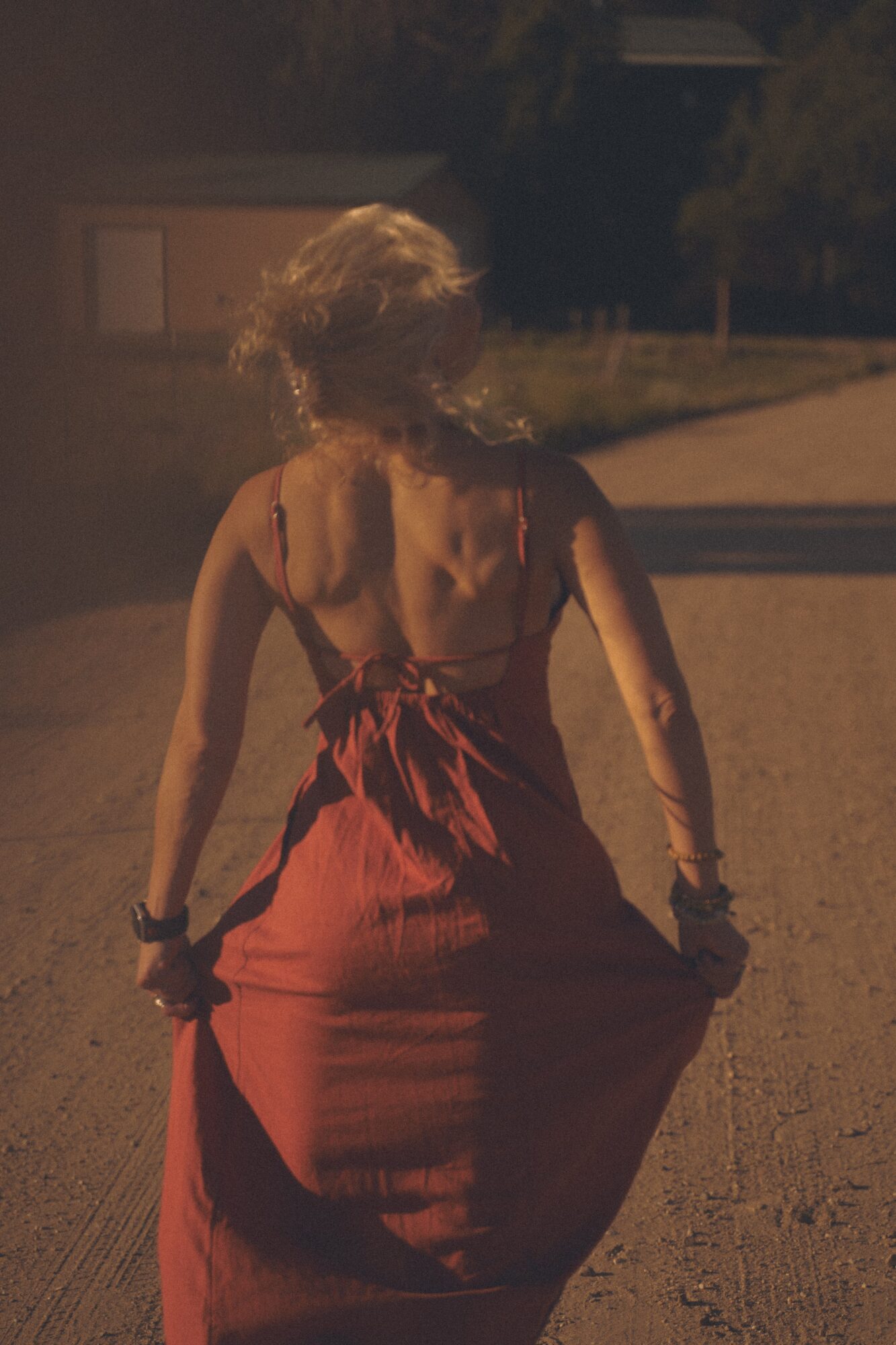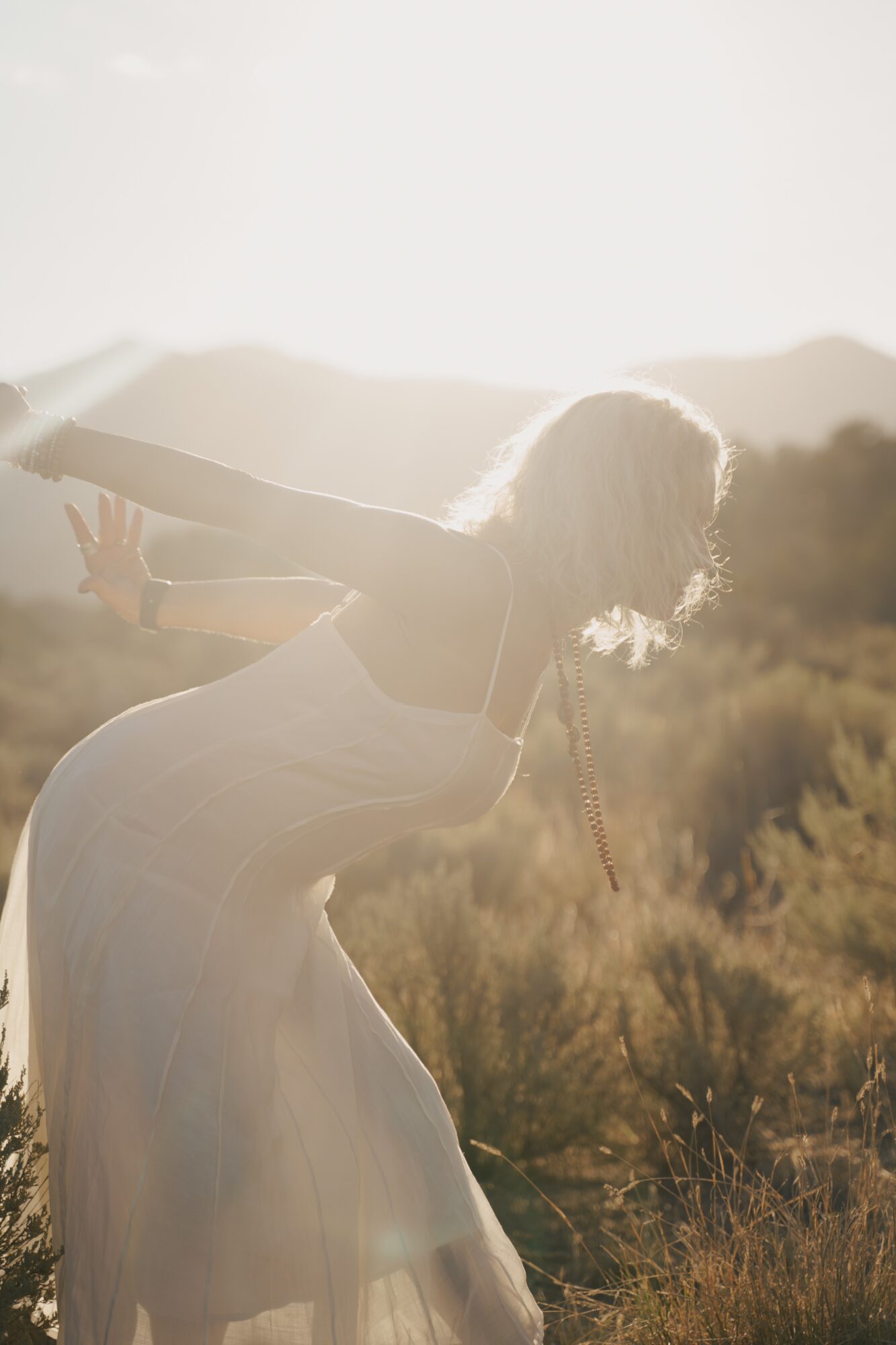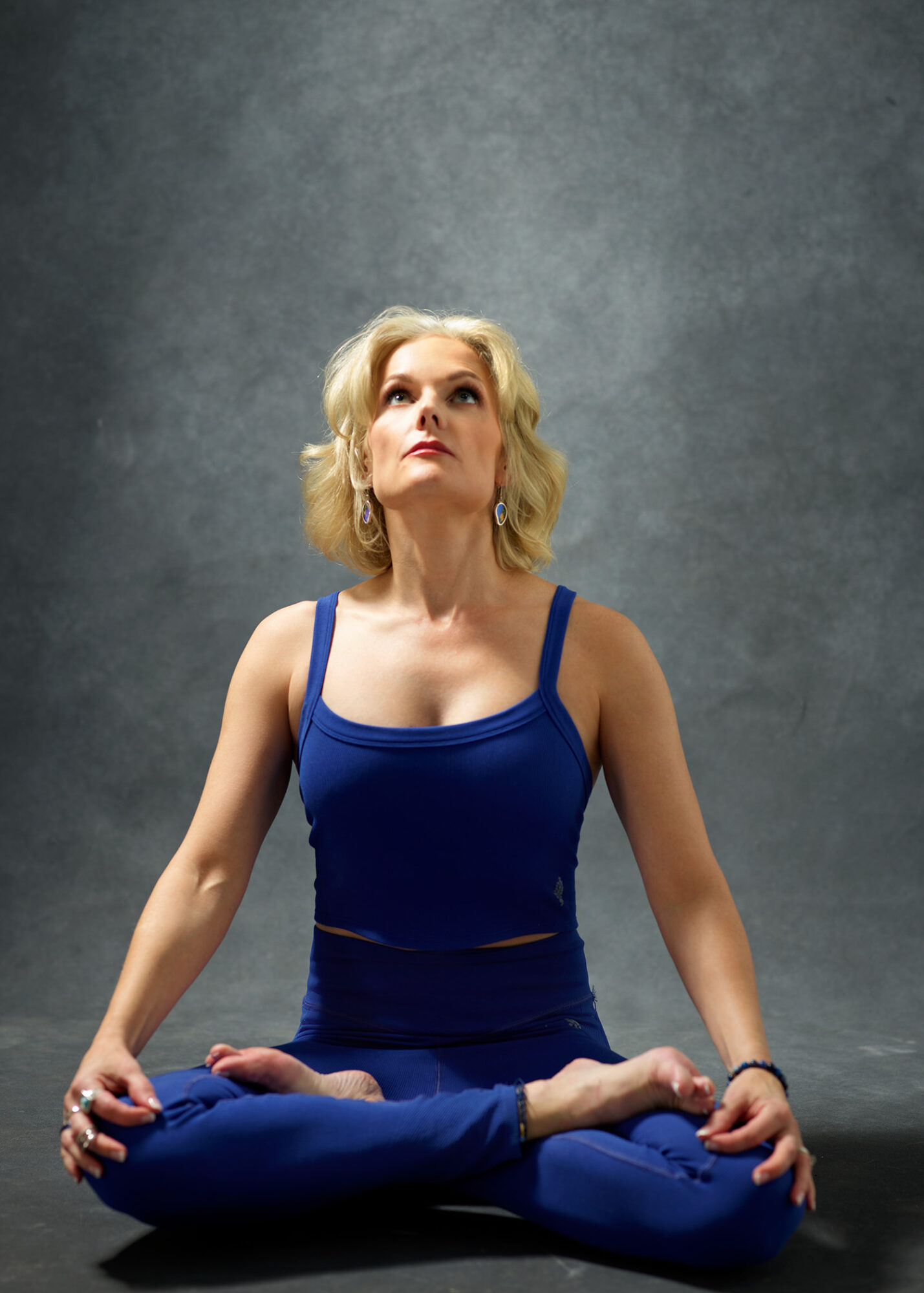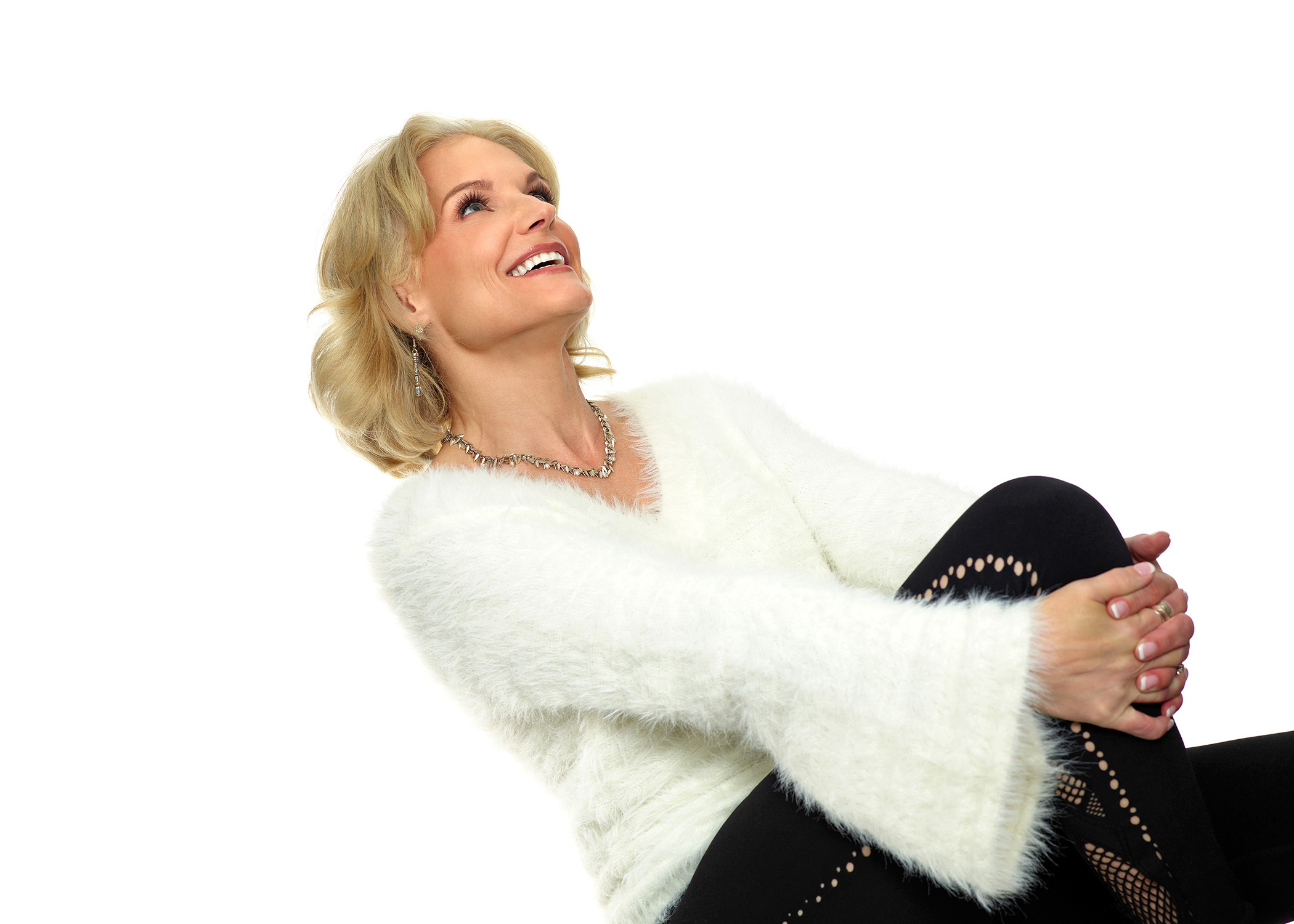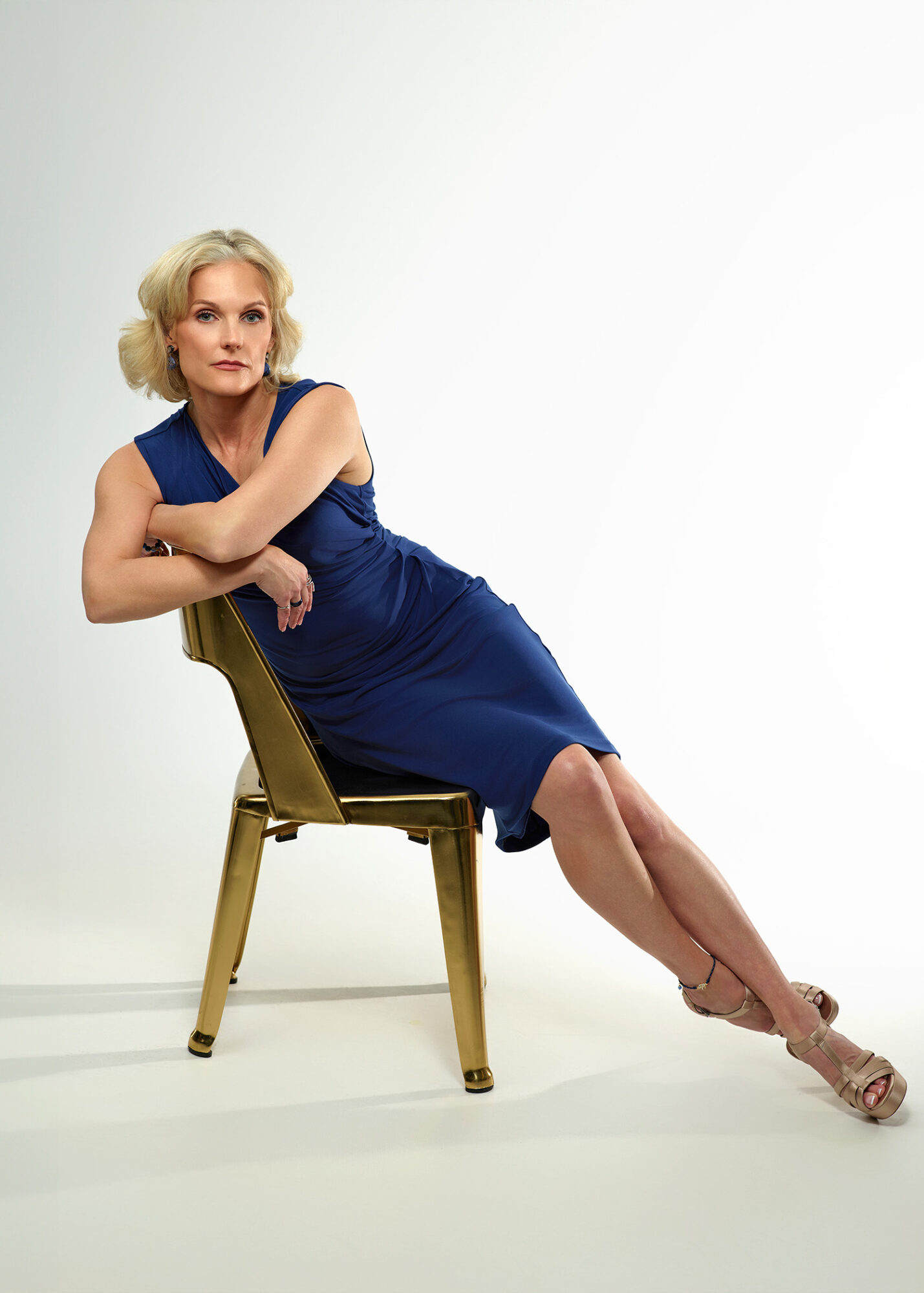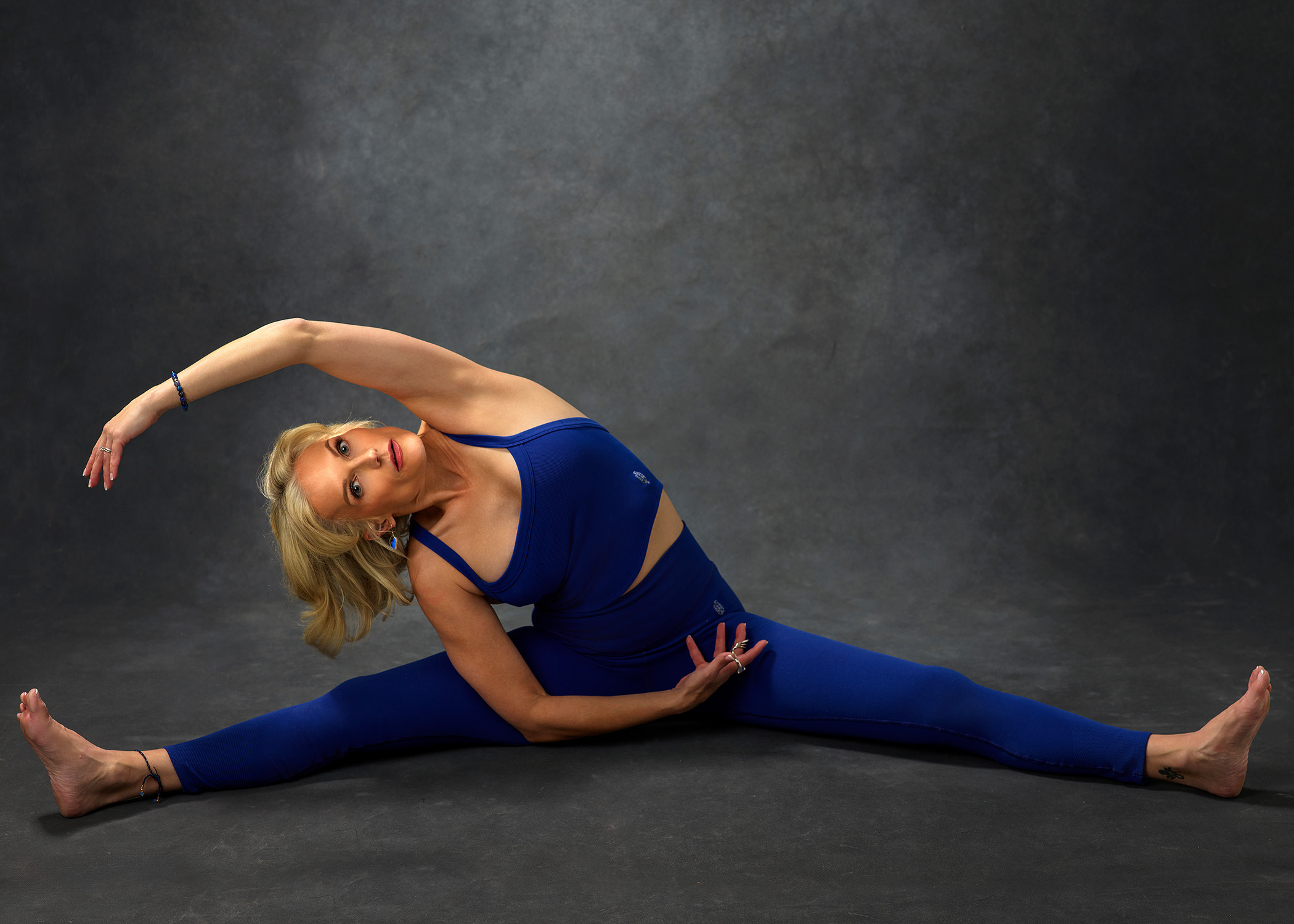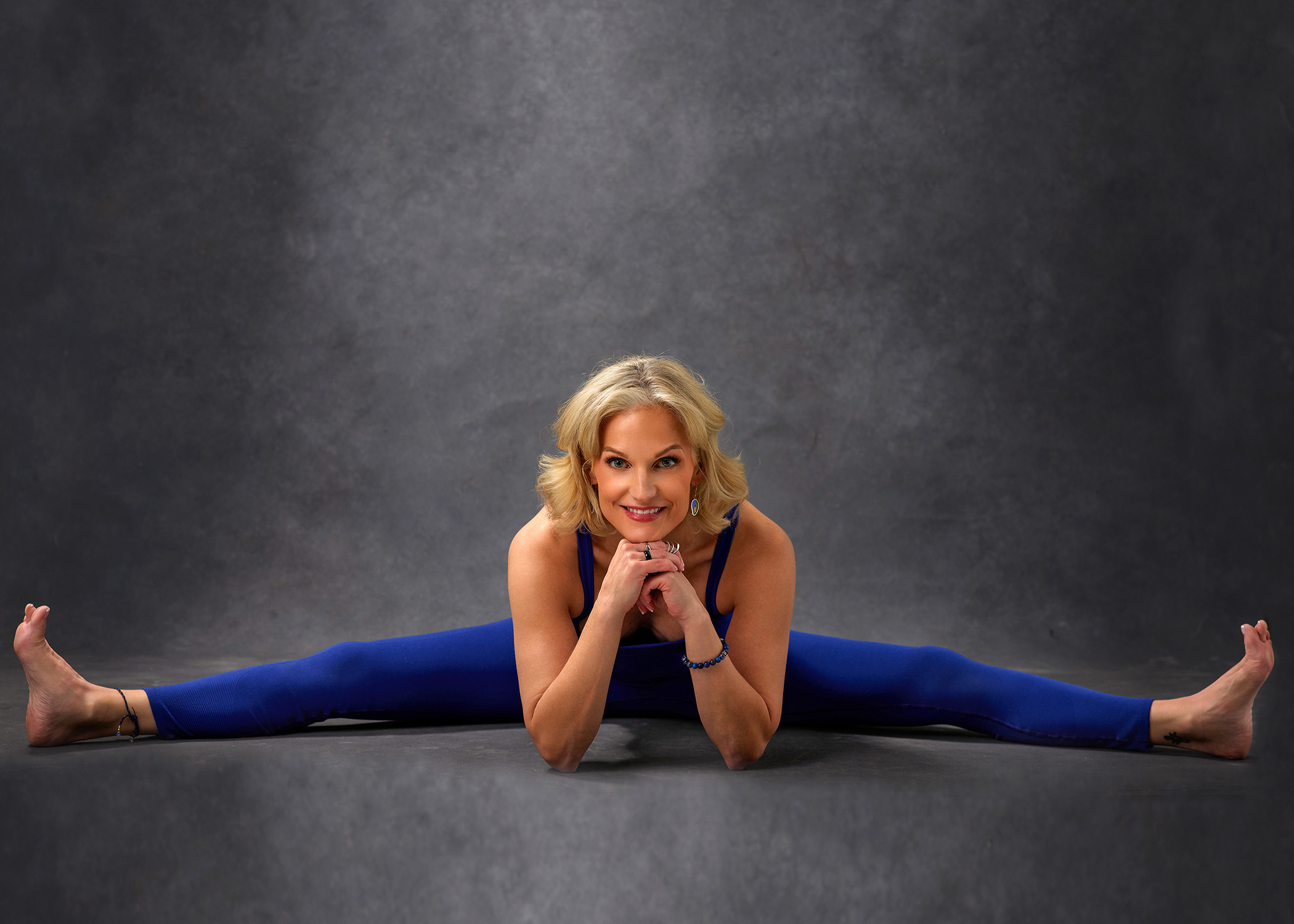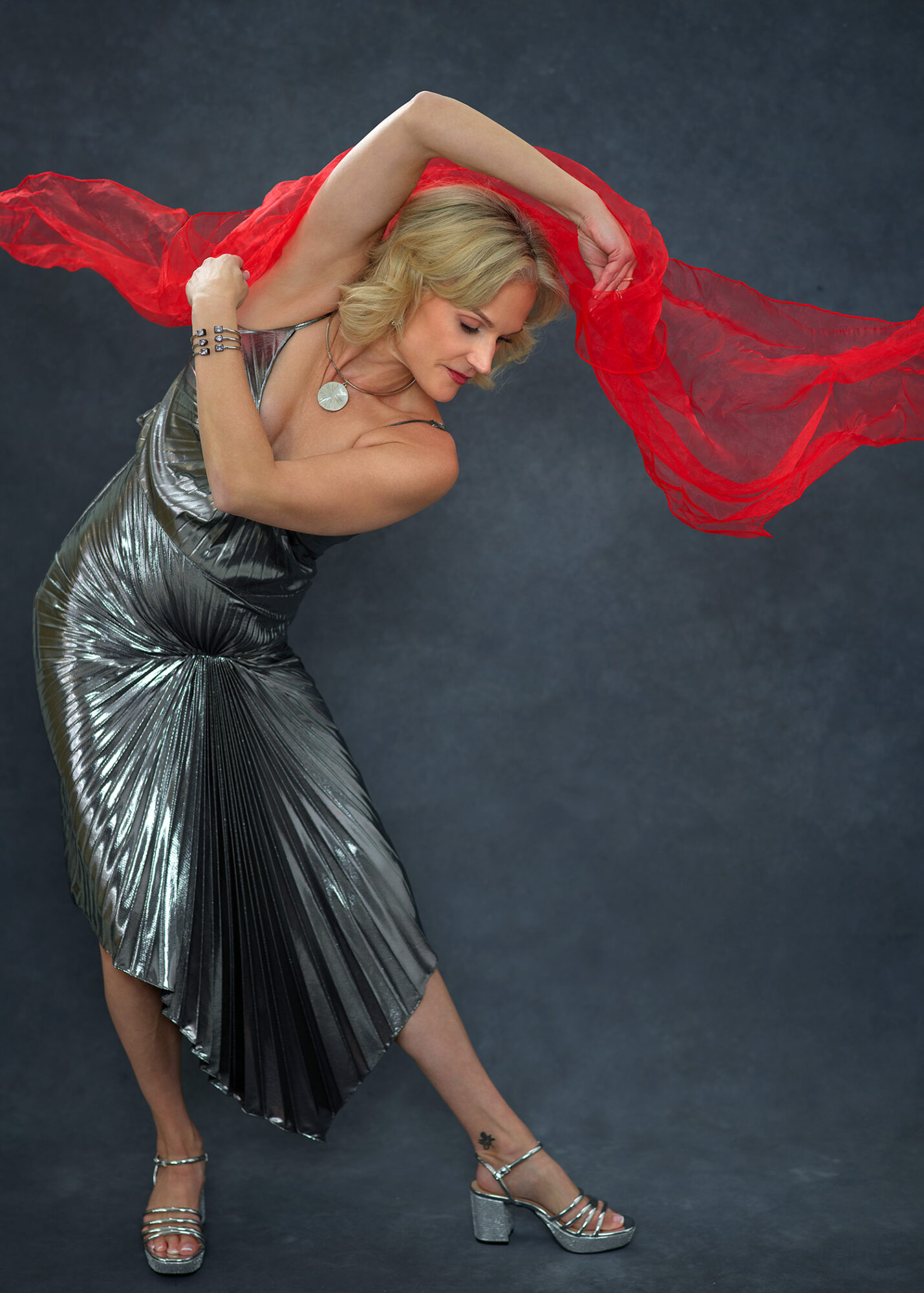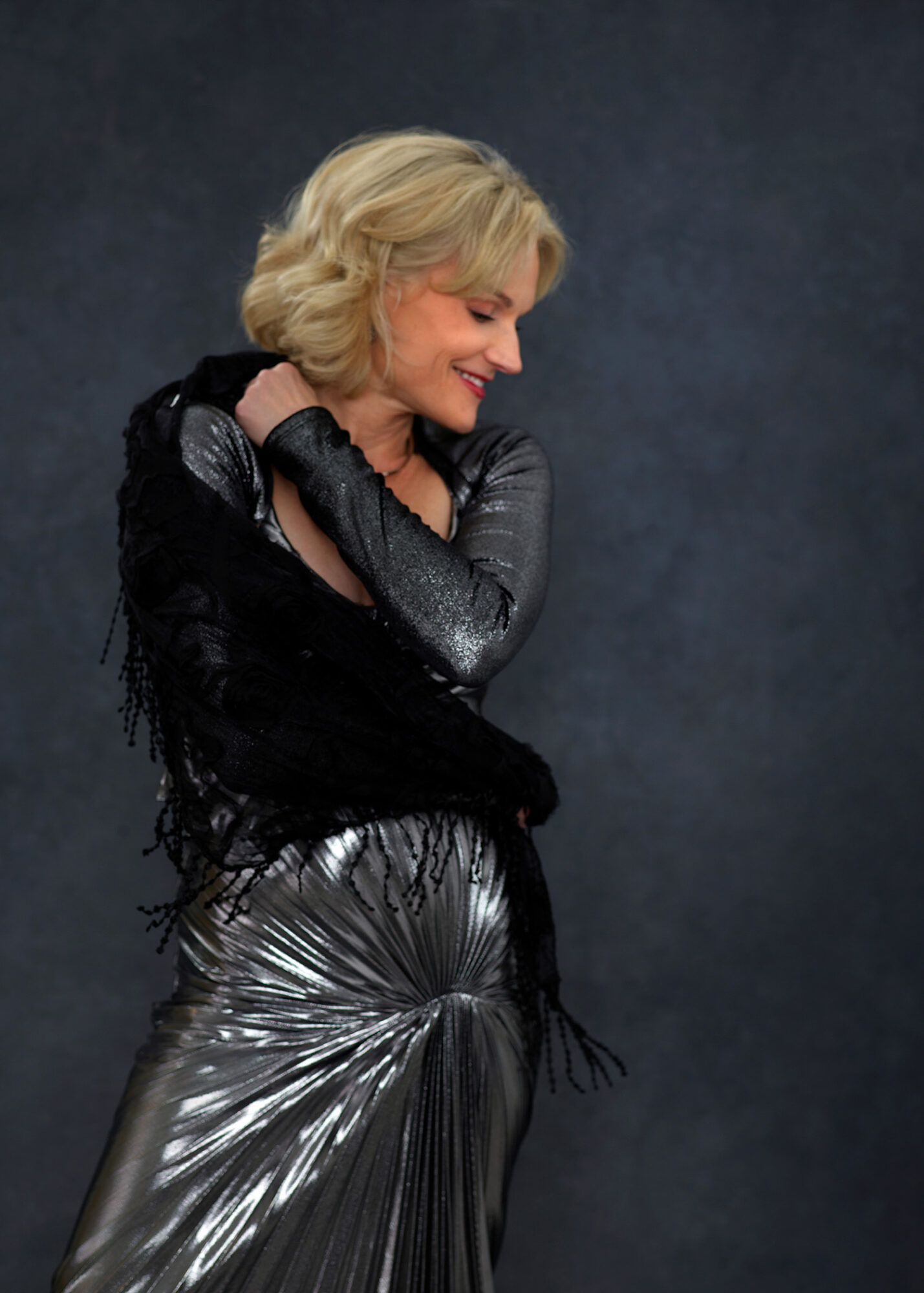




Today we’d like to introduce you to Dr. Jo L.
Hi Dr. Jo, please kick things off for us with an introduction to yourself and your story.
My story began long before TulaSoul existed. In many ways, it began when I was just 12 years old, hospitalized for anorexia. At an age when most children are discovering who they are, I was fighting a battle with my own body that would shape much of my life.
Even as a young girl, I had an insatiable curiosity about people. I wanted to understand why we think, feel, and behave the way we do. I was fascinated by the human mind, our relationships, our suffering, and our extraordinary capacity for resilience. More than anything, I wanted to help people. I knew early on that I wanted to become a psychologist.
I pursued that dream with determination, going straight through college and graduate school to earn my doctorate in clinical psychology. I eventually established my own private practice, where I spent 13 years helping people navigate trauma, emotional pain, relationships, and the complexities of being human. I loved the depth of that work and the privilege of being invited into people’s most vulnerable experiences.
But while I was helping others heal, I was also navigating my own complicated journey.
My history includes childhood trauma, sexual violence, decades of struggling with anorexia, and serious medical challenges, including multiple major abdominal surgeries. There were times when my body was quite literally fighting to survive. I learned firsthand that intellectual insight, while valuable, doesn’t necessarily translate into feeling safe, connected, or at home in our bodies.
My professional training had taught me so much about the mind, but my own experiences compelled me to explore something more: **What happens when we understand our suffering intellectually but remain disconnected from ourselves physically, emotionally, and spiritually?**
That question changed the direction of my life.
I began exploring the intersection of psychology, neuroscience, somatic healing, yoga, meditation, breathwork, spirituality, and the wisdom of the body. I pursued extensive additional training and certifications, eventually transitioning from clinical psychology into holistic coaching, embodiment education, and women’s wellness.
And TulaSoul was born.
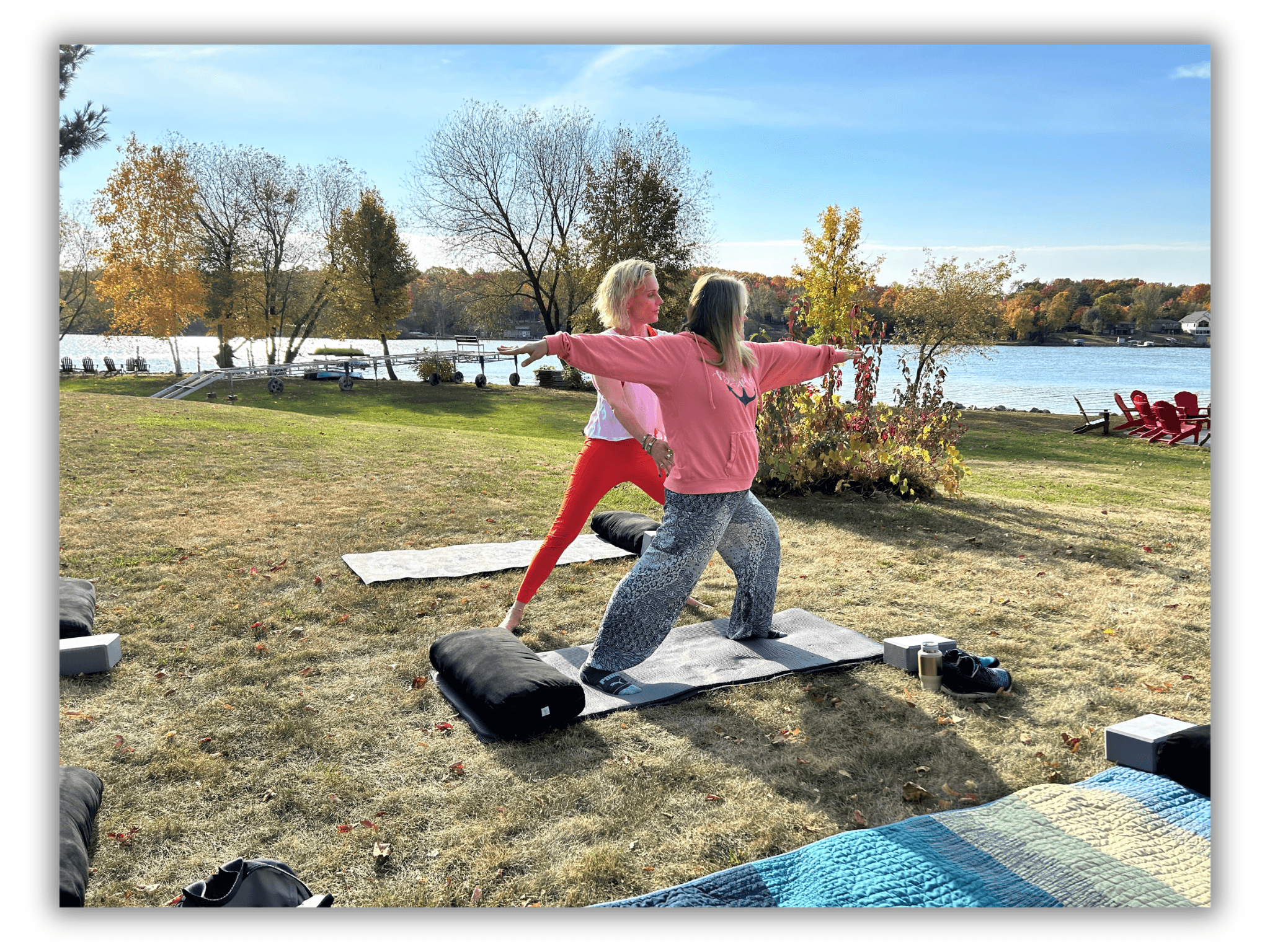
Today, through TulaSoul, I work primarily with women who have spent much of their lives meeting expectations, caring for others, achieving, performing, and often abandoning themselves in the process. I offer individualized, trauma-informed, body-positive holistic coaching, yoga, meditation, breathwork, women’s circles, workshops, and retreats.
I’m also an author and award-winning poet. Writing has always been another way for me to make meaning from experiences that sometimes defy explanation. My forthcoming 99-day embodiment journal is designed to help women cultivate a more compassionate, trusting relationship with themselves and their bodies.
One of my greatest passions is healing what I call the *sister wound*: the ways women have been conditioned to compare, compete, judge, and distrust one another rather than recognize our shared humanity and collective strength. I believe that when women stop seeing one another as threats and begin recognizing one another as allies, something extraordinary becomes possible.
This passion is woven into my signature framework, **Empowered, Embodied, and Enlightened™**, which integrates personal agency, nervous system awareness, embodied practices, and spiritual exploration.
My journey has been anything but linear. I’ve experienced profound suffering, unexpected detours, reinvention, and moments when simply surviving was an accomplishment. But I’ve also experienced tremendous beauty, love, curiosity, laughter, and transformation.
I sometimes describe myself as *spiritual by catastrophe*. Not because I believe suffering is necessary for growth, or that everything happens for a reason, but because I’ve chosen to make meaning from experiences I never would have chosen.
At this stage of my life, I’m less interested in helping women become better versions of themselves and far more interested in helping them remember who they were before the world told them who they were supposed to be.
**I spent much of my life trying to understand the human mind. Today, my work is about helping women come home to their whole selves.**
And perhaps the most beautiful part of my story is that I’m still becoming.
We all face challenges, but looking back would you describe it as a relatively smooth road?
A smooth road? Not even remotely! Mine has been filled with more twists, detours, potholes, and unexpected catastrophes than I could have imagined. But it has also taught me extraordinary lessons about resilience, compassion, and the remarkable capacity of the human body and spirit to heal.
One of my greatest struggles has been my lifelong relationship with anorexia. I was first hospitalized at 12, but anorexia is an incredibly cunning and persistent illness. It doesn’t simply disappear because you’re intelligent, educated, successful, or even a psychologist who understands the mechanisms behind it. I experienced relapses throughout my life, including one that required me to return to intensive treatment in 2010.
There is a particular kind of humility that comes from being a psychologist who has helped others navigate their suffering while simultaneously struggling with her own. Knowledge doesn’t make us immune to pain. Professional expertise doesn’t exempt us from being human.
My body has also endured an extraordinary amount. I’ve undergone approximately 15 surgeries, many involving serious abdominal complications, and experienced periods of hospitalization, pain, uncertainty, and recovery. There have been moments when I genuinely didn’t know what my future would look like.
And yet, one of the most profound lessons I’ve learned is just how remarkable the human body is.
**After everything I’ve put my body through, and everything it has endured, it continues to fight for me, repair itself, and find ways to heal.**
For years, I viewed my body as something to control, criticize, and conquer. Today, I see it as an extraordinary ally. That shift didn’t happen overnight, and it certainly wasn’t accomplished through positive affirmations alone. It required me to fundamentally reconsider everything I’d learned about worth, beauty, safety, control, and what it means to inhabit a female body.
There have also been significant professional challenges.
Transitioning from clinical psychology into holistic coaching and women’s wellness was much more difficult than I anticipated. When I operated my private psychology practice, clients often found me through insurance networks, professional referrals, and established healthcare systems. I was fortunate to have a steady stream of clients without needing to market myself extensively.
When I transitioned into coaching and stopped accepting insurance, everything changed.
Suddenly, I wasn’t just a practitioner. I was an entrepreneur, marketer, content creator, website developer, salesperson, and business strategist. I had to learn how to communicate the value of my work to women who would be investing their own money rather than relying on insurance coverage.
And marketing myself? That was an entirely different kind of vulnerability!
I had spent years helping other people find their voices, yet now I had to learn to use my own publicly, consistently, and unapologetically. Building a business that reflects my values while navigating the realities of entrepreneurship has been a tremendous learning experience. I’ve invested time, energy, and money into things that didn’t work. I’ve questioned decisions, experienced disappointments, and learned that being excellent at your profession doesn’t automatically make you excellent at running a business.
I’ve also had to confront the uncomfortable reality that not everyone will understand, appreciate, or agree with my approach. My work challenges deeply ingrained cultural beliefs about women’s bodies, power, worth, and the expectations placed upon us. I’ve become increasingly comfortable with the fact that the more authentically I show up, the fewer people I may appeal to—and that’s okay.
Perhaps the greatest challenge has been learning to extend the same compassion to myself that I’ve spent my life offering others.
I don’t romanticize suffering. I don’t believe trauma is a gift, that illness happens for a reason, or that we must be broken open to become wise. There are experiences I would never wish upon anyone, and I would gladly have lived without them.
But I do believe we can choose what we create from the experiences we’ve survived.
My struggles have given me a deeper appreciation for the complexity of healing, the limitations of conventional definitions of success, and the importance of meeting people exactly where they are.
Today, I don’t measure success solely by professional accomplishments, awards, income, or recognition. I measure it by how authentically I live, how deeply I connect, and whether the work I’m doing contributes something meaningful to the lives of others.
**I’ve spent much of my life learning that my body is not my enemy, my struggles are not my identity, and my worth has never depended on how successfully I perform being human.**
And despite everything, I remain insatiably curious about what comes next.
Thanks for sharing that. So, maybe next you can tell us a bit more about your business?
TulaSoul is more than a women’s wellness business. It is an invitation for women to come home to themselves.
I founded TulaSoul on a belief that has become increasingly central to my work: **Women do not need to be fixed. We need spaces where we can stop performing, reconnect with our bodies, reclaim our power, and remember who we were before the world told us who we were supposed to be.**
My work integrates my background as a former clinical psychologist with extensive training and experience in holistic coaching, yoga, meditation, somatic practices, spirituality, and embodiment education. I specialize in helping women navigate life transitions, trauma-related patterns, body shame, disconnection, perfectionism, people-pleasing, and the relentless expectations that so often define women’s lives.
What sets TulaSoul apart is that I don’t approach women’s well-being as a collection of isolated problems to solve. I see the mind, body, emotions, relationships, cultural conditioning, and spiritual life as interconnected. We cannot fully understand a woman’s struggles without considering the world in which she has learned to survive.
**My signature methodology: Empowered, Embodied, and Enlightened™ (EEE)**
I developed my EEE™ framework to bring together three essential dimensions of personal transformation.
**EMPOWERED — Reclaim Your Power**
This dimension focuses on helping women recognize and challenge the beliefs, expectations, and social conditioning that have shaped their identities.
We explore boundaries, self-worth, personal values, authentic expression, relationships, internalized misogyny, and the ways patriarchal systems influence women’s relationships with themselves and one another.
A particularly important aspect of this work is healing the *sister wound*: the competition, comparison, judgment, and distrust that women can internalize in a culture that has historically positioned us against one another.
I want women to recognize that another woman’s beauty, intelligence, success, or power does not diminish their own.
Empowerment, to me, isn’t simply about confidence. It’s about reclaiming authorship of our lives.
**EMBODIED — Return to Your Body**
This is where my work becomes especially distinctive.
Many approaches to personal development emphasize changing our thoughts. But what happens when we intellectually understand something and still feel trapped in the same emotional or behavioral patterns?
Our bodies are not merely vehicles transporting our brains from one appointment to another!
Embodiment involves cultivating awareness of our internal sensations, emotions, physical responses, and nervous system patterns. Through practices such as yoga, breathwork, meditation, intuitive movement, somatic exploration, tapping, and body-positive exercises, I help women develop a more compassionate and trusting relationship with their bodies.
I also incorporate principles of interoception, the ability to notice and interpret internal bodily signals, and explore how stress, trauma, and cultural conditioning can influence our relationships with hunger, rest, pleasure, movement, and physical safety.
Having lived with anorexia and undergone approximately 15 surgeries, this dimension of my work is profoundly personal.
I know what it means to experience the body as an adversary. I also know the extraordinary transformation that can occur when we begin relating to our bodies as allies rather than objects to control.
**ENLIGHTENED — Remember Who You Are**
The third dimension invites women to explore meaning, consciousness, spirituality, and their relationship with something larger than the roles they occupy.
This is not about promoting a particular religion or belief system. I honor each woman’s right to define spirituality, or choose not to engage with it, on her own terms.
Through meditation, contemplative practices, journaling, poetry, creative expression, philosophical inquiry, and exploration of spiritual traditions, we investigate questions that often get lost beneath the demands of everyday life.
Who am I beyond my accomplishments, appearance, relationships, and responsibilities? What do I believe? What brings meaning to my life? What does it mean to live in alignment with my deepest values?
For me, enlightenment isn’t about becoming some perfectly peaceful, perpetually smiling woman who never gets angry. Frankly, that sounds exhausting.
It’s about developing awareness, compassion, discernment, and the freedom to live more consciously.
**What makes TulaSoul different?**
I bring together decades of psychological education and professional experience, extensive holistic training, and the lived perspective of someone who has navigated profound personal challenges.
I’m not interested in selling women another impossible ideal disguised as self-improvement.
The wellness industry can sometimes perpetuate the very pressures it claims to alleviate, suggesting that women must achieve the perfect body, perfect mindset, perfect morning routine, or perfect spiritual practice to be worthy of peace.
I reject that premise.
My approach is trauma-informed, body-positive, inclusive, and individualized. I don’t believe healing follows a prescribed timeline, and I don’t believe any single modality works for everyone. I combine education, practical tools, experiential exercises, reflection, and compassionate exploration while respecting each woman’s autonomy and lived experience.
I also distinguish my coaching and educational work from clinical psychotherapy. My psychological background informs my perspective, but TulaSoul is not a substitute for mental health treatment.
**What TulaSoul offers**
My services include individualized holistic coaching, embodiment education, yoga, meditation, breathwork, women’s circles, workshops, retreats, and group programs.
My women’s circles are particularly meaningful to me. They offer opportunities for women to gather without the usual pressures to compete, impress, perform, or pretend. We explore themes of identity, self-worth, relationships, spirituality, personal agency, and collective healing through conversation, movement, meditation, and ritual.
I am also developing a comprehensive EEE™ educational program and expanding my writing, including a forthcoming 99-day embodiment journal designed to help women cultivate awareness, emotional regulation, self-compassion, authentic expression, and embodied leadership through daily practices.
As an author and award-winning poet, I weave creativity and storytelling throughout my work. Sometimes a poem can reach a place that a lecture never could.
**What I’m most proud of**
I’m proud that TulaSoul reflects who I actually am.
It isn’t a brand manufactured around a marketing trend. It grew from decades of professional study, lived experience, curiosity, questioning, and an unwavering belief in women’s capacity to reclaim their lives.
I’m proud of the recognition my work has received, including awards in holistic coaching, women’s personal development, and business leadership. But the recognition that matters most comes when a woman tells me she finally feels comfortable in her own skin, has found the courage to establish a boundary, or no longer believes she must earn her worth through achievement or appearance.
I’m especially proud that compassion and authenticity remain at the center of my business, even when those values challenge conventional approaches to marketing and success.
**What I want readers to know**
You don’t have to wait until you’ve lost weight, healed every wound, accomplished another goal, found the perfect relationship, or become a different person to begin living fully.
You are allowed to take up space now.
You are allowed to question the rules you’ve inherited.
You are allowed to change your mind, find your voice, experience pleasure, set boundaries, and belong to yourself.
And you don’t have to do it alone.
My larger vision is to help create a world in which women recognize one another as allies rather than adversaries, where our bodies are respected rather than scrutinized, and where empowerment is not simply an individual achievement but a collective possibility.
**TulaSoul is built around three invitations: Reclaim your power. Return to your body. Remember who you are.**
Because when women come home to themselves, I believe they have the potential to change far more than their own lives.
Learn more at **www.drjotulasoul.com** or explore my writing at https://substack.com/@drjotulasoul.
Can you tell us more about what you were like growing up?
Feisty! Independent, curious, energetic, opinionated, and probably a little exhausting for the adults around me.
When I was just two years old, my dad described me as being “like a bull in a china shop.” Apparently, subtlety was never one of my defining characteristics! I had a strong personality, a mind of my own, and very definite ideas about what I liked.
For example, I went through an entire year when I insisted on wearing red. I called the color “cherry,” and as far as I was concerned, any outfit was acceptable as long as it was cherry! Looking back, I think that little girl already understood something about authenticity and personal expression that many of us spend our adult lives trying to reclaim.
I was outgoing, athletic, social, and popular, with lots of friends. I wasn’t particularly shy, and I loved being active. I especially loved swinging. There was something magical about pumping my legs, flying higher and higher, feeling the wind against my face, and experiencing that brief moment of weightlessness at the top. Perhaps my love of movement and embodiment began long before I had language for either.
My sisters and I spent countless hours outside, inventing elaborate imaginary worlds. We rode stick horses, pretended to travel around the world, and created adventures with whatever we could find. We didn’t need elaborate toys or technology. We had our imaginations, the outdoors, and one another.
I also loved playing teacher or businesswoman. I would collect forms from the post office and use them to create my own imaginary business. I took these games quite seriously! I loved organizing, directing, teaching, and pretending to run things. In retrospect, it’s amusing that I eventually became both an educator and an entrepreneur. Apparently, I was rehearsing for adulthood without realizing it.
But there was another side to my childhood that was far less carefree.
I experienced sexual abuse as a young girl, and around the age of six, I began developing obsessive-compulsive behaviors. I remember timing myself while cleaning the bedroom I shared with my two sisters. What might have appeared to be an unusually tidy or disciplined child was also a little girl trying to create order and control in a world that didn’t always feel safe.
I attended Catholic school, and I developed an intense preoccupation with sin and doing something wrong. I remember repeatedly praying for forgiveness because I had thought the word “shit.” Not said it aloud. Merely thought it!
Imagine being a little girl who believed even her thoughts required forgiveness.
Looking back, I can see how anxiety, shame, religious conditioning, and the need for control became intertwined in my early experiences. I was simultaneously a bold, spirited child who loved adventure and a frightened little girl trying desperately to be good.
I think that’s an important distinction. Children are rarely just one thing. I could be confident and fearful, outgoing and anxious, fiercely independent and deeply vulnerable. All of those parts existed together.
By the time I was 12, I had developed anorexia and was hospitalized. My relationship with my body, perfectionism, and control would become a significant part of my story for decades.
Yet I don’t want my childhood to be defined exclusively by trauma or illness. There was so much joy, imagination, laughter, friendship, and determination, too.
I was endlessly curious about people and fascinated by why we behave the way we do. I wanted to understand others and help. Even as a child, I knew I wanted to become a psychologist.
Today, I recognize so much of that little girl in the woman I’ve become.
The feistiness is still here. So is the curiosity, the imagination, the love of movement, the desire to teach, and the occasional tendency to charge into things like a bull in a china shop.
What has changed is my relationship with the parts of myself that once felt frightened, ashamed, or compelled to be perfect.
I no longer believe that little girl needed to become quieter, smaller, more obedient, or more acceptable. She needed safety, compassion, and the freedom to be herself.
In many ways, the work I do today is about helping women reclaim the very qualities we often learn to suppress as little girls: our boldness, curiosity, pleasure, imagination, voices, and unapologetic desire to take up space.
And somewhere inside me, that two-year-old girl who insisted on wearing “cherry” is still making her own rules.
Contact Info:
- Website: https://tulasoul-come-home.jo-54d5.chatgpt.site/
- Instagram: https://www.instagram.com/holisticcoachjo
- Facebook: https://facebook.com/drjotulasoul
- LinkedIn: https://www.linkedin.com/in/drjotulasoul
- Youtube: https://www.youtube.com/@drjotulasoul
- Other: https://app-builder-drjotulasoul.replit.app/