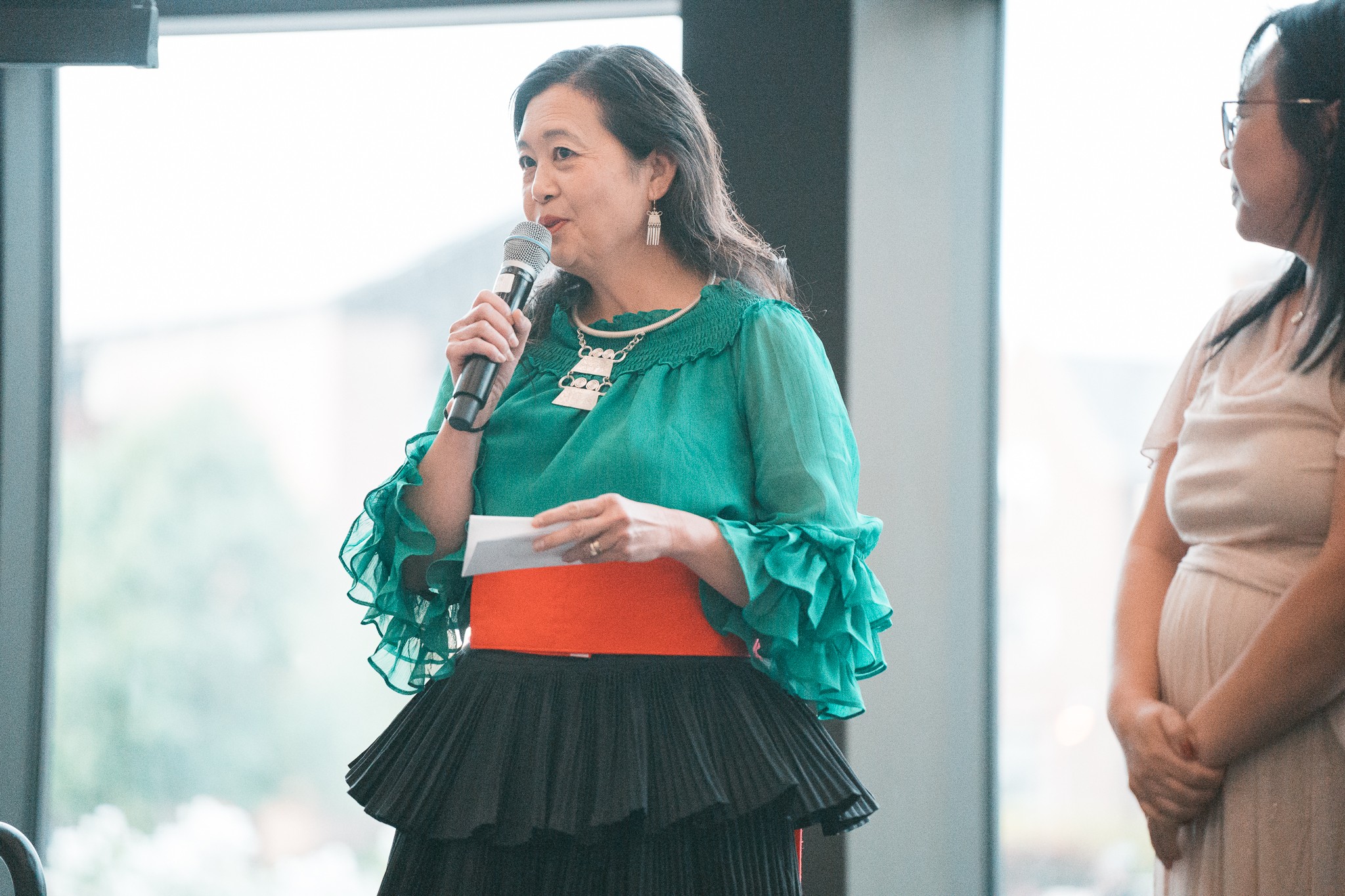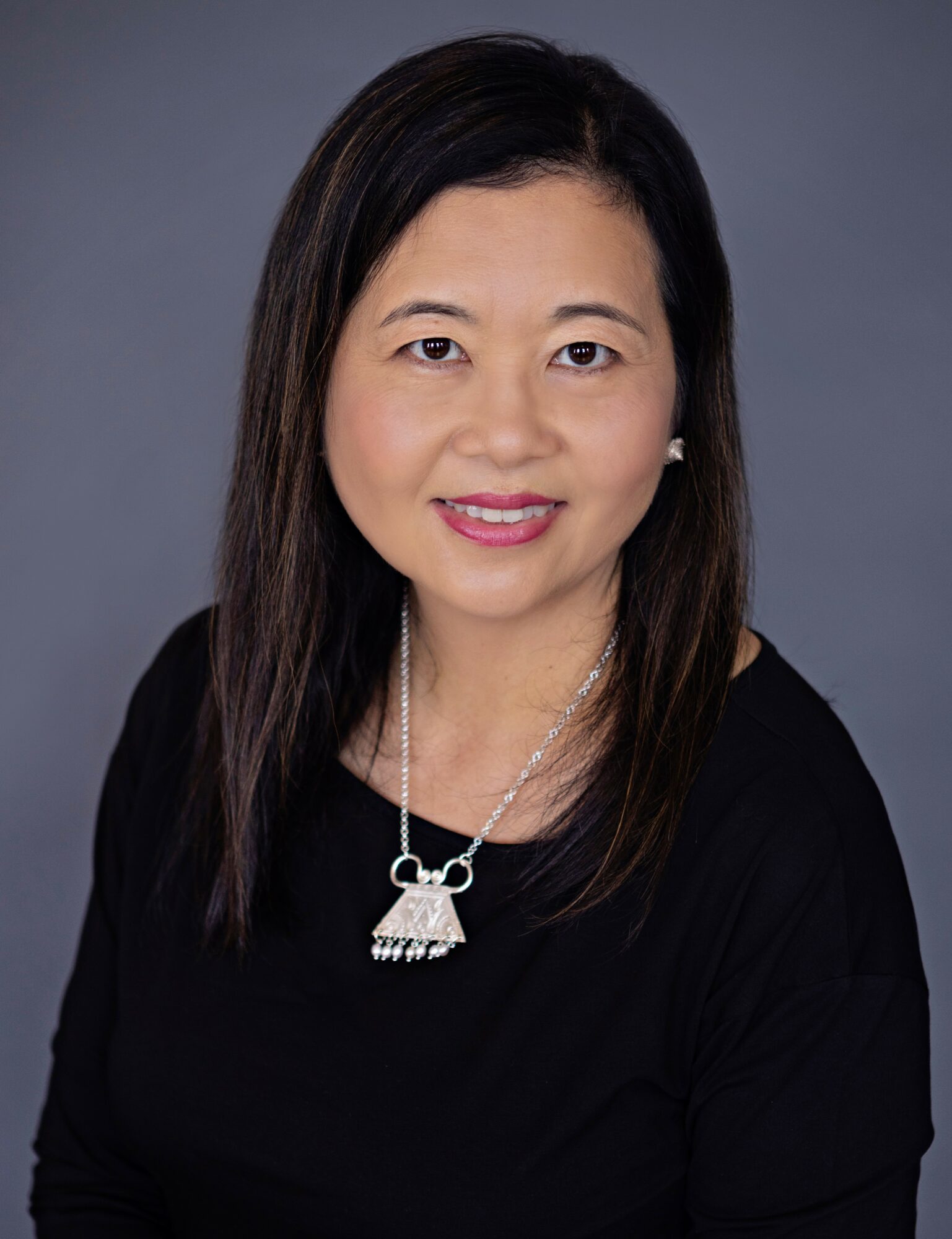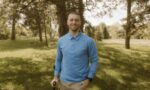






Today we’d like to introduce you to Alyssa Kaying Vang, PsyD, LP.
Hi Alyssa, please kick things off for us with an introduction to yourself and your story.
First of all, thank you for this opportunity to be featured. My name is Alyssa Kaying Vang. I’m a psychologist, a mother, a wife, a sister, a daughter of refugees, and someone who has spent my life trying to build the kind of spaces I wished existed when I was growing up. My path into this work came from a deep curiosity about people, a reverence for stories, and an early awareness that so much of our pain lives in the places we don’t talk about. Over the years, I found myself drawn again and again to the intersections of culture, trauma, and healing, especially within communities like my own.
I started Vanguard Mental Health and Wellness Clinic with a simple goal: to create a clinic where people felt understood the moment they walked in. No explanations needed. Just care that made sense for who they are and where they come from. As a 1.5 generation refugee, I grew up witnessing both the strength and the silence that came with my people’s survival. I kept seeing how many people were falling through the cracks with their mental health care, not because they didn’t care about their mental health but because the system wasn’t built for them. Language, culture, and trust were real barriers. I wanted to change that. These experiences shaped who I became as a psychologist and a leader.
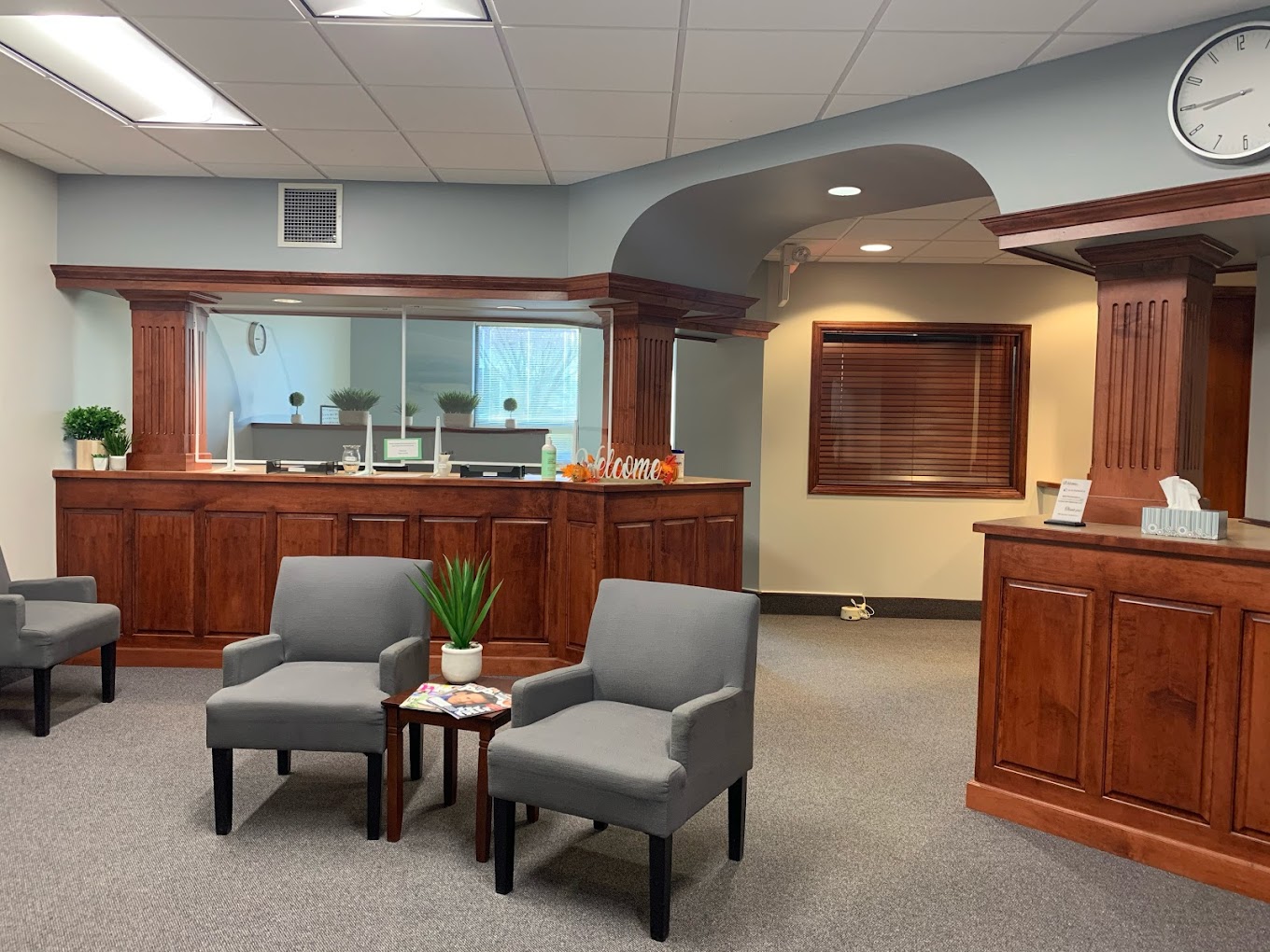
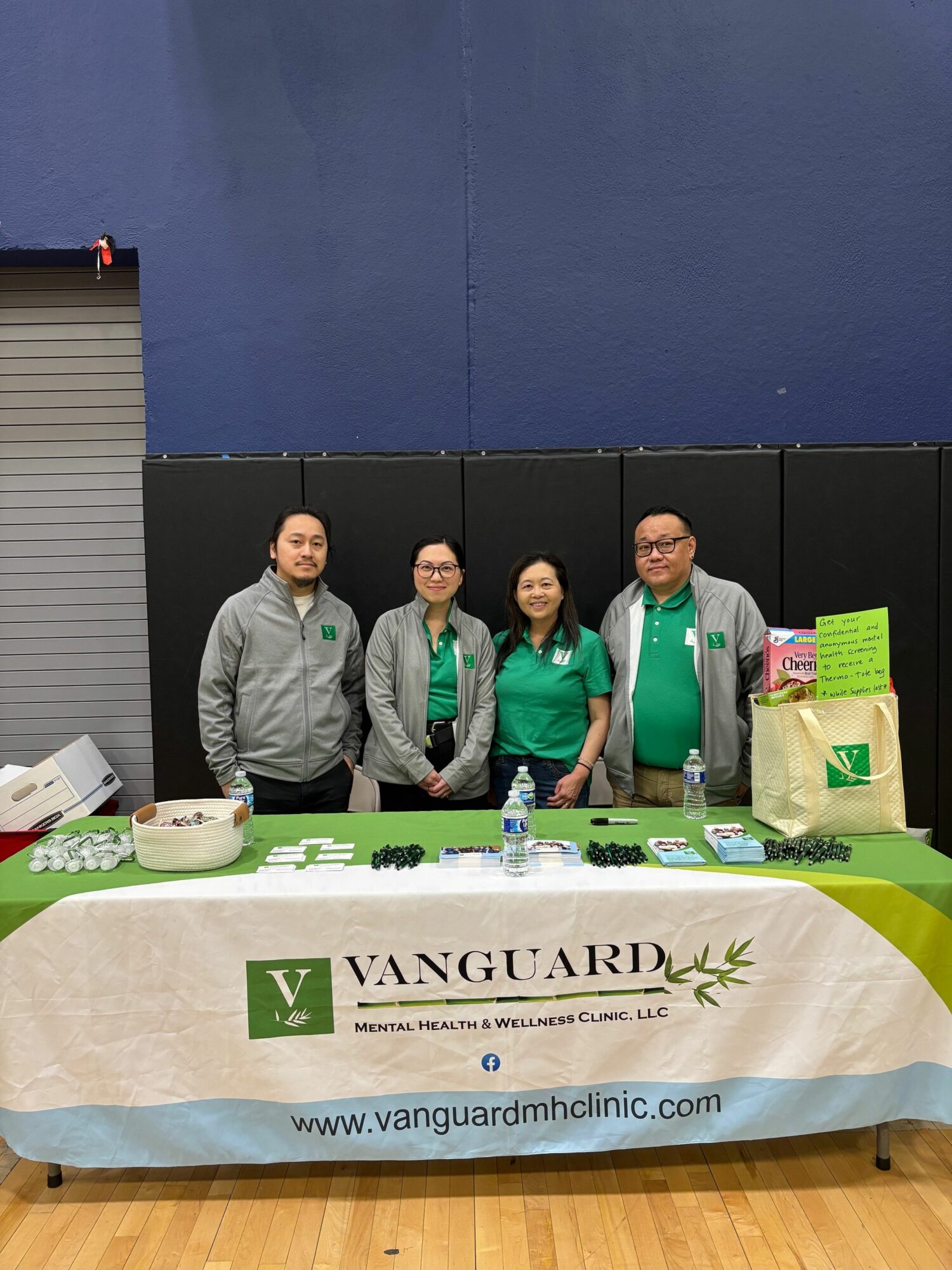
What began as a small practice has grown into a full clinic with an incredible team of bilingual and bicultural clinicians. We’ve been able to reach communities that have long been underserved, and that’s been the most meaningful part of this journey.
We all face challenges, but looking back would you describe it as a relatively smooth road?
No, it definitely hasn’t been easy, but I’ve also been blessed with the support I’ve received from my spouse and my community.
When I started Vanguard Clinic, there were tough decisions that had to be made, along with a lot of learning. There were moments it felt like I was building the plane while flying it, but I never felt alone in that process, which has made this journey much easier. The toughest part is that when you’re creating a culturally-responsive clinic that could hold both clinical care and cultural integrity, it means designing systems that didn’t exist before. Also, creating services for minoritized communities brought a number of complex challenges. We had to make care accessible while navigating cultural nuances and continuing to educate our own community about mental health. It takes patience, consistency, and a lot of heart.
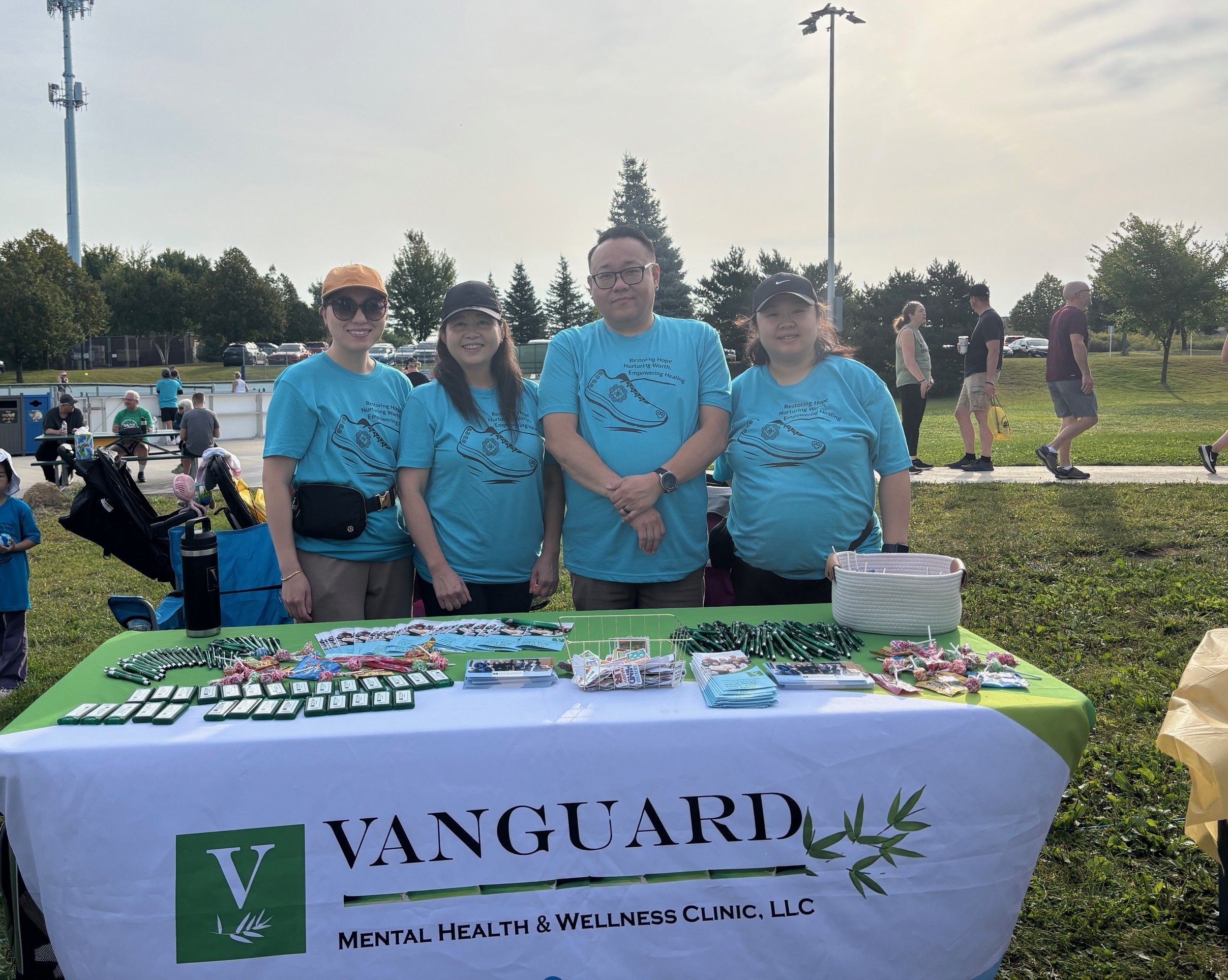
Beyond the day-to-day challenges of running a clinic, there’s the ongoing work of staying rooted in community and engaged with community. Because I understood that true healing happens when we commit to being in cultural spaces, listening, and showing up even when it’s hard, this meant a lot of volunteer time with the communities we serve. But these are also the moments that are the most rewarding because they keep me grounded and remind me that this work is much bigger than me.
Ultimately, I am grateful for the journey because every challenge has shaped me into a more intentional leader. I’ve learned that meaningful work rarely comes without struggle, and that true success isn’t just about growing a business. It’s about staying rooted in the “why” and walking alongside the communities we serve.
Thanks for sharing that. So, maybe next you can tell us a bit more about your business?
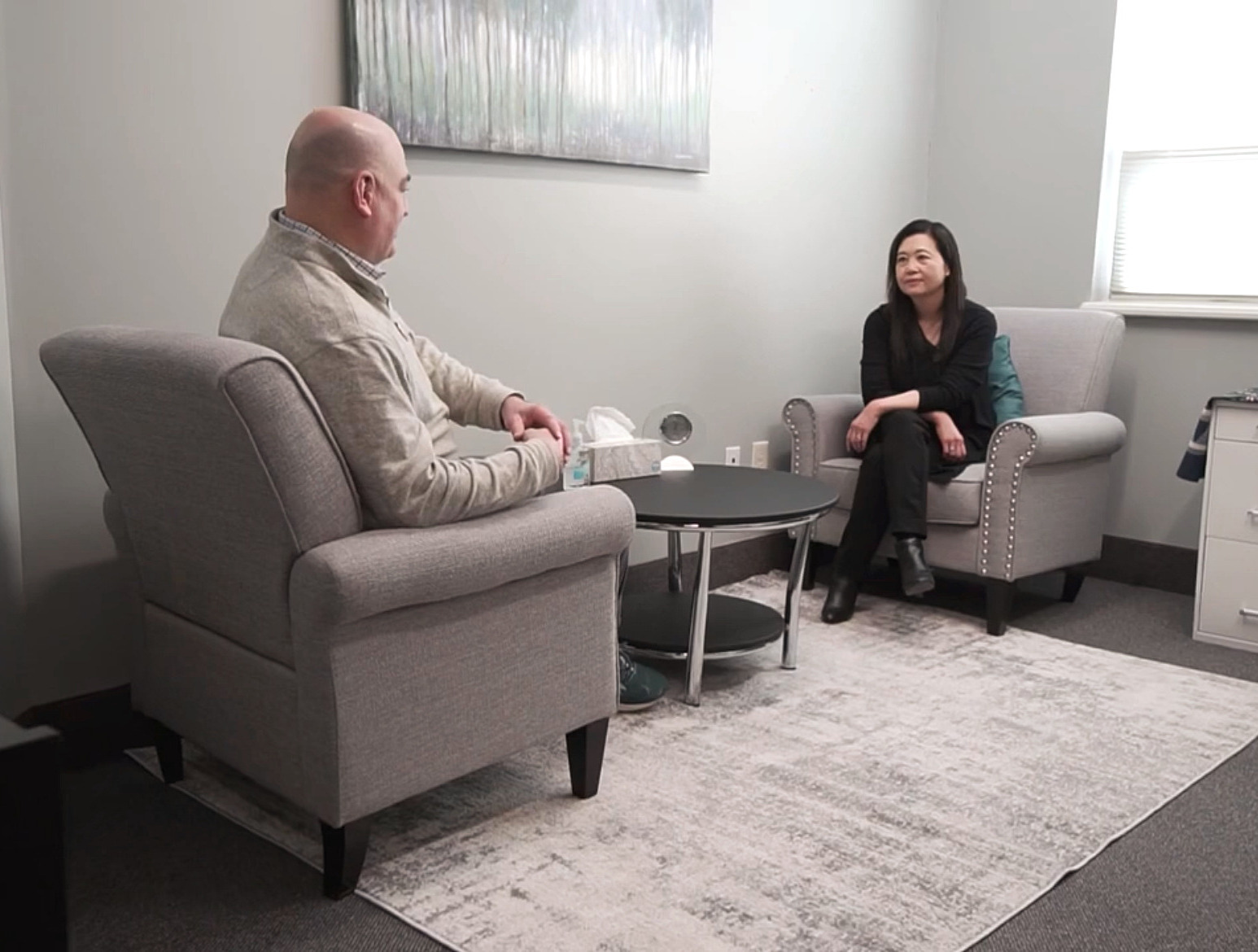
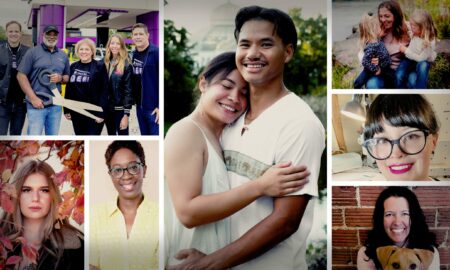
Vanguard Mental Health and Wellness Clinic is built on a simple but powerful belief: that mental health care should always center people’s well-being and reflect the people it serves. We specialize in providing culturally-responsive, trauma-informed psychotherapy to all individuals, families, and communities – and in particular to those from immigrant, refugee, and underserved backgrounds.
What sets us apart is the integration of culture and clinical care into our work. We don’t view them as separate worlds but as partners in healing. Our team blends evidence-based practice with cultural understanding, ensuring that care feels both professional and deeply personal.
Every clinician at Vanguard Clinic brings more than credentials. They bring lived experience. Many of us are immigrants, refugees, or first-generation professionals who know the courage it takes to seek help in systems that haven’t always reflected our stories. That shared understanding allows us to meet our diverse clients with empathy, humility, and respect.
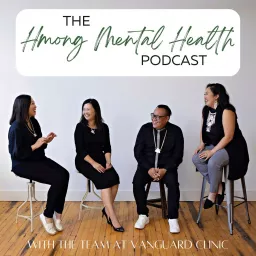
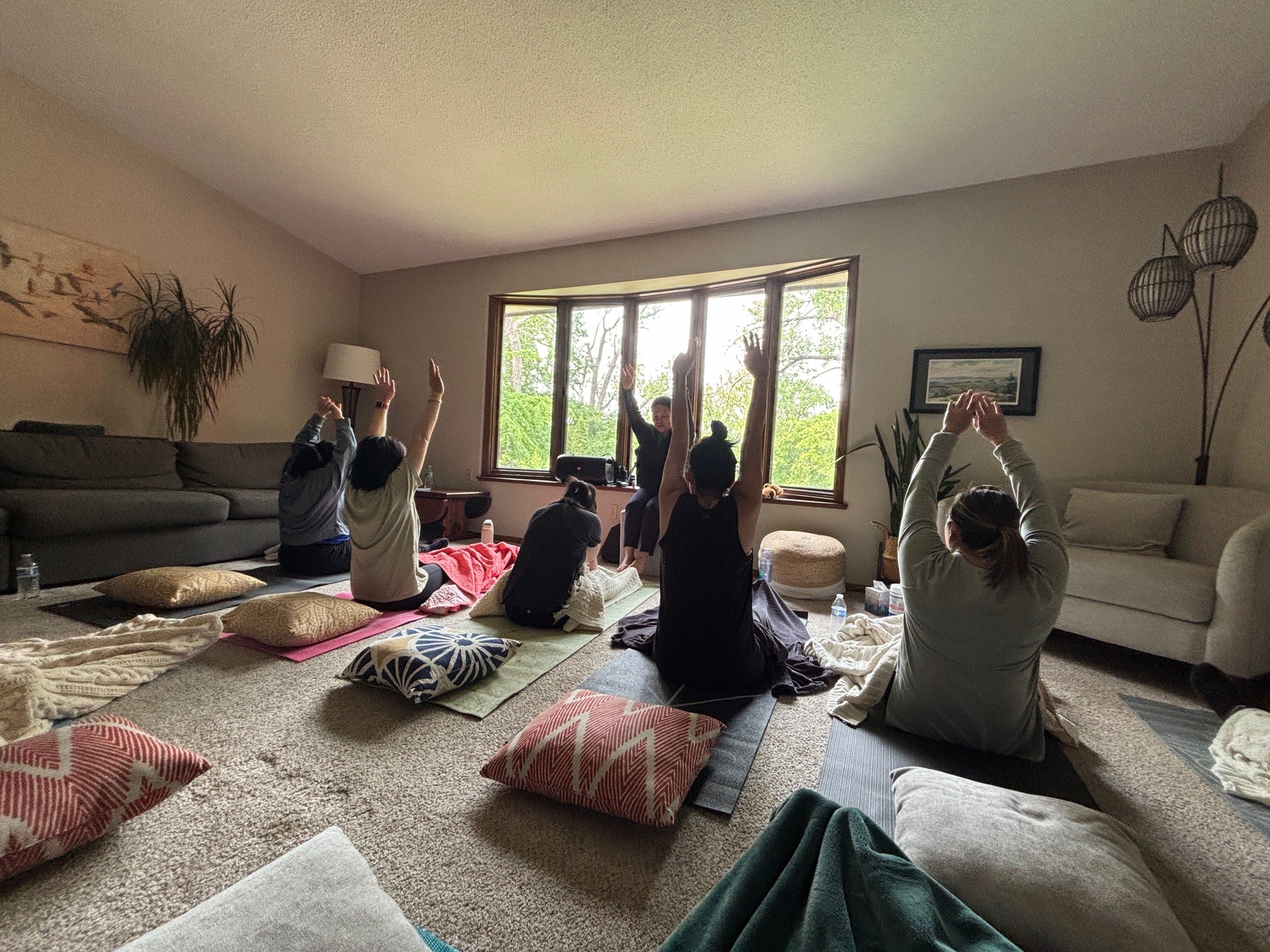
We’re known for our culturally-grounded work, community outreach, and creative ways of expanding access, such as the Hmong Mental Health Podcast and workshops that bring healing into everyday spaces.
Brand-wise, I’m most proud that Vanguard Clinic has become synonymous with belonging. Our vision reflects our purpose: to lead with compassion, to honor every story, and to remind people that mental health care, at its heart, is about humanity.
Where do you see things going in the next 5-10 years?
Over the next 5–10 years, I see the mental health field evolving into something more integrated where science, culture, and ancestral wisdom coexist. We’re beginning to understand that mental health isn’t only about the mind. It’s deeply connected to our bodies, our histories, and the communities that hold us.
At Vanguard Clinic, our dream is to help lead that transformation. We want to expand access to evidence-based mental health care while honoring the ancestral knowledge and practices that have always guided healing in our cultures/histories. That means creating space for both neuroscience and narrative, data and tradition, research and ritual. Healing isn’t just about talking. It’s about remembering through movement, story, and connection. It’s what wholeness feels like.
Our vision is to reimagine what mental health spaces can be: places where cultural wisdom and clinical excellence meet, where people come not only for treatment but for restoration and belonging.
The future of mental health, to me, is about reconnection to self, to community, and to the wisdom that bridges science and soul. It’s about honoring where we come from while shaping where we’re going and creating a world where every person knows that healing was meant for them.
Pricing:
- Individual Psychotherapy $200
- Diagnostic Assessment $295
- Family Therapy $250
Contact Info:
- Website: https://www.vanguardmhclinic.com