





Today we’d like to introduce you to Taryn Surdy.
Hi Taryn, please kick things off for us with an introduction to yourself and your story.
My Father, who is a Neuropsychologist, provided early exposure to the world of Psychology which sparked my interest in working with people, especially children. I spent many years working with children before transitioning into the mental health field, starting as a direct support worker in a group home. From there, I moved into roles as a mental health skills worker and then a mental health practitioner.
In 2016, I made the decision to go back to school for my Master’s degree in Marriage and Family Therapy, which I completed in 2018. After graduation, I worked at a local mental health group practice, gaining experience and refining my approach.
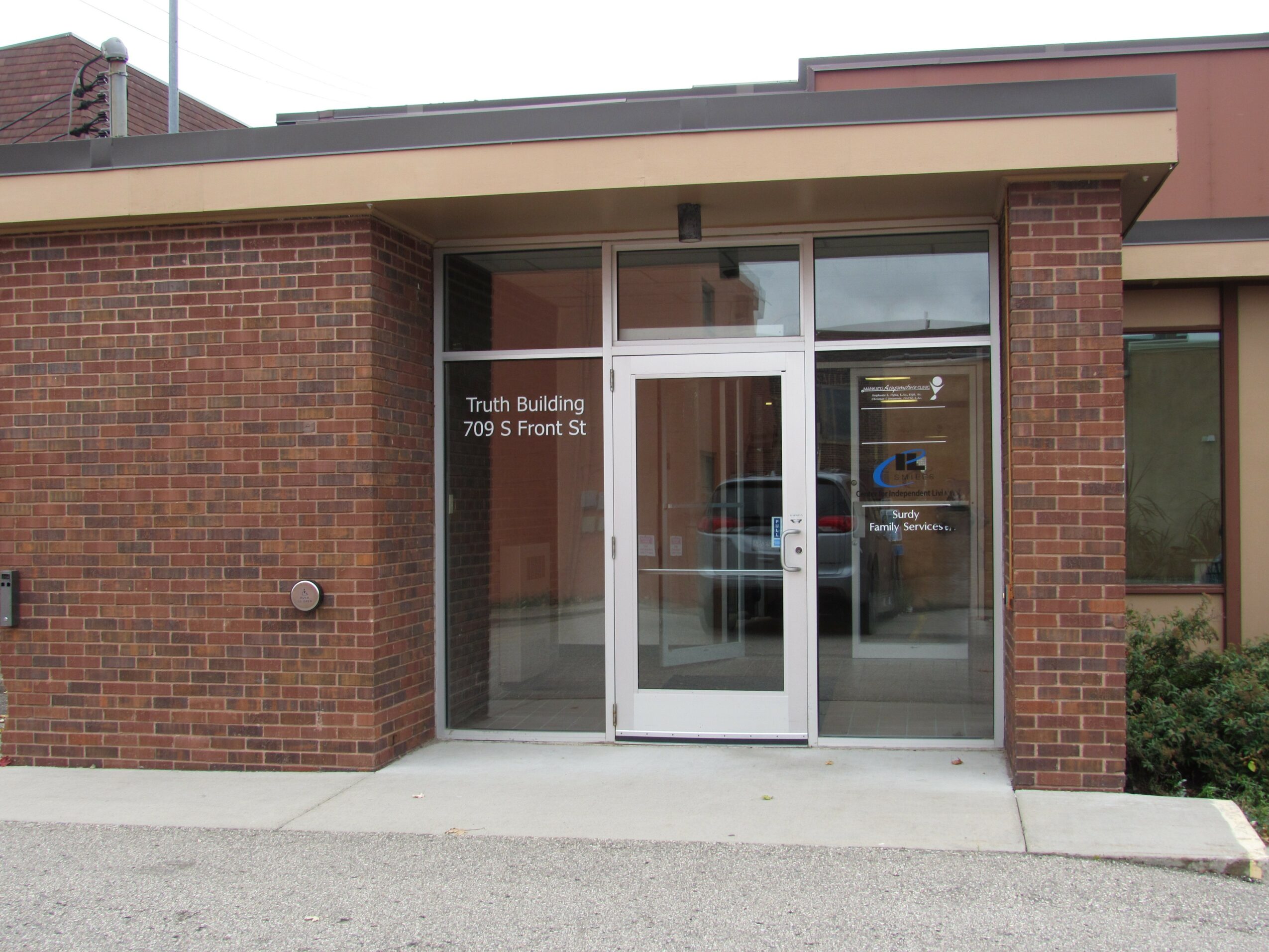
In 2021, I took a leap and opened my own private practice in a modest 700 sq. ft. office. Since then, the practice has grown significantly. In November 2024, we moved into a larger space and expanded the team to include seven providers and two interns. It’s been an incredible journey, and I’m grateful for the opportunity to grow while continuing to serve the community.
We all face challenges, but looking back would you describe it as a relatively smooth road?
The path to where I am today has been anything but smooth, but I consider myself fortunate to have received support and encouragement along the way.
One of the earliest challenges I faced was the time it took to identify my true passion. Returning to pursue my Master’s in Marriage and Family Therapy, I often felt behind compared to my peers. However, I came to realize that the life and professional experiences I brought with me were not setbacks—they were assets that enriched my education and helped shape my unique perspective as a clinician.
Before launching my private practice, I always knew I wanted to create something of my own. As an independent thinker and advocate, I often found myself challenging the status quo—pushing for equity in pay, fair treatment, and better benefits. While this advocacy occasionally made me unpopular in certain workplaces, it taught me valuable lessons about leadership, integrity, and the importance of aligning actions with values. I also had to learn how to channel my passion constructively—to be a change-maker without burning bridges.
The transition to private practice came under difficult circumstances. Although I had begun to plan my departure thoughtfully, my intentions were discovered prematurely by my employer, which led to being pressured into resigning earlier than expected. This disrupted my path to licensure at the time. Nonetheless, I persisted—and eventually earned my license on my birthday, a moment that felt both symbolic and hard-won.
In addition, I bring the lived experience of being a neurodivergent provider. There were times when I questioned why my mind worked differently, why my intensity seemed to alienate others, and why I often felt misunderstood. Over time, I’ve come to see my neurodivergence not as a deficit but as a strength—one that gives me a distinct lens through which I experience and engage with the world. Embracing my uniqueness, my passion, and my resilience has been a cornerstone of both my personal growth and professional practice.
Can you tell our readers more about what you do and what you think sets you apart from others?
What sets me apart in the mental health field is both the diversity of my lived experiences and my deep-rooted commitment to creating real, lasting change — not just for clients, but for providers, too.
As a neurodiverse therapist, I bring a unique lens to my work that allows me to connect with others in ways that are authentic, empathetic, and attuned to the varied ways people experience the world. My own experiences have shaped my passion for reducing barriers to mental health care and advocating for systems that are inclusive, compassionate, and accessible to all — not just those who can afford it or who “fit” into traditional models of care.
From my early years working with children and families, to direct support roles, to eventually opening and growing my own group practice, I’ve remained focused on providing high-quality, affordable mental health care rooted in human connection, not corporate interests. I’ve seen firsthand how insurance systems and capitalist structures can devalue both clients and clinicians, and I’ve made it a core part of my mission to push back against that.
I’ve worked hard to build a practice that values people over profit — where clients receive care that’s individualized and affirming, and where therapists are supported, empowered, and encouraged to advocate for their needs. I believe in creating a work environment where mental health professionals are not just surviving, but thriving — with the tools, knowledge, and opportunities to grow in the directions they choose, without compromising their values or well-being.
This isn’t just a job for me — it’s a calling, and a personal mission to do things differently, and to help others do the same.
We’d be interested to hear your thoughts on luck and what role, if any, you feel it’s played for you?
Luck has definitely played a role in my life and business — both good and bad — and I try to stay honest about that. While hard work, persistence, and vision have been key, there have been moments where luck, timing, or circumstance made a real difference.
On the good luck side, I was incredibly fortunate to grow up with a father who was a neuropsychologist. That early exposure gave me insight and inspiration that shaped my path, even before I fully realized it. I’ve also been lucky to cross paths with mentors, colleagues, and clients who challenged me, supported me, or simply showed up at the right time.
Starting my private practice in 2021 — in the midst of a global mental health crisis — also came with an element of timing and luck. There was an overwhelming need for services, and while that presented challenges, it also gave me the opportunity to grow and expand in ways I hadn’t fully anticipated. In some ways, the timing accelerated what I thought would take much longer.
But bad luck has been there too. I’ve faced unexpected financial strain, bureaucratic red tape, insurance denials, and moments where things just didn’t go according to plan — especially early on. Like many others in this field, I’ve experienced burnout, self-doubt, and the exhaustion of trying to build something meaningful while fighting against a system that often doesn’t value the work we do.
There have been times when a provider I invested in decided to leave suddenly, or when I expanded too fast and had to quickly regroup. Those weren’t always things I could control — and they taught me hard lessons in resilience, adaptability, and boundaries.
Overall, I believe luck can open or close a door — but it’s what you do next that shapes the outcome. I’ve learned to accept the role of luck, without giving it too much power. The rest comes down to showing up, doing the work, and holding onto your “why” when things get tough.
Pricing:
- Diagnostic Intake $200
- Therapy $120-160 (30mins-60mins)
- Testing: $200 (intake) and $160/hr after initial session (ranging from 3-5 sessions)
- Medication Management: $300 (intake), $125 for follow-ups
- We offer sliding scale, reduced fees, and pro-bono.
Contact Info:
- Website: https://www.surdyfamilyservices.com
- Instagram: https://www.instagram.com/surdyfamilyservices/?hl=en
- Facebook: https://www.facebook.com/surdyfamilyservices