




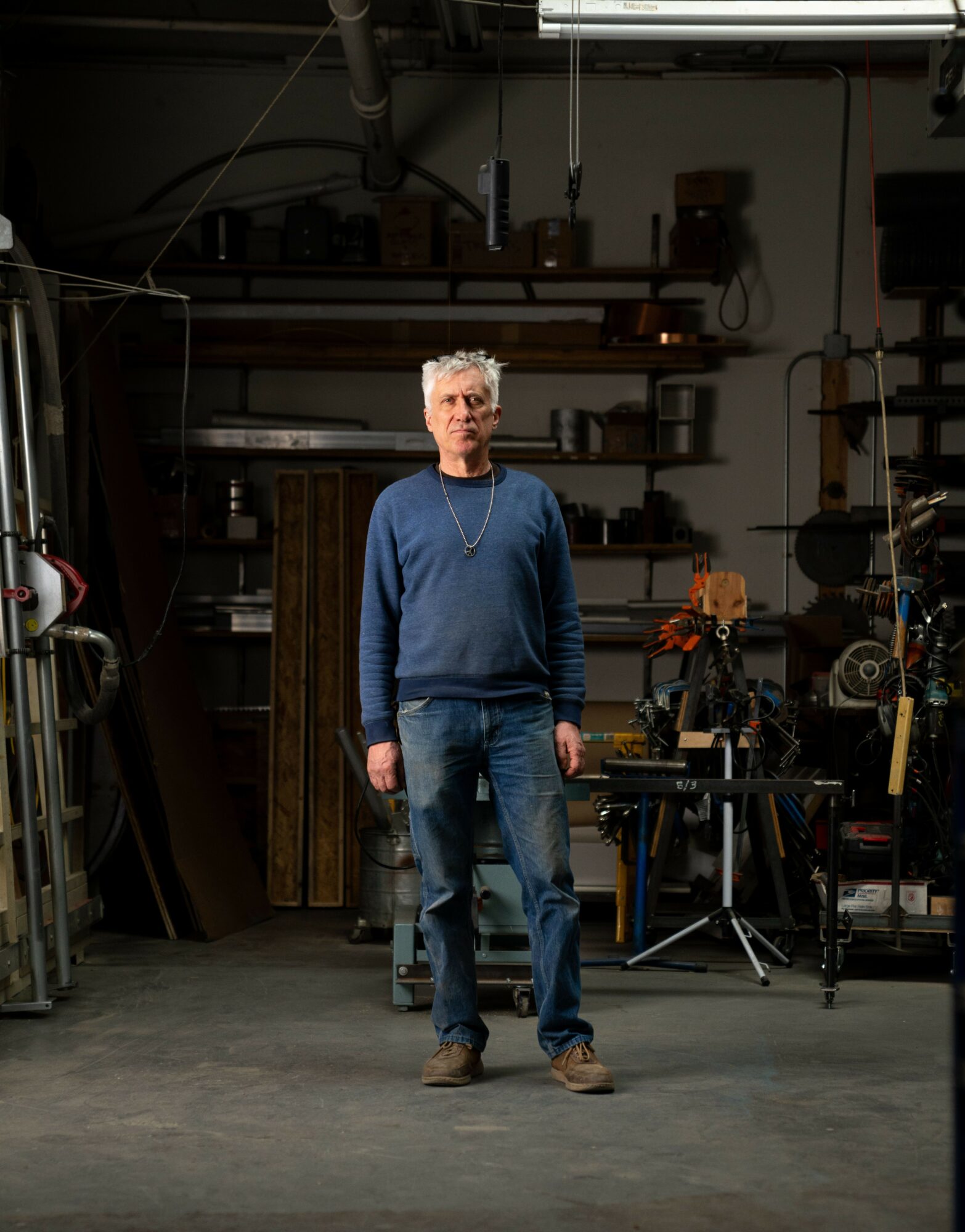
Today we’d like to introduce you to Irve Dell.
Irve, we appreciate you taking the time to share your story with us today. Where does your story begin?
I was born on St. Paul Minnesota in 1961 to parents from western New York. I went to Kenwood Elementary School and Jefferson Junior High. I graduated from West High School in 1979. I have always been interested in science, math and art. I attended numerous art classes at the Walker Art Center and Minneapolis Institute of Arts as a youth. My high school biology projects were really art projects – elaborate drawings and three-dimensional models.
I enrolled in Williams College and started my time there as a pre-med math major later switching to a biology major. From the very start I took art courses almost every semester as an antidote to all the science. My freshman year I meet an art professor who would become an important mentor. Ed Epping opened my thinking to new ideas and challenges in art making.
During my college summers, I did research in cancer treatment at the University of Minnesota Chronobiology Laboratory. I am third author on a paper in the Journal of the American Medical Association. I spent many a 24 hour period in labs with mice and rats studying the effects of chemotherapeutic agents.
At one point though the doctor I was working for confronted me with questions about my engagement with the work. He said my effort had slipped a bit and he wondered what was going on. I told him I was torn – I didn’t know if I wanted to be a doctor or an artist. He then gave me the best piece of advice. Don’t sit on the fence, make a choice. I said, “Dr. Bill, I’m going to be an artist.” I shook his hand and and thanked him and walked out of the lab.
After picking a side of the fence, I graduated from Williams College with a BA in Biology and significant work in studio art. I went on to get my MFA at the University of Minnesota. I received a Bush Fellowship in 1987 which helped me set up the studio I have been in ever since. I started teaching sculpture at St. Olaf College in 1989 retiring in 2021. Along the way, I made sculpture, public art, theater sets, object and puppet theater pieces and commission furniture. I’m still doing the same minus the teaching now.
Can you talk to us a bit about the challenges and lessons you’ve learned along the way. Looking back would you say it’s been easy or smooth in retrospect?
It actually has been a pretty smooth road. Especially for an artist. I always thought that I became an artist because it would allow me to do anything. And I’ve been open to many things in addition to making sculpture – things like theater design, furniture, and teaching.
Can you tell our readers more about what you do and what you think sets you apart from others?
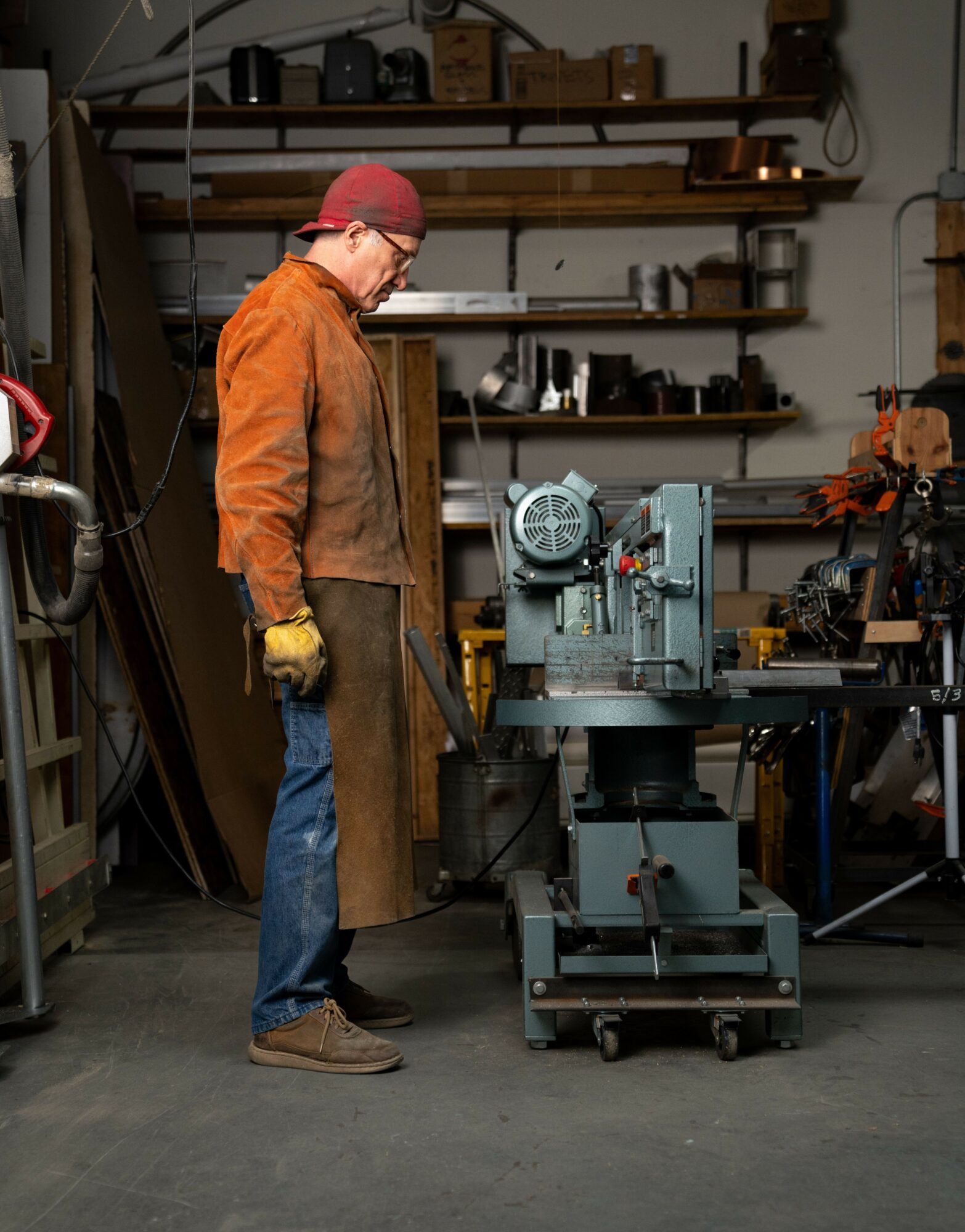
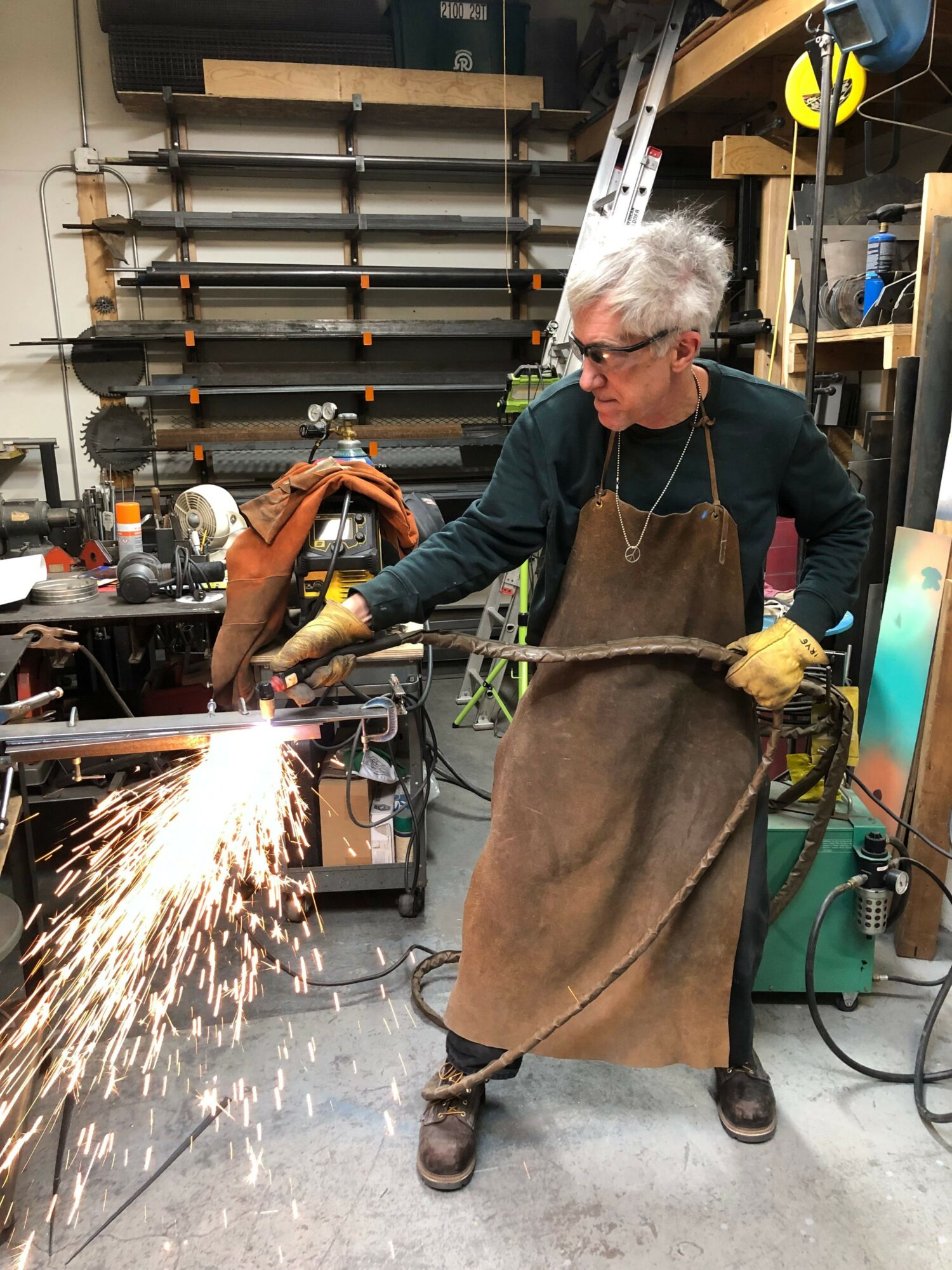
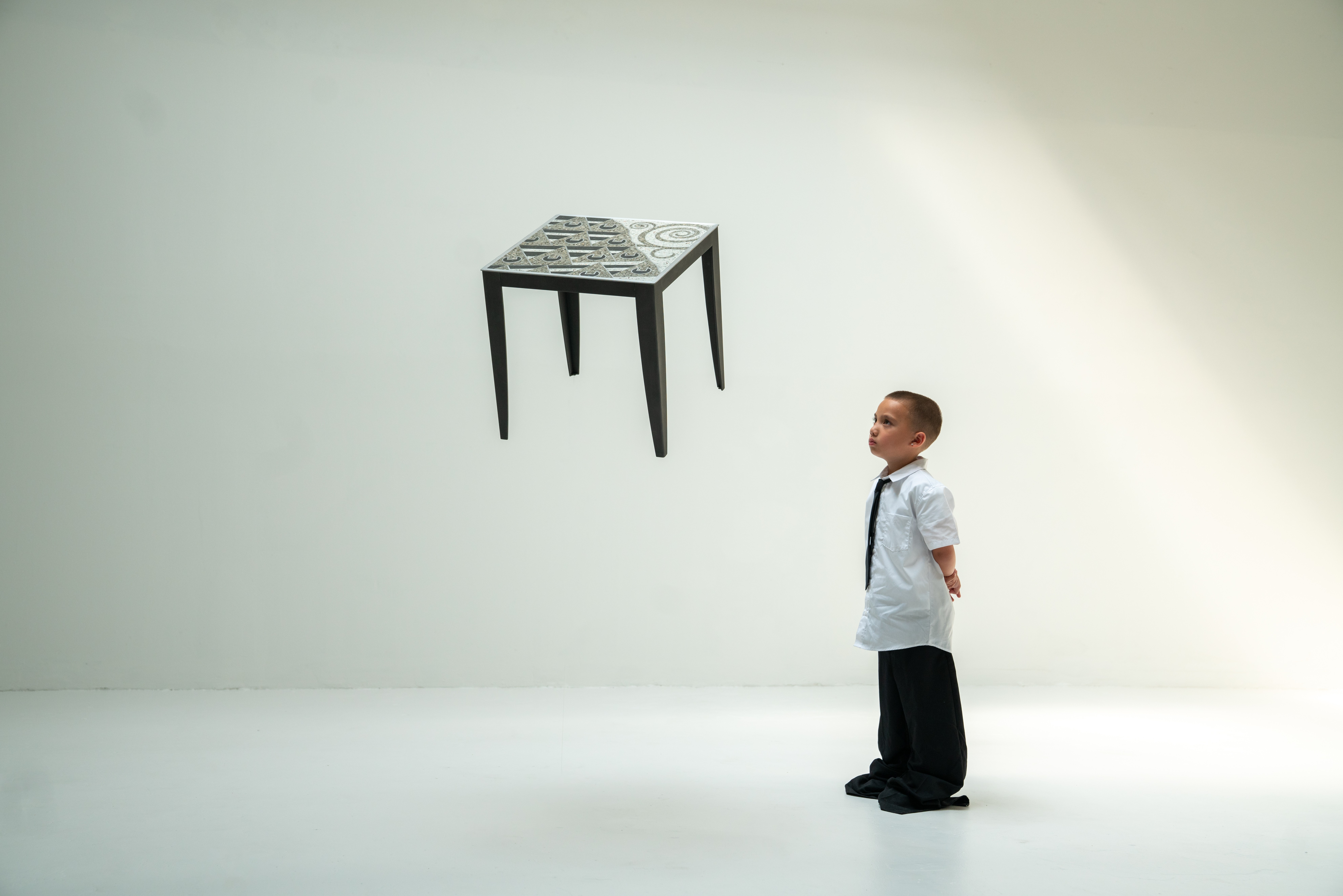
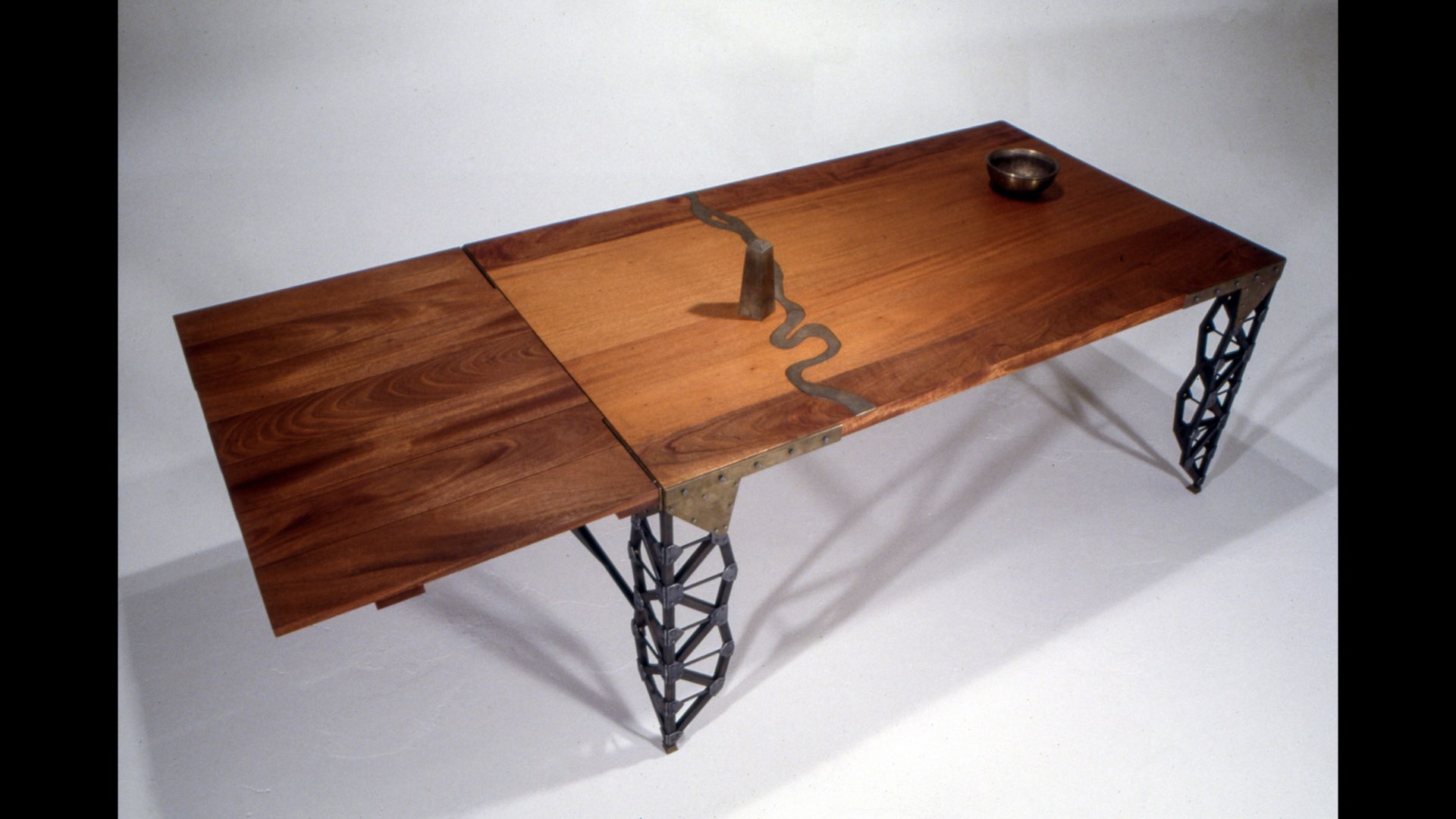
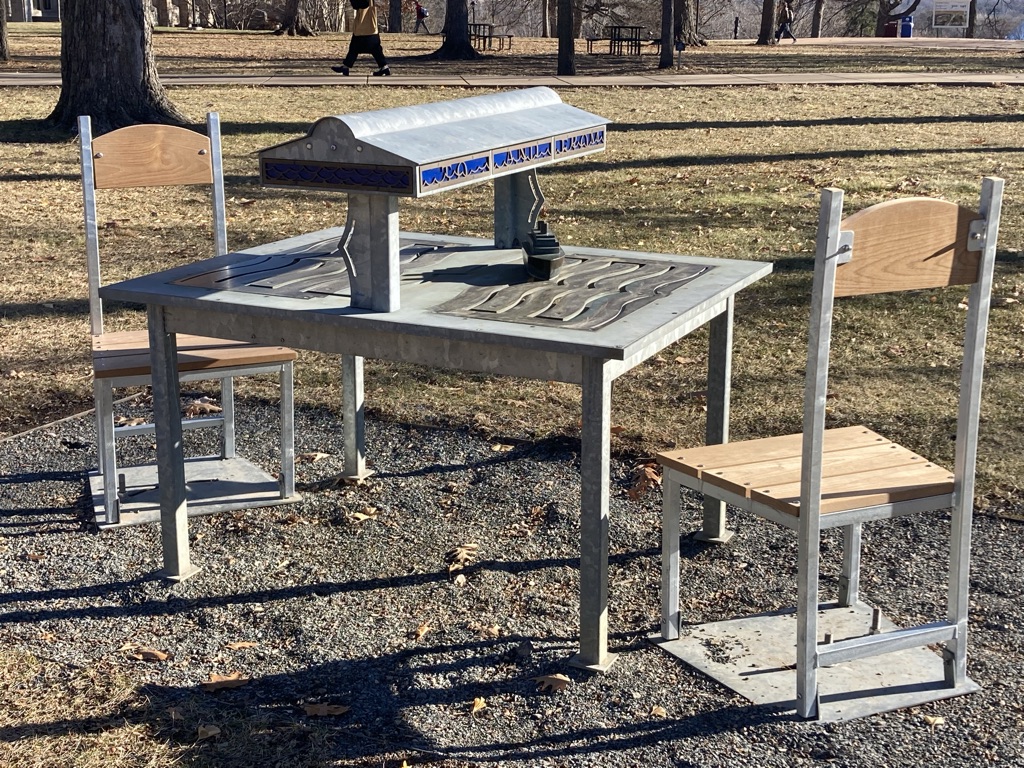
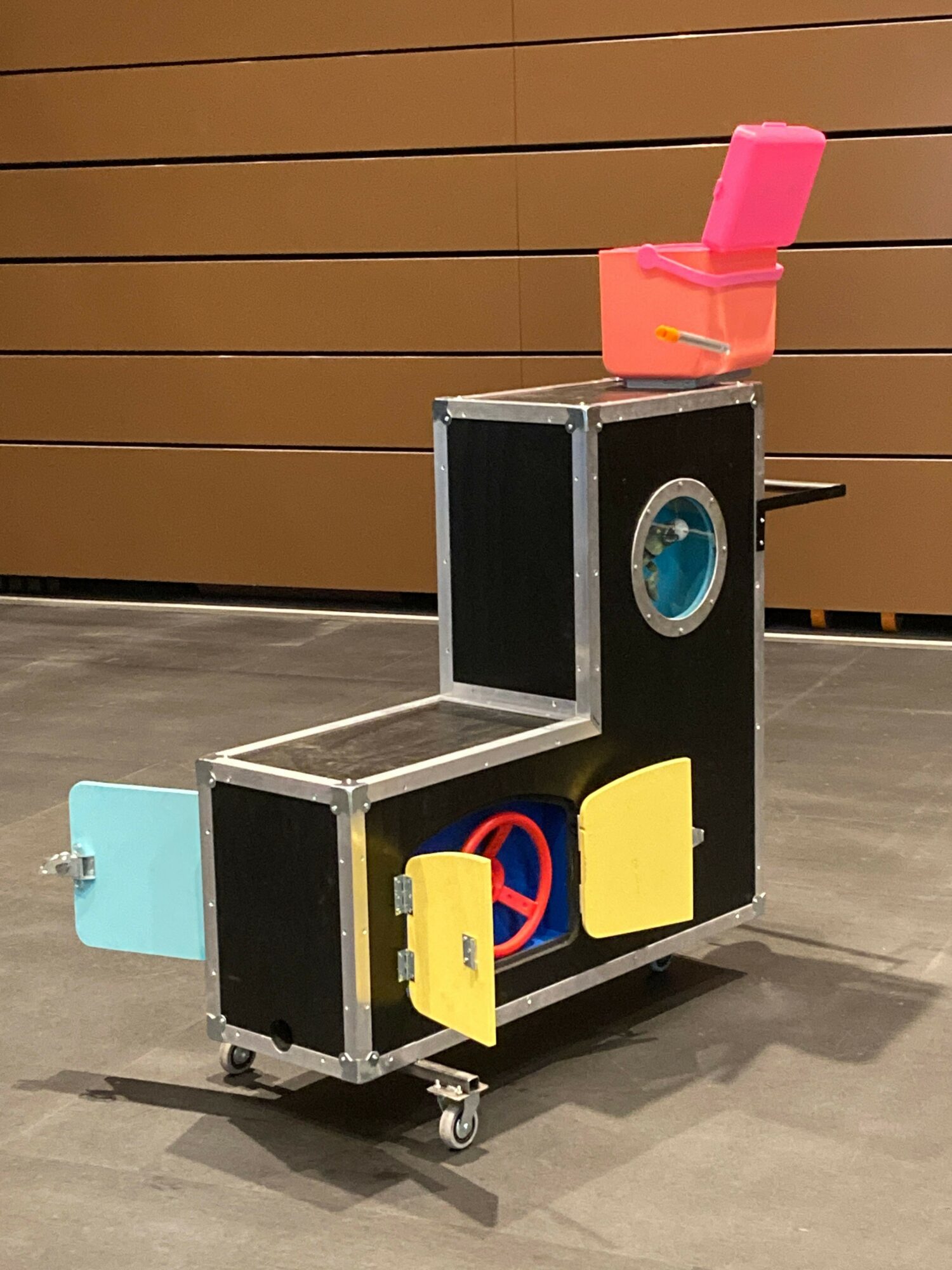
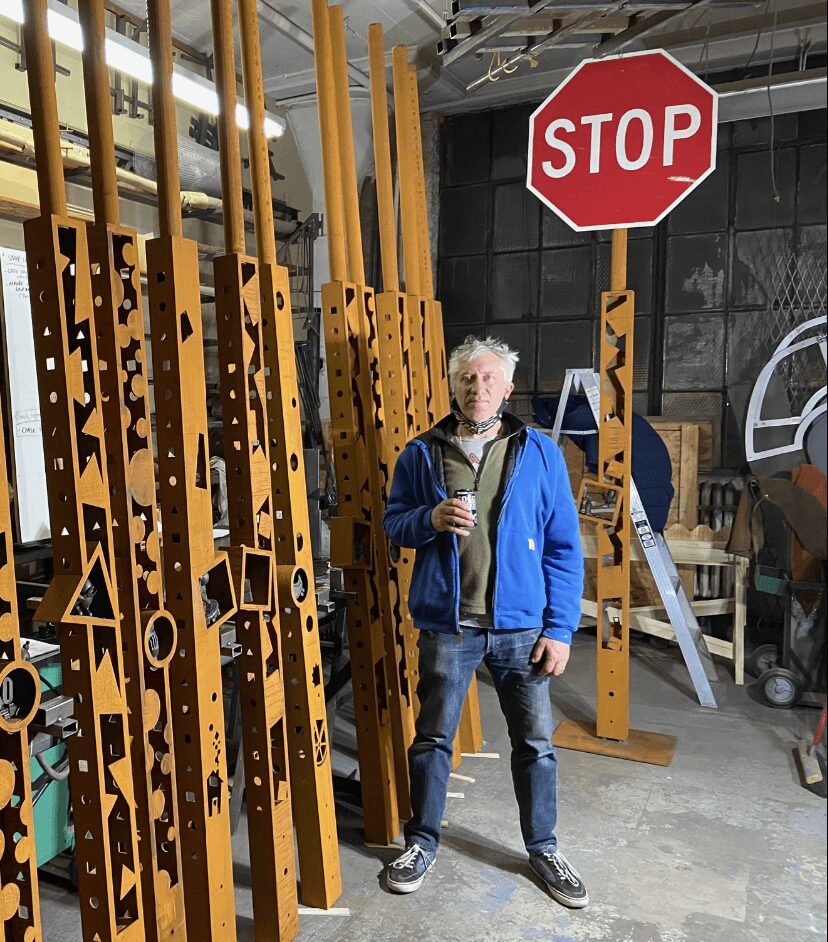
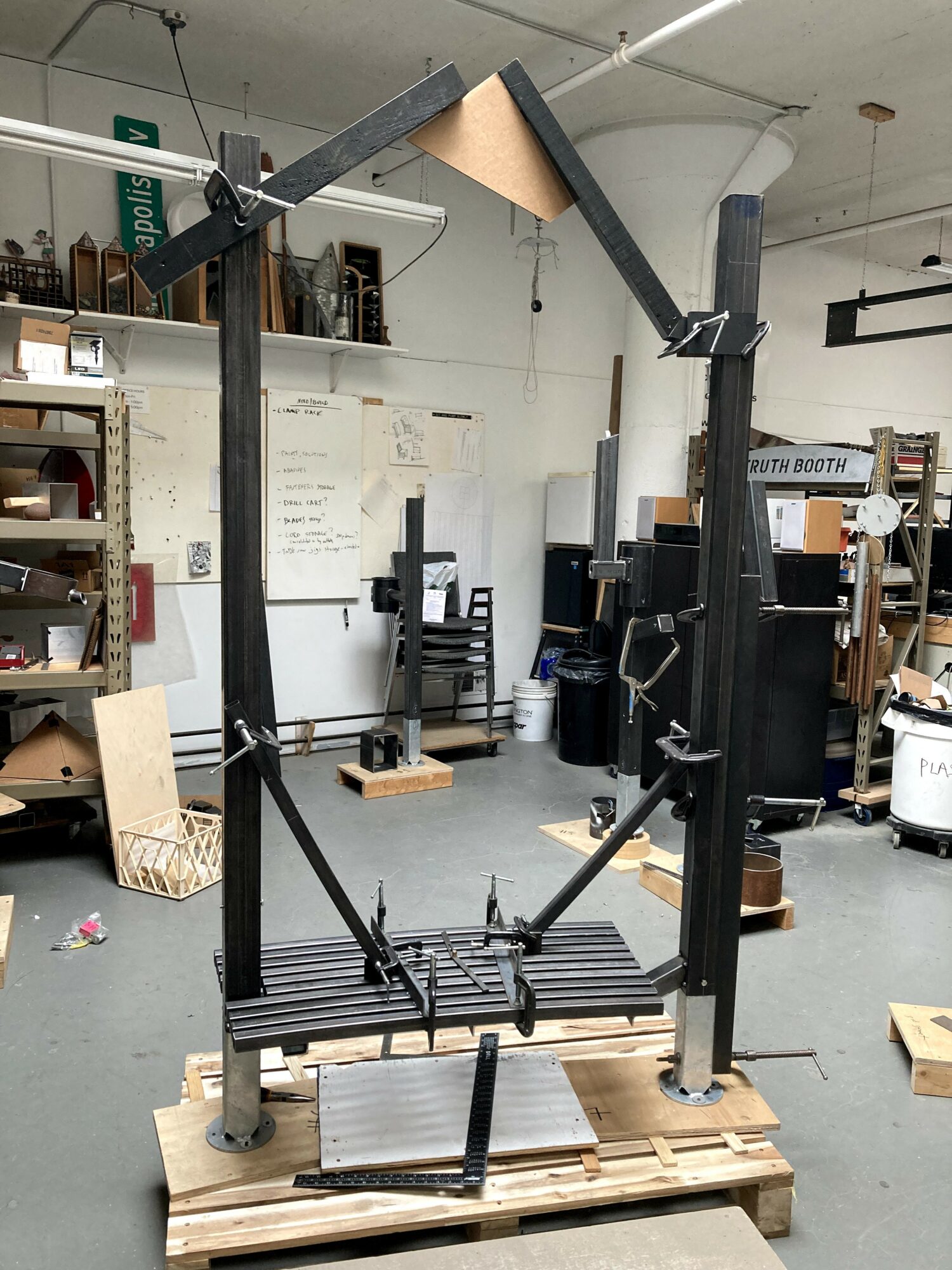
I consider myself a dedicated maker of objects. I make things at all scales anywhere along the spectrum of the functional to the purely sculptural. As long as I can add extra significance to an object or set of objects I am intrigued and challenged. I am context driven – where the object will find its home influences greatly its design and materials. While I’ll work with many materials, metal working is probably my area of expertise.
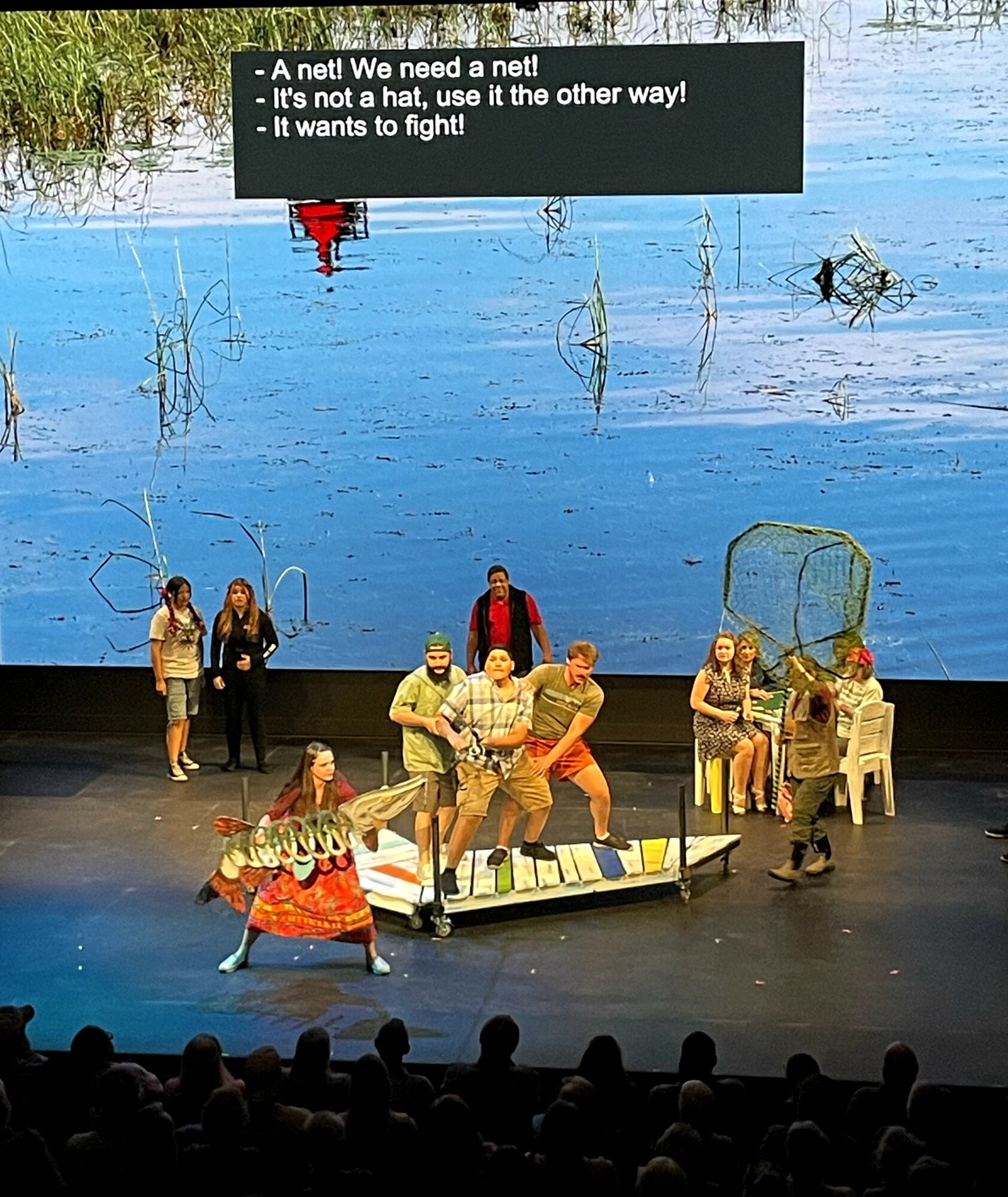
I am probably most proud of my two installations at the Minneapolis Institute of Arts, now MIA, and of my two performed object theater pieces. That said, a bronze stair railing I am finishing now might move into that category of work.
Here’s a recent artist statement: I am an artist, sculptor, object-maker, designer & fabricator. For over 35 years, I have built a reputation in the Twin Cities and beyond as an innovative artist and highly skilled maker. I am fascinated by the ever-evolving relationship between humans and the objects that surround them. I believe in mining this history to create occasions for mystery, humor, beauty & theater. My deep knowledge of materials and fabrication techniques allow me to adapt my creative impulses to whatever is required for a particular architectural or environmental context. My work is unique and ever expanding.
The the things that set me apart are a quirky and whimsical sensibility, craftsmanship and an ability to collaborate.
In terms of your work and the industry, what are some of the changes you are expecting to see over the next five to ten years?
Being an artist is always a challenge, especially in this country where there is relatively little government support. But AI is presenting a huge challenge. Is it a useful tool or is it a threat? It is likely both. What will the artist’s role be in an AI world? Artists always respond to the human condition. What will happen to the human condition with AI? What will be the issues artists address? Will the handmade still have a place in the world?
Contact Info:
- Website: https://kasparidell.com
- Instagram: @irvedell