




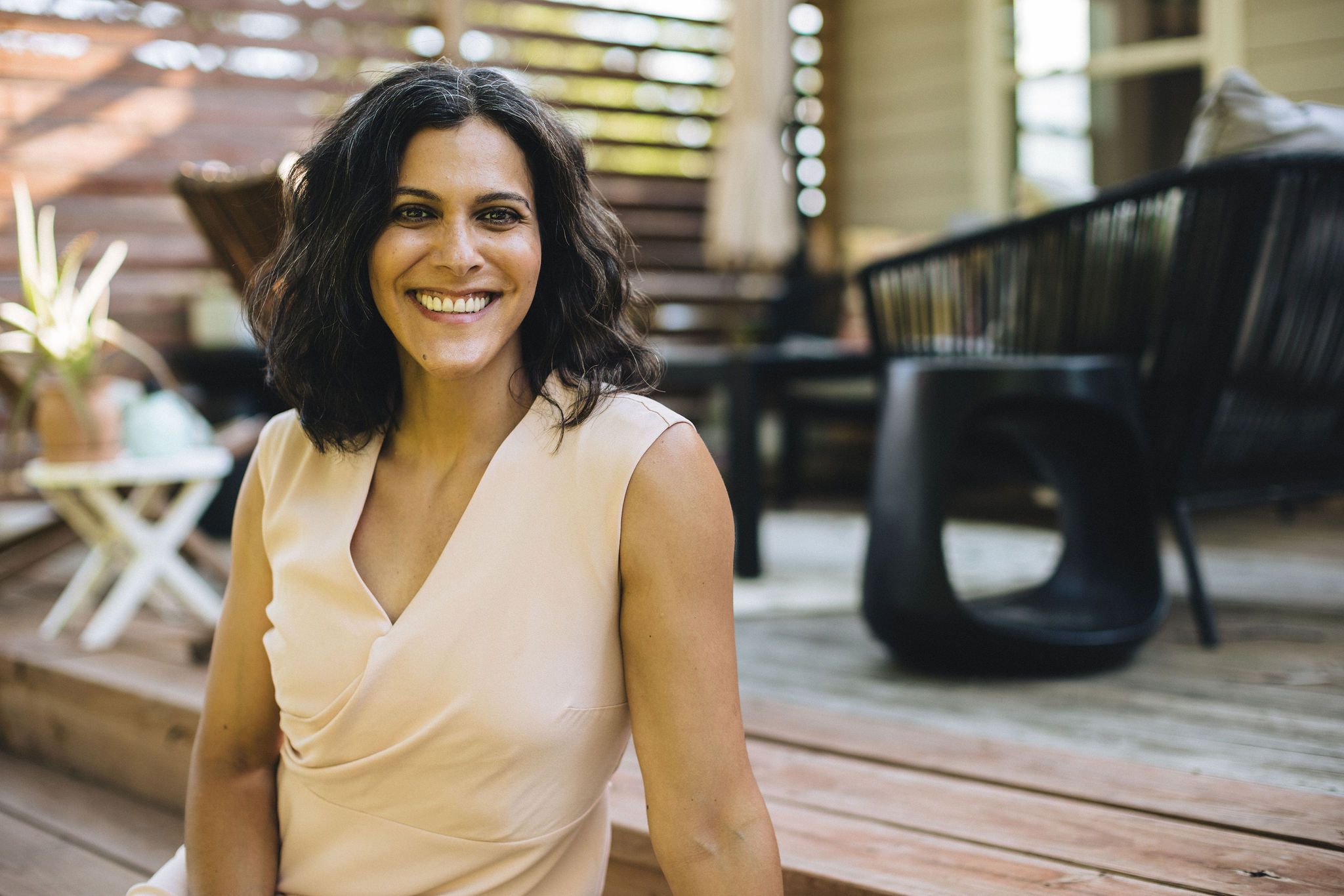
Today we’d like to introduce you to Nadia Elnagdy.
Hi Nadia, please kick things off for us with an introduction to yourself and your story.
I grew up as a first-generation Egyptian American, in New Hope, MN. I’m the proud daughter of immigrants who never let me forget my roots as they worked hard to build something meaningful in the place we now called home. That grounding has shaped everything about my life, especially my commitment to public service.
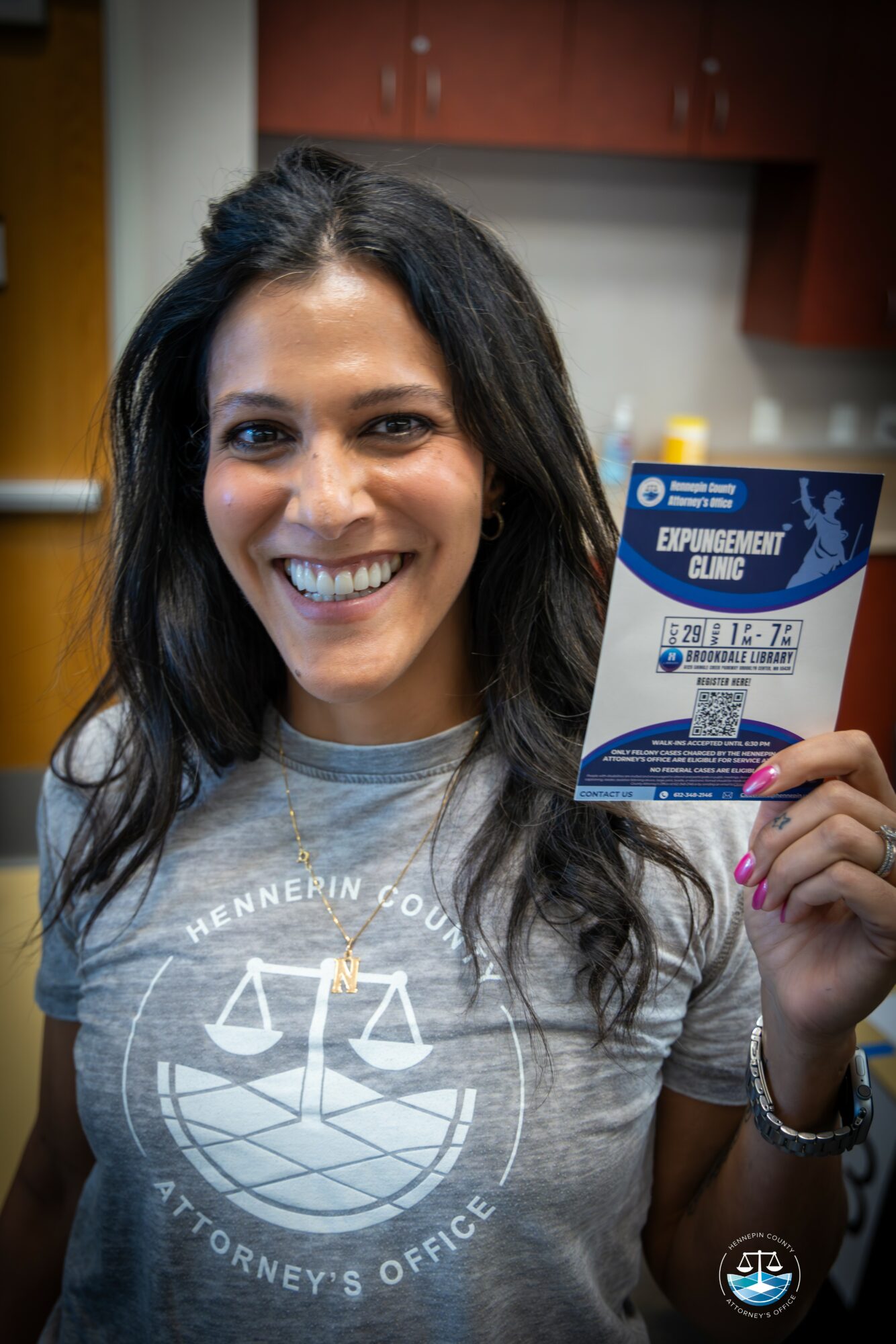
For nearly sixteen years, I’ve served as an Assistant Hennepin County Attorney. After working for more than a decade as a trial attorney, I was tasked with leading the expansion of the office’s expungement program, where I’ve been able to build a program that increases both public safety and equitable access. My work remains driven by one belief: communities are safest and strongest when people have real opportunities to succeed.
In 2020, my husband, Nick, and I moved to Saint Anthony Village with our two little ones – Wes was two (now eight), and Isabel was just four months old (now six). It was a chaotic time to move (we closed literally the day after the stay-at-home order went into effect), but from the moment we arrived, the community showed up for us. That support meant so much that eight months later, my parents sold my childhood home and moved two blocks down the very same street.
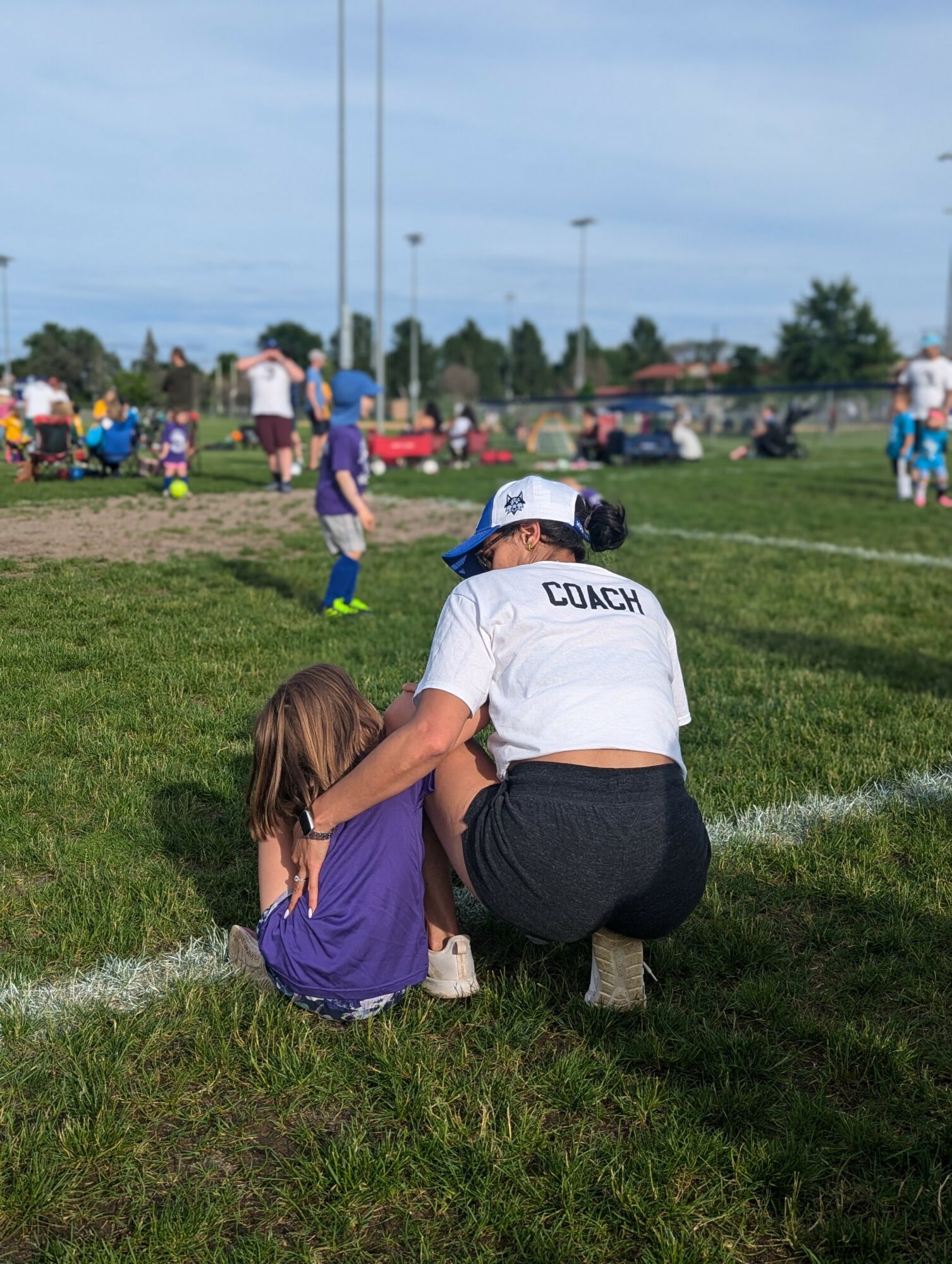
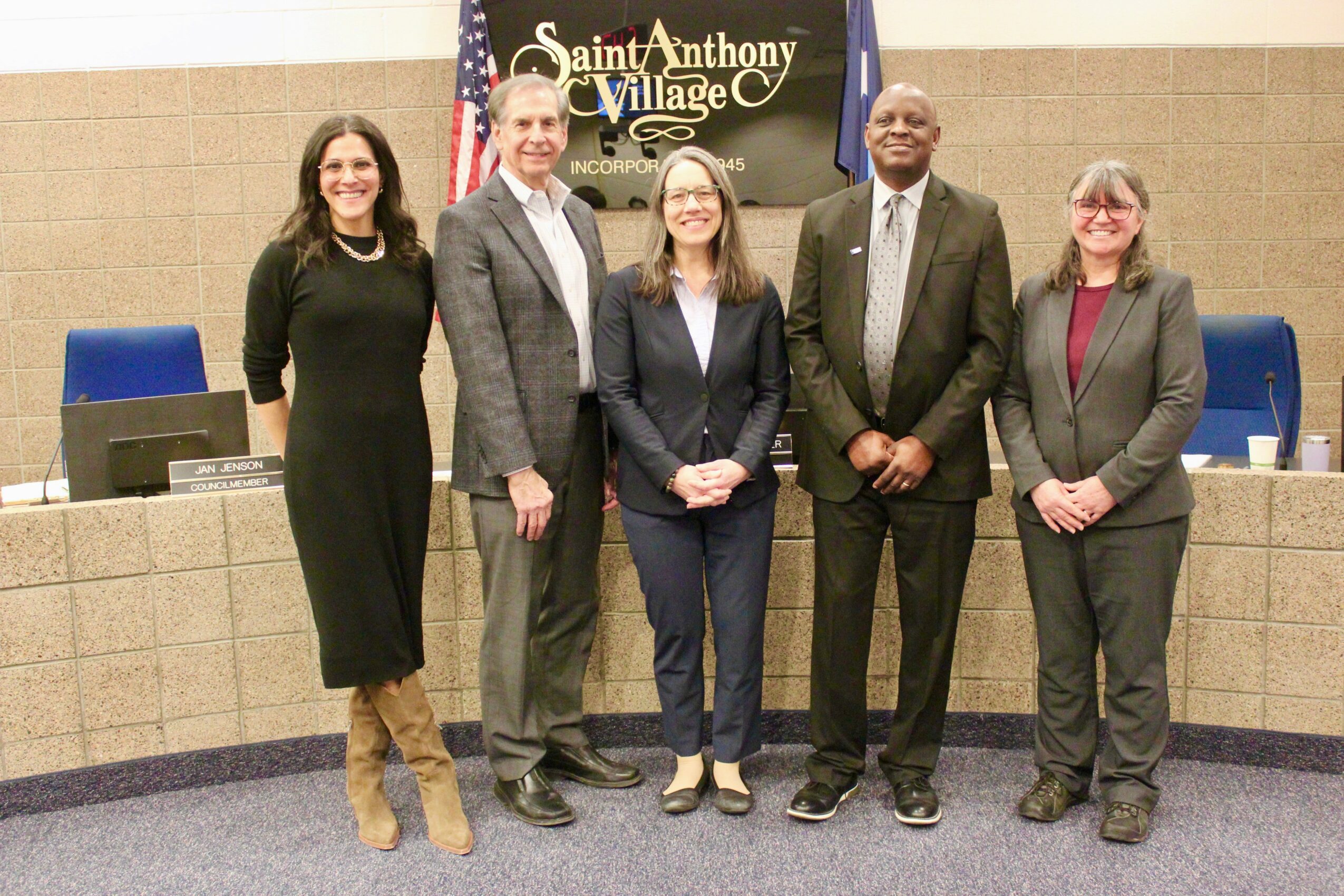
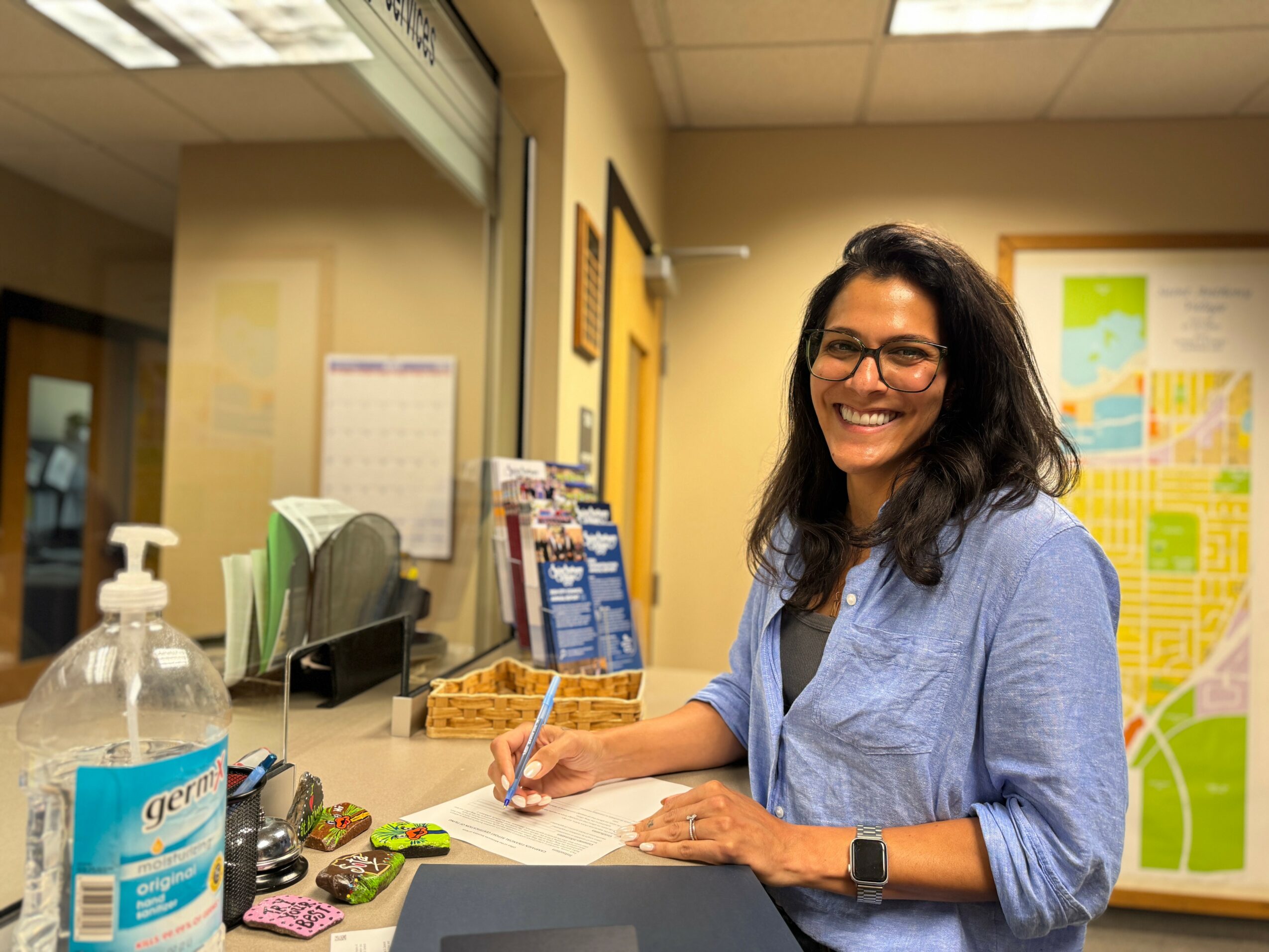
Being the perpetual joiner that I am, I dove right into community life, coaching our kids’ soccer and volunteering at the community center preschool. In 2024, after receiving a text message about an open City Council seat, I jumped into a six‑week special election campaign as a complete unknown, running against a 24‑year incumbent – and won by 27 votes. I was re‑elected this past November to to a full term. From the start, I promised to bring a fresh perspective rooted in fairness, collaboration, and real experience. Almost two years later, I’m incredibly proud of what we’ve accomplished together and of the unique perspective I’ve been able to bring.
We all face challenges, but looking back would you describe it as a relatively smooth road?
Throughout my life and career, I’ve faced challenges that are familiar to many people of color—some overt, others so subtle you barely notice they’re happening. As a young, brown, woman entering the legal field and later stepping into public office, I learned quickly how often I would have to prove that I was worth taking seriously. I’ve encountered assumptions about my abilities, questions about my place in the room, and moments where it became clear that my identity was both my greatest strength and the very first thing others judged. But those experiences taught me to speak up, to create space for others whose voices are overlooked, and to insist that equity and inclusion aren’t just abstract values – they’re guiding principals.
Thanks – so what else should our readers know about your work and what you’re currently focused on?
By my second year of law school, I knew that if I was going to be a lawyer, I was going to be a prosecutor. The break-neck pace and need to jump from one case to another were perfectly suited to my strengths (thank you ADHD). What’s more, I was doing work that felt truly impactful. Holding people accountable for their actions in a way that ensured they got exactly what they deserved, no more and no less. After spending four years in our property crimes division (think harm to stuff, not people), I was transferred to our violent crimes division where I joined the child-abuse team. I spent the next 6 years surrounded by examples of the worst things people can do to one another, and in particular, to children. For better or for worse, those years forever shaped who I am.
Those years came with indescribable amounts of stress and I wish I could say that I knew when it was my time to be done. But like most public servants, it was all too easy for me to ignore the signs that the work was taking a toll. At least until my body got louder about it. In 2019, I stressed myself into a neurological condition that impacted my eyesight and ended my career as a trial lawyer. Though heartbreaking, it turned out to be the best thing that could have happened to me. I was never going to be the one to say that I needed a break. Every time the work was too much and I wondered if I was going to make it, I’d think of the kids who had been harmed and who were relying on me to hold their abusers accountable; any issue I had always paled in comparison to what they had suffered. Getting sick made the decision for me. And it also allowed me to grow – both personally and professionally. I took an under-utilized statutory mechanism and grew it into a program that gives hundreds of people a year back their future.
I never could have imagined the impact that even the smallest of criminal records can have. Decades-old thefts meant a full-stop on any meaningful future. No job, no apartment, no student loans, no mortgages. These were people who had made mistakes, yes, but had taken accountability and done everything we (the criminal justice system) told them they needed to do to make it right. But instead of being allowed to move on, it became immediately clear that the consequences of a criminal charge (not even conviction) were lasting a lifetime. After learning this horrifying truth, we built a program that removes as many of the barriers that stop people with eligible records from seeking to have those records sealed as possible.
My work with expungements has given me the chance to do the kind of work that most prosecutors will never see: everything from project management to website development, I built our program from the ground up to answer the needs of Minnesota’s most populous county – and made myself a subject-matter expert in the process. Now, our program helps ensure that individuals from consistently marginalized groups have equitable access to support.
Before we let you go, we’ve got to ask if you have any advice for those who are just starting out?
You don’t need to have everything figured out. Truly. No one actually does. And even if you think you do, it’s okay to change your mind as you grow. Your interests will shift, your chosen path will evolve. That isn’t a sign of failure, it’s a sign of strength of character. Give yourself permission to explore, to pivot, and to become the person you’re meant to be (at every stage of life), not the person you thought you had to be on day one.