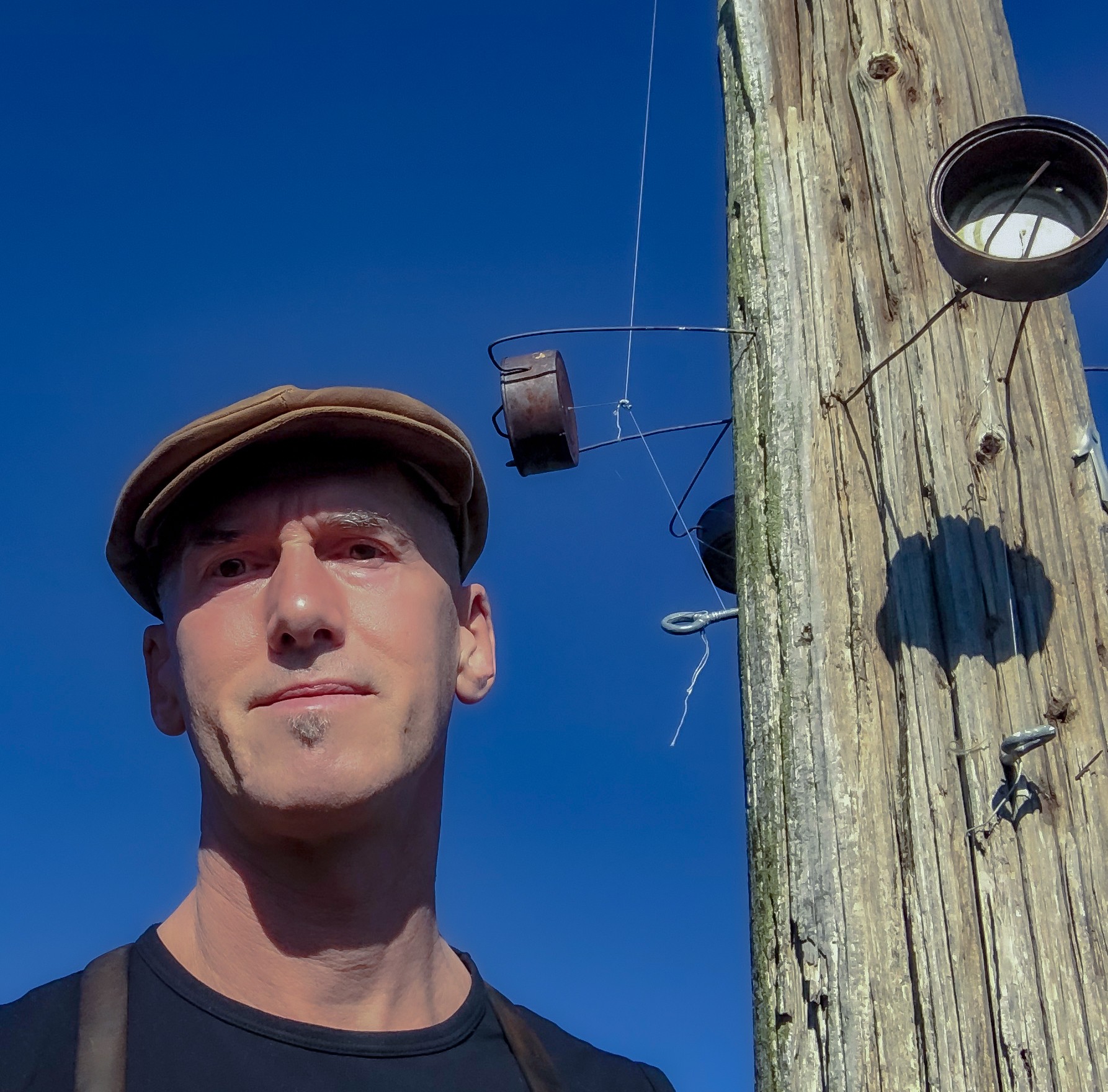




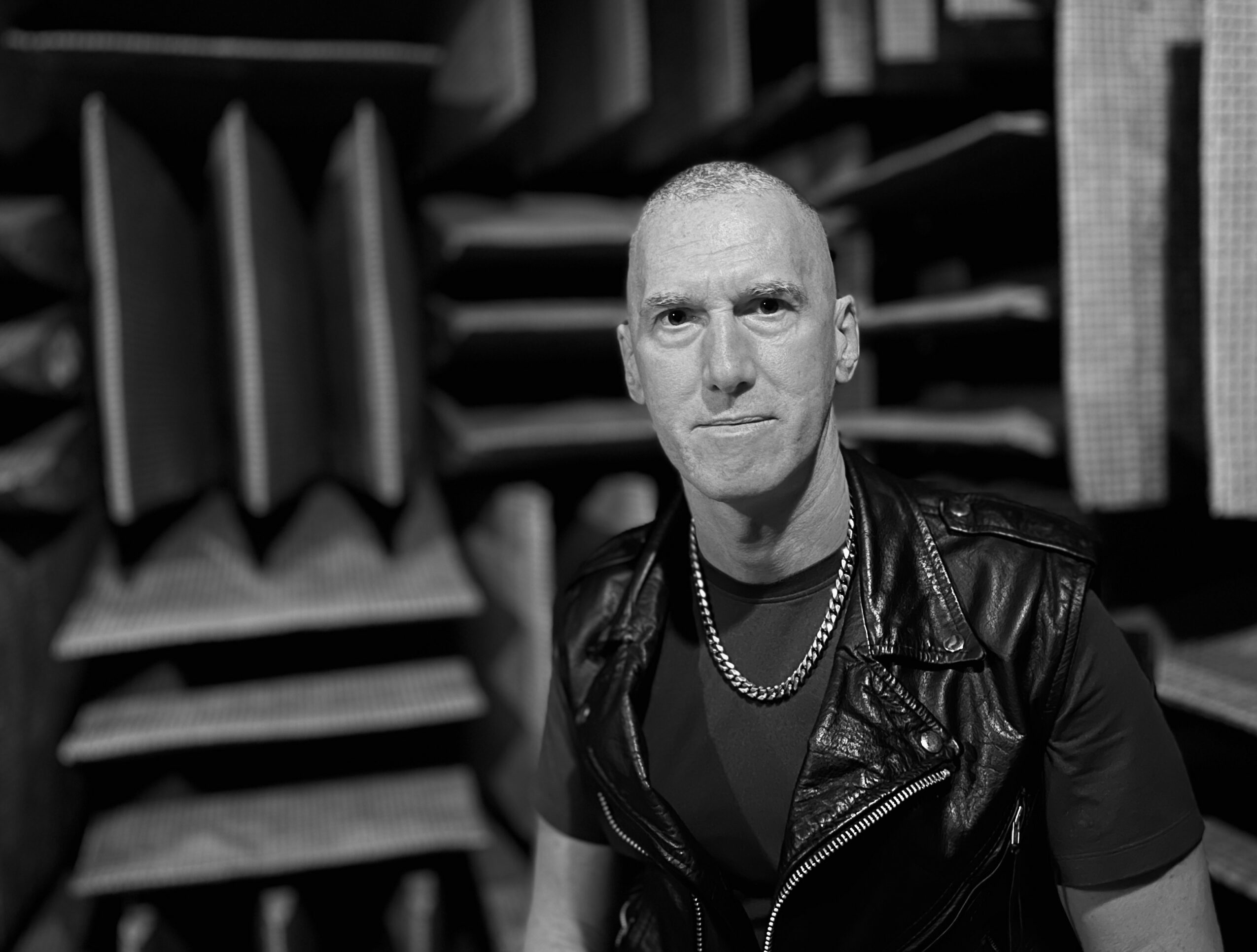
Today we’d like to introduce you to Philip Blackburn.
Hi Philip, it’s an honor to have you on the platform. Thanks for taking the time to share your story with us – to start maybe you can share some of your backstory with our readers?
The doctors attending my birth were named Playfair and Strangeways; I hope I haven’t let them down.
At the age of 10 my new school in Abingdon tapped me for the chapel choir (we got to wear a different tie and sing in chilly old buildings). Very soon I learned that if I stuck to my part of the music, and everyone else did too, the whole endeavor was pretty remarkable; sonic crowd control with cathedral acoustics brought to life like an ancient tape recorder. Though I’d wanted to be a pro golfer, music took over and could be done indoors in all seasons. My trombone lessons were going nowhere largely because it was more fun to learn about photography from my teacher who doubled as a medical photographer in Oxford (think Inspector Morse and the art of crime scene documentation). So to disguise the fact that I couldn’t play the trombone, yet still had to play something in a recital, I composed my first piece. Problem solved, and I was hooked. Vocal and choral works, a string quartet, an orchestra piece for the opening of the new concert hall quickly followed. The boys who would become Radiohead were just arriving in the junior forms as I was planning my next move…
Then at 16 came the 15 minutes that changed my life. Curious about studying composition, I found myself near San Diego and made enquiries about the local scene. Three names were suggested to me: Morton Subotnick (electronic superstar), Henry Brant (master orchestrator), and Kenneth Gaburo (pioneer of everything). The latter said he was busy but I could come to a rehearsal he was running. That’s how I ended up the next morning in a classroom full of the one-and-only (sculptural, microtonal) Harry Partch instruments in their final rehearsal before traveling to the Berlin Festival. Mind blown; moreover the people in that room each became my mentors and friends for the following decades. I even spent 20 years with Partch’s archive in my bedroom producing audio, video, and a biographical scrapbook, the Enclosures series. Like Partch, I was skeptical of life in academia (despite accruing degrees from Cambridge and Iowa) and was especially proud of researching, producing and publishing all that without a single credit hour or institutional support.
So in 1991, a 26 year old with a PhD in experimental music drives up from Iowa City to live at the Zen Center on (former) Lake Calhoun and check out the cultural life of Minnesota. Singing with Dale Warland Singers and Ex Machina Baroque opera it seemed the Twin Cities was the place to be. This was soon confirmed when, after a rehearsal of the Mozart Requiem at the Basilica, I saw the Northern Lights followed by the Hallowe’en snowstorm. The last thing I expected was to find a job in my field, contemporary music. But the Minnesota Composers Forum (a service organization in St. Paul that existed to create opportunities for composers to be composers, rather than waiters) was hiring. I fell into arts administration and found myself designing programs, residencies, commissions, fellowships, organizing festivals (from electronic music to bamboo arts), and running panels for Jerome and McKnight funded programs where I could spend time with my heroes in the field. Thank you, Minnesota.
In 1993 I was sent to Vietnam for a few months to open dialog between the two countries’ composers (teaching about American music, researching the state of Vietnamese music, and making field recordings throughout the country). Part ambassador on a bicycle, part ethnomusicologist, part maverick professor, once again I was grateful for the chance to wear lots of hats and try and make a difference. Once again, all these experiences and people became my teachers.
Upon my return, I took over the Forum’s floundering record label, innova. It soon was awarded NEA grants and a million dollar McKnight endowment, and became the focus of my activities ever since. Part service, part business, the label was designed to remove barriers to entry for artists with a recording project but without much clue how to make it happen or get it out into the world. It is indeed a daunting task, especially for those who make their work without commercial success in mind; more supply than demand. But, from my point of view, the American Experimental Tradition was why I came to the US in the first place and trying to find ways to champion the cause continues to thrill. 750 albums and 29 years later I started again in 2020; this time on my own and with another label, Neuma. I’ll come back to that.
Even with a busy and satisfying day job in my field, I was still making my kind of music (somewhere between environmental sound art, modern composition, and community based experimental music). I went to study sonic playgrounds in Australia (public art being the perfect way to democratize sound play outside the concert hall). One year, for the opening of the Northern Spark festival in St. Paul, I composed a fanfare for eight Art Car horns honking and flashing in complex hockets. This was followed by audience members walking around Upper Landing hearing my music (the Sewer Pipe Organ) emanating from manhole covers throughout the area by the Mississippi River. Who knew there was such an invisible network of resonating spaces underground? It took some coordination with the city sewer department but they were game. Likewise in Duluth for Pride, I spent several trips asking permission from the mayor, and inviting the steam train engineers, lift bridge operators, carilloneurs, chain sawyers and others to do their thing at 3pm around the festival grounds. Thus the unique soundscape of the area was intensified and ‘composed’ – the city as orchestra – stimulating locals to experience their home through their ears, afresh. I guess experimental music for the masses is my thing, at least getting it out of the limited world of the new music ghetto.
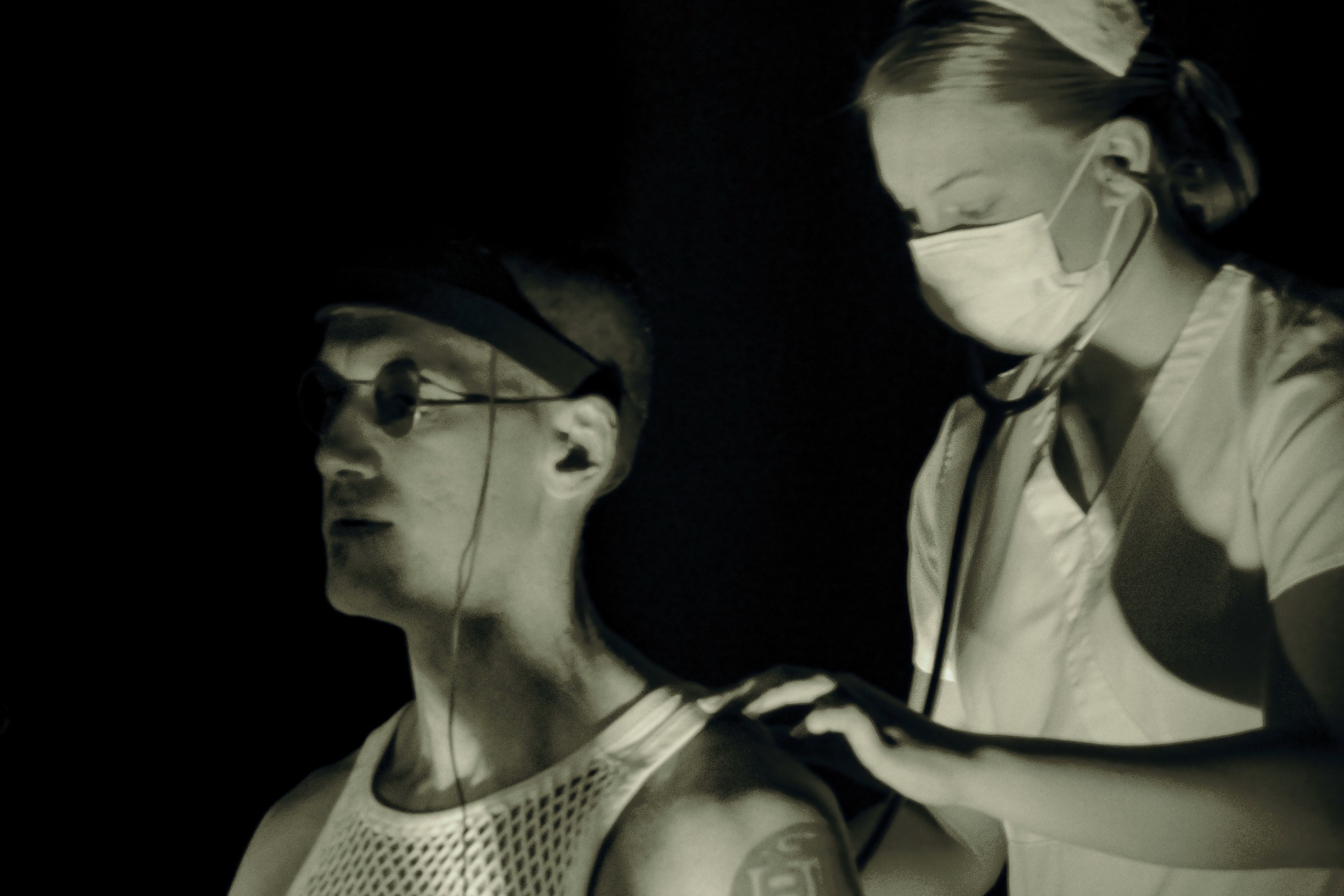
My other thing is how places can tell their uniquely site-specific story. The University of Colorado Colorado Springs was founded on the grounds of a former tuberculosis sanitorium. Though hidden from history it didn’t take much digging to discover that Cragmor was the place where the rich but consumptive went to die (or at least take the mountain air and sunshine before doing so). Thus a whole city was born. The stories, poems, photos, paintings, songs, and films of stars from Hollywood to Broadway, produced while motionless in bed or coughing up blood, became my hyperopera, The Sun Palace. Community members (the descendents of survivors), students, and nurses (who practiced live auscultation on the wandering audience members) all came together in the original space to uncover and reimagine its history. Knowing that production was a one-time deal I documented it as a standalone film. As with my other artistic works, the indie film fell through all known genre cracks; Was it a documentary, feature, or music video? None of the above really. Once again a reminder that categorization fails to capture exceptions.
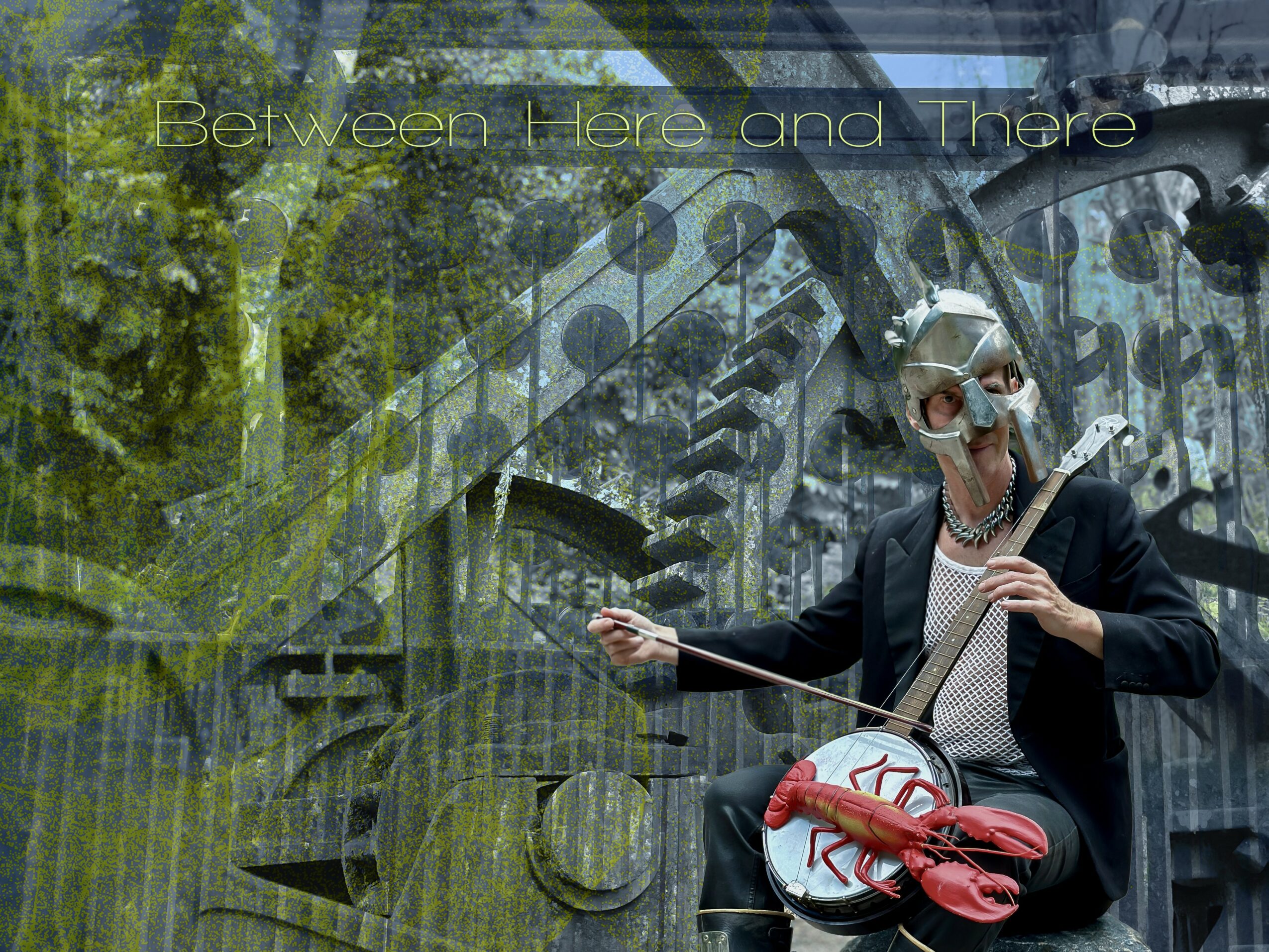
Bizarrely, one of the best reactions to my work – Between Here and There – was for a Surrealism-themed festival, a collaboration with Minnesota’s Zeitgeist New Music Ensemble for No Exit in Cleveland. I took the challenge of turning everyday objects into musical instruments, fueled by dream logic and whimsy. Thrift store foraging inspired me to think of what could (with some imagination and acoustic engineering) become a wildly improbable orchestra: a lobster banjo with taconite rainstick, walking stick clarinets, an umbrella shawm, whistling crab, baseball bat reed pipe, and bowed bicycle wheel spokes amplified by balloons inside Styrofoam coolers… While the sounds of these instruments were definitely strange, the audience could see exactly how they were being made and delighted in the beauty of invention and discovery. This proved to me once again that experimental music is not difficult to appreciate or understand, it just needs the right set up. It was also a gratifying test of the ‘soup to nuts’ principle; taking a project from nothing to full realization, bringing unity to the whole as it evolves along the way.
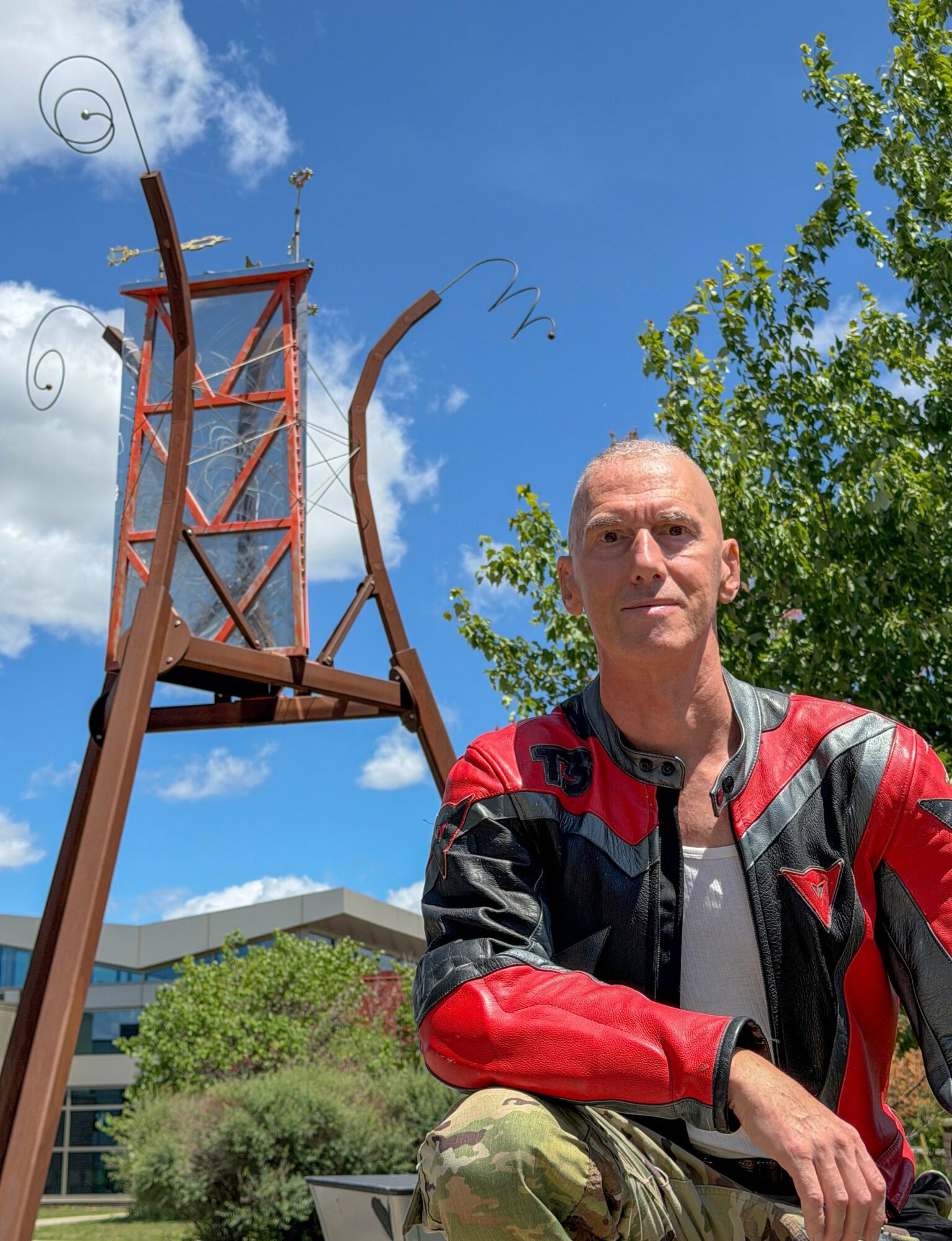
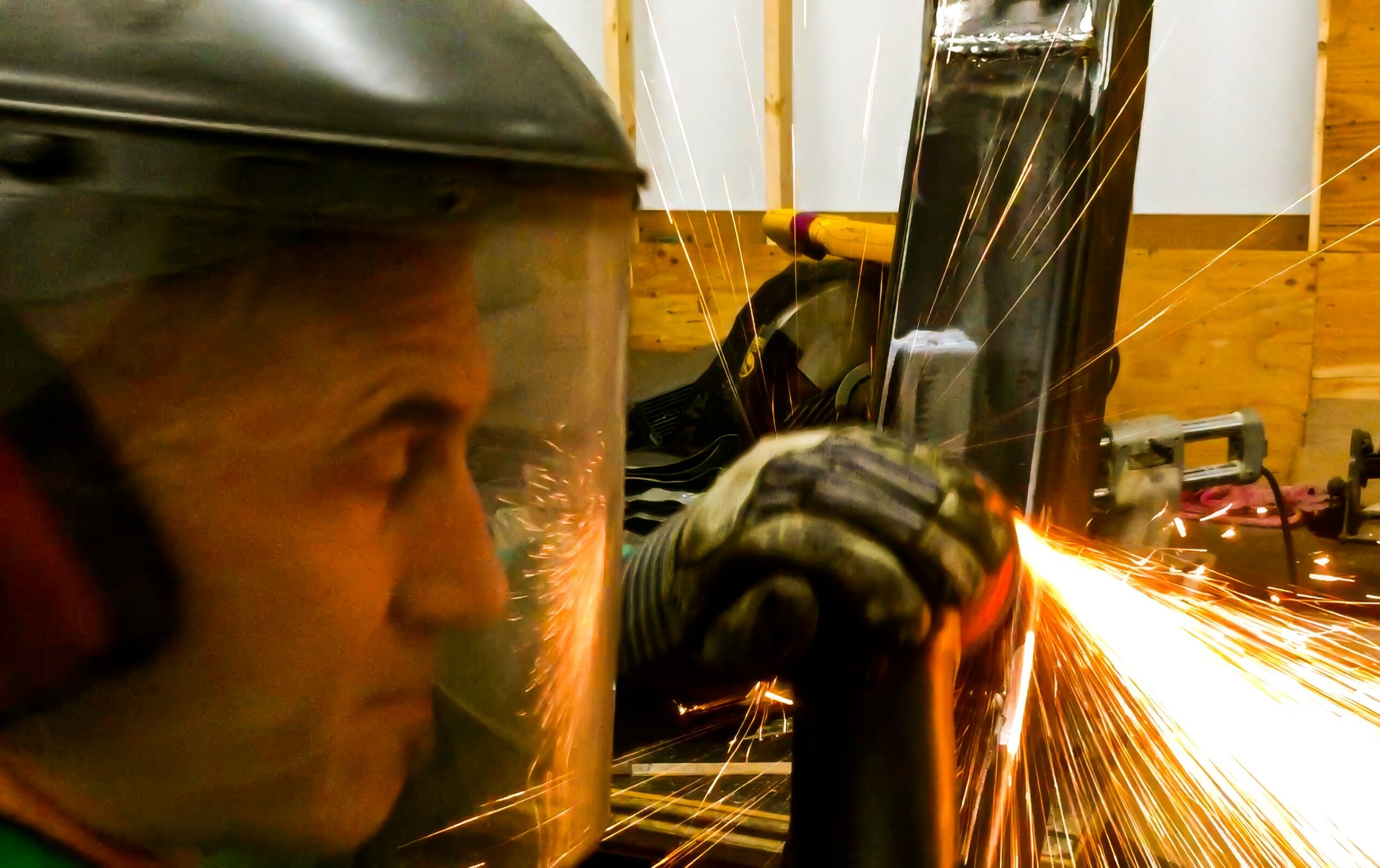
Not all of my works make sound; I designed an art house in Belize (an improvisation in concrete, light, bamboo, and hardwood, that grows out its environment) and the Scope at Beacon Bluff (a permanent outdoor kinetic sculpture on the site of the original 3M headquarters on St. Paul’s East Side). This was part of the Port Authority’s vision to revitalize the area while acknowledging the history of the location where so many inventions were developed, from sandpaper to Scotch tape, Post-It notes and dichroic glass (which changes color according to the angle you view it). I conceived of the beacon as not an emitter of light, but receiver, reflecting the energy from the surroundings and provoking wonder and possibility. Echoing the 3M water tower that once stood there, my beacon is a 25’ high wind powered kaleidoscope with three spinning fascinators dazzling the viewer from below with endlessly varied patterns, colors, and yes, rhythms. Watching for a while seems to give the same sense of hallucinatory effects as my music so I must be doing something right.
So my creative life takes many forms (music, films, performances, events, structures, books, experiences) but one way or another they each help me practice the art of noticing. Composition as meditation. Sharing the joy of listening.
We all face challenges, but looking back would you describe it as a relatively smooth road?
As golfer Gary Player once said, “The more I practice, the luckier I get.” I’ve had setbacks but managed to land on my feet and take a different direction pretty quickly. If anything such unexpected learning opportunities convince me that we should more often be careful what we wish for. They also fed my appetite for risk. Artists who have taken bold ideas to extreme levels just to see what happens gives me permission to try ever more ambitious things myself. I once promised an installation for a Flint Hills International Childrens Festival where I would hook up a plant with a brainwave sensor and MIDI sound samples so visitors could hear the miraculous effect of their interactions with a giant vegetable. Only thing was, I didn’t know it would work until a few days before the event. Definitely beyond my comfort zone but the rewards far outweighed the risks. My backup plan is always to have lots of strings to your bow and a big Rolodex.
When it was time to jump ship from my increasingly toxic work environment I took the leap of starting my own business, a record label, where at least my boss is sweet and reasonable. The time saved on reports and staff meetings is also well used petting my Savannah cat, Perky.
As you know, we’re big fans of you and your work. For our readers who might not be as familiar what can you tell them about what you do?
My dual tracks in life – creative multi-media artist and administrator – are essentially one. I am lucky to spend my life in music. It turns out that being a label guy and sole proprietor involves wearing many hats and that keeps things varied and stimulating. Over more than 30 years in the record business I have picked up some experience along the way and can help fellow artists with the whole befuddling world of putting an album out into the world. To get from composing a work to seeing it on Spotify, heard on the radio, or reviewed in the New York Times is a tricky process with many pitfalls. These days you can try doing it yourself, but after producing 1000+ albums I can often help people put their best foot forward.
The production chain has many stages after the music is captured on ‘tape’; editing, mixing, mastering, sequencing, legal arrangements, liner notes, press releases, design, photography, video, manufacture (if you want CDs or vinyl), access to distribution, suitable networks of radio DJs, podcasters and reviewers, social media, label followers, order fulfillment, Grammy submissions, etc, etc. Who needs labels any more? See above.
I – and by extension my label, Neuma Records – specialize in the avant garde, the exceptional, the experimental, the groundbreaking, the weird but beautiful, the exploratory music that pushes the art form forward and was made without primarily commercial intent. It grows out of the tradition of rugged individualists such as Charles Ives, Harry Partch, John Cage, Pauline Oliveros, Philip Glass and many others who followed their own musical curiosity. The music is often unconventional but that doesn’t mean it is ‘difficult’ or sounds dry and academic; it might just get you to question the very idea of music, and who doesn’t want a new thought?
I market the unmarketable. This is admittedly a niche within a niche (most radio stations or streaming services don’t even have a category for it) but it is part of the fabric of our culture and refuses to die.
While awards are nice (there have been a bunch over the years) my most satisfying moments are bringing someone’s project to fruition and reporting back to them with reviews and airplay that expands the audience for their work beyond their wildest dreams. That, in turn, leads to positive word of mouth for the label and the whole cycle begins again when new artists bring me their embryonic projects and have faith that I will be a trustworthy midwife.
In terms of your work and the industry, what are some of the changes you are expecting to see over the next five to ten years?
Am I part of the music industry? Maybe so, but few of the trends you hear about actually affect contemporary classical composers or below-the-radar efforts like mine. Sure, the streaming services have sucked out the income for labels or artists to make their money back; CDs still have their uses though their meaning has changed; the glut of product is real; and listeners have less and less time to listen. But we can find creative solutions to some of those issues.
Ever since electric keyboards with dance presets, karaoke, and Garageband, the commercial focus has been on selling shortcuts to convince everyday folk they are a few steps away from being a pop star (just as Instagram made it look like everyone was a skilled photographer). Well, the vanity economy has finally run its course, bots have worked out that musical algorithm and no human ever needs to create music ever again. But here’s the irony, those AI routines depend on scooping up fresh examples that don’t currently fit their data patterns, the exceptional models that expand their calculations, the Neumas of this world, otherwise they collapse into a bland vanilla average that defeats the purpose. Those of us who focus on questioning the creative process have never been more necessary.
Years from now artists will still be trying to make sense of the world through arranging sounds, exploring new meanings that resist commodification, and wanting to share these thoughts with others. A label, or a gathering place for fellow seekers, will still be needed in some form. At least that’s where I am hanging my hat.
Contact Info:
- Website: https://philipblackburn.com/
- Other: https://neumarecords.org/