





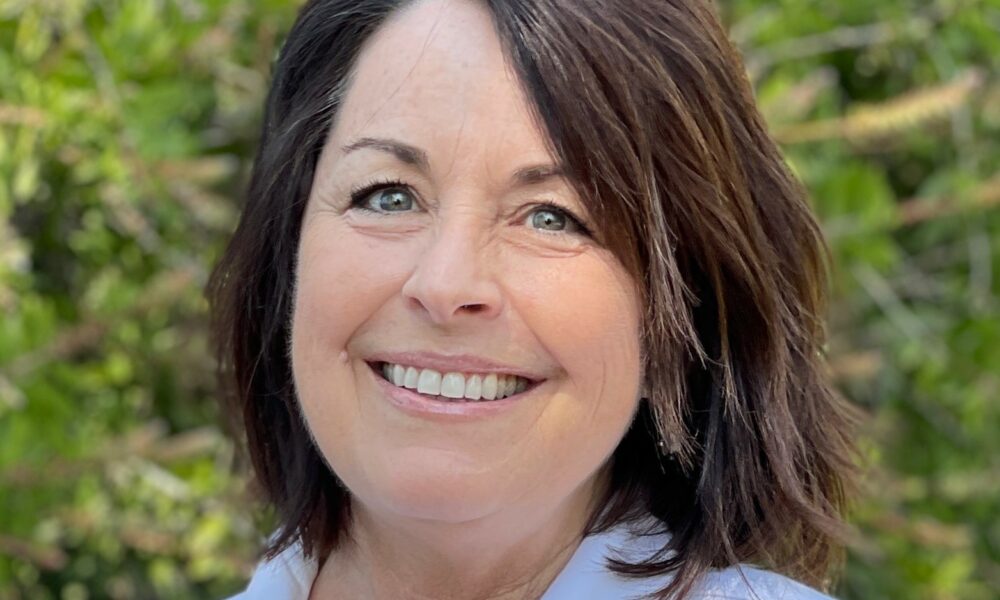
Today we’d like to introduce you to Jeannine Davison.
Hi Jeannine, I am so excited to have you on the platform. Before we get into questions about your work life, how can you bring our readers up to speed on your story, and how did you get to where you are today?
I grew up in Minnesota and have always loved gardening, the outdoors, and experimenting with food for as long as I can remember. I’ve never been afraid to try new things, and this adventurous spirit is prevalent in how I cook and approach my work life. After getting an engineering degree from the University of Wisconsin and a USC MBA, I spent 20 years in Los Angeles as an executive in entertainment technology. It was an exciting time filled with many challenges, but I felt disconnected from my Minnesota roots and missed being part of a close-knit community. A few years ago, I moved to Carlsbad with my husband and son to be closer to my parents and create a lifestyle to fill this desire.
In early 2020, I was still consulting in the entertainment industry when a vacationing friend sent a picture of an edible cup he had tried in Norway. My husband and I were fascinated by this and asked ourselves, “Why haven’t we seen these in the States?” It was a great single-use alternative with huge market potential, but we needed to gain any food industry experience. We decided to put our consulting jobs aside for one month and learn all we could about where the cups were made and how we might go about bringing them to the U.S. During that month, we had a crash course in FDA regulations, importing, negotiations with a Bulgarian manufacturer, and food resale certification. Someone was willing to help us open another door at every turn, so we kept going. We formed AMAI (Japanese for “unexpected pleasant surprise”), and the name is an homage to my long career at Panasonic, frequently traveling to Japan.
In early 2020, we began importing and distributing edible cups in the United States. People were amazed by the concept of a cup you could eat and enjoy or compost, and we gained popularity with caterers, cafes, and health food stores. However, the product stopped short of being truly eco-friendly. Shipping goods from across the globe was expensive, unreliable, and not great for the environment. Also, using virgin grains to make the cups seemed wasteful when sometimes people only took one or two bites before tossing them into the compost bin. We had heard about the process of upcycling spent grains, and this got us thinking- what if we could make an edible cup using recovered grain from local breweries? We joined the Upcycled Food Association, where founding member Sue Marshall gave us the education we needed about spent grain recovery. Sue, a fellow Minnesotan, is Netzro’s CEO and Founder, and we immediately hit it off! I started baking trials in my kitchen using a waffle cone maker and grains recovered by Sue’s company from Minneapolis Breweries. After much experimentation and testing, I was satisfied with the formulation, and it was time to test it in a real food production lab. The result? Our recipe and process-produced cups outperform others in heat tolerance, break resistance, and nutrition. We approached our partner in Bulgaria with the idea, and they weren’t interested. Feeling discouraged, we were now faced with having to make it ourselves.
But one doesn’t just go out and purchase cup-making equipment, and we learned that the only viable solution was to have something custom-built in Austria by one of the world’s largest food production equipment companies. Yes, it was a much more significant capital investment than ever imagined. Still, we raised the money and built a small test production facility in Vista, CA, using the custom-designed machine. We’ve test-marketed over 30,000 cups in 17 states in various applications and are now commissioning a high-volume production line to expand our capacity and meet growing demand. Our innovative solution to reducing single-use waste allows clients to differentiate and offer their customers a unique experience. Coffee shops and caterers are creating specialty menu items designed around the cup’s nutty, crispy profile. Seeing all the creative ways customers use the cups is gratifying. One of the things we are most proud of is that we have attracted so many talented people who have volunteered their expertise to help us get things off the ground simply because they loved the idea and believed in us. Honestly, this kind of validation has kept me going when I felt discouraged, overwhelmed, or just plain exhausted! When people believe in you, it gives you the fuel to keep going.
Would it have been a smooth road, and if not, what are some of the biggest challenges you’ve faced along the way?
One of the biggest challenges was importing another manufacturer’s product when we first started. It helped determine whether or not there might be a market for such a thing here in the U.S. However, we immediately saw many opportunities for improvements and ways to adapt the packaging, branding, etc, to suit Americans better, and the manufacturer was not interested in making any changes. Logistically, it was a nightmare, too. Our first product pallet entered the San Diego port three days after everything shut down for COVID-19. Suddenly, there were no cafes open to sell to! We pivoted and found an online vegan grocery store gaining traction, and they picked up our product. It saved us! Once things opened back up, we continued to experience delays with shipments, damaged cartons with many broken cups, and crazy inflated shipping fees. Between all these things and the not-so-eco-friendly import model, we embarked on our journey to make the cups here in the U.S. from locally sourced upcycled ingredients. It was a terrifying decision, but looking back, it was right!
I appreciate you sharing that. What should we know about Amai Inc.?
We make a fully biodegradable edible cup. It’s a single-use container that disrupts conventional thinking about compostability. What does that mean? Our human digestive system cup can be composted in 8 billion locations worldwide. This is a critical distinction because all other compostable options require a specialized facility to break the material down under high heat for several months. If traditional paper cups don’t find their way to these industrial locations for processing, they end up in landfills, requiring more than 20 years to break down. The other thing we do differently is our cups are made from recovered food waste. We divert spent brewer’s grains from landfills and upcycle them in a food-safe way to be used as one of the main ingredients in our cups. These grains are nutritious and delicious, and they’re now given a second life by becoming part of the food stream again. What’s exciting is that the spent grain recovery ecosystem we are developing in San Diego County in partnership with Netzro can be used as a blueprint and replicated worldwide where there is a high concentration of breweries. This is next-level thinking for how to reduce waste by actually creating a stable food item on a shelf packed with nutrients.
What quality or characteristic do you feel is most important to your success?
We’ve built a strong reputation in the market simply by being open and honest about exactly where we were with the product at any given time. Because most of our customers came on board during the prototype phase, they were with us as we figured things out along the way – as the product and company evolved. We have always appreciated our customer’s willingness to be part of the learning curve and stick around through growing pains, whether product shortages, reworking the packaging design to prevent broken cups during transit, or simple things like establishing our invoicing procedures. We dedicate a lot of effort to maintaining good relationships with our customers, suppliers, consultants, and advisors of Amai. So many people have graciously offered their time to help us launch this business, and we never forget that we couldn’t have done it without them! We consistently deliver a quality product that is so unique that word of mouth has been a massive contributor to building a solid reputation. Our customers love that the edible cup allows them to differentiate, offering their customers a unique experience and helping them achieve their sustainability goals.
Contact Info:
- Website: https://amai.earth/index.html
- Instagram: https://www.instagram.com/amai.earth/
- Facebook: https://www.facebook.com/amaiediblecups/
- Linkedin: https://www.linkedin.com/in/jeannine-davison-21360284/
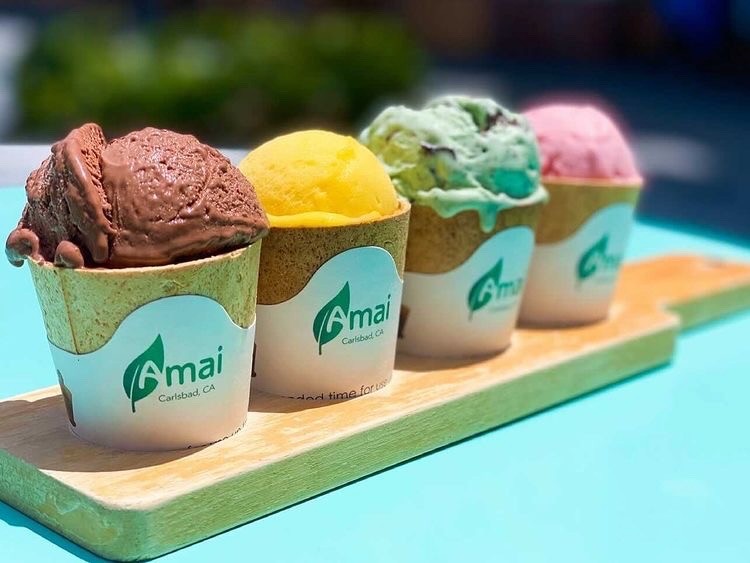
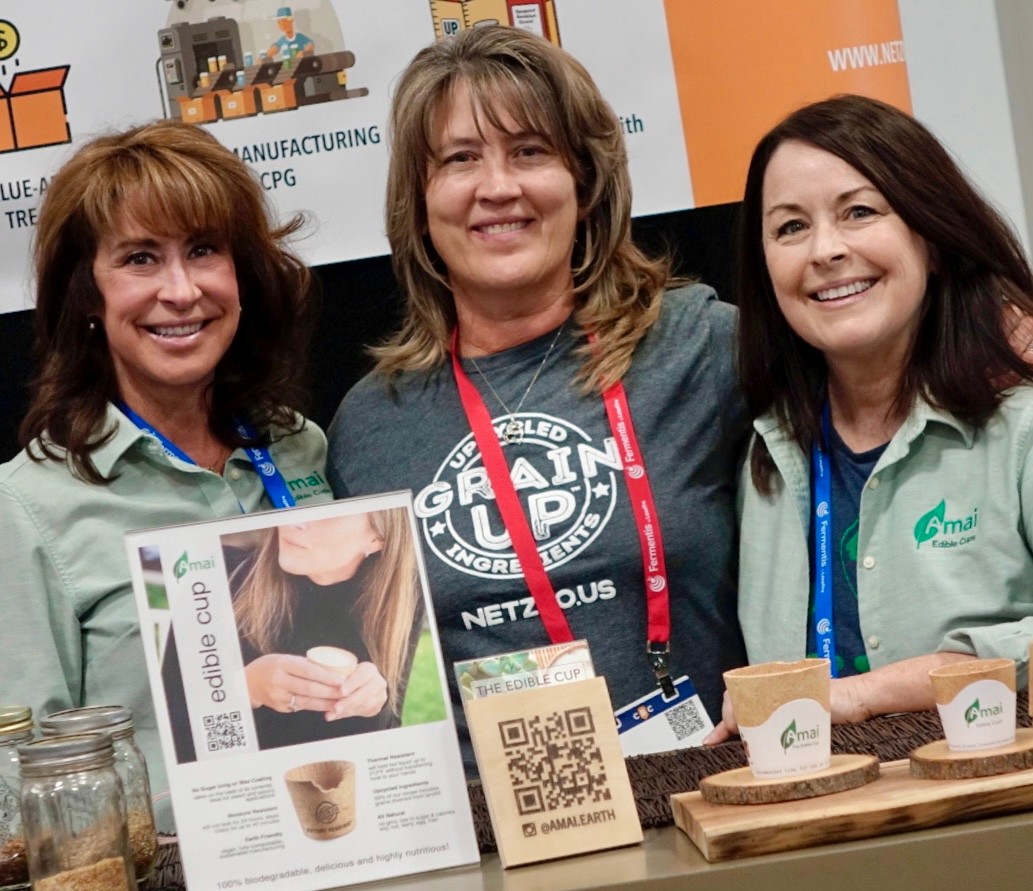
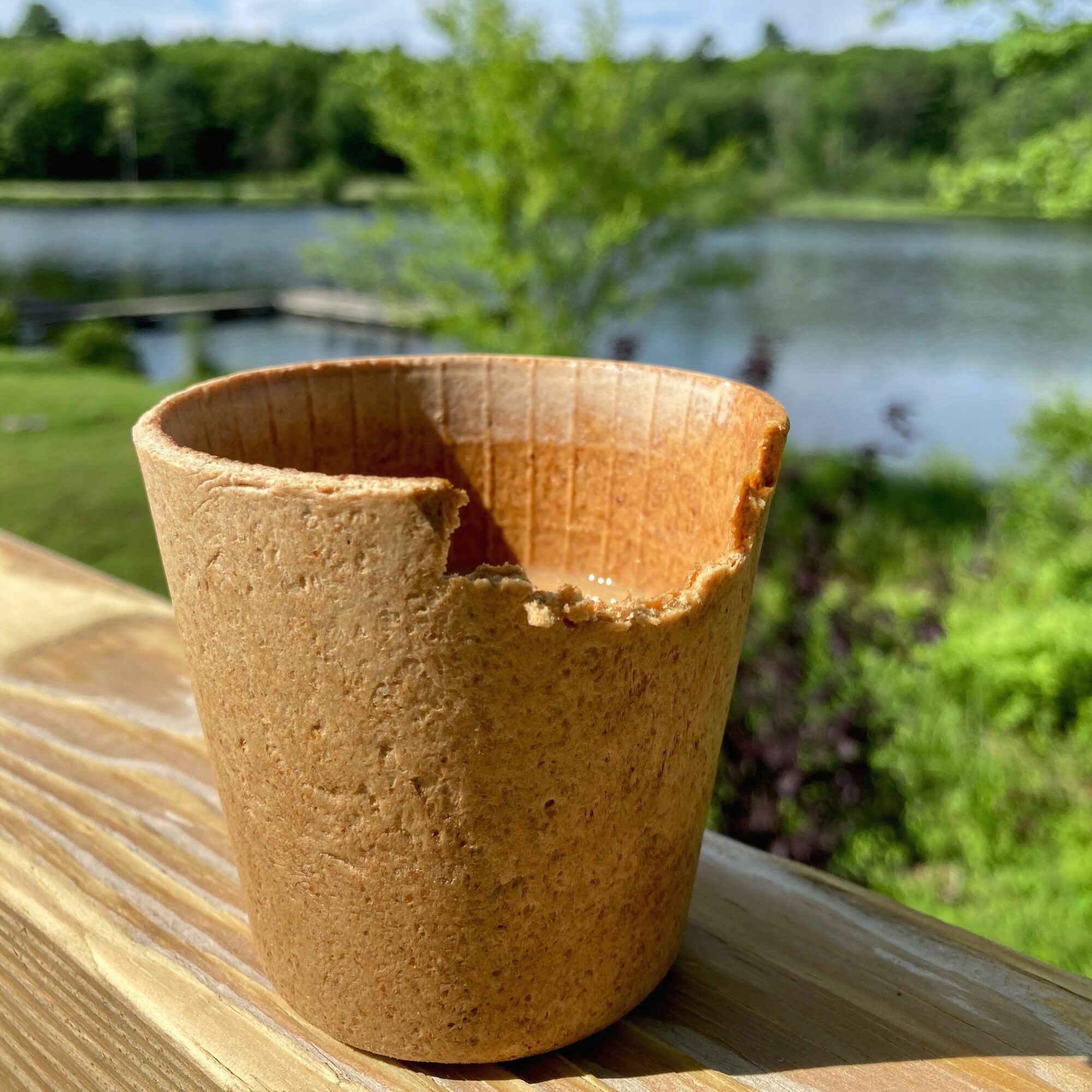
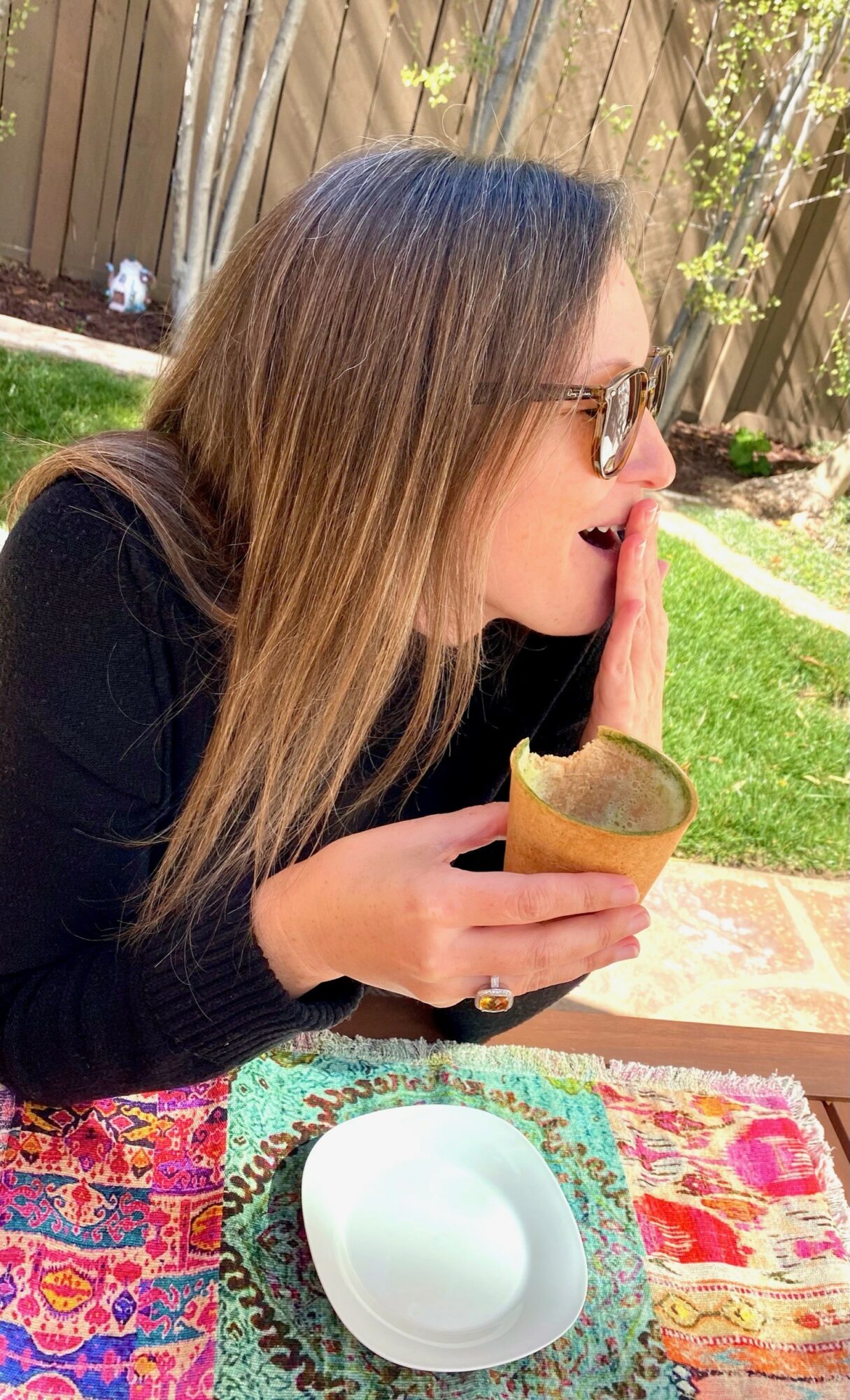
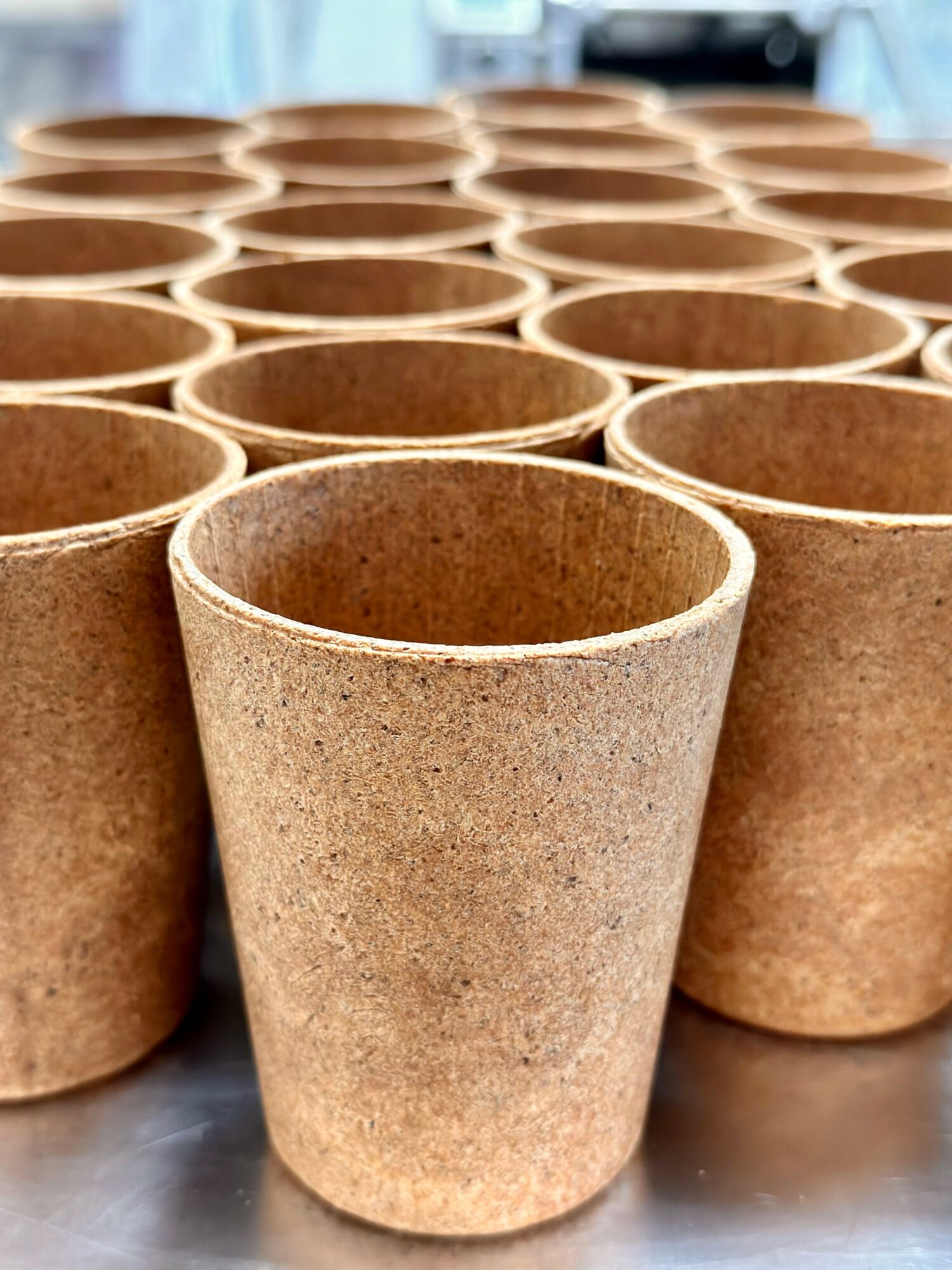
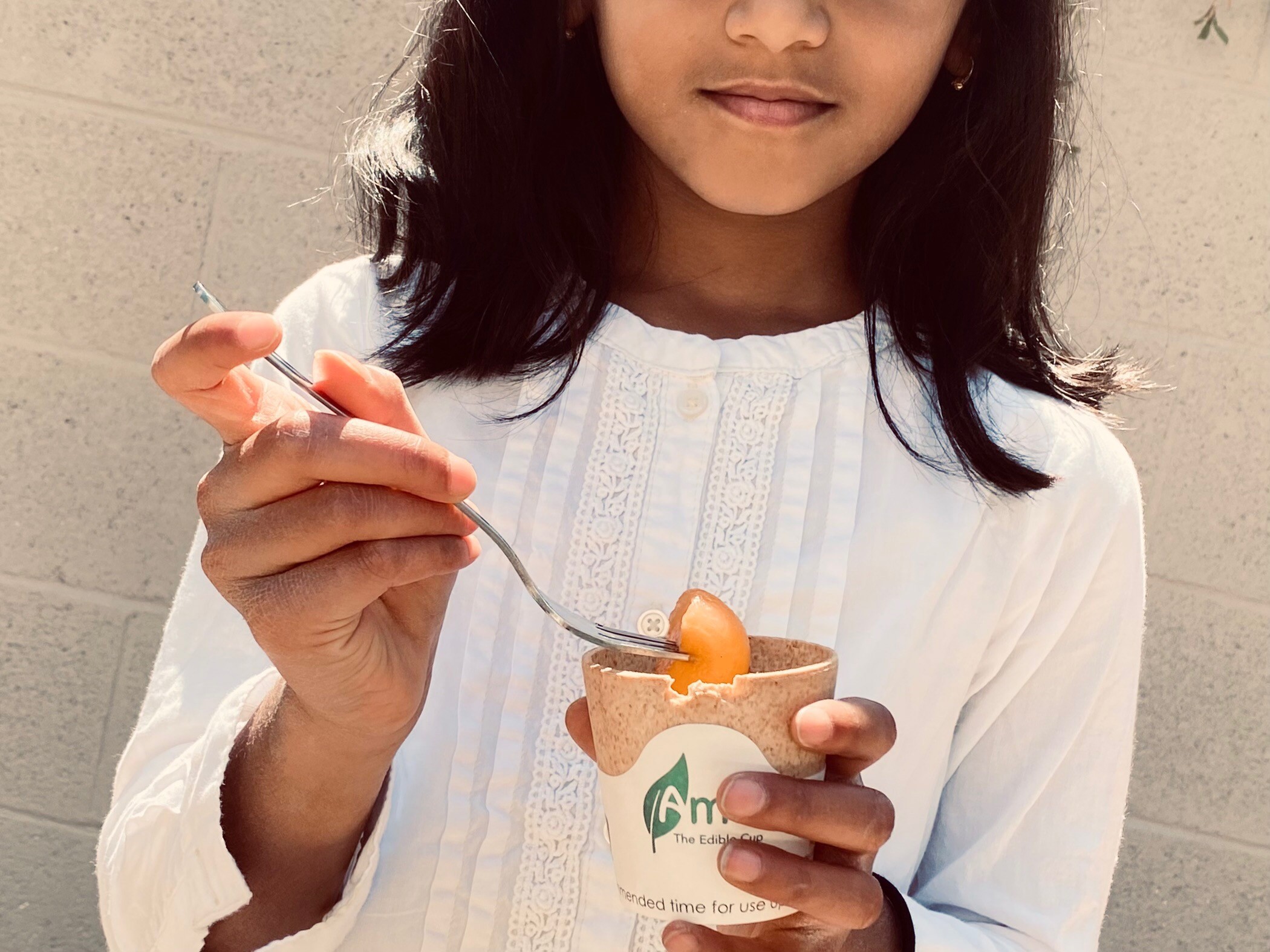
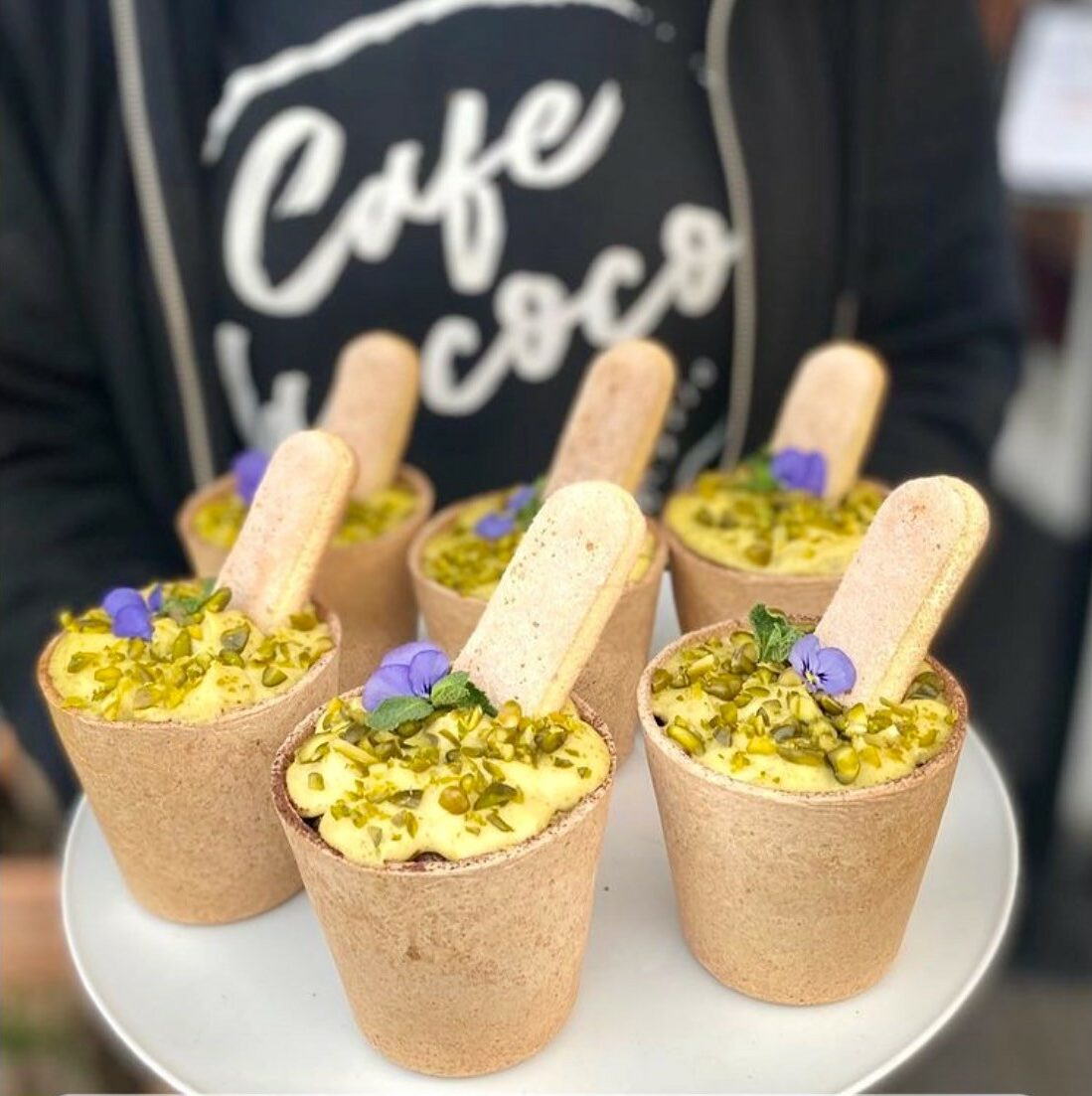
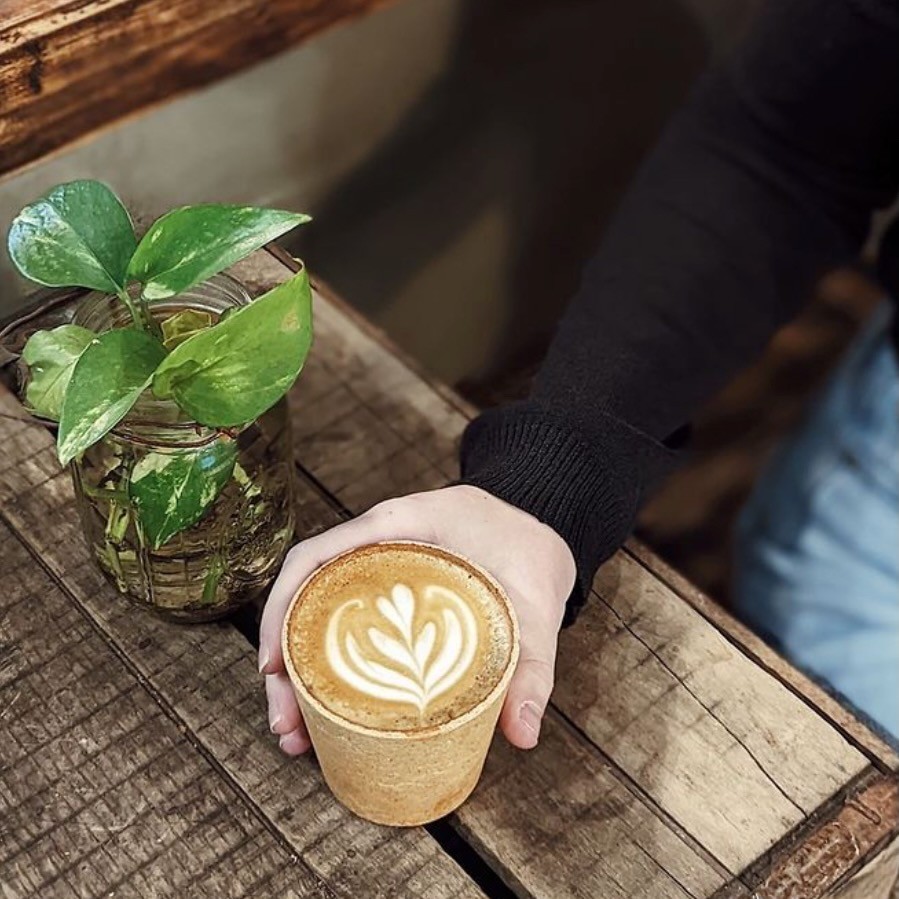
Image Credits
Urban Backyard NYC, Sandra Cavender, Kevin May