




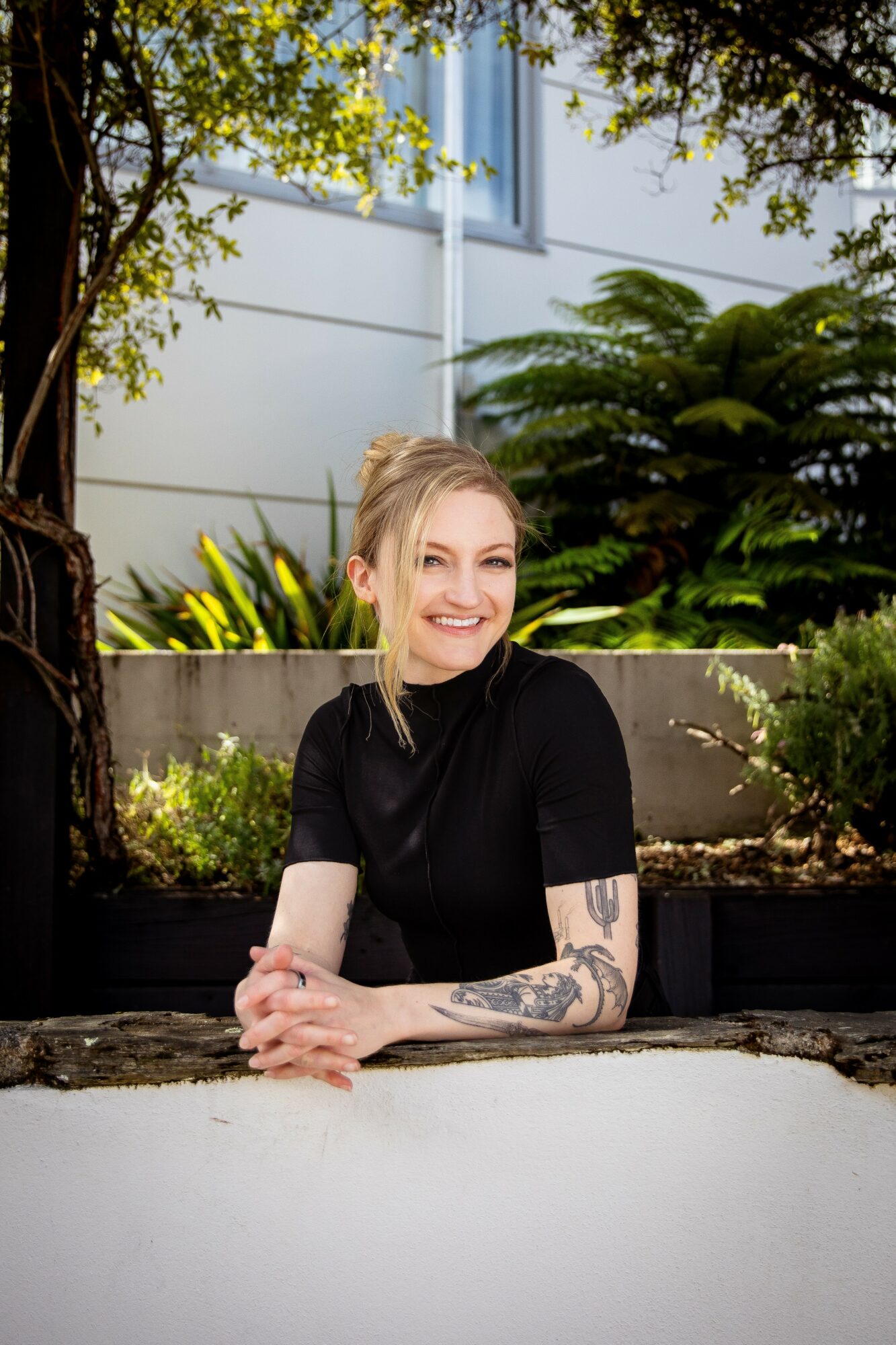
Today we’d like to introduce you to Jess Hogan.
Jess, we appreciate you taking the time to share your story with us today. Where does your story begin?
I’ve always been fascinated by human beings—how our minds work, why we do what we do, and why two people can experience the exact same situation so differently. It’s probably also why I love reality TV so much. Watching people navigate relationships, conflict, and the wonderfully weird ways humans make sense of the world has always been endlessly interesting to me.
That fascination, paired with a genuine desire to help people, eventually led me to become a clinical psychologist. But my journey with autism started long before I opened my private practice. Since college, I’ve worked alongside Autistic people in a variety of settings, and over time I became increasingly interested in the many ways autism can present, especially in people who had been overlooked.
As my career evolved, I taught psychological assessment at the doctoral level, supervised future psychologists, and eventually specialized in autism assessments for girls, women, and other high-masking adults. The more evaluations I completed, the more I realized how many people had spent decades trying to understand themselves through explanations that never quite fit.
Ironically, even after years of working with Autistic people and specializing in autism assessment in women and high-masking people, it still took me another five years to recognize AuDHD in myself.
It wasn’t until I opened my private practice and started spending hours sitting with high-masking women during evaluations that I began having this recurring thought: *Wait… why do I relate to them so much? I’m neurotypical.*
Looking back, that’s laughable.
Like many late-identified AuDHD adults, I had an explanation for everything. I attributed my social differences to social anxiety and “friend trauma,” my sensory experiences to anxiety, and the rest to simply being “quirky.” It never occurred to me that all of those pieces actually fit together. I had been cosplaying as neurotypical my whole life.
Discovering my neurotype didn’t change who I was, but it did change how I understood myself. Instead of constantly trying to force a square peg into a round hole, I finally had the language to understand my brain and permission to build a life that actually aligned with who I am.
That experience transformed the way I practice psychology.
Today I’m the founder of Neuron & Rose Psychological Services, where we provide neurodiversity-affirming evaluations and therapy. We see autism and ADHD as neurotypes and disabilities that deserve understanding, accommodation, and support, and not as problems to be fixed or “cured.” I’m incredibly passionate about helping people have access to evaluations that truly capture who they are because I know firsthand how life-changing accurate self-understanding can be.
That same passion led me to found The Divergent Clinician, where I train mental health professionals to provide more accurate and affirming autism and ADHD assessments. I genuinely want to help change the field so fewer people spend decades being misunderstood.
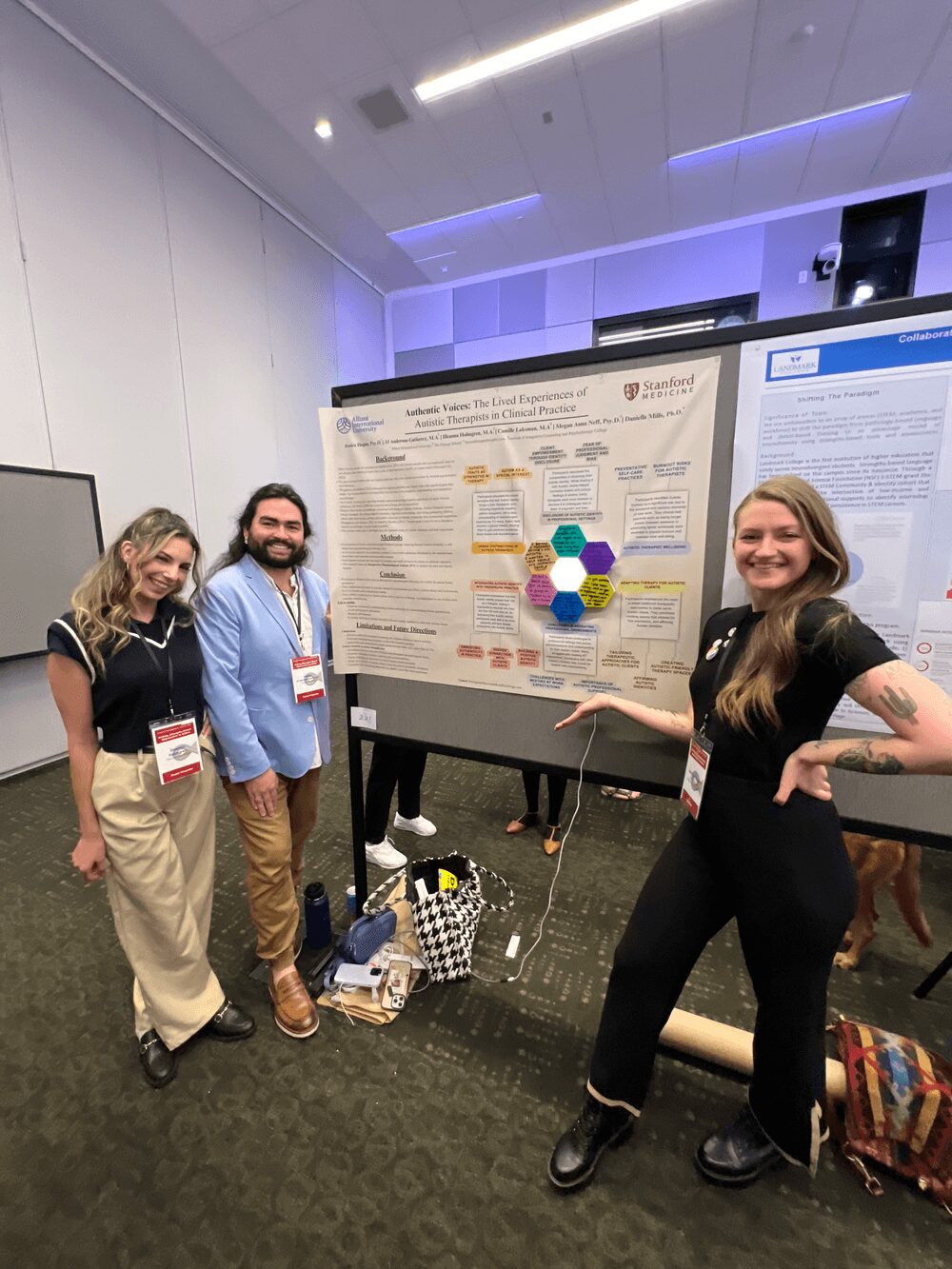
Research has become another avenue for that mission. I recently led a qualitative study exploring the experiences of Autistic mental health therapists because I’m passionate about challenging myths—like the idea that Autistic people lack empathy or can’t be therapists. There are so many incredible Autistic clinicians, and I want our profession to better recognize the strengths that lived experience brings.
The part of my work that means the most to me, though, is what happens after someone receives a diagnosis.
People often ask me, “What’s the point of getting diagnosed at 30? Or 40? Or 50? Or even 80?”
My answer is always: so many things.
It’s never too late for self-understanding. It’s never too late to replace years of self-blame with self-compassion. It’s never too late to stop forcing yourself into a life that was never built for your brain and instead create one that actually fits. It’s never too late to find authentic community where you can truly be seen and be authentically yourself. My hope is that people leave an evaluation not just with answers, but with a roadmap for what comes next…and the realization that they were never broken in the first place.
Alright, so let’s dig a little deeper into the story – has it been an easy path overall and if not, what were the challenges you’ve had to overcome?
While starting and growing multiple businesses as a neurodivergent entrepreneur has certainly had its challenges, I think the biggest obstacles have actually been personal ones.
Like many late-identified AuDHD adults, I spent years believing that if I just tried harder, became more organized, or found the perfect productivity system, I’d eventually be able to function the way everyone else seemed to. I was a classic high achiever. I built a career I loved, taught at the doctoral level, started a private practice, conducted research, and said yes to every opportunity that came my way.
Eventually, though, like many Autistic and ADHD folks, my body had other plans.
After years of pushing through and masking, I experienced Autistic burnout. Unlike the burnout many people think of, Autistic burnout isn’t simply feeling stressed or overworked. It’s a profound state of physical, emotional, and cognitive exhaustion that can come from spending years trying to function in environments that weren’t designed for your brain. For me, it came with a significant reduction in capacity, and accepting that was incredibly difficult.
At the same time, I had to confront something called internalized ableism. In simple terms, I’d unknowingly absorbed the belief that my worth was tied to how much I could accomplish, how productive I was, and how little support I needed. So when my capacity changed, it felt like my identity had changed too.
Sprinkle in some chronic illness, and I was forced to completely rethink what success looked like.
I’ve also had to work through the perfectionism and imposter syndrome that can come with ADHD. One of the hardest parts was grieving the version of myself who seemed able to do everything. I see this in high-achieving Autistic and ADHD adults all the time. We can be incredibly hard on ourselves when we can’t operate at the level we once could, even when our brains and bodies are telling us they need something different.
Ironically, those experiences have made me a better psychologist, as I don’t just understand these struggles professionally, I understand them personally. Today, my goal isn’t to help people become the most productive version of themselves. It’s to help them build lives that actually fit who they are, where they can be successful without constantly sacrificing their health or authenticity in the process.
Alright, so let’s switch gears a bit and talk business. What should we know?
Neuron & Rose Psychological Services is a neurodiversity-affirming psychology practice that specializes in comprehensive evaluations for autism, ADHD, OCD, learning disabilities, and giftedness, along with therapy for neurodivergent adults, couples, and families. We serve clients throughout California, Minnesota, Washington, and many other states through PsyPact.
What sets us apart is that we don’t believe an evaluation should simply answer the question, “Do I meet criteria?” Our goal is to help people understand themselves. Many of our clients come to us after years, or even decades, of feeling like something never quite fit. They’ve often been told they’re “too successful” to be Autistic, that they’re “just anxious,” or they’ve spent years trying to explain experiences that never fully made sense. We take the time to look at the whole person, not just a checklist of symptoms.
One of the things I’m most proud of is the culture we’ve built. Our practice is intentionally neurodiversity-affirming, not just in the recommendations we give clients, but in how we lead our team, supervise clinicians, and make decisions as an organization. We believe autism and ADHD are neurotypes and disabilities that deserve understanding, accommodation, and support, and not disorders to be cured. That philosophy influences everything we do.
I’m also incredibly proud that our work extends beyond the therapy room. Through my education company, The Divergent Clinician, I train mental health professionals to provide more accurate and affirming autism and ADHD assessments. I genuinely want to help change the field because every clinician who becomes more competent in this work has the potential to positively impact hundreds or even thousands of neurodivergent people throughout their career.
Perhaps what I’m proudest of, though, is the feedback we hear from clients after their evaluations. So many tell us, “This is the first time I’ve ever felt truly understood.” This is exactly what we hope to create. A diagnosis can be validating, but it’s only the beginning. Our goal is for people to leave with answers, self-compassion, and a roadmap for building a life that actually works for their brain.
At the end of the day, that’s our mission: helping neurodivergent people feel seen, understood, and empowered to create lives that are aligned with who they are, not who they thought they were supposed to be.
We’d love to hear about any fond memories you have from when you were growing up?
One of my favorite childhood memories is making ridiculous home videos with my friends. We’d spend hours dreaming up storylines, assigning everyone different characters, filming scene after scene, and laughing until our stomachs hurt. Looking back, it’s funny how little has changed. I still love bringing ideas to life through storytelling—whether that’s creating social media content, collaborating on presentations, or finding creative ways to make psychology more engaging and accessible.
In fact, some of my favorite professional projects have been psychoeducational “fan fiction” presentations at comic conventions and psychology conferences, where we’d dress up as The Little Mermaid characters while myth-busting autism and making complex topics feel a little more human, memorable, and fun.
I always found myself gravitating toward the theatre kids and the wonderfully quirky, geeky, alternative crowd. Looking back, it’s funny because I was always drawn to the outcasts…the people who marched to the beat of their own drum, had niche interests, or didn’t quite fit the mold. Those friendships were some of the places where I felt the most accepted, long before I had any idea that I was AuDHD myself.
I think those experiences quietly shaped the person I became. They taught me that some of the most interesting, creative, and compassionate people are often the ones who don’t fit neatly into society’s expectations. In a lot of ways, I feel incredibly lucky that I get to spend my career surrounded by those kinds of humans every day.
Contact Info:
- Website: https://www.neuronandrose.com
- Instagram: https://www.instagram.com/thedivergentclinician/
- Other: https://www.thedivergentclinician.com