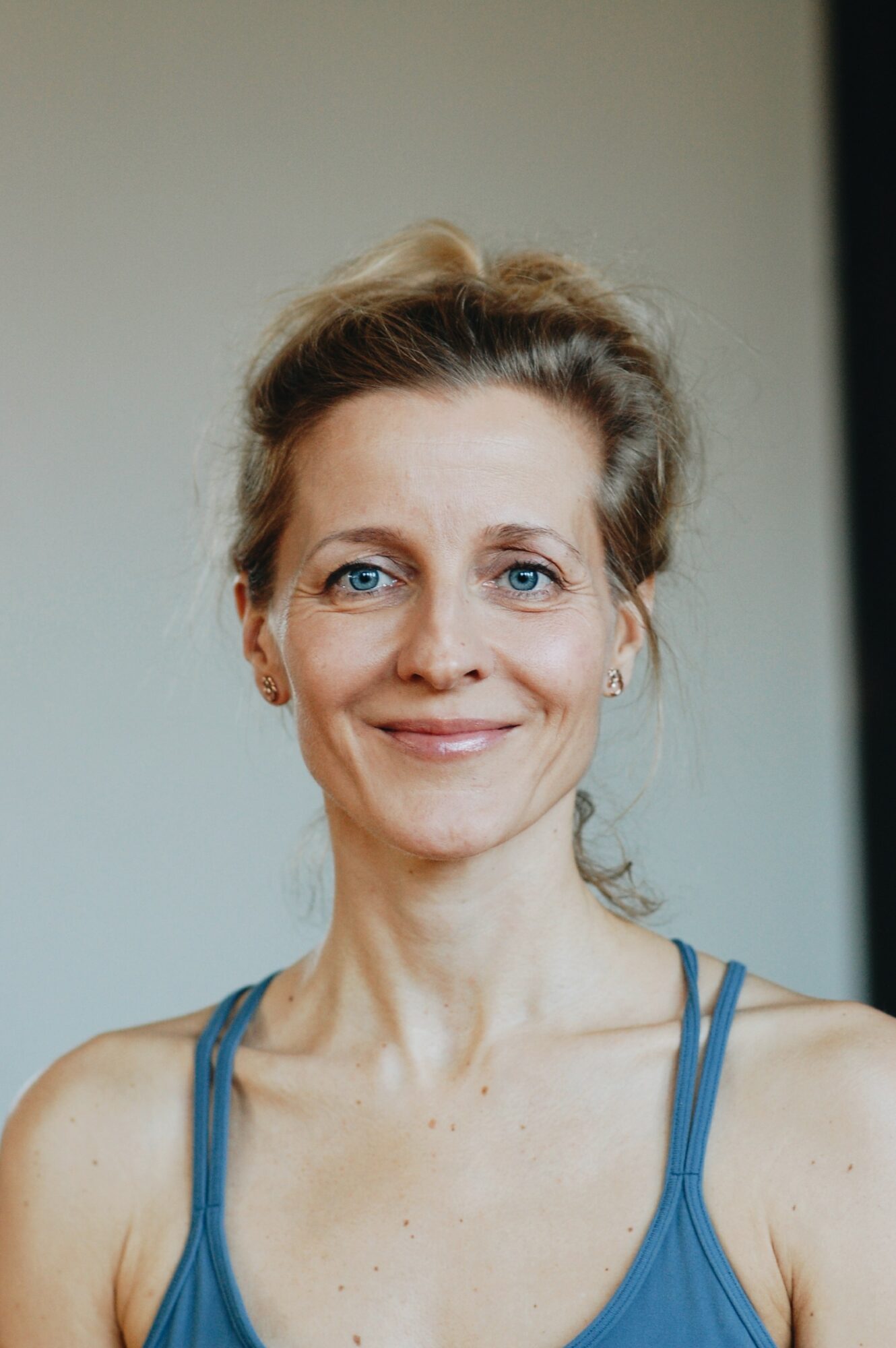




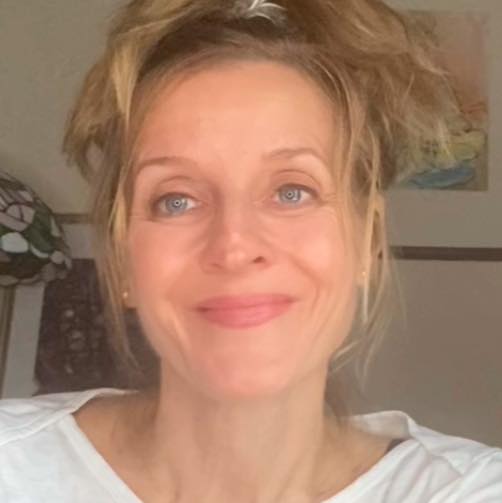
Today we’d like to introduce you to Maria Toso.
Hi Maria, so excited to have you with us today. What can you tell us about your story?
I was nineteen years old, living in my native Copenhagen, when a Buddhist teacher first articulated something that shifted the entire course of my life. He described how every human being is, at the core, a radiant, infinite light, pure awareness, temporarily housed inside a body that carries our experiences, our unprocessed emotions, and even the echoes of other lifetimes. He explained that we don’t see life as it truly is; we see it through the filters of our conditioning. Through meditation, we can clear the energetic field of the body so that we begin to see through the eyes of love rather than fear.
This landed deeply because only two years earlier, when I was seventeen, I had lost my father. In the months that followed his passing, I could feel him with me, offering comfort and quiet messages from the other side. But in the academic and rational environment I grew up in, there were no spiritual explanations for what I was feeling. So I had to seek them myself. That search led me to meditation. I became the first meditator in my family, and meditation became the refuge I returned to again and again, not as an escape but as a way to refuel my energy, steady my mind, and reconnect with something larger.
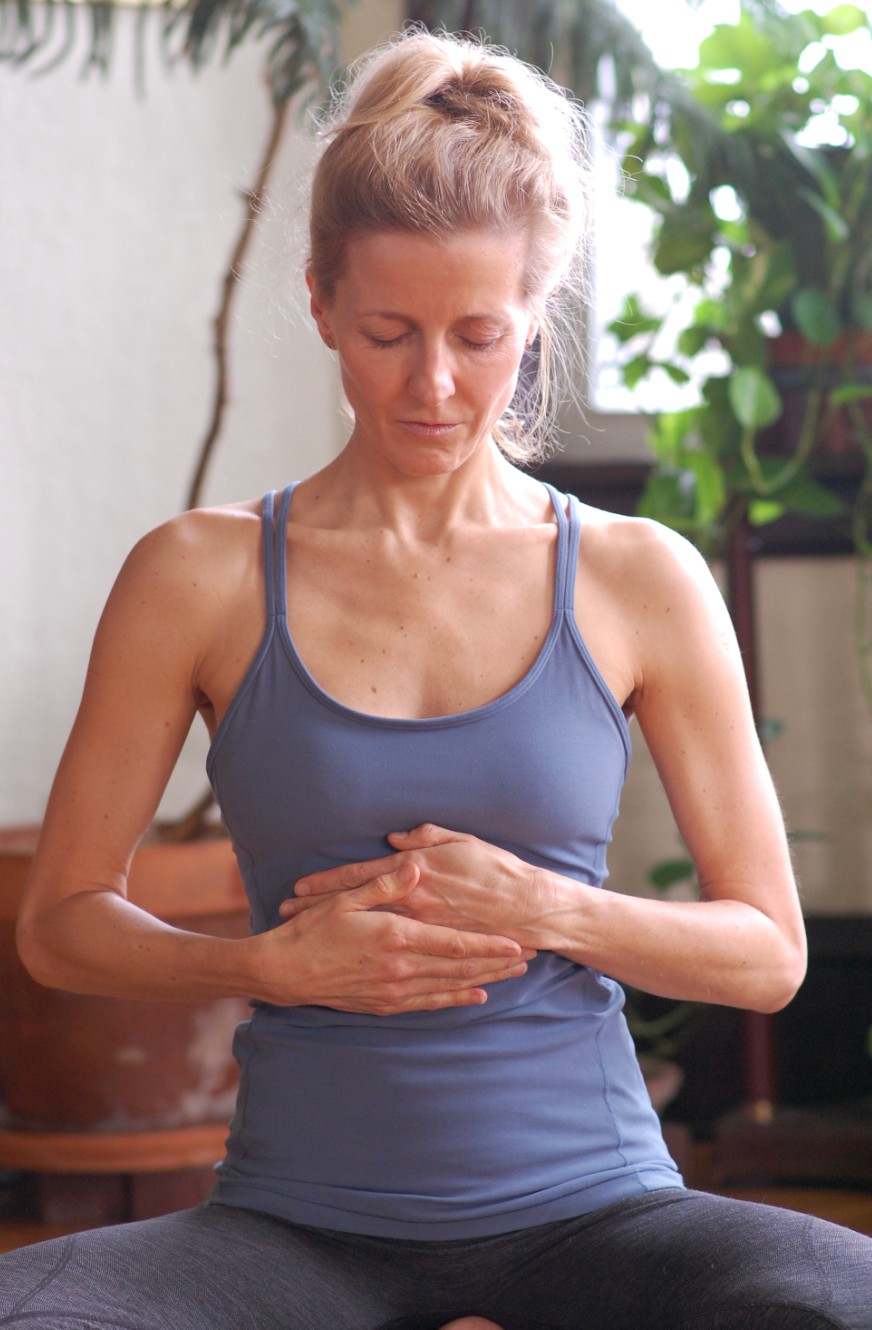
Meditation opened the door to the yogic path. Over time I realized that the body also holds the contractions and emotional imprints that show up later in life as reactivity or “triggers.” Yoga became a way to soften those patterns through breath, presence, and compassionate awareness.
When I was twenty-seven, I moved to the United States. I began teaching yoga and meditation in studios, and eventually became a yoga teacher trainer for the Minnesota State Colleges. Over the years I taught thousands of students, and I noticed that no matter their background, people struggled with the same tender human pattern: emotional triggering. These are the places inside where the body tightens, the breath shortens, and we fall into old stories, often without understanding why.
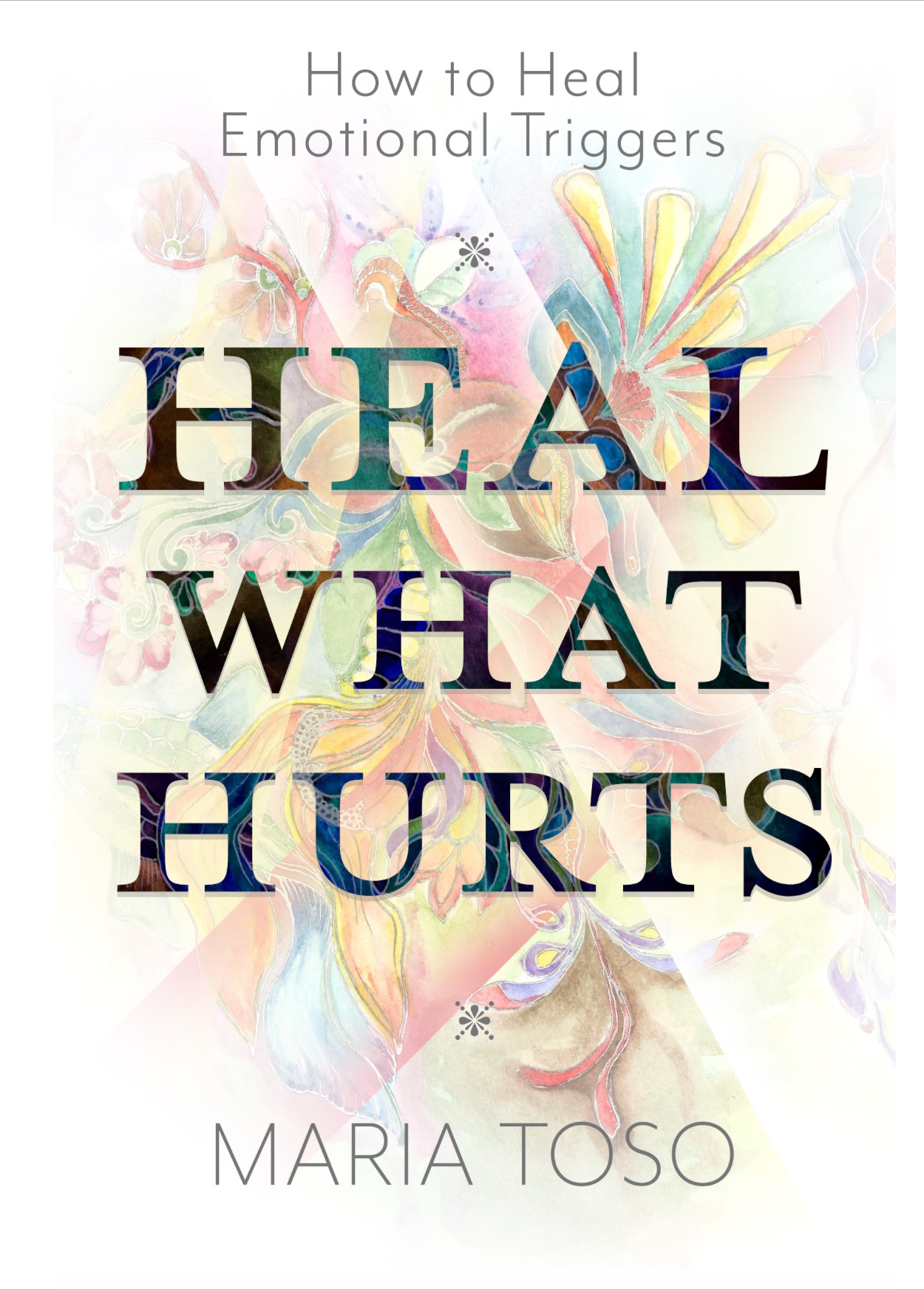
Out of my own healing journey and everything I observed in my students, the Heal What Hurts method was born. It is a body-centered, spiritually grounded process for understanding, softening, and transforming emotional triggers at their source. My first book, Heal What Hurts, was published by Llewellyn Worldwide in September 2025. It offers a practical and compassionate roadmap for anyone wishing to become emotionally free and sovereign, no longer dependent on others to change in order to feel at peace.
The book also lives as a community practice. Every month I lead online healing circles where people gather from all over to work with their emotional triggers in a supportive field of presence. What makes these circles so powerful is that you realize your struggles are not personal; they are shared by every earnest spiritual seeker. In the collective presence we create together, the contracted places in the body begin to soften. What once triggered you no longer feels like a threat. Your intellect takes a back seat to your deeper nature, your inner light, and you start living from the truth of who you really are.
My work, whether through teaching, writing, or healing circles, is ultimately about helping people remember that they are not broken. They are beings of immense light learning to see clearly again. When we clear the filters of the body, a profound sense of peace, freedom, and belonging becomes possible.
Alright, so let’s dig a little deeper into the story – has it been an easy path overall and if not, what were the challenges you’ve had to overcome?
It has definitely not been a smooth road. Learning to work with emotional triggers on a somatic level is very different from trying to simply talk yourself out of your reactions or label them as exaggerated. True healing requires dropping into the body, which is a deeply vulnerable experience. In many ways it is much easier to get angry, to blame someone else for the knot inside you, or to numb out with food, scrolling, wine, or distraction. I call these the three outs: lash out, numb out, or check out. I have used all of them at different points in my life.
Lashing out was my old default, especially because I stopped using addictive substances very early when I began meditating. But lashing out is still a way of avoiding feeling. It is an attempt to make someone else change so we do not have to sit with our own vulnerability. Even today, I sometimes notice that as my first impulse. The difference now is that I very rarely act on it. Instead, something inside me pauses. I turn inward. I have spent years practicing how to hold presence in my own body, so I can meet the part of me that is hurting with compassion instead of reactivity.
This is the inner love practises I teach in the Heal What Hurts process, and it is the work I continue to use for myself every single day. Writing the book did not mean I was “finished” healing. If anything, it deepened my commitment. The eight steps I describe are the same steps I rely on whenever something tightens in my solar plexus, my heart, or my throat. I use breath awareness, body scanning, inquiry, and forgiveness not as concepts but as lived practices. They are what keep me grounded and honest with myself.
It is not easy to feel like a five-year-old or a nine-year-old inside your adult body, but healing requires that level of truthfulness. We have to be willing to drop into the most contracted place and send love there. I found I could only do this consistently when I invited the divine to help me. I would literally pray, “Dear Loving Divine Presence, help me hold and soften and release this pain. Help me stay with what is arising.” That kind of sincere prayer opened the door for real transformation.
Over time, this has become a continuous practice of learning to be the best friend, partner, and parent to myself. Instead of expecting someone else to rescue me or soothe me, I show up for myself first. And interestingly, the more loving and patient I become toward myself, the more I receive that same level of love from the world around me. It seems the degree of love we allow in from others is directly connected to how much love we cultivate from within. As within, so without.
By learning to fill my own body with loving presence, I no longer need to fill the inner void with people, substances, or coping strategies. That has been one of the hardest challenges, but also one of the most life-changing parts of my journey.
As you know, we’re big fans of Heal What Hurts: How to heal emotional triggers. For our readers who might not be as familiar what can you tell them about the brand?
My business is called Heal What Hurts, which is also the title of my book, Heal What Hurts: How to Heal Emotional Triggers. At its heart, my work teaches people how to understand, soften, and transform their emotional patterns in a way that is both somatic and deeply spiritual. I specialize in helping people identify the exact places in the body where emotional triggers live, and I guide them through a process that melts these contractions from the inside out.
What makes my approach unique is that it is rooted in the body while fully acknowledging that we are divine beings living inside mortal bodies. Emotional triggers are not just psychological reactions; they are dense pockets of energy held in the physical body. Healing them requires presence, breath, and an embodied willingness to feel what is there. But it also requires calling upon the divine light within us. When we deliberately invite our own inner light to help soften a contracted place, something truly transformative begins to happen. The dense areas inside us start to melt, not through effort, but through loving awareness.
This blend of somatic practice and sacred connection is what sets Heal What Hurts apart. Many people understand their patterns mentally, yet still feel stuck. My method teaches people how to work with the contraction directly in the body, while simultaneously connecting to the higher, wiser part of themselves that knows how to heal.
I am most proud of the integrity of this brand. The Heal What Hurts method arose from my own lived experience, decades of meditation, yoga teaching, and guiding thousands of students. It is the process I use in my own life whenever something inside me tightens. These eight steps are not theories; they are practices that I return to daily. My work is not about bypassing the human experience but about bringing divine presence into it so that what hurts can soften and transform.
My offerings include private coaching, online healing circles, meditation and breathwork practices, and long-format programs for deeper emotional transformation. I also teach yoga teacher training at the college level, and many students take those teachings into their own communities. Increasingly, colleges and organizations are integrating my Heal What Hurts curriculum into their mental health and wellness programs.
What I want readers to know is that emotional freedom is possible. When we learn to feel the body, breathe into the tense or wounded places, and call upon our own divine light to meet the pain, something shifts. Our triggers soften. Our relationships heal. Our sense of peace grows. And we begin to live from the truth of who we really are.
Are there any books, apps, podcasts or blogs that help you do your best?
There are a few teachers and resources that have deeply supported me on my own path and continue to inspire my work.
I have always loved Eckhart Tolle’s description of the painbody. The way he explains emotional pain as an energetic field that lives inside us helped me put language to what I was already feeling in my own body and observing in my students. His work reminds me that presence is not just an idea but a lived state that transforms how we meet life.
I also have great appreciation for Peter Levine’s somatic techniques. His understanding of how the nervous system stores and releases trauma has influenced the way I guide people back into the body with gentleness and clarity. The simplicity of his approach, to track the sensation, stay present, and allow completion, has been invaluable.
Another resource I highly recommend is Gabor Maté’s film The Wisdom of Trauma. It beautifully captures the connection between childhood wounding, emotional pain, and adult behavior, and it gives people permission to see themselves with compassion rather than judgment. The documentary aligns very closely with the work I do in the Heal What Hurts process.
All of these teachers have given me pieces of language and perspective that support my own spiritual and somatic path, and I often recommend their work to my students as powerful companions on the healing journey.
Pricing:
- The book: Heal What Hurts is $16.99 on Amazon
- Various courses on Heal What Hurts can be found on www.mariatoso.com
Contact Info:
- Website: https://www.mariatoso.com
- Instagram: https://www.instagram.com/mariatoso
- Facebook: https://www.facebook.com/mariatoso
- Twitter: @mariatoso
- Youtube: @mariatosoofficial