



Today we’d like to introduce you to Adam Burke.
Hi Adam, we’re thrilled to have a chance to learn your story today. So, before we get into specifics, maybe you can briefly walk us through how you got to where you are today?
When you set out to make an independent movie, what you’re really doing is starting a company.
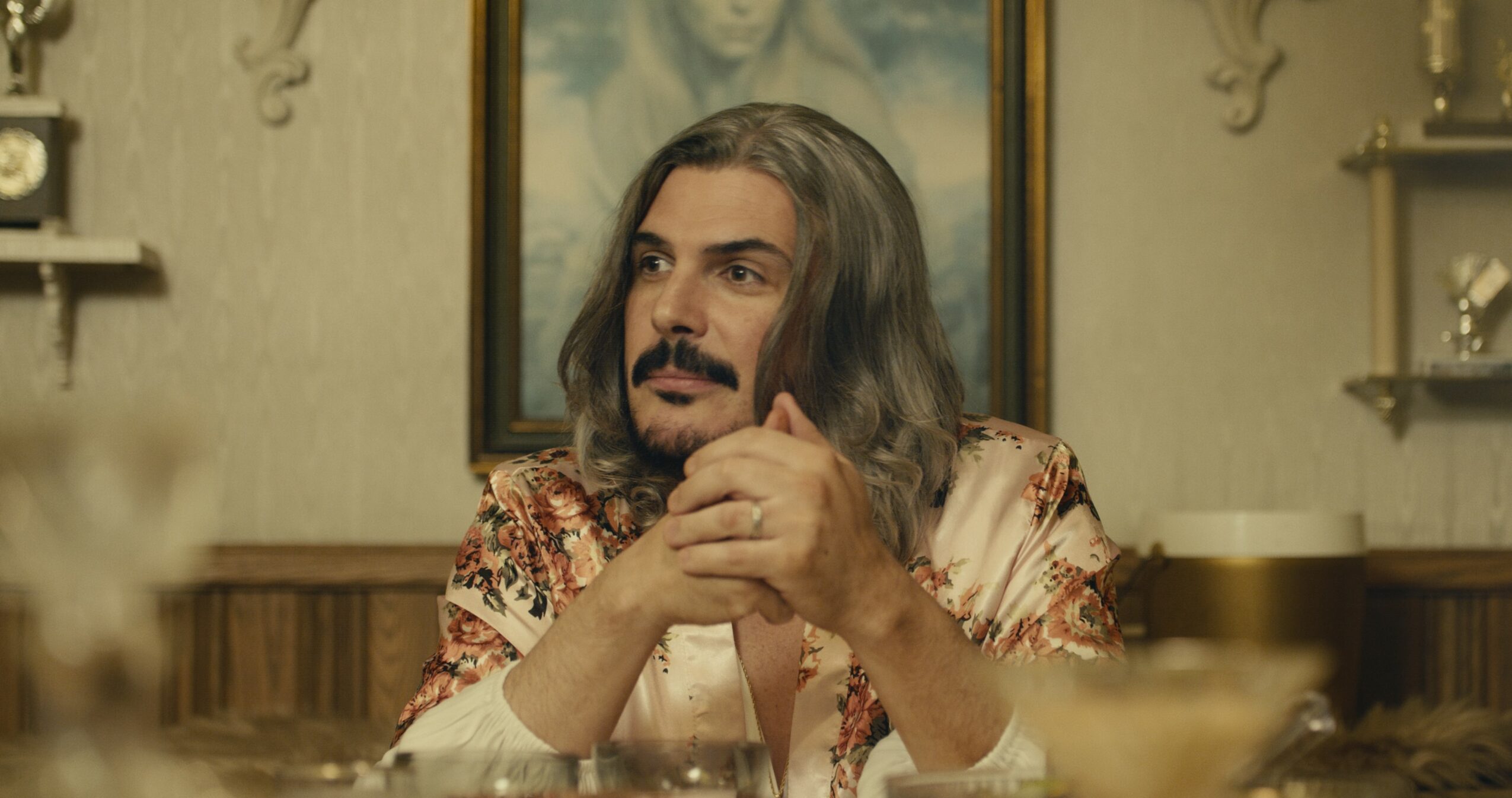
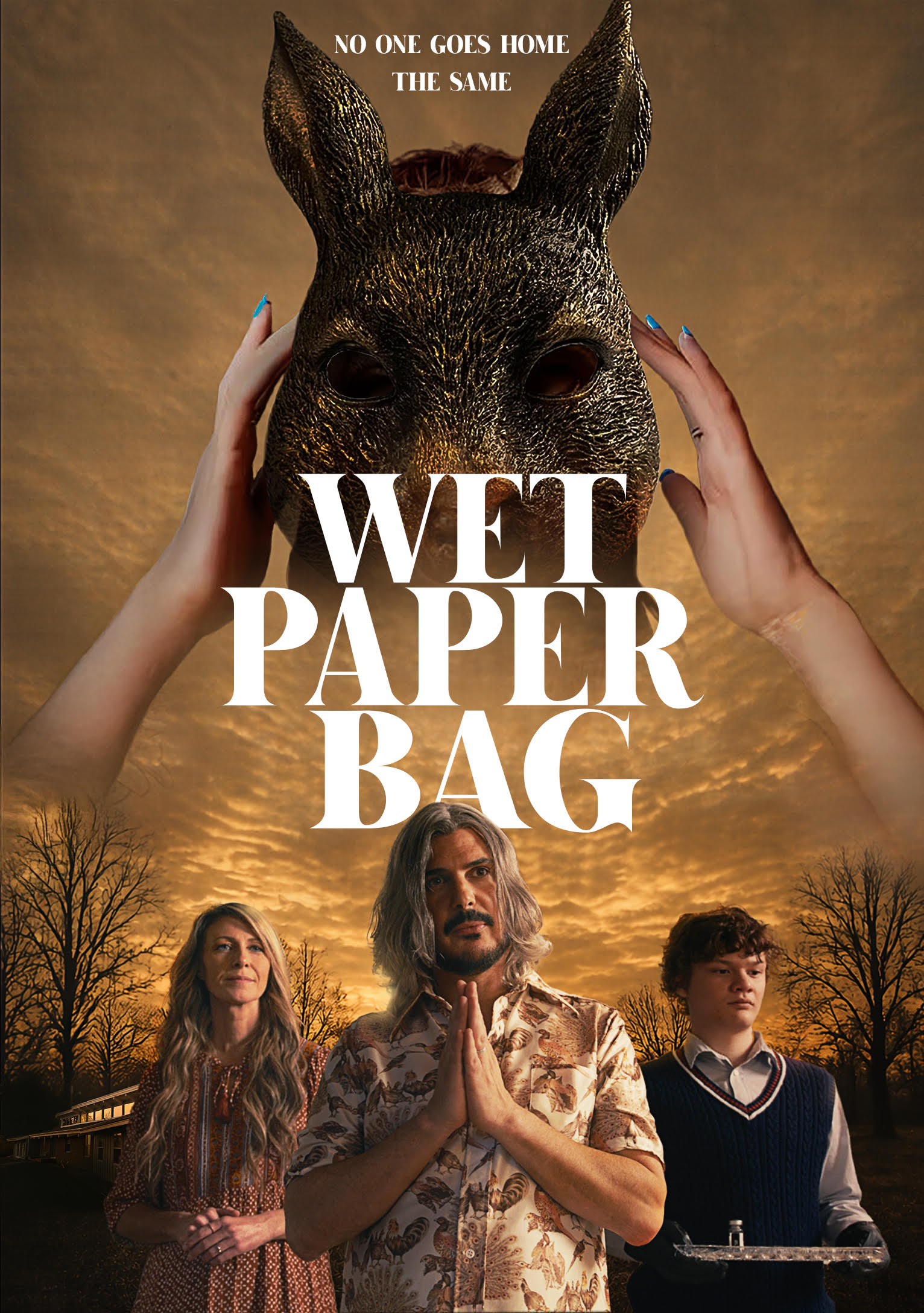
That’s the honest origin of Wet Paper Bag. Jud Nichols and I started it in Minneapolis, no studio, no map, just a script I’d written. We thought we were making a film. What we were actually doing was standing up a small business: raising the money, hiring a cast and crew, wrangling vendors and locations, making payroll, and hoping we had made something people would enjoy, and then, somehow, selling the thing.
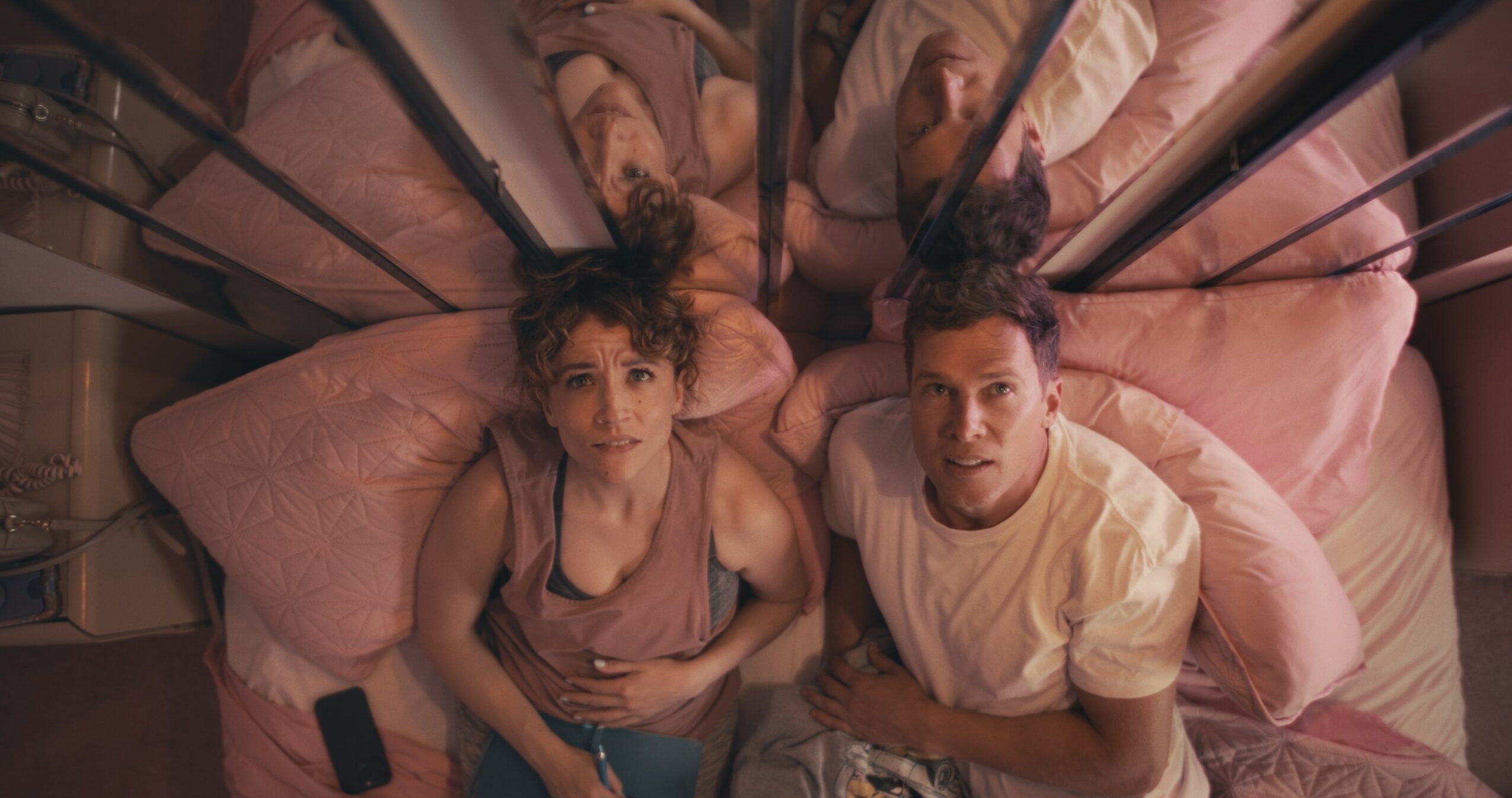
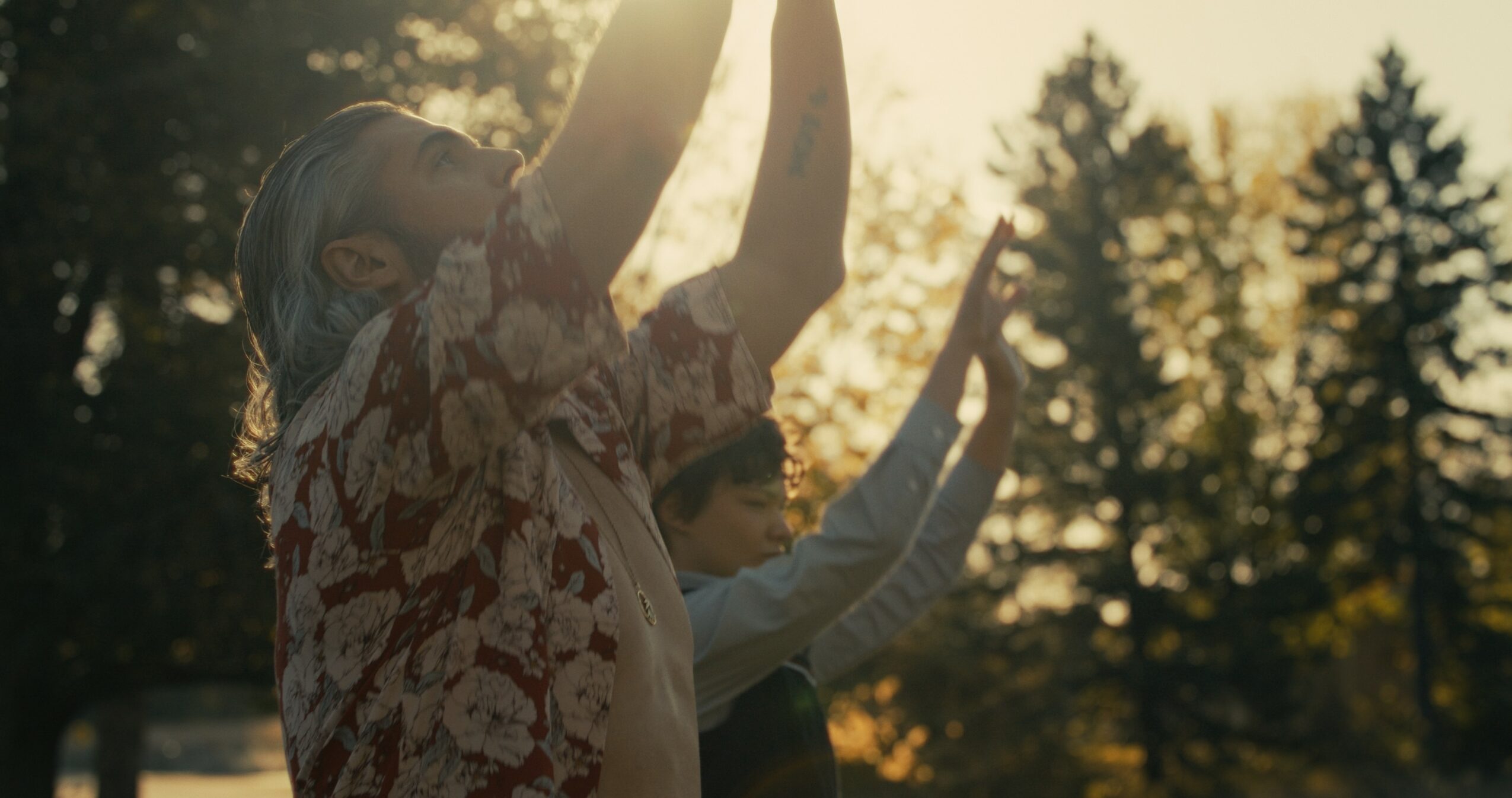
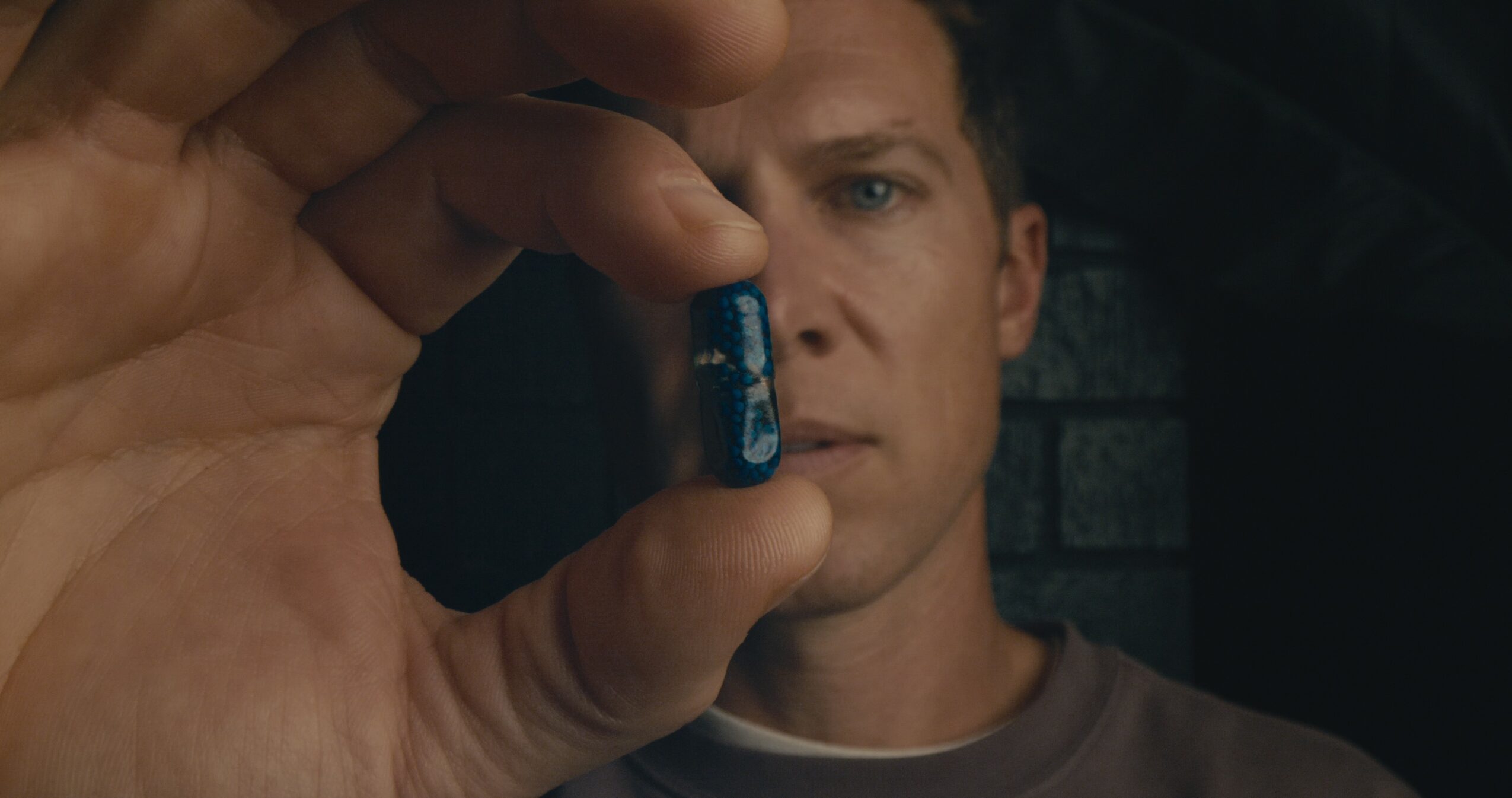
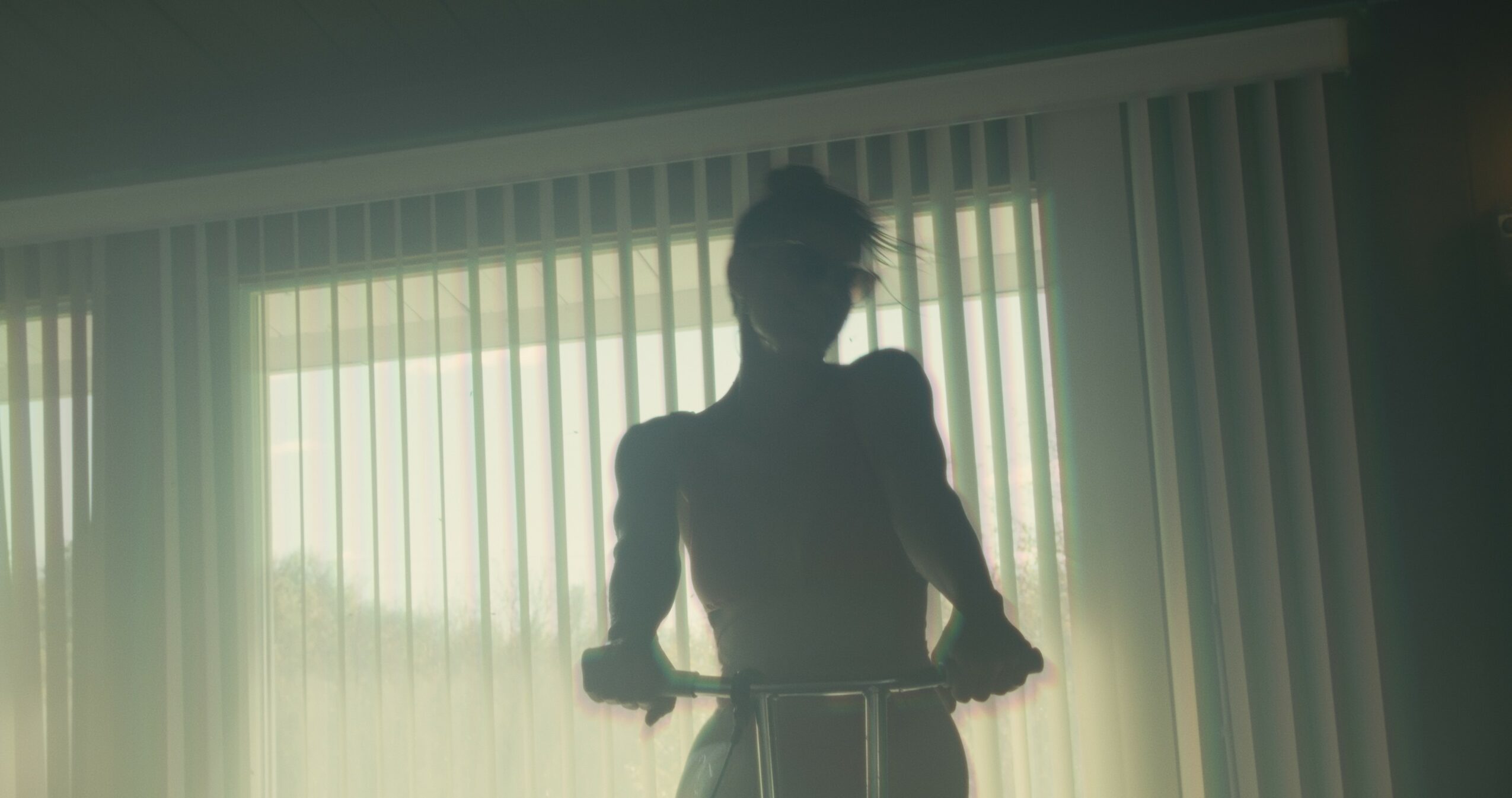
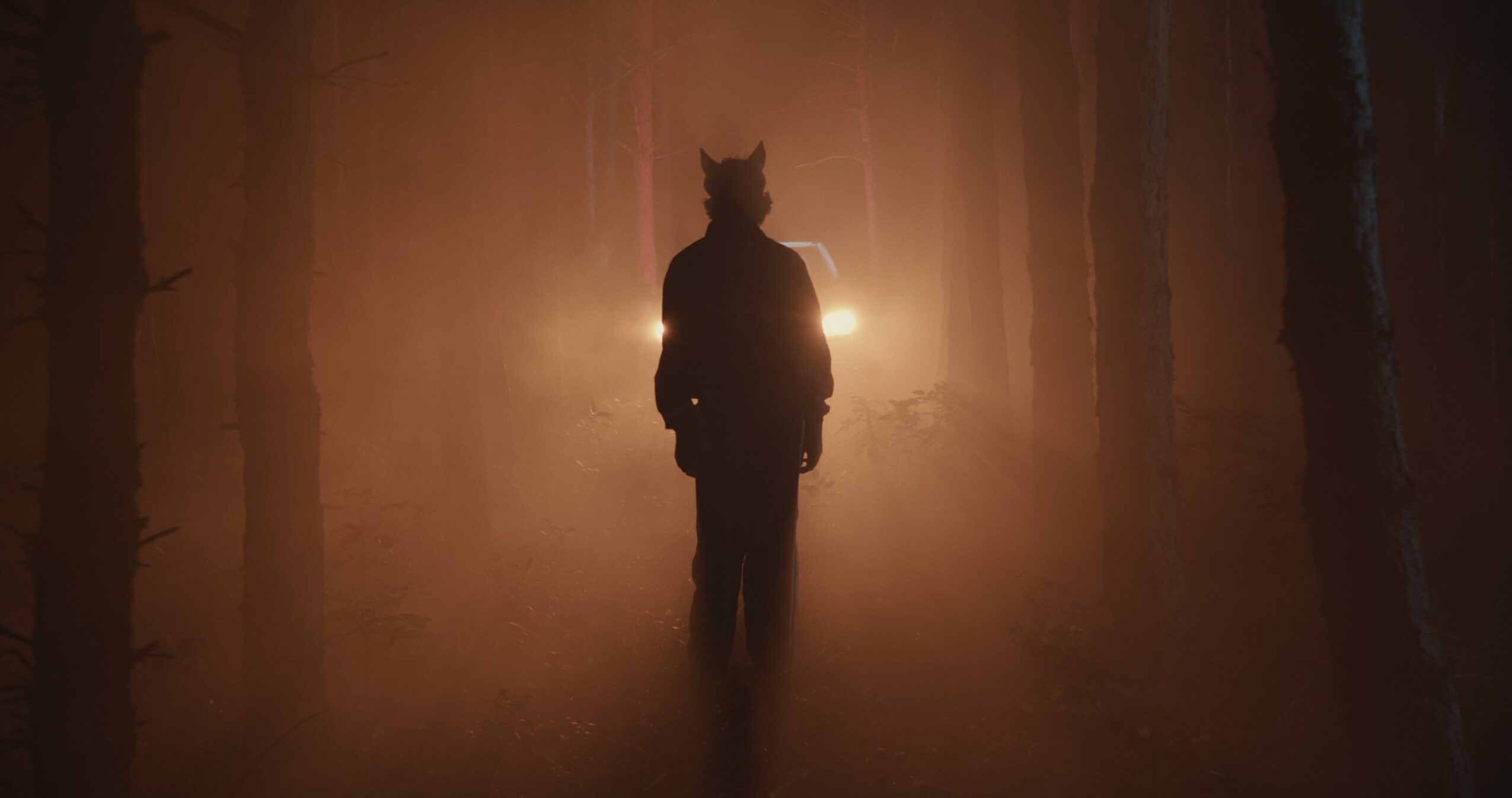
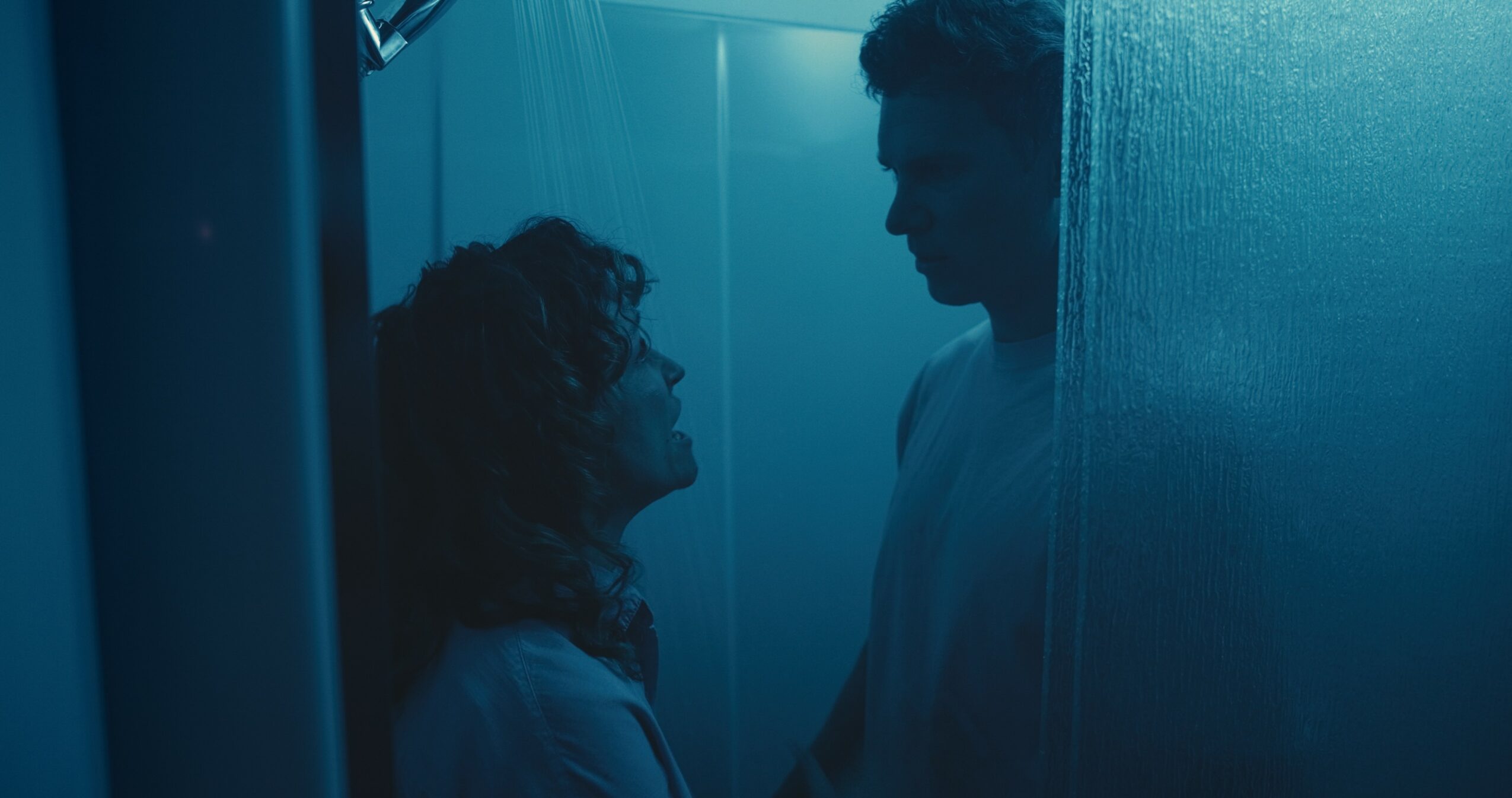
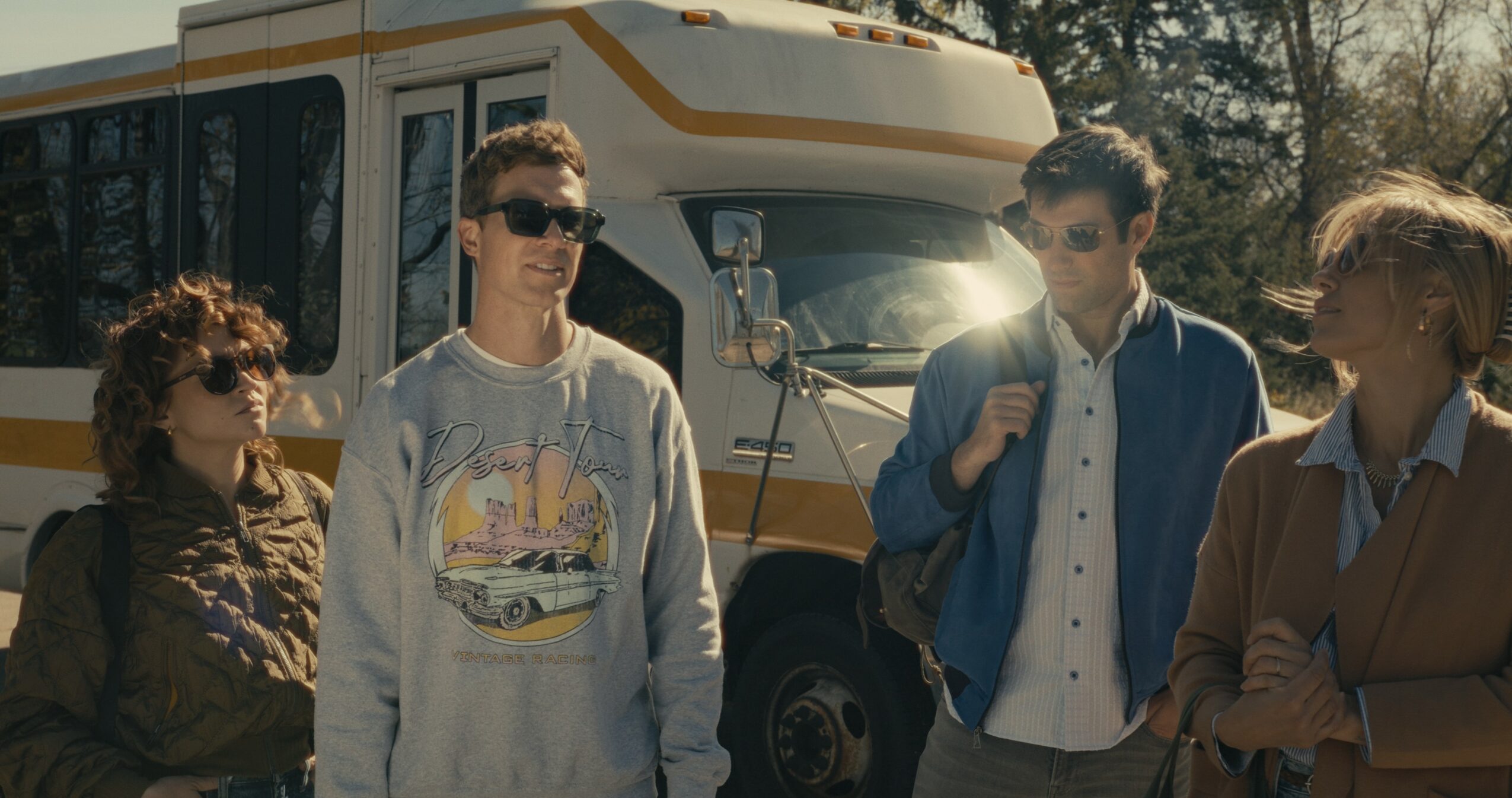
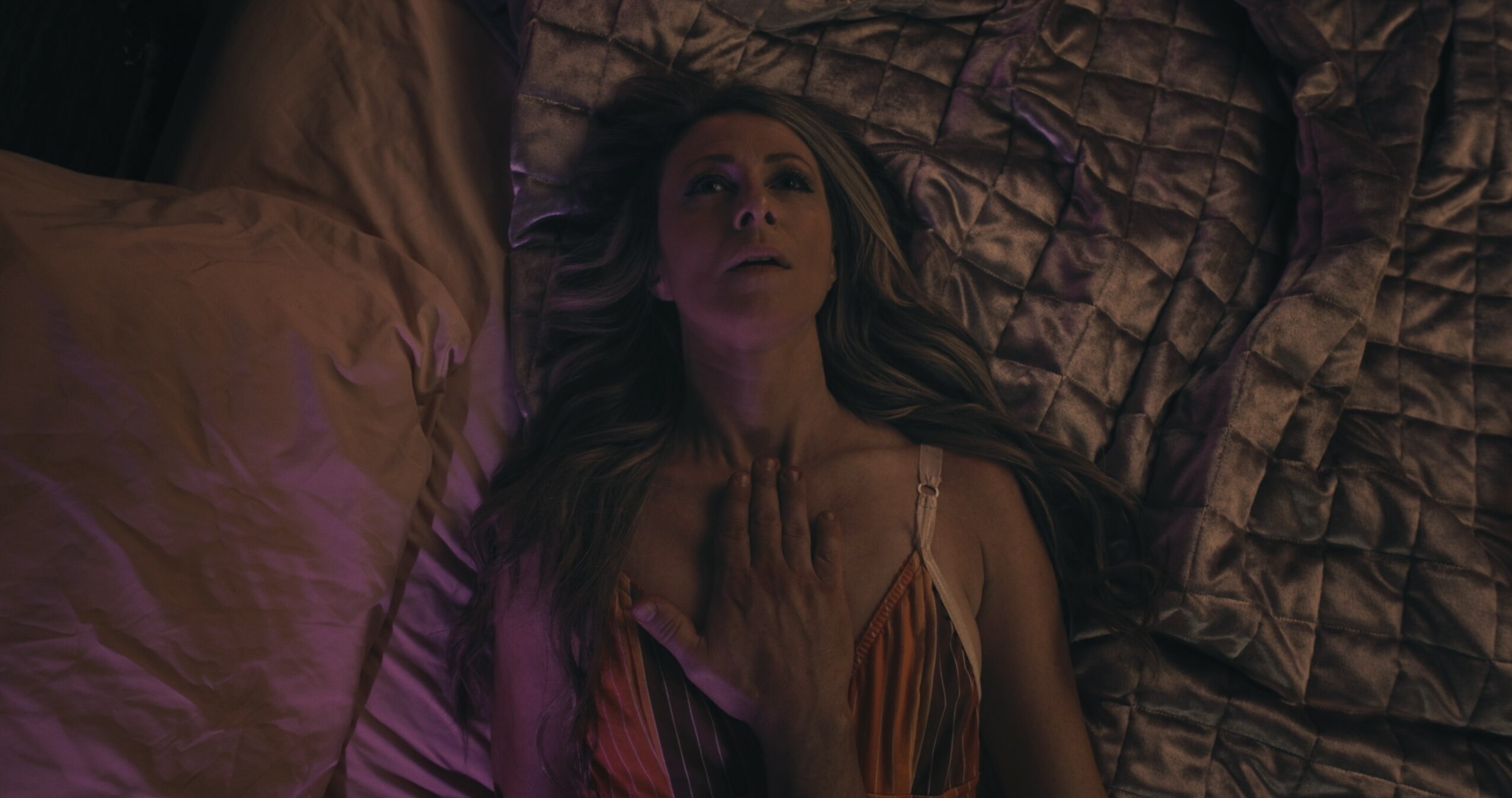
The movie itself is a slow-burn psychological thriller about a journalist who goes undercover at a wellness center to find her missing sister. We shot it here in Minnesota, ran a Midwest theatrical run this spring, and launched on streaming June 2 2026 through our distributor X4. It’s now streaming on Amazon, Fandango at Home and more.
Nobody hands you the instruction manual, because it doesn’t exist. You find your way through the dark, make a hundred decisions a day and learn on the job with real money on the line. That’s the part I love. It’s terrifying, and it’s intoxicating.
And to be clear, none of it is glamorous in the way you imagine a movie set to be. On an indie set everybody is moving furniture, wearing three hats, and getting paid a fraction of what they’re worth. But we were all in our happy place. At the end of a 12-hour shoot day, when we’d huddle around a monitor to watch the dailies, the footage we grabbed that day, there was genuinely nowhere else any of us wanted to be.
Alright, so let’s dig a little deeper into the story – has it been an easy path overall and if not, what were the challenges you’ve had to overcome?
Want to know why so few independent films ever reach an audience? It usually isn’t talent, and it isn’t ideas. It’s that finishing the movie feels like the finish line when it’s really the halfway point.
The numbers are humbling. The large majority of indie films that actually get made never land real distribution (less than 5%), and of the ones that do, most never make their money back.
That’s the big misconception: people think the hard part is the shoot. The shoot is the fun part. The hard part is everything wrapped around it. Financing a $50,000 movie with no safety net, where every single dollar has a job and a personality. Then distribution, which is where most indie films quietly disappear. Booking theaters, selling the tickets yourself, chasing press and reviews, and decoding how streaming actually pays: the windows, the platforms, the revenue splits nobody explains until you’re already in them.
So here’s how the sausage really gets made: theatrical is a marketing engine more than a money machine, and streaming is a slow drip, not a jackpot. We wore every hat to stay lean, writer, directors, producers, marketers, distributors, the whole circus. And the films that make it aren’t always the best ones. They’re the ones whose makers were stubborn enough to keep going long after the “movie” part was done. We plan to stay stubborn for a very long time.
So the fair question is, if it’s this hard and the odds are this ugly, why do it? Simple. We love movies. I still remember seeing E.T. as a kid and feeling my whole world crack open in the best way, and I’ve been chasing that feeling since. And yes, sometimes lightning strikes. Just this year the indie horror film Obsession, made for around $750,000, grossed over $400 million, and Backrooms did huge numbers on a lean budget too. But those are lottery tickets, not business plans. The real reason you do it is both smaller and bigger than money: sitting in the back of a packed theater, watching something you made land on a room full of strangers, hearing them gasp and laugh at the exact beats you’d hoped they would. That is the payoff that’s worth taking on the odds for.
Alright, so let’s switch gears a bit and talk business. What should we know about your work?
We also did something a lot of first-time filmmakers skip: we built the marketing and distribution plan before we ever rolled a frame. We made the whole thing for $50,000, but making the movie is only worth it if people actually see it, so we treated the audience as part of the design, not an afterthought. That’s what gives the business a real shot at making money, and it’s what lets us profit-share with the key performers who poured themselves in and made this film what it is.
What sets us apart is almost boring in how simple it is: we actually got it across the finish line and out into the world, and it holds up, currently an 8.1 on IMDb. Most people with a great idea never make it through the dark to the other side. We did, in Minnesota, on our own terms, without moving to LA or waiting for someone to say yes.
The reason Wet Paper Bag is a success is all of this working together. All the actors on screen did an amazing job and I truly hope they are proud of what we made together! But, in order for a movie to generate enough gravity needed to pull you into another world it requires people you never see on screen. Emmy-winning composer Steve Gernes scored the tension. Raymond Bell Jr., our head of sound and his team hand-built every footstep, breath, and creaking floorboard. The VFX artists spent hours hiding their own seams so you’d never catch them working. So many talented people pour so much craft into the layers you don’t consciously notice, and that invisible work is exactly what makes a world feel real enough to disappear into.
Can you tell us more about what you were like growing up?
I’ve always been a builder and a bit of a schemer in the best sense, the kind of person who’d rather make the thing than talk about making it. Growing up I loved movies and that never left. Take an idea and drag it into the real world, that’s the same instinct that runs this company today.
Contact Info:
- Website: https://wetpaperbagfilm.com
- Instagram: https://www.instagram.com/wetpaperbag_film/
- Facebook: https://www.facebook.com/wetpaperbagfilm