




Today we’d like to introduce you to Evan Murray.
Hi Evan, thanks for sharing your story with us. To start, maybe you can tell our readers some of your backstory.
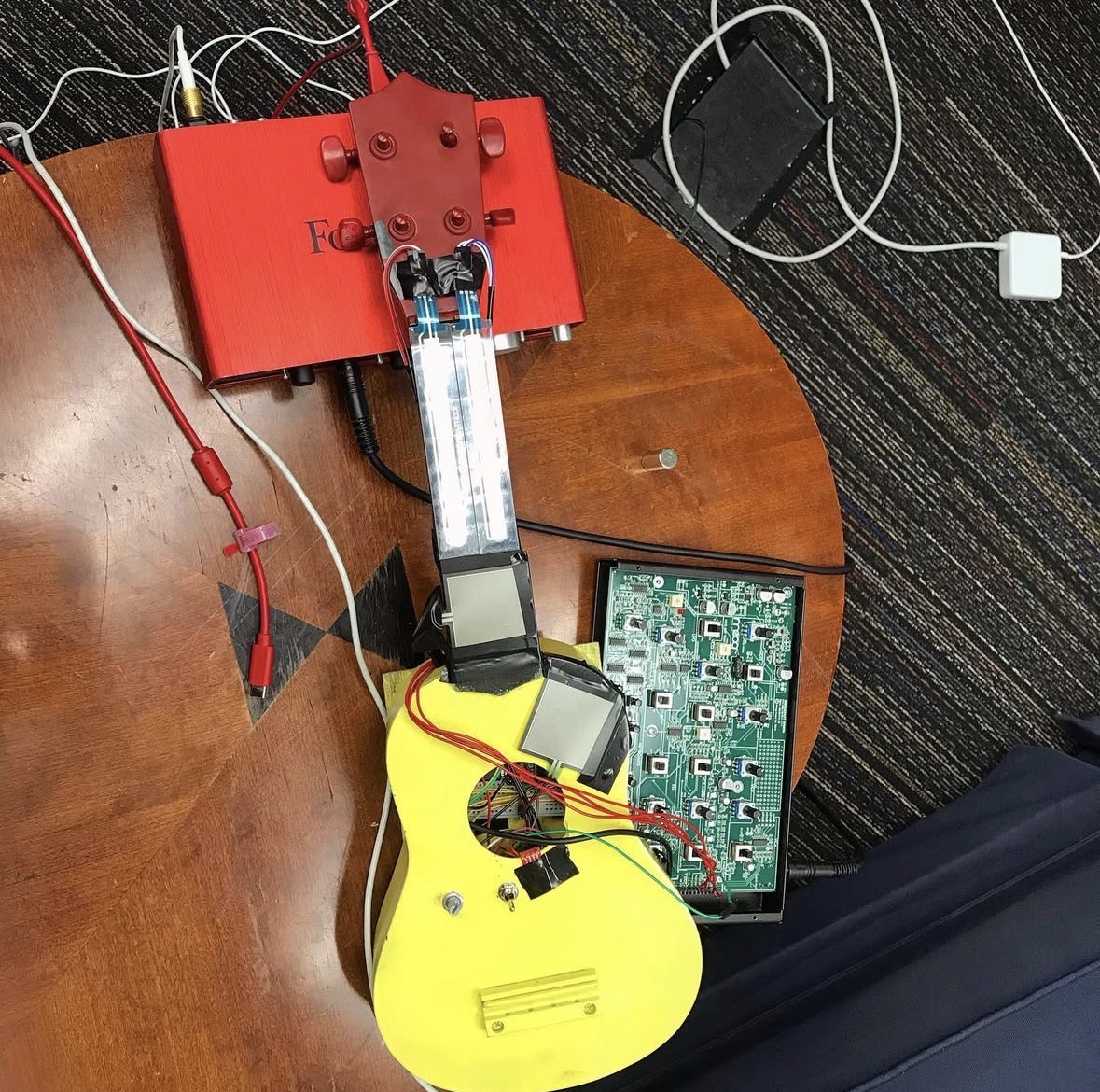
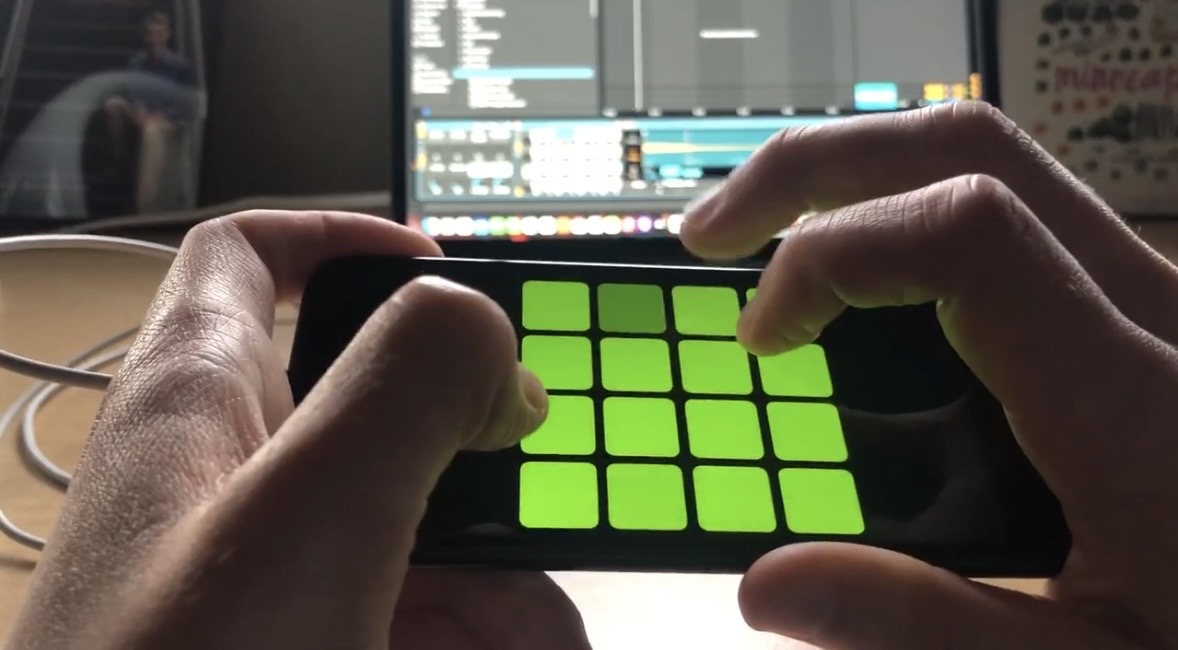
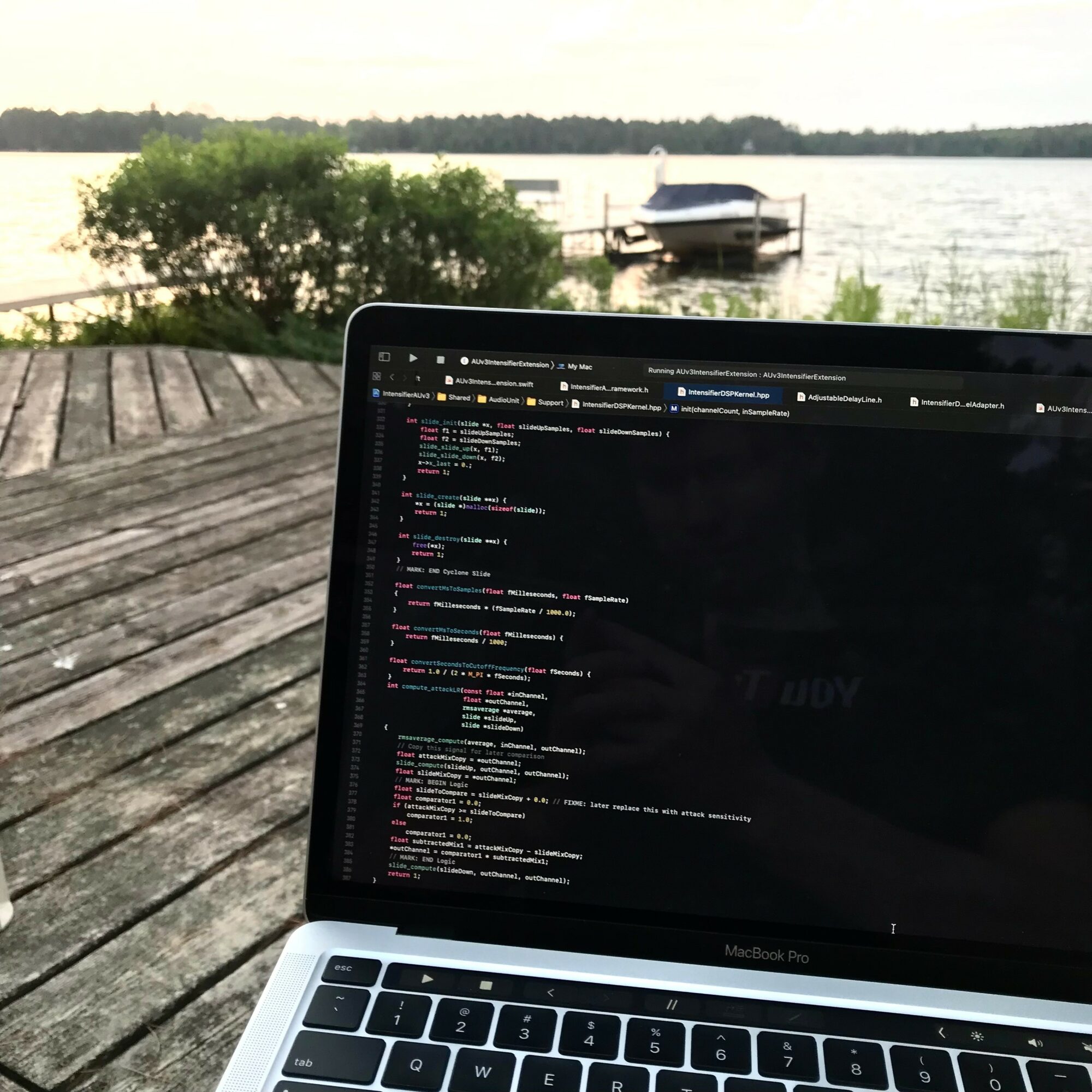
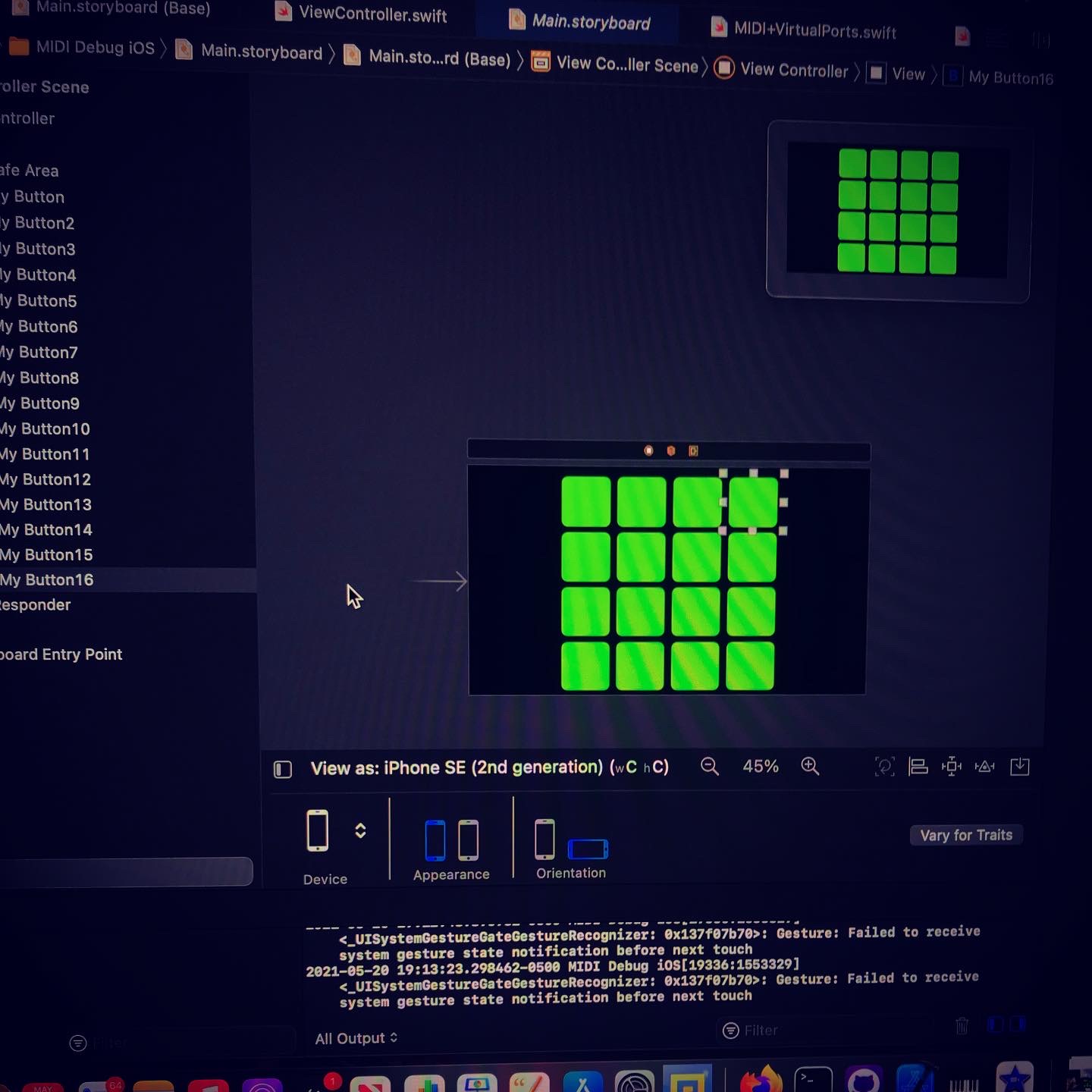
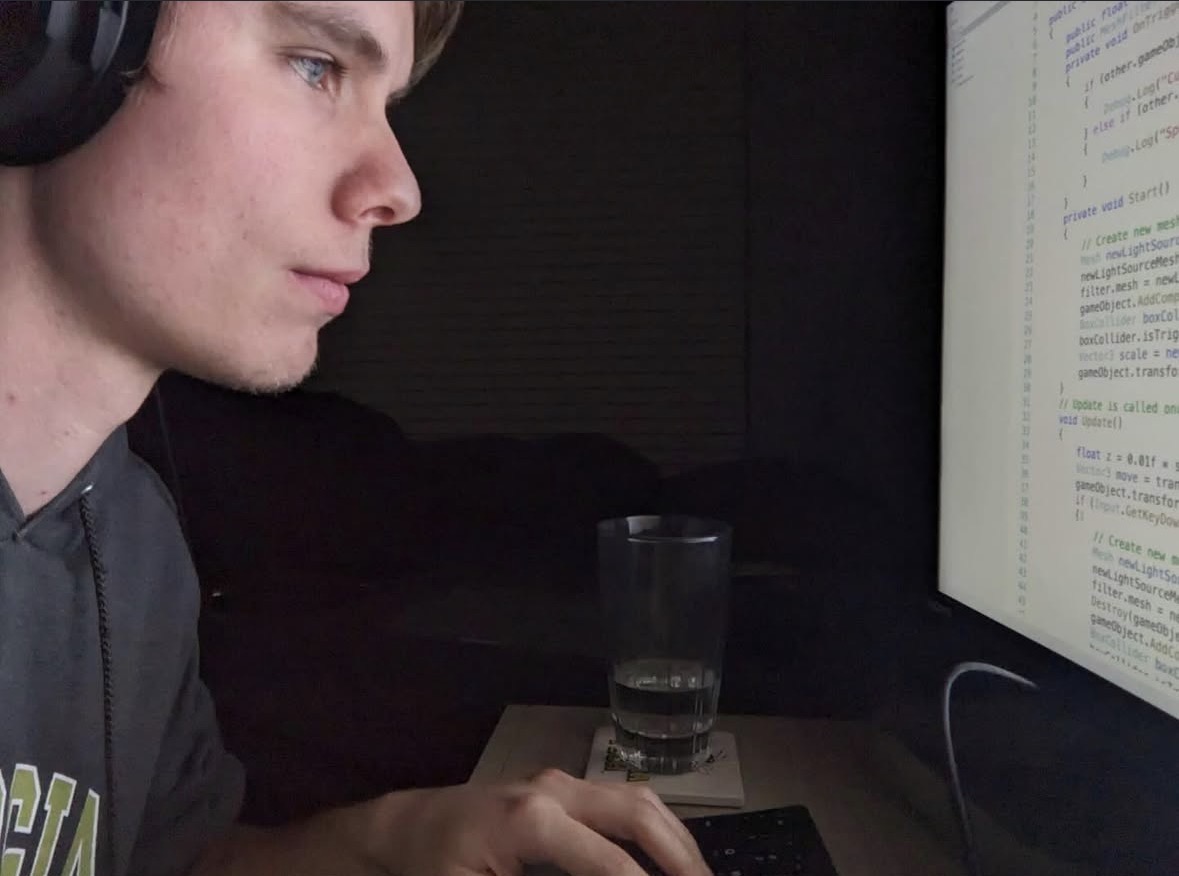
My mother was a violin player and theater major, inspiring my siblings and I to keep the music going in the family. She enrolled us in music lessons when we were about four years old. Working in the semiconductor industry the majority of his life, my father—a chemical—engineer, motivated me to never stop learning how the world worked around me and taught me to look for ways I could make it better. From helping with science fair projects to explaining what each tool did in his woodshop, he taught me to think like an engineer ever since elementary school. I decided I wanted to follow my parents’ footsteps in the arts and sciences. Before I went to college, I found a field known as music technology. It’s the study of everything from music production to digital signal processing. I applied to the music technology program at the Georgia Institute of Technology and graduated with a Master of Science in December 2024. When I wasn’t in school, I gave back to the community by making YouTube tutorials on how to make software applications. This led me to contribute to open source software I used in the tutorials. I wanted make it better. One of which, AudioKit, is used by audio developers to help them make audio applications specifically for iOS, tvOS, and macOS. After making tutorials and contributions, such as a user interface for displaying MIDI files—musicians and audio developers around the world asked for my help. Eventually, I ended up filing a Limited Liability Company, Aura Audio LLC, in 2020 which I used to save up for my own development computer. My current clients include people in the UK and Europe who are designing apps which use hardware and/or software to change the ways people create music.
Alright, so let’s dig a little deeper into the story – has it been an easy path overall and if not, what were the challenges you’ve had to overcome?
The road was a bumpy one and still is. Music technology is a relatively new field not many understand. It’s not just music production, nor is it so much about audio as it is music. It’s about combining the arts and sciences to improve the ways people communicate and experience the world. There’s not a clear explanation on why it’s hard to find jobs in this field, but one may suspect it’s because society is still learning to appreciate and recognize its value. Before I graduated school, I had three internships at audio and media companies—helping them maintain quality by automating processes. This included developing monitoring software for media transcoding servers and testing the frequency range of audio receivers to make sure it reached product standards. When I went back to pursue my masters degree, the tech industry slowed down while speeding up at the same time to focus most of its attention on AI. This challenged me as an entrepreneur because I needed to find ways to pursue my passions while paying off my student debt. Thus, I picked up work at a local fast food chain while searching for other jobs and doing contract work part time. One example which was inspired by working at the restaurant gave me faith I may still have a job in the future. It also came up when I was visiting my grandparents in Florida recently and got a chance to eat at their favorite restaurants. We were often talking over each other in the midst of the crowd and loud music during peak service, as were the servers when placing our orders. I was in the same boat trying to talk loud enough or understand customers in the restaurant I worked at. This inspired me to think like an artistic engineer. Each restaurant put in meticulous effort into the presentation of the food and the customer experience by making it unique with decorations on the walls, themed items like tiki torches, or simply making the customers feel welcome by chatting a little. What if they could do the same and create acoustic reinforcement systems or noise reduction systems which are themed with the restaurants? The customers wouldn’t even know they were there until they realized they could understand each other while having a unique experience they would remember! Furthermore, applications of AI are already being used in noise reduction algorithms, such as nonlinear processing (NLP for short), which help clear up background noise on phone calls to make the speech more intelligible. They could also be applied here in learning the noise of the restaurant and adapting it on the fly to create an enjoyable experience.
Alright, so let’s switch gears a bit and talk business. What should we know about your work?
I specialize in all of the above categories, from being an employee to a business owner who works in the creative industry. I currently specialize in creating immersive experiences for musical performers using WebRTC (Real Time Communications) and mixed reality. I’m known for my previous work in creating tutorials oriented around software engineering and design. I’m most proud of my ability to preserve on the projects I pursue. One example I ran into recently which tested my software engineering abilities was designing location-based audio experiences. Remembering the apps I used to use to communicate with nearby friends in proximity or order food (which all relied on the same geolocation principles), I dug further into the idea of geohashing: assigning a unique hash to geographical areas to make proximity based experiences easier and more feasible. What makes me different than a typical engineer is how I like to think outside the box. My clients are always proposing new ideas which I don’t know are possible, and my artistic standpoint with my engineering background allow me to paint pictures in my mind of what feasible designs would look like instead of limiting myself to what has already been done. I believe every great engineer, scientist, and inventor also has an artistic brain, whether or not they know it.
What makes you happy?
The creative process is where I find the most joy. The most satisfying part about it is seeing the impact of your work. The managers in my previous internships would tell me about how the code I created was saving weeks of troubleshooting. The managers at my fast food job applauded me for improving the overall satisfaction of the restaurant by creating a unique dining experience fueled by kindness and attentiveness towards the customers. My current client is telling me how enthralled he is to use the app I helped create, which once only existed in his mind. Additionally, my personal fitness journey and habits I’ve created have been very rewarding to myself. In September of 2025—I started running 2.5 miles and strength training for 40 minutes on the weekdays. This created results shaping both my mind and body. Being happy for me is seeing the impact. The impact is derived from the creative process. The two work in harmony to create the happiest moments of my life.
Contact Info:
- Website: https://auraaudio.io
- LinkedIn: https://www.linkedin.com/in/evan-murray-295ba118b
- Youtube: https://youtube.com/@aura-audio
- Other: https://github.com/emurray2