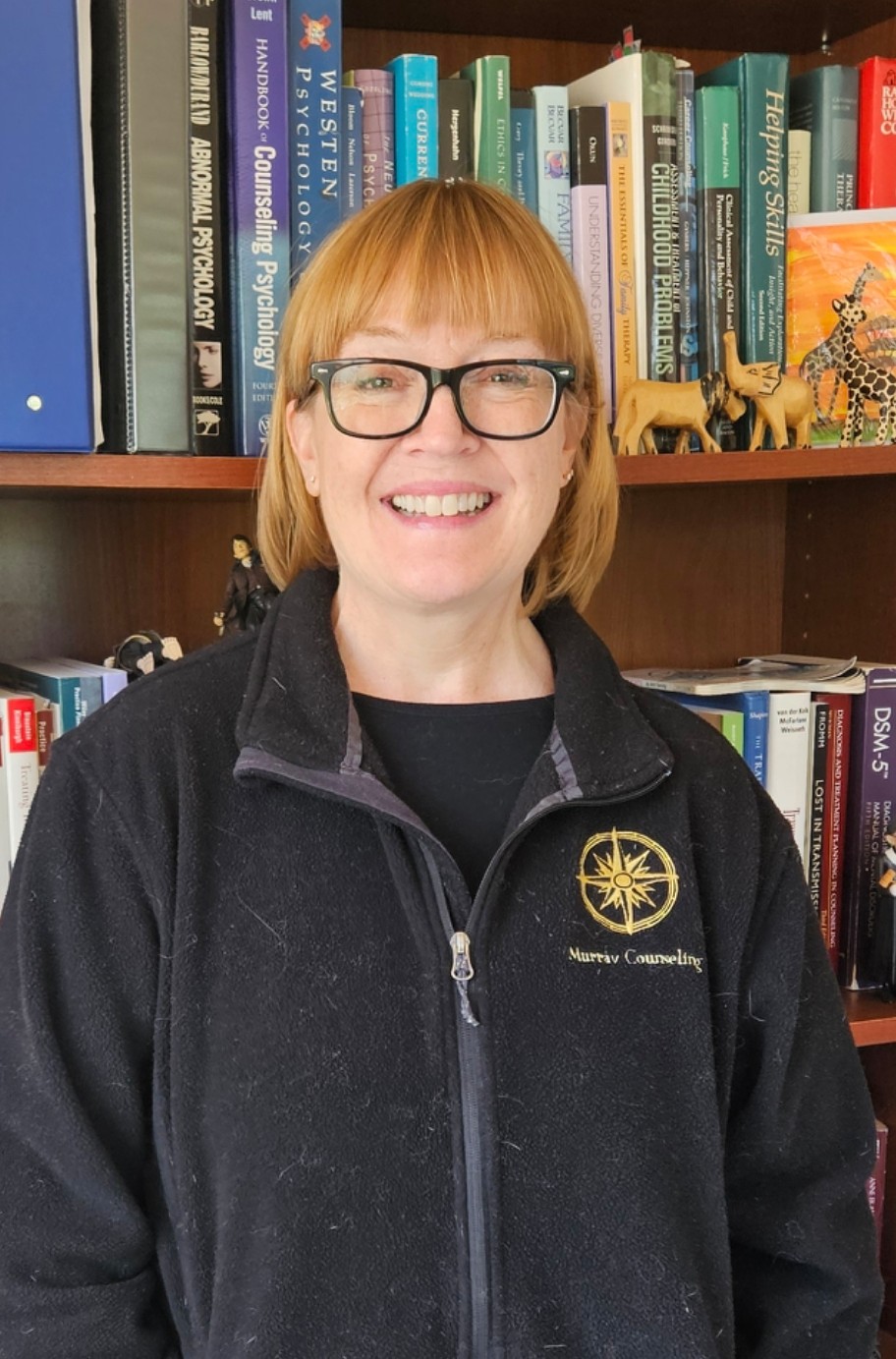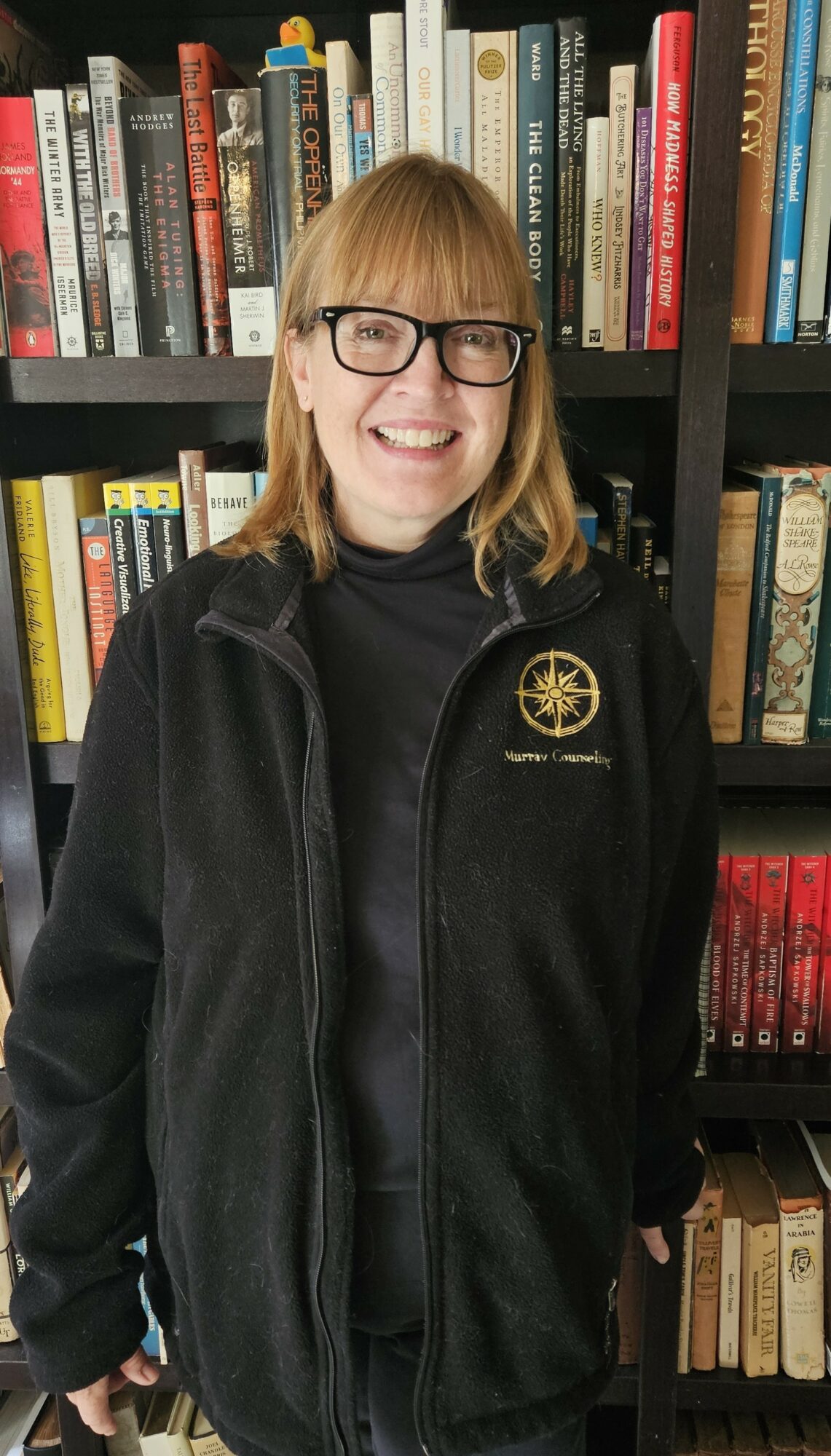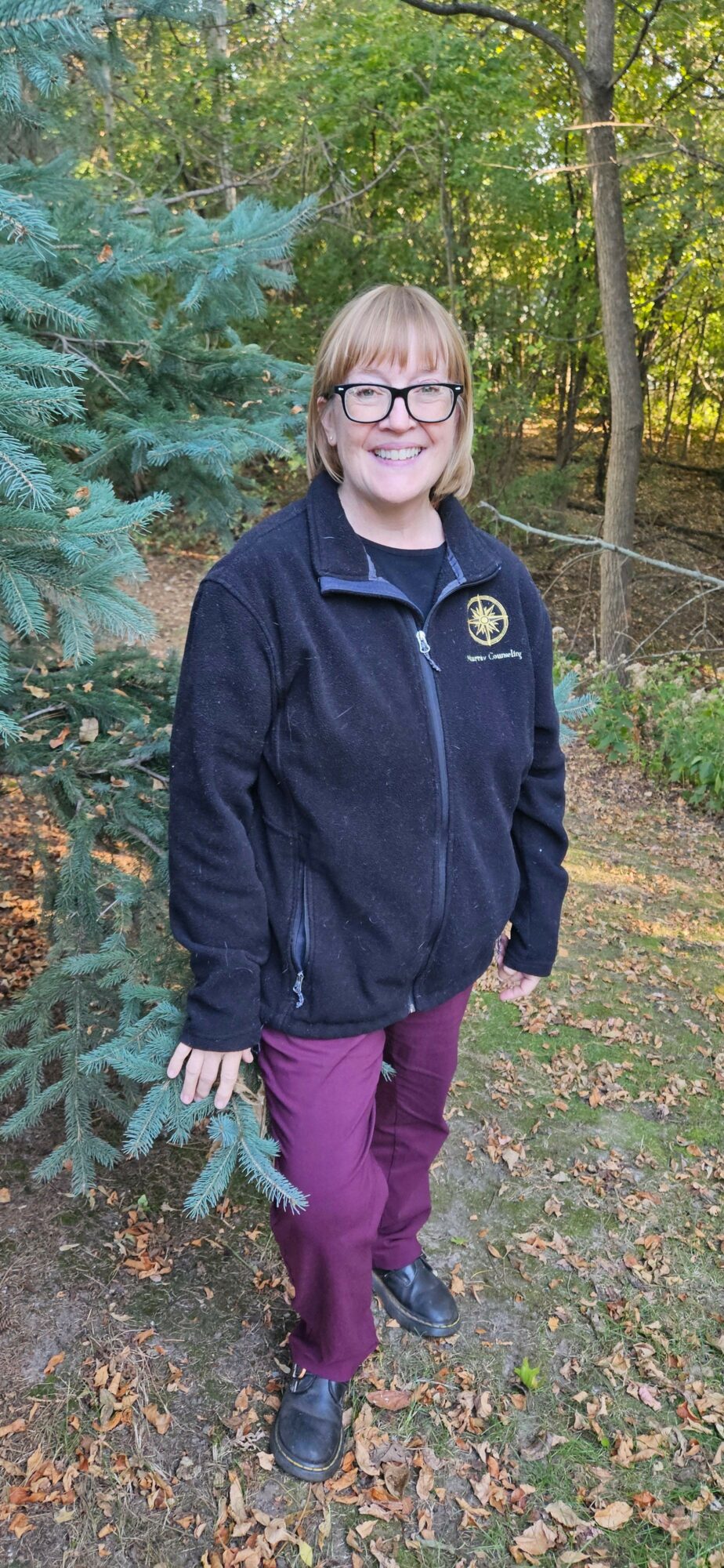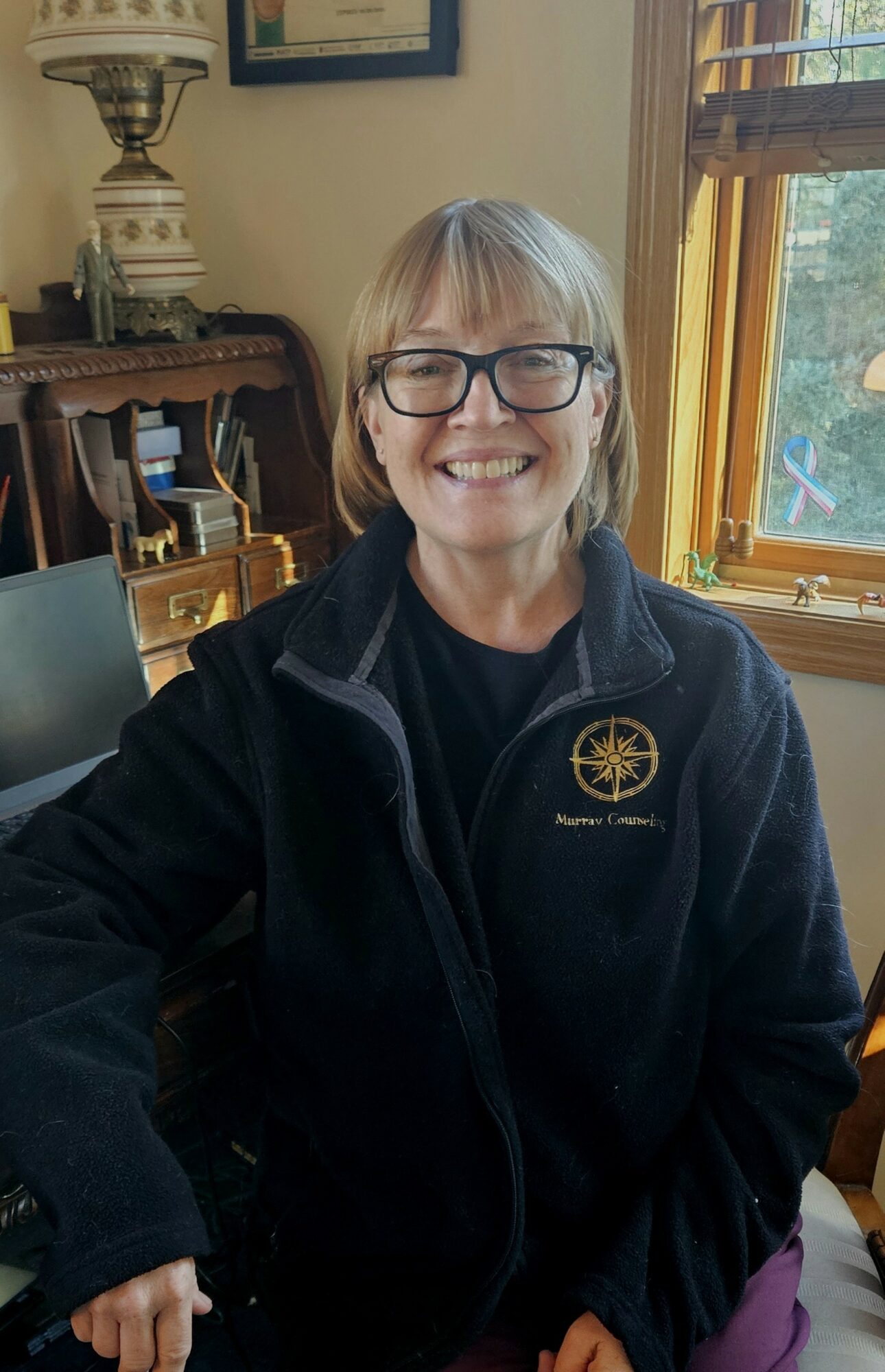






Today we’d like to introduce you to Laurie Murray.
Hi Laurie, so excited to have you with us today. What can you tell us about your story?
In my 20s, I was working as a school bus driver for St. Paul Public Schools while putting myself through college. As I was finishing school and starting to think about the next steps, a colleague mentioned he had started a Master’s program in Counseling and Psychological Services. As he described it, I found myself increasingly intrigued. I decided to take a class or two just to explore—and I ended up absolutely loving it. I graduated with a 4.0 GPA in 2008.
By 2012, I became a licensed Professional Clinical Counselor, and in 2018, I opened my own private practice. It’s been the most rewarding experience of my life. To this day, I still look forward to going into work every morning. Helping others navigate their challenges and grow has given me a deep sense of purpose, and I feel incredibly grateful for the journey that led me here.
I’m sure it wasn’t obstacle-free, but would you say the journey has been fairly smooth so far?
One of the biggest struggles in my career came while I was working toward my doctorate in psychology. During my practicum, I was assigned a supervisor whose behavior was, frankly, cruel. In group supervision, he seemed to take pleasure in breaking people down emotionally. It felt sadistic, and after three months of enduring that environment, I cracked under the stress. Things didn’t end well, and to make a long story short, I made the difficult decision to leave the program. It’s something I still regret.
But that experience changed me. It made me deeply empathetic toward others who find themselves in toxic or unsupportive environments—whether in a practicum, a job, or any professional setting. I make it a point to remind them that it’s not their fault, and that sometimes, unfortunately, people in power don’t want to see others succeed. When someone feels stuck or unsupported, I do everything I can to help them navigate that ordeal and come out stronger.
It also shaped the way I show up as a counselor. I strive to create a space where people feel safe, respected, and empowered—because I know firsthand how damaging it can be when that’s missing. That experience taught me what kind of professional I don’t want to be, and it continues to fuel my commitment to compassion and integrity in everything I do.
Appreciate you sharing that. What else should we know about what you do?
I specialize in working with individuals navigating anxiety, depression, trauma, and grief. Grief work is especially close to my heart—I’ve experienced significant personal loss, including the death of my dad to cancer when I was 22, and the loss of my brother to brain cancer.These losses, along with others throughout my life, have deeply shaped the way I show up for people who are grieving.
I understand how isolating, disorienting, and even surreal grief can feel. It’s not something to “get over”—it’s something to move through, with compassion and support. In my practice, I strive to offer a space where people feel safe to process, remember, and heal—on their own terms and in their own time.
What I’m most proud of is the trust my clients place in me. Many come during deeply vulnerable moments, and being able to walk alongside them as they find strength and meaning is an incredible honor. I’ve also mentored students and early-career professionals, especially those facing toxic or unsupportive environments. I help them recognize their worth and navigate those challenges with clarity and confidence.
What sets me apart is my lived experience and my inability to conform to society’s expectations— especially those placed on women. I see many of these norms as oppressive and limiting, designed to keep people small and compliant. It reminds me of Plato’s allegory of the cave: society keeps us chained, watching shadows on the wall, convincing us that’s all there is. My work is about helping people break free from those illusions and step into their own truth.
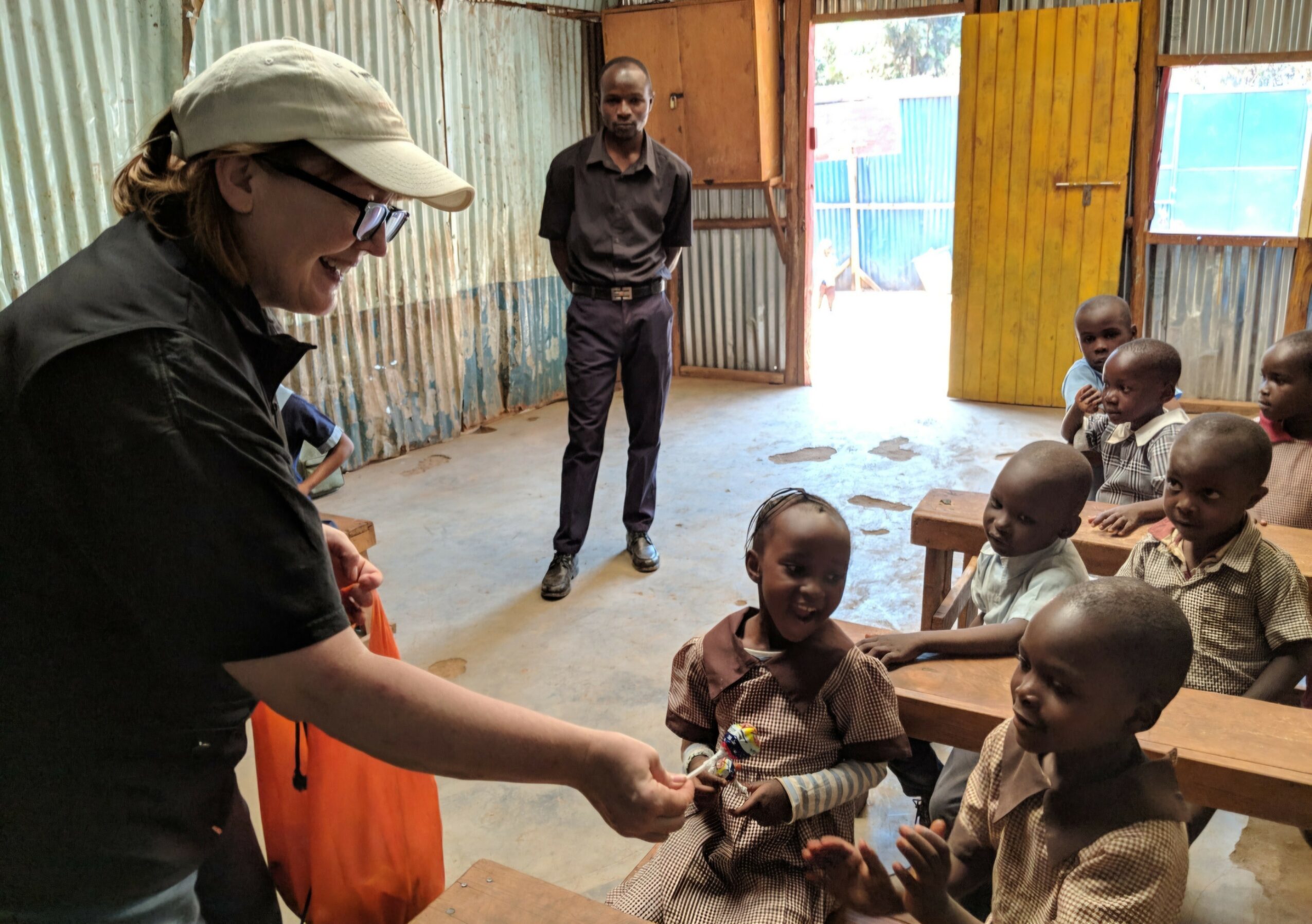
I’ve faced setbacks, including leaving a doctoral program due to a harmful practicum environment, and I’ve volunteered internationally—speaking to school children in Nairobi, Kenya about mental health and suicide. These experiences have shaped me into a counselor who leads with empathy, humility, and a deep respect for the human journey.
I believe therapy isn’t just about symptom relief—it’s about transformation. And I’m proud to offer a space where people can become more fully themselves, beyond the roles and expectations society tries to impose.
Can you talk to us a bit about the role of luck?
I don’t necessarily believe in luck in the traditional sense. To me, it’s more about recognizing opportunities and having the courage to take them. We create our own silver linings in the storm clouds. It’s like Carl Jung’s idea of synchronicity—meaningful coincidences that guide us when we’re paying attention.
Hardships often carry hidden gifts. Even when things don’t go as planned, they shape us into deeper, richer humans—much like the Velveteen Rabbit becoming real through love and wear. These experiences bring us closer to the human condition. Life is hard. Life is also joyous. When we embrace both truths, we open ourselves to genuine connection and growth.
I also believe that what we often call “luck” is intertwined with privilege. Some doors open more easily for certain people, and it’s important to acknowledge that. I try to stay aware of that dynamic and use whatever access I have to lift others up.
One of the most powerful examples of this was when I traveled to Nairobi, Kenya to volunteer. I had the opportunity to speak with school children about mental health and suicide—topics that are often stigmatized or avoided. That experience was humbling and eye-opening. It reminded me how universal the need for compassion and understanding is, and how much privilege shapes our access to support and resources.
Being there deepened my empathy and reaffirmed my commitment to mental health advocacy. It was a moment of synchronicity that continues to influence how I show up in my work and in life. It also reminded me that what we often call “luck” is deeply tied to privilege—and that awareness drives me to use whatever access I have to lift others up.
Contact Info:
- Website: https://Murraycounseling.com