




Today we’d like to introduce you to Laurie Schneider.
Alright, so thank you so much for sharing your story and insight with our readers. To kick things off, can you tell us a bit about how you got started?
Laurie Schneider grew up in rural Wisconsin immersed in the natural world as the youngest in a conservation family and learned from her father’s conservation efforts to save the rivers, mayflies and trout streams. During a long entrepreneurial career, she founded her own successful photography studio and helped numerous other business owners start their own ventures. As co-founder of Pollinator Friendly Alliance (PFA) in 2014, Laurie grew a grassroots local group into a dynamic Minnesota conservation organization while she supervised research at the University of Minnesota on pesticide effects to pollinators. She finds her job with PFA to be by far the most important work she has done and the reason she left other less impactful careers. Laurie is passionate and dedicated to preserving the natural world and she finds “home” at her Stillwater hobby farm and in nature.
Would you say it’s been a smooth road, and if not what are some of the biggest challenges you’ve faced along the way?
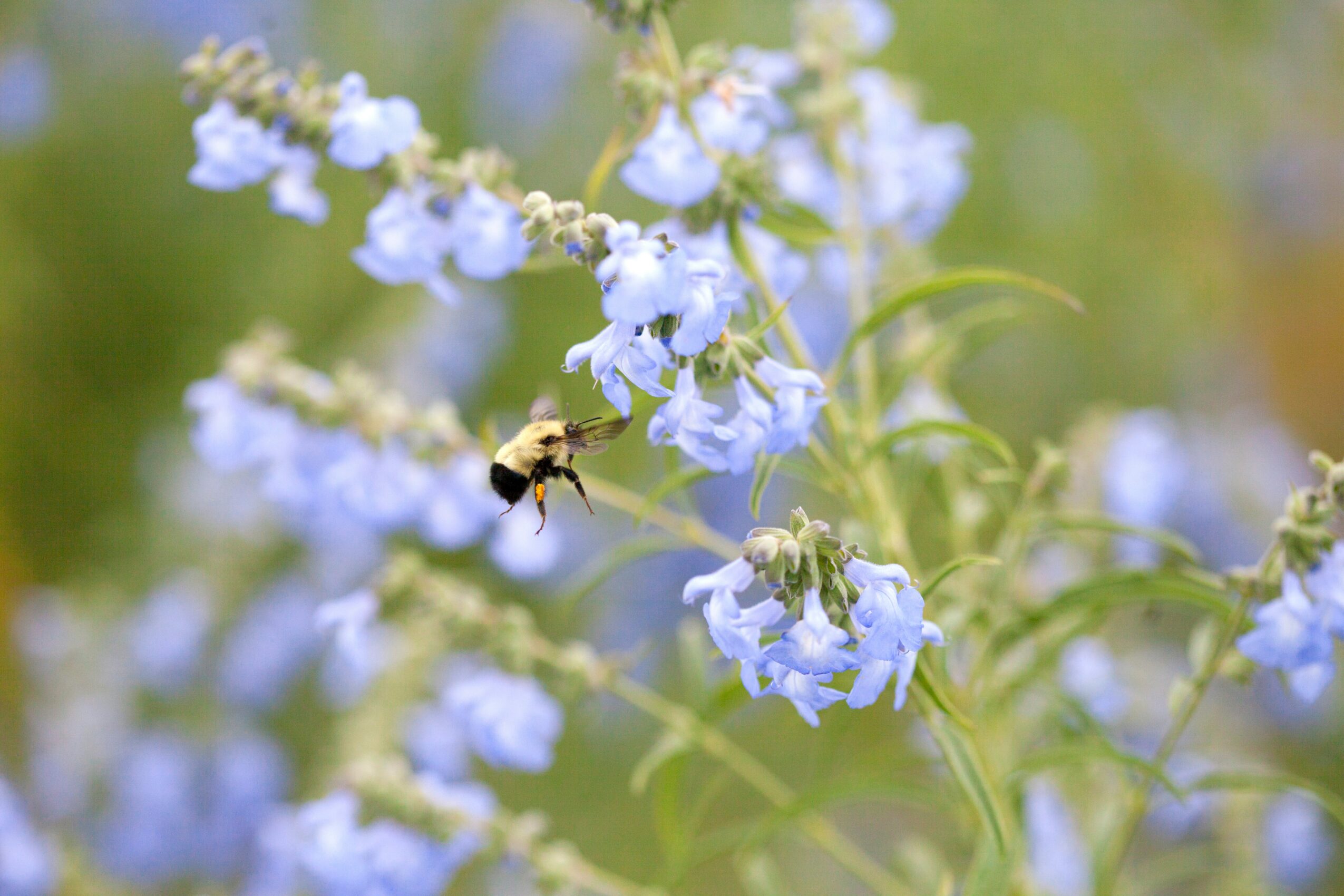
Conservation work has many challenges. By far the biggest challenge is lack of understanding or knowledge which leads people to harm the environment, pollinators and wildlife. Despite the fact that pollinators are responsible for the majority of our most nutritious foods, crucial for biodiversity, create the broad base of the food chain and pollinate our natural world, pollinators are in peril. More than half of native bees in North America are declining, one quarter are at risk of extinction.
In Minnesota there are laws to protect us and our environment. But when state officials and state agencies refuse to enforce existing laws, we all lose. It is the job of several state agencies including the DNR, MPCA, Dept. of Agriculture and Dept. of Health to use existing laws to protect us from corporate polluters. Today, even when laws are strong, those agencies are failing us.
Can you tell our readers more about what you do and what you think sets you apart from others?
Conservation.
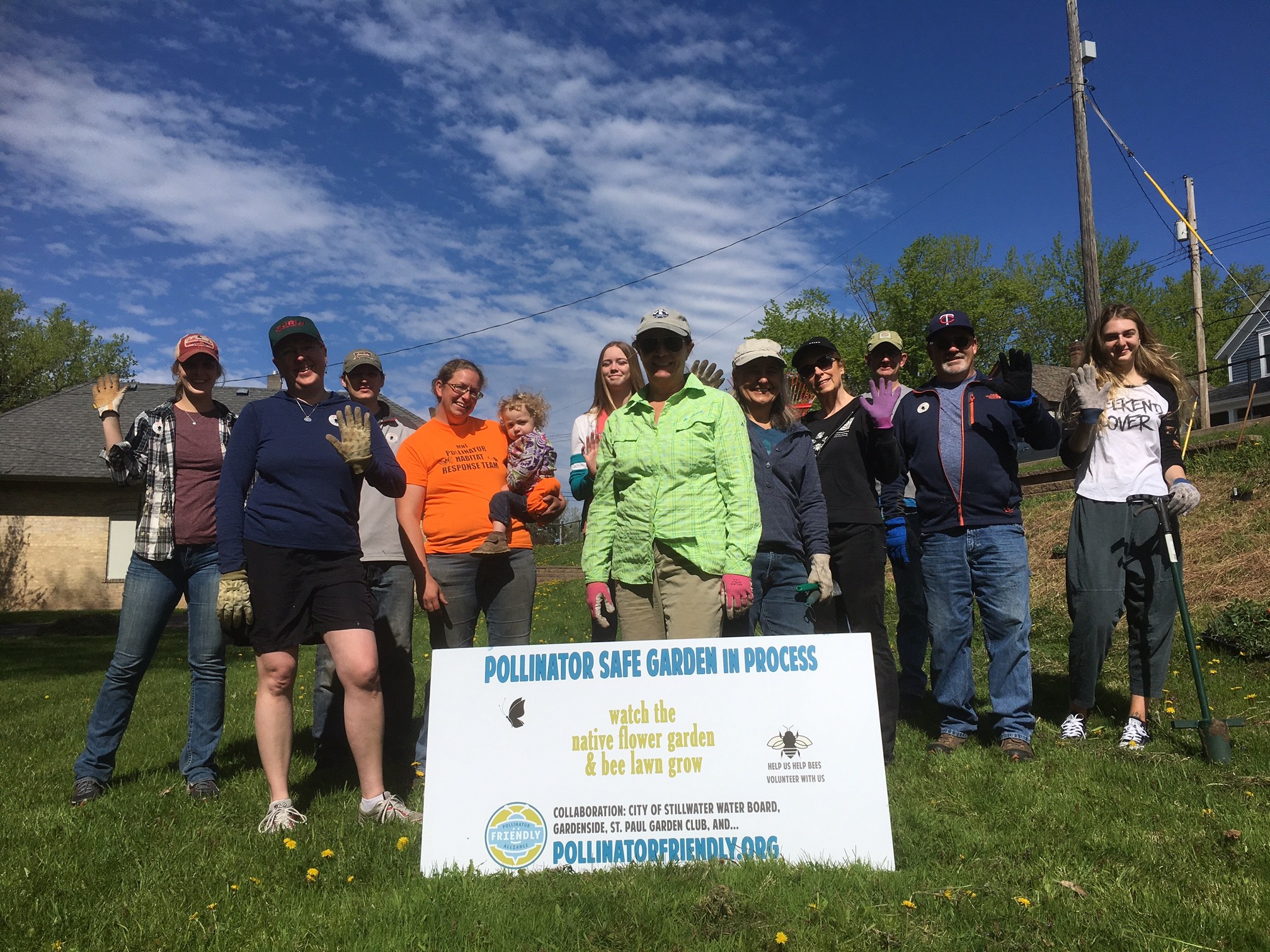
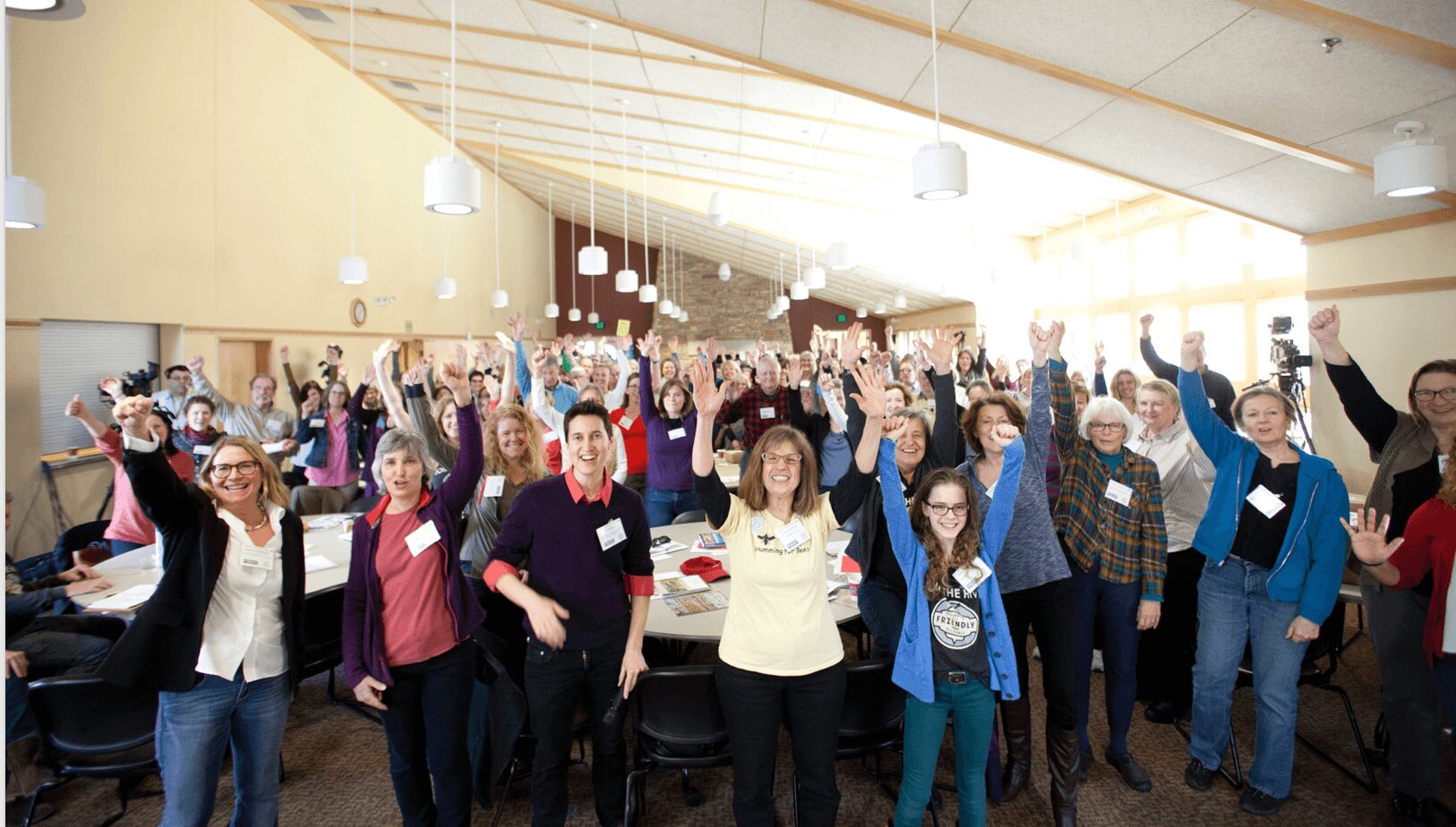
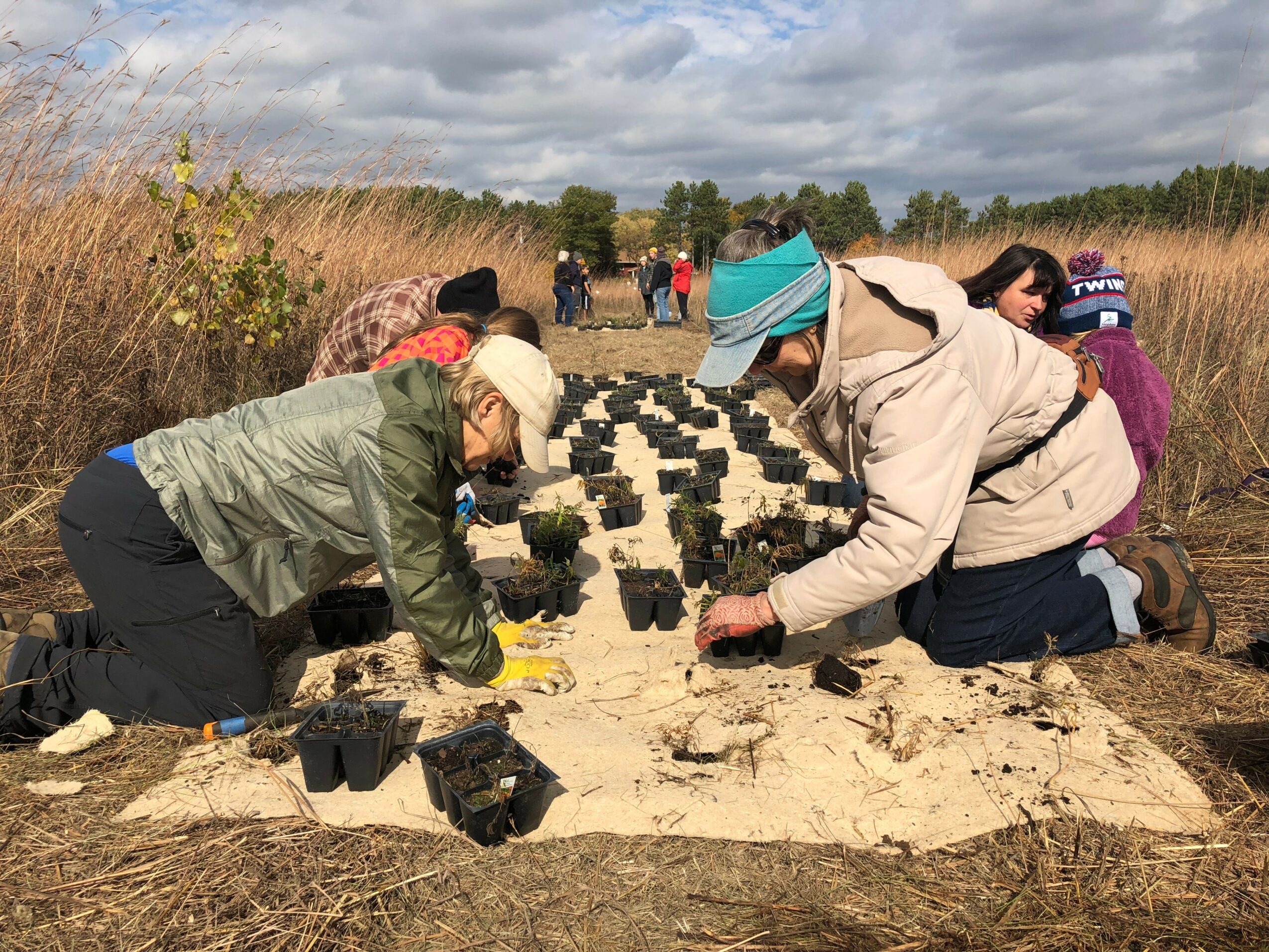
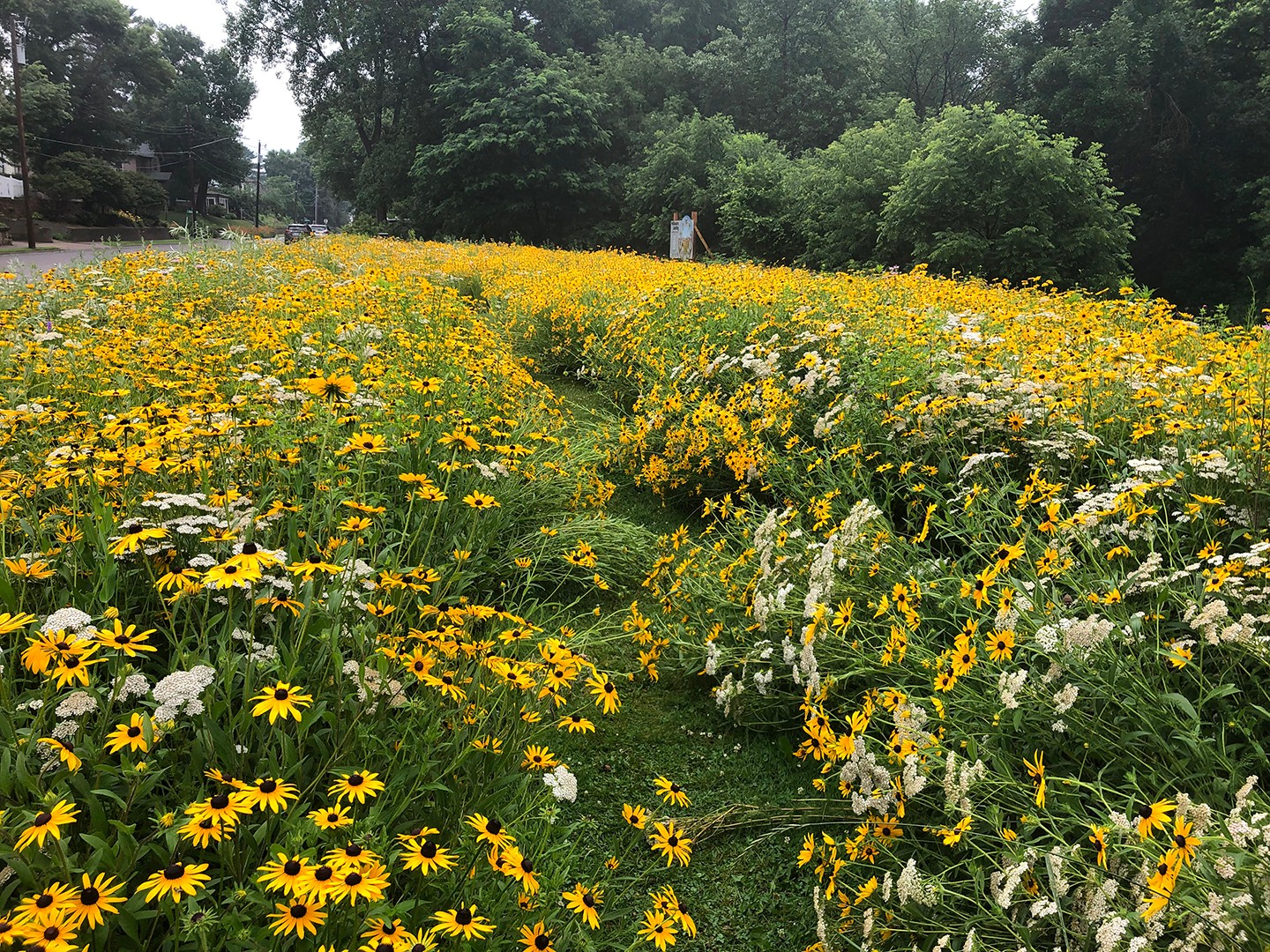
We are most proud of growing a small group of concerned citizens into a statewide conservation organization that has important positive impacts for pollinators, wildlife and the environment. PFA has met and exceeded our conservation goals in large part due to the partnerships and collaborations we foster. We’ve reached our goal of restoring 200 acres of land into biodiverse habitat and are on our way to 400 acres of protected lands. We work with communities and statewide to reduce pesticides. Neonics are a nuerotoxin listed as a surface water “pesticide of concern”. PFA is part of a coalition to remove unnecessary use of neonics across the state. We urged the DNR to end leases on 25,000+ acres of DNR-managed public land where corn and soy crops with pesticide-coated seed are planted in state parks and wildlife management areas. These public lands must be returned to native habitat so they can be the wildlife refuge they were intended to be. Our coalition passed the Highways for Habitat program which will provide support to counties to plant native habitat in right of ways instead of using herbicides and repeatedly mowing. We are also proud of our educational and citizen science programs. The Best Practices for Pollinators Summit has broadcast to over 5,000 people across the U.S. and Canada to teach ecologically sound land management practices. Monitoring pollinators in key areas helps to develop conservation programs. Our latest big project is to restore and protect the new land acquisition in Washington County. We are partnering with Izaak Walton League, Sierra Club, Minnesota Herpetological Society, St. Paul Bird Alliance, Washington County Parks, Beaver Innovations and University of Minnesota on multiple wildlife studies and protections for resident birds and wildlife.
Contact Info:
- Website: https://www.pollinatorfriendly.org
- Instagram: https://www.instagram.com/pollinator_friendly
- Facebook: https://www.facebook.com/PollinatorFriendly/
- Youtube: https://youtube.com/@pollinatorfriendlyalliance2024?si=iGGS9sFa_os6v-da