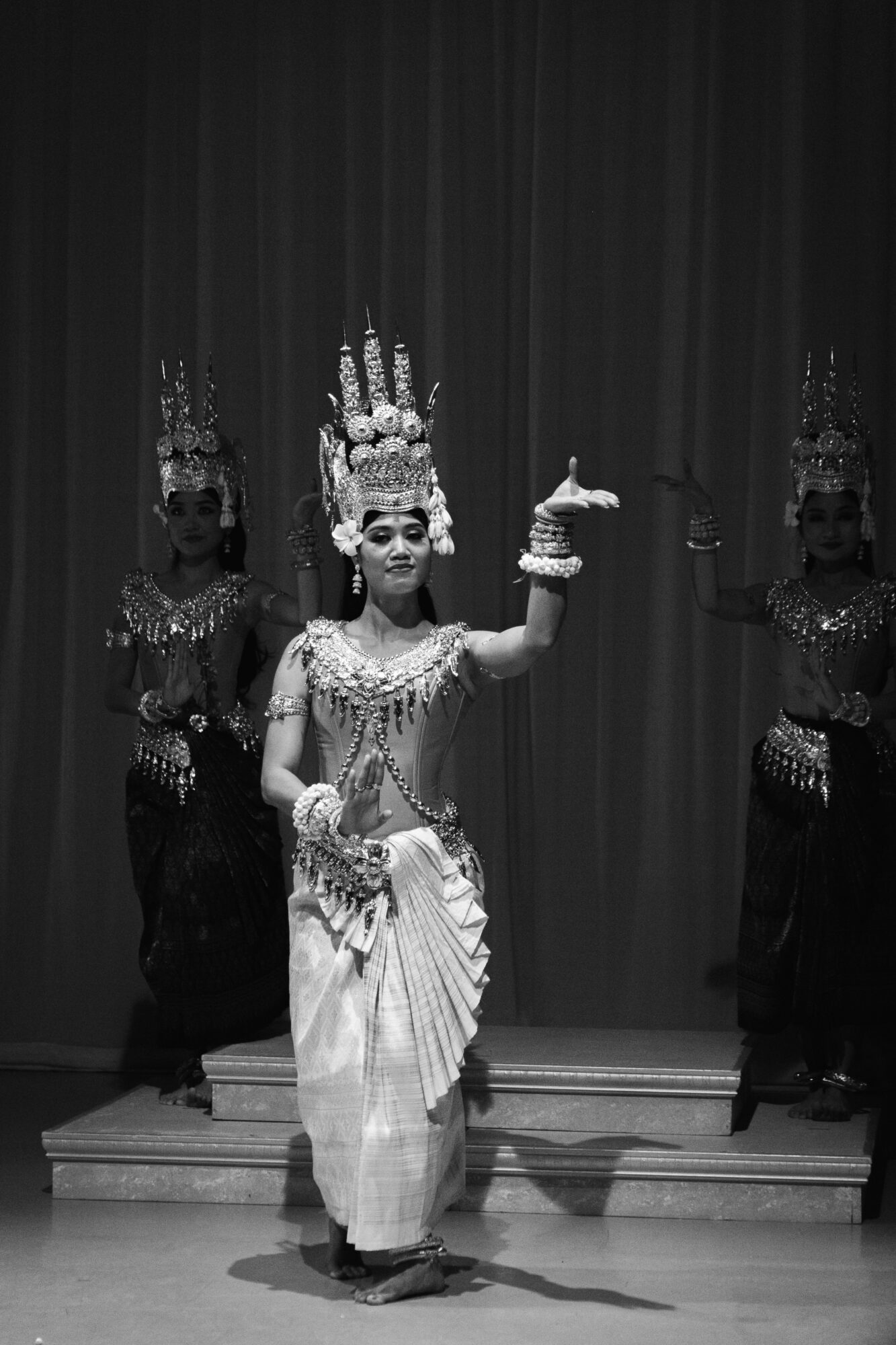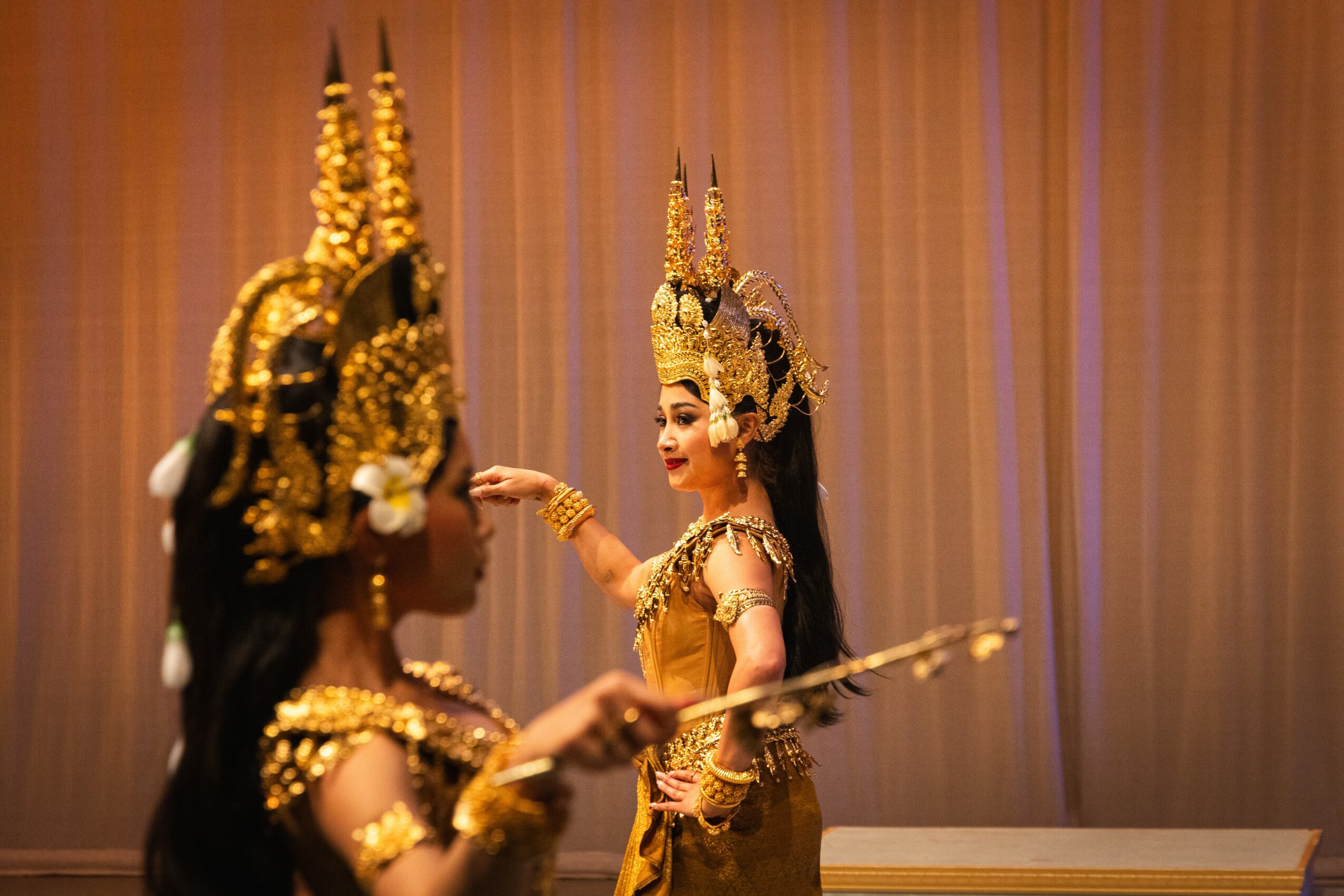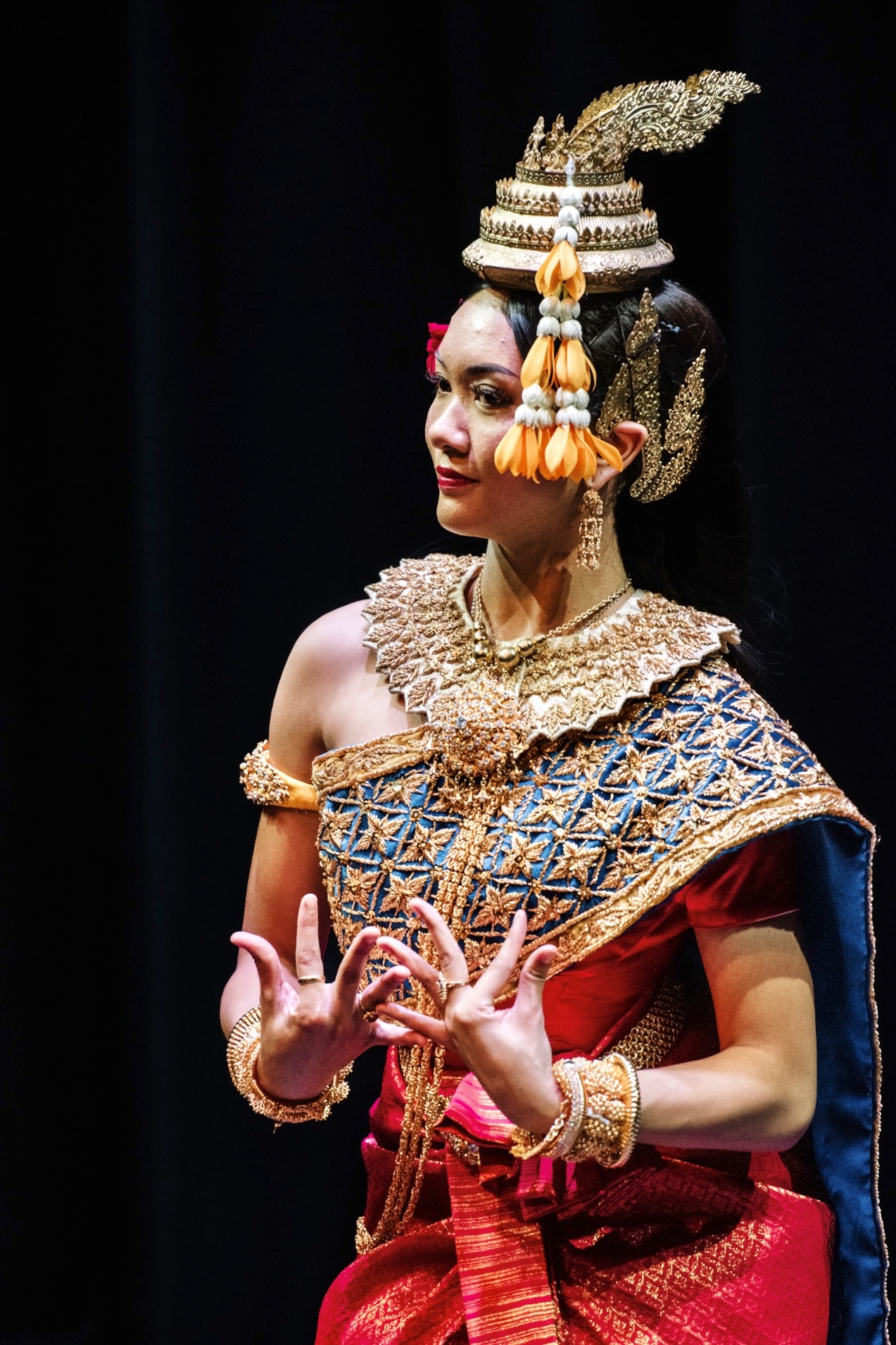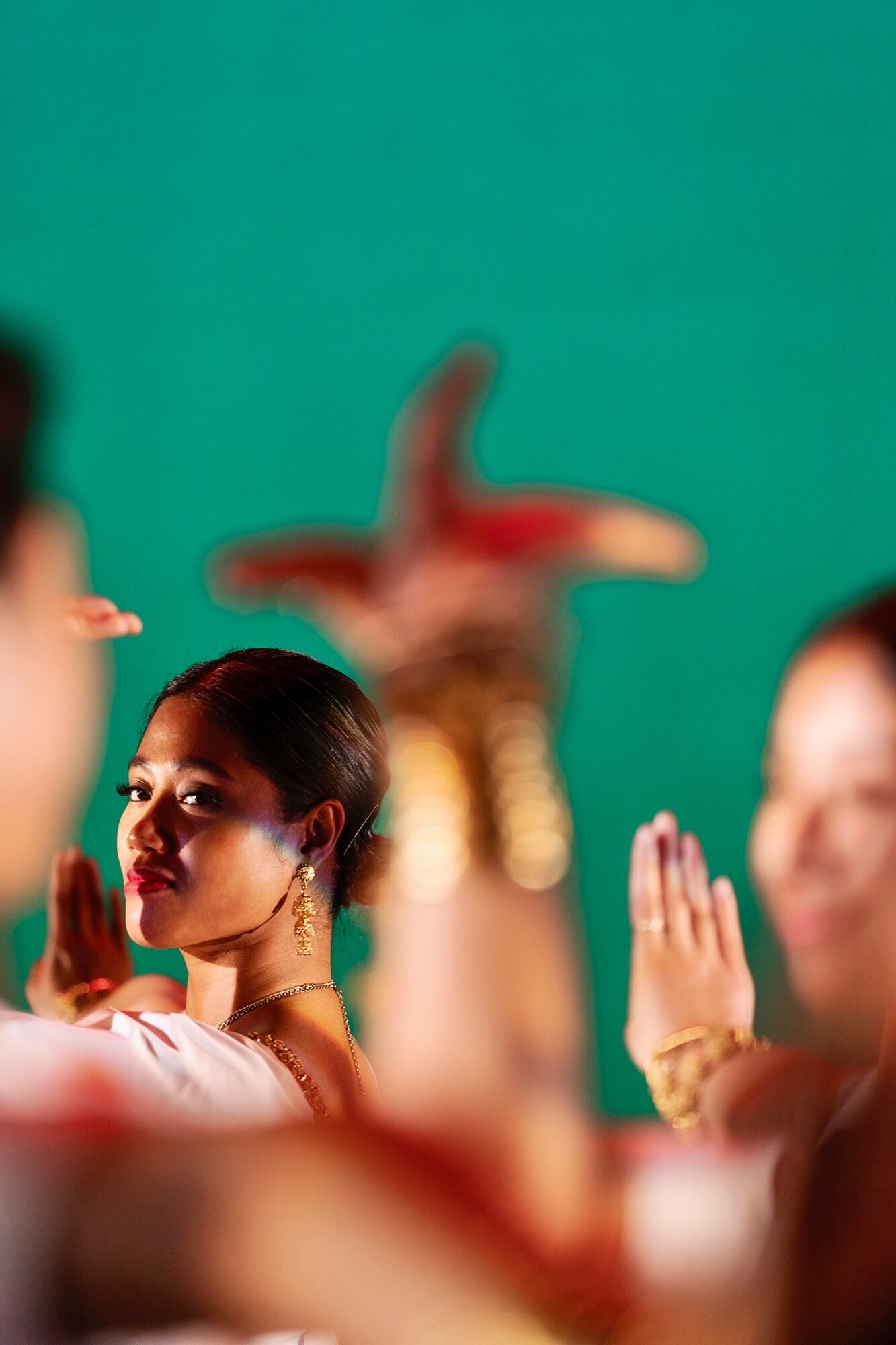





Today we’d like to introduce you to Wattanak Dance Troupe.
Alright, so thank you so much for sharing your story and insight with our readers. To kick things off, can you tell us a bit about how you got started?
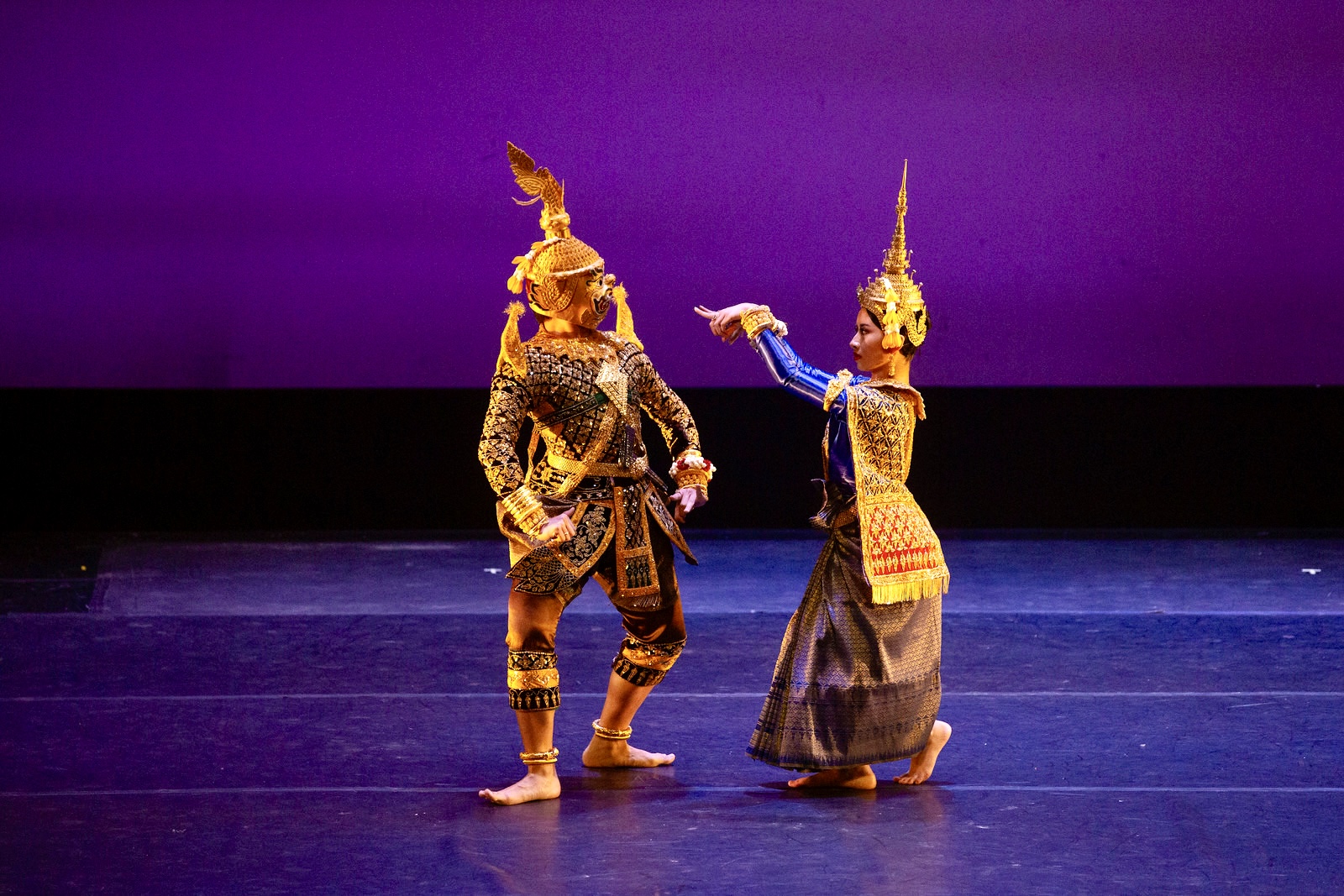
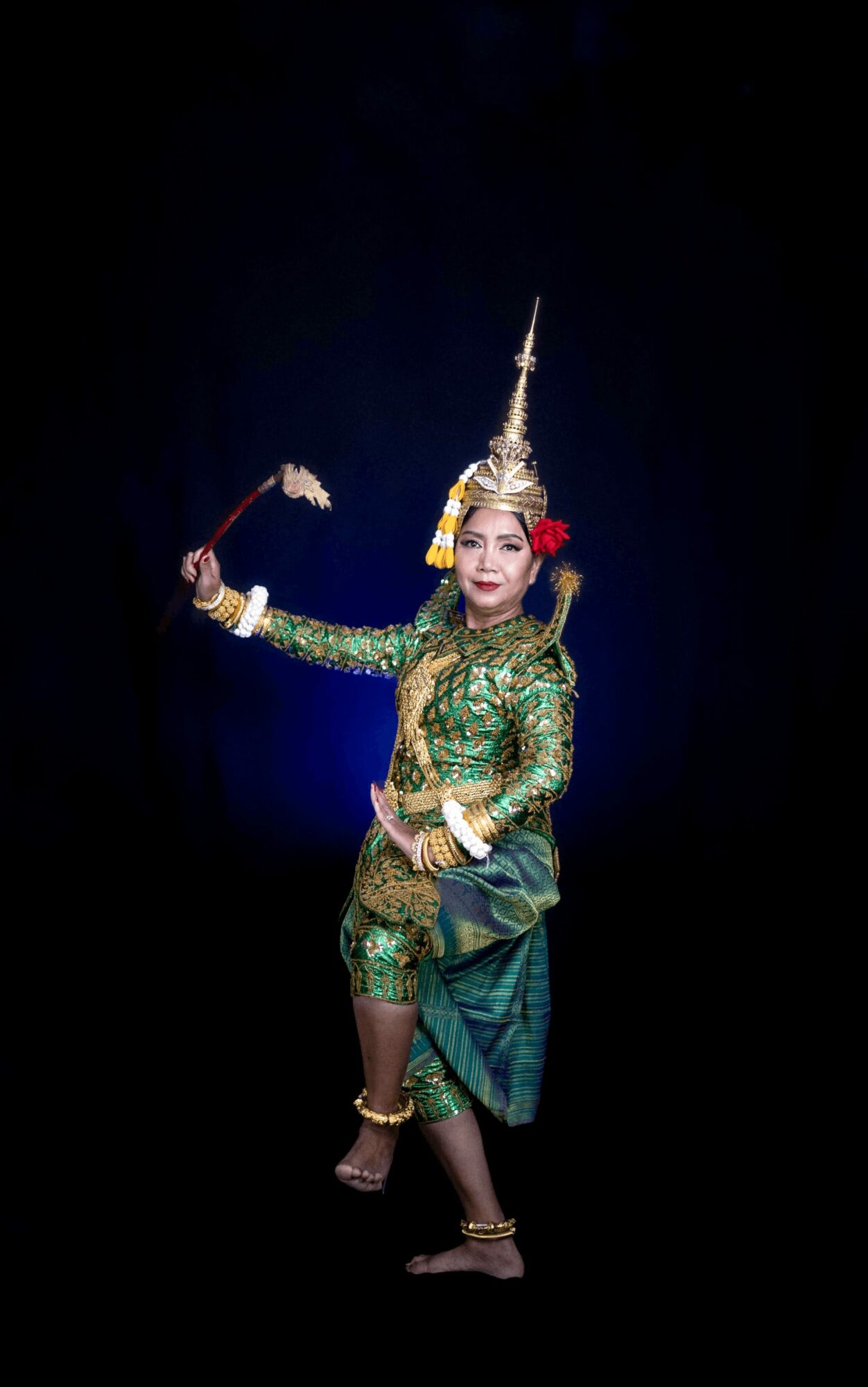
Cambodian classical dance is an ancient, sacred tradition that connects deeply with both spiritual belief and cultural identity. Long before the rise of the Angkorian Empire, the ancestors of today’s Khmer people practiced animism and ancestor worship. Dance played a central role in early ceremonies, honoring spirits, invoking protection, and maintaining harmony with the natural world. As Hinduism and later Buddhism entered the region, these rituals merged with new religious and royal influences. By the Angkorian period, dance had evolved into a highly stylized artform, reflected in temple carvings of celestial dancers who embodied divine grace in service to gods and kings. That millennia-old tradition was nearly destroyed during the Khmer Rouge regime from 1975 to 1979, which sought to erase Cambodia’s cultural memory. Artists were targeted as threats. Dancers, musicians, teachers, and scholars were executed, silenced, or forced into hiding. Entire repertoires of dance, transmitted orally for generations, were in danger of being lost forever. In the aftermath, a small group of surviving masters emerged to piece together what remained from memory. Among them were Master Chea Samy, Master Em Theay, Master Soth Sam On, and Professor Chheng Phon, who became pillars of cultural recovery. Master Yousedy Peov was one of the first students trained under these legendary survivors. She was part of the generation tasked with rebuilding Cambodian classical dance after genocide, helping to reconstruct dances with little to no written manuals. Only memory, discipline, and oral transmission. Yousedy later brought that legacy to Minnesota. In the early 1980s, Cambodian refugees established Watt Munisotaram in Hampton, where under the leadership of Sodanny and Narin Eir, a small group of Cambodian-American youth began learning dance to perform at religious and cultural holidays. When Master Yousedy joined the community in the early 2000s, she brought formal training and deep classical knowledge, eventually taking on a leadership role. In 2008, Wattanak Dance Troupe (WDT) was formally established under her full direction. With the support of Sophia Neou, longtime temple president Pengsan Ou and other board members of Watt Munisotaram, she created a structured training program rooted in tradition. Rehearsals were held at Watt Munisotaram, 45 minutes from the Twin Cities, where dancers gathered every Sunday to carry on the tradition. When Master Yousedy relocated to Wisconsin in 2015, leadership transitioned to Sarath Nob, and in 2021, Garrett Sour joined as co-director. Now based in Minneapolis, WDT is one of the few Cambodian organizations in the Midwest offering year-round instruction and performance rooted in lineage and authenticity. We continue to uphold the teachings of Master Yousedy through video archives, oral instruction, and community-based learning.
Alright, so let’s dig a little deeper into the story – has it been an easy path overall and if not, what were the challenges you’ve had to overcome?
It hasn’t been a smooth road. Like many cultural arts organizations rooted in immigrant and refugee communities, we’ve faced, and continue to face, many challenges. Funding is one of the biggest. Cambodian dance is highly specialized, and sustaining support for teaching, costumes, and performance opportunities is a constant effort. As a young nonprofit, we’ve had to learn how to navigate grants, operations, and partnerships while staying true to our cultural mission. Space has also been a long-time struggle. For years, our students had to travel 45 minutes outside the Twin Cities just to rehearse. Even now, finding an affordable, culturally respectful central space remains a challenge. Language is another barrier. Not all of our students speak Khmer fluently, and many of our guest teachers from Cambodia speak little English. We bridge that gap with translators, visuals, and peer support but it requires extra care and intention. There’s also the challenge of preserving a traditional art form in a modern world. Our teachers trained in very strict, formal environments in Cambodia, often practicing for hours a day with a strong emphasis on discipline. Today’s youth are growing up in a different world, so we’ve had to adapt our methods to be more accessible and trauma-informed while still honoring the form. One of our more personal challenges is distance. Our founder, Master Yousedy Peov, now lives in Wisconsin. While we can’t train with her regularly, we preserve her teachings through video archives, notes, and lectures to maintain the quality and integrity she passed down to us. On a broader level, we also carry the weight of doing cultural work in a society that doesn’t always recognize or understand what we’re trying to preserve. We often balance the work of educating outsiders while helping our own community, especially the younger generation, connect to their roots. Despite all of this, we proudly continue. Our love for the art and our belief in its value keeps us going. This work is not easy, but it’s deeply worth it.
Thanks for sharing that. So, maybe next you can tell us a bit more about your work?
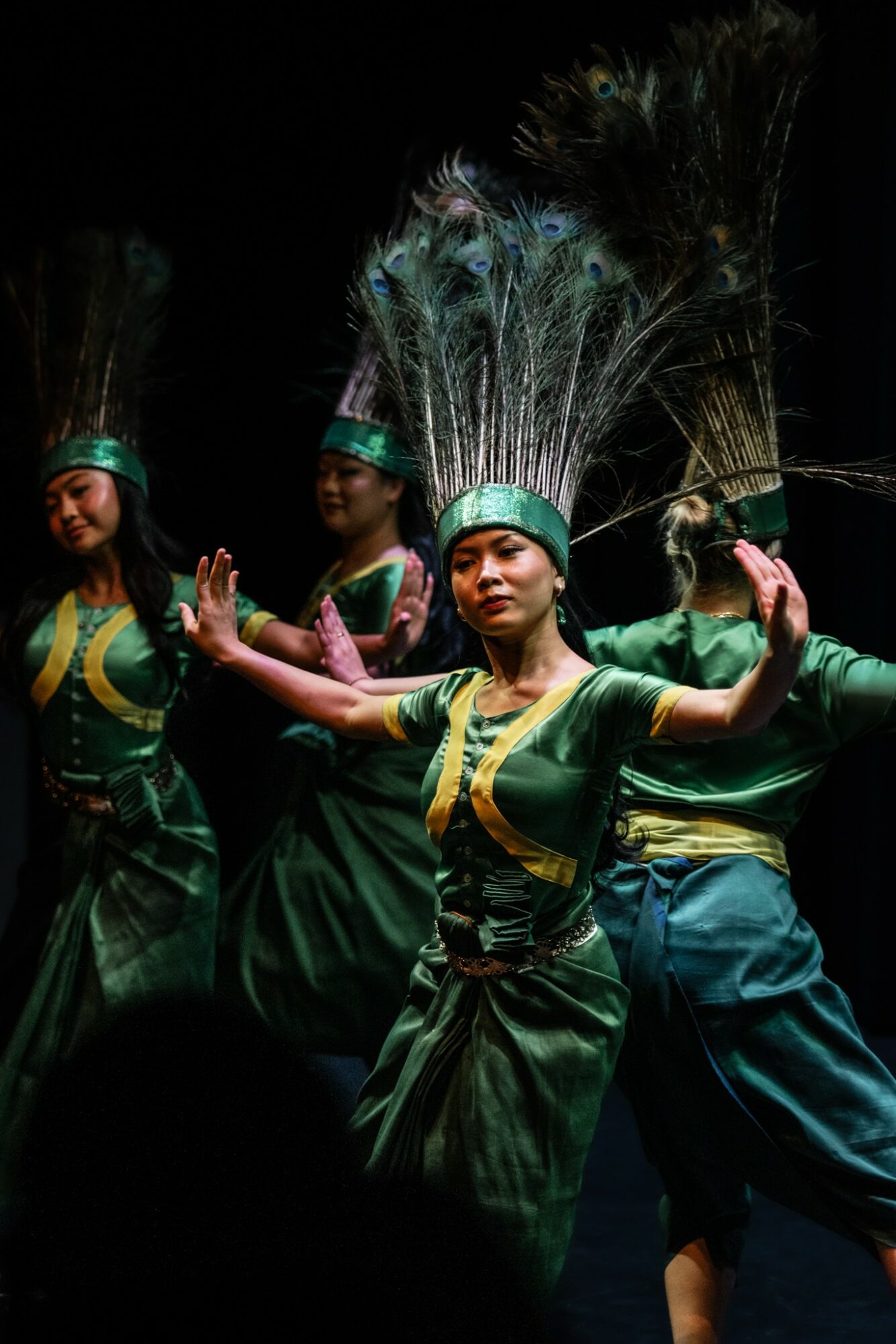
Wattanak Dance Troupe (WDT) is a beacon of cultural resilience and artistic dedication. We preserve and share the rich heritage of Cambodian Classical and Folk dance not just as performance, but as a sacred vessel of memory, identity, and healing. Each performance becomes a living archive, rooted in tradition and alive with story. What sets WDT apart is our intergenerational commitment to authenticity and education. As one of the few Cambodian dance organizations in the Midwest, we offer year-round training and performance opportunities. Our students learn directly from artists trained in post-Khmer Rouge Cambodia, including Master Yousedy Peov. Her influence continues to guide our technique, philosophy, and purpose. We’re proud to have collaborated with respected institutions such as the Walker Art Center, the Minneapolis Institute of Art, and universities across Minnesota as well as artists and master teachers from Massachusetts and California, helping bring Cambodian culture to new audiences. Beyond the stage, we lead workshops, community events, and educational programs that foster pride and cultural understanding. But our proudest achievement is our students, many of whom have grown from young dancers into teachers and cultural leaders. They are the heart of our mission and the hope of a tradition reborn in a new home. WDT is preserving a legacy while actively reviving and reimagining it in the cultural mosaic of America and Cambodian diaspora. We believe Cambodian performing arts has a place in the broader story of American diversity, and we are honored to help shape that narrative.
What matters most to you?
What matters most to us is authenticity. Staying true to who we are, the traditions we come from, and the stories we carry. Being genuine is essential to our work and teachings. It builds confidence not only in our craft, but also in ourselves and our identity as Cambodian artists navigating a world far from our ancestral homeland. We are devoted to keeping Cambodian culture alive through dance, which was nearly lost during the Khmer Rouge regime. This artform has always been passed down orally, body to body, heart to heart. When over 90% of artists and intellectuals were killed during the genocide, it left only a handful of masters to rebuild from the ashes. Their courage and vision are the reason we are able to dance today and we honor that legacy with deep reverence. Our work also speaks to healing intergenerational trauma. Many Cambodian Americans grow up disconnected from their roots, not because they don’t care, but because their families are still healing from the past. Dance becomes a way to reconnect with those silenced histories. It allows us to reclaim joy, beauty, and identity, and pass those gifts forward with pride. Just as important is our commitment to sharing Cambodian culture with the wider world. We believe in contributing to the rich tapestry of the United States, not as a means of assimilation, but as an offering of presence and voice. We are proud to add to this cultural diversity, and just as proud to learn from the many communities around us. The U.S. is a place where so many histories, languages, and traditions converge and we believe there is incredible power in that. Cultural exchange deepens empathy, invites collaboration, and challenges us to grow. We see dance not only as tradition, but as a universal language. A way to connect across cultures, generations, and even belief systems. Through our work, we aim to express what is deeply human: emotion, resilience, grace, grief, and hope. Dance moves people. It speaks when words cannot. It brings people together. And that, above all, is why we do what we do.
Contact Info:
- Website: In Progress
- Instagram: Wattanak Dance Troupe
- Facebook: Wattanak Dance Troupe
- Youtube: Wattanak Dance Troupe