



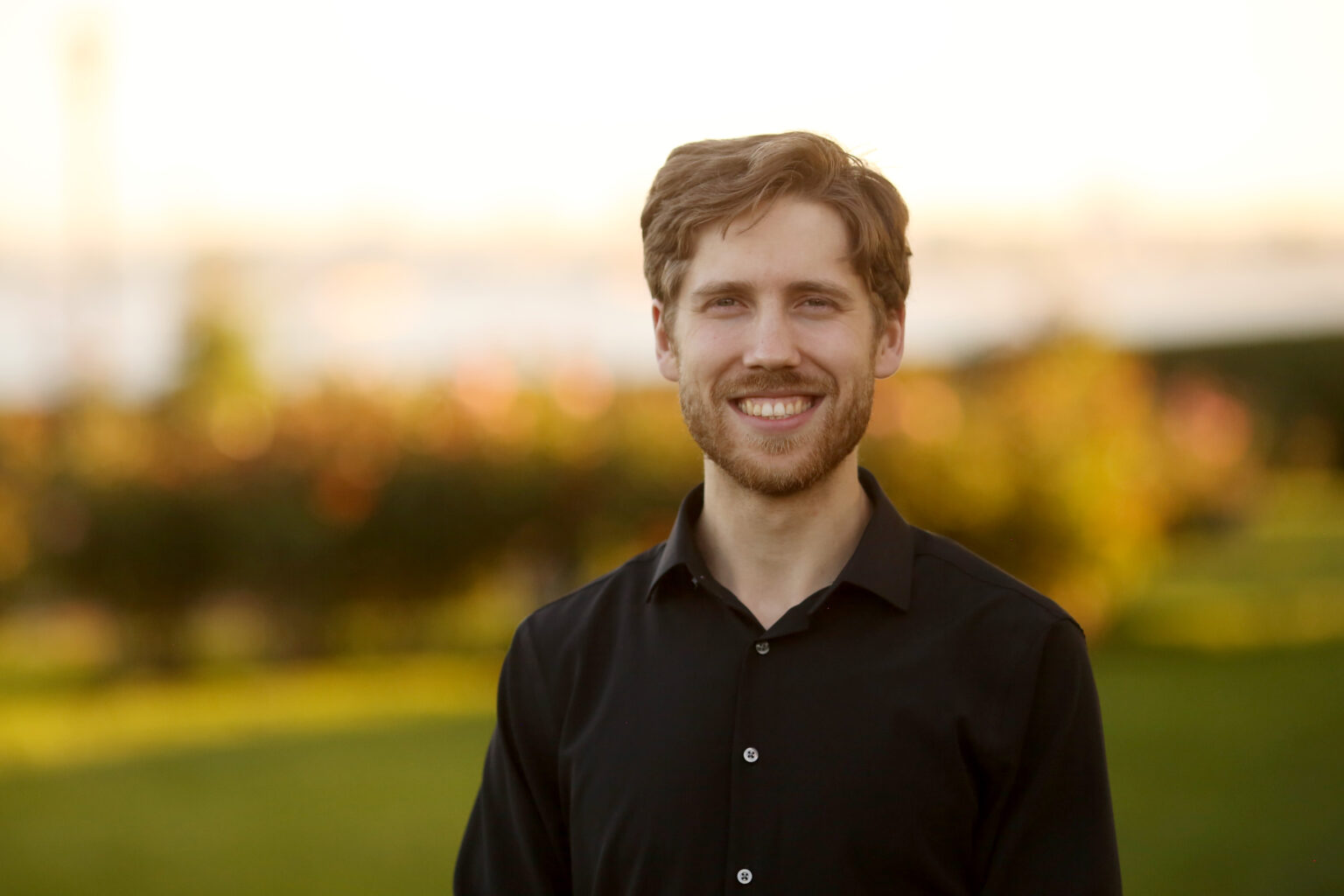
Today we’d like to introduce you to David Packa.
Hi David, please kick things off for us with an introduction to yourself and your story.
I grew up playing piano and taking private lessons. I developed a love of music and a passion for live performance as a young boy. My interest in community music began to develop when I was high school age and had more opportunities to share classical music in different settings. I remember when I was 14, my friend Micah Stinchfield and I put together a duo recital at our church; this was the first community performance that I took part in organizing. A few years later we formed our own small community orchestra compiled of other high school students and some adult players. We had two summer seasons, and this gave me my first conducting experience.
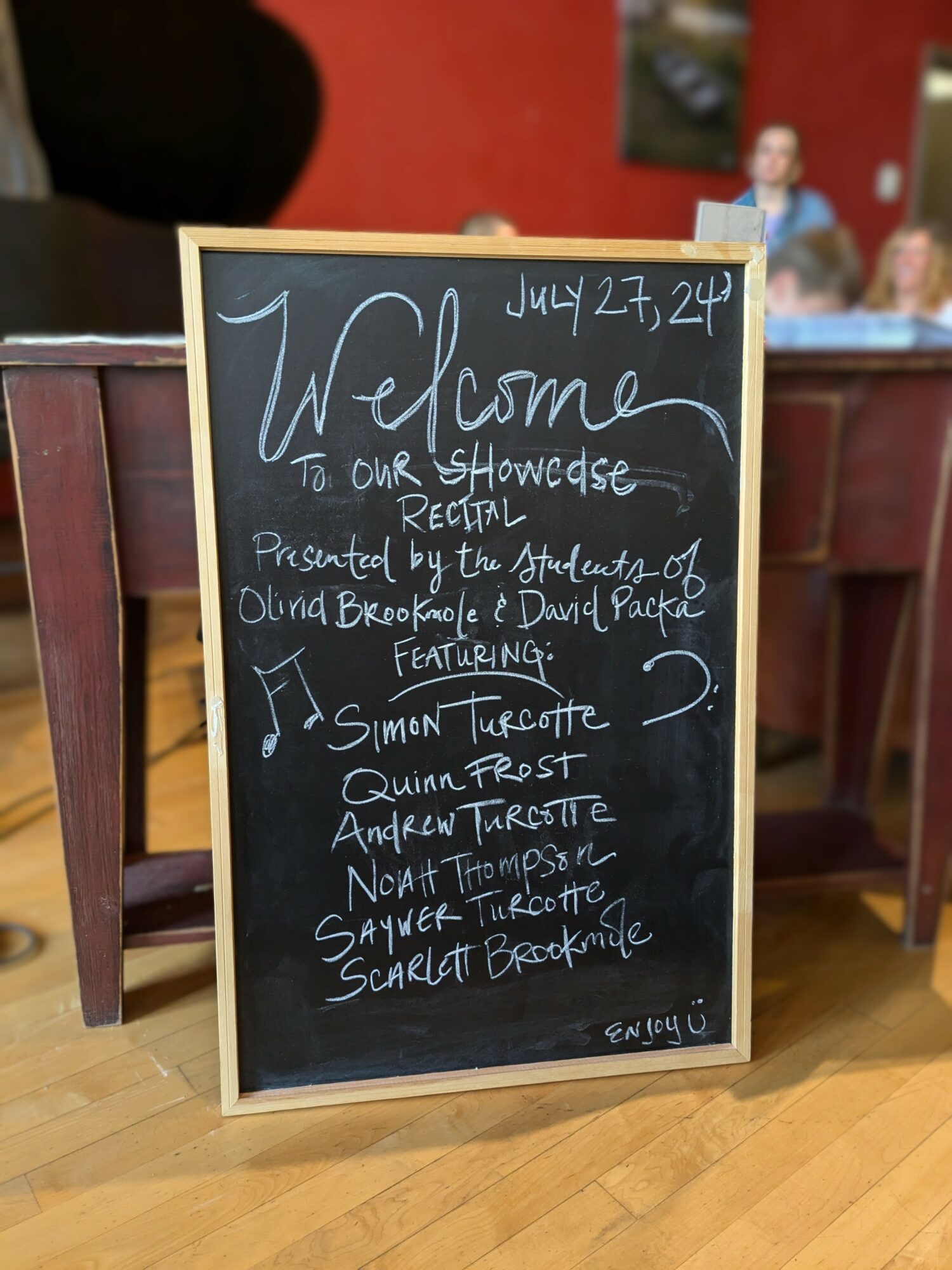
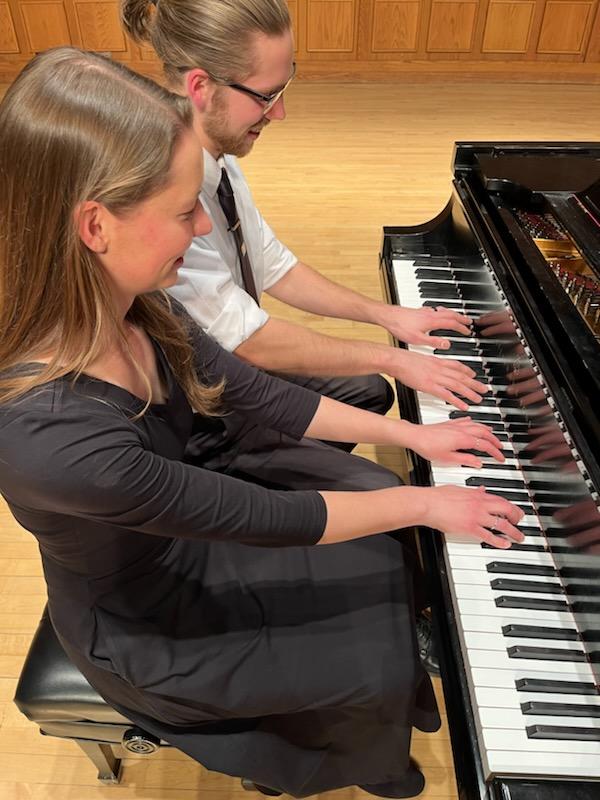
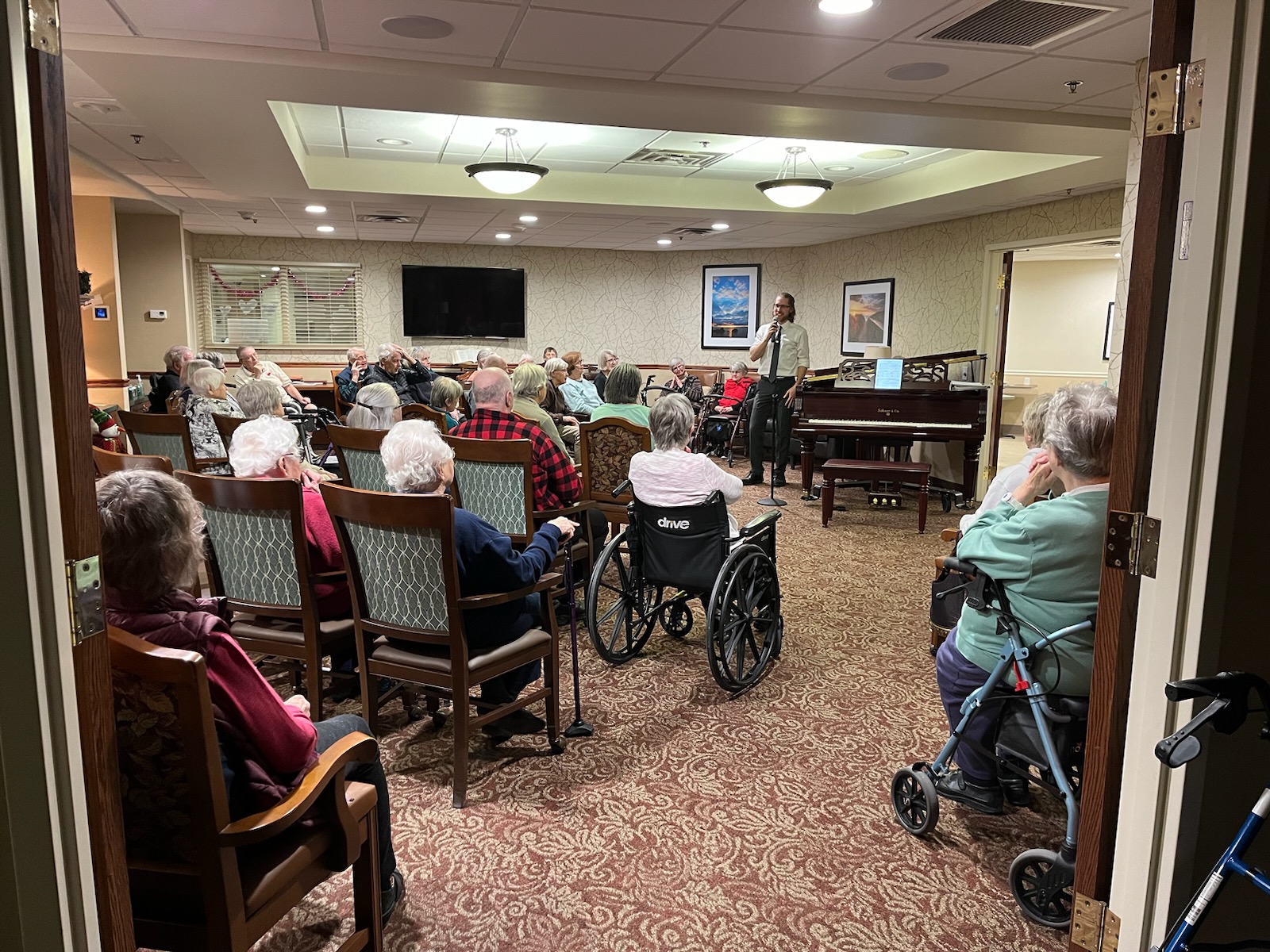
I decided to pursue a music degree in college and graduated in 2016 from UW-Superior with a degree in Piano Performance. My time at university provided me with many opportunities to hone my musical craft: I collaborated with dozens of fellow students as a pianist, played viola in the orchestra, sang in the choir, and began exploring composition. After I graduated, I decided to put together a recital featuring my new compositions. The music was very well received, but regretfully, I only composed a handful of new works in the following years. I spent those years working as a freelance pianist/accompanist and private music teacher, which was a very chaotic and artistically draining season of my life. I eventually accepted a staff position at Bayside Baptist Church to be their Music Director and served on staff for 4 years. My position at the church helped me gain experience in organizing community events and working with groups of volunteers. During these years I also had the privilege of forming an artistic partnership with fellow pianist Emily Nast (Valine). We called our duo Piano Squared and have since performed two recitals together and been featured on several other programs in the Twin Ports. Our mission has been to share high quality classical music that is accessible to all and uplifting to the soul.
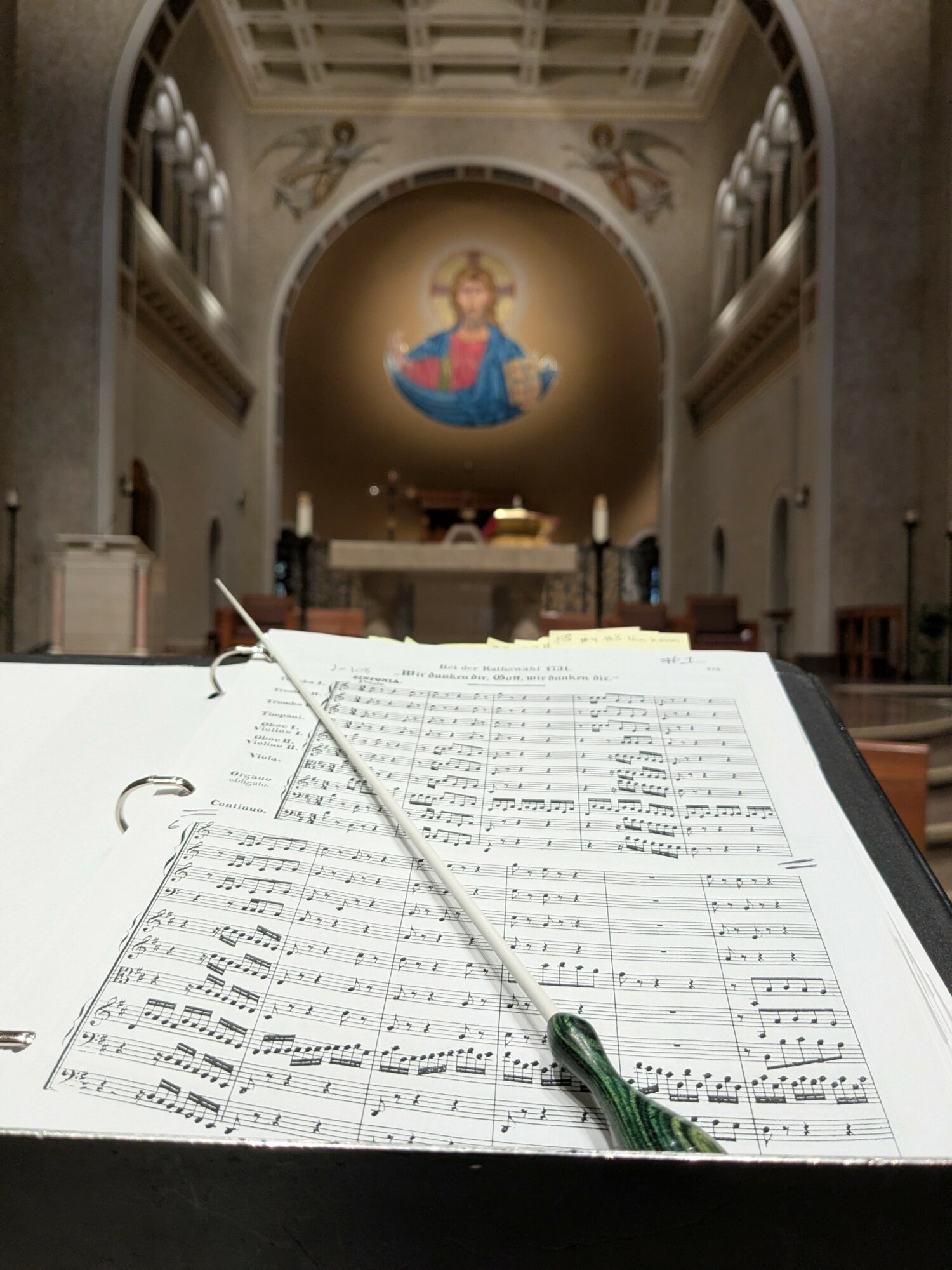
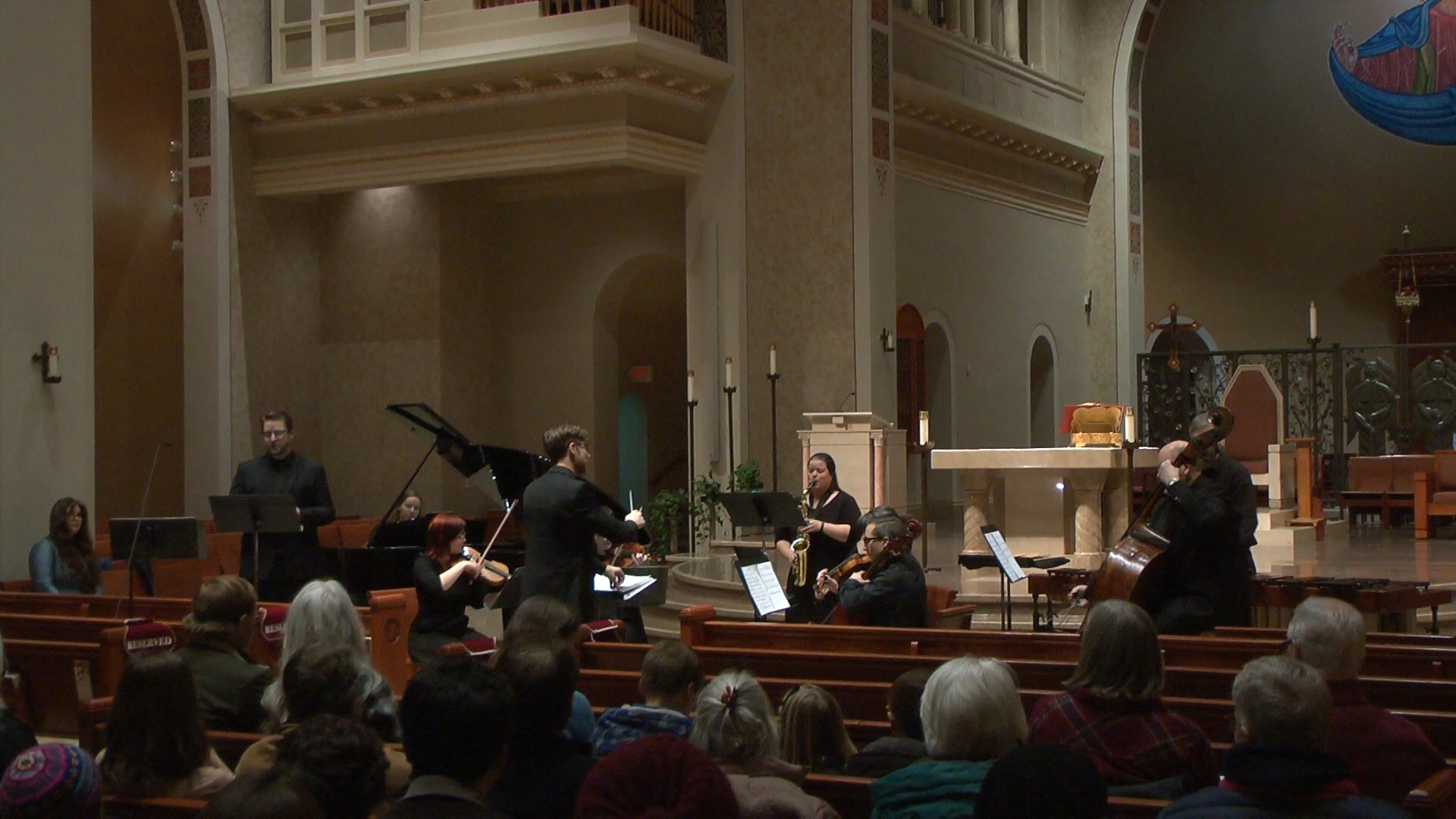
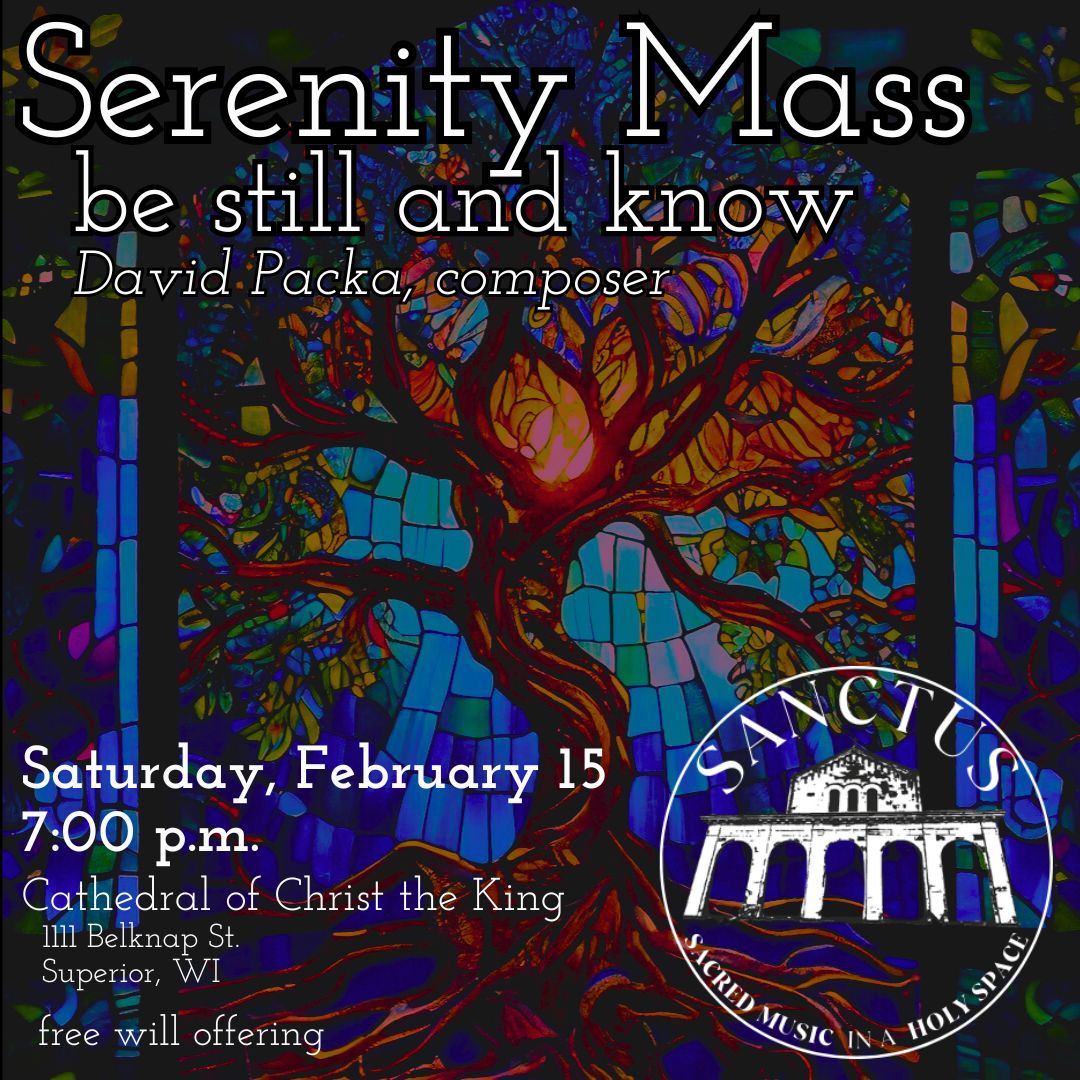
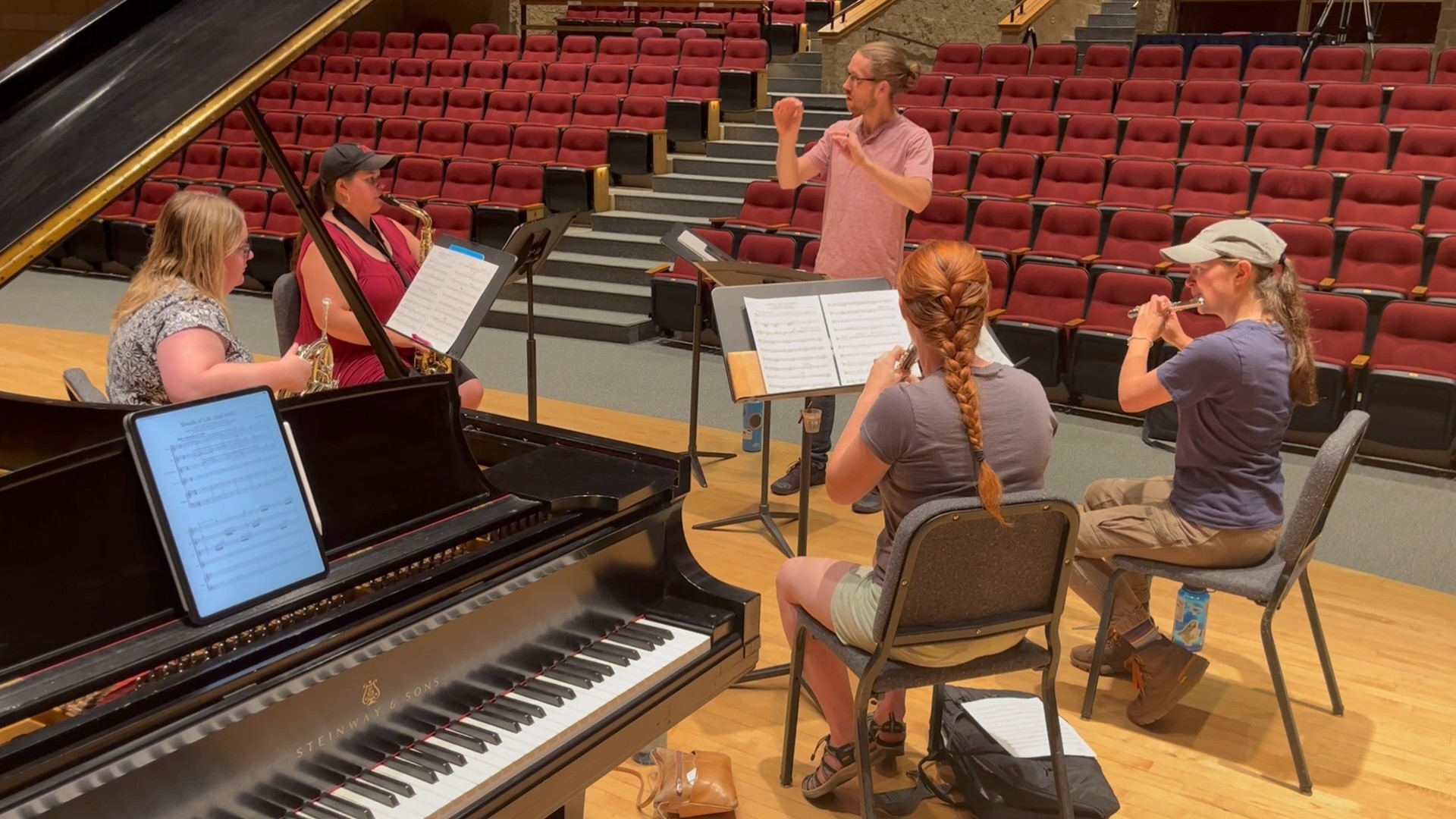
In 2023-2024 I began seriously composing again and hosted my second composition recital featuring pieces for piano and wind instruments in various combinations. In the summer of ’24 I was also invited to join the Sanctus Sacred Music Series which is a recital series hosted by the Cathedral of Christ the King in Superior. This was an incredible gift and opportunity because many of my compositions are faith-based in some aspect. To be invited to join a recital series geared specifically for sacred classical music gave me a perfect venue to compose and share new sacred works. For my first program on the series this past winter I composed Serenity Mass: Be Still and Know, a new musical setting of the Mass for chamber orchestra and soprano and tenor soloists. It was enthusiastically received and we were immediately invited to perform it again a few months later at Pilgrim Congregational Church in Duluth. I have also been commissioned by the Arrowhead Chorale to arrange a setting of Serenity Mass that includes full chorus for a performance in the spring of 2027. My goal in the years ahead is to continue composing new pieces for our community and for our local ensembles, as well as hosting and participating in more community concerts.
Can you talk to us a bit about the challenges and lessons you’ve learned along the way. Looking back would you say it’s been easy or smooth in retrospect?
Combating creative and artistic burnout has been a challenge for me. I tend to over-commit myself and then struggle to balance my energies between different projects and performances. After most concerts I slip into what I call “post-concert depression,” which amounts to a strong artistic apathy where I lack all desire and motivation.
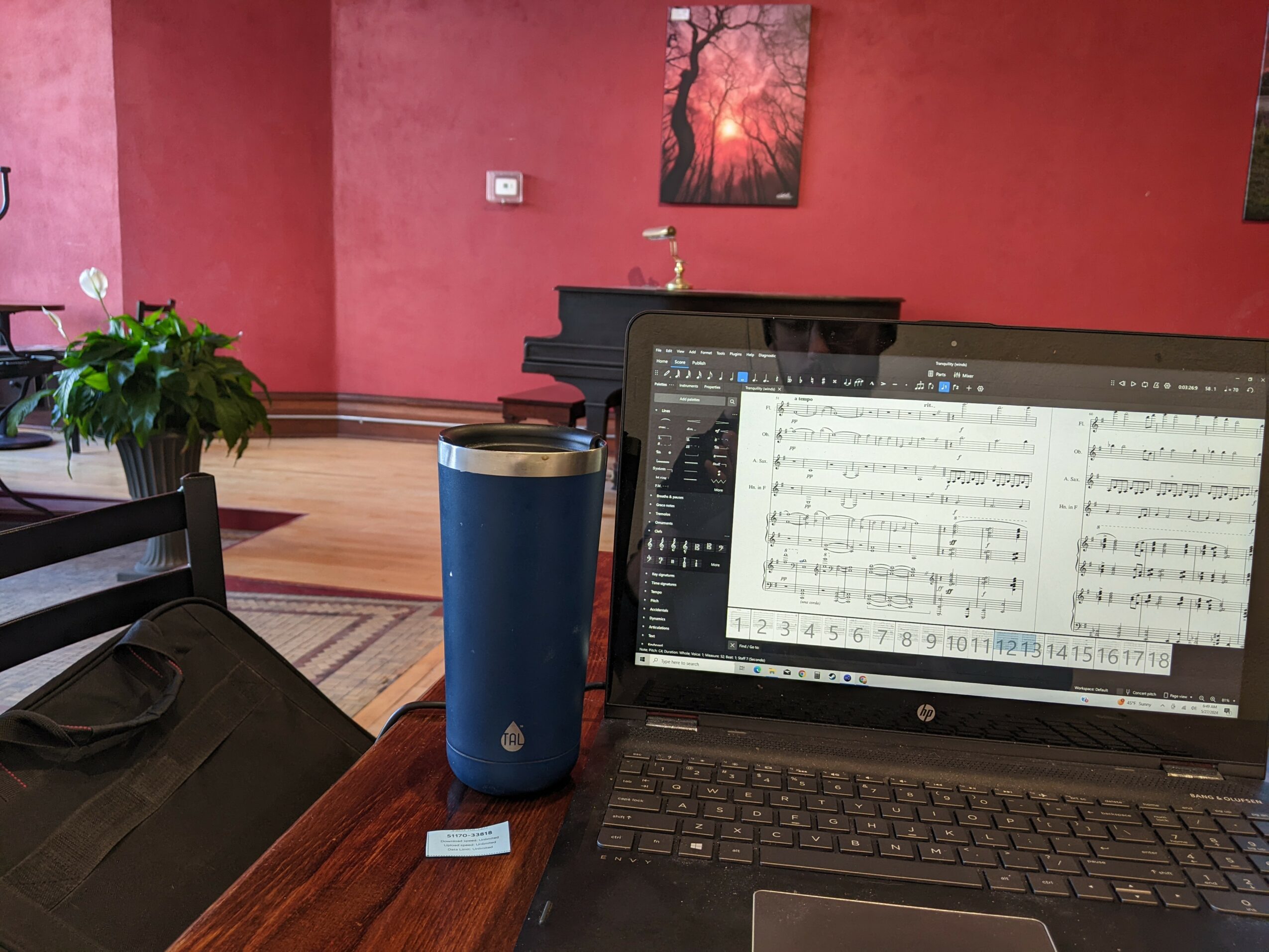
Making time to compose is a challenge. I work full time at IHS Door Company as a production lead and still volunteer at my church and teach some private piano lessons. When I’m working on new pieces, I generally have to sacrifice a lot of weekend hours or pull late nights in order to get the work done. And the same can be said about organizing performances and holding rehearsals.
On a more personal note, I often struggle to see the value of what I do. I can be very critical of myself and can easily feel defeated by small mistakes. I tend to think others will be as hyper-critical as I am and that my work will end up being an embarrassment to myself and everyone involved. The things that keep me going are the enthusiastic responses I’ve received from musicians and audience members alike, and the sense that God has called me to serve the community in this way. How I feel on the inside ceases to be relevant when I step back and consider the larger picture and see how people are being positively impacted.
Alright, so let’s switch gears a bit and talk business. What should we know about your work?
I’m known as a collaborative pianist, private music teacher, and composer. I serve as pianist for the Arrowhead Chorale and compose new classical works for community performances. My music is known for being evocative, accessible, faith-inspired, and engaging. I specialize in tailoring my work to suit the group or individual I’m working with, whether that is through piano accompanying, teaching different students, or composing a new piece. In a world of algorithms, AI, and commercialization, I seek to cultivate a more human approach in collaborations and creativity.
I’m most proud of my work Serenity Mass: Be Still and Know. It proved to be God-honoring, soul-moving, and community-engaging. All things that I desire my music to accomplish.
Where do you see things going in the next 5-10 years?
I think music creation and composition will be increasingly done through use of AI technology. Whether that is outright AI composition, or AI assisted composition. This may prove to be a useful tool for music production and efficiency, but I believe that the use of AI will greatly reduce people’s willingness to do the hard creative work on their own. Working through creative blocks is one of the things I have found most rewarding, and I think people will do themselves a disservice if they began relying on AI to help them through those blocks. To be creative is to be human, and I think if we began to outsource those creative puzzles to a machine, it will ultimately harm us more than help us.
Contact Info:
- Other: [email protected]