



Today we’d like to introduce you to Sophia Spiegel.
Alright, so thank you so much for sharing your story and insight with our readers. To kick things off, can you tell us a bit about how you got started?
I had wanted to start a band ever since I saw Coldplay live as a kid.
I remember watching the United Center in Chicago burst into little puffs of light across the crowd, thanks to thousands of light-syncing bracelets. I remember the swell of everyone singing together, and the way Chris Martin jumped and bounded across the stage, somehow making everyone in the room, no matter how old, feel like a kid again. I left puffy-eyed and filled with this cosmic conviction that whatever had just happened in that room was the kind of stuff that could change the world.
Of course, as any creatively inspired Coldplay kid would do, I started covering their songs. Then I started covering other artists. Eventually, I started writing songs of my own.
But my musical life began long before that concert. My mother was the person who first opened my world to music, and I’m grateful to say we were always close. She sang constantly with my sisters and me, with varying degrees of seriousness and unseriousness, and raised us to understand music as a kind of emotional language.
At five, I started playing cello, and that language began to get a little more “buttoned up,” so to speak. Classical music introduced me to a world where tone, pitch, and rhythm could be correct or incorrect, rewarded or corrected. I still love the cello with my whole heart, but by the time I was ten, guitar had begun waging a quiet war for my musical attention. There was a pressure in the classical world to strive toward an impossible kind of perfection – one that, at least for me, became tangled up with my sense of worth. I took so quickly to the guitar because it felt like an instrument I could be perfectly imperfect with. I could mess around. I could follow an emotion before I knew where it was going.
I eventually arrived at St. Olaf as a cello performance major, but a practice injury during my junior year finally pushed that tension to its breaking point. I dropped the performance major, switched to religion and general music, and began putzing endlessly with my guitar.
Songwriting became a channel that felt entirely mine. It gave me a reservoir deep enough to process both my woes and my joys. It saved my life when things were tough, and it unlocked a kind of lion’s-roar courage in me that I’m not sure I would have found otherwise.
That became especially important during the pandemic. At the time, I was working in child welfare and serving as a music director at a church. When I wasn’t working, I spent endless hours writing songs to process what I was witnessing: families wading through the complexities and injustices of the Child Protection System; the possibilities I was beginning to notice in public ritual through my work at church; a recent heartthrob or heartbreak; the overwhelming state of the world.
I also spent a lot of those years canoeing around the Boundary Waters. Somewhere along the way, all of it began condensing into the same musical world: the unfairness and unexpected hope I carried home from a workday, the Minnesota lakes and all their creatures whispering little bits of wisdom if you listened hard enough, grief, love, absurdity, and whatever else I couldn’t figure out how to say without a guitar in my hands.
When the world began opening back up, I became fascinated by how we remembered how to be together.
After years of isolation, I became deeply invested in the potential of ritual – especially crowd games, collective singing, silliness, and play – to help people become comfortable sharing space again. I started experimenting with these ideas around the Minneapolis music scene, wondering whether a concert could be something created together, rather than just a performance people watched.
And that is the world Dilly Dally Alley was born into.
We officially got started in January 2023, thanks, somewhat improbably, to Hinge. I matched with a former high school classmate. Nothing romantic happened, but we started talking about music and the kinds of things we dreamed about making, and pretty quickly decided to become platonic jam buddies. He eventually left for grad school, but not before opening my world to the Minneapolis jazz scene – Whitey’s jams, mutual friends, and a community I probably never would have wandered into on my own.
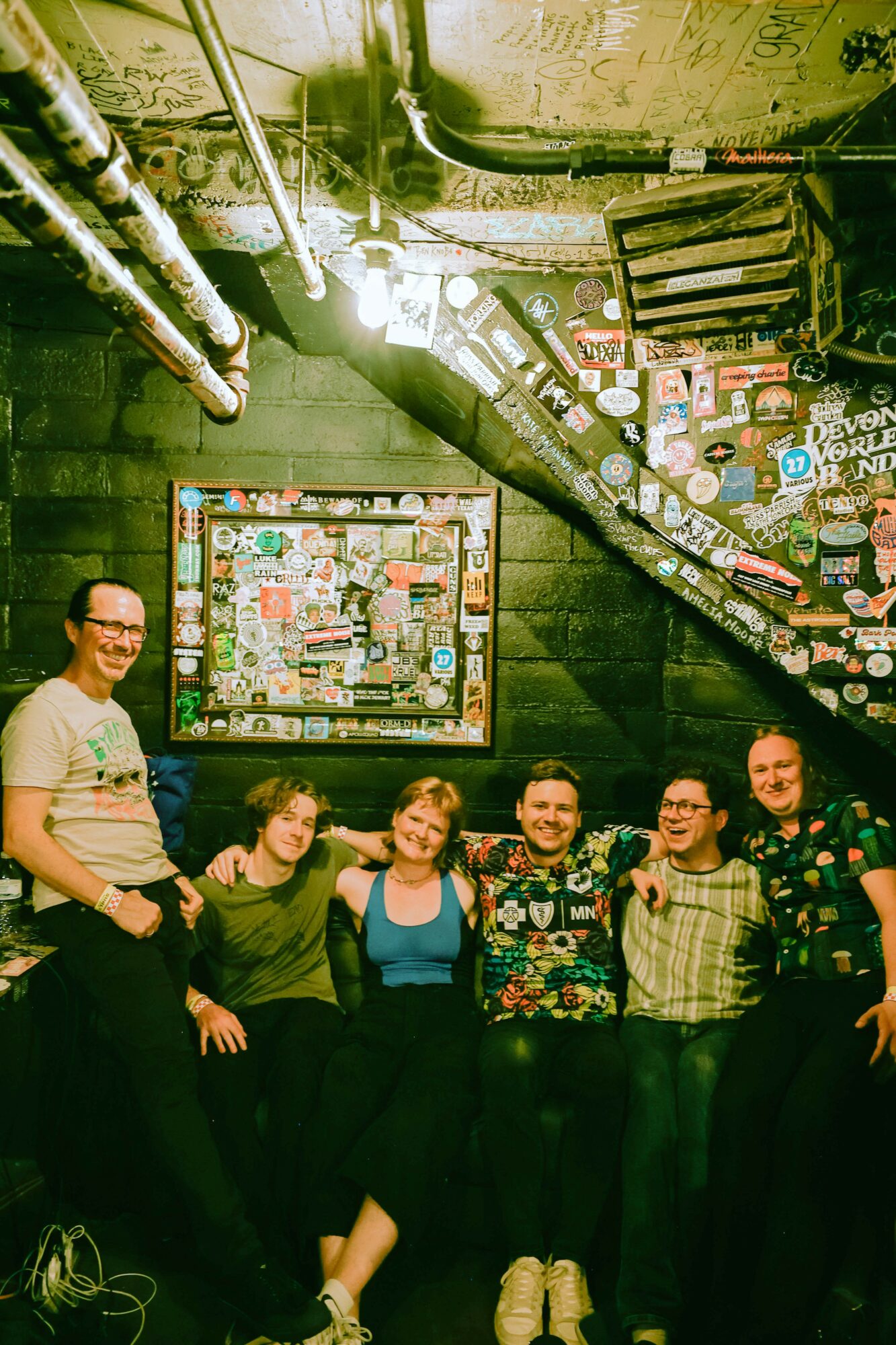
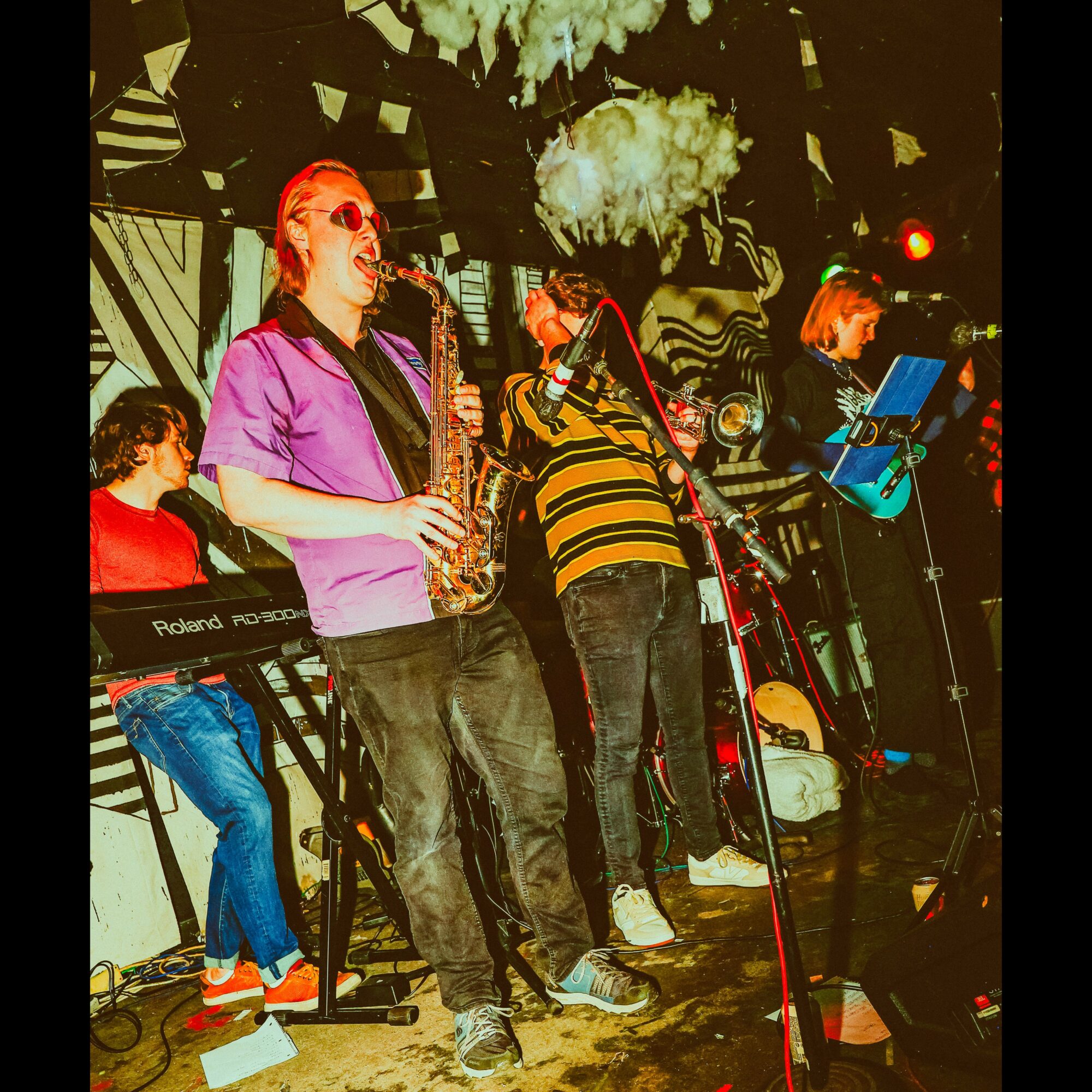
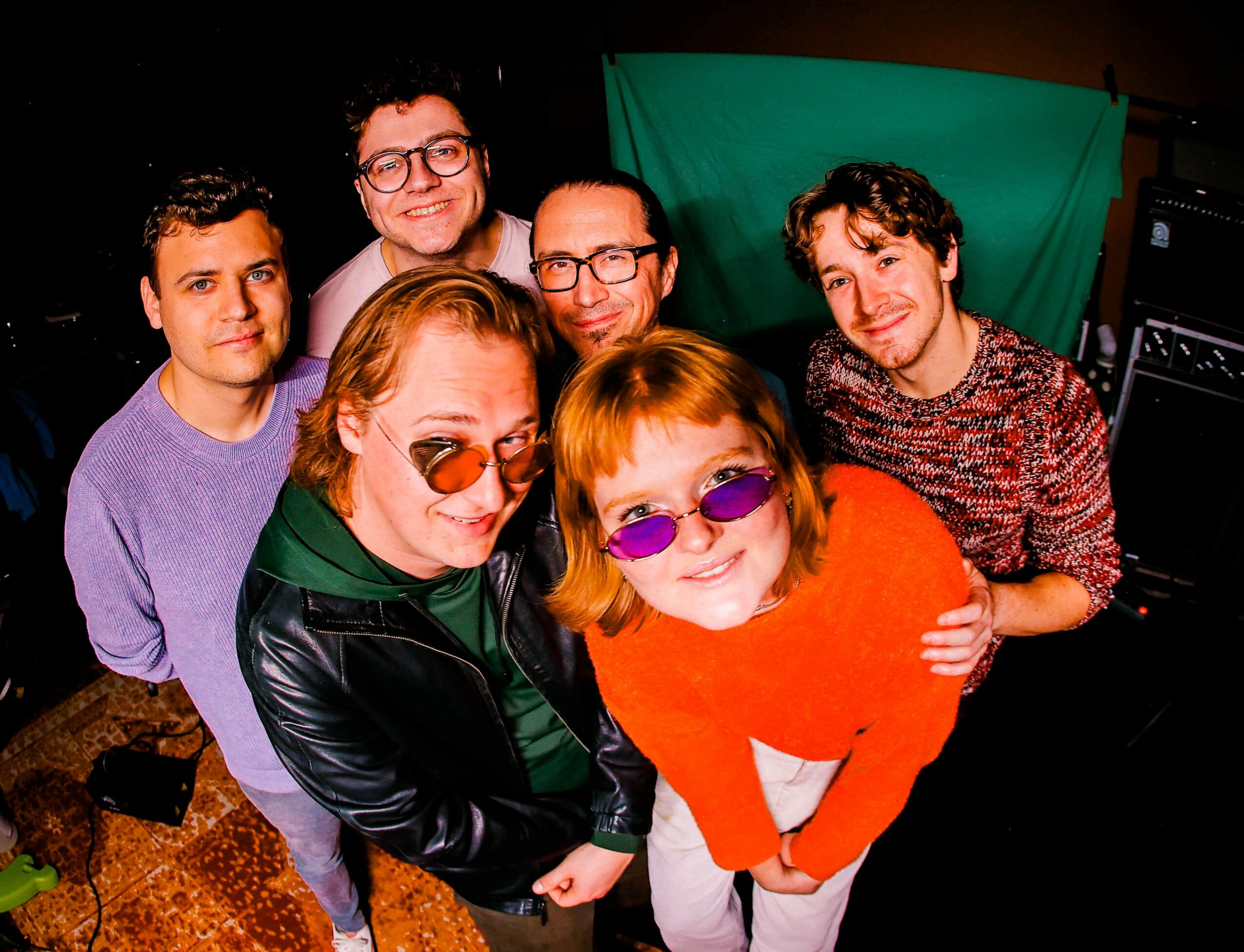
From there, the band gradually grew into what it is today: Denny Carlson on alto sax, Ben Ehrlich on drums, Levi Schwartzberg on keys, Adam Tucker on bass, and me.
By then, I knew more clearly what I wanted Dilly Dally Alley to be. I wanted to chase some version of the magic and wonder I had felt at those Coldplay concerts as a kid, while making room for everything I had encountered since. I wanted music capable of holding the grief I had been introduced to through the child welfare system without becoming swallowed by it. I wanted to create a portal into both the wonders and horrors of the world, but one you could enter through a safe, goofy, musical environment. I just wanted to create spaces for folks to sing, play, laugh, grieve, and occasionally make fools of themselves together.
Soon after starting Dilly, I was admitted to Yale Divinity School, where I am now (finally) finishing my last semester. Much of my work there has centered on political and sacred performance: how ritual shapes us, how people create meaning together, and what makes an ordinary gathering suddenly feel charged with something larger than itself.
Alright, so let’s dig a little deeper into the story – has it been an easy path overall and if not, what were the challenges you’ve had to overcome?
It has most certainly not been a smooth road, but I’m grateful to say that the band itself has somehow always been the smoothest part of the journey.
Running a band from 1,000 miles away is no small feat. Since moving to New Haven for divinity school, there have been stretches when the exhaustion of balancing school, travel, work, and music left me sick more often than I was well. At one point, coordinating these two lives became unsustainable enough that I took a semester off from school, and there have been other times when I’ve needed to step away from performing altogether.
Through all of that, though, my relationships with my bandmates have only deepened. Their continued support, flexibility, and sheer verve for this strange thing we’ve built together have made the band feel less like another obligation I’m trying to sustain and more like one of the things sustaining me.
Of course, deep relationships — musical or otherwise — always come with challenges of their own. And then there is the larger challenge of trying to survive as an independent musician. This industry can be a bizarre cycle of false promises, tiny payouts, enormous expenses, sleeping on floors and armchairs on tour, and watching months of planning unravel because of a single text a few weeks before you’re supposed to leave. There are people eager to sell musicians the promise of fame, people eager to make money from their hope, and endless swells of excitement and disappointment that simply come with the territory.
The larger truth is that musicians are not particularly well cared for in the world we live in. Making something like Dilly Dally Alley work requires an enormous amount of time, sacrifice, money, improvisation, and faith in something whose value can’t always be measured by what ends up in your bank account.
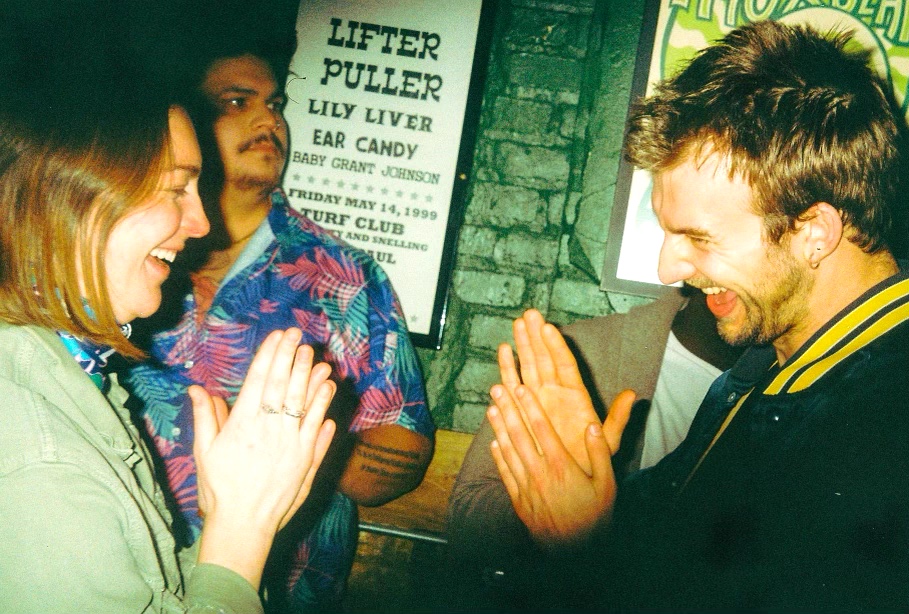
But that has also clarified what makes it worth doing. It’s my bandmates. It’s the communities that have formed around our music. It’s looking out at a crowd and realizing people are genuinely playing along with whatever weird thing we’ve invited them into. And it’s the person who wanders into a show knowing nothing about us and comes up afterward with that particular excitement of feeling like they’ve discovered something.
Those moments have carried a lot more weight than the disappointments. The road hasn’t been smooth, but somehow the people have made it feel remarkably sturdy.
Thanks for sharing that. So, maybe next you can tell us a bit more about your work?
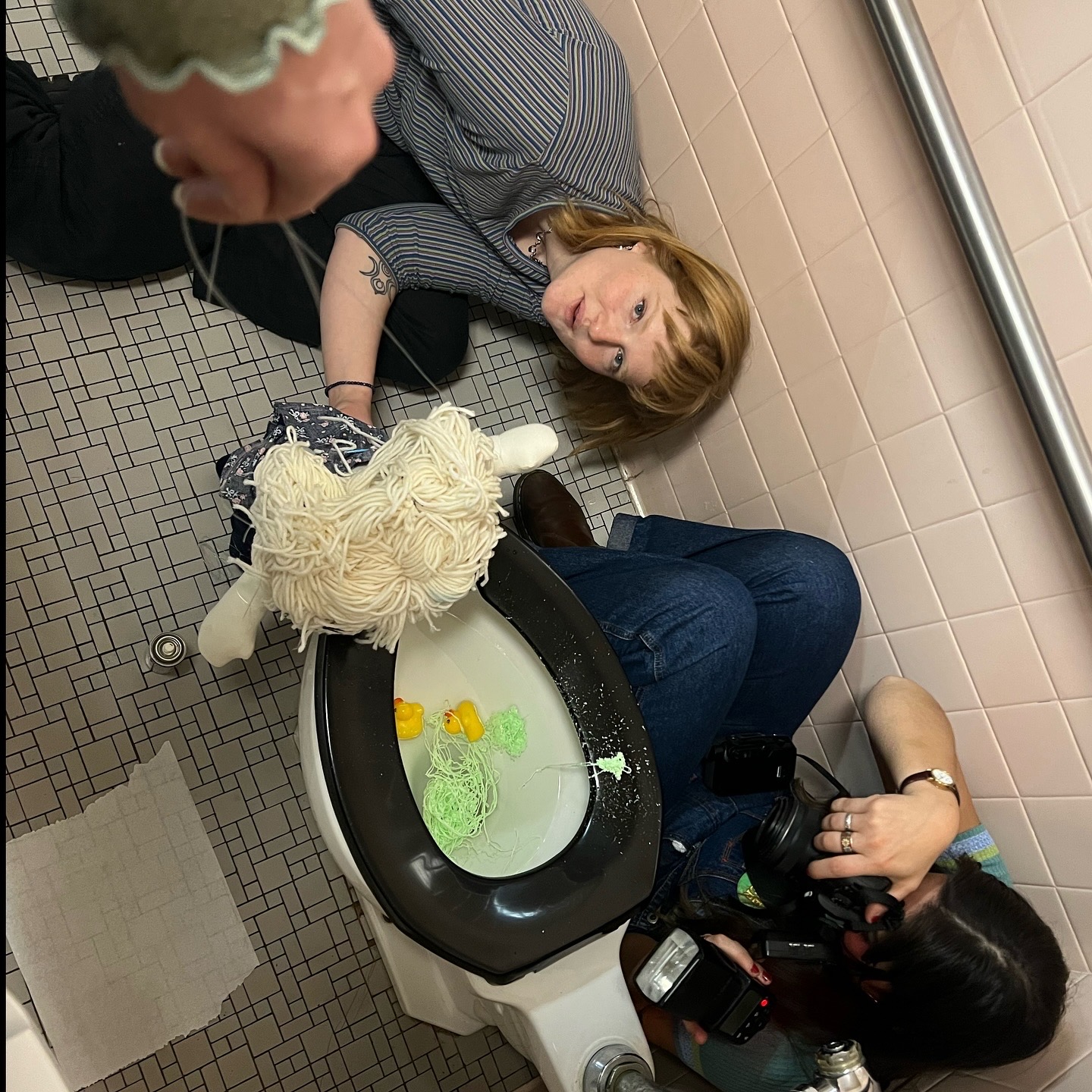
We specialize in what we like to call “unserious jazz.” That basically means any old genre — pop, punk, folk, techno, shoegaze, whatever — played by a bunch of serious jazz musicians who are yearning to be a little unserious for a while.
The musicians in Dilly are all addicted to harmonic and rhythmic complexity, but we never want complexity to become the point. People often tell us that our music is “complex but still interesting to listen to,” which is always an enormous relief to hear. We want the songs to have enough going on that you can listen closely and discover things, but enough heart and groove that you can also turn your brain off and move.
That connects to the other thing Dilly specializes in: bringing out the animal side of the crowd.
The human brain is an astonishingly complex organ, and we would prefer that you not use it too much during our performances. We want people to remember that they also have lungs and limbs and voices and strange impulses. We’ve led group howls. We’ve asked people to blow their dreams, fears, and wishes into balloons and then bonk those balloons around the room during a song. Most recently, we held a whipped cream competition where audience members competed to spray as much whipped cream as possible into other people’s mouths (there was a dairy-free option, rest assured).
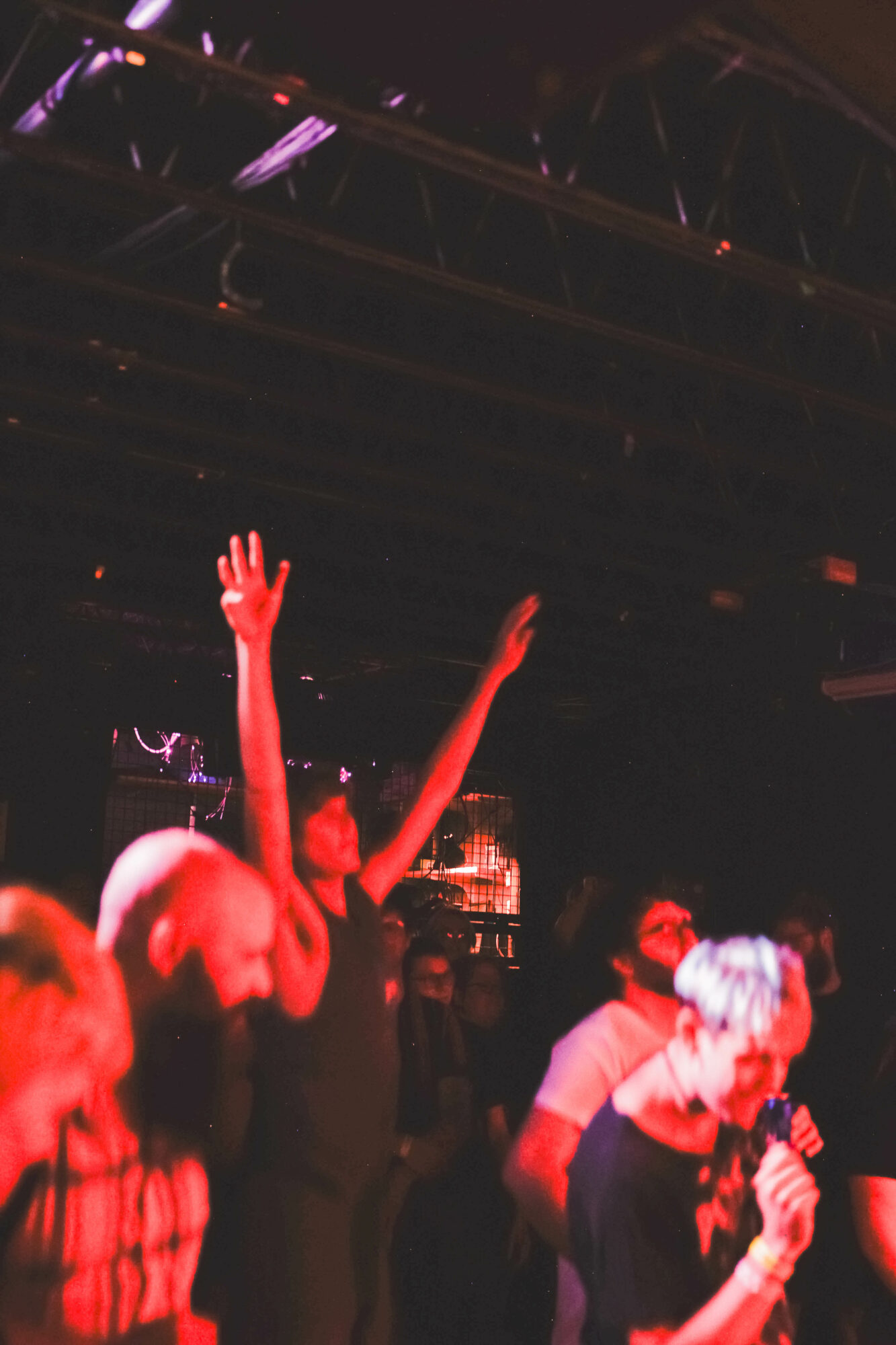
Underneath all the silliness, though, there is something we take pretty seriously. We don’t want the boundary between performer and audience to feel sacred. A Dilly show isn’t supposed to be six musicians making magic while everyone else stands around and watches it happen. We want to create enough invitations into the performance that, eventually, the room itself starts making the show.
That’s probably what I’m proudest of. No matter how complex, catchy, interesting, or boring our music might be to someone on any given night, there is still a place for them inside what we’re creating. You don’t have to understand jazz. You don’t have to know our songs. You don’t even have to think we’re particularly cool. You can howl. You can dance. You can bonk a balloon. You can watch someone get an inadvisable amount of whipped cream sprayed into their mouth. Ideally, by the end of the night, nobody is quite sure where the magic is coming from.
Where we are in life is often partly because of others. Who/what else deserves credit for how your story turned out?
I owe so much to my mom and her unwavering support. She was the first person to make music feel like a language worth speaking, and she has continued to believe in me through every strange turn that language has taken.
I owe my life to a handful of college mentors who had the patience, curiosity, and thoughtfulness to sit with me while I wrestled with ideas – especially when I was trying to combine way too many concepts at once. They were willing to sit with me in that mess for long enough for something to emerge, and I’m lucky to still be connected with a lot of them.
I owe my sanity to my friends and loved ones. They’ve helped me configure the endless logistical puzzles that come with running a band, endured hours of recording cacophony through the walls of shared apartments, offered couches and cars and meals and advice, and, most importantly, given me enormous amounts of space to simply be a mess when life became messy.
But I owe Dilly’s success most of all to my bandmates.
It’s difficult to enumerate the hours, miles, sweat, tears, rehearsals, texts, schlepping, problem-solving, and sheer belief they have poured into this project. I am continually amazed by their commitment to Dilly despite the tiny payouts and endless twists and turns the music industry throws our way. I think we are becoming better musicians in part because we are becoming better at supporting one another. The music gets as deep as the relationships.
There have also been these surprising gifts of attention along the way from the larger music community. People much further along in their careers have sat down with us and shared advice and trade secrets they had absolutely no obligation to share. Musicians right alongside us have compared notes, traded shows, commiserated, celebrated, and helped us figure things out. And people just beginning their own musical journeys have reminded us of things we’d already started to forget.
I’ve come to believe that every point along the journey offers its own kind of wisdom. There’s something wonderfully strange about an industry that can be so difficult to survive in and yet be populated by people who are so extraordinarily generous with one another.
I’m always touched by the people who take the time to sit down and talk about this crazy world with us. Dilly Dally Alley would not be what it is without those conversations, and I certainly wouldn’t be who I am without the people who have been willing to have them.
Contact Info:
- Website: https://www.dillydallyalleyband.com
- Instagram: https://www.instagram.com/dillydallyalleymusic/
- Facebook: https://www.facebook.com/profile.php?id=100088432012594
- Youtube: https://www.youtube.com/channel/UCIP9daUdeZSQfyUg6m76f2Q
- Soundcloud: https://on.soundcloud.com/L7vDmV4XNq8T9MNS6
- Other: https://linktr.ee/dillydallyalley