



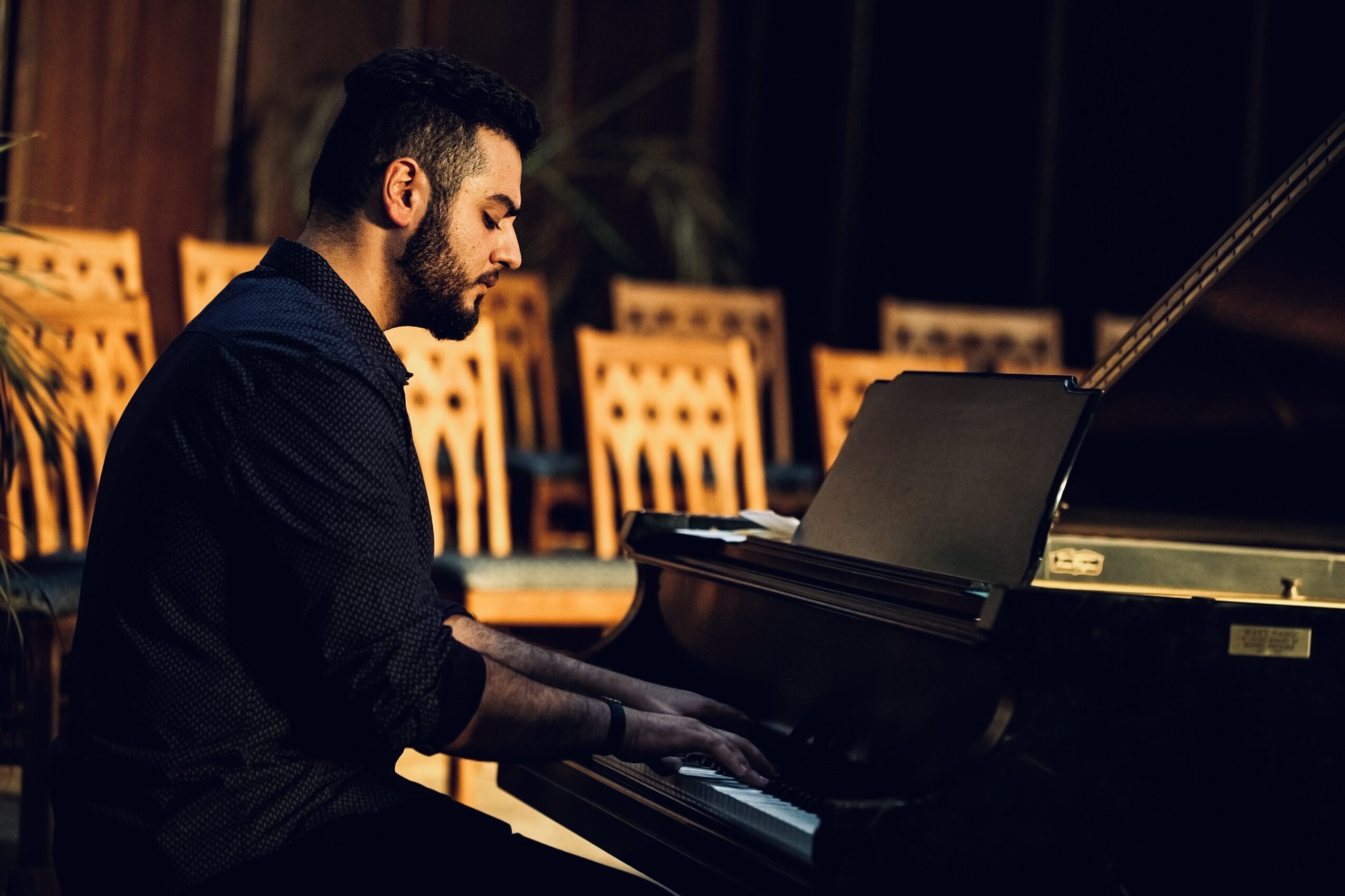
Today we’d like to introduce you to Soroush.
Hi Soroush, thanks for joining us today. We’d love for you to start by introducing yourself.
My story begins in the city of Mashhad, Iran. Growing up, my dad was very focused—and admittedly a bit strict—about helping me build a strong foundation in piano, chess, and English. He knew that in the long run I would likely move to the United States, and he wanted me to have something valuable in my “backpack” when that time came.
Most kids my age were mainly focused on school, and participating in multiple after-school activities wasn’t very common where I grew up. Because of this, I often felt overwhelmed. I felt like I wasn’t enjoying my childhood the way other kids were, and I think that’s what makes my journey with piano so unique.
Many people who work in music will tell you that their instrument was their passion from a very young age. That simply wasn’t the case for me. Until I was about 15—after nearly 10 years of piano lessons—I honestly didn’t enjoy it at all. I was constantly asking my parents to let me quit, and my practicing… let’s just say my teachers had to be extremely patient.
When I finally stopped taking lessons around age 15, I felt like I had won a war. For about three years, I focused on school and figuring out my future. Then, one day, I started playing piano again—this time on my own, in my own space, with no pressure or arguments. That moment changed everything.
For the first time, I realized I didn’t actually hate piano or chess. I loved the fact that I could read music and understand it, just like I appreciated knowing how pieces move on a chessboard. That was when I truly became grateful for what my dad had invested in me. It made me reflect on why I hadn’t felt this way as a child, and I realized it wasn’t the activities themselves—it was the environment and the feeling of being forced. Once that pressure was gone, everything changed.
I returned to piano seriously, but this time on my own terms. At 19, I earned my teaching certification from Aria Music Academy in Mashhad. Around that same time, due to the unstable situation in Iran, I moved to Minnesota completely on my own. Although I had an electric piano, I didn’t play much during my first year. Immigration feels like starting life from scratch, and for a 19-year-old, adjusting to a new country, language, and culture was overwhelming.
Initially, I decided to continue the path I had started back home. I enrolled at Normandale Community College with the goal of eventually majoring in pharmacy at the University of Minnesota. I also began applying for teaching assistant positions. The first music school that hired me as a piano instructor was Prince Music Company, where I taught about six students per week. At the same time, I was working as a bartender to support myself.
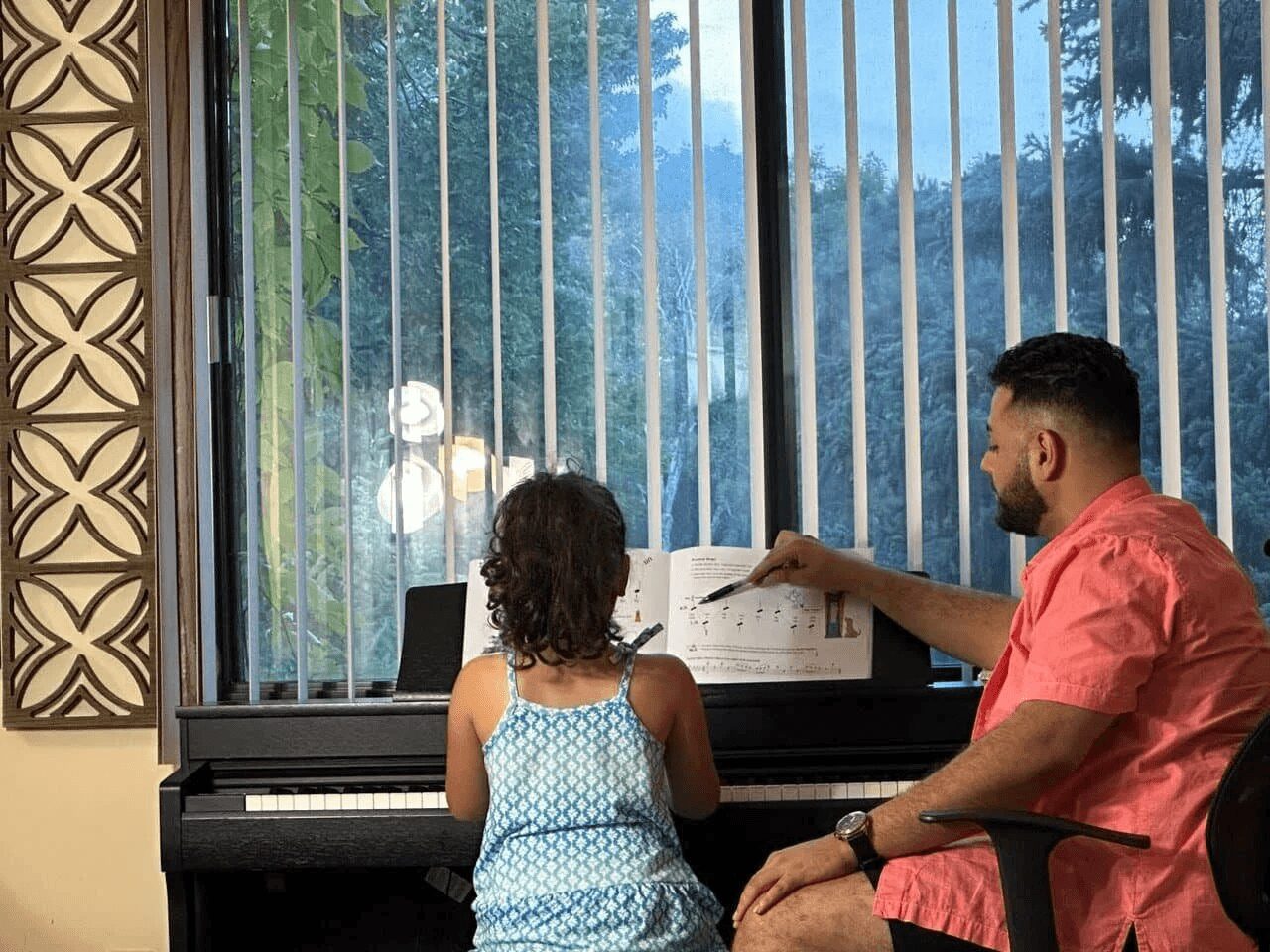
It was with those first few students that something clicked. I realized how much I genuinely enjoyed teaching piano. All those years of resisting piano lessons allowed me to understand kids on a much deeper level—especially those who felt frustrated or overwhelmed. I could see myself in them. That understanding became the foundation of my teaching philosophy.
During this time, my life was incredibly busy. I had two jobs and was a full-time student. My piano career was small, but it was the only part of my week where I truly felt like myself. I constantly debated quitting pharmacy school to pursue piano full-time, but it felt like a huge risk.
Teaching piano was supposed to be a part-time job, yet I found myself deeply invested in my students and the relationships I was building with them. I felt that this work was helping me grow as a person in ways a traditional path might not. Despite advice from family and friends, I became a part-time student and took on more students.
As my teaching load increased, referrals started coming naturally. I also began working with Opus Music Academy, which played a huge role in my growth as an instructor. Eventually, I stopped teaching at Prince Music Company and focused on Opus and my own private students. The next big decision was whether to quit bartending—but teaching after school isn’t always stable, so I kept postponing it.
Then came what I call the worst good thing that ever happened to me. I suffered a serious knee injury while playing basketball and needed major surgery. This forced me to stop bartending for at least six months. At first, it was terrifying. But that time at home became a turning point. I poured all my energy into building my website, advertising, and growing my student base.
Because I couldn’t travel easily, I began teaching from my home—and that’s when the idea of creating a home studio was born. The advertising worked. Students kept coming. By the time I was physically able to return to bartending, I realized I no longer needed to. Piano teaching had become my full-time career.
A few years later, I was teaching around 65 students a week and working six days a week. That’s when I knew it was time to expand. I initially launched “Naji Music School,” offering multiple instruments. But over time, I realized my true strength—and passion—was piano. Teaching piano gave me a voice and perspective that came not from a degree, but from years of working with kids and families of all backgrounds and learning styles.
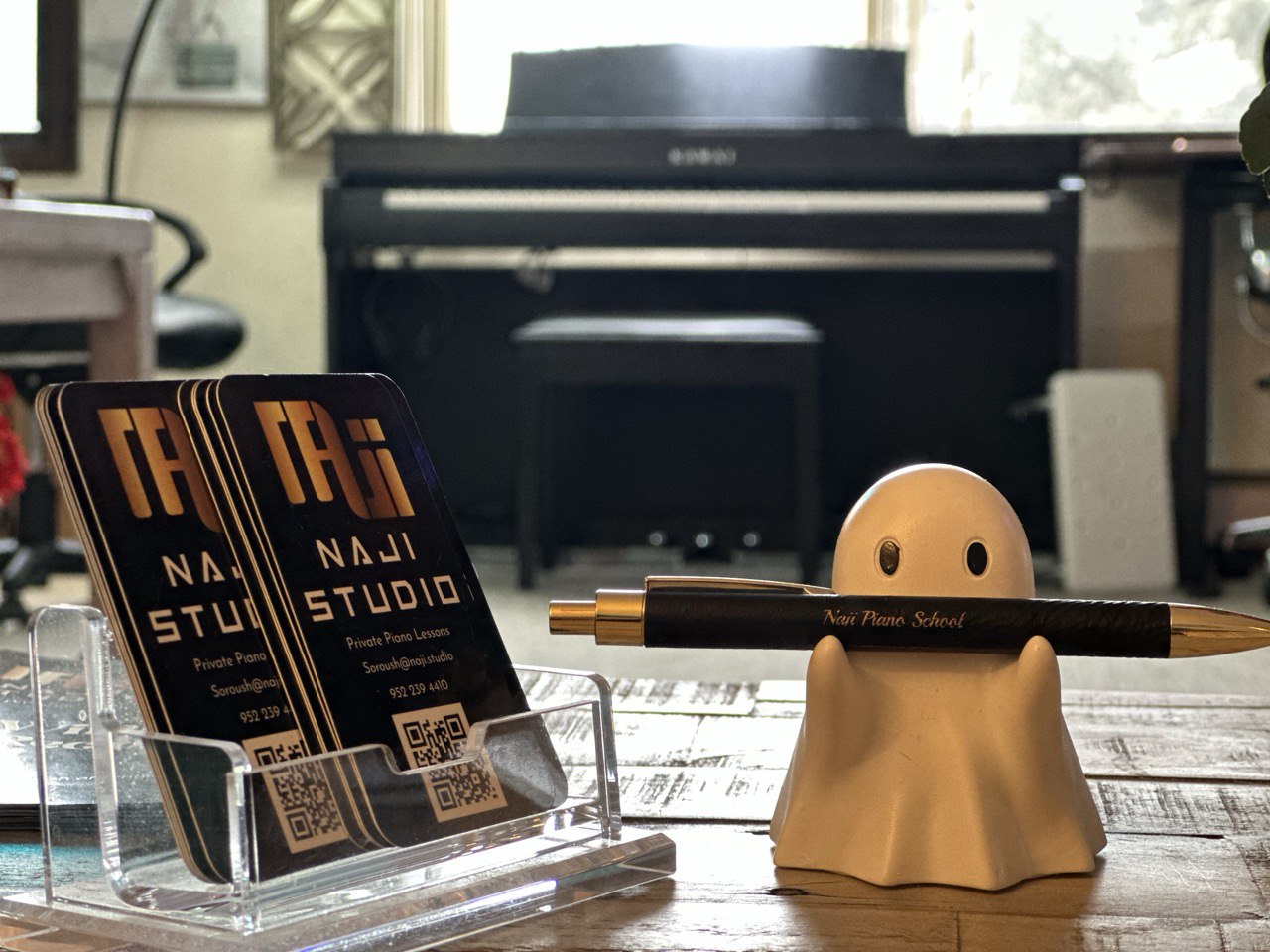
I rebranded as Naji Piano School, choosing to focus entirely on what we do best. Today, my team and I proudly offer piano lessons throughout the Twin Cities, using a modern, compassionate approach that prioritizes understanding, motivation, and long-term growth.
What started as something I once resisted has become the way I connect with my community every single day.
We all face challenges, but looking back would you describe it as a relatively smooth road?
I don’t think any business owner’s road is truly smooth, to be honest. Choosing to start something of your own takes a lot of passion, responsibility, and a willingness to live with uncertainty. My journey was definitely bumpier than most—especially because I was an immigrant.
At 19 years old, living in Minnesota completely on my own, things could have gone south at any moment. I still remember getting into my first car accident in my 2002 Honda Civic when I had only about $400 to my name. Moments like that really test you.
Looking back, the risks I chose to take are what truly brought me to where I am today. Many situations in my life could have taken a completely different turn if I hadn’t trusted my instincts and fully believed in the unique ability I discovered within myself—my ability to connect with the new generation.
For example, when I had my knee surgery, I could have focused only on the pain and the fear of not being able to work. If I hadn’t pushed myself during that time to advertise piano lessons and grow my student base, I probably wouldn’t have had enough students and would have had to return to bartending once I was able to walk normally again.
Another major turning point was my decision to leave Opus, even though it meant risking about a quarter of my income at the time. If I hadn’t made that decision, I truly believe the process of starting my own music school would have been significantly delayed—or might not have happened at all.
If you speak to almost any immigrant from Asia or the Middle East, they’ll tell you their parents sent them to the U.S. to become a doctor, engineer, or pharmacist. When I stood my ground and told my family I was dropping out of school to pursue piano full-time, they looked at me as if I were a withered flower that wouldn’t survive. Nearly everyone in my life believed that being a full-time piano teacher simply wouldn’t work.
Today, with over 60 consistent students on my weekly schedule, I feel a deep sense of pride—especially when people assume I must be teaching piano part-time while doing something else during the day. I’m proud that I built my own music school and committed to it fully. And honestly, I don’t think that outcome would have been possible if the road had been smooth.
Thanks – so what else should our readers know about your work and what you’re currently focused on?
What truly sets me and my business apart is our commitment—and courage—to focus exclusively on piano lessons. Over the years, many financial advisors, website developers, and even fellow music school owners have encouraged me to offer more instruments. While expanding in that way might be tempting from a business perspective, I’ve always believed in focusing on what we genuinely do best.
I am extremely confident in my own ability, as well as my team’s, when it comes to teaching piano. For me, great teaching isn’t just about degrees, certifications, or how well someone can perform on the instrument. When I hire instructors, I focus much more on their mindset as educators.
In interviews, I’m far more interested in questions like: How much would you realistically ask a student to practice? What would you suggest to parents if a student says they want to quit? How would you respond if a child gets overwhelmed or starts crying in the middle of a lesson? What games or creative approaches do you use when a student is tired or losing focus? Those answers tell me far more than a résumé ever could.
At Naji Piano School, we’re not trying to turn kids into traumatized Mozarts or Beethovens overnight. Our goal is to make piano as enjoyable, approachable, and meaningful as possible. We try our absolute best to be a supportive presence in our students’ lives—not just another authority figure telling them what to do.
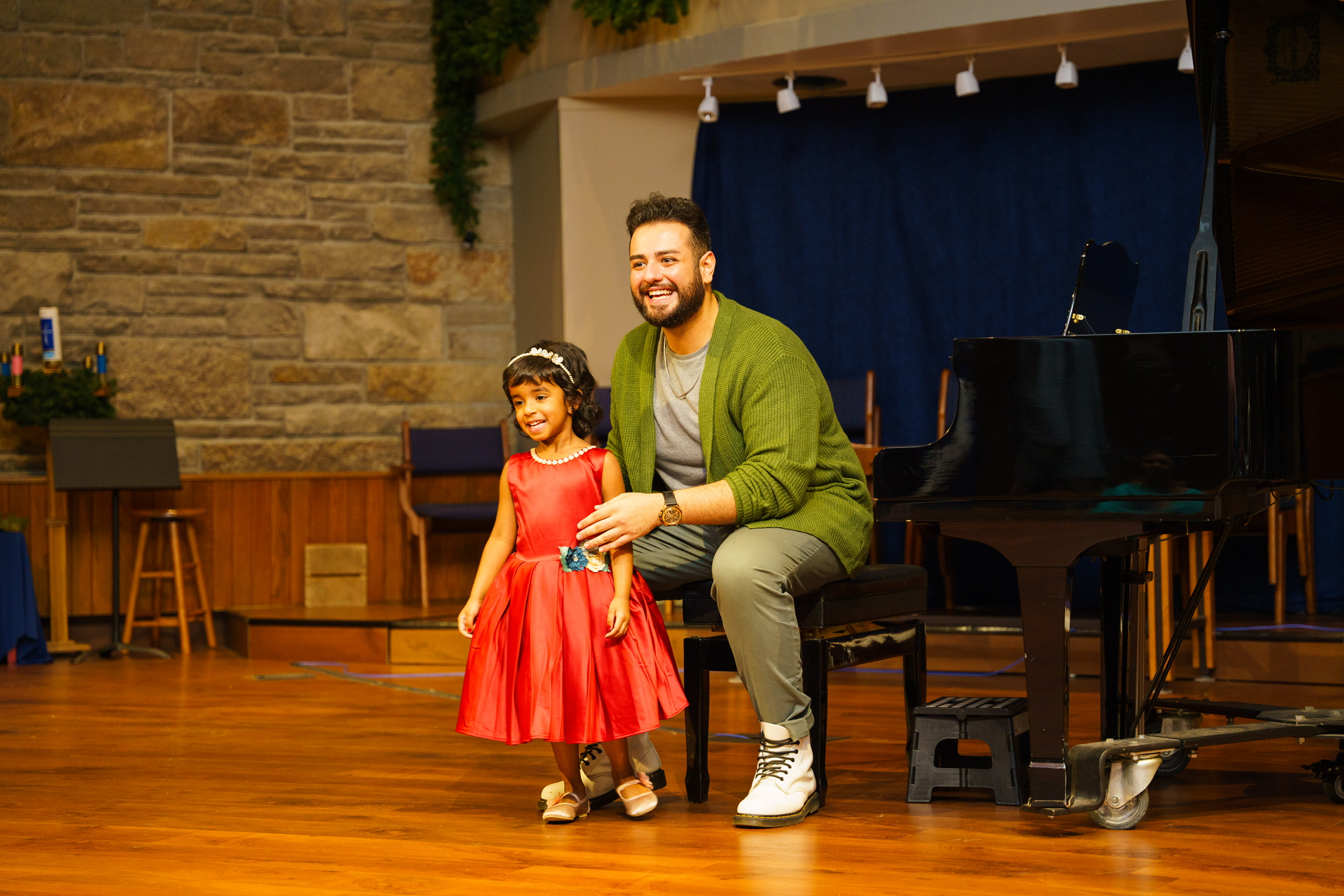
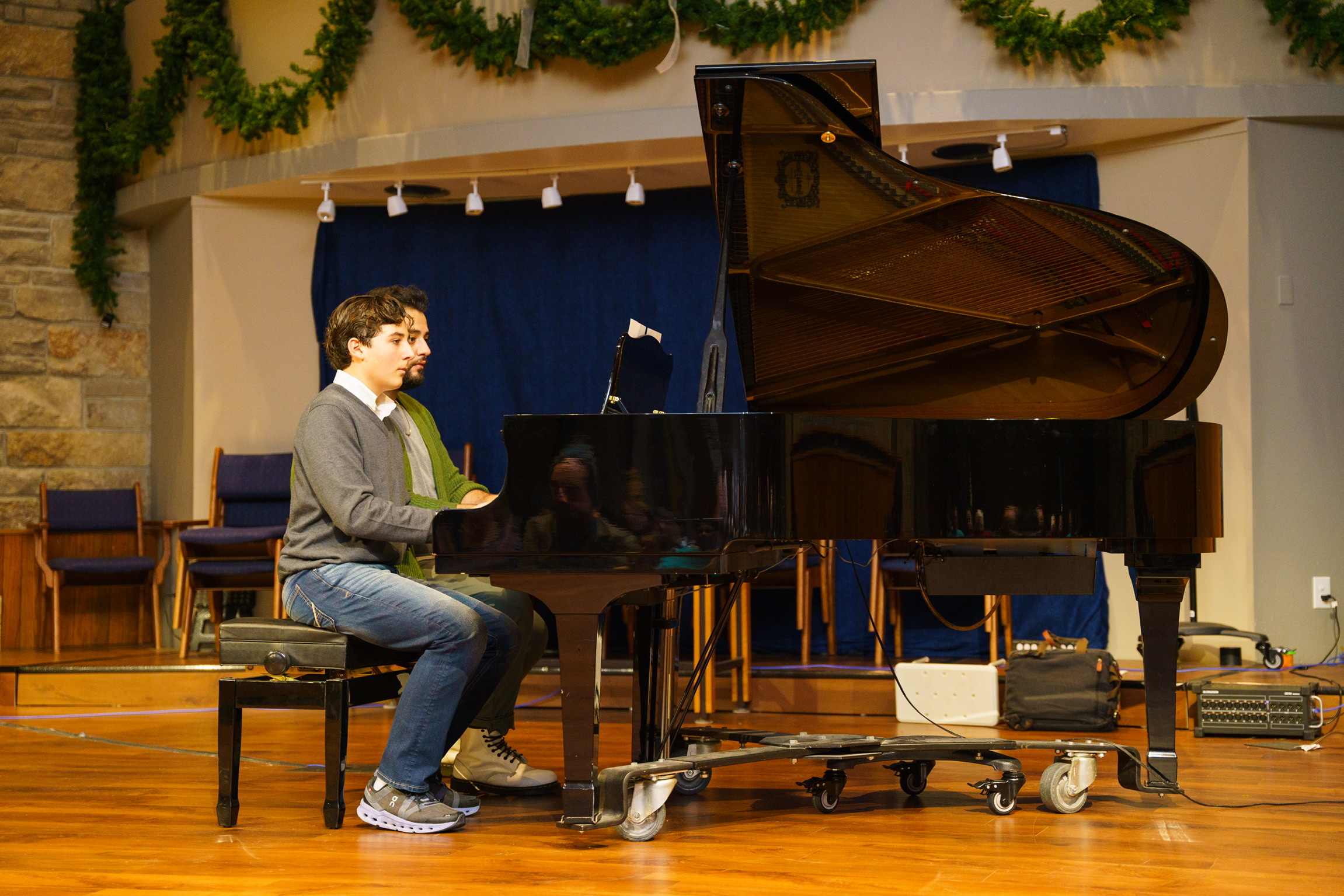
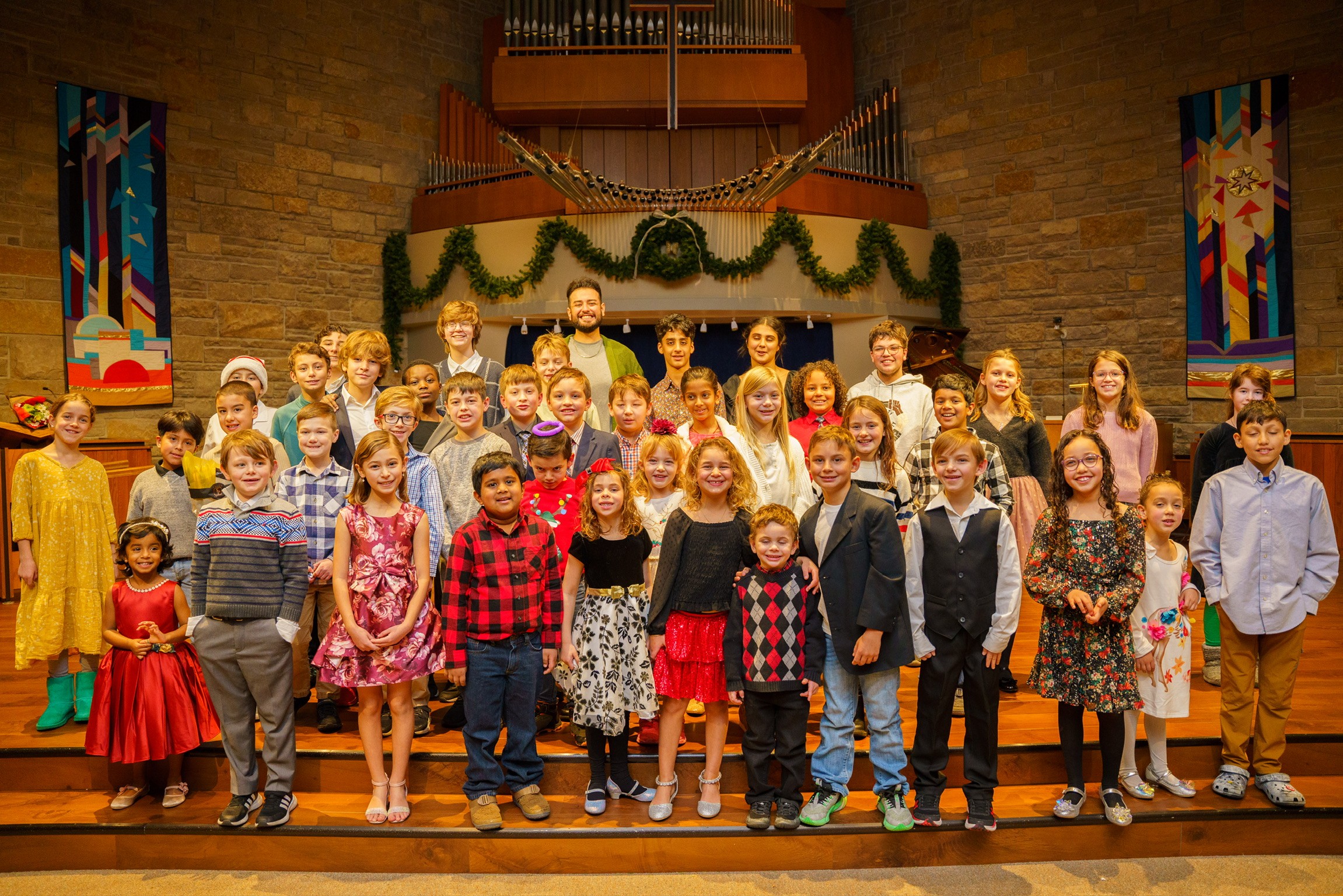
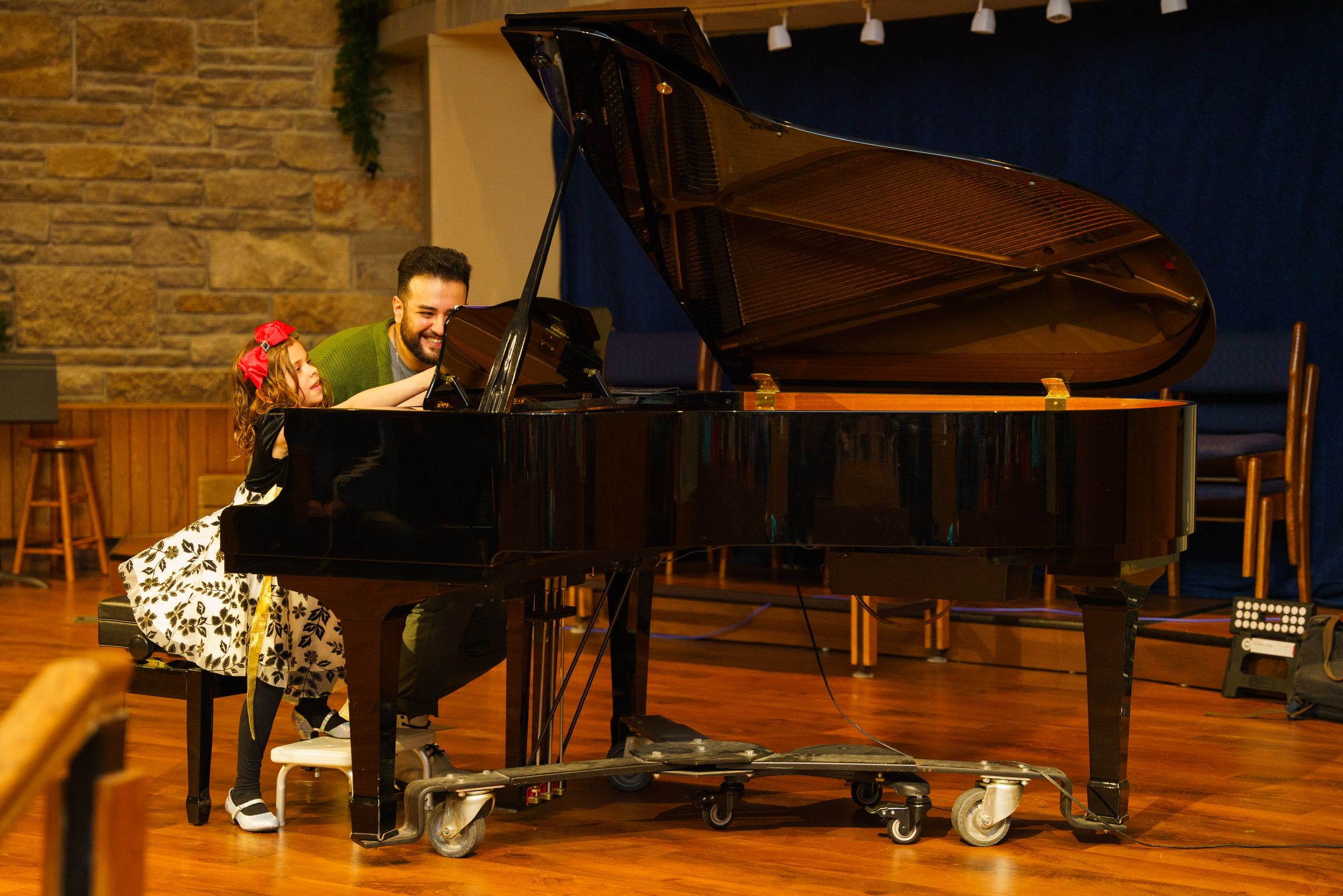
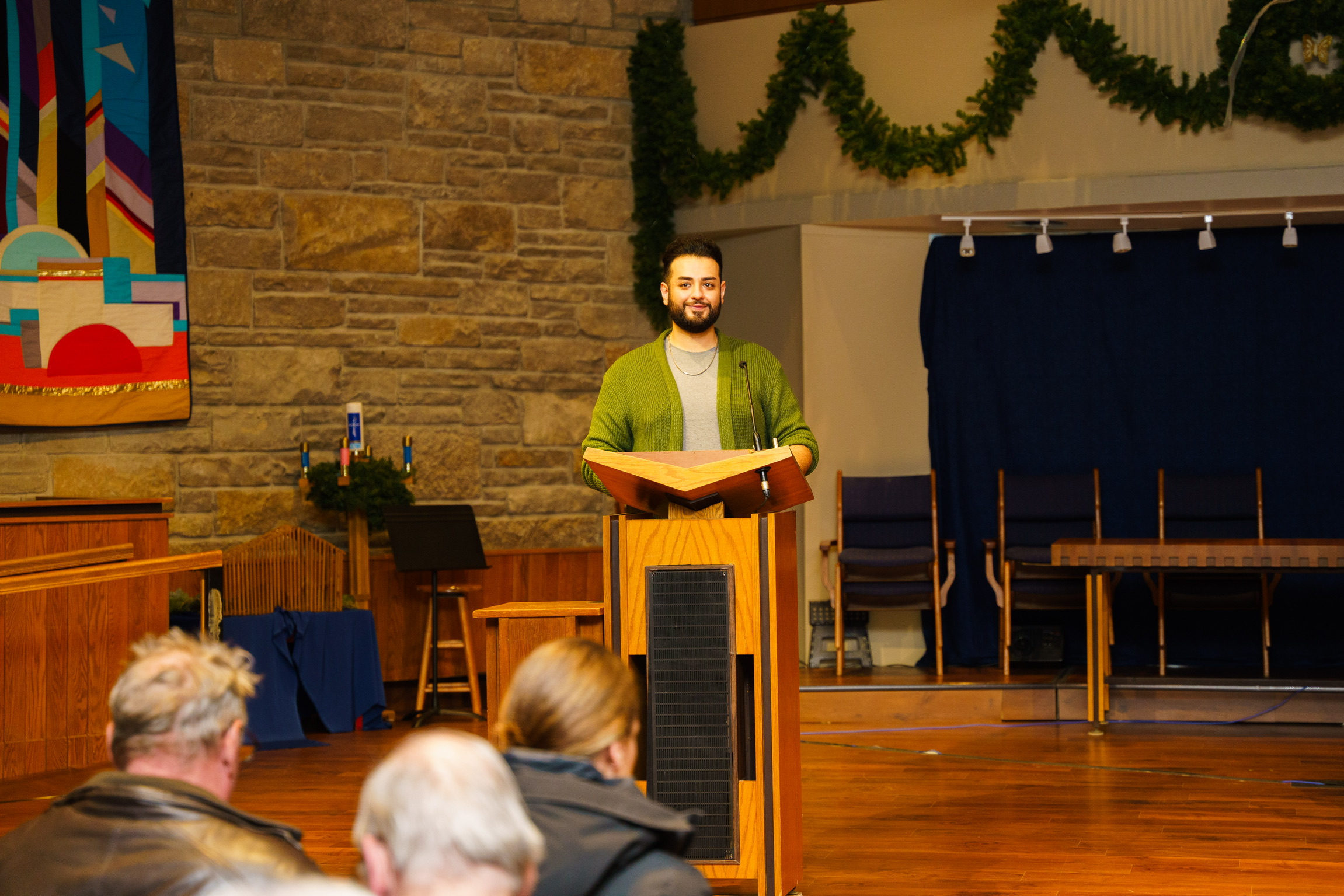
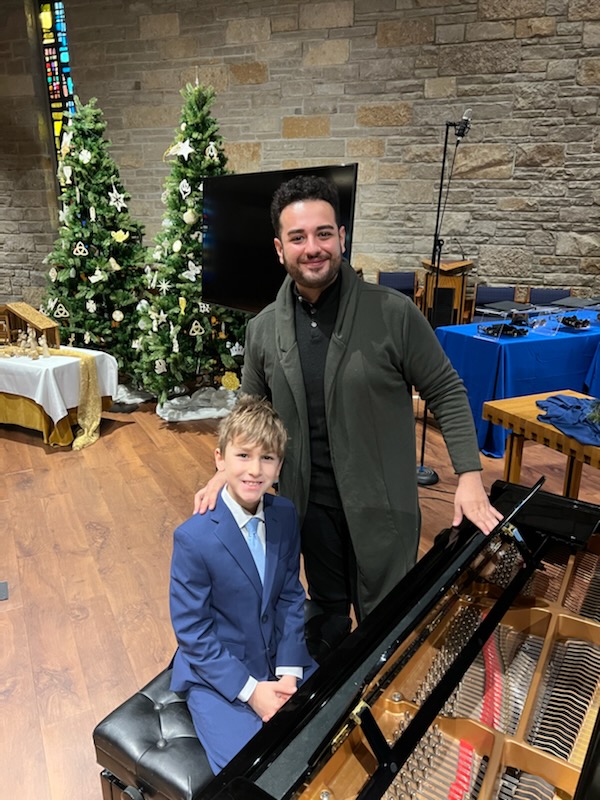
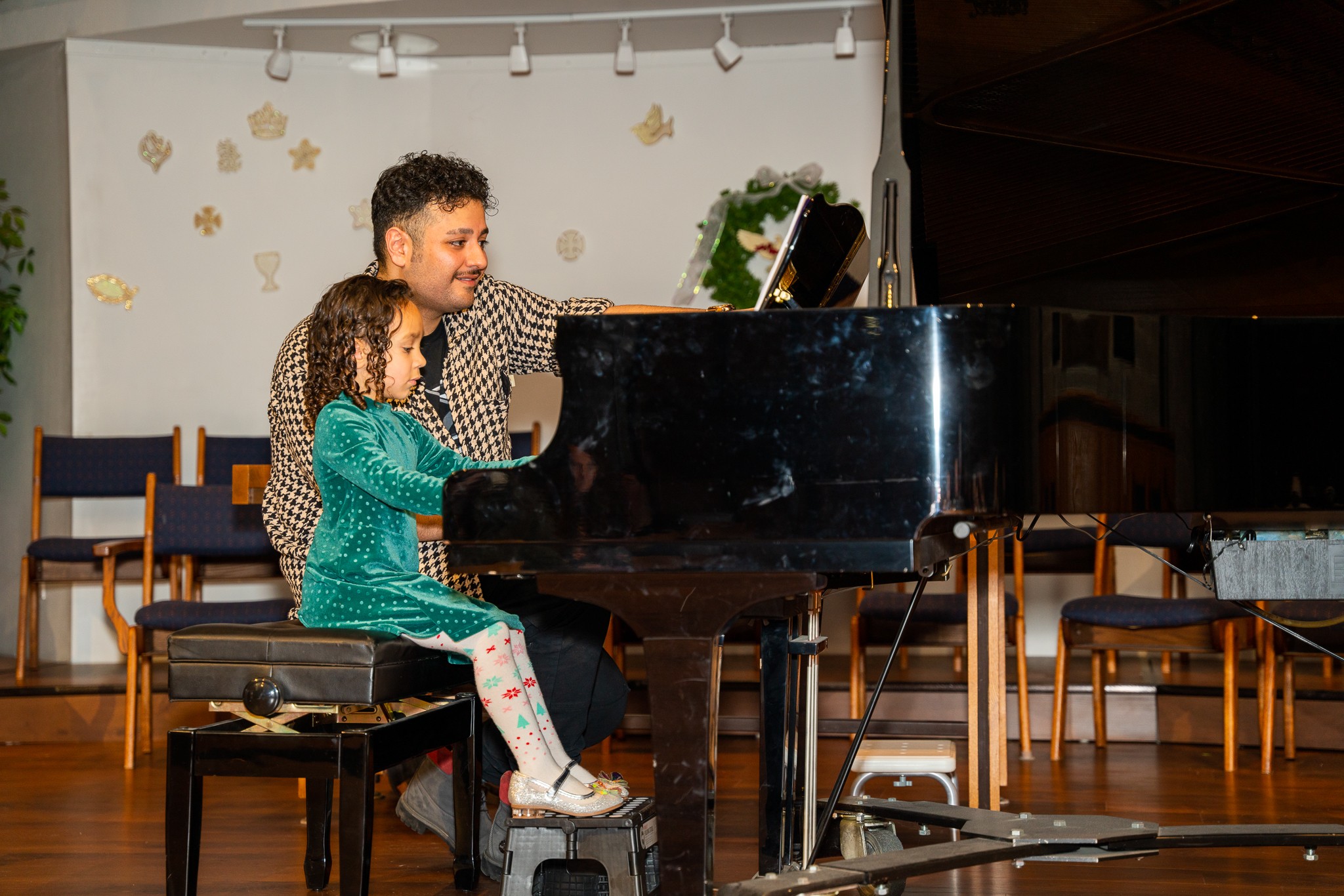
What I’m most proud of, without a doubt, is my students. They are the reason everything works. Our yearly recitals are the most meaningful and beautiful days of my year. Watching students walk on stage, perform with confidence, and light up with pride is incredibly rewarding—especially when I remember that some of those same students once told me how much they disliked piano.
The moments that stay with me most are when a student says, “I’m so excited to play this song,” or “I finished this piece so quickly.” Seeing that spark and helping students build a genuine love for piano—something I personally had to struggle to discover—reminds me exactly why I do this every day.
Another incredibly meaningful part of my work is when families come to me after having a difficult experience elsewhere, worried their child might quit piano altogether. Knowing that I can help that child rediscover confidence and motivation—and knowing I won’t let them down—is one of the most fulfilling feelings in the world.
Do you any memories from childhood that you can share with us?
That’s an interesting question for me, because my answer would have been completely different a few years ago.
For a long time, I felt sadness for my younger self. Throughout my teenage years and even into my early twenties, I carried the belief that I had a difficult childhood. I often compared my memories to the way people describe childhood as the happiest time of their lives, and the fact that I didn’t feel the same way genuinely hurt me.
As I’ve grown—both personally and while building my business—I’ve also done a lot of inner work and healing. Looking back now, my perspective has completely changed. I no longer see my childhood through the lens of what I thought was missing.
Today, my favorite childhood memories are the simplest ones. Every day I hugged my mom. Every walk to the grocery store with my dad. Birthday gifts, my little sister’s birthday, and all the quiet, ordinary moments that didn’t seem special at the time. Every breath my younger self took led me to become the person I am today, and that’s something I feel deeply grateful for now.
Pricing:
- We offer a free trial lesson for all the new students.
Contact Info:
- Website: https://www.naji.studio
- Instagram: https://www.instagram.com/najipianoschool
- Facebook: https://www.facebook.com/Najipiano/
- Youtube: https://youtube.com/@najipianoschool?si=RNHXqieHlkjBMouV
- Yelp: https://m.yelp.com/biz/naji-piano-school-edina