




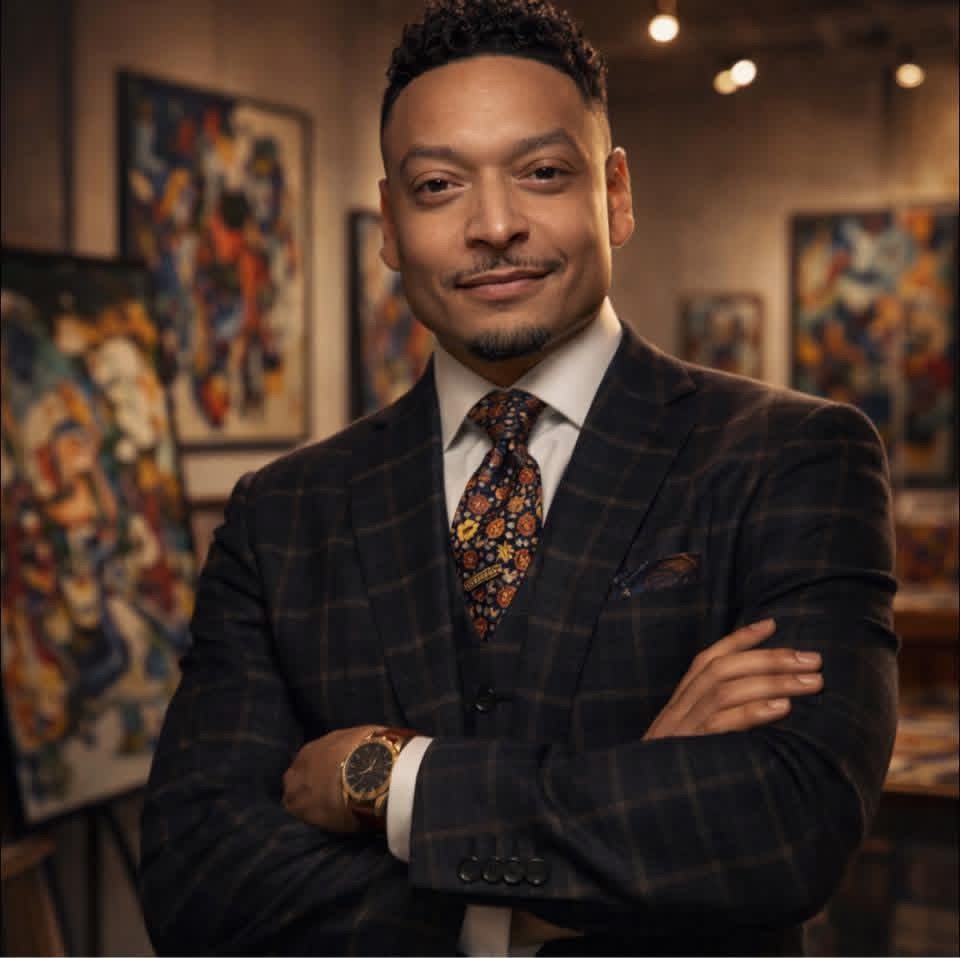
Today we’d like to introduce you to Brandon Jackson.
Alright, so thank you so much for sharing your story and insight with our readers. To kick things off, can you tell us a bit about how you got started?
My story hasn’t been a straight line, and that’s probably what makes it interesting.
I grew up in Minnesota and spent much of my adult life building businesses and sales organizations. Before art, I worked in industries ranging from the spirits industry to cannabis cultivation and hydroponics. I spent over a decade in the cannabis industry, eventually co-founding a company called Hygarden, where we supplied commercial growers and built one of the first membership-based wholesale models in the space.
I’ve always been an entrepreneur, but art was the thread that kept finding its way back into my life.
For years, I collected experiences rather than credentials. I don’t have a bachelor’s degree, but I’ve built companies, led sales teams, raised children, survived a difficult divorce, reinvented myself more than once, and learned how to connect with people from every walk of life. Those experiences taught me as much as any classroom could.
My transition into the art world happened unexpectedly. What started as helping artists connect with buyers evolved into curating exhibitions, placing artwork in corporate and public spaces, and eventually operating galleries. Along the way, I discovered that many artists struggle with the same thing entrepreneurs do: telling their story and finding the right audience.
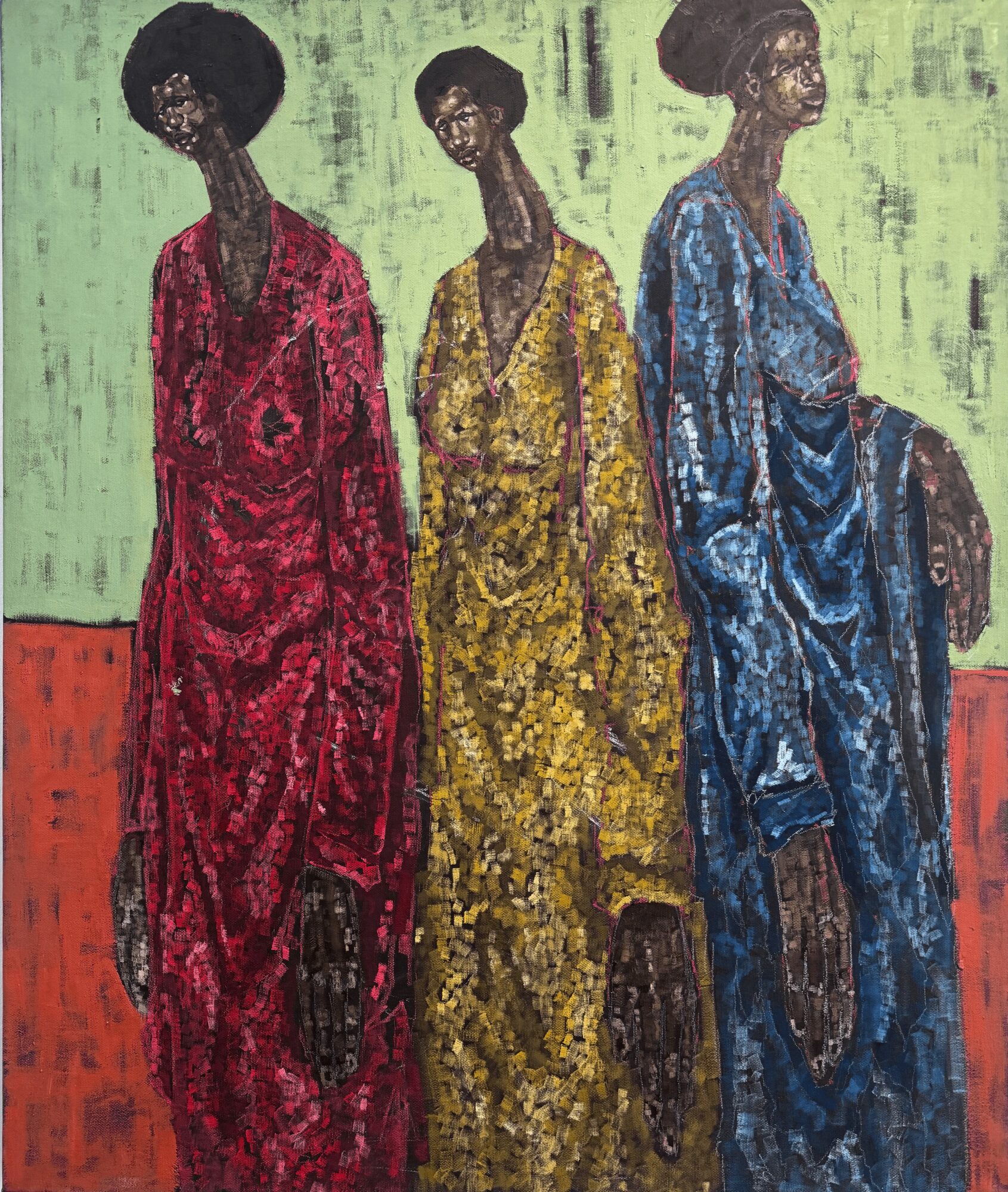
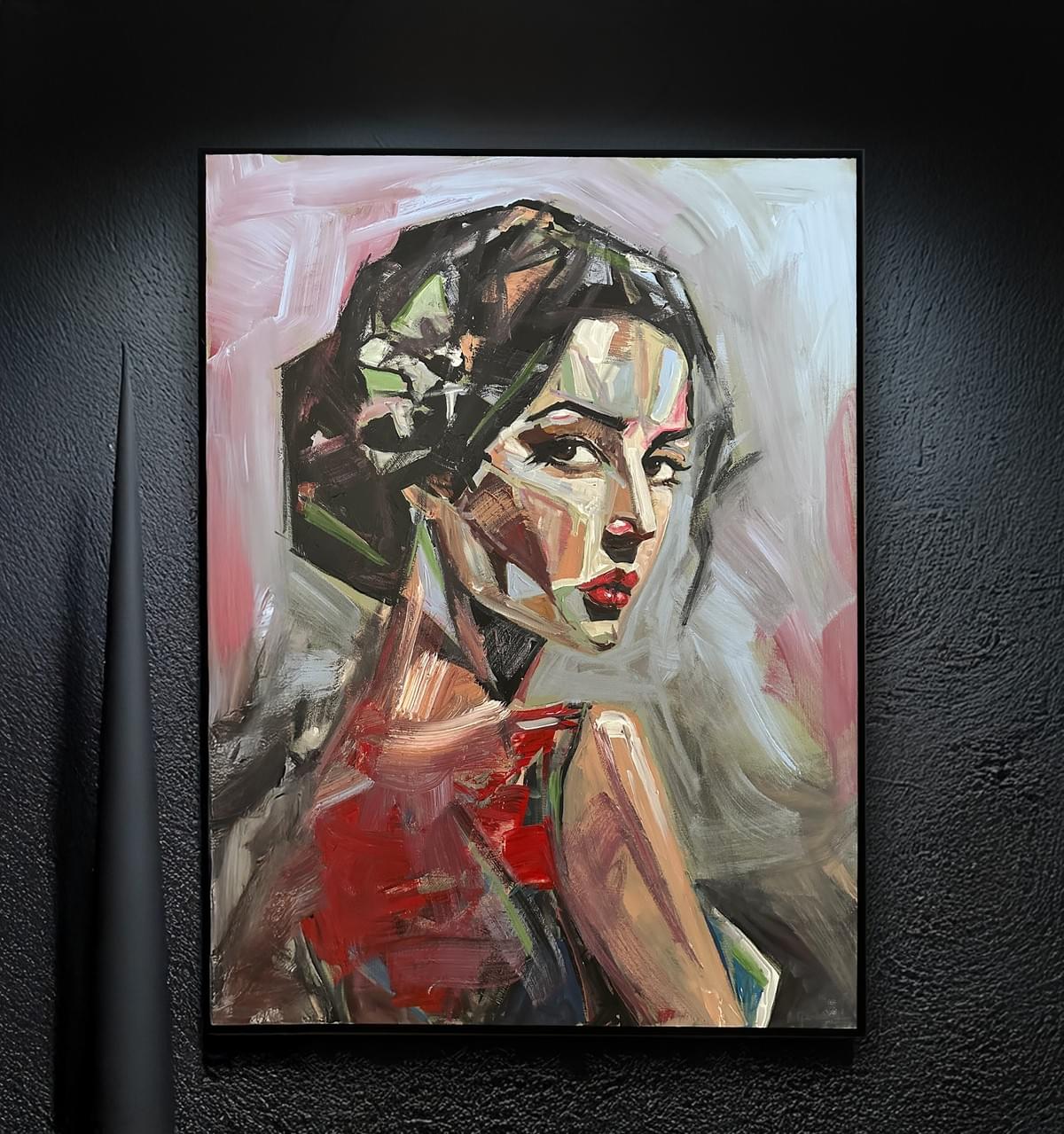
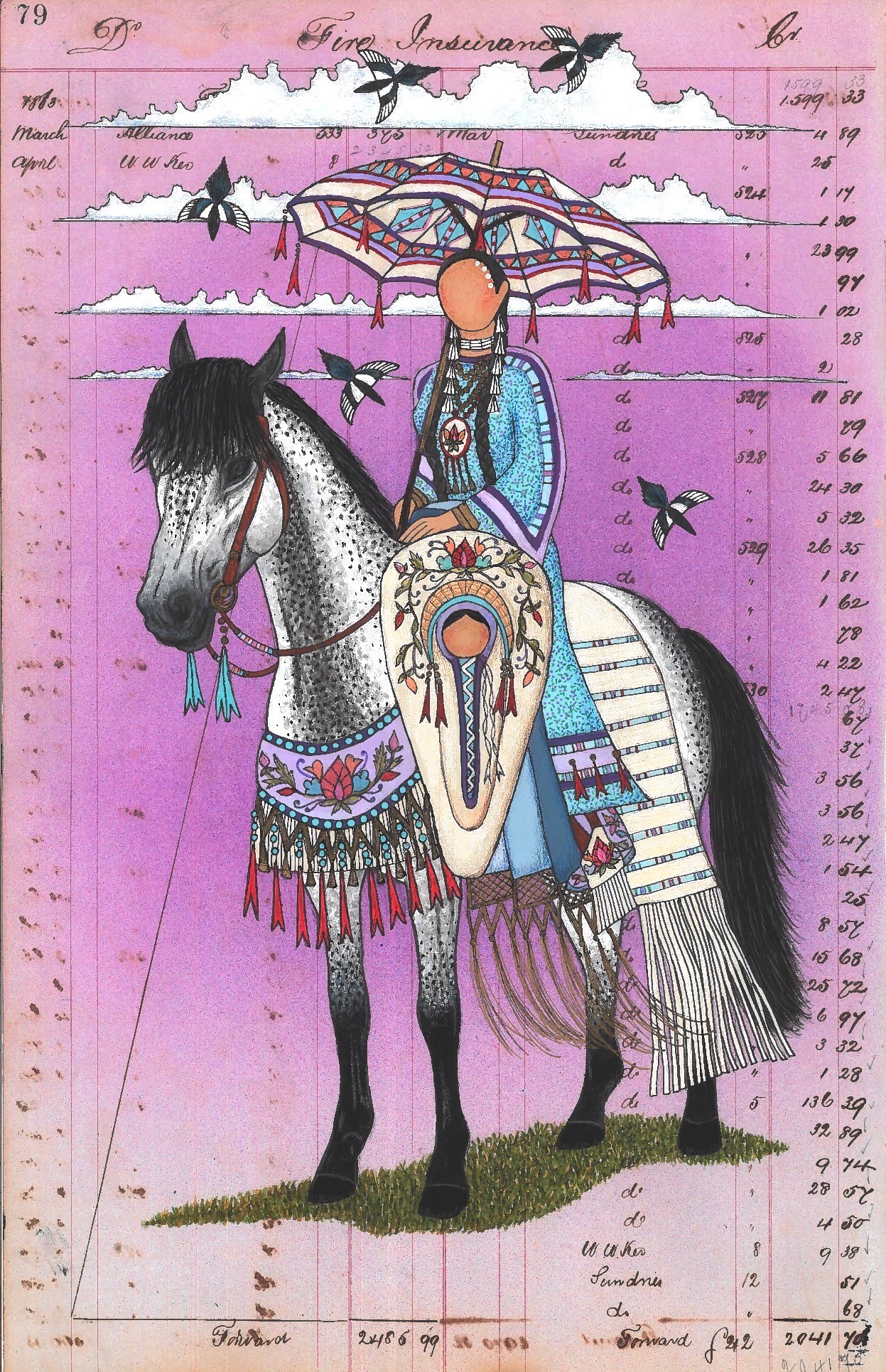
Today, I own and operate Box Wine Gallery in Minneapolis and work closely with emerging and established artists. I’ve curated exhibitions featuring local, national, and international artists, worked with Indigenous artists whose work belongs in major museum collections, and helped bring art into places where people encounter it in their everyday lives rather than only inside traditional gallery walls.
What drives me is creating opportunities. Whether it’s helping an artist sell their first piece, introducing a collector to an artist they’ll never forget, or finding new ways to make art accessible, I’m interested in building bridges.
Looking back, every chapter—from growing cannabis to selling cars, from raising kids to running galleries—prepared me for what I’m doing now. Art wasn’t a departure from my life; it was the place where all of those experiences finally came together.
Can you talk to us a bit about the challenges and lessons you’ve learned along the way. Looking back would you say it’s been easy or smooth in retrospect?
No, it definitely hasn’t been a smooth road.
I’ve reinvented myself multiple times throughout my life. I’ve worked in sales, entrepreneurship, cannabis cultivation, hydroponics, spirits, and now the art world. Every transition came with uncertainty, and more than once I found myself starting over from scratch.
One of the biggest challenges has been learning to keep moving forward when things don’t go according to plan. I’ve experienced business closures, financial setbacks, and personal challenges, including navigating a difficult divorce and periods where I had to fight to maintain relationships with my children. Those experiences tested me in ways that no professional challenge ever could.
Breaking into the art world also came with obstacles. I didn’t come from a traditional art background. I didn’t have a degree in fine arts, established gallery connections, or a roadmap for how to build a career in the industry. I had to rely on persistence, relationship-building, and a willingness to learn from artists, collectors, and mentors along the way.
There were moments when people questioned whether I belonged in the room. But I’ve found that some of my greatest strengths come from having an unconventional background. Years in business taught me how to connect with people, tell stories, negotiate, and create opportunities—skills that have become invaluable in the gallery world.
Looking back, the struggles were often the greatest teachers. They taught me resilience, humility, and empathy. They also gave me a deeper appreciation for artists, many of whom face their own challenges while continuing to create meaningful work. Today, I see every setback as part of the journey that brought me here.
As you know, we’re big fans of Box Wine Gallery. For our readers who might not be as familiar what can you tell them about the brand?
Box Wine Gallery was created to challenge the idea that art galleries have to feel intimidating, exclusive, or reserved for a select few. Located in the heart of downtown Minneapolis at IDS Center, we are building a space where contemporary art, conversation, and community come together in an approachable and unexpected way.
The name itself reflects our philosophy. Just as box wine helped make wine more accessible to everyday people, Box Wine Gallery is about making art more accessible. We believe you don’t need an art history degree, a trust fund, or years of collecting experience to appreciate great art. You simply need curiosity.
We specialize in showcasing emerging and established artists whose work tells compelling stories and sparks conversation. Our exhibitions feature a diverse range of perspectives, with a particular emphasis on artists who bring authenticity, craftsmanship, and unique lived experiences to their work.
What sets us apart is our focus on creating an experience rather than simply displaying artwork. We want people to discover art during their lunch break, while walking through the skyway, after work, or during an evening event. By placing art in one of the most visible and accessible locations in Minneapolis, we’re meeting people where they already are rather than expecting them to seek us out.
As a brand, I’m most proud of our commitment to removing barriers. Art should not feel like a private club. It should feel like an invitation. Whether someone is purchasing their first original artwork or adding to an established collection, we want every visitor to feel welcomed, respected, and inspired.
At Box Wine Gallery, we celebrate the idea that great art belongs in everyday life. We are creating a space where artists gain visibility, collectors discover new voices, and the broader community can engage with contemporary art in a way that feels natural, enjoyable, and accessible.
If readers remember one thing about Box Wine Gallery, I hope it’s this: we’re not trying to change who art is for—we’re simply reminding people that art has always been for everyone.
What’s next?
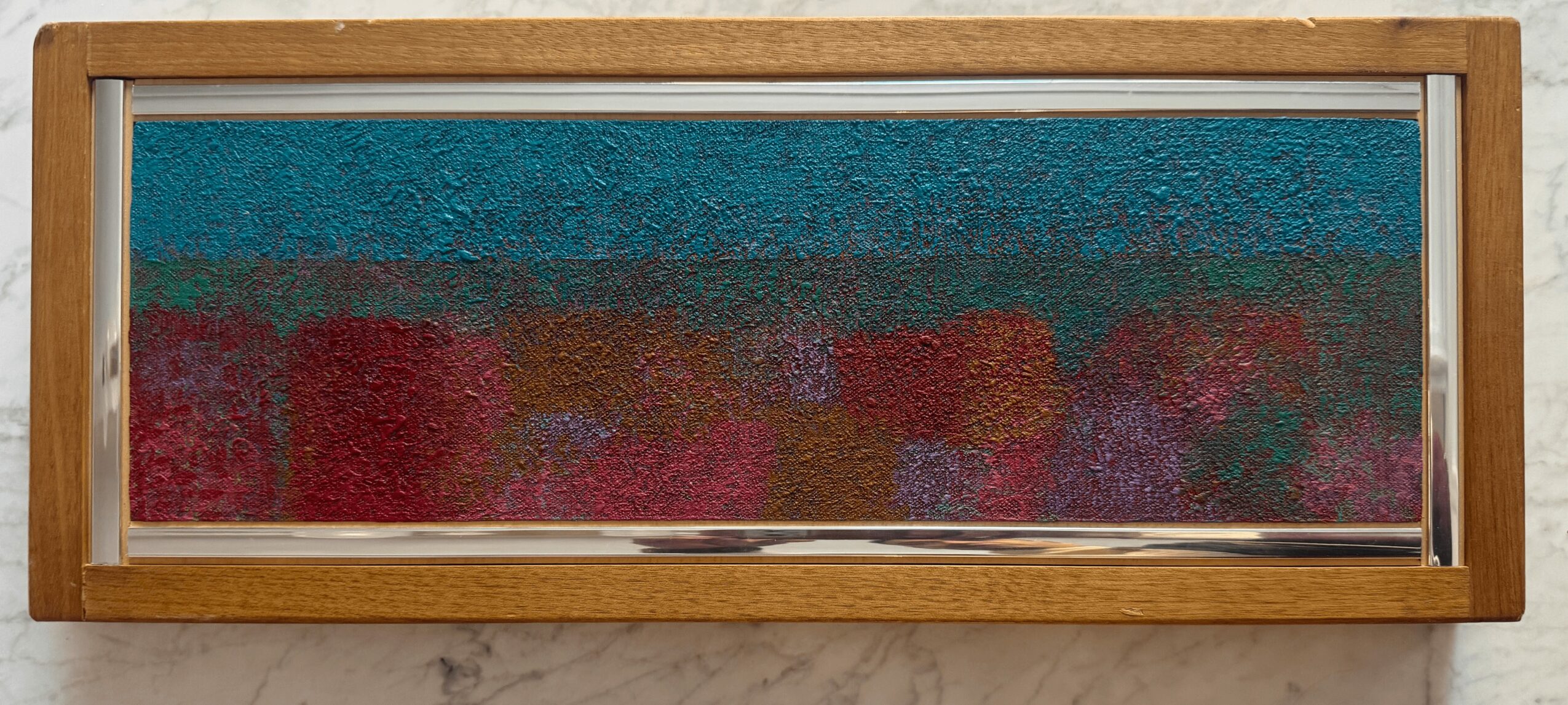
I’m looking forward to representing Christy Dickinson at the Santa Fe Art Fair this July and continuing to expand opportunities for the incredible artists I work with. I’m especially excited about placing George Morrison’s work into institutions and private collections that truly honor, understand, and cherish his legacy.
More broadly, I’m looking forward to helping reshape the art world in meaningful ways. I want to continue advocating for living artists and ensuring they receive recognition while they are actively creating—not decades later when the market or museums finally decide they are worthy of attention. I’m particularly passionate about giving women artists their flowers while they’re in their prime, celebrating their contributions in real time rather than waiting until they are 70 or 80 years old to acknowledge their impact.
I’m also committed to representing artists from a wide range of cultural backgrounds and lived experiences. The future I’m working toward is one where the art world better reflects the diversity, talent, and perspectives that already exist. Through Box Wine Gallery, I hope to continue creating opportunities, building visibility, and helping collectors and institutions connect with artists whose work deserves to be seen, supported, and celebrated.
Contact Info:
- Website: https://EmbellishWithArt.com
- Instagram: Boxwinegallery