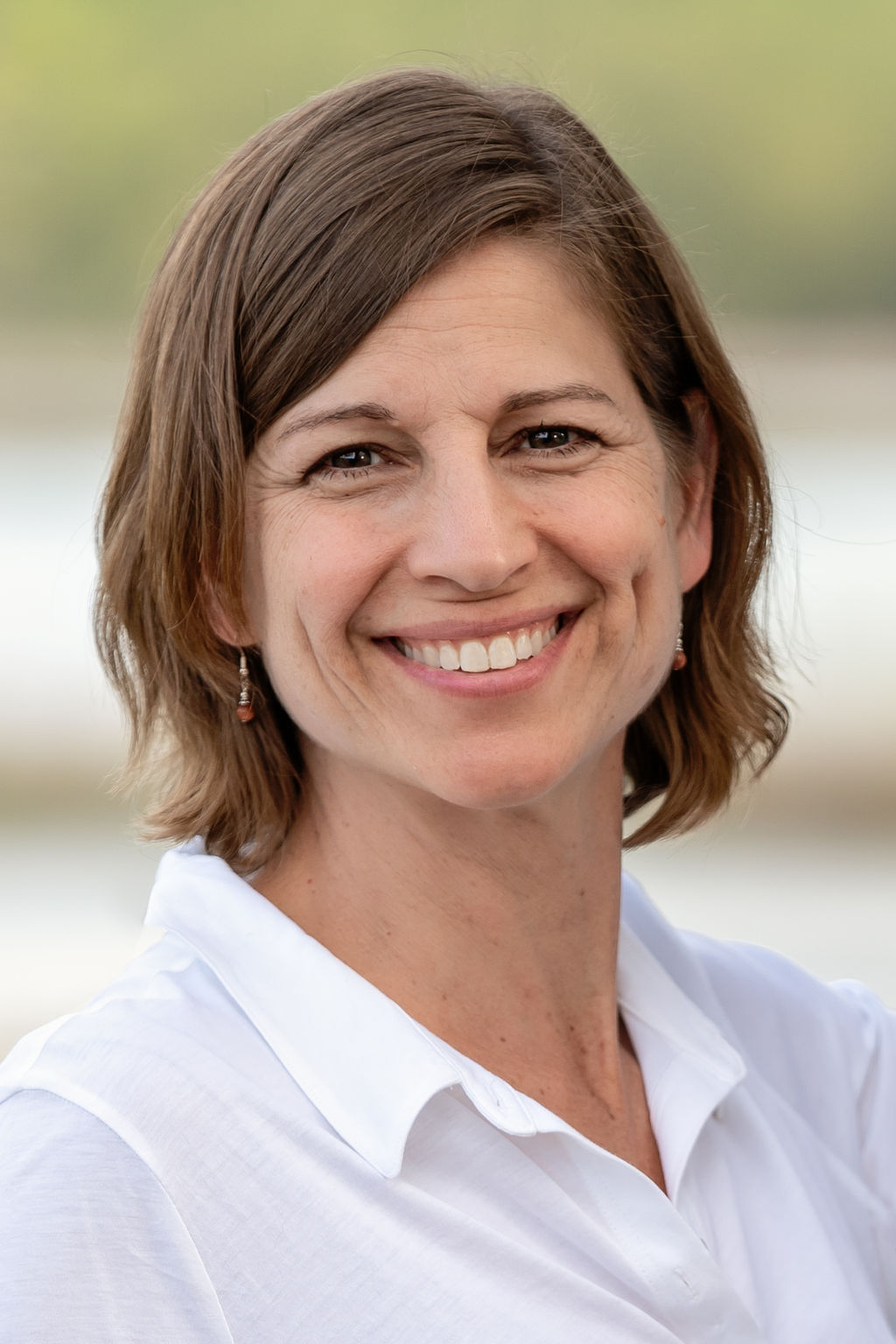





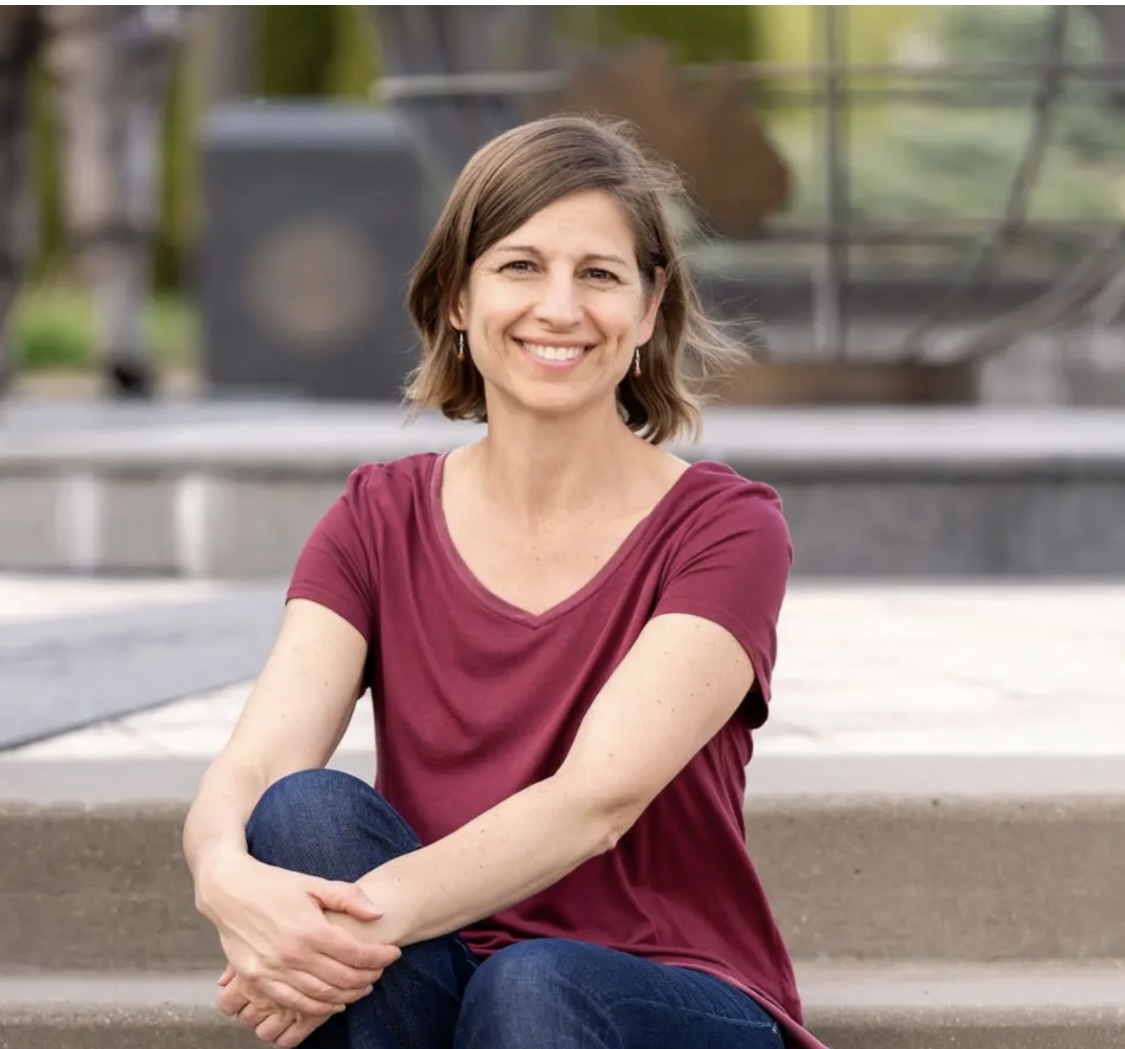
Today we’d like to introduce you to Lenora Lemke.
Hi Lenora, please kick things off for us with an introduction to yourself and your story.
I never imagined that I would become a psychotherapist. My interest in psychology actually grew out of my earlier profession as a personal trainer. Personal training came very naturally to me because I’ve always been a physical person. Sports, fitness, and movement have always brought me joy and love from within.
Even as a child, I was quite intuitive and deeply interested in people. However, I had very little exposure to meditation or other forms of introspection while I was growing up. What I did have though, was a great deal of time alone in nature. Those moments of solitude gave me space to reflect on life and process my emotions, and in many ways they helped me develop a rich inner world.
So, while I was working as a personal trainer and health coach, I began to notice something interesting. Many of my clients struggled not because they lacked discipline or motivation, but because they were facing deeper (often unconscious) mental and emotional blocks that prevented them from reaching their goals. This realization inspired me to start studying psychology so that I could better support both myself and the people I was working with.
Over time, I began to notice a very clear connection between a person’s emotional life, their personality patterns, and the way their body holds tension. These patterns often revealed themselves through posture, muscle tightness, mobility limitations, and other physical expressions.
Around that time, I discovered the field of Somatic Psychotherapy. When I learned that there was a somatic psychotherapy school in my area, I had a feeling of knowing that this was something I needed to pursue. Somatic psychotherapy felt like the perfect bridge between my intuitive understanding of the body and my growing interest in psychology.
To my surprise, I became deeply passionate about this field. I studied somatic psychotherapy for three years and eventually earned a Master’s degree in Counseling Psychology from the California Institute of Integral Studies. I also became a Licensed Marriage and Family Therapist.
Today, my work integrates somatic psychotherapy, health coaching, and personal training. Many of my clients benefit greatly from this integrated approach because it allows us to work with both the mind and the body at the same time.
I’m sure it wasn’t obstacle-free, but would you say the journey has been fairly smooth so far?
When it comes to building my business, many things have gone quite smoothly. I was fortunate to receive some training early on about how to build and sustain a business. I also feel incredibly grateful that throughout the 20+ years of my private practice, my work has remained deeply aligned with my heart and my sense of purpose.
The most significant challenges have come from having to rebuild my business from the ground up when relocating. I’ve relocated to a new state three different times, and each move required me to rebuild my practice from the ground up.
Another major challenge has been my own chronic health issues, which began when I was 22 years old. But while these health issues have required a tremendous amount of time and effort, they have also profoundly deepened my awareness of the body.
Thanks – so what else should our readers know about Lenora Lemke, Holistic Health and Life Caoch?
From the very beginning, I chose to work as a holistic practitioner. Much of this decision was influenced by what I learned through my own health challenges.
About two decades ago, I noticed that while the medical field had many highly skilled specialists, there were very few practitioners who looked at the whole person. So, at that time, I made a conscious decision to become the kind of holistic practitioner that I had personally been searching for.
Over the years, I have been fortunate to train in several powerful healing modalities, including Gestalt therapy, Somatic Experiencing, Z-Health, Postural Restoration, parts work (such as Internal Family Systems and Ego State therapy), AEDP, and Brainspotting.
These trainings, along with my own health journey, have taught me that when there is a problem in one part of the body, it is rarely isolated. More often than not, it is connected to multiple systems within the body.
I also learned that factors such as stress, nutrition, movement patterns, and unresolved emotional experiences or past trauma can all influence the same physical symptom.
Because of this, I strongly believe in addressing the root cause of an issue rather than simply treating the surface-level symptoms.
So maybe we end on discussing what matters most to you and why?
Some things that bring me happiness…
Looking into an infant’s eyes and seeing pure uninhibited joy and love. Playing with animals. Going for walks surrounded by nature. Dance and movement. Having close intimate connections with friends. Humor, creativity, and laughing with others.
Some of my thoughts about happiness in general…
For me, happiness is closely connected to the ability to stay present.
No matter what life brings us, it is still possible to experience moments of contentment and peace. That doesn’t mean that we should feel happy all the time. Rather, it means that we are willing and making a conscious choice to stay present with whatever emotions that arise – whether that is grief, sadness, anger, or even fear.
When we allow ourselves to fully experience these emotions and remain present with them, something very real and deeply alive can emerge from that experience.
For example, I once experienced severe back pain due to my chronic health issue. The pain was so intense that I had to lie on the floor for most of the day for several weeks. At times, the pain was overwhelming.
Yet during that period of my life, I had already developed the ability to stay present with my pain instead of resisting it. Rather than fighting the experience, I allowed the pain and the emotions that came with it, to move through me.
Interestingly, during those weeks I actually felt very clear and grounded. My ability to stay present in a deeply meditative way grew significantly because I spent so much time slowing down, connecting with my breath, and feeling the support of the floor beneath me. When coming out of the difficult experience, I had even more joy than I have before the pain had started.
Someone once told me something that stayed with me: no matter what happens in life, you will always have time and you will always have your breath.
Another teaching that has deeply influenced me is this simple equation –
Pain × Resistance = Suffering
In other words, when we try to suppress or avoid pain, we often end up intensifying our suffering. We may spiral into emotional distress, feel disconnected from ourselves, or become stuck.
Instead, we can learn to stay present with what we are experiencing at that moment. We can become the nurturing and compassionate adult for ourselves, by holding space for our own emotions with patience, love and care.
We can reconnect with the world around us by feeling the sunlight on our skin, noticing the ground beneath our feet, and allowing ourselves to feel supported by the environment around us. And we can connect with others.
Of course, there are many things that contribute to happiness, such as meaningful relationships, supportive communities, good health, engaging in activities we love, and having a sense of purpose in life.
But one thing I’ve noticed is that happy people are not those who never experience sadness or difficulty. Rather, they are people who feel okay allowing themselves the full experience of their emotions, attend to their needs, and reach out to others when they need support. Because of this, they tend to move through difficult emotions more fluidly and return to a sense of happiness more quickly.
And often, they develop a deep trust in the flow of life and a deeper understanding of the reality that everything and everyone is connected.
Contact Info:
- Website: https://www.lenoralemke.com