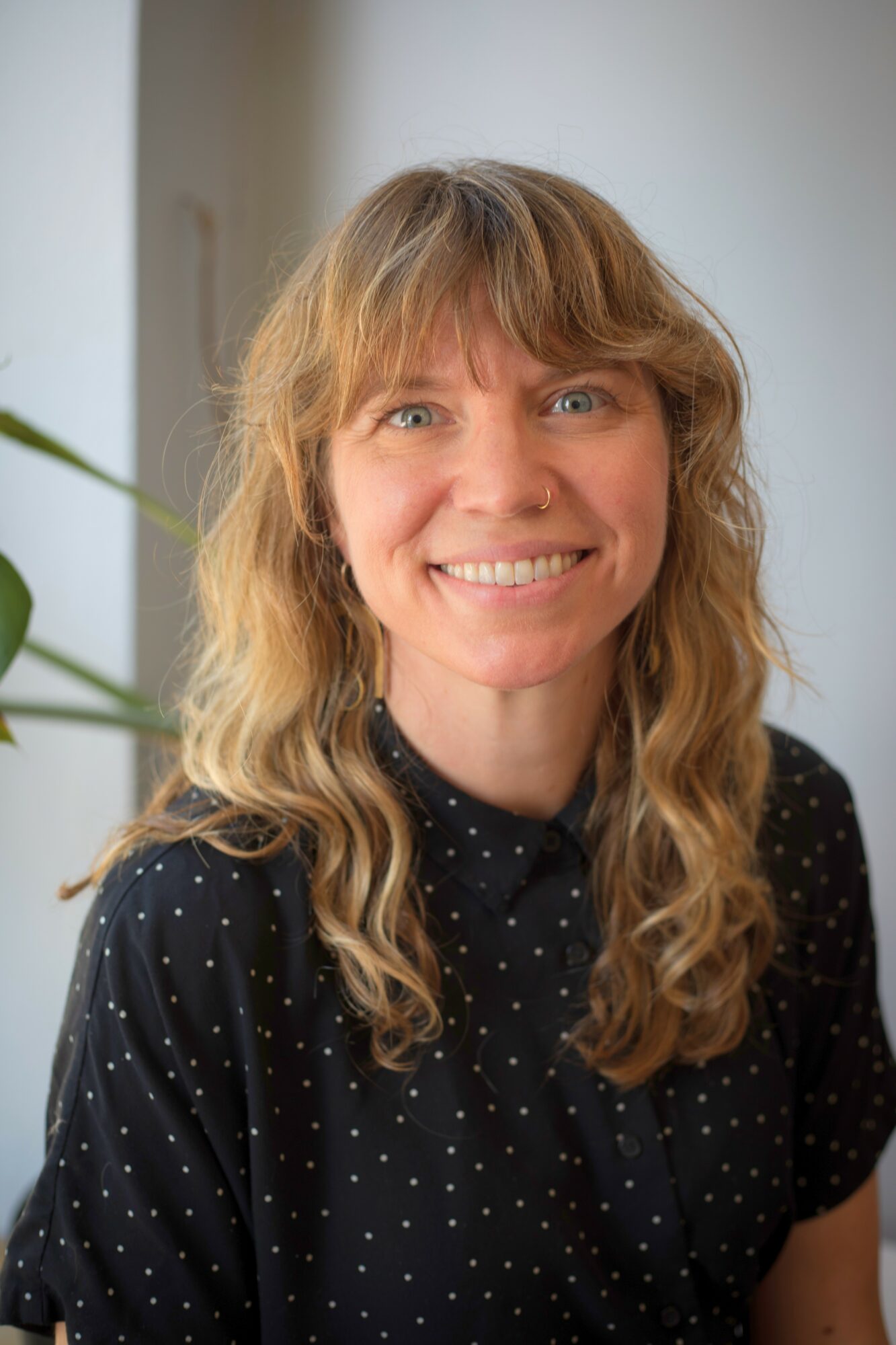




Today we’d like to introduce you to Anne Kleeberger.
Hi Anne, it’s an honor to have you on the platform. Thanks for taking the time to share your story with us – to start maybe you can share some of your backstory with our readers?
I actually came to acupuncture through my own experience as an athlete. I studied Kinesiology at the University of Wisconsin–Eau Claire, where I played collegiate soccer as a goalkeeper. After college, I got really into long-distance running, which eventually led me to some pretty persistent aches and injuries.
After graduating, I moved to South Korea and lived there for two years. While I was there, I spent a lot of time trail running in the mountains around Gwangju—and that’s where I first discovered acupuncture. I had one experience I’ll never forget: I could barely walk into the clinic one day, and the next day I was back out hiking. That completely shifted how I understood healing and was my introduction to Traditional Chinese Medicine.
When I came back to Minnesota, I knew I wanted to pursue acupuncture seriously. I enrolled at Northwestern Health Sciences University and had the opportunity to train in a variety of settings across the Twin Cities, including Pillsbury House, University of Minnesota Pediatrics, Courage Kenny, Regions Hospital, and Woodwinds Hospital.
After graduating, I spent seven years at Family Tree Acupuncture in Minneapolis, focusing on reproductive and women’s health. I loved that work, but I also felt a pull toward treating pain and working in a more integrated medical setting. That led me to Hennepin Healthcare, where I worked in their outpatient Integrative Health department, the oldest hospital-based acupuncture program in the country.
That experience really shaped me as a practitioner. We worked closely with other providers, and there was a strong culture of referring patients to preventative care like acupuncture. Our schedules were consistently booked months out, and I had the privilege of treating patients with complex, chronic conditions, many of whom wouldn’t otherwise have access to this kind of care.
In March 2026, the hospital made the decision to close our department. It was a difficult moment, but it also pushed me to take a leap I had been considering for a some time. I decided to open my own practice here in Minneapolis.
Now, at Sinew Center for Integrative Medicine, I focus on perimenopause, pain, mental health, and digestive health, areas that really reflect both my background and the needs I’ve seen in my patients over the years. Long term, my goal is to continue expanding access to acupuncture, especially for patients who typically face barriers to care.
We all face challenges, but looking back would you describe it as a relatively smooth road?
Choosing a career in acupuncture comes with its own set of challenges, especially in the U.S., where it’s still not as widely understood or integrated into mainstream care as it is in many parts of Asia. A big part of the work early on is simply helping patients understand that acupuncture is a valid, evidence-based form of medicine. Building that trust takes time.
Like many people in healthcare, one of the most difficult periods for me was the COVID-19 pandemic. I was eight months pregnant when everything shut down, and I didn’t return to the clinic for seven months. Going back to hands-on patient care with a newborn at home was honestly scary. But acupuncture isn’t something you can easily shift to telehealth, so we adapted the best we could, full PPE, long days, and a lot of uncertainty.
Another layer of challenge came from working in a county hospital during times of intense stress in our community. Many of my patients are immigrants, and during Operation Metro Surge in Minneapolis, I saw a noticeable shift, patients who were already vulnerable became even more anxious, and some stopped coming in altogether out of fear. There was a real sense of uncertainty, both inside and outside the clinic. At the same time, my kids’ school community was directly affected, and there was an emotional weight to caring for patients navigating that fear while also holding it in my own personal life.
Then, shortly after a series of tragic events in our community due to ICE, we received the news that our clinic at Hennepin Healthcare would be closing. The timing made an already difficult situation feel even heavier. The hospital was facing financial challenges, and several preventative care departments, including ours, were cut, but the loss of access for patients was profound.
Some of the hardest moments were the conversations with patients who had nowhere else to go. I think of the Ecuadorian mother without insurance who had finally felt comfortable returning to care for her anxiety and low back pain, only to be told the clinic was closing. I think of the elderly Somali grandmother on Medicaid who relied on our clinic not just for treatment, but for care that was accessible in every sense, including language support. Telling them there were likely no other options for acupuncture treatments was heartbreaking.
Even now, I hear from former colleagues that providers are still struggling to find places to refer patients for preventative care. That gap in the system is very real.
At the same time, those challenges pushed me to take a step I might not have taken otherwise, opening my own practice. It hasn’t erased the loss, but it has allowed me to continue doing this work and to start building something that, I hope, can be part of the solution.
Great, so let’s talk business. Can you tell our readers more about what you do and what you think sets you apart from others?
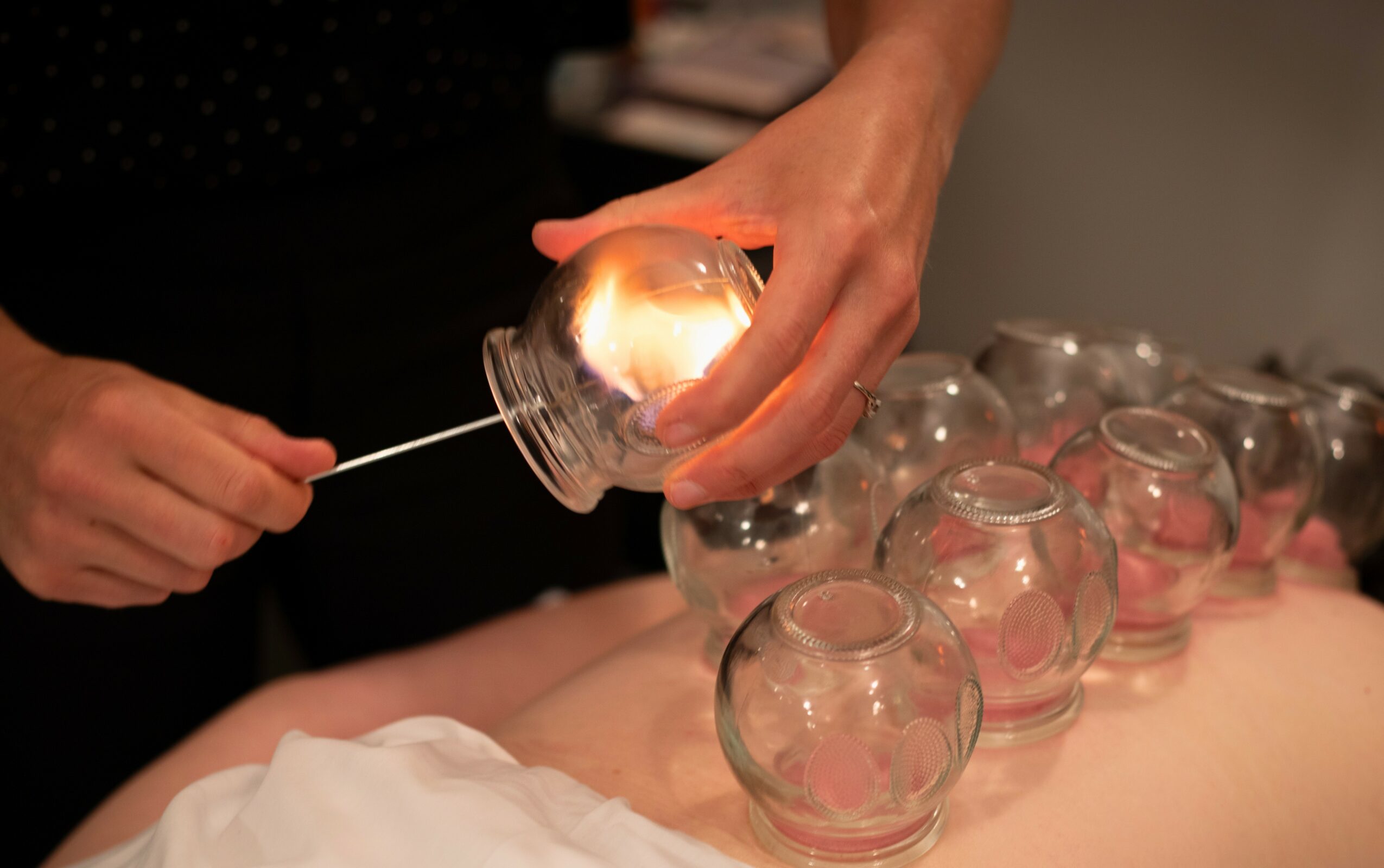
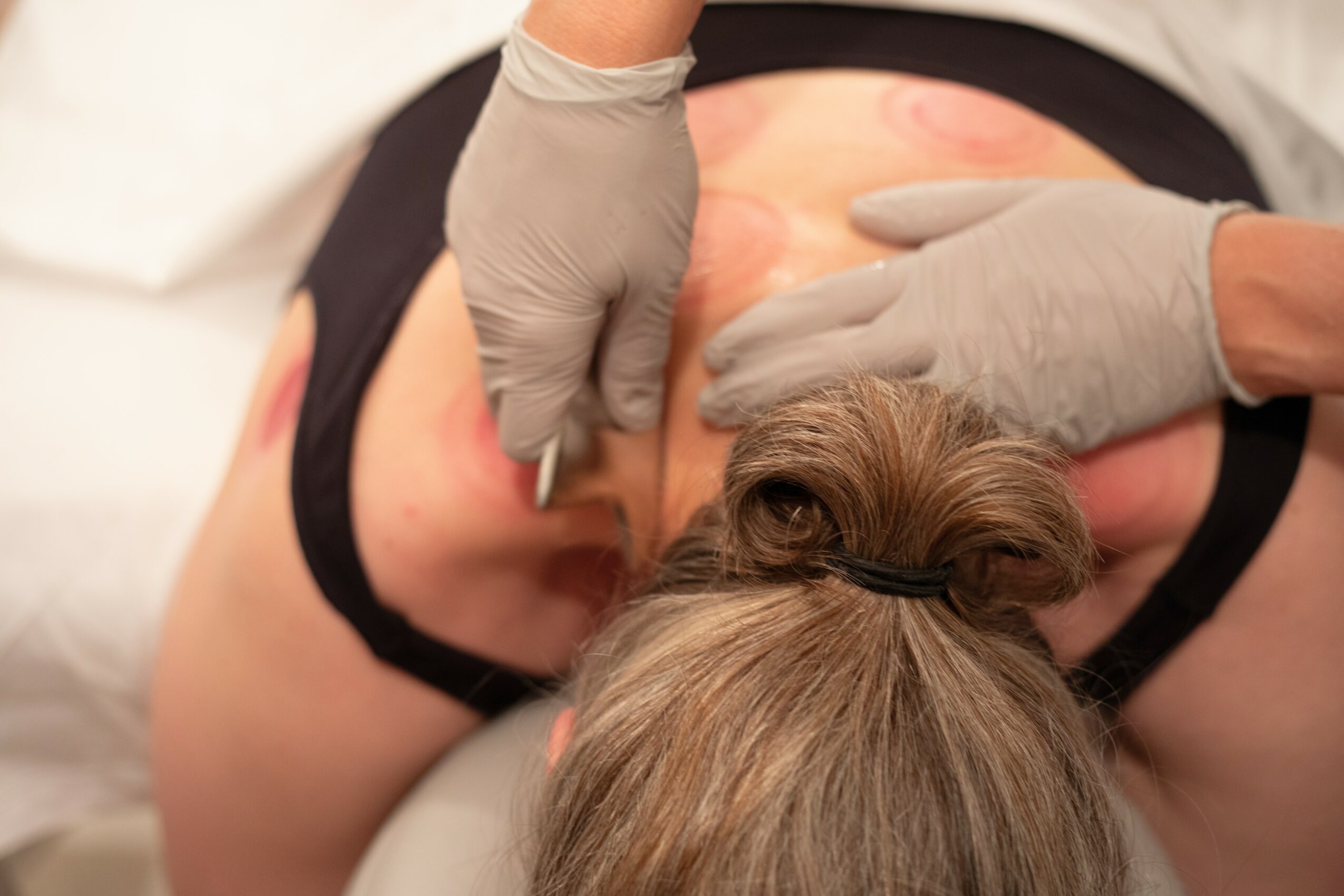
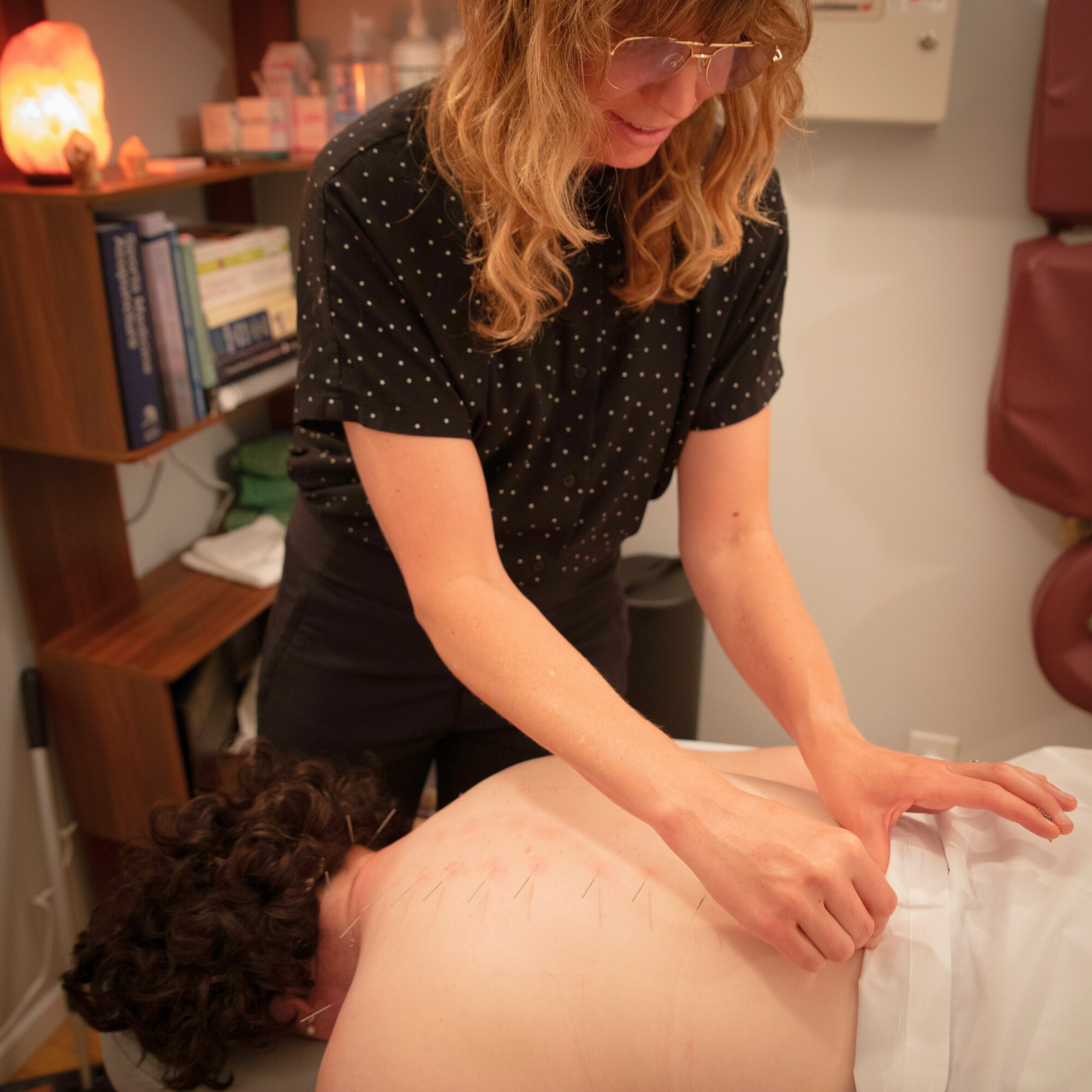
Sinew Center for Integrative Medicine is an acupuncture and Traditional Chinese Medicine clinic based in Minneapolis, Minnesota. My practice focuses on perimenopause, pain management, mental health, and digestive health, with additional offerings like microneedling for fine lines and wrinkles.
What truly sets Sinew Center apart is its focus on perimenopause and the broader experience of hormonal transition an area that is often overlooked or under-supported in conventional care. I work with patients who are navigating a demanding phase of life: balancing careers, raising children, caring for aging parents, and managing the physical and emotional shifts that come with hormonal changes. Many of my patients come in feeling exhausted, not sleeping well, dealing with brain fog, night sweats, joint pain, and a general sense that their bodies are no longer working the way they used to.
This focus is both personal and clinical. My background in women’s health, combined with my experience in hospital-based integrative care, has shaped how I approach treatment. I take the time to look at the full picture, how stress, lifestyle, pain, digestion, and hormones are all interconnected, rather than treating symptoms in isolation.
In the Twin Cities, there are very few acupuncturists who specialize specifically in perimenopause, and I’ve intentionally built my practice to help fill that gap. At the same time, I continue to work with a wide range of conditions, especially acute and chronic pain, because of my background in both sports medicine and hospital-based care.
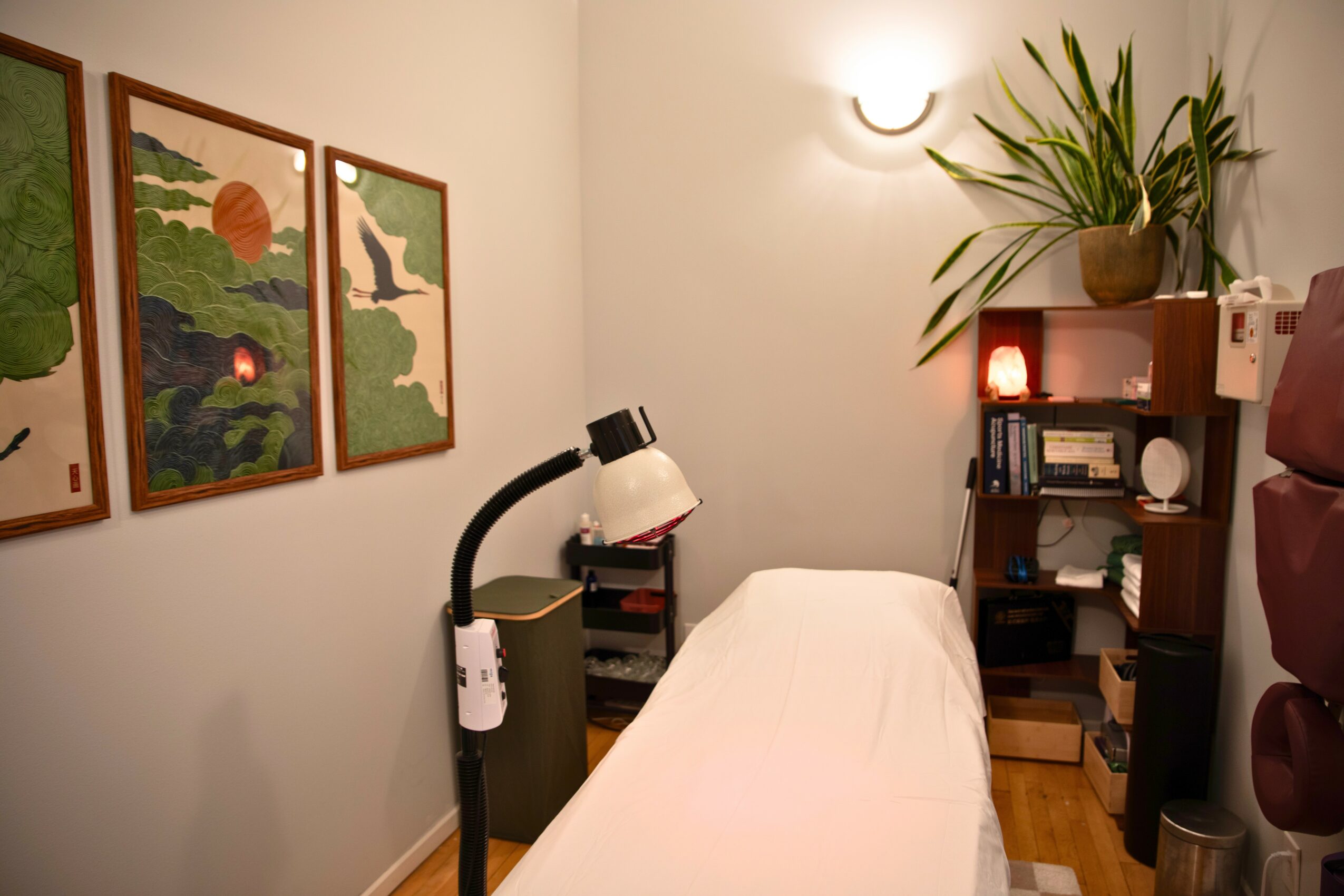
Brand-wise, what I’m most proud of is creating a space that feels both clinically grounded and deeply human. Sinew Center is designed to be calm, supportive, and accessible, where patients feel heard, understood, and actively involved in their care. My goal is not just to treat symptoms, but to help people feel more at home in their bodies again.
Ultimately, I want readers to know that acupuncture is not just an alternative, it’s a powerful, evidence-informed option for people who may not be finding answers elsewhere. And for those going through perimenopause in particular, there are ways to feel better, sleep better, and move through this stage of life with more support.
What has been the most important lesson you’ve learned along your journey?
One of the most important lessons I’ve learned is how to adapt while staying grounded in your purpose. Healthcare, and especially a field like acupuncture, doesn’t follow a straight or predictable path. There are moments where things feel stable and aligned, and others, like the pandemic or the closure of our hospital clinic, where everything shifts very quickly.
Those experiences taught me that while you can’t control every circumstance, you can stay connected to why you do this work in the first place. For me, that has always been about caring for patients in a way that is thoughtful, accessible, and truly integrative.
I’ve also learned the importance of advocating, not just for myself as a practitioner, but for the medicine and for my patients. Acupuncture still requires a level of education and trust-building in the U.S., and I’ve had to become more confident in speaking to its value, especially in spaces where it’s not always fully understood or prioritized.
Finally, I’ve learned that meaningful work often comes with some level of discomfort or risk. Opening my own practice wasn’t something I had planned on doing, but stepping into that uncertainty has allowed me to build something that reflects my values more fully. That’s been one of the most challenging and rewarding parts of my journey so far.
Contact Info:
- Website: https://www.sinewcenter.com
- Instagram: https://www.instagram.com/sinewcenter/
- Facebook: https://www.facebook.com/profile.php?id=61579667851981