




Today we’d like to introduce you to Michelle Doerr.
Michelle, we appreciate you taking the time to share your story with us today. Where does your story begin?
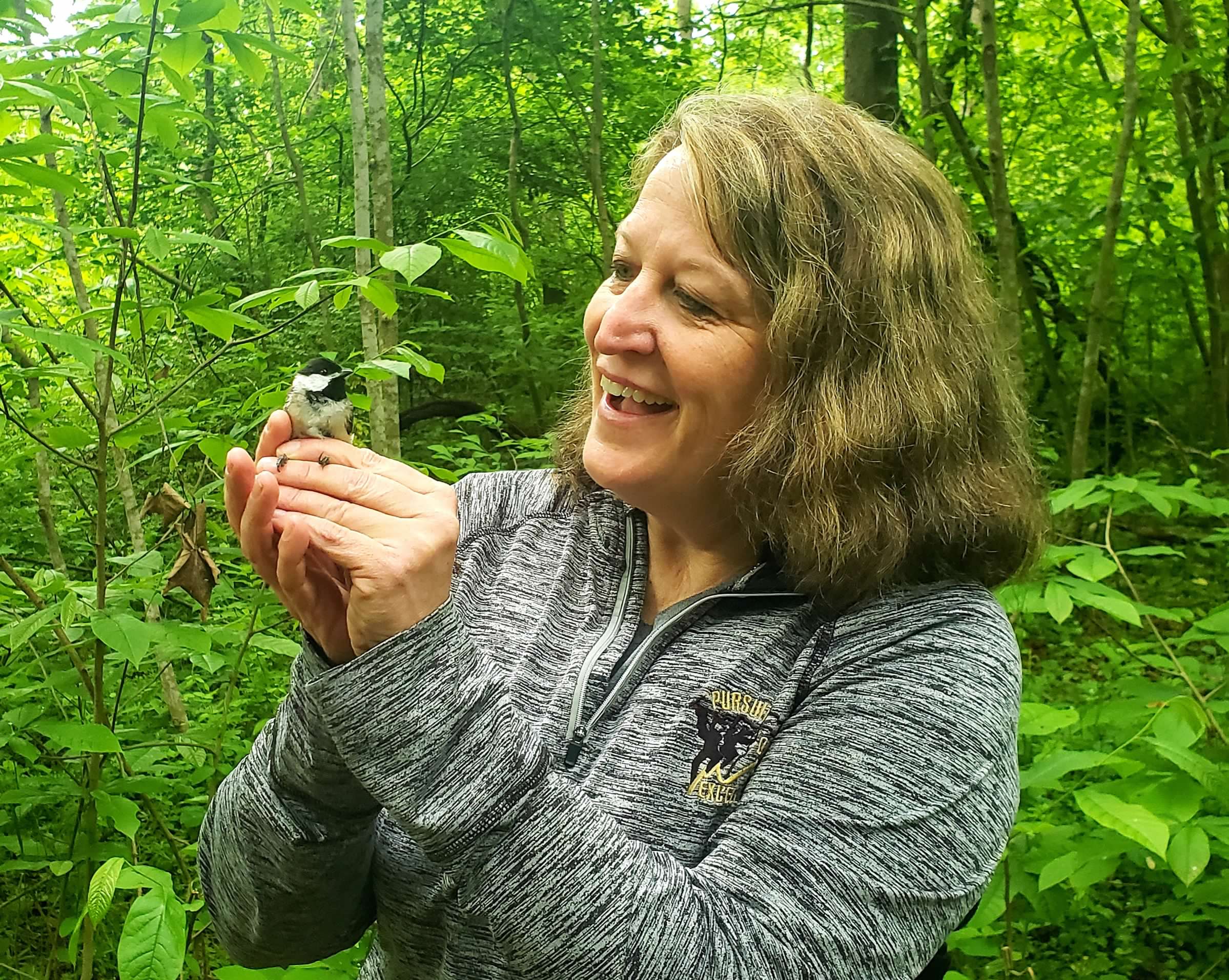
I grew up on a farm, where my relationship with land and animals was practical long before it became professional. As a kid, I watched the movie Born Free and decided I wanted to be a wildlife biologist. I didn’t have the language for it then, but I was drawn to work that honored both animals and the systems they inhabit.
I began my career in wildlife research and later moved into wildlife damage management, working directly with human–wildlife conflict. That eventually led me to urban deer management, where ecology, ethics, policy, and people intersect. While working at a wildlife research station, I also helped build the Metro Bowhunters Resource Base in the Twin Cities, a service-based organization created to address real community needs in urban deer management. Looking back, I can see a pattern that would continue throughout my career: when something essential didn’t exist, I felt compelled to help build it.
I later made the deliberate decision to step away from my role at the Department of Natural Resources to raise my children, a choice I’m deeply proud of. When I returned to professional life, my earlier work in urban deer management and bowhunting opened the door to the archery industry, allowing me to continue that work in a different form.
In the archery industry, I focused on building programs that began with listening. One example was the Archery Park Guide, which grew out of dozens of conversations with Parks and Recreation professionals. Rather than designing it from an insider perspective, I structured it as a comprehensive, practical FAQ because I kept hearing the same questions repeatedly: Is it safe? How does this work? What have others done? I paid close attention to their language and paired it with case studies so communities could design solutions that met their own needs.
I also built a retail education program during that time, which again required me to get to the heart of the challenges retailers faced. One of the things I am most proud of from that work is realizing that retailers were more likely to learn from their peers than from me. Instead of centering myself as an expert, I recruited retailers already doing thoughtful, effective work and invited them to help lead the program, particularly at our trade show.
Over time, I noticed the limits of rigid, hierarchical leadership models and the specific challenges they pose—especially for women. Later, through my teaching and facilitation work, I began to hear about the quiet suffering of people who care deeply about conservation but feel exhausted, unsupported, or unseen.
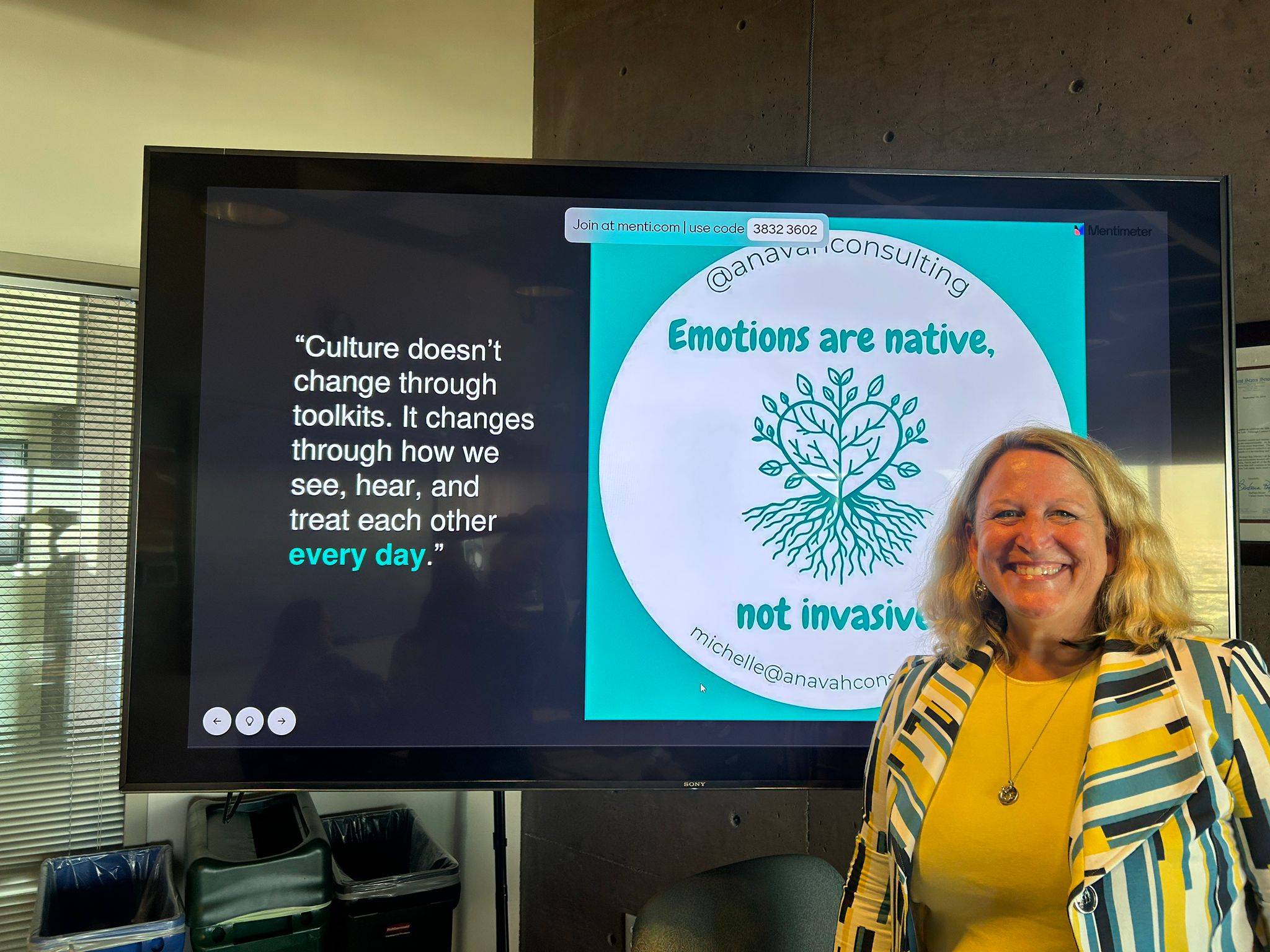
Today, my work centers on leadership, well-being, and culture in conservation and related fields. At its core, it’s still about the same thing it’s always been about: listening deeply, building what’s needed, and honoring the human side of the work. I want to leave the field better than I found it.
We all face challenges, but looking back would you describe it as a relatively smooth road?
In retrospect, it has not been easy or smooth at all. The common thread throughout my career is that I’ve consistently asked people and systems to look beneath the surface—to question assumptions, examine underlying beliefs, and consider whether the way we’ve always done things is serving the work or the people doing it.
That kind of work is rarely comfortable. Along the way, I’ve encountered gender discrimination, harassment, and erasure—often in environments with rigid hierarchies and a strong attachment to the status quo. I’ve learned that challenging familiar structures or introducing more human-centered, relational approaches invites almost inevitable resistance.
What has made it especially difficult at times is that the challenges haven’t been only interpersonal; they’ve often been systemic. The work I do now—focused on leadership, well-being, and culture—asks organizations to engage in adaptive work rather than rely on technical fixes. Adaptive work requires people to slow down, reflect, and take responsibility for how culture and leadership feel on the inside. That’s hard work, and it can provoke fear or defensiveness.
More recently, I’ve felt this tension in concrete ways. Language that once seemed uncontroversial—words like mindfulness, compassion, resilience, and well-being—has become politicized or constrained by forces beyond my control. When the language of care itself is treated as a threat, it becomes clear how deeply uncomfortable our systems still are with acknowledging the human experience.
And yet, despite all of this, I don’t regret the path I’ve taken. The difficulty has clarified my purpose. It has taught me that meaningful change is rarely smooth and that asking deeper questions often carries a cost. But it has also shown me how necessary this work is—for the people who quietly thank me afterward, for those who finally feel seen, and for a field that deserves leadership rooted in honesty, courage, and care.
Thanks for sharing that. So, maybe next you can tell us a bit more about your business?
My business exists to support people doing deeply meaningful work who are often asked to carry far more than they should. I work primarily in conservation and related fields, where care for the natural world is strong, but care for people and culture has too often been treated as secondary.
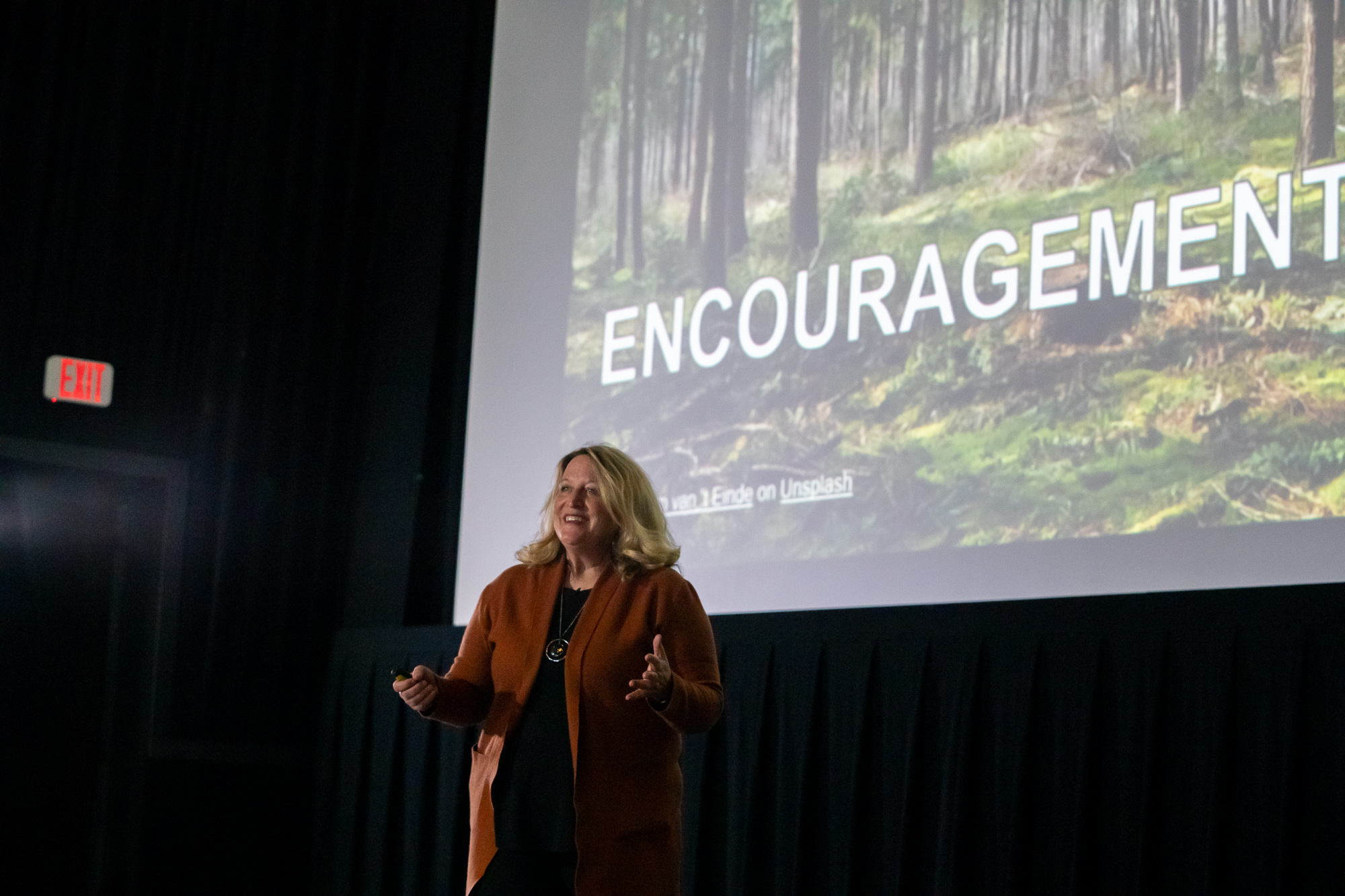
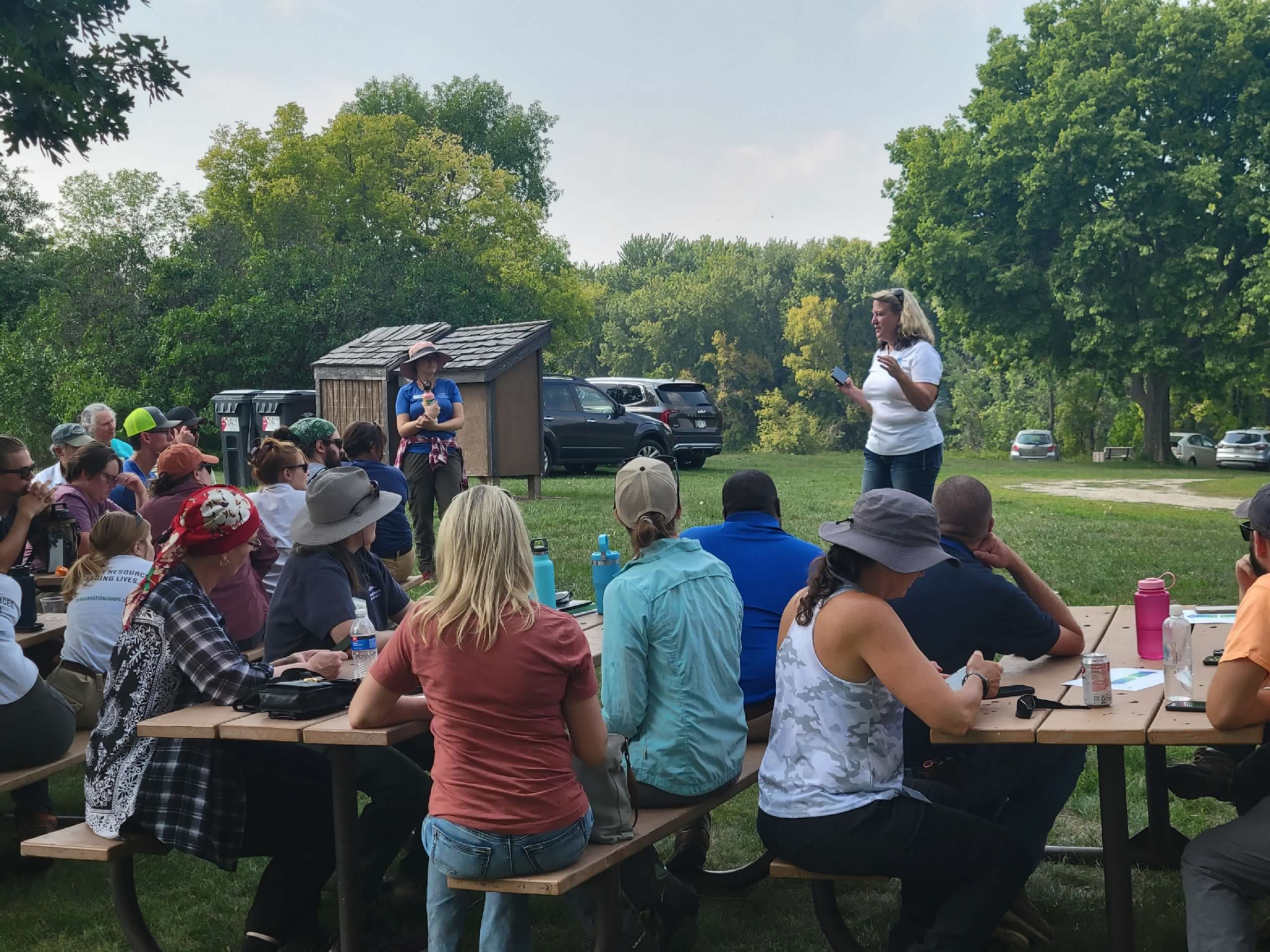
Practically speaking, I offer my work through speaking, training, coaching, and facilitation. I design and lead workshops, leadership programs, and longer-term learning series, and I also work one-on-one with leaders and small groups as they navigate complex, high-stakes challenges.
Much of my work centers on adaptive leadership rather than quick fixes. I invite people to slow down and look beneath their day-to-day challenges. Often, that means examining how decisions are made, how power shows up, and whether the culture supports or drains people.
At a deeper level, my work helps people and organizations rethink leadership and work as a whole—so experiences such as burnout or imposter feelings are understood as signals of culture and systems, not personal shortcomings.
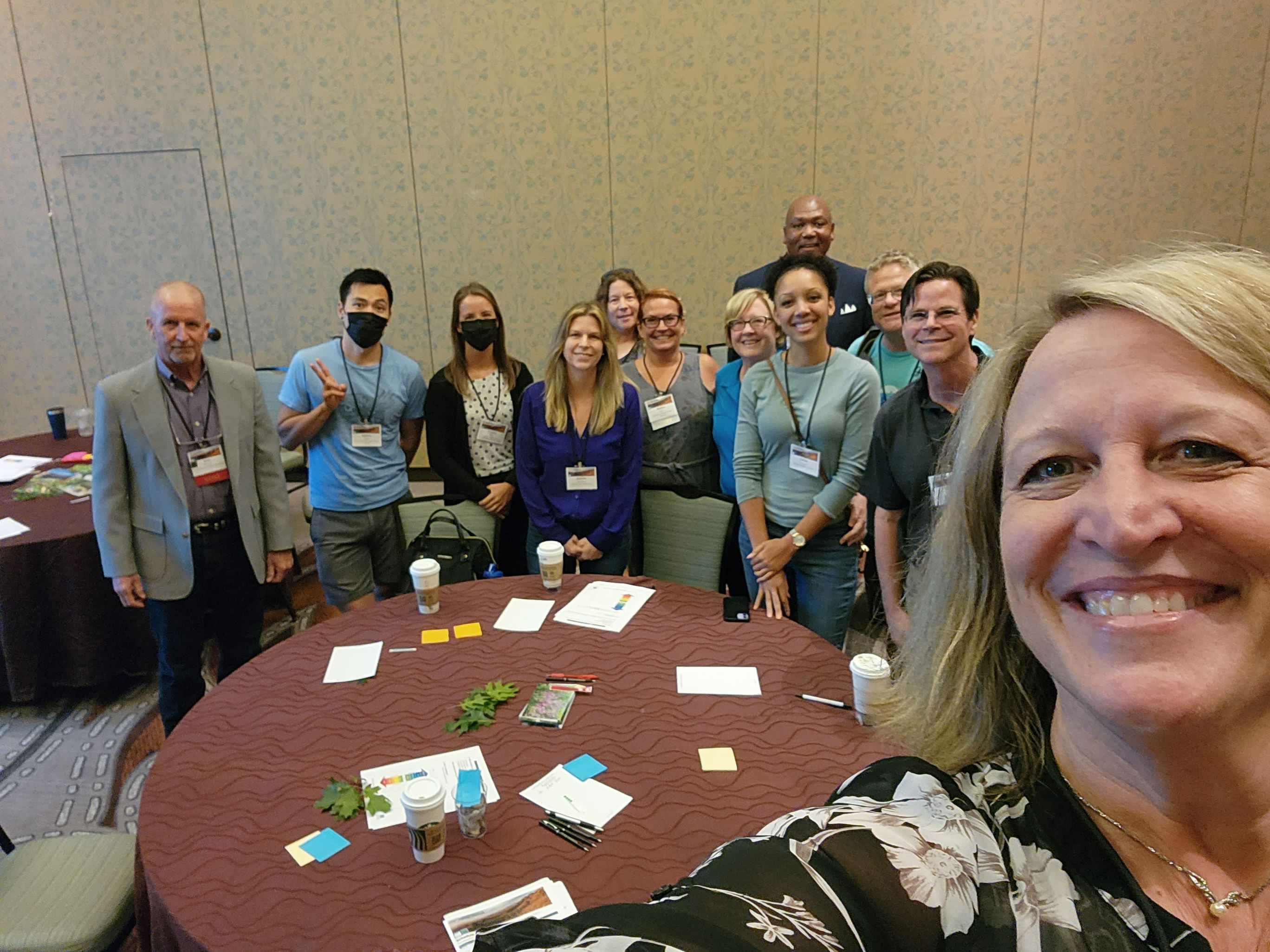
Brand-wise, I’m most proud that my work consistently centers on listening, translation, and shared leadership. Whether I’m designing a workshop, facilitating a difficult conversation, or coaching a leader, I pay close attention to language, context, and lived experience. I also intentionally create peer-based learning spaces because people often learn best from one another rather than from a single expert at the front of the room.
What I want readers to know is that my work isn’t about softening standards or avoiding hard conversations. It’s about creating leadership cultures that are honest, humane, and capable of change—so people can do work that matters without being diminished by the systems they work within.
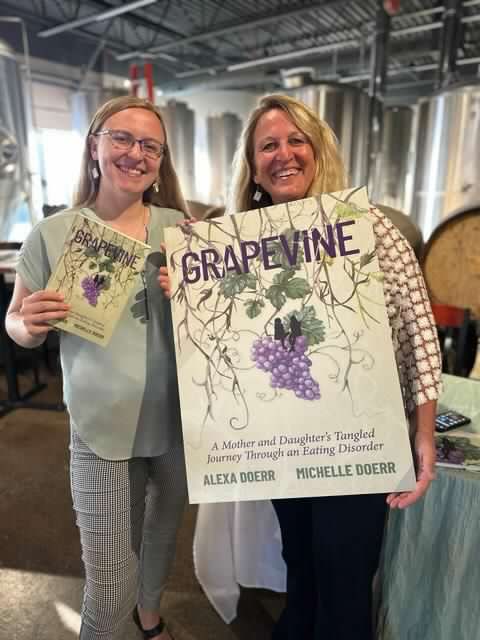
In addition to this work, my daughter and I also speak about our shared experience navigating her childhood eating disorder, following the release of our book, Grapevine: A Mother and Daughter’s Tangled Journey Through an Eating Disorder, which deepened my understanding of care, courage, and the long arc of healing.
Is there anything else you’d like to share with our readers?
If there’s one thing I’d want readers to take away, it’s that struggle doesn’t automatically mean something is wrong with you. Often, it’s a sign that you care deeply and are navigating systems not designed with humanity in mind. Meaningful work will always ask something of us, but it shouldn’t ask us to disappear in the process.
I also want people to know there is no one-size-fits-all answer to this work. The most meaningful change happens when we listen closely to the people and places in front of us and respond with care, curiosity, and humility. It’s possible to do work that matters in ways that honor who you are and where you are, without losing yourself along the way.
Contact Info:
- Website: https://anavahconsulting.com/
- Instagram: https://www.instagram.com/anavahconsultingllc/?hl=en
- LinkedIn: https://www.linkedin.com/in/michelleldoerr/
- Other: https://grapevinethebook.com/