





Today we’d like to introduce you to Theresa (Aziza) Richter.
Theresa (Aziza), we appreciate you taking the time to share your story with us today. Where does your story begin?
My journey into hijama started in a very personal way; through my husband’s pain. We were living in Denver in 2018, and he was suffering daily with sciatic back pain. Nothing seemed to help him long-term, and watching someone you love live in constant discomfort is hard to put into words. When he finished a hijama treatment one day, the relief was dramatic and nearly immediate. I had never even heard of it before.
My husband was born and raised in Libya, where hijama is common in many MENA and Islamic cultures as both preventative care and healing support. He couldn’t believe how unfamiliar it still was here in the United States. After seeing how much it helped him, I decided to try hijama for myself, mainly for stress and anxiety. At the time, finding a certified female hijama practitioner in Denver was challenging, but once I did, the experience was surprisingly gentle and deeply calming. I felt a sense of peace I hadn’t felt in years.
That experience changed something in me. I began learning more about hijama and holistic health, and I started noticing how many people are searching for a different way to feel well, especially those who feel like mainstream approaches aren’t fully addressing what they’re going through. Many people want relief, but they also want understanding, and they don’t want to feel dependent on medications just to get through the day. That realization pushed me to become certified and eventually open NorthLight Hijama so I could offer this care in a safe and professional way, especially for women.
Today, NorthLight Hijama serves women in both Central Minnesota and the South Metro, in Burnsville. It has been a journey shaped by family, healing, and purpose, and I feel grateful that what started as something deeply personal has become a way to support others.
We all face challenges, but looking back would you describe it as a relatively smooth road?
It hasn’t been a smooth road, but I don’t think meaningful things usually are.
One of the biggest challenges was returning to Minnesota while my mother was facing pancreatic cancer. I came home to be close to her, and naturally, everything else fell into the background. Building a business wasn’t the priority, being present for my mom and my family was. She passed away, and grief has a way of changing your timeline, your energy, and your sense of direction. Even after loss, life continues, but you’re rebuilding yourself while trying to build something else at the same time.
Another struggle has been operating a business as a solo owner, especially across two locations that are nearly three hours apart. Logistically, it’s a lot; scheduling, travel, supplies, consistency, and staying grounded while doing it all. But I wanted to serve both Central Minnesota and the Twin Cities because each area matters deeply to me, and both communities deserve access to women-led holistic care.
One challenge I didn’t fully expect was how much education would be required. Hijama is more familiar in some areas than others, but many people have never heard of it at all, and some have misconceptions or hesitation. Holistic practices can carry stigma, especially when we’re conditioned to trust only one type of healthcare model. I’ve learned that patience and trust-building are part of the work. I take time to explain what hijama is, why it’s done, and how we approach treatment safely and respectfully.
The approach I practice is in looking for the root cause, not just quieting symptoms for a moment. That takes deeper conversation, a whole-body lens, and a calm environment where clients feel comfortable being honest about what they’re experiencing. Sometimes, the biggest healing begins simply by finally feeling heard.
Great, so let’s talk business. Can you tell our readers more about what you do and what you think sets you apart from others?
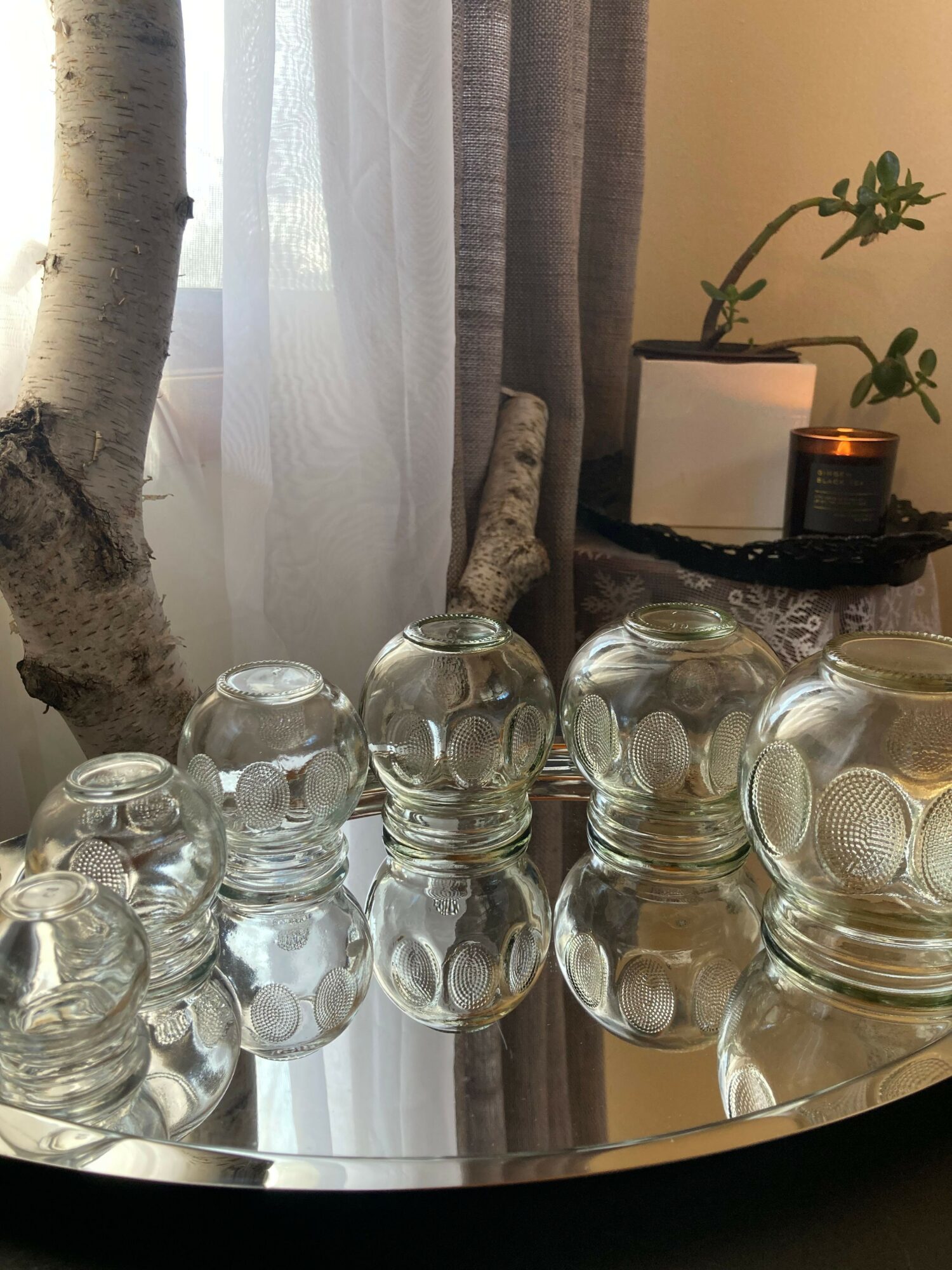
At the heart of my work, I’m a certified hijama practitioner and the founder of NorthLight Hijama. I provide women-centered holistic care through hijama (wet cupping), along with dry cupping and fire cupping. These supportive wellness modalities are designed to help the body release stagnation, reduce inflammation, and restore balance; physically, emotionally, and through the nervous system.
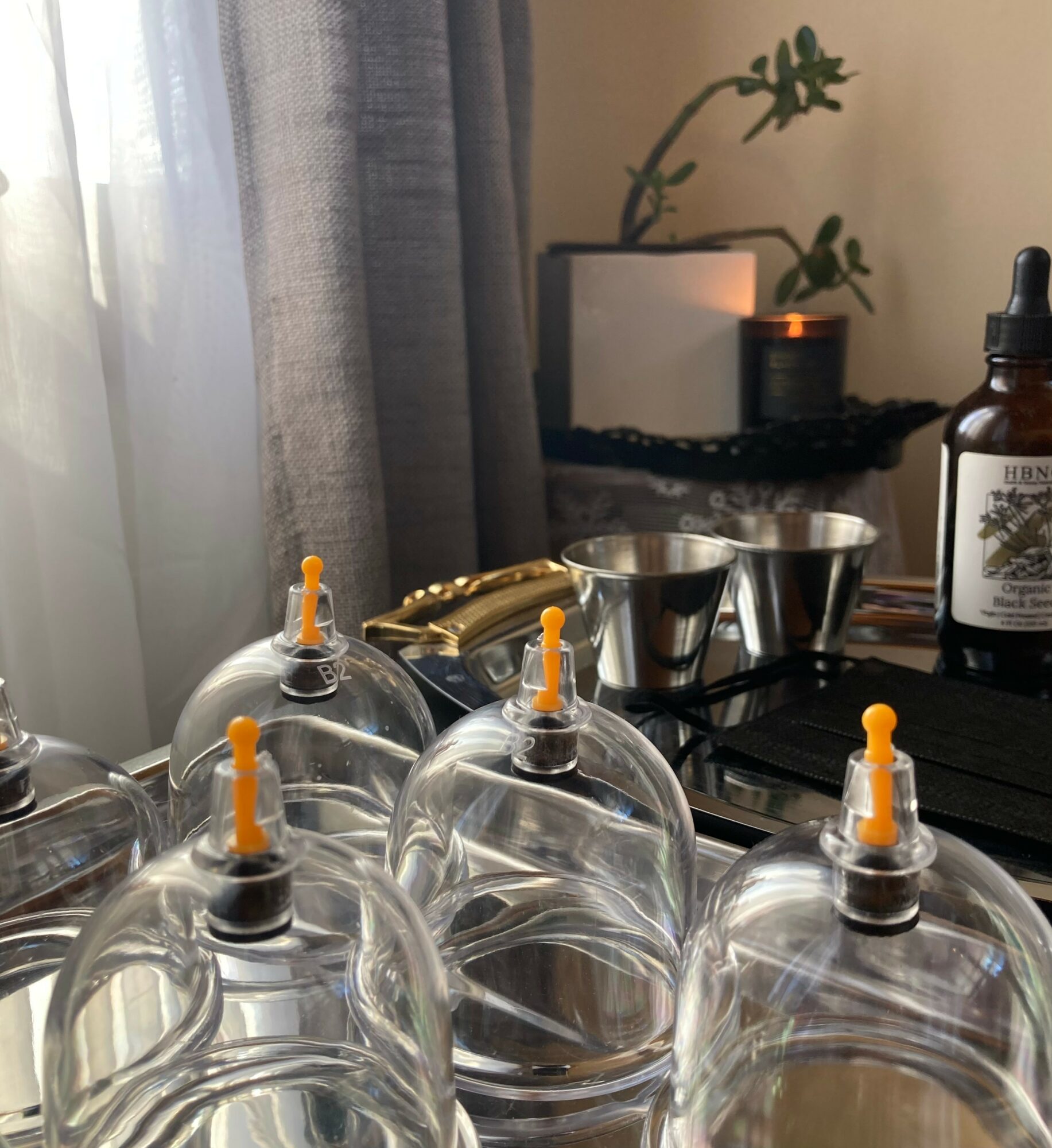
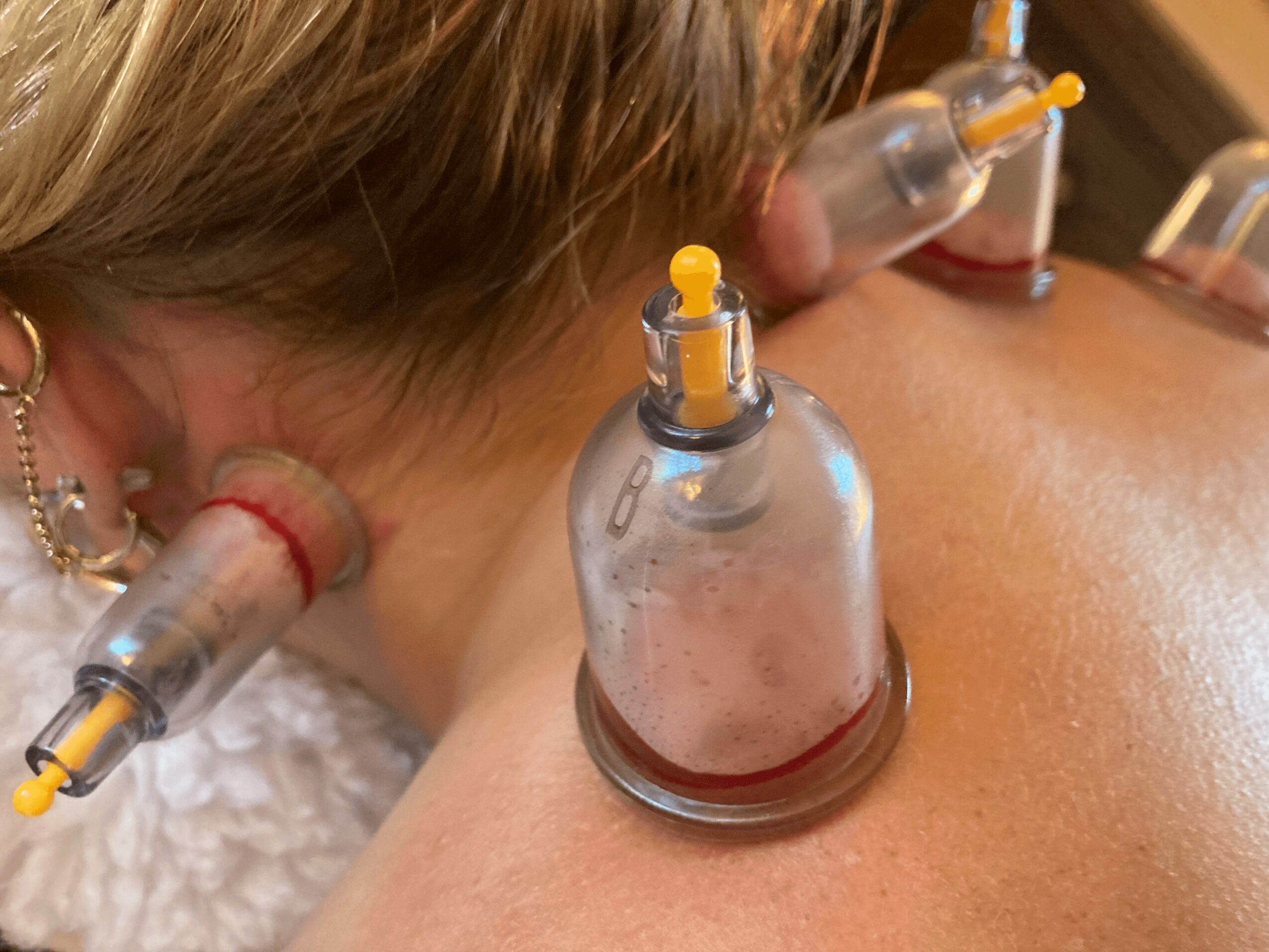
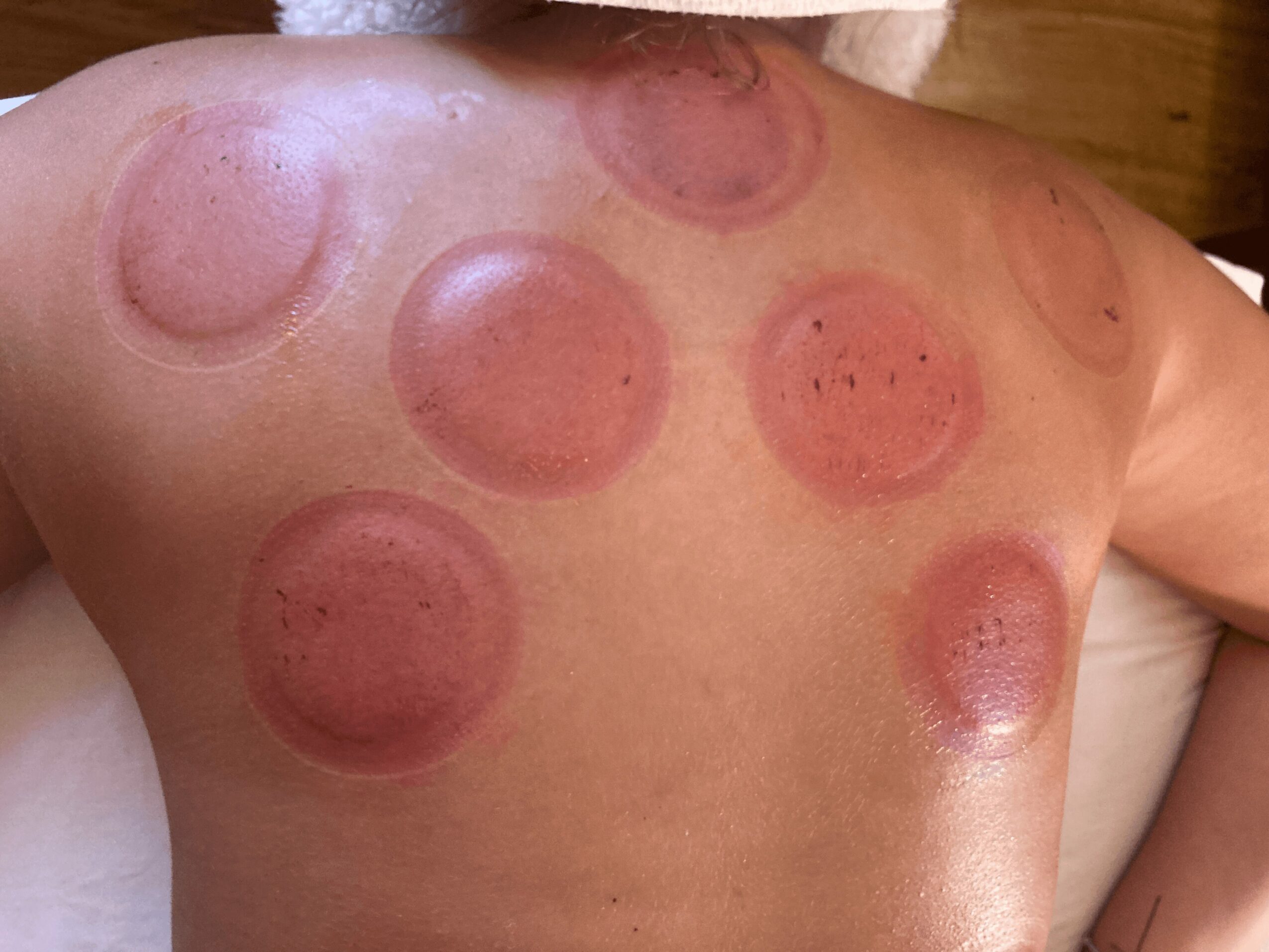
Hijama is a traditional practice that has been used across many cultures for centuries, and I love that it’s accessible to people from all walks of life. In simple terms, hijama uses gentle suction cups and tiny, superficial scratches on the skin to support the body’s natural cleansing response. Many women seek hijama care for support with pain relief, circulation, lymphatic flow, tension and stress release, and overall well-being.
One thing I always want clients to know is that the experience is very manageable. Most people describe it as strong pressure and a pulling sensation, followed by a sense of relief. The scratches used in wet cupping are very light and superficial, and we check in throughout the session so suction can be adjusted for comfort.
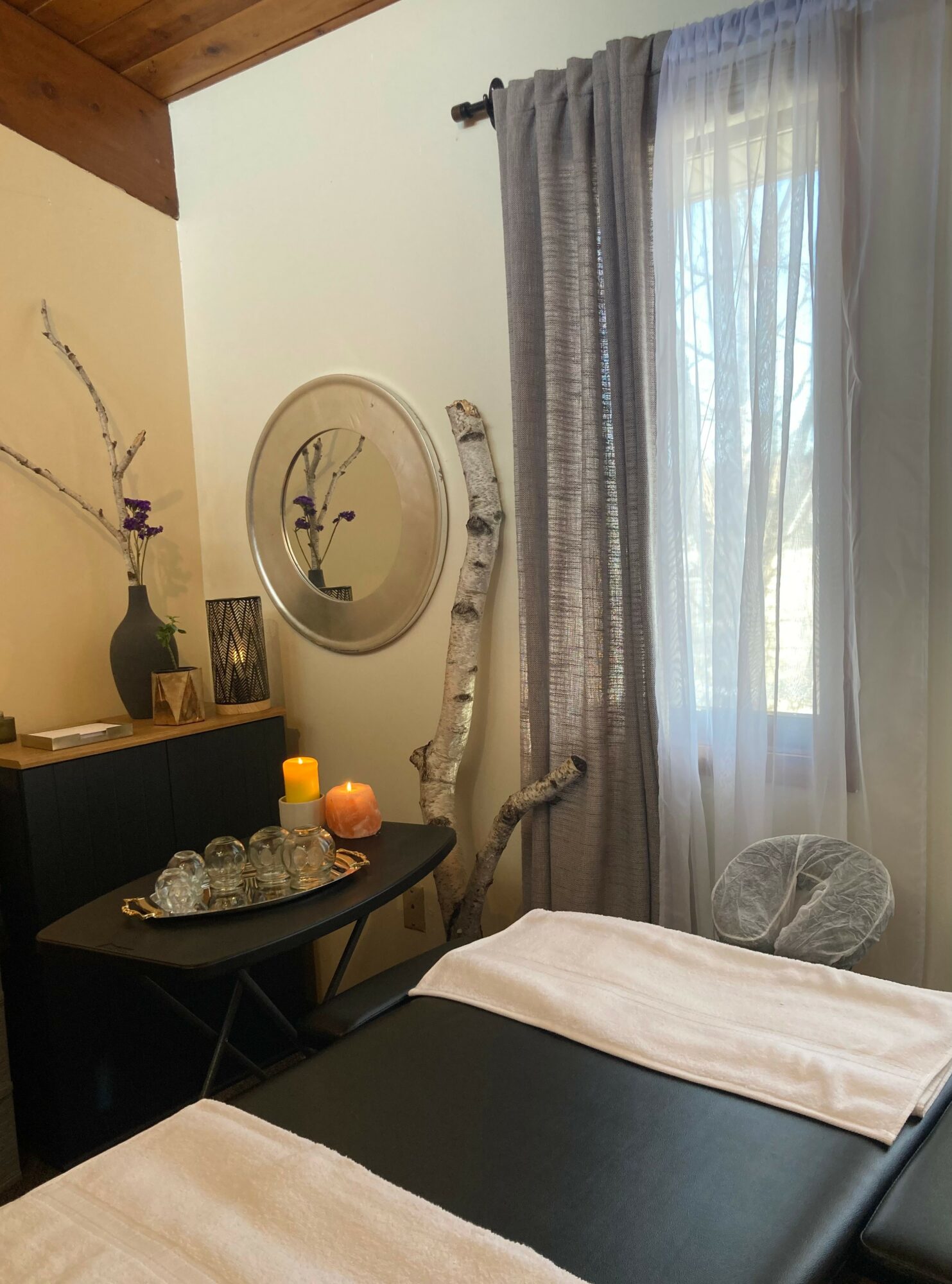
What sets NorthLight Hijama apart is both the environment and the approach. This is a women-led, women-centered space, where clients can feel safe, respected, and fully informed. I practice with a whole-body lens; looking beyond symptoms and considering patterns in the body that may be contributing to what someone is experiencing. My training emphasizes thoughtful cupping placement that supports lymphatic drainage and detox pathways, rather than chasing “perfect points.” The goal is to encourage healthy circulation and oxygenation throughout the body, which often supports stress reduction and a more balanced, grounded feeling afterward.
What I’m most proud of, brand-wise, is that NorthLight Hijama has become a trusted place for women who didn’t even realize options like this existed. Many of my clients find me through word of mouth; through a friend, sister, coworker, or family member who experienced relief and wanted to share it. That kind of trust is deeply meaningful to me, and it’s exactly the kind of care culture I hope to continue building in Minnesota.
What do you like best about our city? What do you like least?
I’m still learning Burnsville, but one of the first things I noticed was the kindness of people. It feels genuinely welcoming. I also love how much nature is built into the city; there are trails everywhere for hiking, biking, and being outside. That matters to me, because wellness isn’t only something you schedule. It’s something you live.
Central Minnesota holds a different kind of beauty. What I love most is the peace and solitude, the quiet that gives you room to breathe. And the sense of community is unmatched. Neighbors truly look out for one another, showing up to help without needing to be asked. That kind of support stays with you.
Minneapolis will always have my heart. It has been my home multiple times, and no matter where I go, I always feel pulled back. I love the skyline, the lakes, and the river, and how the city can feel energetic and calming at the same time. Creativity is everywhere here, there’s always a coffee shop, a historic building, or a neighborhood worth wandering through, and the people carry a resilience and warmth that feels uniquely Minnesotan. Mostly though, I love our eclectic blend of beautiful humans from such a vast variety of backgrounds.
What I like least, and what honestly breaks my heart, is the turmoil our city has lived through over the last five years or so. At times, it has felt like Minneapolis has been under a kind of attack, with homes, small businesses, and whole neighborhoods carrying the impact. And these places are more than storefronts; they’re gathering spaces, livelihoods, and part of what gives each community its identity. I hope we keep finding ways to show up for the small businesses and the people who open their doors every day with tremendous courage, keeping the heartbeat of the city alive. Many communities are still hurting, but we are resilient people with an unbreakable spirit.
Contact Info:
- Website: https://NorthLightHijama.com
- Facebook: https://www.facebook.com/share/1DDZbyqV