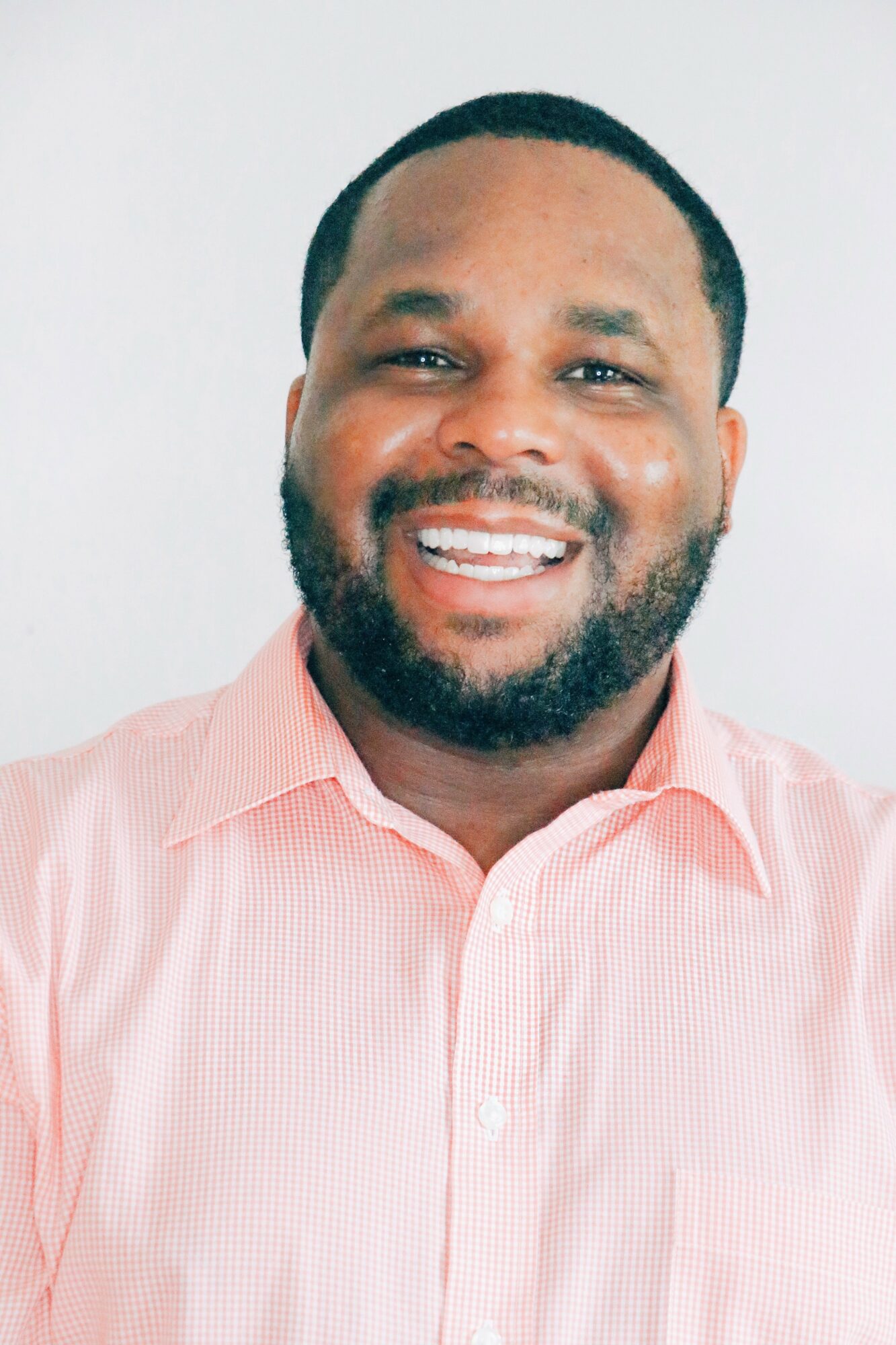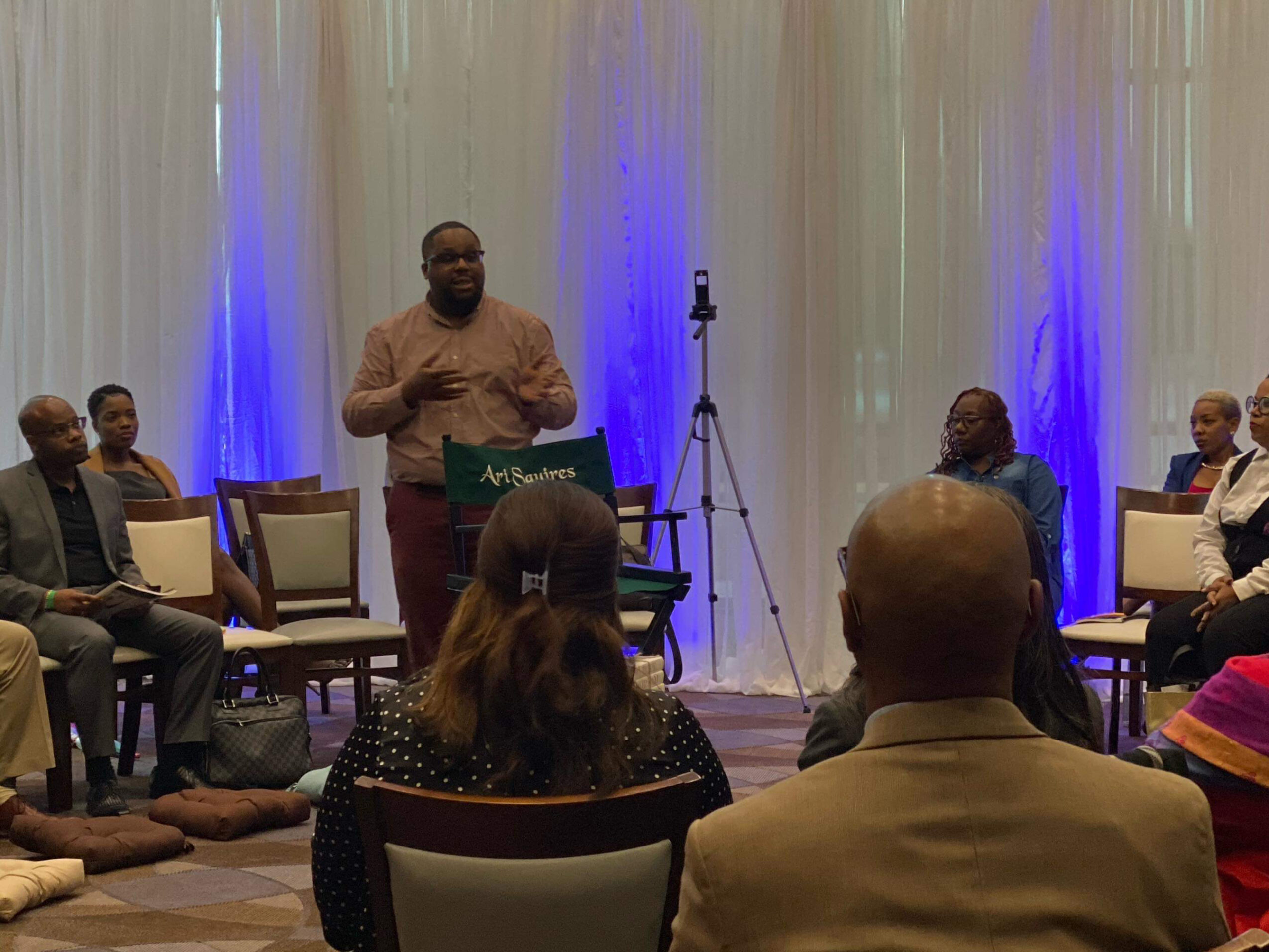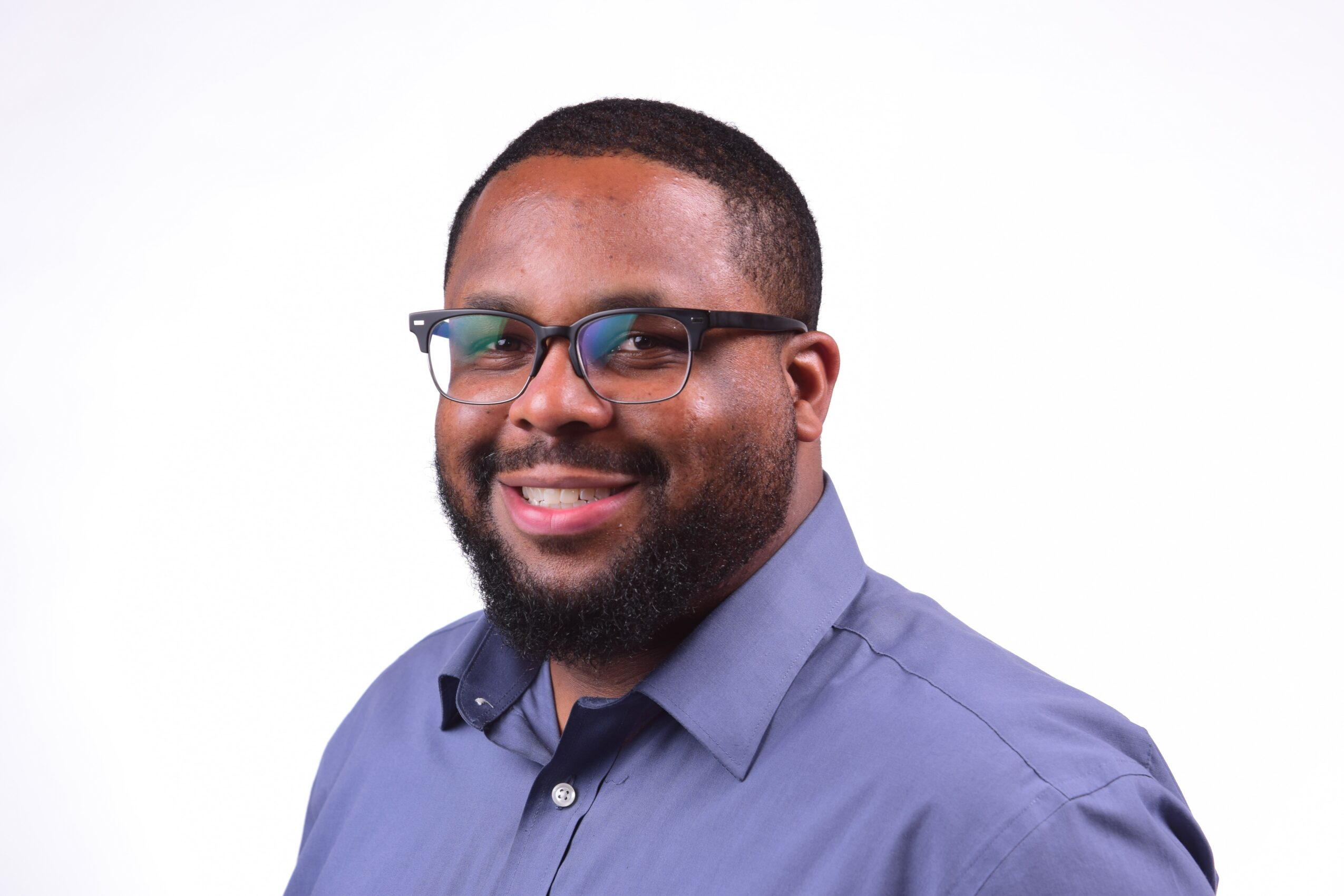





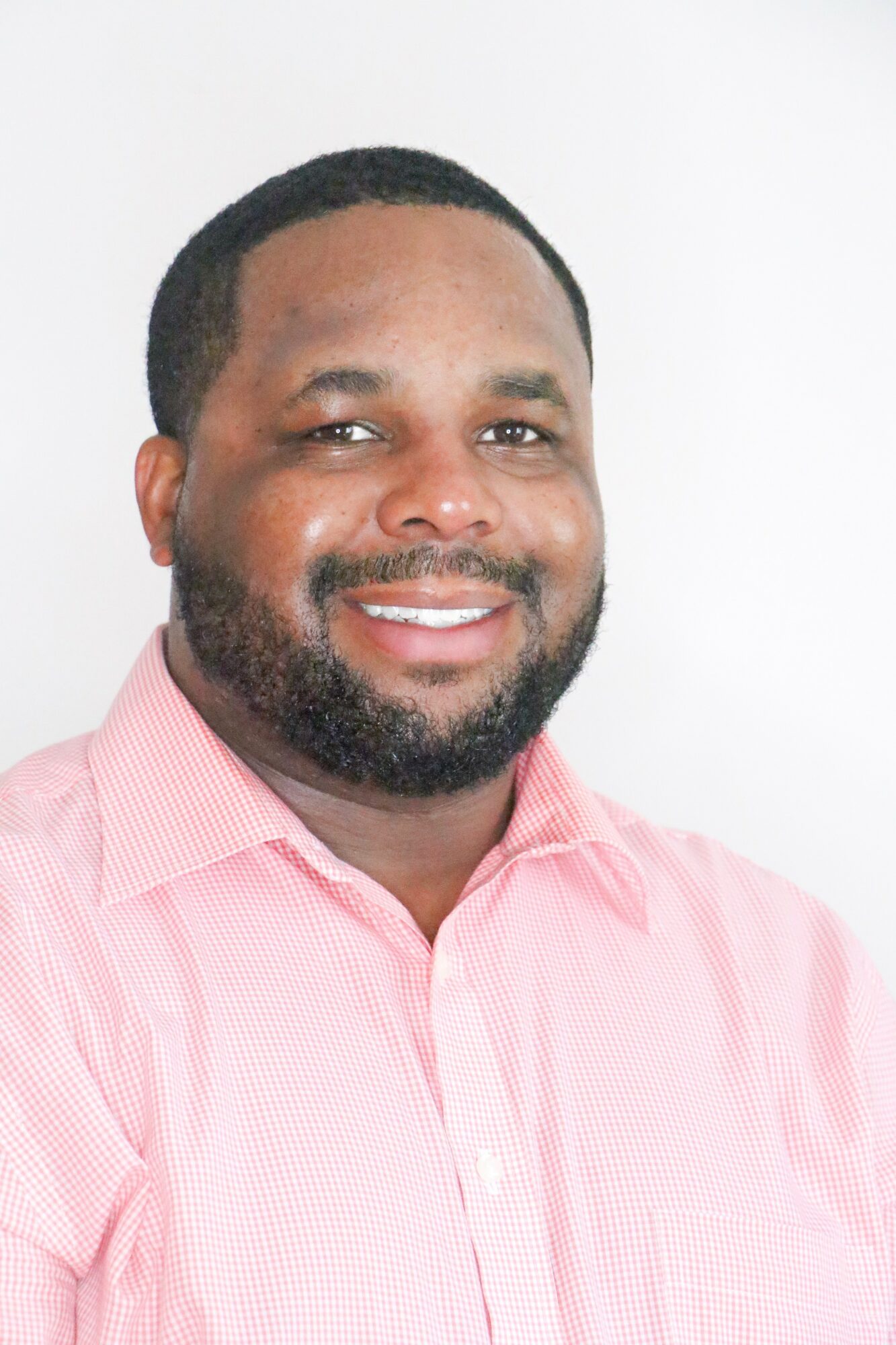
Today we’d like to introduce you to Brandon Jones.
Hi Brandon, so excited to have you on the platform. So before we get into questions about your work-life, maybe you can bring our readers up to speed on your story and how you got to where you are today?
My story started with a deep concern for people, especially young people, families, and communities carrying pain they often did not have the space, language, or support to process.
Early in my career, I worked directly with youth and families as a mental health practitioner. That work shaped me. I saw how trauma, poverty, racism, family instability, community violence, toxic stress, and broken systems impacted people long before they ever walked into a therapy room, classroom, workplace, or social service agency.
Over time, I realized I did not only want to help people respond to trauma after it happened. I wanted to help organizations, leaders, schools, and communities build better systems so people could heal, grow, and thrive.
That shift moved me from direct clinical work into training, consulting, leadership development, writing, teaching, and public speaking. I began creating curriculum and workshops on trauma-informed care, cultural responsiveness, youth development, emotional wellness, adaptive leadership, and systems change.
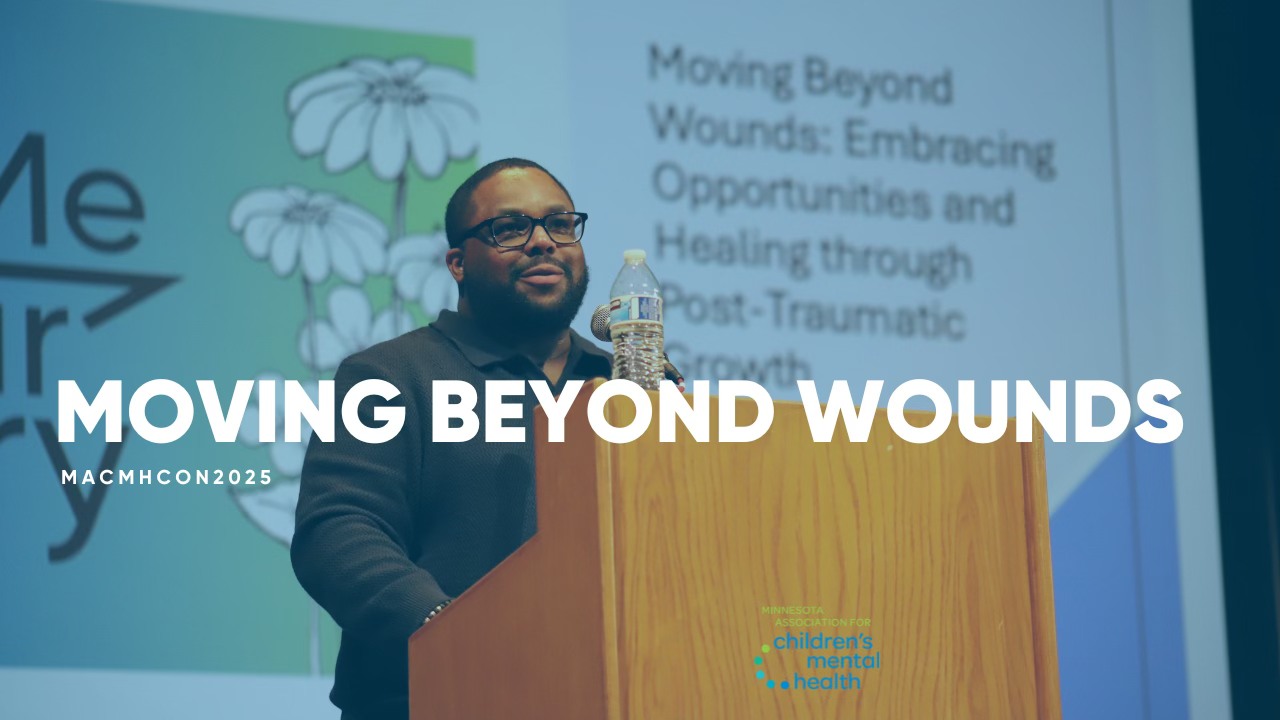
A major theme in my work is that healing is a journey, not a destination. I have written and spoken about the idea that people should not be reduced to their wounds, but we also cannot pretend wounds disappear just because time passes. Healing requires truth, support, accountability, community, and purpose.
Today, my work sits at the intersection of trauma, leadership, culture, youth development, and organizational change. I help people and systems better understand the human side of the work.
We all face challenges, but looking back would you describe it as a relatively smooth road?
It has not been a smooth road.
A lot of my growth came through struggle, burnout, transition, and learning how to carry heavy work without losing myself in it. When you work around trauma, crisis, community pain, and broken systems for a long time, it changes you. You begin to see patterns that other people miss, but you also carry the emotional weight of what you witness.
One struggle was realizing that passion alone is not enough. I cared deeply about the work, but I also had to learn sustainability. I had to learn boundaries. I had to learn that being helpful does not mean being available for everything, all the time.
Another challenge was moving from direct service into broader systems work. When you are doing therapy or working directly with young people, the impact can feel immediate. When you move into training, consulting, organizational leadership, or policy-level work, the impact can be slower and more complex. You have to learn patience. You have to trust that changing systems matters, even when the results take time.
I have also had to navigate the challenges of being a Black male voice in mental health, leadership, and social systems work. Sometimes you are invited into rooms because your perspective is needed, but you still have to push against assumptions, politics, and institutional resistance.
Through all of that, I have learned that struggle is not always a sign that you are off path. Sometimes it is the path shaping you for the next level of work.
As you know, we’re big fans of Jegna Consulting LLC. For our readers who might not be as familiar what can you tell them about the brand?
My consulting work focuses on helping people, organizations, and communities become more trauma-informed, culturally responsive, emotionally intelligent, and adaptive.
Through my brand and consulting practice, I provide training, facilitation, coaching, curriculum development, organizational consulting, and thought leadership. I work with schools, nonprofits, government systems, behavioral health organizations, youth-serving agencies, social service providers, and leadership teams.
My specialties include:
* Trauma-informed care
* Adaptive leadership
* Cultural intelligence and cultural responsiveness
* Youth development
* Emotional wellness
* Systems change
* Leadership training
* Community healing
* Restorative practices
* Organizational development
What I am known for is making complex human issues practical. Trauma, culture, race, leadership, and systems change can feel overwhelming. My goal is to help people understand these topics in a way they can actually use.
What sets my work apart is that I bring multiple lenses at the same time. I have been a therapist, trainer, executive leader, professor, consultant, board leader, writer, speaker, and content creator. I understand the frontline experience, the leadership table, the classroom, the boardroom, and the community setting.
That range allows me to translate between people who often struggle to understand each other.
Brand-wise, I am most proud that my work has stayed rooted in purpose. Whether I am doing a professional training, writing an article, creating a video, speaking to leaders, or working with a community organization, the core message is consistent: people can heal, systems can improve, and leadership must be more human.
I want readers to know that my brand is not just about information. It is about transformation. I help people see themselves, understand others, and build better systems.
Networking and finding a mentor can have such a positive impact on one’s life and career. Any advice?
My advice is to stop thinking about networking as collecting contacts. Think of it as building meaningful relationships.
The best relationships in my career have come from being consistent, useful, honest, and curious. I try to show up in rooms prepared. I listen. I follow up. I offer value before asking for anything. I also try to stay connected to people beyond the moment when I need something.
When looking for a mentor, do not only look for someone with a title. Look for someone with wisdom, integrity, access, and experience. A good mentor does not just open doors. They help you understand which doors fit your purpose.
I also believe mentorship can come in different forms. Some people mentor you directly. Some mentor you through their work. Some mentor you by giving honest feedback. Some mentor you by showing you what not to do.
What has worked well for me is staying connected across different circles: mental health, education, nonprofit leadership, community work, government systems, boards, and media. Those relationships have helped me grow because they gave me a wider view of the work.
My biggest advice is this: be easy to trust, easy to teach, and serious about your growth. People are more willing to invest in you when they see that you are committed, humble, and purposeful.
Contact Info:
- Website: https://www.jegna.org
- LinkedIn: https://www.linkedin.com/in/brandon-jones-ma-cppm-52404489/