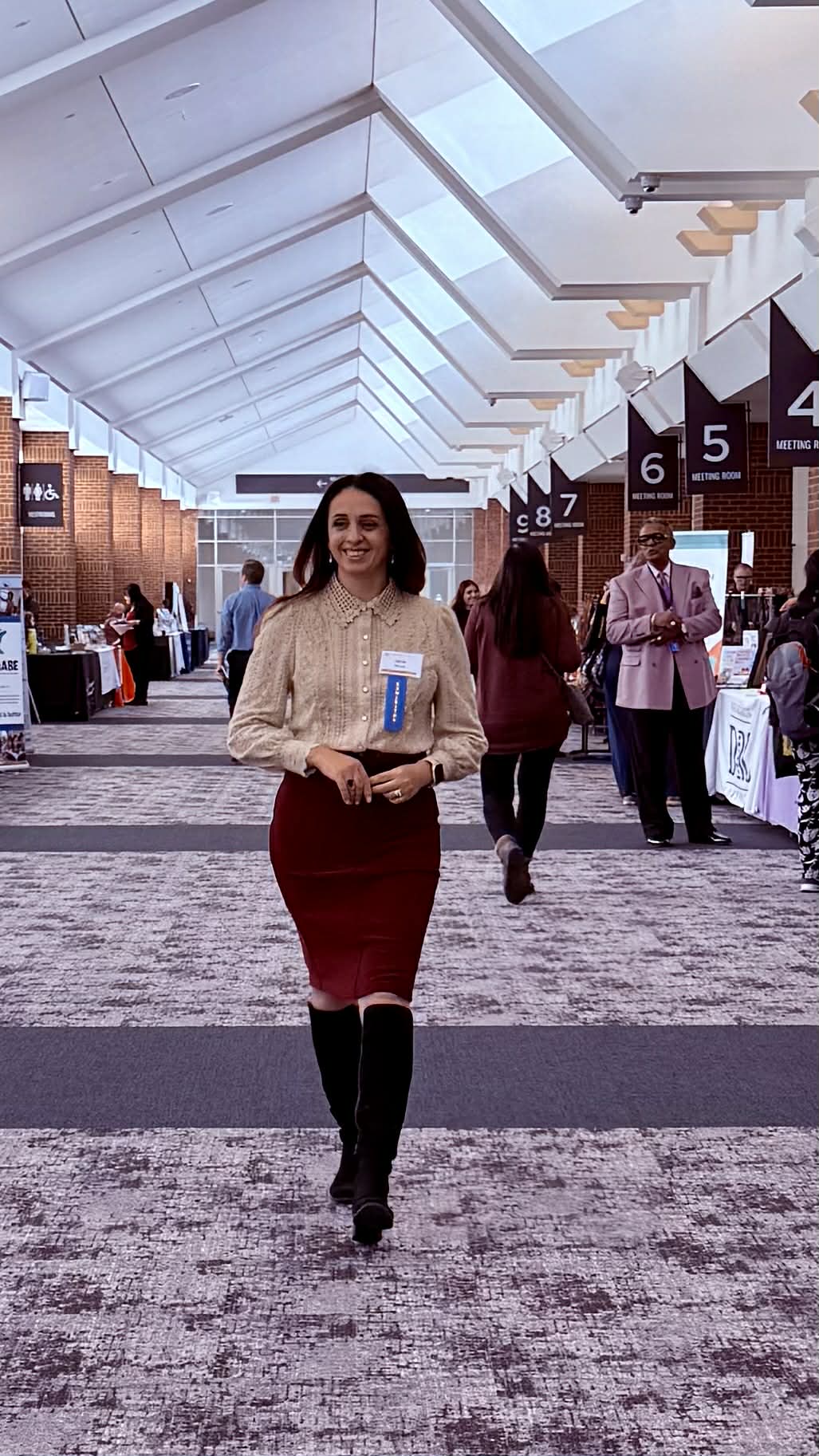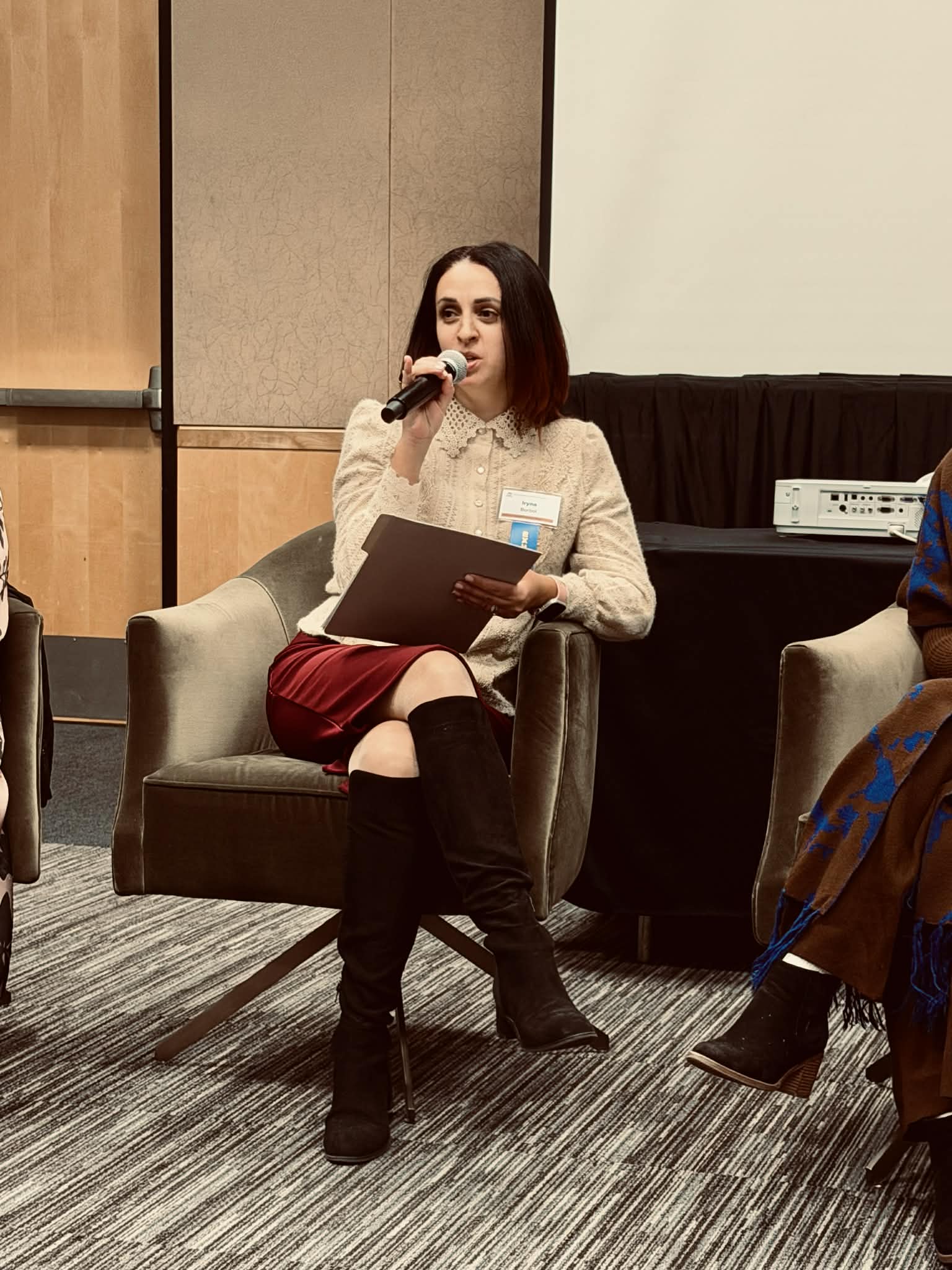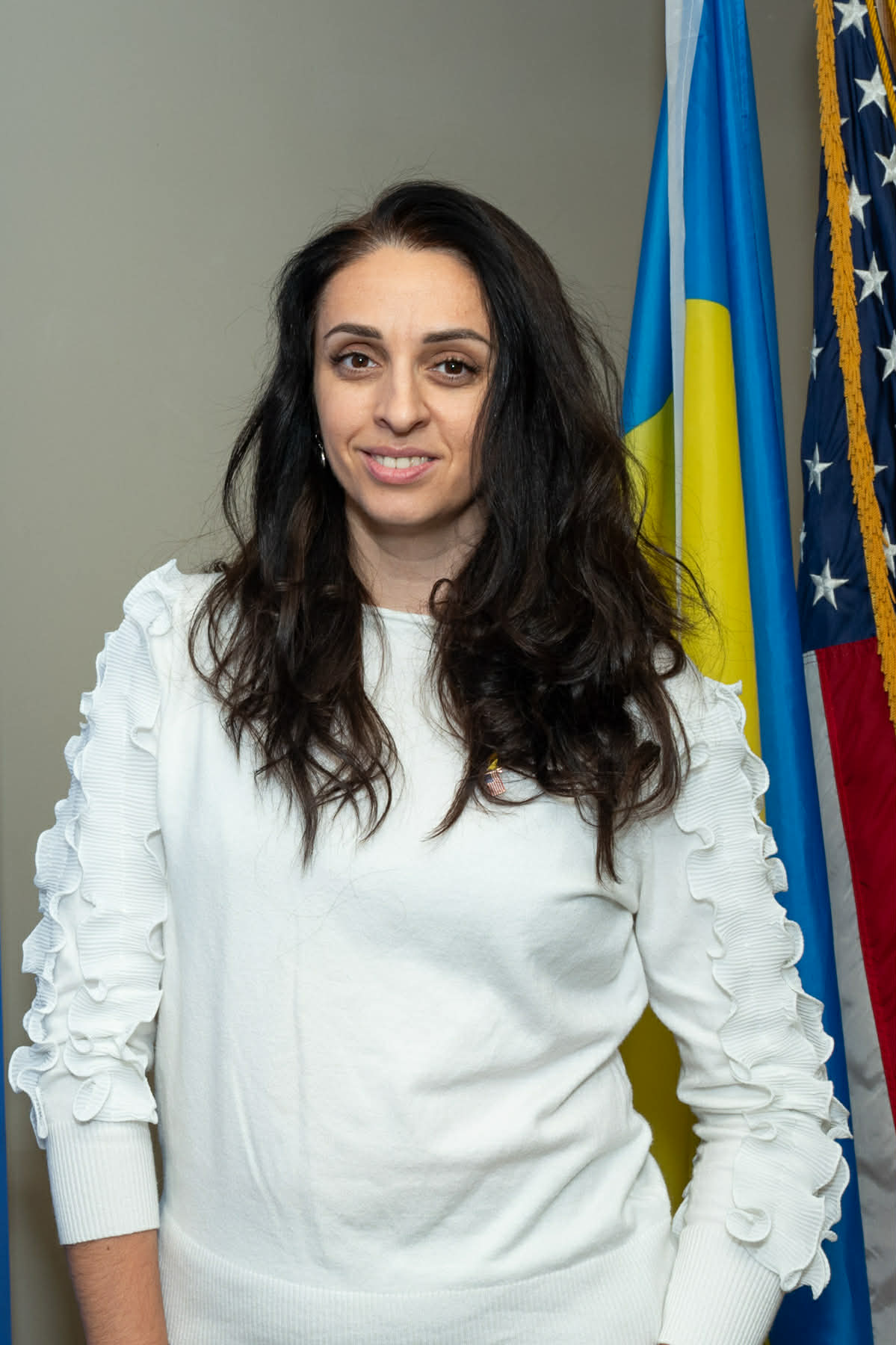





Today we’d like to introduce you to Iryna Borbol.
Hi Iryna, we’re thrilled to have a chance to learn your story today. So, before we get into specifics, maybe you can briefly walk us through how you got to where you are today?
My name is Iryna Borbol, and today I am a Family Education Mentor at the Ukrainian American Community Center in Minnesota. But my story didn’t start here. It started with uncertainty, fear, and a decision no mother ever wants to make.
In May 2022, as the war in Ukraine was rapidly escalating, I left my home with my two children — they were just 4 and 11 years old. We didn’t leave because we were ready. We left because staying was no longer safe. I remember holding onto one thought over and over again: I just need to get them somewhere safe.
When we arrived in the United States, everything felt unfamiliar — the language, the systems, the daily life. I had to start over completely. My first job was cleaning houses. It was not easy, but it was a beginning. From there, I slowly rebuilt my life — working in a childcare center as a Teacher Aide, becoming a Lead Teacher, then a Family Coach, and eventually stepping into the role I have today.
At the same time, I was going through the same journey as the families I now help. I know what it feels like to be lost in a new system, to not understand how schools work, to worry about your children’s future every single day. That experience became the foundation of my work.
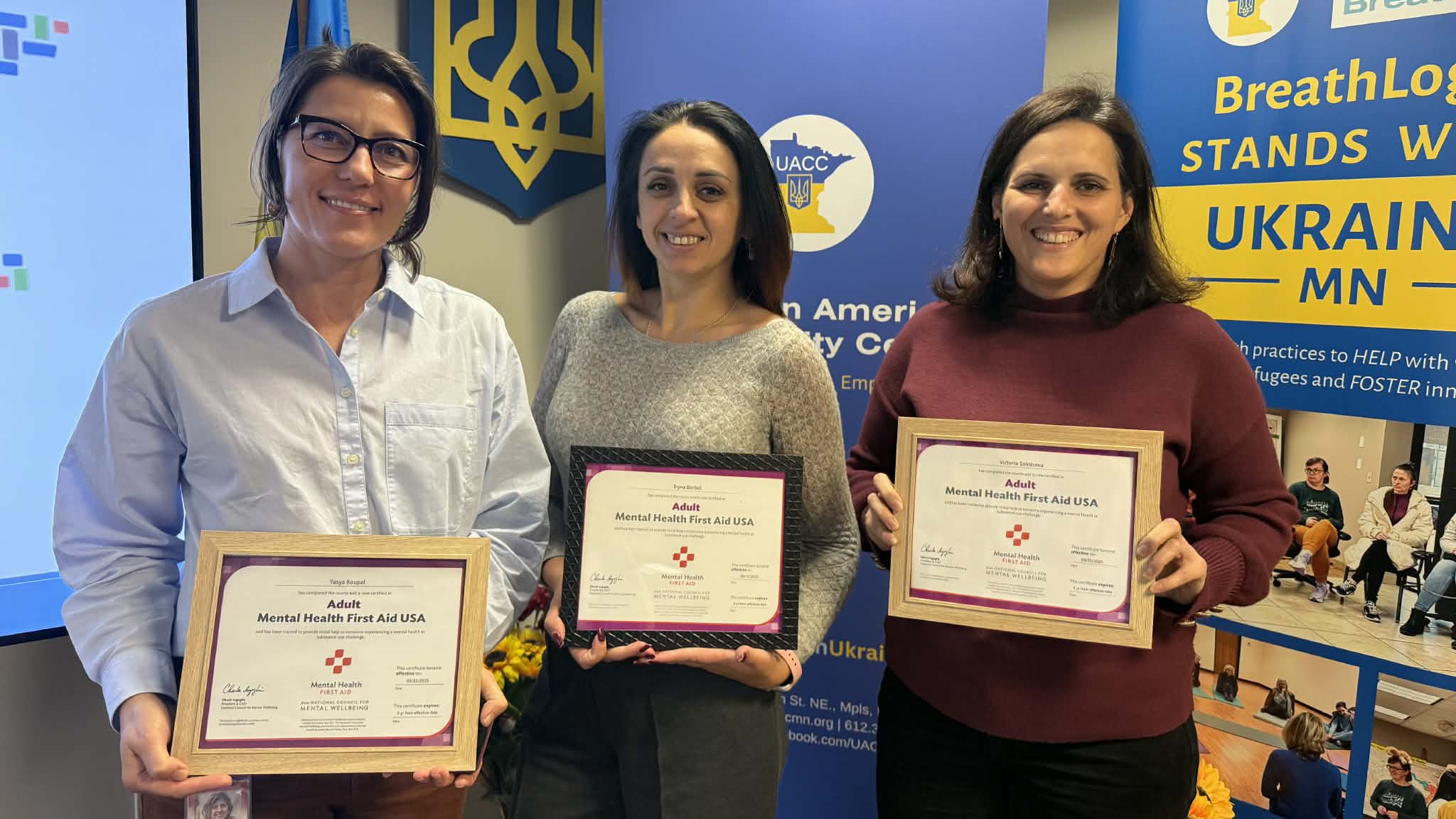
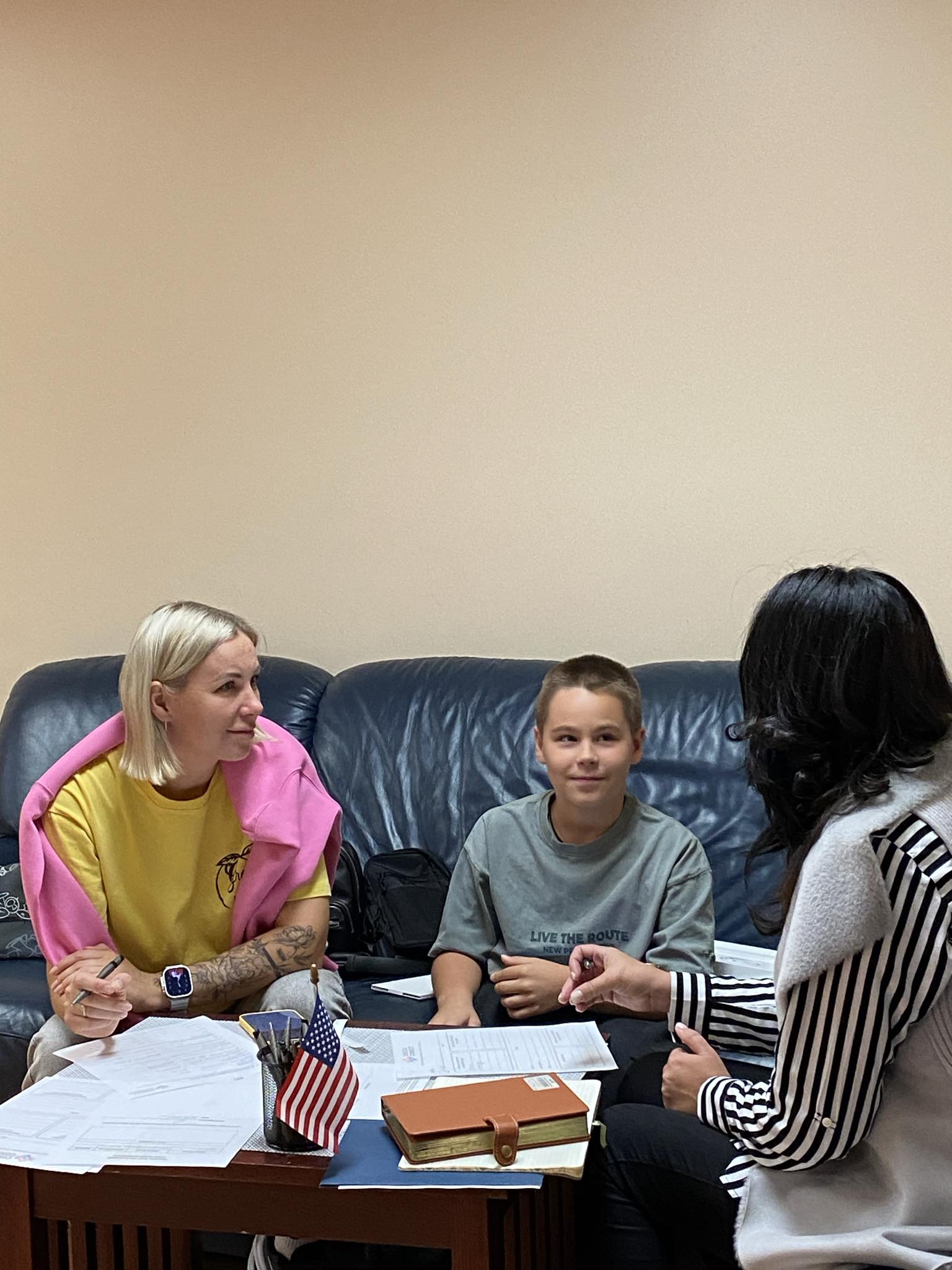
Today, I support refugee and immigrant families through the Ukrainian American Community Center, where I serve as a Family Education Mentor. I work closely with children — helping them adapt to school, build confidence, improve academically, and feel like they belong. I guide parents through systems that can feel overwhelming. For me, this is not just a profession — it is deeply personal.
In August 2024, my life changed again — I became a mother for the third time here in the United States. My daughter was born into two worlds — American and Ukrainian — carrying both identities from her very first day.
Before the war, my life in Ukraine looked very different. I had my own creative business, organizing events, celebrations, and cultural projects. I was deeply involved in community life. In many ways, I had to leave that life behind — but I didn’t lose who I am. I transformed it.
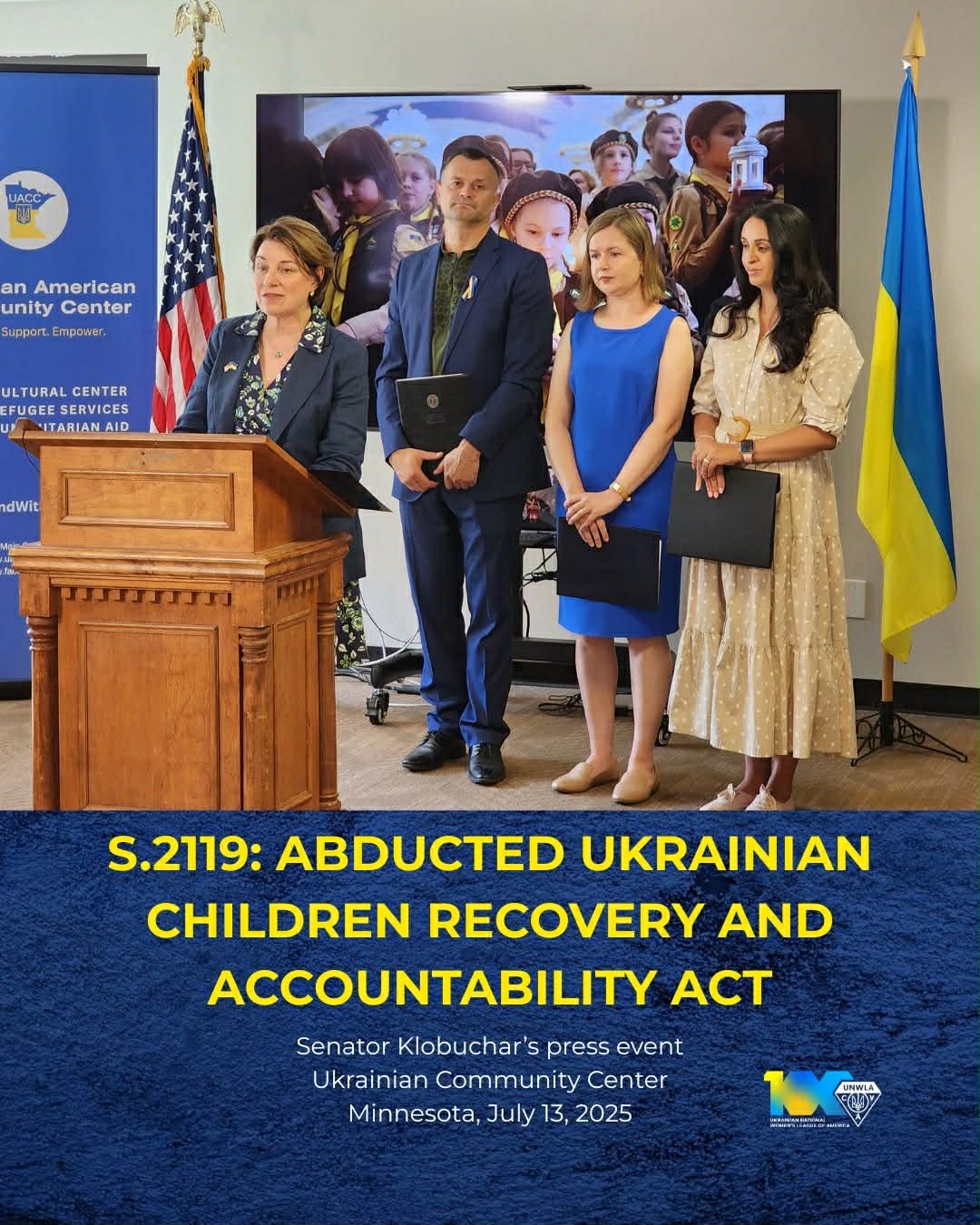
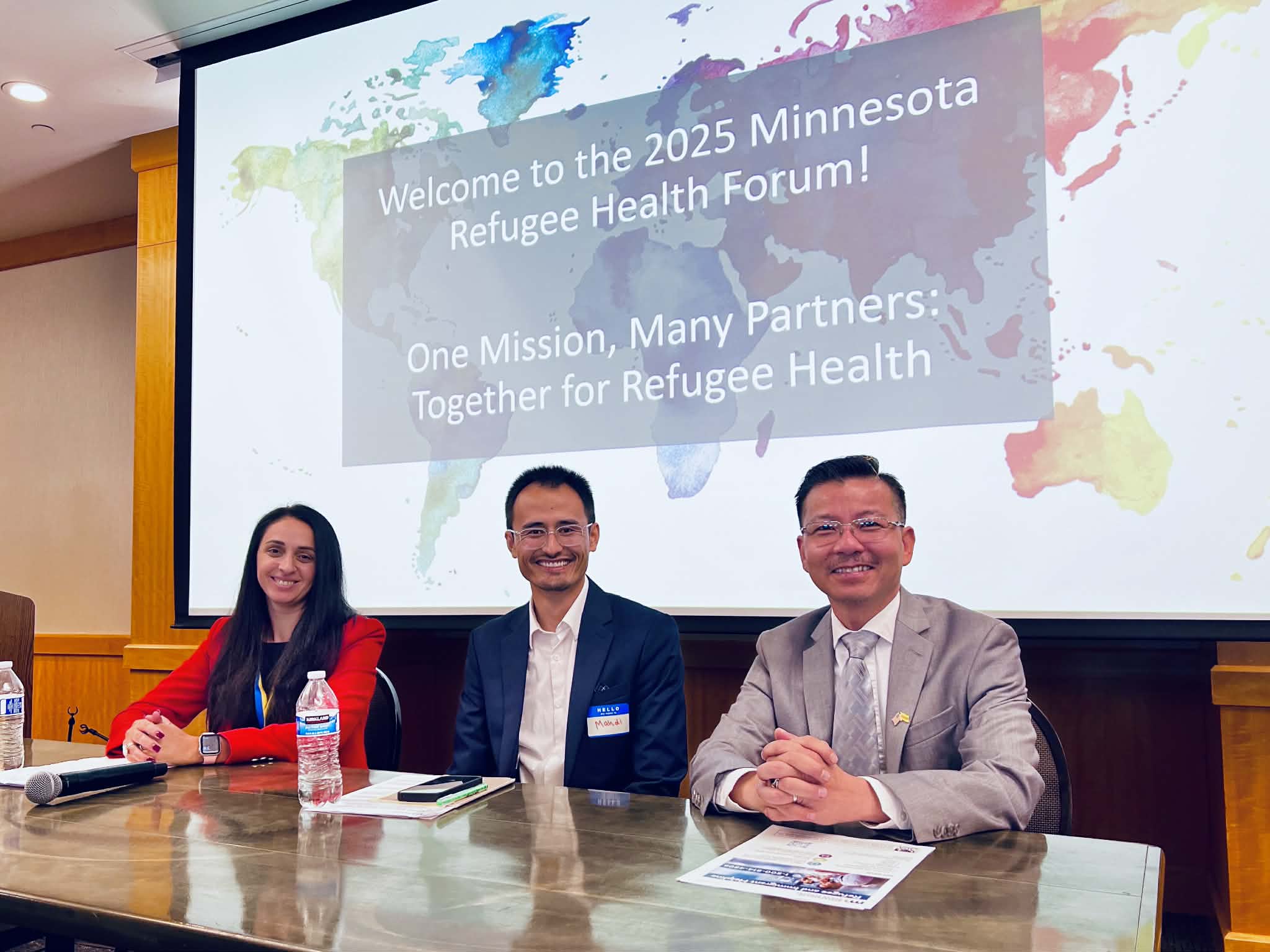
Today, I continue to build community in a different way. I speak at conferences, support families, and advocate for those whose voices are not always heard. I also collaborate with Senator Amy Klobuchar’s office on initiatives related to Ukrainian children who were taken during the war — because for me, this is not just politics, it is about children, families, and justice.
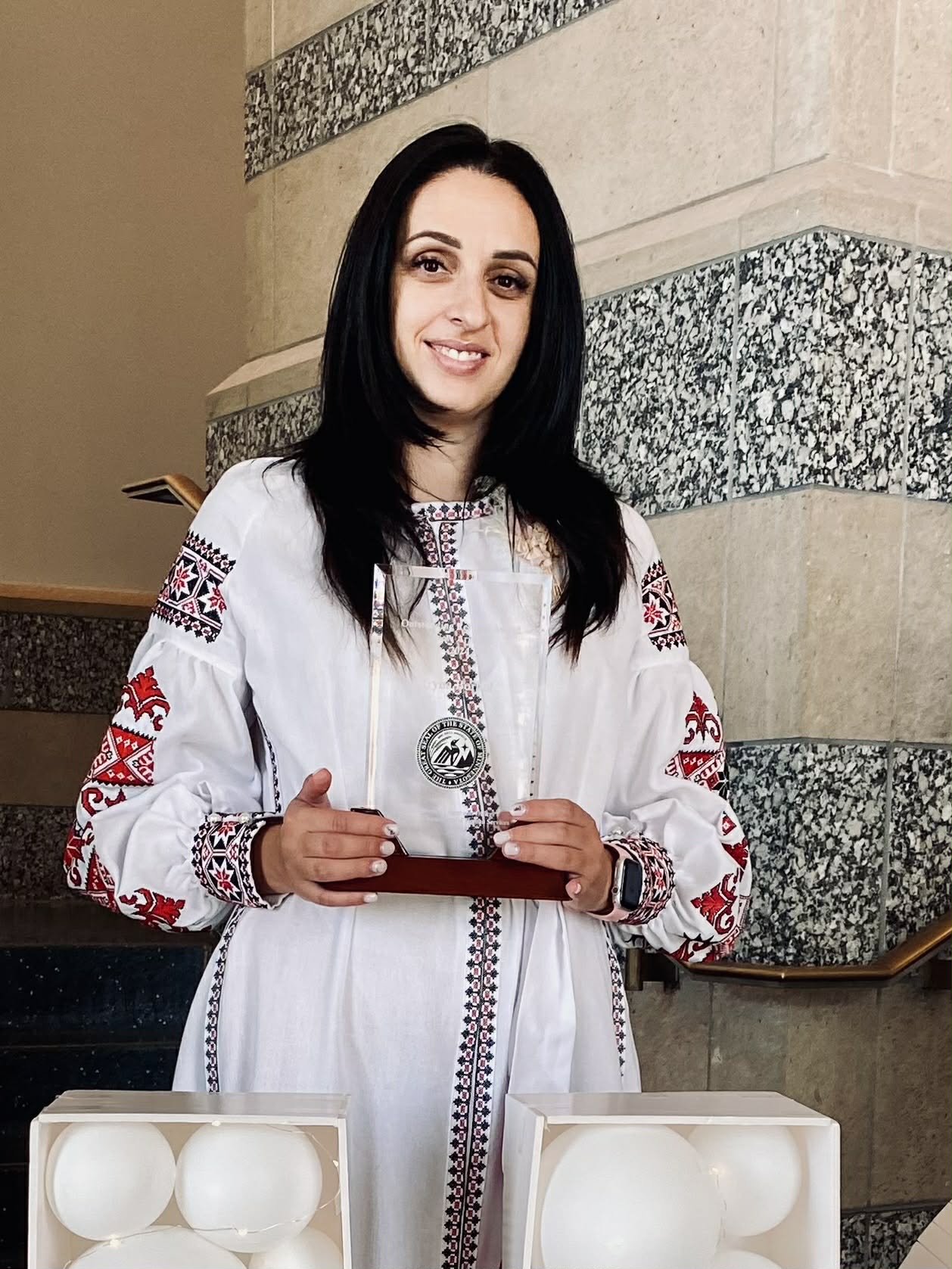
In September 2024, I was honored to be nominated as an Outstanding Newcomer Refugee in Minnesota. But for me, the greatest recognition is something else — when a child who was once afraid begins to smile again, when a family feels supported, when someone says, “Now I understand how to move forward.”
My mission is simple, but it comes from the heart:
to help children who have experienced the trauma of war rediscover safety, warmth, and the joy of being a child again.
And maybe that is what this journey is really about — not just rebuilding a life, but helping others believe that it is possible.
Would you say it’s been a smooth road, and if not what are some of the biggest challenges you’ve faced along the way?
It has not been a smooth road — not even close.
Starting over in a new country is never easy, but doing it while carrying the weight of war, uncertainty, and responsibility for children makes it even more challenging. There were moments of fear, exhaustion, and doubt. I had to rebuild everything from zero — a career, a sense of stability, and a vision for the future.
One of the biggest challenges was navigating a completely unfamiliar system. Everything was new — the language, the education system, the expectations. As a mother, it was especially hard not always knowing how to best support my children in school or how to advocate for them in a system I was still learning myself.
Financially, it was also a difficult period. I started with very basic jobs, and at the same time, we were raising children and adjusting to a new life. Even today, balancing full-time work and family responsibilities — especially with a young baby — requires constant effort and sacrifice.
There were also emotional challenges. Leaving your home, your past life, and everything familiar behind is not something you simply move on from. You carry it with you. And at the same time, you have to stay strong for your children, even on the days when you feel overwhelmed.
But those challenges shaped me. They gave me strength, empathy, and a deeper understanding of the families I now work with. Every obstacle became part of the path that led me to where I am today.
So no — it has not been easy. But it has been meaningful, and it has given my work a purpose that comes from real experience, not just theory.
Can you tell our readers more about what you do and what you think sets you apart from others?
Every day, I meet families who are trying to rebuild their lives in a new country. Children who walk into school not understanding the language. Parents who feel lost in a system they don’t yet know how to navigate. And in many ways, I see myself in them — because not so long ago, I was in the same place.
My role is to stand somewhere in between — between the family and the school, between confusion and understanding, between fear and confidence. I help children adapt, find their voice, and begin to believe in themselves again. I help parents feel less alone, more informed, and more уверено in decisions about their children’s future.
I don’t believe in a standard approach. Every family carries a different story, a different level of pain, strength, and hope. That’s why my work is very personal. Sometimes it’s about academics — tutoring, grades, school support. But very often, it’s about something deeper: helping a child feel safe again, helping them smile, helping them trust the world around them.
Maybe what sets me apart is that I don’t see this work only as a profession. I see it as something I lived through myself. I understand what it means to start from zero, to feel lost, to not know where to go next. And because of that, I don’t just guide families — I walk this path with them.
The moments I am most proud of are not big or loud. They are quiet. A child who was silent starts speaking. A student who was struggling begins to succeed. A teenager who felt invisible starts to believe in their future again.
I am also learning to balance all of this with my own life — being a mother of three, building a career, and continuing to grow. It is not always easy. But for me, growth is not something optional — it is part of who I am.
If I had to describe my work in one sentence, I would say this:
I help families not just adjust to a new life — but believe that they truly belong in it.
In terms of your work and the industry, what are some of the changes you are expecting to see over the next five to ten years?
In the next 5–10 years, I see this field becoming more human-centered. We are moving away from a system where families are expected to figure everything out on their own, toward one where support, guidance, and understanding are essential.
Children today come into classrooms carrying not only backpacks, but stories—of migration, loss, resilience, and change. Education will need to respond to that reality. Emotional safety, confidence, and belonging will matter just as much as academic success.
I also believe there will be more space for voices like mine—professionals who have lived through similar journeys. Because when families feel understood, they begin to trust. And when they trust, they begin to grow.
Contact Info:
- Website: https://uaccmn.org/
- Instagram: https://www.instagram.com/uacc.mn
- Facebook: https://www.facebook.com/UACCMN