


Today we’d like to introduce you to Renee Vaughan.
Hi Renee, we’d love for you to start by introducing yourself.
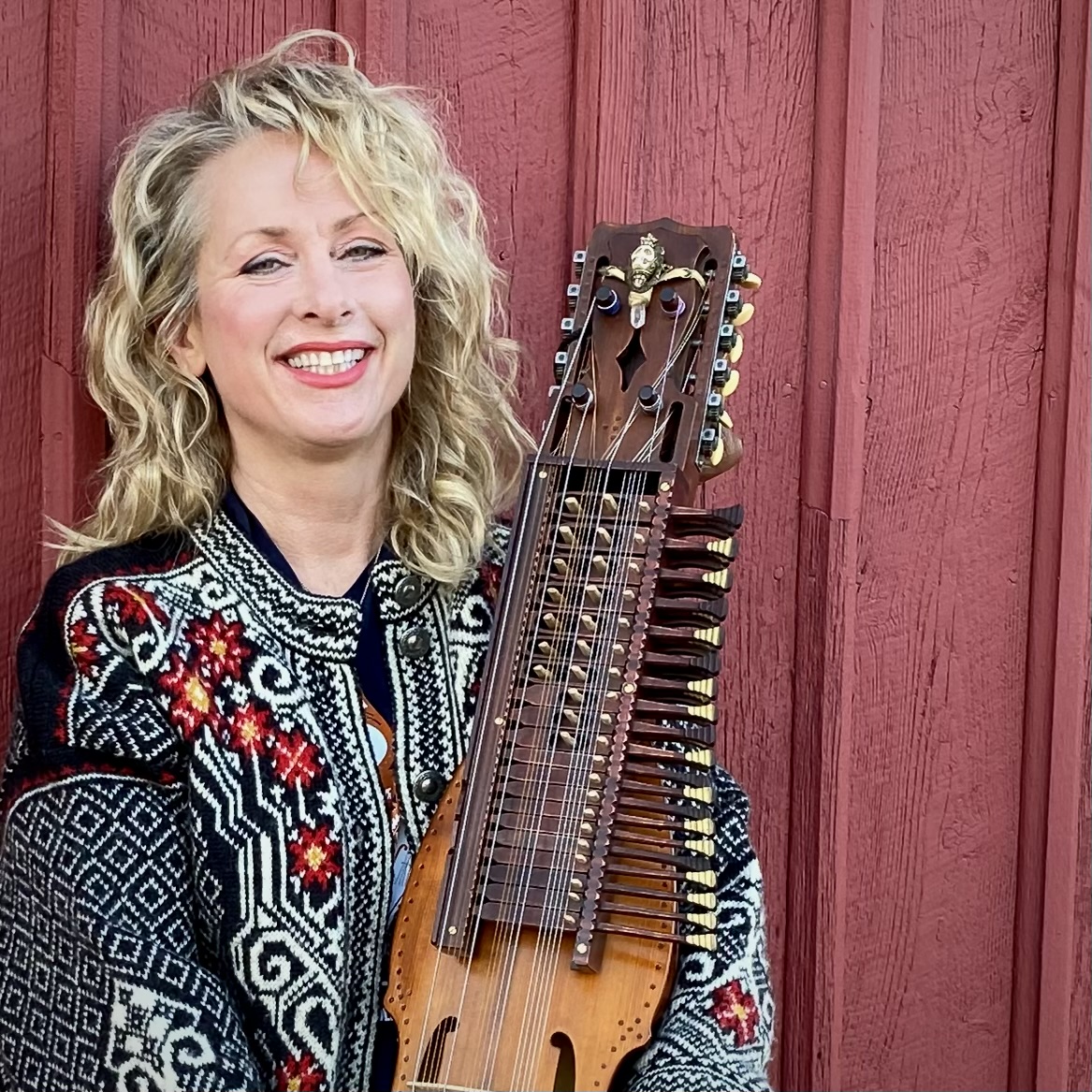
I am a Swedish folk musician and teaching artist who creates spaces where music, movement, and storytelling help people connect to culture, identity, and belonging.
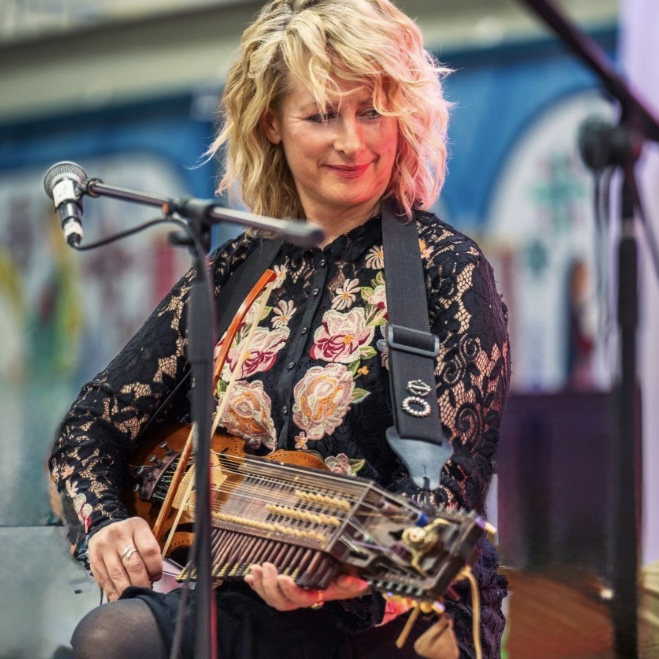
My path into this work began about 25 years ago through studying dalmålning, or Swedish folk painting. Wanting to immerse myself in the culture, I checked out a Swedish folk music CD from the local library. On it, there was a track featuring nyckelharpa, and I just loved it, everything about it. The melody was gorgeous, the rhythm was unique, and the instrument itself sounded both ethereal and earthy at the same time.
Before music, I spent a decade teaching in higher education and another decade working in a long-term care community with elderly people living with a wide range of physical and cognitive abilities, including dementia. This experience shaped how I understand presence, the need for access to folk arts, and what it means to create spaces where people feel seen and included.
These days, I bring together music performance and teaching to explore how Swedish traditional music lives within contemporary Minnesota culture. In 2024, I served as musician-in-residence at the University of Wisconsin–Madison. I’ve been awarded two fellowships from the American Scandinavian Foundation (ASF) and I currently work as a teaching artist with Minnesota Public Radio (Class Notes) and COMPAS
I’m sure it wasn’t obstacle-free, but would you say the journey has been fairly smooth so far?
I spend a lot of time thinking about folk music communities, culture, and belonging. Who gets to be part of folk music and dance culture? What barriers exist to participation—physical abilities, neurodivergence, gender identities, etc.? What are the boundaries of adapting a tradition to widen the circle of inclusion? I’ll be exploring these questions this summer in Sweden as part of my ASF fellowship.
Can you tell our readers more about what you do and what you think sets you apart from others?
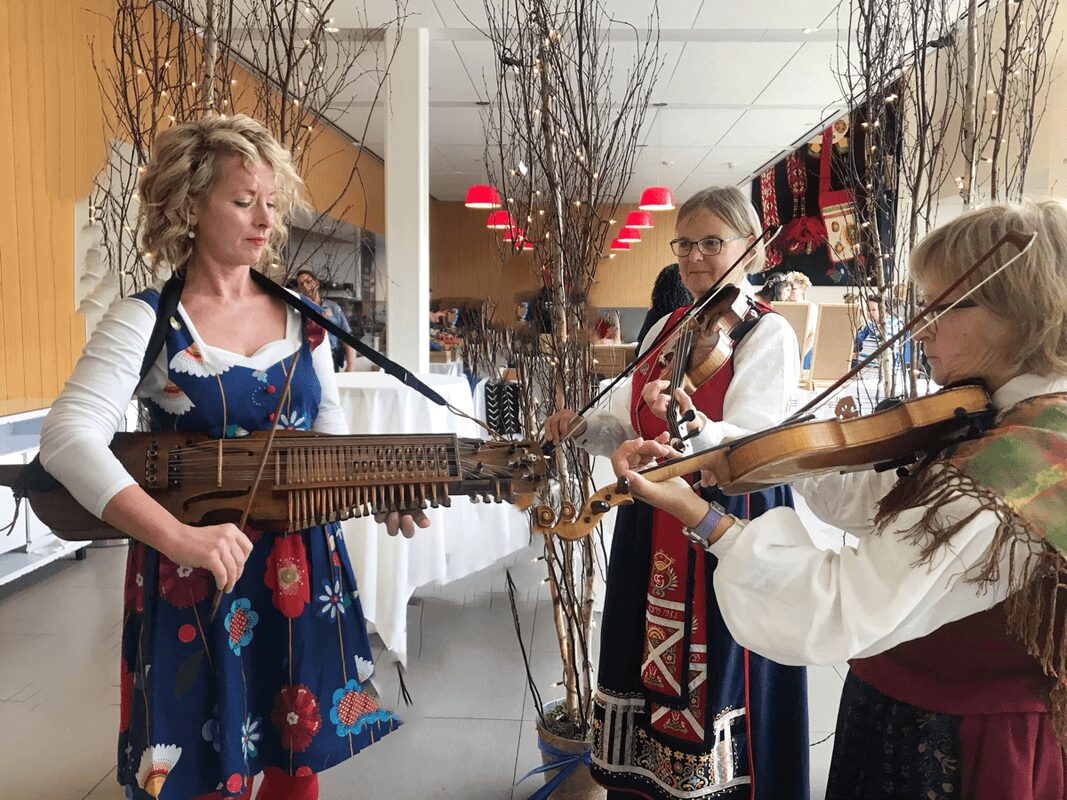
I’m currently focused on a folk-arts fellowship with the American Scandinavian Foundation, studying with master nyckelharpist Cajsa Ekstav on playing and teaching traditional polska rhythms from the Uppland region of Sweden, and with master fiddler Christina Frohm on the regional polska style of Södermanland. I’ll also be studying with master dancer, Bert Persson on considering ways for Swedish folk dance to be accessible for more people. Perhaps danced without a partner or without gender assignment, or accommodate different physical abilities and comfort levels with movement and touch.
Another project is called Nordic Newcomers, which shines a light on first-generation Swedish immigrant musicians in the Upper Midwest. Who were they? What did they play, and how did they help shape the musical fabric of Minnesota, Wisconsin, Iowa, and the Dakotas?
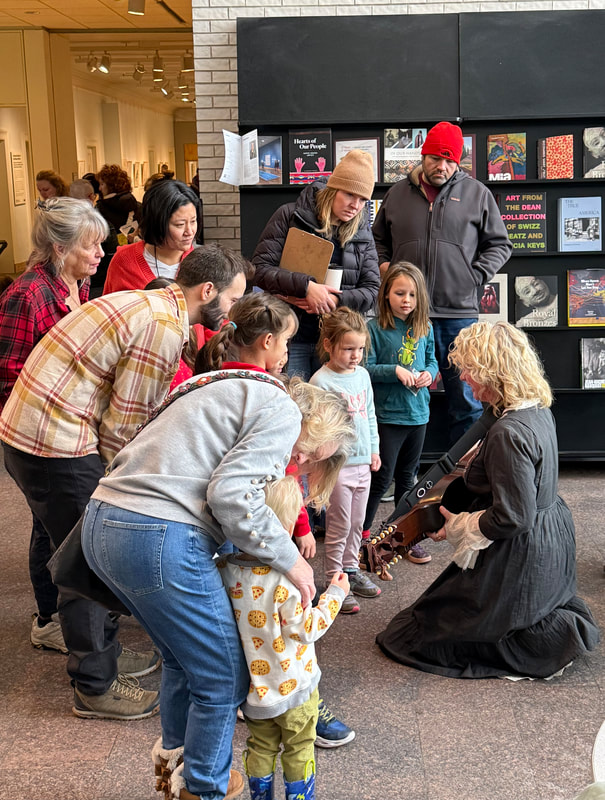
I also do a lot of playing, performing Swedish folk music at festivals, community events, cultural institutions, schools, libraries, and more.
What would you say have been one of the most important lessons you’ve learned?
Still learning. A lot. Daily. I do know that folk arts are one of the most direct ways for people to understand themselves and how they connect to their heritage, community, and sense of belonging. Through Swedish folk music and dance, I want to create spaces where people can step into a tradition, experience it in their own way, while continuing to honor it.
Contact Info:
- Website: https://www.reneevaughan.com
- Instagram: @thereneevaughan
- Facebook: https://www.facebook.com/renee.vaughan
- Youtube: @ReneeVaughan