





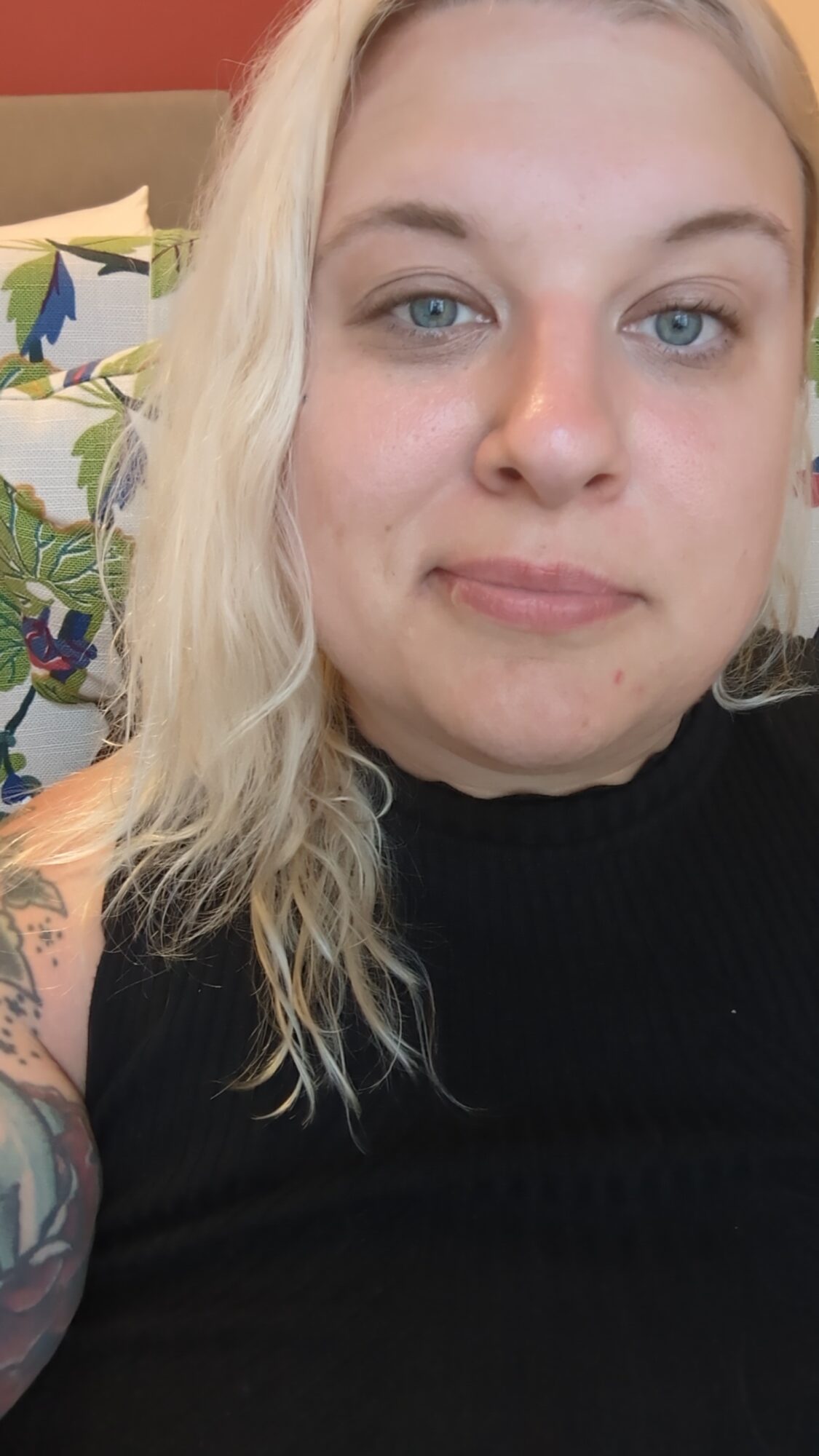
Today we’d like to introduce you to Rose Hellat.
Hi Rose , please kick things off for us with an introduction to yourself and your story.
Growing up in Minneapolis—spending formative years in the culturally rich neighborhoods of Minneapolis—Rose was surrounded by a community shaped by migration, resilience, poverty and reinvention. Her own family’s history mirrored that landscape. She comes from an extended family of displaced persons who fled Northern Europe after World War II, carrying with them not only the trauma of conflict but also the determination to rebuild their lives. Their stories of survival and loss were part of her earliest understanding of the world, grounding her in the reality of generational trauma and the quiet strength required to rise from it.
Within her immediate family, Rose experienced another layer of complexity. She grew up alongside relatives with disabilities, parents with severe and persistent mental illness (SPMI) while living in poverty. These dynamics brought instability, shifting roles, and early exposure to how poverty, migration, disability and mental illness shape family systems. They also awakened in her a deep awareness of human vulnerability, resilience, and the importance of support networks.
These early influences led directly to her life’s work. Rose has spent over twenty years working with people with disabilities, advocating for autonomy, accessibility, and dignity across diverse care settings. Her work has spanned direct support, systems navigation, and community-based services, giving her a comprehensive understanding of the barriers people face—and the importance of compassionate, informed intervention.
Building on that foundation, Rose went on to develop more than a decade of professional experience in mental health, working in outpatient therapy, crisis response, case management, and trauma-informed care. Across roles, she has remained guided by a core belief: that healing requires connection, safety, and the trust that one’s story will be met with understanding rather than judgment.
Today, her work integrates the full arc of her personal and professional history. The cultural mosaic of Minneapolis, the legacy of displacement, her family’s experiences with disability and SPMI, and decades spent working alongside marginalized communities all inform her deeply relational, trauma-aware approach. Rose’s practice is built on the conviction that people heal best when they are seen clearly, supported authentically, and empowered to reclaim their own narrative.
Would you say it’s been a smooth road, and if not what are some of the biggest challenges you’ve faced along the way?
Throughout her life, Rose has navigated a wide range of personal struggles that have shaped both her identity and her professional calling. Growing up in an environment marked by instability, she faced the emotional weight of having parents with severe and persistent mental illness. Their mental health crises—left her without consistent parental support. As a child, she often found herself stepping into roles far beyond her age, managing responsibilities and emotional burdens she didn’t yet have the language to describe.
Living within a large family touched by poverty, cultural changes, being refugees without a culture, also brought challenges. Rose was exposed early to the systemic barriers and social stigmas faced by people—experiences that revealed how easily individuals can be overlooked or misunderstood. At the same time, she witnessed how families under chronic stress can become both distant and enmeshed, creating emotional dynamics that are confusing and difficult to navigate.
Layered onto this was the generational trauma carried by her extended family—displaced persons who fled post–World War II Europe and rebuilt their lives in the U.S. The echoes of that displacement shaped family relationships, communication patterns, and unspoken expectations. Rose grew up with a sense of cultural disconnection, and later, the pull to reclaim pieces of her identity that had been lost through migration, silence, and survival.
These intersecting struggles—instability at home, the pressures of early caretaking, navigating disability in the family, and grappling with cultural loss—left her with periods of anxiety, self-doubt, and emotional overwhelm. She has confronted moments of isolation, identity confusion, and the lingering effects of being raised without stable emotional anchors.
But these challenges also cultivated a deep capacity for empathy, resilience, and insight. They became the driving force behind her work: a commitment to offering others the stability, understanding, and compassion she often had to find on her own.
Thanks – so what else should our readers know about your work and what you’re currently focused on?
My work is rooted in the belief that healing happens through connection, safety, and the courage to tell one’s story. I am a trauma-informed therapist and social worker with over twenty years of experience working with people with disabilities and more than a decade of professional experience in mental health. My approach blends evidence-based practices with a deeply relational, human-centered perspective shaped by my own lived experiences.
I specialize in trauma, anxiety, identity disruption, generational trauma, and supporting individuals navigating instability or major life transitions. I’m known for my ability to help clients untangle complex emotional patterns, especially those rooted in childhood trauma, family systems, and environments affected by disability, mental illness, or addiction. Clients often tell me they feel truly seen—sometimes for the first time—because I bring both professional expertise and personal understanding to the therapeutic space.
What Sets Me Apart
What sets me apart is the lens through which I view healing. Growing up in Minneapolis within a complicated family system—surrounded by relatives with disabilities, parents with severe and persistent mental illness (SPMI), and the generational impacts of being a family of post–WWII displaced persons—gave me firsthand insight into how instability, identity loss, and trauma shape the human experience. These early challenges shaped my ability to hold space for others with compassion and clarity.
Because I’ve lived through many of the same struggles my clients bring into the room—feeling unheard, navigating crises, carrying family burdens too early, and trying to rebuild identity from the ground up—I’m able to sit with people in their most vulnerable moments without judgment or fear. That lived perspective informs my practice as much as my training does.
What I’m Most Proud Of
I’m most proud of the relationships I build with clients and the transformations I witness when people begin to trust their own voice. I’m proud of the decades I’ve dedicated to advocating for people with disabilities and working within systems that don’t always make space for humanity. And I’m proud of creating a practice that feels grounded, safe, and inclusive—a place where people can explore who they are, where they’ve been, and where they’re going.
More than anything, I’m proud of helping clients move toward lives that feel stable, meaningful, and authentically their own. That, to me, is the heart of the work—and the reason I show up every day.
Do you have any advice for those just starting out?
Advice for Other Therapists
If I could offer one piece of advice, it’s this: your story matters, even the parts you’ve been taught to minimize, hide, or push through. So many people believe they have to earn support by being “strong enough,” “stable enough,” or “easy enough” to care for. But healing begins the moment you stop performing resilience and allow yourself to be human.
Another piece of advice: seeking help is not a sign that something is wrong with you; it’s a sign that something happened to you. There is a profound difference. When we shift the narrative from self-blame to self-understanding, the path forward becomes clearer and far more compassionate.
As therapists, we hold stories shaped by trauma, complexity, and the human condition—and it’s essential to remember that our work begins with how we show up, not just what we know. Create space that feels safe enough for clients to bring the parts of themselves they’ve never shown anyone. Technique matters, but presence heals.
Stay curious about the nervous system—your client’s and your own. Understanding how survival patterns live in the body helps us stop pathologizing protective strategies and start honoring them as adaptations. Tend to your internal landscape through supervision, consultation, personal therapy, and community—these are ethical commitments, not luxuries.
Finally, remember that healing is not linear or solitary. Let yourself have people. Let yourself be supported, seen, and understood. Pain isolates, but recovery reconnects. The more grounded and regulated we are, the more room clients have to breathe, explore, and grow.
Advice for Potential Clients
If I could offer one piece of advice, it’s this: your story matters, even the parts you’ve been taught to minimize, hide, or push through. So many people believe they have to earn support by being “strong enough,” “stable enough,” or “easy enough” to care for. But healing begins the moment you stop performing resilience and allow yourself to be human.
Another piece of advice: seeking help is not a sign that something is wrong with you; it’s a sign that something happened to you. There is a profound difference. When we shift the narrative from self-blame to self-understanding, the path forward becomes clearer and far more compassionate.
Healing doesn’t require perfection. It requires honesty, patience, and a space where you don’t have to carry everything alone. Remember, healing is not linear or solitary. Let yourself have people. Let yourself be supported, seen, and understood. Pain isolates, but recovery reconnects. You don’t have to do this alone, and you were never meant to.
Therapy can help you reconnect with yourself, build inner stability, and reclaim the parts of your life that deserve to feel lighter and more hopeful. You are not “too much,” and you are not behind—you are human, and you are doing the best you can with what you’ve lived through.
Pricing:
- accessible options available.
- all insurances accepted
- sliding scale available.
Contact Info:
- Website: https://www.compassioncollectivemn.com
- Instagram: compassioncollectivemn
- Facebook: https://www.facebook.com/compassioncollectivemn