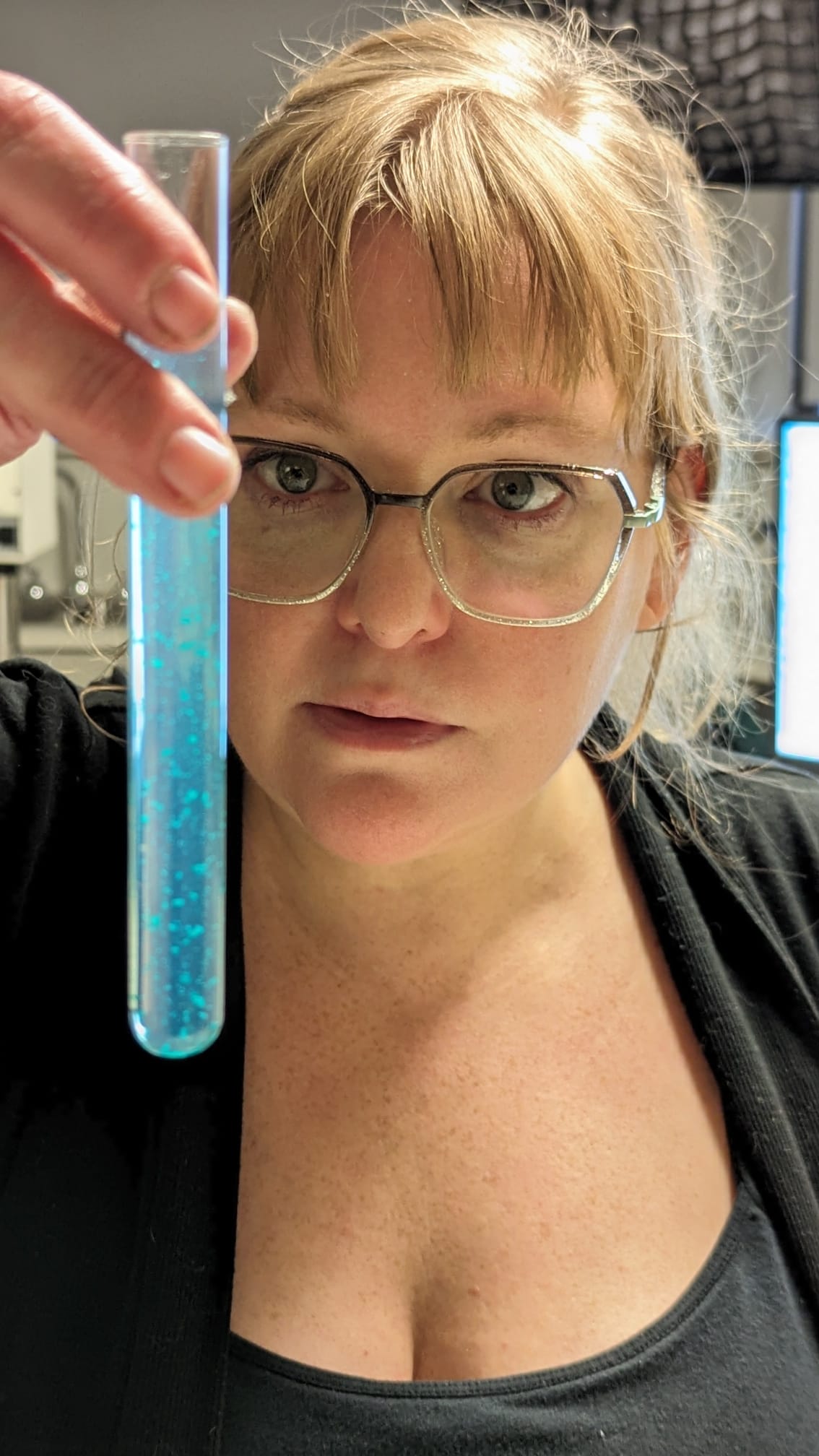





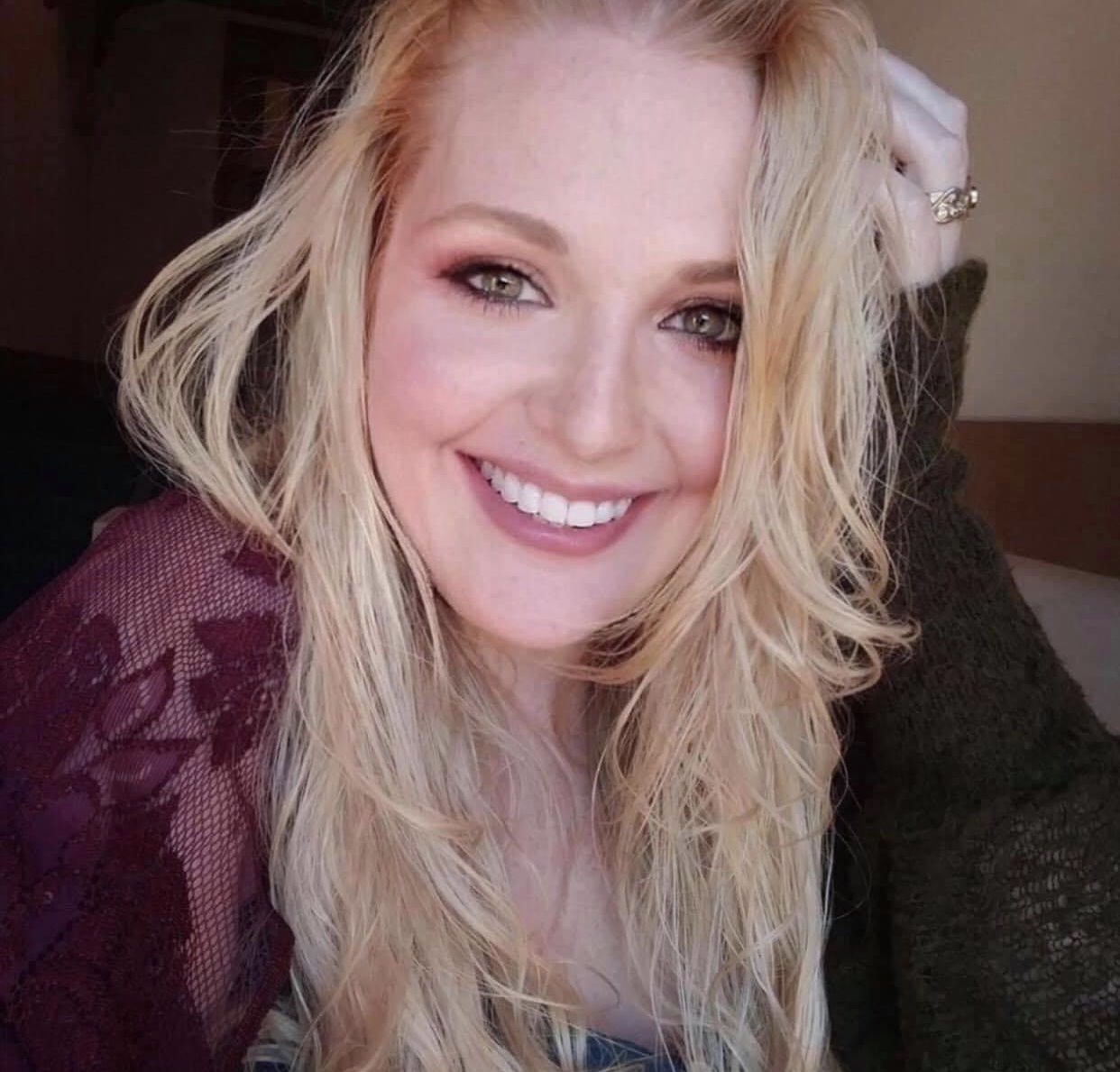
Today we’d like to introduce you to Vanessa Miles.
Alright, so thank you so much for sharing your story and insight with our readers. To kick things off, can you tell us a bit about how you got started?
My dreams have always been really vibrant and colorful. I wake up in the middle of the night to describe them in a notebook I keep at the side of my bed, and to this day I still look to my notebook for inspiration. When I was a kid things were rough and I’d often go into my imagination to escape. Full, rich worlds would come to life in my mind, and I wanted to be able to realize them in the real world. I was drawn to sci-fi, fantasy and period films because of their world building, literally watching some of my favorite movies 30-40 times immersed in the places they created. While in film school I got caught up in the idea of being able to design these worlds using texture, color, light, research and techniques leading me to the art department. I wasn’t even 21 years old yet when I designed my first feature film, and have now been a production designer in film & television for over 20 years. I’m fascinated with creating the spaces within which all of these stories can exist, and bringing them to life.
Would you say it’s been a smooth road, and if not what are some of the biggest challenges you’ve faced along the way?
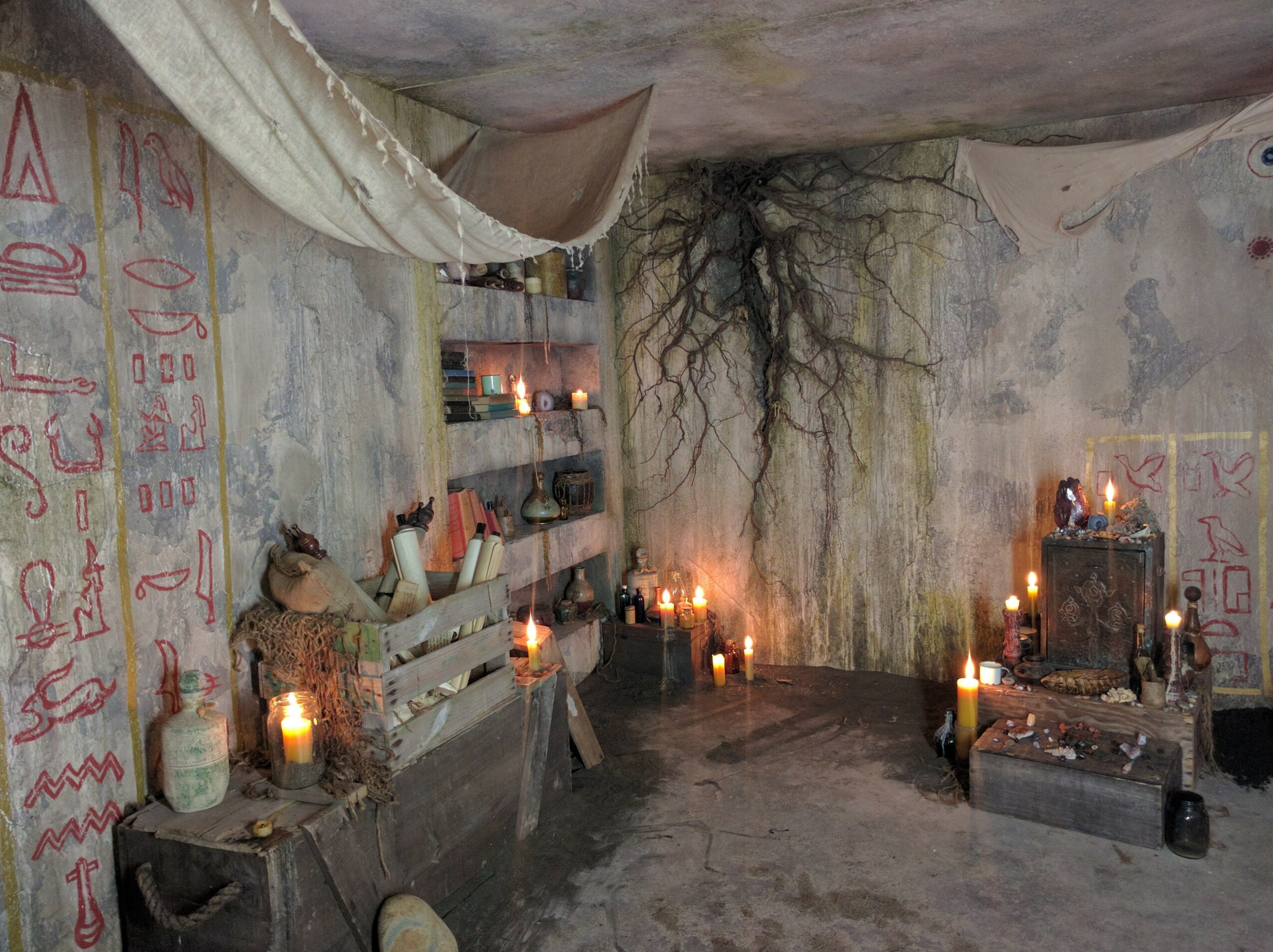
Working in any of the arts comes with struggles, and filmmaking is no different. It can be extremely challenging trying to make a living doing what I do especially in the midwest for several reasons. Finding steady enough work often has meant branching into other adjacent areas such as interior design, advertising, designing department store windows and displays, event decorating, fine art and such. Secondly, film work here leans more often to smaller scale independent projects that don’t have worlds of such grand scope as the big blockbusters, such as when I got to work on Christopher Nolan’s The Dark Knight. And while I’m still fascinated by the idea of making things on such a grand scale, I’ve been challenged to learn how to design more subtly, to support and further these generally more intimate and personal stories which are still so important to tell. There is such a broad swath of possibilities out there. I have since designed and worked in New Zealand, LA, Chicago, as well as Minnesota staging secret cave tunnels, post apocalyptic war zones, simple family homes and classrooms. The goal is always to shape the world to best tell the tale.
Thanks for sharing that. So, maybe next you can tell us a bit more about your work?
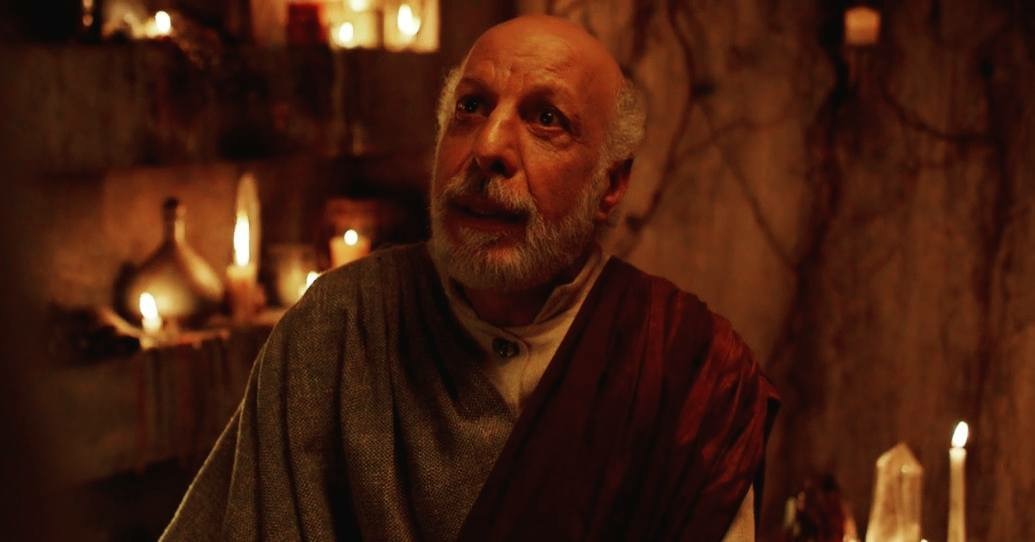
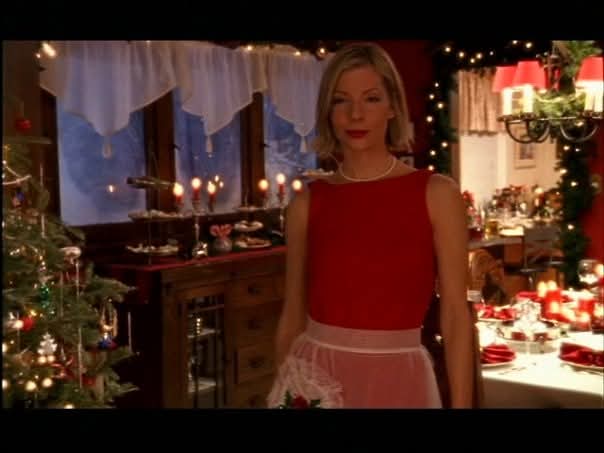
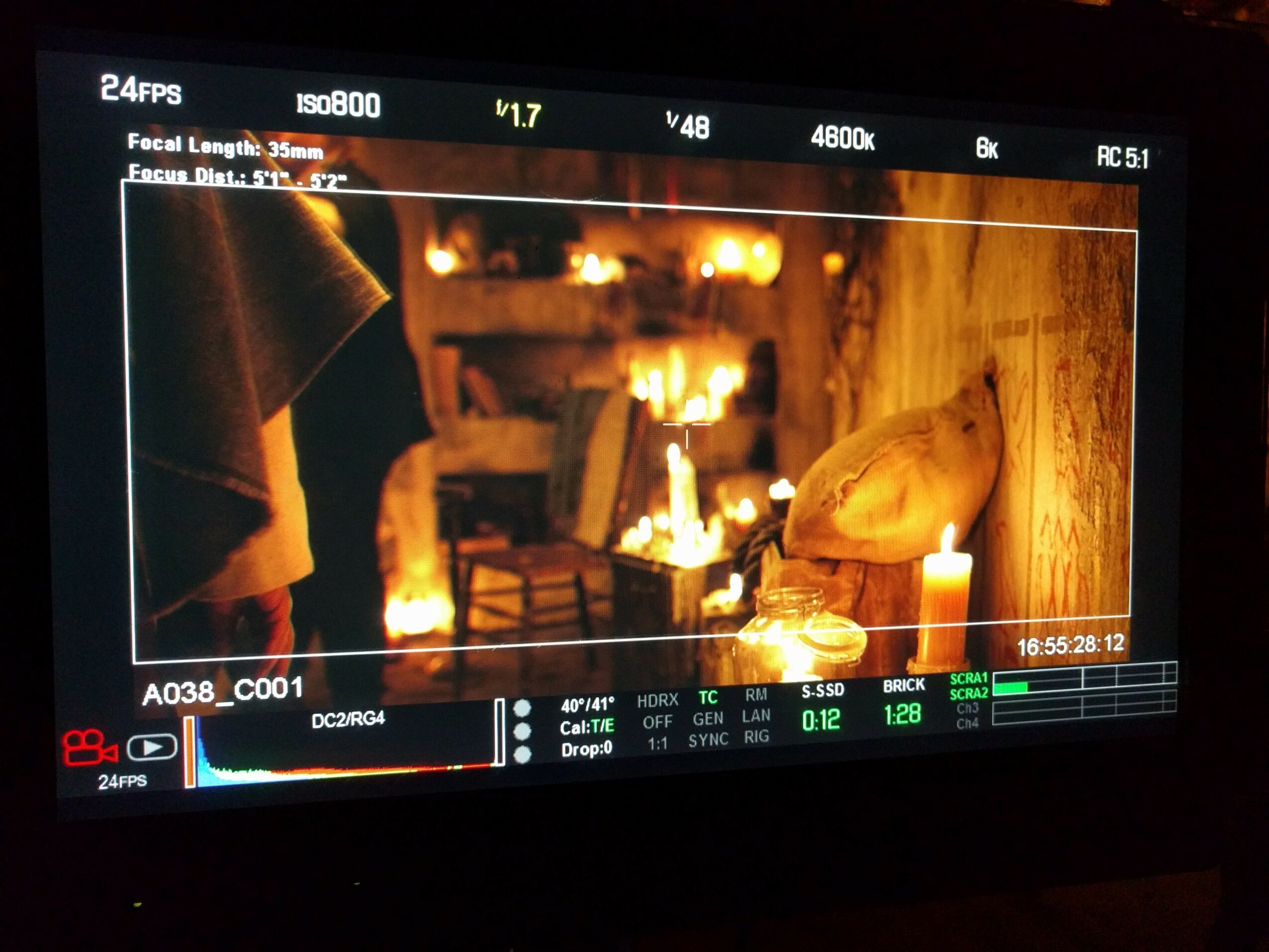
I am primarily a production designer. I design the look and feel of film and tv productions, and oversee the art department, a collection of specialized crew members whose job it is to realize those designs in collaboration with the rest of the production. I personally tend to focus a lot on color and texture, as well as how those interact with light within space to help enhance the psychology of the characters and further the intentions of the screenwriter and the director. I always try to bring in details that not only make a set believable but that also speak to the audience on both a conscious and subconscious level without having to be too literal. For example when I look at design magazines I’m always creating whole back stories for the images- the people who live there, who they are, what they do, how they think, finding clues in the details within the scene. I kind of reverse this process when I am designing a set. I want you to know who the character is just by experiencing their environment. I’m most proud of the works where I can truly delve into the back stories of the characters, and full scale world building of the story, shaping everything from the ground up.
What quality or characteristic do you feel is most important to your success?
I believe my imagination and empathy are the most important characteristics to my success. The most successful stories are those which succeed on multiple levels. They are complex, even when they seem simple. Every character, every world, every plot has layers, like a collage. My imagination and empathy lead me to think in this way, able to recognize the array of meanings and significance that can be attached to each element and to shape their impact through how they interact with the other elements around them.
Contact Info:
- Website: http://www.vanessamilesdesign.com
- Other: https://www.imdb.com/name/nm2490858/?ref_=ext_shr_lnk