




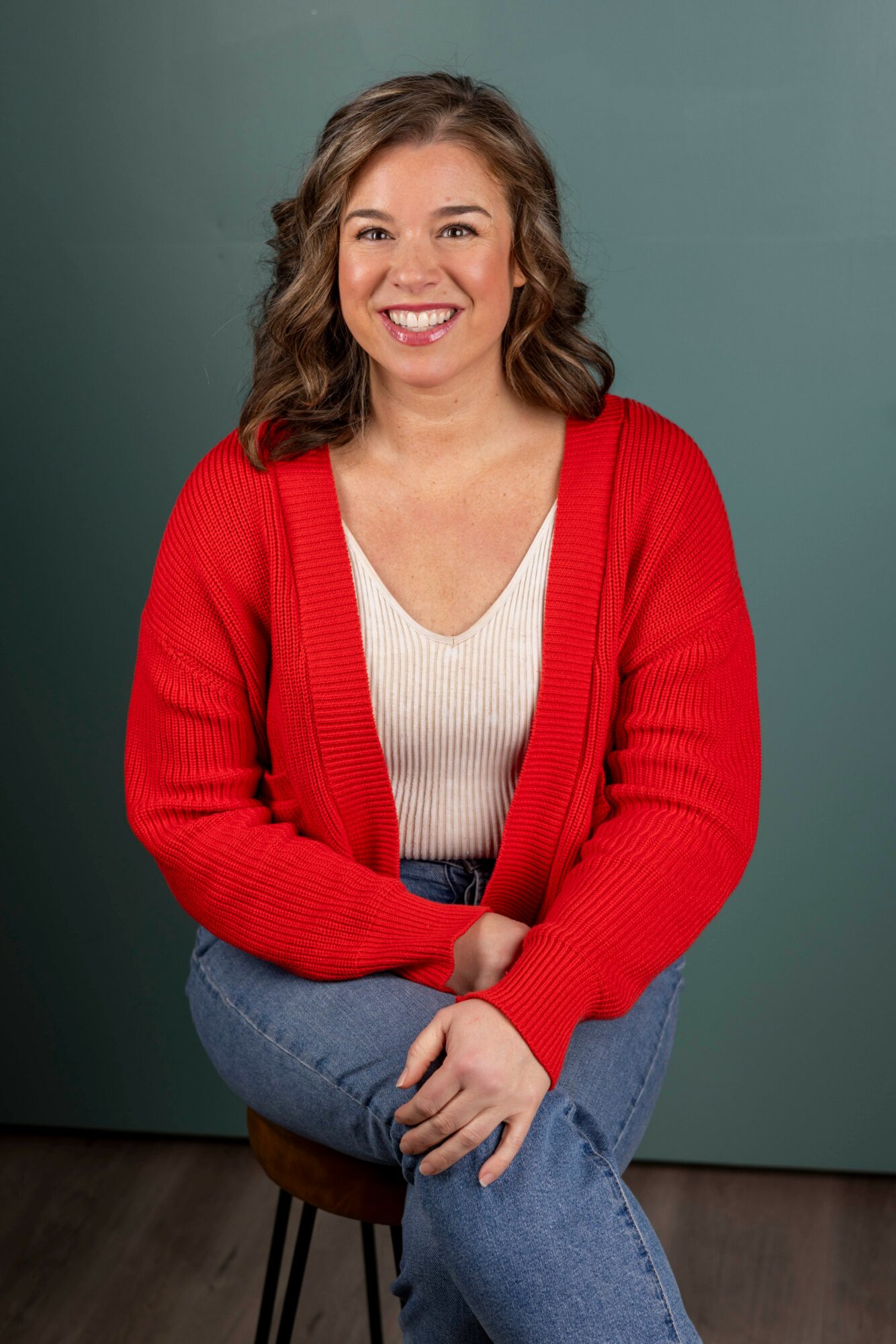
Today we’d like to introduce you to Anna Everhart.
Hi Anna, so excited to have you with us today. What can you tell us about your story?
I began my career in music education 18 years ago with a deep belief that music is not just a skill to be taught, but a way to build connection, beauty and humanity.
In the early years, I built my work alongside motherhood. While raising my young children, I ran a Kindermusik program and taught private piano and voice lessons, often bringing my children with me to classes and rehearsals. Those seasons required creativity, flexibility, and a willingness to build a business that could breathe alongside family life. Rather than separating the two, I learned how to integrate them—something that would later become central to how I lead and teach.
As demand grew, I expanded to a second Kindermusik location and continued developing my private studio from my home. During this time, I also founded a performing arts preschool grounded in a traditional early-childhood education model, with music, dance, and drama serving as the primary learning methods. This chapter strengthened my skills in curriculum design, leadership, and sustainable program building—while still honoring the realities of being a working, stay-at-home mother.
After relocating to Minnesota, I made a conscious decision to simplify and focus more fully on private piano and voice instruction. That narrowing created depth. Over time, the studio grew into a flourishing, highly sought-after practice and now maintains a significant waitlist—something I see as a reflection of both trust and long-term relationship building.
Alongside the professional growth of the studio, I was also walking my own healing journey. My curiosity around the body, nervous system, and how experiences are held and released naturally began to inform my teaching—particularly in voice. What began as traditional instruction evolved into a whole-person, trauma-informed approach that honors the voice as both an instrument and an expression of the self.
Today, my studio sits at the intersection of musical excellence and human care. I continue to teach piano and voice with high standards and clear structure, while also creating environments that support regulation, confidence, creativity, and joy. When I look back, the through-line is clear: each phase—from motherhood-integrated beginnings, to performance-based education, to private instruction—has shaped a practice that is both technically rigorous and deeply human.
Can you talk to us a bit about the challenges and lessons you’ve learned along the way. Looking back would you say it’s been easy or smooth in retrospect?
I wouldn’t say it’s been a smooth road—but it’s been a very creative one.
The biggest challenge has always been balancing motherhood with running a business I love. For a long time, I truly wanted to give 100% to everyone—my kids, my students, my families—and I had to learn, sometimes the hard way, that I’m also part of that equation. Early on, I didn’t yet have the language for boundaries or self-care, so I was figuring it out in real time.
The funny thing is, music was always my happy place. In Kindermusik classes and lessons, I could sprinkle the fairy dust—sing lullabies, create joy, and hold space that felt warm and magical. Those moments were incredibly life-giving, both for the families and for me. People loved “Ms. Anna,” and honestly, I loved being her too.
From a business standpoint, I built things slowly and intentionally. I worked part-time jobs that allowed me to grow the studio over several years, and I still remember celebrating each milestone—first 30 students, then 35, then 40. Last year I reached 50 students, which was exciting, but it also gave me clarity. This year, I’ve capped the studio at 45 students because I care deeply about quality, sustainability, and showing up with joy—for my students and for my own family.
I still navigate the balance between motherhood and teaching—it’s a living, breathing practice—but I’ve made thoughtful changes to my schedule and built in much more self-care along the way. The road hasn’t been perfectly smooth, but it’s been full of music, meaning, and a lot of learning—and I wouldn’t trade that journey for anything.
Appreciate you sharing that. What else should we know about what you do?
What truly sets my work apart is how deeply I listen—both to the music and to the person making it.
I care about outcomes, of course. Technique, repertoire, growth—all of that matters. But I’m just as interested in how a student arrives in the room. Are they tight or tired? Curious or overwhelmed? Bursting with energy or holding their breath a little? That awareness becomes part of the lesson. Music doesn’t happen in a vacuum—it happens in bodies, in hearts, in real lives.
Voice, especially, has taught me that the instrument is the human being. The voice remembers things. It knows when someone has been told to be quiet, to be perfect, or to not take up too much space. Over the years, through my own healing journey and ongoing study, I’ve learned how to teach in ways that invite softness and courage at the same time. This isn’t therapy—it’s presence. It’s creating a space where it’s safe to explore, experiment, and occasionally crack a note while laughing.
I’m also very intentional about the feel of the studio. I believe discipline and joy can sit at the same piano bench. We work hard, yes—but we also stay playful, curious, and connected to the original spark that made music feel magical in the first place. There’s structure, and there’s room to breathe.
What I’m most proud of is what families tell me happens outside of lessons. Students don’t just grow musically—they grow in confidence, self-trust, and expression. Music becomes a place where they learn, “I can try. I can be heard. I don’t have to be perfect to be worthy.”
So while my work may look like piano and voice instruction on the surface, what I’m really known for is creating rooms where excellence and gentleness coexist. Where music is both a craft and a refuge. Where people leave a little more themselves than when they walked in.
That blend—of structure and soul, rigor and warmth—is the heartbeat of my studio.
Is there any advice you’d like to share with our readers who might just be starting out?
One thing I wish I’d known earlier is that structure creates freedom.
When you’re starting out, you don’t yet know what you don’t know. Many of the uncomfortable moments I experienced early on—around scheduling, boundaries, and expectations—are exactly what shaped the healthy studio I have today. Clear policies aren’t about being rigid; they’re about protecting the joy of teaching and creating a container where everyone can thrive.
As a creative, trusting, people-pleasing teacher, learning the business side was a major growth edge for me. But once I embraced it, everything became more sustainable. That’s why I love mentoring newer teachers and sharing studio policies—so they don’t have to learn everything the hard way.
And finally: keep learning. Working with my own teachers and continuing my music education has kept me inspired, grounded, and better equipped to support my students.
Build the structure that supports the teacher—and the life—you actually want.
Pricing:
- I charge monthly tuition that is based off of a certain number of lessons per year. Tuition is $150/month for weekly, 30 minute lessons
- 1 hour One off lessons, $100/month
- Monthly tuition for 1 hour weekly lessons, $275/month
- Voice opening workshop, $175/70 minutes
Contact Info:
- Website: https://Annaeverhart.com
- Instagram: https://www.instagram.com/echocoaching?igsh=aWJnNHhpMXZwa2E4&utm_source=qr
- Facebook: https://www.facebook.com/share/14UHzpSXaNg/?mibextid=wwXIfr
- LinkedIn: https://www.linkedin.com/in/anna-everhart-a8498445?utm_source=share_via&utm_content=profile&utm_medium=member_ios
- Youtube: https://youtube.com/@birchswinger83?si=lghqHyHO72-9E1VL